Bark Damage On Young Black Tupelo Trees In Missouri Often Points To One Fall Visitor
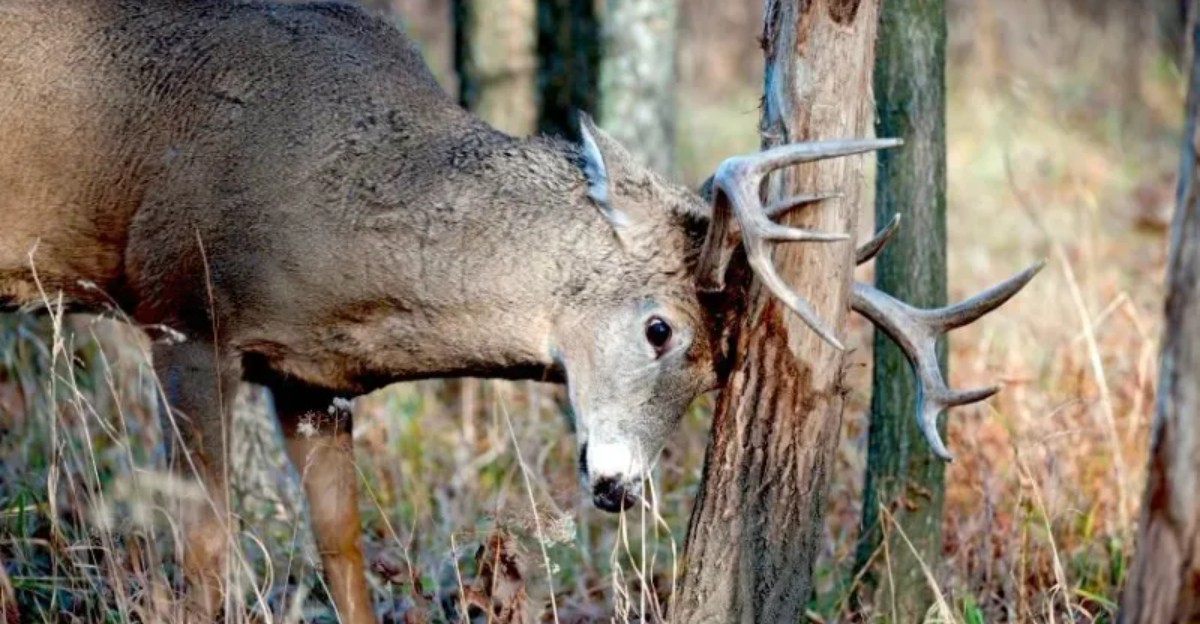
The torn bark on a young shade tree in October is often caused by an animal scratching its forehead. That rubbing leaves scent from glands near the eyes, which works like a signpost for other animals nearby.
In Missouri, this habit peaks from late September through November, right when many people plant new trees. I find it a little funny that fall planting season and the worst rubbing season overlap so neatly.
The damage sits between one and four feet off the ground, usually on trunks between one and four inches thick. Bigger trees rarely get hit as hard, because their rough bark and stiff trunks offer less satisfying resistance.
You could walk outside one crisp morning and find shredded strips hanging from a sapling you watered all summer. Would you guess that the culprit was simply trying to tell the neighborhood who was in charge this fall?
Antler Scraping During The Fall Rut
Most of the time, shredded bark on a young black tupelo in Missouri comes from a male white-tailed deer. Bucks rub their antlers against small trees in fall, and wildlife biologists call these marks antler rubs.
Early in the season, bucks rub to strip off the fuzzy velvet that covered their antlers during summer growth. Once the velvet is gone, the rubbing continues as a way to mark territory and build neck strength.
The Missouri Department of Conservation notes that the rut peaks in mid-November, with rubbing activity starting weeks earlier. That means October is prime time for fresh rubs to appear on trees in yards, parks, and farm edges.
Each rub also carries scent from glands on the buck’s forehead, which tells other deer he has passed through. Bucks often return to the same area year after year, so one damaged tree can signal more visits ahead.
Black tupelo is not the only target, but young trees with smooth, thin bark can be rubbed easily. Bucks tend to choose saplings by size and location more than by species.
Other animals can chew bark too, including rabbits and voles, but their damage tends to look quite different. Rabbits gnaw low near the snow line, while voles work at or below the soil surface in winter.
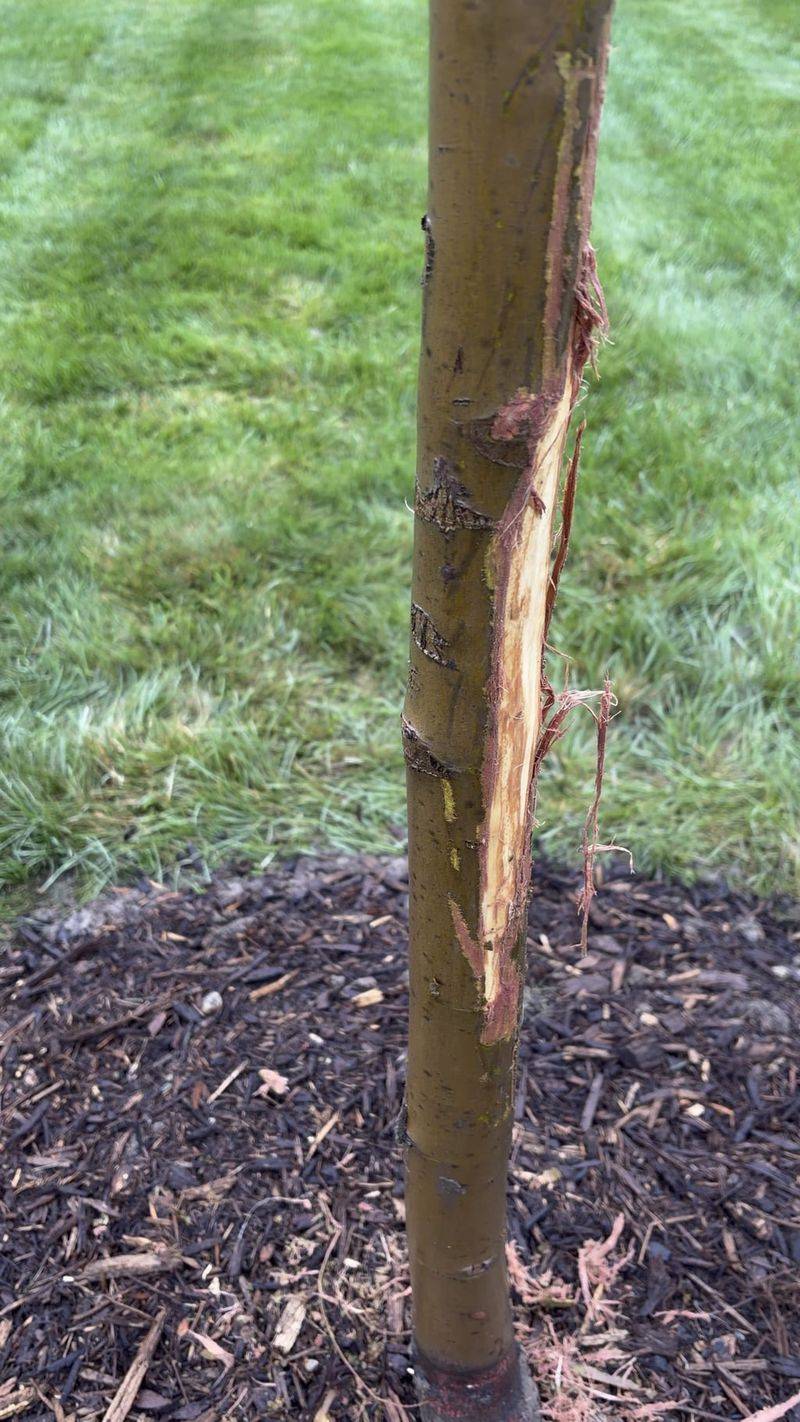
Rubbing, on the other hand, peels bark in long vertical strips that hang loosely from a scraped trunk. Once you learn that shape, you can spot a buck rub from across the yard on an October walk.
Clues That Separate Rubs From Mower Damage
Detective work starts at ground level, because the height of a wound tells you a lot about its cause. Mower and string trimmer injuries usually sit within a few inches of the soil, right where the blade passes.
Deer rubs, by contrast, mostly appear between one and four feet up, matching the height of a buck’s antlers. If the scraped area starts above your knee, you are probably looking at a rub rather than equipment damage.
The pattern of torn bark is another strong clue that helps you separate the two problems with more confidence. Trimmer line often chews a ring around the trunk, leaving rough, frayed edges all the way around the base.
Your Missouri Garden Changes Every Week. Your Plan Should Too.
Gardening in Missouri changes quickly throughout the season. Every Friday you’ll receive a simple weekly plan showing exactly what to plant, prune, fertilize, harvest, and protect so you never miss the right timing.
Rubs tend to strip bark on one or two sides, with shreds of bark curling up and down the trunk. You may also notice broken side branches nearby, since bucks thrash the whole sapling while they rub.
Check the soil under the tree as well, because a buck often scrapes the ground with its front hooves. These bare patches, called scrapes, are often found near rubbed trees and an overhanging branch at head height.
Timing gives one more hint, since mower damage builds slowly over the growing season instead of showing up overnight. A rub usually appears suddenly in fall, with fresh pale wood showing and bark strips still hanging on.
I suggest snapping a quick phone photo of any damage, with a ruler or tape measure held beside it. That simple record helps you track healing later and gives an extension agent clear details if you ask.
Smooth Young Trunks Draw The Most Attention
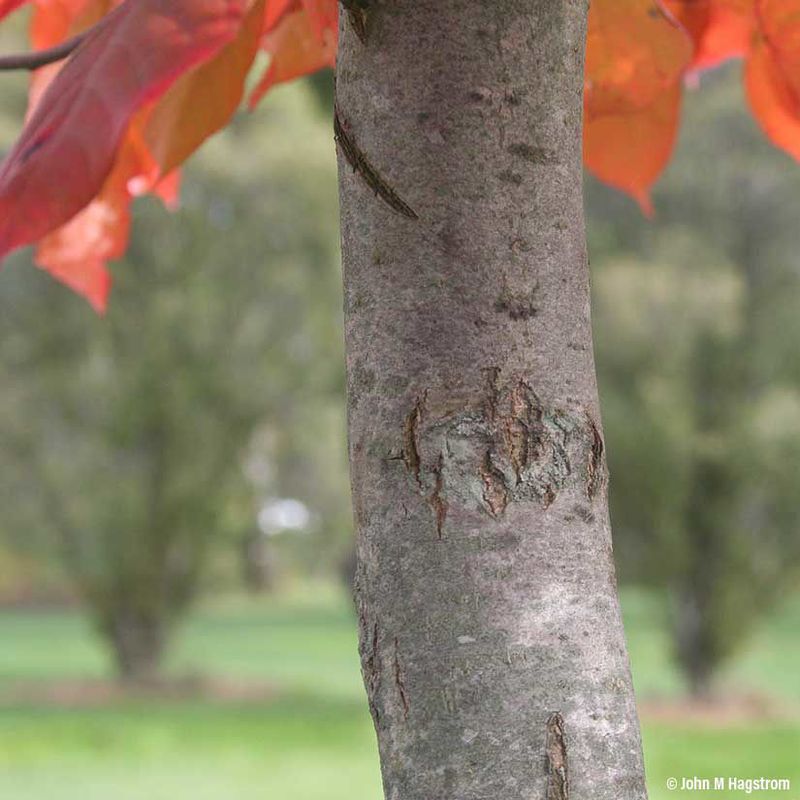
A skinny tupelo planted two or three years ago is basically the perfect rubbing post in a buck’s eyes. Bucks seem to prefer trunks between about one and four inches wide, which bend a little without snapping.
Young black tupelo bark is smooth and gray, while older trees develop thick, blocky ridges that resemble alligator skin. That smooth surface peels easily under antler pressure, so damage shows up fast and looks dramatic on small trunks.
Newly planted trees also stand out because they are often alone in open lawns or along woodland edges. Bucks travel those edges between cover and food, so a lone sapling becomes an easy target along the route.
Some biologists suspect that unfamiliar trees draw extra attention, though this idea is based more on observation than research. Either way, a lone nursery tree with clean, smooth bark can be easier for a buck to reach than trees in tangled thickets.
Black tupelo is a popular choice in Missouri landscapes because of its scarlet fall color and its value for birds. The Missouri Botanical Garden lists it as a native tree that grows well in both moist and average soils.
Unfortunately, black tupelo grows at a slow to moderate pace, so a young tree can stay in the rubbing size range for several years. Faster trees may outgrow the risk sooner, while a tupelo might need protection until its trunk passes four inches.
If you have several young trees, walk your property and note which ones match that smooth, slender profile. Those trees deserve your attention first, especially if they sit near a fence line, creek, or wooded strip.
Wound Care For Freshly Scraped Bark
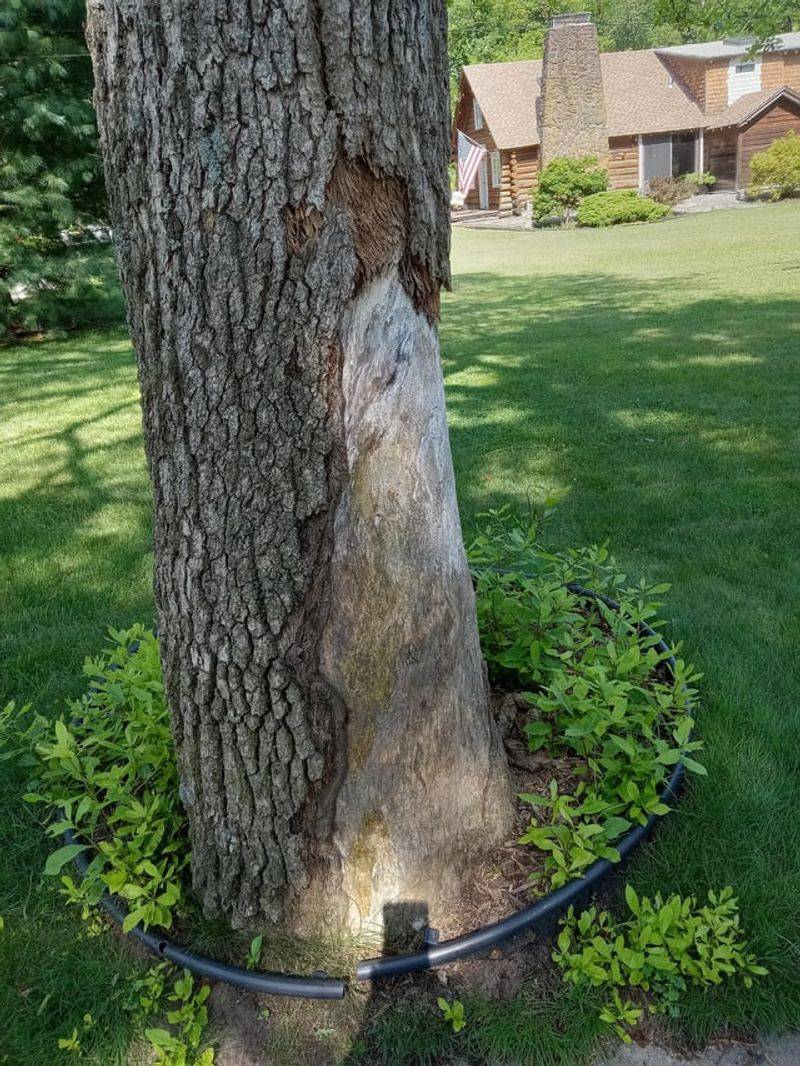
Take a slow breath before grabbing any tools, because a rubbed tree often looks worse than it really is. The key question is how much of the trunk’s circle has lost its bark down to bare wood.
Extension specialists explain that the thin living layer just under the bark carries sugars from the leaves down to the roots. When damage wraps all the way around the trunk, the tree usually declines because that flow is cut off.
If less than about a quarter of the trunk is scraped, a healthy tupelo has a solid chance of recovering. Use clean, sharp pruners to trim off loose, hanging strips of bark so they do not tear further.
You can also smooth ragged edges with a knife, but avoid cutting into healthy bark that is still attached. Clean edges help the tree form callus tissue, which slowly rolls inward over the wound during later growing seasons.
Skip the wound paint or tar, since university research shows these products do not speed healing in trees. Some studies suggest sealants can even trap moisture and encourage decay, so leaving it open is safer.
Water the tree deeply during dry fall spells, since a well-hydrated tree handles stress better heading into winter. Hold off on fertilizer for now, because pushing new growth in October can leave tender tissue exposed to cold.
A thin ring of mulch around the base helps, as long as it stays a few inches from the trunk. I like to think of this stage as giving the tree a calm, steady place to start repairing itself.
Trunk Protection Through Early Winter
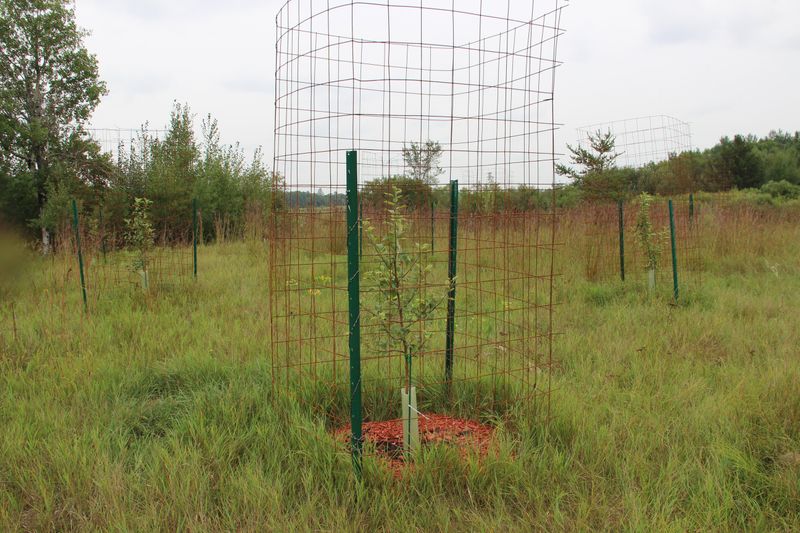
Rubbing season keeps rolling well past Halloween, so a simple barrier around your trunk is worth installing right now. Bucks often keep rubbing into December, and some shed their antlers as late as February or March.
Many extension services recommend a cylinder of welded wire or woven fencing placed around the tree like a cage. Aim for a cage about four to five feet tall, set a few inches away from the bark.
Secure the cage with two or three sturdy stakes, because a determined buck can push a loose cage over. Metal T-posts work well, and they hold up better than wooden stakes over a long season.
Plastic tree guards or corrugated drain tubing can also shield the lower trunk from rabbits and mowers. Choose guards with slits or holes for airflow, since tight wraps can hold moisture and invite insects underneath.
Another quick option is to drive three or four stakes around the tree in a triangle or square pattern. Those posts can keep the antlers farther from the trunk, though wire between them gives better protection.
Deer repellent sprays can help a little, but their scent fades with rain and they rarely stop a rutting buck. Physical barriers remain the most reliable choice for protecting young trunks through the cold months ahead in Missouri.
Plan to leave the guard in place until the trunk grows thicker than about four inches across. Check it each spring, loosening ties and adjusting the cage so it does not rub or pinch the bark.
Recovery Signs To Watch Next Spring
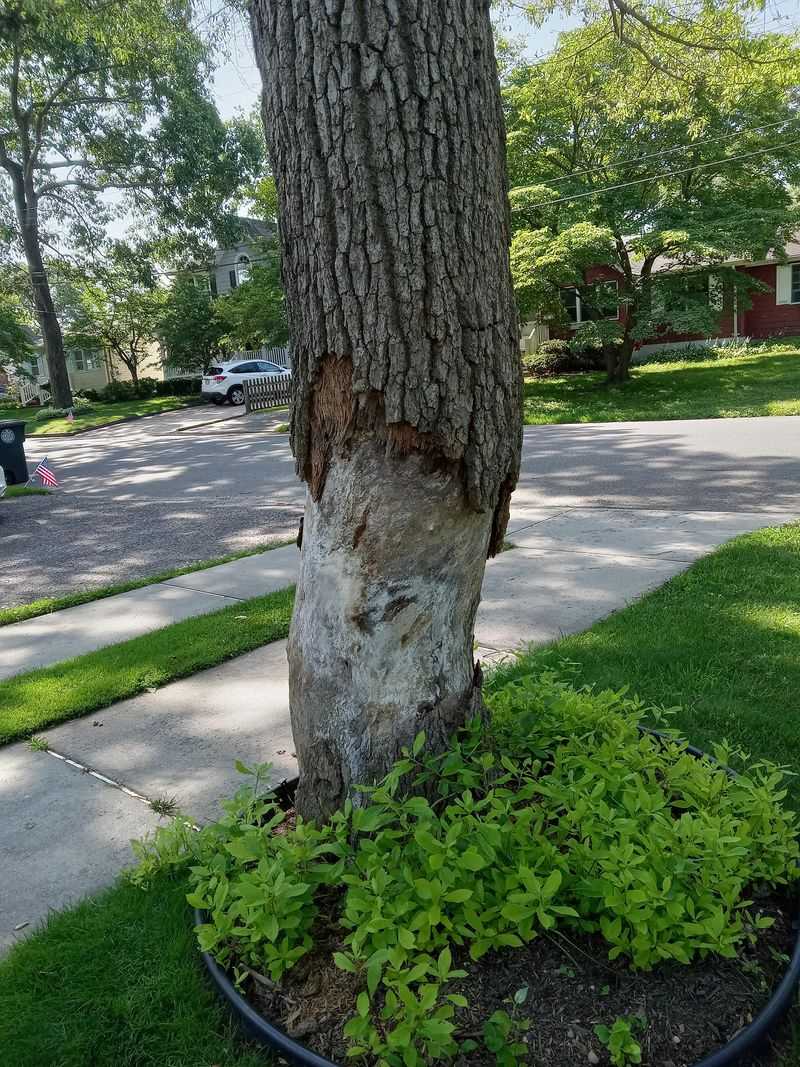
Spring brings the real report card, so mark your calendar for April when black tupelo starts to leaf out. Tupelo is often one of the later trees to show new leaves, so give it a few extra weeks.
Healthy buds swelling along the branches are a good early sign, though a badly damaged tree can leaf out in spring and still decline by summer. If buds open above the wound but leaves stay small or pale, the tree may still be struggling.
Look closely at the edges of the scrape, where a raised rim of new tissue should begin forming. Arborists call this rim callus or woundwood, and it slowly creeps inward over the bare wood each growing season.
Small wounds may close within a few years, while larger scrapes can stay partly open for much longer. An open scar does not mean failure, since many trees live for decades with old rub marks.
Watch for sprouts popping up from the base, because a badly girdled tree often pushes suckers below the wound. If the top fails to leaf out by early summer, those sprouts might be the tree’s backup plan.
In that case, you can choose one strong sprout and train it as a new trunk over time. Your local University of Missouri Extension office can help you decide whether replacing the tree makes more sense.
Keep that protective cage in place even after healing starts, since bucks are likely to rub again next fall. With a little patience, many scraped tupelos recover and grow into tall trees with scarlet fall color.