That Fake Spiderweb On Your Missouri Porch Could Trap Fall Wildlife
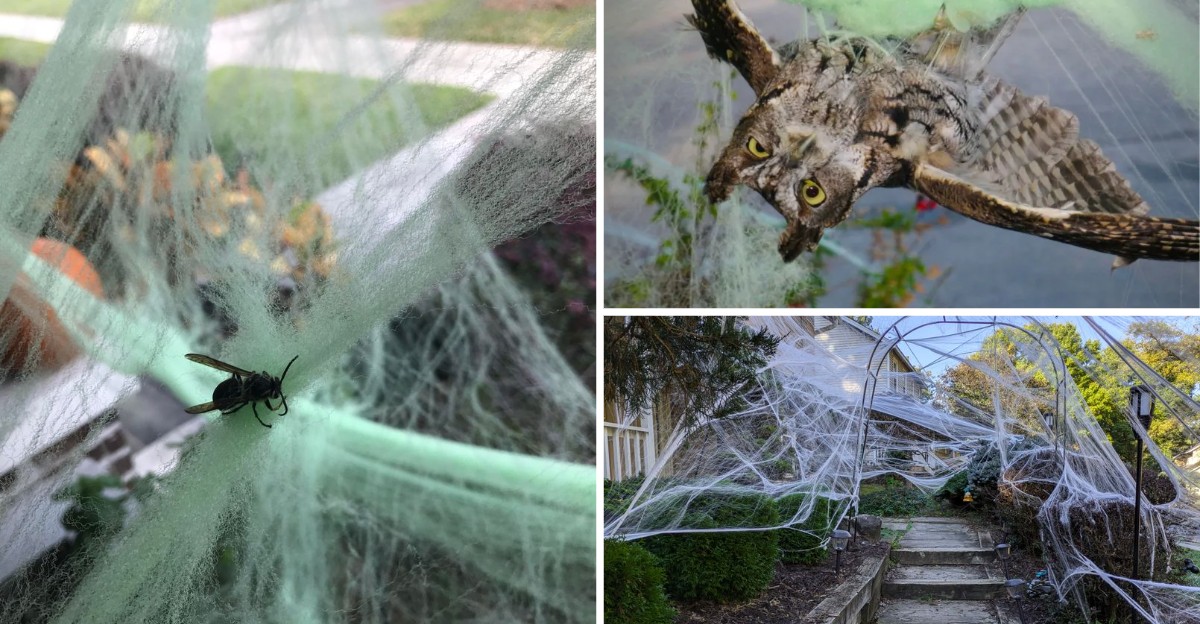
A single bumblebee can end up trapped for hours in a stretchy Halloween decoration that looks harmless. Wildlife rehabilitators have shared photos of bees, small birds, and bats wrapped tightly in the fluffy strands.
In Missouri, bumblebee queens often keep feeding on asters and goldenrod well into October before they settle in for winter. I believe people forget those queens are the only bumblebees that survive winter to start new colonies.
Bats such as eastern red bats are still moving through the state during fall migration, often hunting insects near houses. Their thin wings and tiny claws can catch on loose fibers.
Most of us walk past the porch railing each evening and only notice the spooky look we worked to create. So when did you last lean close and check whether something small was struggling inside those soft gray threads?
Thin Synthetic Strands Hold Small Wildlife In Place
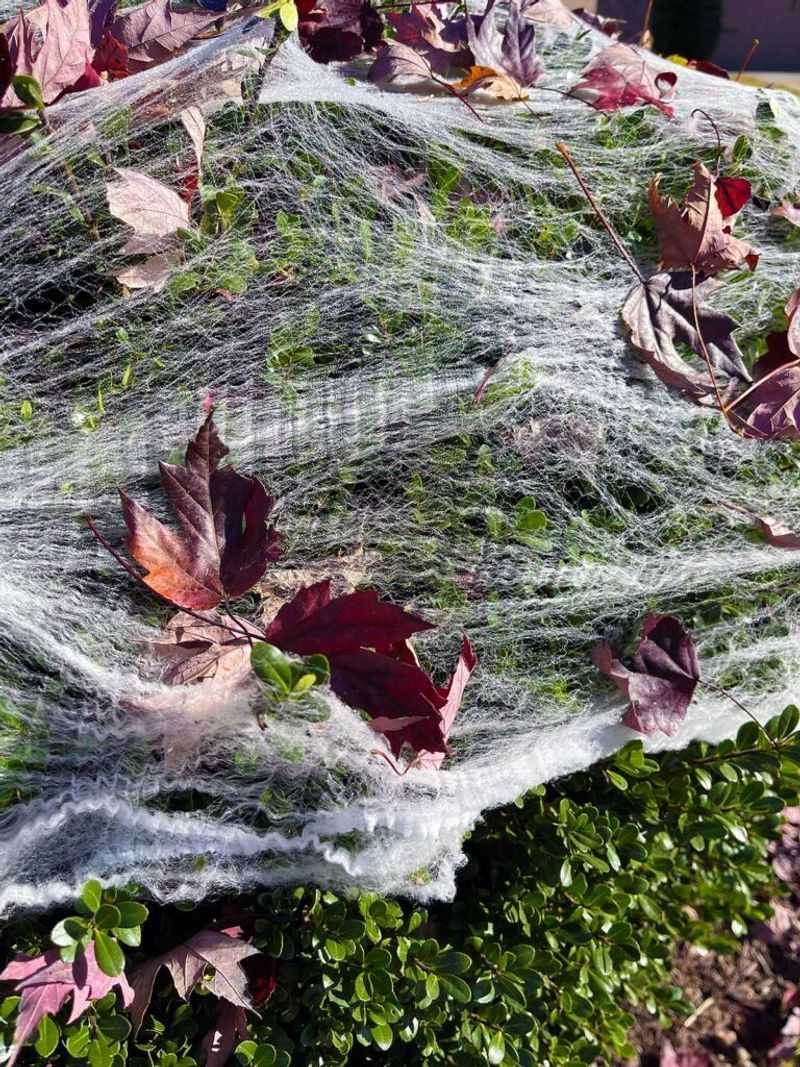
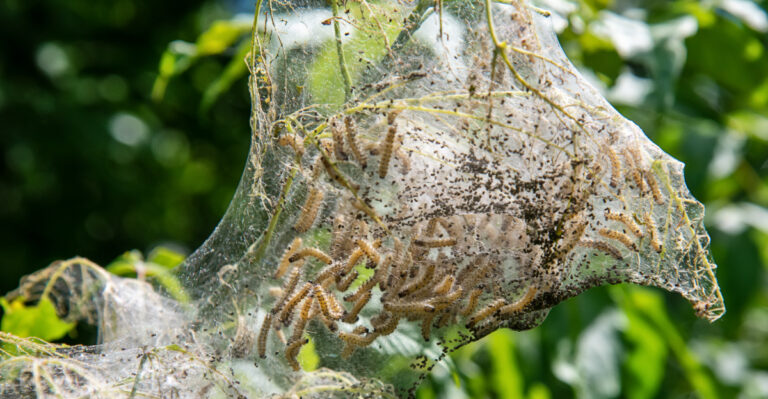
Real spiders spin webs sized for insects, but fake spiderweb decorations are made of stretchy synthetic fibers that do not break easily. That strength is the main problem, because a struggling bee, bird, or bat can get wrapped tighter with each twist.
Conservation groups and wildlife rehabilitators, including voices in Missouri, often urge homeowners to skip stretchy fake webs each fall. They report bumblebees, hummingbirds, small songbirds, and bats arriving at rehab centers wrapped in the cottony fibers.
No national count of animals caught in fake webbing exists, so the true size of the problem is still uncertain. Still, the cases reported show a clear pattern, and most involve decorations left loose near plants or lights.
Strands stretched across shrubs are especially risky, since bees and birds visit those spots to feed or rest. A real spiderweb usually breaks when something large hits it, which lets most bigger animals pull free quickly.
Synthetic strands hold their grip, so a trapped animal can grow weak from stress, hunger, or cold overnight. Thin fibers can also cut into wings or legs, leaving injuries that need care from a licensed wildlife rehabilitator.
You do not need to give up Halloween decorating to help, because small changes make a real difference here. Keeping decorations tight, flat, and away from plants lowers the chance that any curious visitor gets stuck tonight.
Checking your porch once in the morning and once at dusk takes only a minute or two each day. That quick habit gives you the best chance of spotting a trapped animal while it still has strength.
Pollinators Still Active Across Missouri In Late October
Walk past a patch of New England aster on a sunny October afternoon, and you may hear steady buzzing. Missouri pollinators do not shut down at the first cool night, and many keep foraging until a hard freeze.
Common eastern bumblebee queens are often the largest bees you see now, and they are fattening up for winter. After mating, new queens often dig a shallow hole in loose soil or leaf litter to rest until spring.
Losing one queen in fall can mean losing a whole future colony, which could hold dozens of workers next summer. Monarch butterflies also pass through Missouri in early fall, though most have moved south by late October.
Your Missouri Garden Changes Every Week. Your Plan Should Too.
Gardening in Missouri changes quickly throughout the season. Every Friday you’ll receive a simple weekly plan showing exactly what to plant, prune, fertilize, harvest, and protect so you never miss the right timing.
Late stragglers, along with sulphur butterflies, hover flies, and small sweat bees, still visit blooms on warm days. Goldenrod, asters, and late-blooming sedums are favorite fuel stops for late-season pollinators.
If your porch decorations hang near potted mums or flower beds, they sit right along these busy flight paths. Cool mornings make bees slower and clumsier, so they bump into objects more often before they warm up.
A quick fix is to keep fake webs at least a few feet away from anything that blooms. You can also leave your fall flowers standing a little longer, giving late pollinators a safe place to refuel.
I like watching a fat bumblebee crawl across an aster, because it reminds me the season is still busy. Giving that bee a clear path home is one of the easiest favors you can do this month.
Porch Lights Draw Night Flyers Toward The Strands
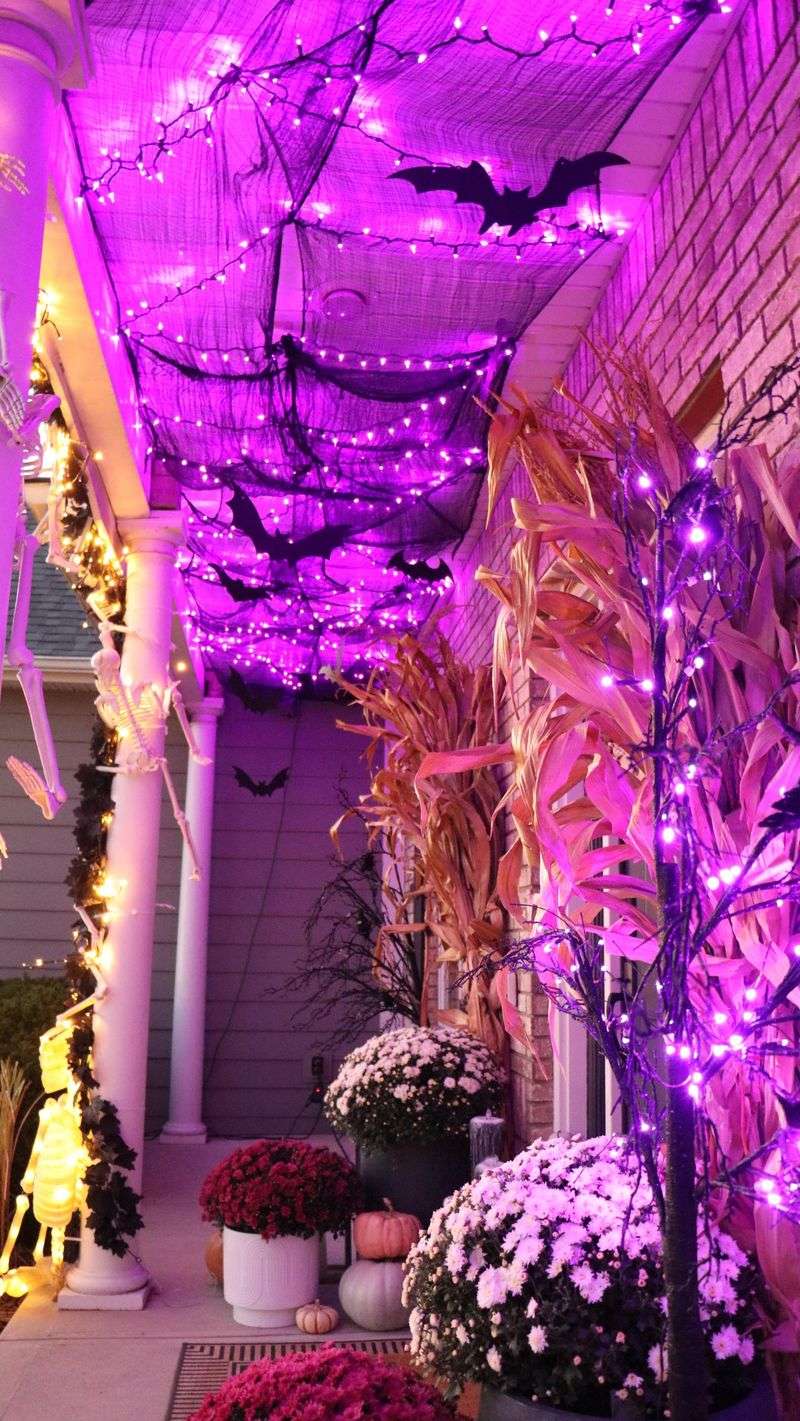
Moths circling your porch light might look harmless, but they act like a dinner bell for hungry bats. Missouri has more than a dozen bat species, and several still hunt insects on mild nights in October.
Eastern red bats and evening bats often swoop low near houses, chasing moths drawn in by bright bulbs. A fake web hanging under that light sits right in the middle of their hunting zone after dark.
Bats use echolocation to find food, but thin, loose fibers may be hard for them to detect quickly. Researchers have not fully studied this, so the exact reason bats get tangled is still partly a guess.
Birds migrating at night can be pulled toward lights too, especially during cloudy weather in the fall season. Many songbirds pass over Missouri in October, and a tired bird landing on a railing could brush the strands.
The simplest step is turning off porch lights when you go to bed, or using a motion sensor. Warm yellow or amber bulbs also attract fewer insects than bright white ones, which means fewer hunting bats nearby.
Groups like the National Audubon Society support Lights Out programs that ask people to dim lights during migration. Moving any decorations away from light fixtures is a smart move, even if you keep the bulbs glowing.
Trick-or-treaters still get a cheerful welcome, and the night visitors overhead get a safer place to hunt. Bats eat huge numbers of insects, including moths that damage crops, so protecting them helps Missouri farms too.
Gentle Steps For Freeing A Tangled Animal
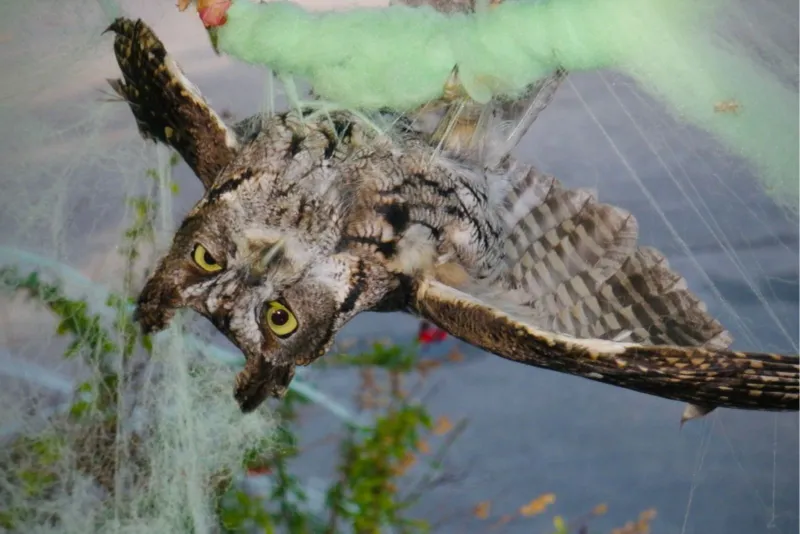
Finding a bee buzzing in a knot of fake webbing can make your heart jump, so take a breath first. Staying calm helps you move carefully, and careful hands matter most when an animal is tired and scared.
For bats, do not touch them with bare hands, because bats can carry diseases. The Missouri Department of Conservation and health officials advise calling a wildlife rehabilitator or your local animal control instead.
Small birds and bees can sometimes be freed at home if you wear thick gloves and work patiently. A pair of small, blunt-tip scissors works best for snipping fibers one at a time, away from skin.
Pulling on the strands often tightens them, so cut the material around the animal rather than tugging. Covering a bird with a light towel can help it stay calmer while you remove the loose threads.
Once free, a bee may need a few minutes in a sunny spot before it can fly again. Some people offer a drop of sugar water on a spoon, which can give a tired bee quick energy.
Watch closely for fibers wrapped around wings, legs, or toes, since tiny leftover pieces can cause injuries later. An animal that cannot fly, has cuts, or seems weak should go to a licensed rehabilitator for care.
The Missouri Department of Conservation website lists permitted rehabilitators, so saving that link on your phone is smart. After any rescue, take down the web that caused trouble, because another animal could get caught in it tomorrow.
Plastic Strands That Break Into Microplastics Over Time
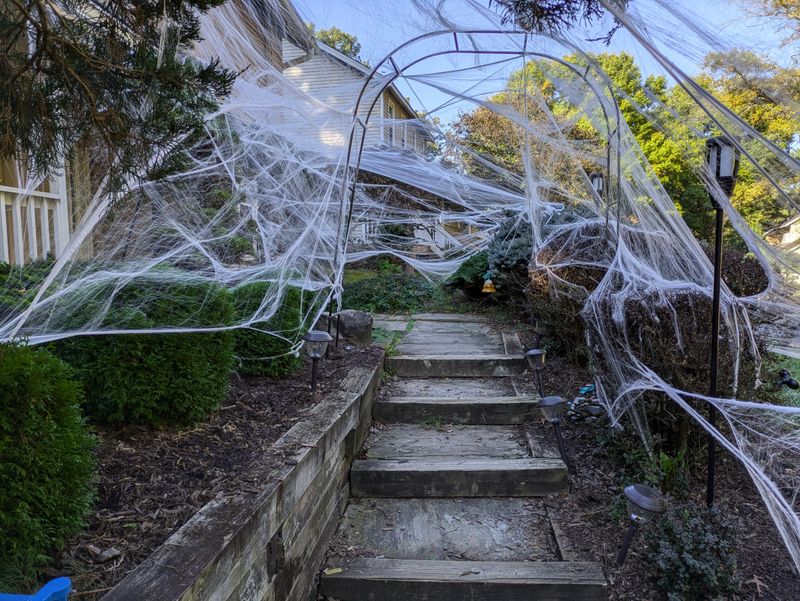
Most stretchy fake webs are made from polyester or nylon, the same kinds of plastic used in many fleece jackets. Rain, wind, and sunlight slowly weaken those fibers, and tiny bits break off and drift away from your porch.
Scientists call pieces smaller than five millimeters microplastics, and NOAA notes they now show up in oceans, waterways, and many other environments worldwide. Synthetic fibers are among the most common types found, though decorations are only a small part of that mix.
Exact amounts from fake webbing have not been measured, so its share of the problem remains unclear. Even so, loose strands blowing across lawns can end up in storm drains that flow toward Missouri creeks and rivers.
Birds sometimes gather fluffy material for nests, and plastic fibers have been found woven into nests in several studies. Webbing left outside until spring could become nesting fluff, which can wrap around the legs of growing chicks.
Fake webs generally do not belong in curbside recycling, because thin fibers can tangle sorting equipment. Bagging used webbing and placing it in the trash keeps it from scattering across your yard or neighborhood.
Pick up stray bits caught in shrubs or gutters, since those pieces often break down the fastest outdoors. Reusing the same decoration for several years, stored in a sealed bin, also cuts down on new plastic waste.
A five-minute cleanup on November first is a simple habit that keeps your yard tidier through winter. Your local creeks will benefit from every bit of plastic kept out of the water.
Natural Decor Swaps For A Safer Porch
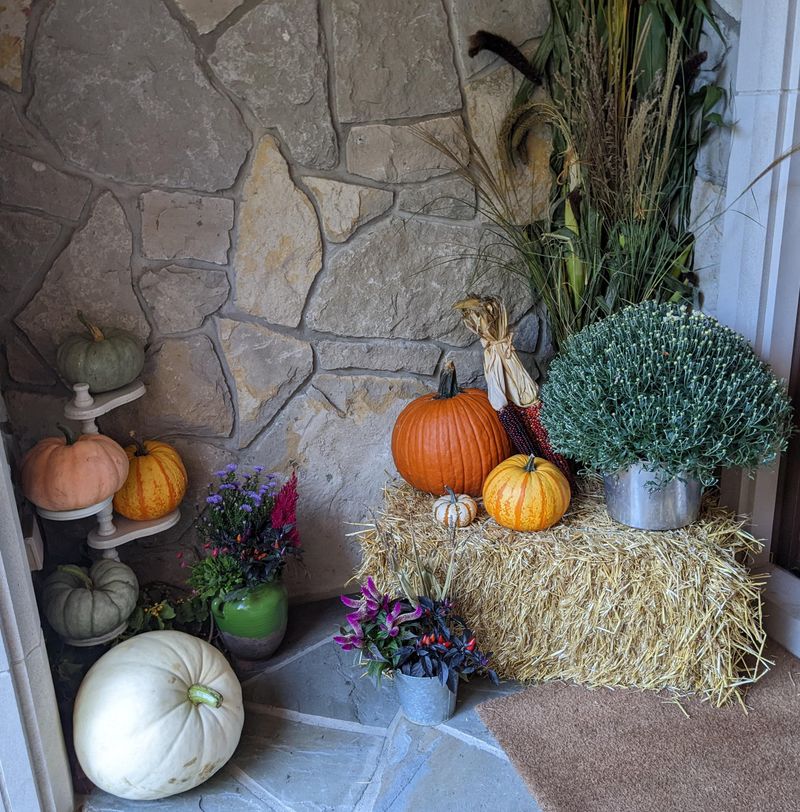
Pumpkins, gourds, and hay bales have decorated Missouri porches for generations, and they pose no tangling risk to bees. A spooky porch can still look creepy and fun without any stretchy webbing hanging from the railings or shrubs.
Carved jack-o’-lanterns with battery candles give a warm glow and skip the risk of open flames near leaves. When the season ends, uncarved pumpkins can go into a compost pile, where they break down into rich soil.
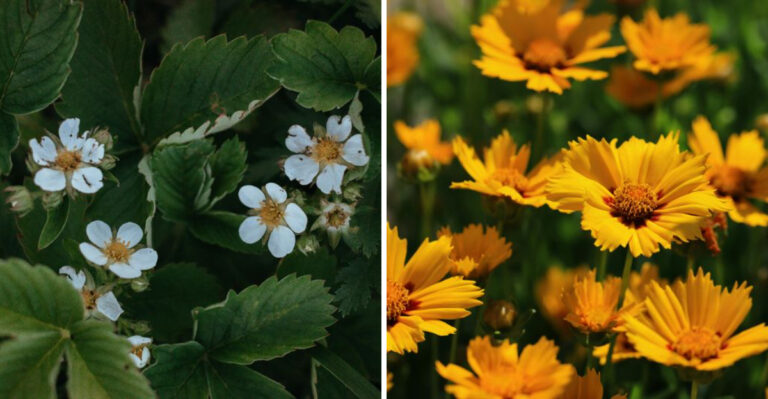
Dried corn stalks, ornamental corn, and bundles of native grasses like little bluestem add height and rustic texture. Potted asters and mums brighten steps, and the asters feed late bees instead of putting them at risk.
If you love the web look, paint one on a window with washable paint or draw it with chalk. Wire, rope, or yarn webs made with thick cords stay flat and firm, so small animals rarely get stuck.
Tie those thick webs tightly against a wall or door, leaving no loose ends to flap in wind. Leaving a few real spiderwebs in a quiet corner is another fun choice, and kids love spotting them.
Orb weaver spiders build big, wheel-shaped webs in Missouri each fall, and they help control garden pests naturally. Their webs are made to catch insects, so they rarely trouble birds, bats, or the bumblebees visiting your flowers.
Mixing a few of these swaps keeps the Halloween mood strong while making your porch kinder to wildlife. I think a porch with glowing pumpkins and a real spider in the corner feels spookier than any plastic.