Missouri Garden Watering Mistakes Are Costing You More Than You Think And Here Is How To Fix Them
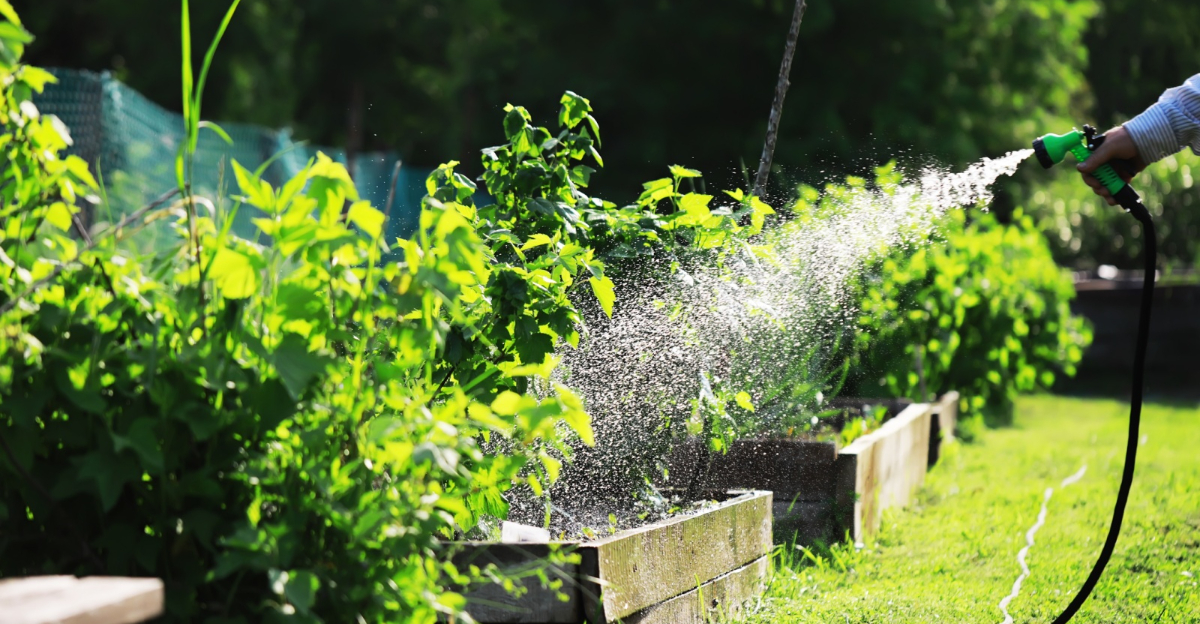
Your tomatoes know when something is wrong. Missouri summers hit full throttle fast. Heat index past 100, cracked soil, leaves curling before the day even begins, your plants are sending real distress signals.
And the frustrating part? Most gardeners respond by doing more of the same thing that caused the problem in the first place.
More water, same bad timing, same shallow roots, same struggling plants by August. Watering a summer garden sounds simple until the ground rejects everything you give it and your water bill climbs with nothing to show for it.
The mistakes are quiet ones. You do not notice them until the season has already slipped away. But here is what experienced Missouri growers figured out the hard way: the solution is rarely more water. It is smarter water.
Different timing, different depth, different thinking. Stop watering harder and start watering right, because your garden is one good habit away from thriving all summer long.
Sun-Heated Hose Water Stresses And Damages Delicate Roots
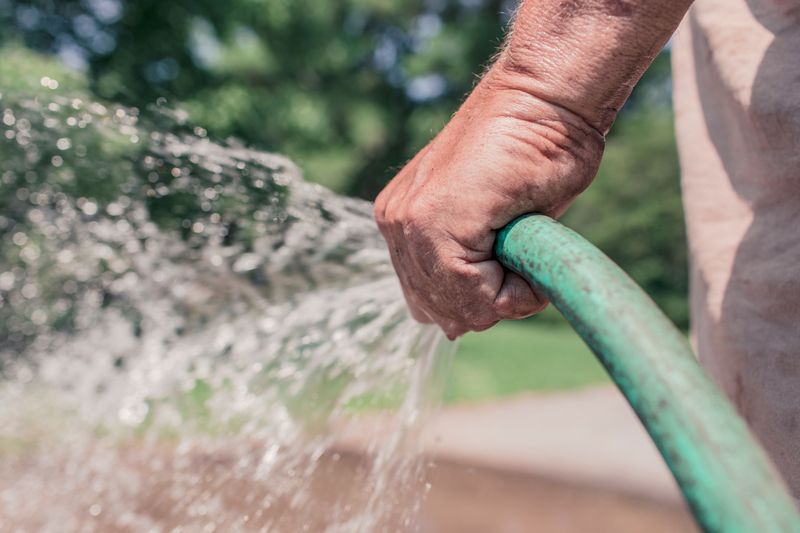
Pick up your garden hose after it has been sitting in the sun for an hour. The water that comes out first is very hot.
That overheated water can seriously harm your plant roots. Roots are sensitive structures that absorb moisture and nutrients for the whole plant.
When you direct hot water onto them, the tissue gets stressed. Roots absorb moisture most efficiently at or near soil temperature, and water far above that range disrupts that process.
Missouri summers push outdoor temperatures well past 90 degrees. A dark hose lying on pavement or bare soil can heat the water inside to over 130 degrees Fahrenheit.
That temperature is high enough to cause serious stress to plant tissue. It is definitely hot enough to damage tender feeder roots just below the soil surface.
Vegetable gardens are especially at risk. Tomatoes, peppers, cucumbers, and squash all have shallow root zones that feel the impact almost immediately.
Even established perennials and shrubs can suffer when repeatedly hit with superheated water. The damage builds up slowly and shows up as wilting, yellowing leaves, or stunted growth.
Many gardeners blame the heat or pests when the real culprit is their own hose. Missouri garden watering habits are often the hidden cause behind struggling summer plants.
The fix is simple and takes about 30 seconds. Always run your hose until the water feels cool before directing it toward any plant.
Cool water encourages roots to grow deeper. Deeper roots mean stronger, more heat-resistant plants all season long.
Shallow Watering Leaves Roots Fragile In Heat
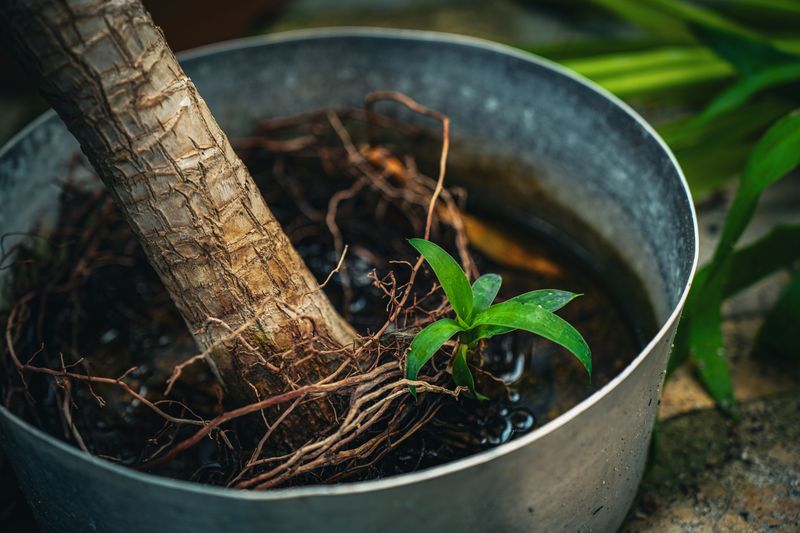
A quick sprinkle from the hose feels helpful. But it barely wets the top inch of soil.
Plants that only receive surface moisture develop shallow root systems. Shallow roots cannot reach the cooler, damper soil layers found deeper underground.
When a heat wave rolls through Missouri, those shallow roots have nowhere to go. The top layer of soil dries out within hours on a 95-degree afternoon.
That is when you start seeing wilting even after you just watered. The plant is not being dramatic. It genuinely ran out of moisture.
Your Missouri Garden Changes Every Week. Your Plan Should Too.
Gardening in Missouri changes quickly throughout the season. Every Friday you’ll receive a simple weekly plan showing exactly what to plant, prune, fertilize, harvest, and protect so you never miss the right timing.
Deep watering teaches roots to grow downward. Roots follow moisture, so if water only sits near the surface, that is where roots stay.
To water deeply, slow things down. Let the hose run at a low pressure near the base of each plant for several minutes.
A good target is moistening the soil at least six to eight inches deep. You can check this by pushing a wooden skewer or pencil into the ground after watering.
If it comes out damp halfway down, you are on the right track. If it comes out dry below two inches, keep watering longer.
Raised beds and sandy soils drain faster than clay-heavy Missouri garden soil. Those spots need longer watering sessions to build up adequate moisture reserves.
Missouri garden watering done deeply and slowly is one of the biggest upgrades you can make this season. Stronger roots equal plants that bounce back from heat instead of collapsing under it.
Afternoon Watering Mostly Evaporates Before Roots Absorb It
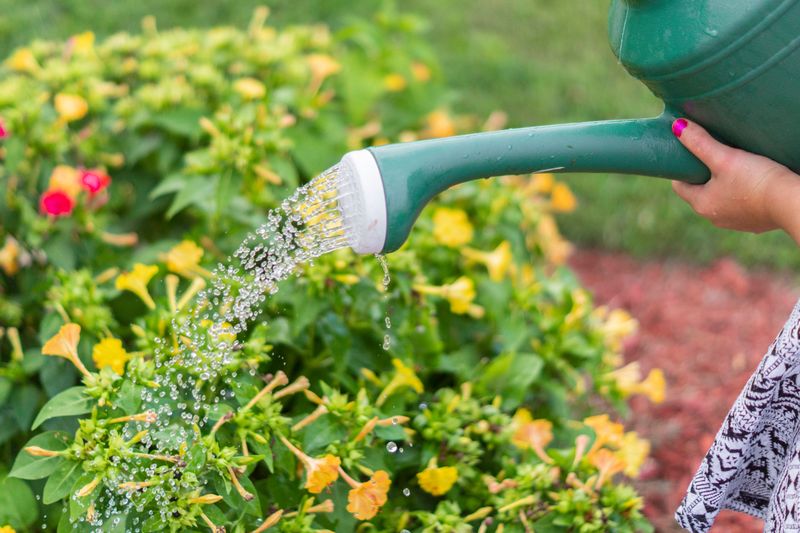
Watering at 2 p.m. on a Missouri summer afternoon is one of the most common garden mistakes around. The sun is at peak intensity and the air temperature is brutal.
Most of that water evaporates before it ever reaches the root zone. You are essentially watering the sky instead of the soil.
Wind also picks up during afternoon hours in Missouri. That combination of heat and wind can pull moisture out of the ground faster than roots can take it in.
Foliar moisture is another issue during afternoon watering. Wet leaves combined with heat and humidity can contribute to foliage stress, which sometimes appears as brown or discolored patches on otherwise healthy plants.
Some gardeners think those spots are a disease or a pest problem. Often it is simply sun hitting water droplets sitting on warm leaf surfaces.
The math on afternoon water loss is staggering. Research on irrigation efficiency suggests that midday watering can lose significantly more moisture to evaporation than morning watering.
That means a 10-minute afternoon session might deliver the same benefit as just 7 minutes in the morning. Over a whole summer, that adds up to a lot of wasted water and stressed plants.
Switching your schedule is completely free and requires no new equipment. Just move the clock forward and let the morning coolness work in your favor.
Missouri garden watering timing is one of the easiest adjustments you will ever make. The results show up within days as perkier, more resilient plants.
PVC Hoses Leach Chemicals When Sun-Heated
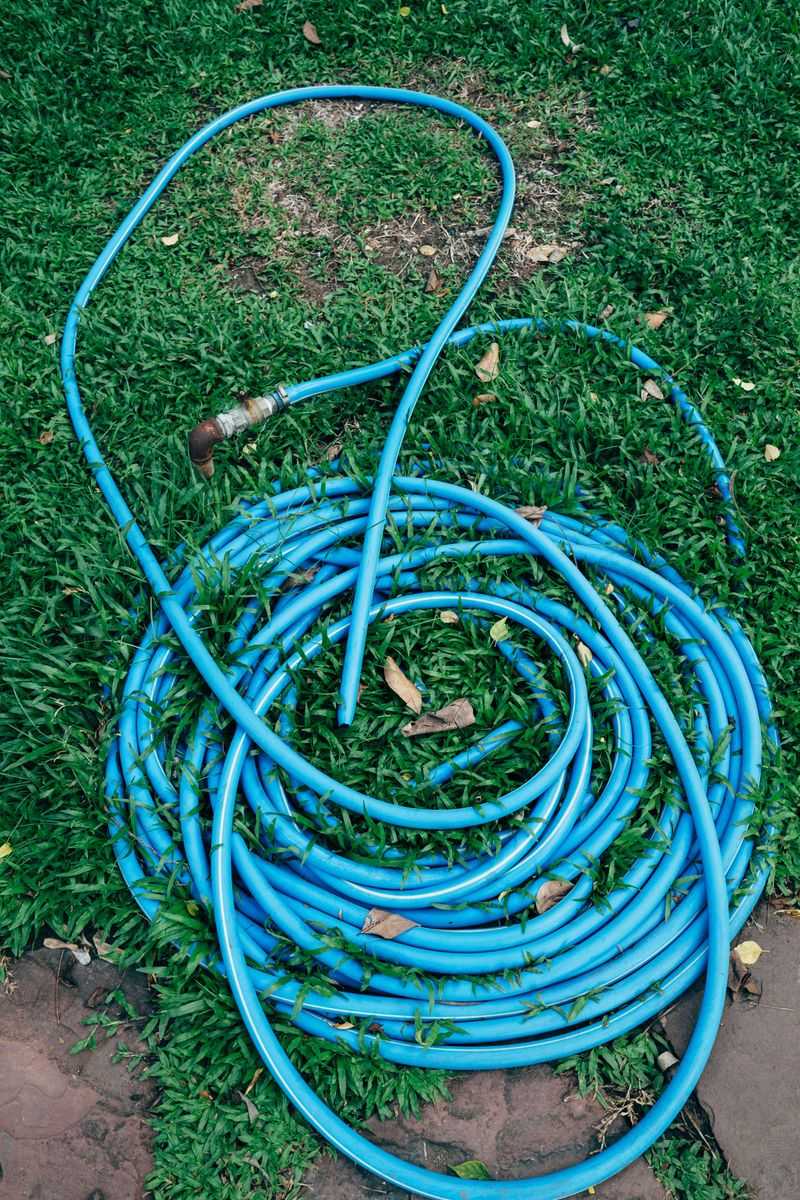
Not all garden hoses are created equal. Cheap PVC hoses are everywhere at discount stores, and they come with a hidden problem most gardeners never think about.
When PVC plastic heats up in the sun, it can release chemicals into the water sitting inside. Those chemicals include phthalates and BPA, both of which are concerning for plants and people.
Watering your vegetable garden with chemical-laced water is the opposite of healthy growing. You plant food to eat it, not to add unwanted substances to your harvest.
The problem gets worse the longer the hose sits in direct sunlight. A hose baking on a concrete driveway for three hours can reach temperatures that accelerate chemical breakdown significantly.
Hoses labeled as drinking-water safe are a much better choice. These are made from materials that resist heat breakdown and do not leach chemicals at the same rate.
They cost more upfront, but the investment protects your food supply. Look for labels that say BPA-free or NSF-certified for drinking water.
Rubber hoses are another solid option. Natural rubber holds up better in heat and does not carry the same chemical risk as standard vinyl garden hoses.
Storing your hose in the shade or in a hose reel box also helps. Reducing heat exposure extends the life of any hose and limits chemical off-gassing between uses.
Missouri garden watering should never introduce toxins to your beds. A safer hose is a small change with a meaningful long-term payoff for your whole family.
Flush Hot Hose Water Onto Pavement Before Watering
This tip is so simple it almost feels too easy. Before you water a single plant, point the hose at your driveway or sidewalk and let it run for 30 to 60 seconds.
You are flushing out the hot water that has been sitting in the hose since your last watering session. That trapped water heats up fast in direct sun.
Feel the water temperature change as you hold the hose. Within about a minute, it shifts from hot to noticeably cooler.
That cooler water is what your plants actually need. Roots absorb moisture most efficiently when it is close to soil temperature or slightly cooler.
Pouring boiling-hot water into the root zone is a shock to the plant system. Even if it does not cause immediate visible damage, it stresses roots and reduces their ability to absorb nutrients.
This flush technique is especially important on days when the hose has been sitting in full sun for hours. Midday and afternoon sessions require a longer flush than early morning ones.
If your hose is dark colored or made of rubber, it absorbs more heat. Those hoses may need a full 90-second flush before the water cools enough to be safe for plants.
Think of it as warming up a car in winter before driving. You would not skip that step, and you should not skip this one either.
Missouri garden watering habits that include a quick flush are easy to build. Your plants will respond with stronger growth and fewer signs of heat stress.
Switch To Soaker Hoses Or Drip Irrigation
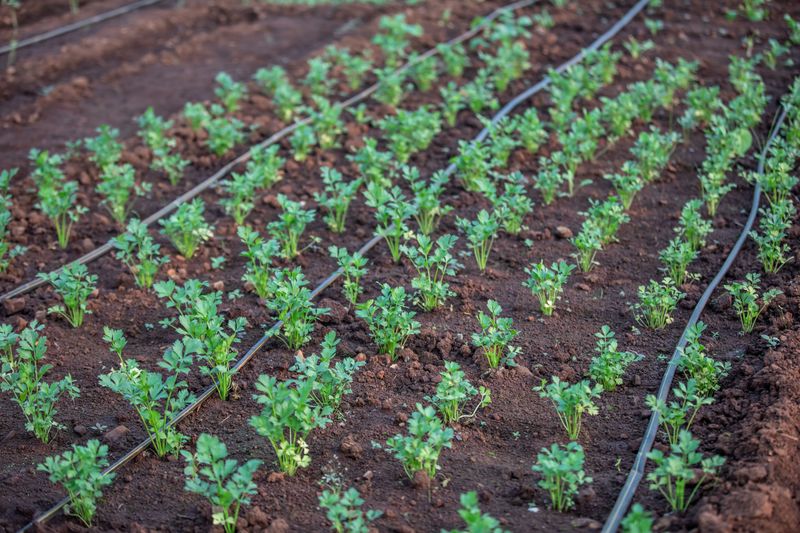
Soaker hoses changed the game for summer gardening in hot climates. They deliver water directly to the soil at a slow, steady rate that roots can actually absorb.
No spray. No mist. No water landing on leaves or evaporating into the afternoon air. Just a gentle, consistent flow right where it counts.
Drip irrigation systems work on the same principle. Tiny emitters release water drop by drop at the base of each plant over a set period of time.
Both methods reduce water waste significantly compared to overhead sprinklers or hand watering. According to the EPA WaterSense program, drip irrigation can use significantly less water than conventional overhead methods.
For Missouri summers, that efficiency is a serious advantage. Water restrictions sometimes kick in during drought conditions, and every gallon saved counts.
Setup is easier than most people expect. Soaker hoses simply connect to your standard outdoor spigot and weave between plant rows.
You can cover an entire 20-foot garden bed in about 15 minutes of installation time. Drip systems take a bit more planning but offer more precision for larger or more complex gardens.
Both options work beautifully with mulch on top. The mulch slows evaporation and keeps the soil cool while the soaker hose does its quiet work underneath.
Missouri garden watering becomes almost effortless once you switch to drip or soaker systems. Set a timer, walk away, and let the system handle the hard part for you.
Water Before 9 A.M. To Beat Evaporation
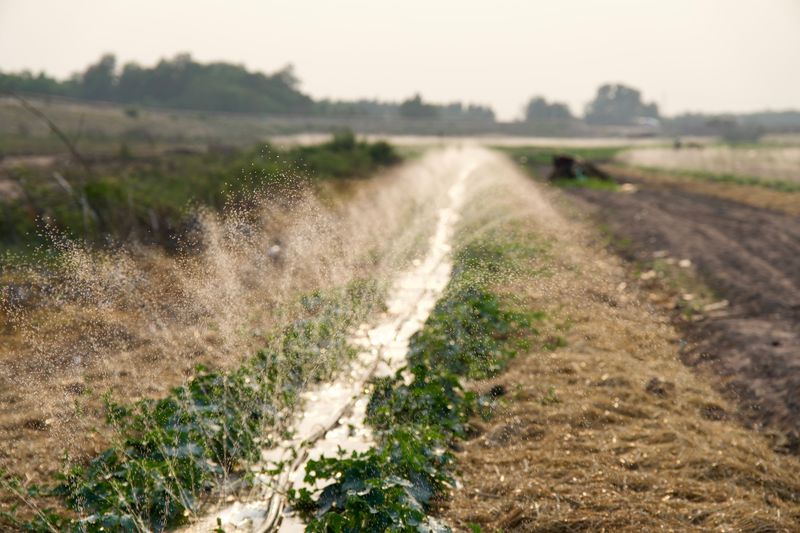
Early morning is the best window for garden watering. The air is cooler, the wind is calmer, and the sun has not yet cranked up its full intensity.
Watering before 9 a.m. gives moisture time to soak deep into the soil before heat starts pulling it back out. Roots drink well when the ground is still cool from the night.
Morning watering also allows any leaf moisture to dry off before temperatures climb. Wet foliage sitting in cool morning air dries naturally as the day warms up.
That drying cycle helps reduce fungal issues that thrive in humid conditions. Powdery mildew and leaf spot both love wet leaves baking under afternoon heat.
Setting an alarm might feel like a sacrifice, but your garden will reward the effort. Even an early morning watering session takes only 15 to 20 minutes for most home gardens.
If mornings are genuinely impossible for your schedule, consider using a timer on your spigot. These inexpensive devices connect between the hose and the faucet and run on a set schedule automatically.
Timers are available at most hardware stores at a relatively low cost. That small investment handles the early morning job without you even getting out of bed.
Consistent early watering also helps regulate soil temperature throughout the day. Cool, moist soil acts like insulation, protecting roots from the worst of the afternoon heat.
Missouri garden watering before 9 a.m. is the single most impactful timing shift you can make. Start tomorrow and notice the difference within a week.
Mulch Around Plants To Cool Roots And Lock Moisture
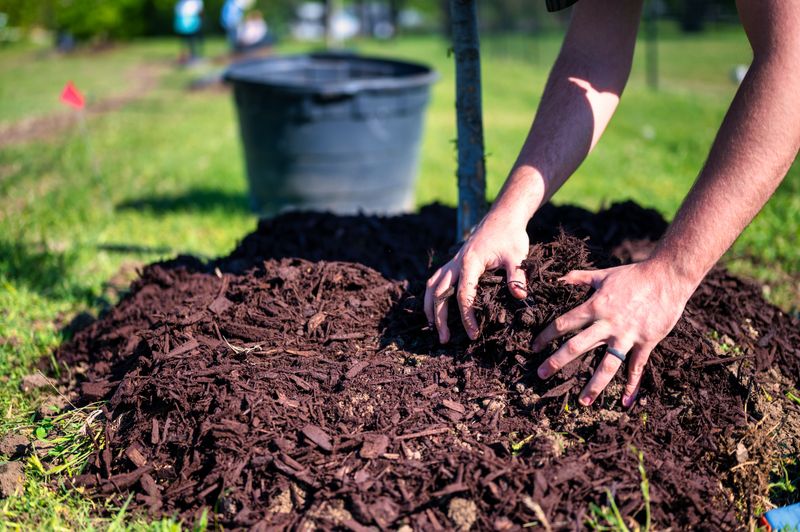
Bare soil in a Missouri summer creates problems quickly. It heats up fast, dries out faster, and leaves roots completely exposed to temperature swings.
A three to four inch layer of mulch makes a significant difference. Straw mulch is one of the most popular choices for vegetable gardens. It is affordable, easy to spread, and breaks down over time to add organic matter to the soil.
Wood chips work beautifully around perennials, fruit trees, and shrubs. They last longer than straw and create a polished look that also suppresses weeds aggressively.
Shredded leaves are a free option for anyone with trees in the yard. Collect them in fall, store them in bags, and pull them out the following summer when your garden needs them most.
Mulch also reduces how often you need to water. A properly mulched bed can go one to two days longer between watering sessions than bare soil in the same conditions.
That reduction adds up to significant time and water savings across an entire summer. Less watering also means less risk of the heat-related mistakes covered in this article.
Apply mulch after watering so you are locking moisture into already damp soil. Spreading it over dry ground traps dryness instead of moisture.
Missouri garden watering works best when mulch is part of the system. Protect the soil and the soil will protect your plants all summer long.