Something Is Building Underground In Alabama Yards And Fall Is When It Shows Up
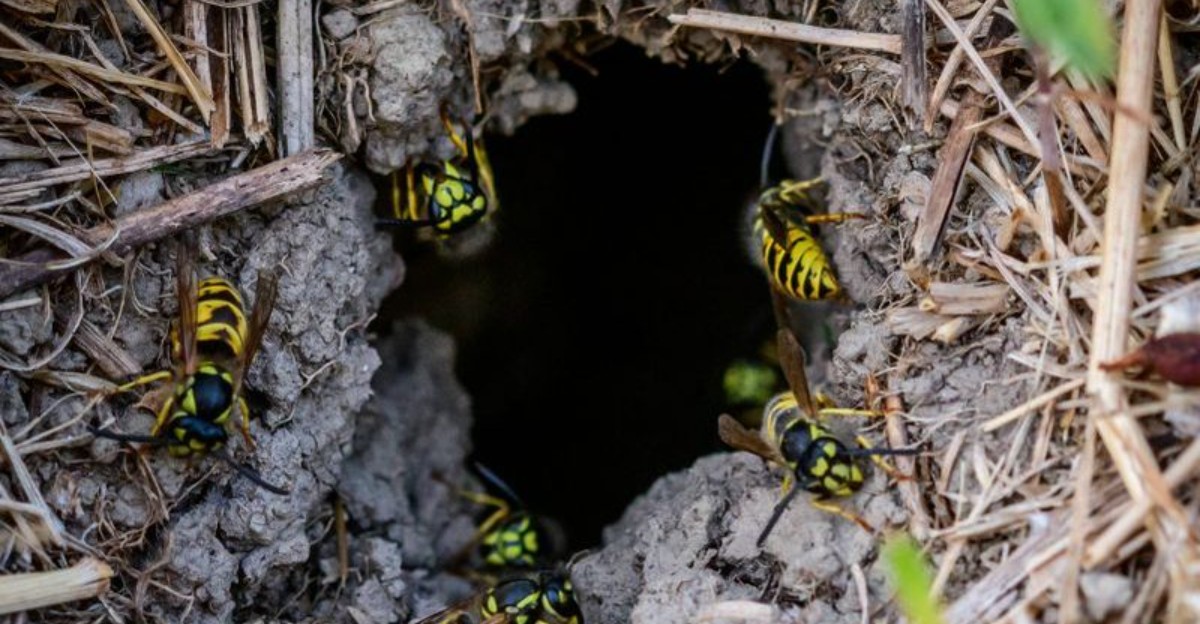
A hole no wider than your thumb just changed your afternoon. Yard soil hides a paper metropolis, and autumn is its loudest season.
Striped scouts you ignored since spring now guard a nest the size of a basketball. Their young demand protein, so foragers visit your soda cans and deli meat.
Warm southern autumns stretch their season while natural food supplies shrink fast. Hungry guards turn irritable and strike repeatedly without losing their weapon.
Mower vibrations register as a threat. Guards swarm out within seconds and chase you well past the fence.
Swatting backfires, because panicked flailing releases alarm chemicals that summon reinforcements. Dusk changes the odds, because the colony settles inside and turns sluggish.
Tiny clues at that entrance reveal how large the colony has grown. Decode them before your next pass with the mower triggers the whole swarm.
Yellowjacket Nests Hidden Beneath The Lawn
Picture a gray paper ball, from softball to basketball size, packed with thousands of insects just under your grass. That is roughly what a mature Eastern yellowjacket nest looks like in an Alabama October.
Queens start these nests alone in spring, often inside an old rodent burrow or rotted root hole. She builds a few paper cells, lays eggs, and raises the first small workers herself.
Once those workers hatch, the queen stays home and focuses only on laying more eggs. The workers chew wood fibers into pulp and keep expanding the nest layer by layer.
By late summer, a single healthy colony can hold several thousand busy, hungry insects. In warm parts of Alabama, some nests grow far bigger than most people would guess.
The entrance usually looks like a plain hole about the size of a nickel. You might notice bare soil around it or a steady stream of traffic on sunny afternoons.
Heavy traffic and a widening patch of bare soil around the hole point to a large, established colony.
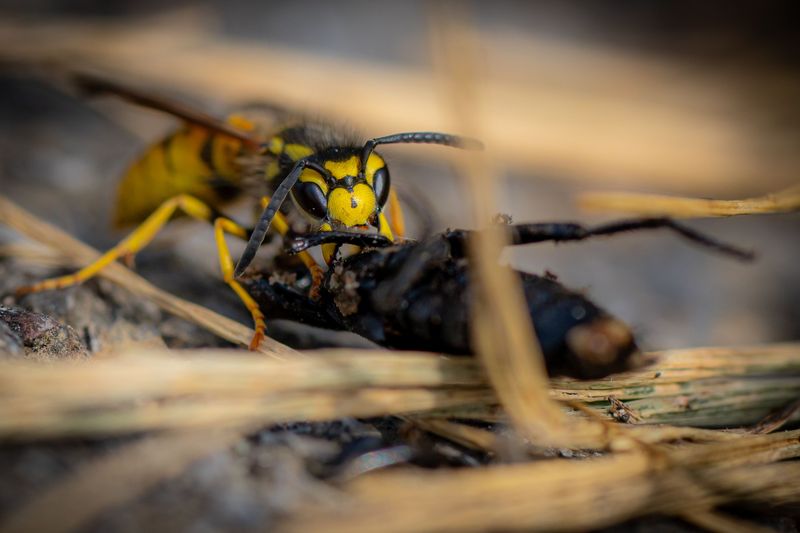
Those flyers are not bees, even though people mix them up pretty much all the time. Yellowjackets have smooth, shiny bodies with sharp yellow and black bands and very little fuzz.
They can also sting more than once, unlike honeybees, which lose their stingers. That difference matters a lot when a whole nest decides your sneaker is a threat.
Spend a few minutes watching your yard from a safe distance on a warm day. A steady line of insects flying low into one spot is a reliable clue.
Peak Colony Size In An Alabama Fall
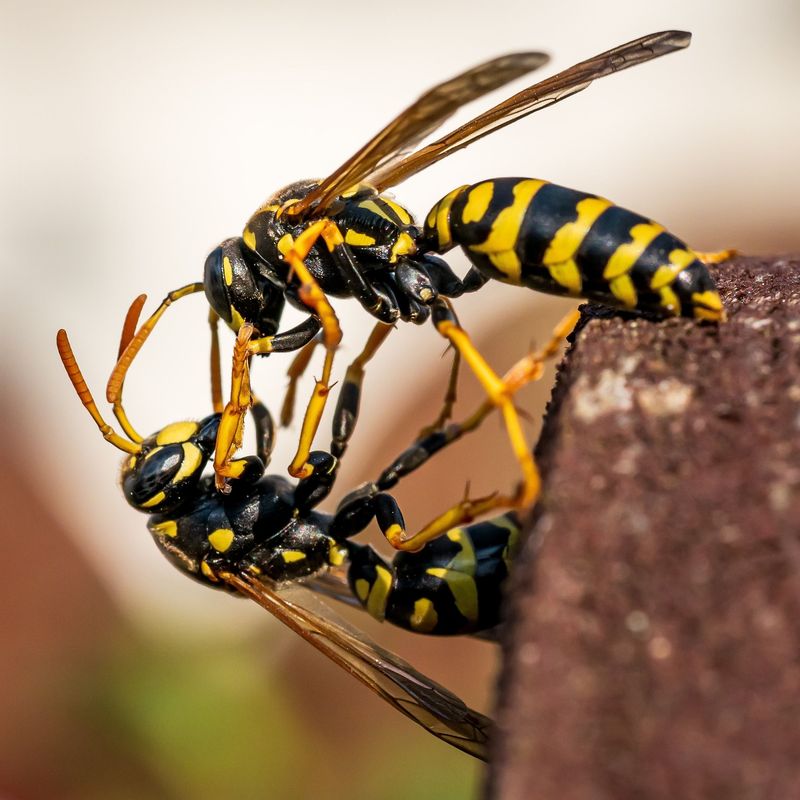
Stings tend to spike from late summer through fall, when colonies reach their largest size of the year.
All summer, workers hunted caterpillars, flies, and other protein to feed the growing young inside the nest. In return, the young gave off a sweet liquid that the workers happily drank.
By fall, the colony stops raising so many young, so that sugary reward slowly dries up for good. Suddenly, thousands of grown workers are hungry for sweets with nothing much to do.
Your Alabama Garden Changes Every Week. Your Plan Should Too.
Gardening in Alabama changes quickly throughout the season. Every Friday you’ll receive a simple weekly plan showing exactly what to plant, prune, fertilize, harvest, and protect so you never miss the right timing.
That hunger pushes them toward soda cans, fallen pears, overflowing trash bins, and your picnic plate. A cookout in October can feel like hosting a party you did not plan.
The colony is also raising new queens and males right now, which makes the guards extra protective. More treasure inside the nest means more soldiers willing to defend the front door.
Alabama weather adds to the trouble because warm, muggy days can stretch well into November. Sunny afternoons give the colony more chances to forage and grow.
You might notice more yellowjackets hovering near your trash can or flower beds this month. Their flight looks jerky and searching, almost like they are reading a long grocery list.
Keep drinks covered outdoors and pour soda into a clear cup so you can see inside. Rinse recyclables and keep garbage lids shut tight until the cool weather finally settles in for winter.
How Mowing Can Disturb A Ground Nest
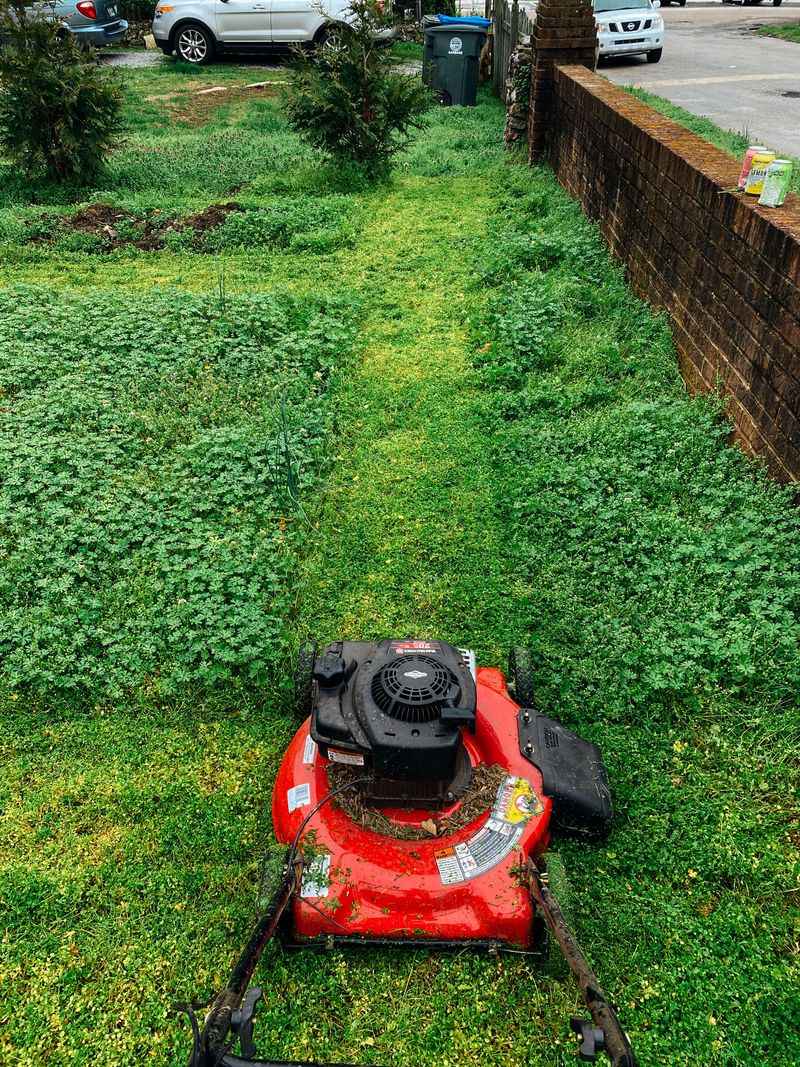
To a yellowjacket, vibration is a strong alarm signal. Ground nests pick up footsteps, and a mower rumbling overhead registers as a major disturbance to guards below.
Most stings in fall happen during ordinary yard chores, not during dramatic wildlife encounters in the woods. Mowing, weed eating, raking leaves, and pulling weeds near fences and stumps are common triggers.
Once guards sense danger, they release an alarm scent that tells nestmates to defend the nest. Within seconds, dozens of alerted insects can emerge and pursue whatever is moving nearby.
A common but counterproductive reaction is swatting wildly, because crushed yellowjackets release even more of that alarm scent. Standing frozen and screaming does not help much either, as tempting as it sounds.
Instead, walk or jog away quickly in a straight line toward a house or a car. Cover your face with your arms or shirt, since guards often target the head.
Do not count on a pool or pond for escape. Some yellowjackets may hover above the water, so heading into a house or car is a safer choice.
Before you mow, take a slow walk around the yard on a warm afternoon. Watch closely for steady flight lines near the ground, and mark any suspicious holes with a bright flag.
Kids and curious pets should stay inside while you check the yard, just to be safe. Anyone with a known sting allergy should keep their epinephrine pen close and avoid mowing alone.
Call emergency services right away if a sting causes trouble breathing, swelling of the face or throat, dizziness, or widespread hives.
A Lower-Risk Nighttime Approach For The Nest
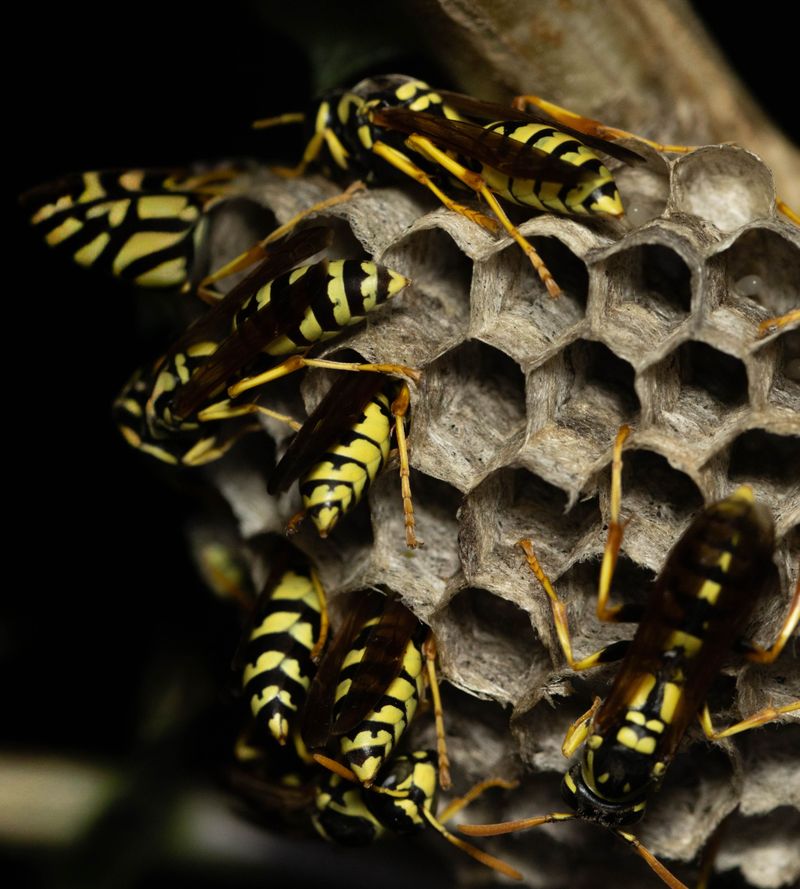
Nighttime is the safest time to act when a nest sits in a busy part of the yard. After sunset, most workers are inside and slower to react, though stragglers can still sting.
Before you do anything, decide whether the nest truly needs to go. One tucked in a far corner may simply be left alone until cold weather ends the colony.
If the nest sits near a play area, path, or doorway, plan a nighttime treatment. Wear long sleeves, long pants, gloves, and tuck your pant legs into your socks.
Use a flashlight covered with red cellophane, because yellowjackets have trouble seeing red light. A bright white beam can draw guards toward your face.
Many people use an insecticide dust labeled for ground nests and puff it right into the opening. Workers carry the dust deeper inside as they move around, spreading it through the colony.
Read and follow the label carefully, since the label is the law for any pesticide product. If you feel unsure at any point, hire a licensed professional instead of treating the nest yourself.
Skip gasoline or fire, which are dangerous, harmful to soil, and may violate local rules or product label requirements.
Leave the area right away after treatment and check the hole again a day or two later. If traffic continues, a second application may be needed, or it may be time for help.
Large nests, nests inside walls, or anyone with allergies are good reasons to call a licensed pest professional. A professional visit can help you avoid stings and medical care.
The First Hard Freeze And The Queen Left Behind
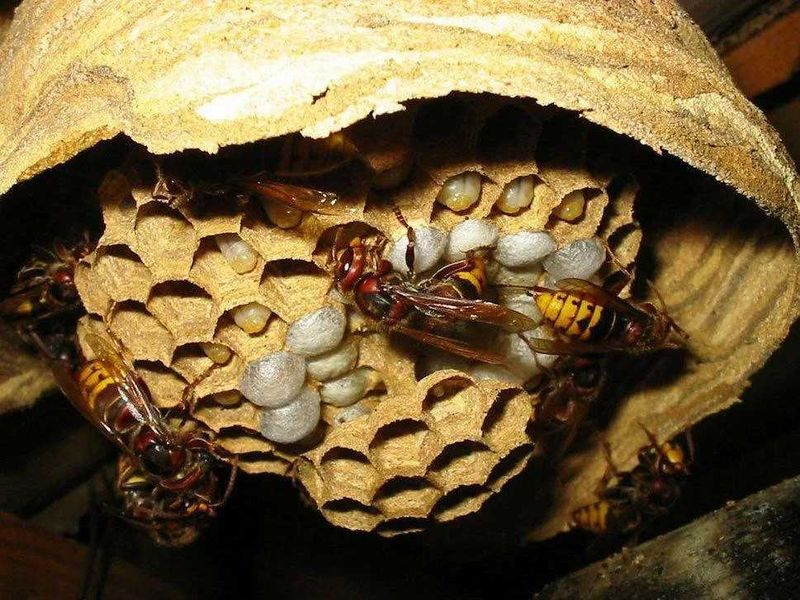
Here is the strangest part about all that underground drama in your Alabama yard. Nearly the whole colony is built to last only one single season, not a lifetime.
When the first hard freezes arrive, from late October or November in north Alabama to December in the south, the workers and males do not survive. Their busy paper city slowly goes quiet, and the nest falls apart over winter.
Only the newly mated queens make it through the cold months. Each one leaves the nest and tucks herself into a sheltered spot like rotting logs, deep leaf piles, or loose tree bark.
There she rests, hardly moving, living off stored fat until spring warms things up again. Many queens do not survive winter because of predators such as birds and spiders, and because of weather swings.
The survivors wake up in March or April and search the yard for a fresh place to start over. Old nests are not reused, so next year’s colony will be built from scratch.
In mild winters, some colonies, most often southern yellowjackets, can survive as perennial nests. These colonies can grow very large and hold several queens.
Researchers in the Southeast have documented these large perennial nests, some holding many thousands of workers.
For most yards, though, patience really pays off once real cold settles in. A nest that stops buzzing after a freeze can usually be ignored or filled with soil in winter.
Spring Traps And A Tidier Yard For Next Year
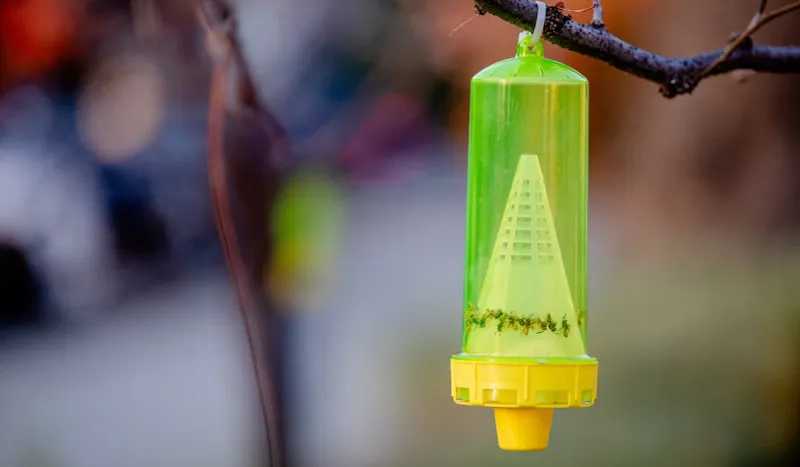
Spring is the season to target single queens instead of a full colony. Catching a founding queen in April may reduce the chance of a large nest nearby in the fall.
Hang yellowjacket traps around the edges of your yard in early spring, when queens first start flying. Lure-based traps can help catch some early queens before they build a nest, though results vary.
Place traps away from patios and doorways so you pull insects away from people, not toward them. Check and empty traps often, and swap lures as the packaging directs.
Next, look at your yard through a queen’s eyes and spot the cozy hideouts. Fill old rodent holes, remove rotten stumps, and clear out heavy piles of old boards and debris.
Fallen fruit is another major magnet once hot summer turns to cool fall. Pick up pears, figs, and apples quickly, and keep compost covered so sweet scraps stay hidden.
Outdoor pet food bowls attract hungry foragers looking for protein, so feed pets inside when possible. Keep trash cans sealed and wash them out every few weeks with warm soapy water.
Fake paper nests hung under eaves get mixed reviews, since ground nesters seem mostly unimpressed. Your money is better spent on traps, tidying, and regular yard walks all season long.
Small, simple habits add up over a full year, especially in a warm state like Alabama. Next October, your lawn might simply look peaceful again, with no hidden city humming below.