8 Cold-Hardy Plants To Grow Instead Of Hibiscus In North And Central Florida
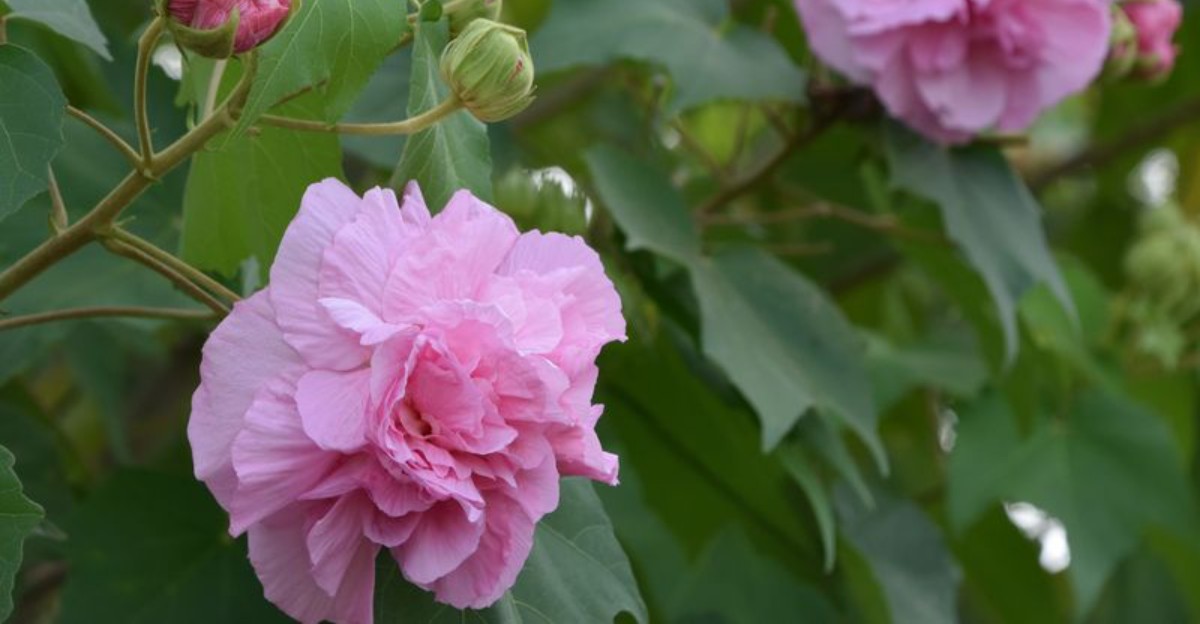
Hibiscus looks like a million bucks in July. Then a cold snap rolls through North Florida and leaves a row of mushy brown sticks.
Gardeners shrug and replant every spring, as if that’s the price of tropical color. It doesn’t have to be.
A handful of tougher plants give you the same bold blooms and lush look without the January heartbreak. They shrug off frost like it’s a light breeze and bounce right back.
Eight options cover a wide range of styles, sizes, and sun needs. Some sit low and bushy.
Others stretch tall enough to anchor a bed. A couple even bloom through the coolest months, when hibiscus has long since quit.
A few of the picks are native, which means less fuss for you.
Run through the list before your next nursery trip. You might never buy another hibiscus.
1. Scarlet Rosemallow, A Florida Native With Star-Shaped Red Blooms
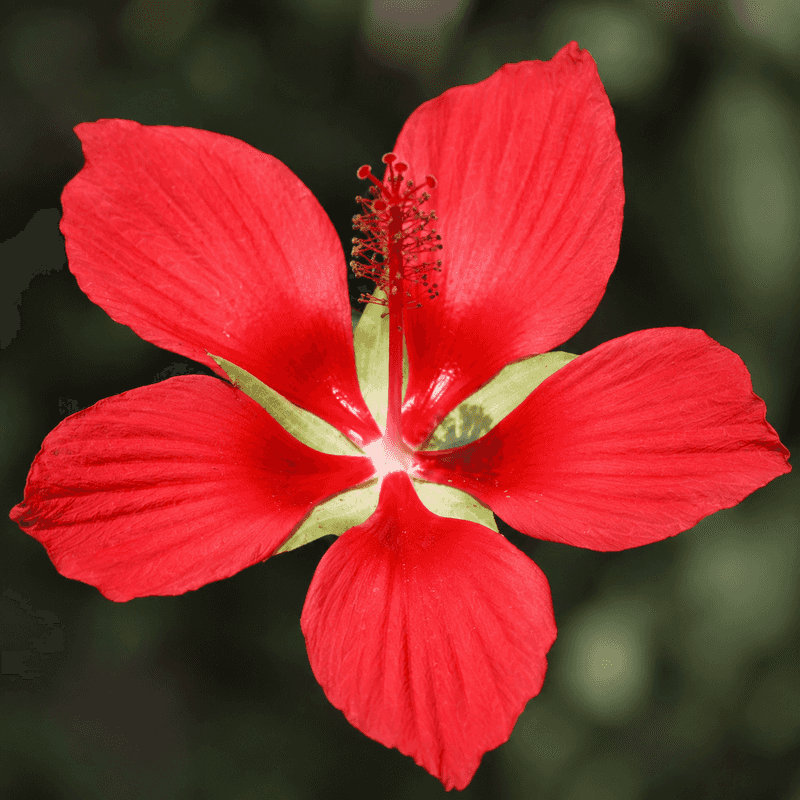
Imagine a flower so red it looks like it was painted with a fire truck. Scarlet rosemallow, also called Texas star hibiscus, delivers that kind of drama, and it grows wild in Florida wetlands.
Each bloom stretches 5 to 6 inches wide with five narrow petals shaped like a star. Flowers show up from mid to late summer, and hummingbirds and butterflies treat them like a favorite snack bar.
Here is the clever part. When cold weather arrives, the plant drops its leaves and rests underground on a thick, woody root.
Come mid-spring, fresh shoots pop up and race to 4 to 8 feet tall. Frost simply sends it to bed early instead of ruining your season.
Scarlet rosemallow is hardy in zones 8 through 10, which covers North and Central region nicely. Full sun gives the most flowers, though partial shade works fine too.
Wet spots in your yard are a bonus here. Rain garden areas, pond edges, and low corners suit it well, yet it can handle somewhat drier soil once settled.
A quick tip for tidy beds is to cut old stems down to a few inches in late winter. That clears room for the new growth and keeps things looking neat.
Best of all, the plant is not invasive. You get bold color while supporting local wildlife, which feels like a win for everyone.
2. Confederate Rose, An Old-Fashioned Southern Favorite
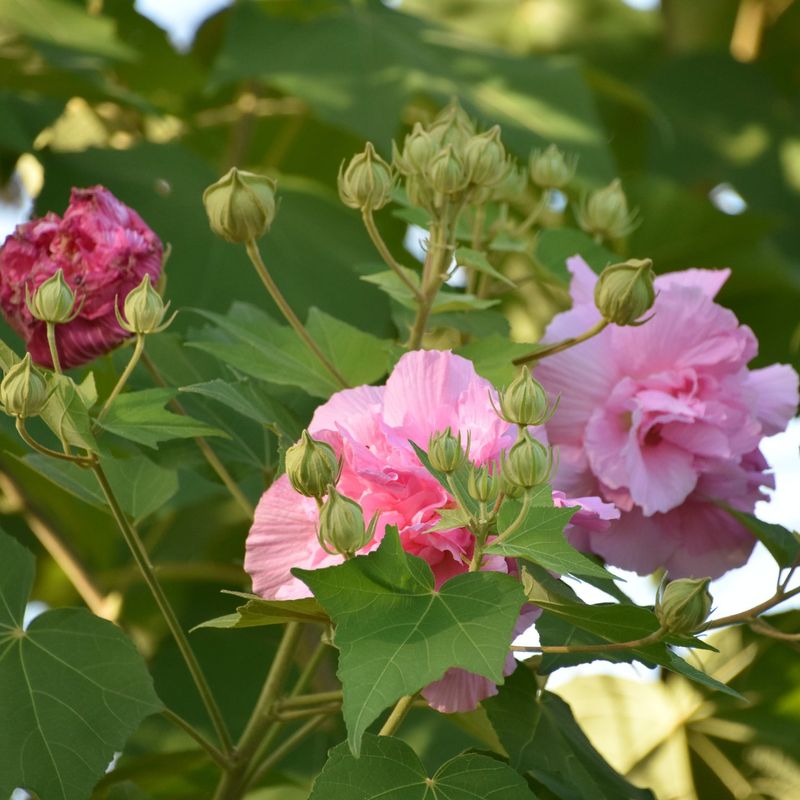
Grandma probably had one of these by the porch. The confederate rose has been passed between Southern neighbors for generations, often as a simple cutting wrapped in damp newspaper.
Its party trick is a color change you can watch in a single day. Each fluffy flower opens white in the morning, blushes light pink by afternoon, and turns deep pink or nearly red as it ages.
Because blooms open on different days, one shrub can wear three colors at once. Folks driving by tend to slow down for a second look.
The flowers measure 3 to 6 inches across and look a lot like peonies. They appear from summer into fall, with the biggest show in late summer and autumn.
Your Florida Garden Changes Every Week. Your Plan Should Too.
Gardening in Florida changes quickly throughout the season. Every Friday you’ll receive a simple weekly plan showing exactly what to plant, prune, fertilize, harvest, and protect so you never miss the right timing.
Cold tolerance is where this plant really earns its spot. It is hardy in zones 7 through 9, making it a natural fit for North Florida.
A hard freeze may brown the stems, but established plants usually spring back from the roots with lots of energy. Many gardeners simply trim the stems low in late winter.
Give it full sun and room to stretch, since it can reach 10 to 12 feet tall and 8 to 10 feet wide. Bees, butterflies, and hummingbirds will visit often.
Want more plants? Stick a cut branch in water, and roots often form within weeks.
3. ‘Lady Baltimore’ And Other Hardy Hibiscus Hybrids
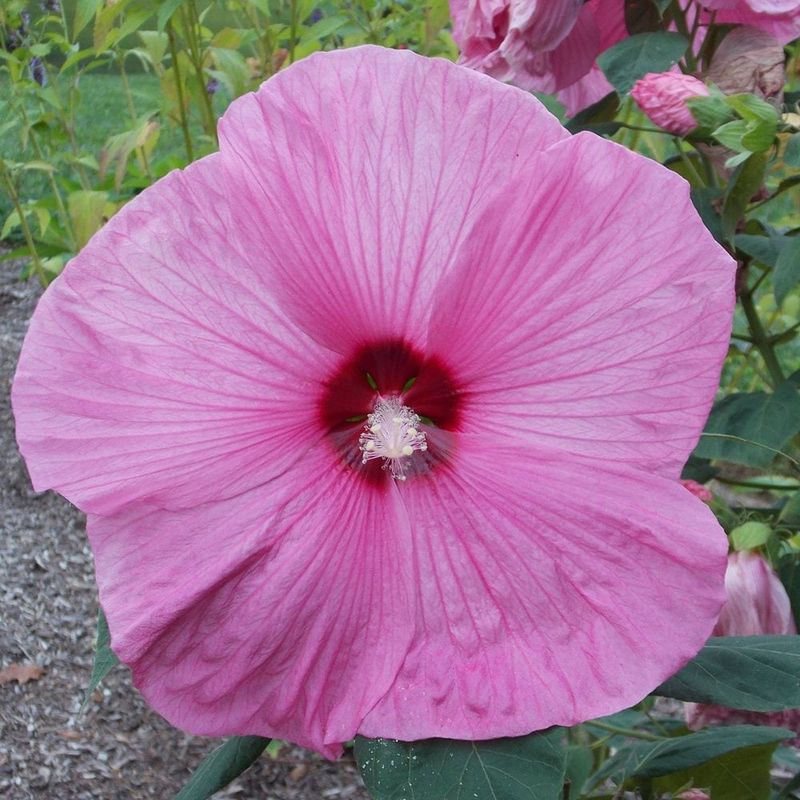
Love the classic hibiscus look but tired of babying it through winter? Hardy hibiscus hybrids give you that tropical vibe with a much tougher backbone.
‘Lady Baltimore’ is a star of the group. Her satiny pink petals ruffle and overlap around a bright scarlet center, and each flower can reach 6 to 8 inches across.
People often call these dinner-plate blooms, and that is not much of a stretch. A single flower can cover your whole hand.
Unlike tropical hibiscus, this one handles zones 4 through 9 with ease. In the state, winter cold simply tells it to take a nap.
The stems fade back after frost, and fresh growth returns in spring. Blooms then roll in from midsummer into early fall.
Plants stay fairly compact at about 4 to 5 feet tall and 3 to 4 feet wide. That size works well in borders, near patios, or in a large container.
Other hardy hybrids come in white, red, and deep rose shades if pink is not your thing. Shop around at local nurseries to find a favorite.
For bigger blooms, plant in full sun and keep soil evenly moist during hot spells. A layer of mulch helps hold water and protects roots on chilly nights.
One more tip: new shoots appear late in spring. Mark the spot so you do not dig there by mistake.
4. Turk’s Cap For Hibiscus-Like Red Flowers
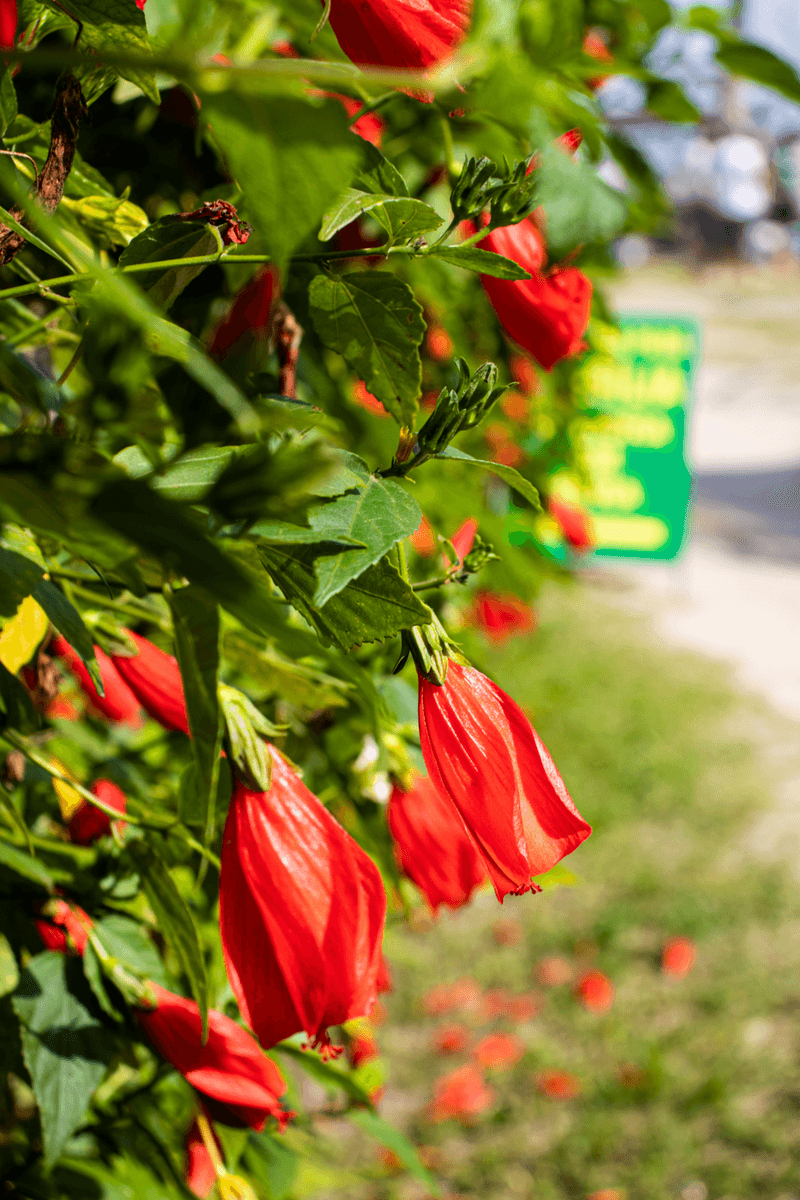
Some flowers love to show off. Turk’s cap prefers to keep a secret, and its bright red blooms look like they are about to open but stay twisted shut.
The swirled shape reminded people of a turban, which is where the name comes from. It is a cousin of hibiscus, so the family resemblance is easy to spot.
Hummingbirds adore these little red bells. Butterflies and other pollinators join in too, so the shrub stays busy most of the day.
Here is a fun surprise. The flowers are edible, and some people toss them into salads for a pop of color.
Turk’s cap is hardy in zones 7 through 11. In much of the state, it stays mostly green through winter, though a hard freeze in zone 8 may knock it to the ground.
Not to worry, because it returns in spring and grows fast. Plants can reach up to 10 feet tall and wide if you let them.
Shade does not scare this plant. It actually likes partial shade, which makes it a handy pick for spots under trees where many bloomers sulk.
Plant it in well-draining soil and water regularly until roots settle in. After that, it handles dry spells with little fuss.
Flowering often picks up during cooler months before frost. In warmer parts of Central Florida, you may see blooms nearly all year.
5. Coral Bean For Bold Red Flower Spikes
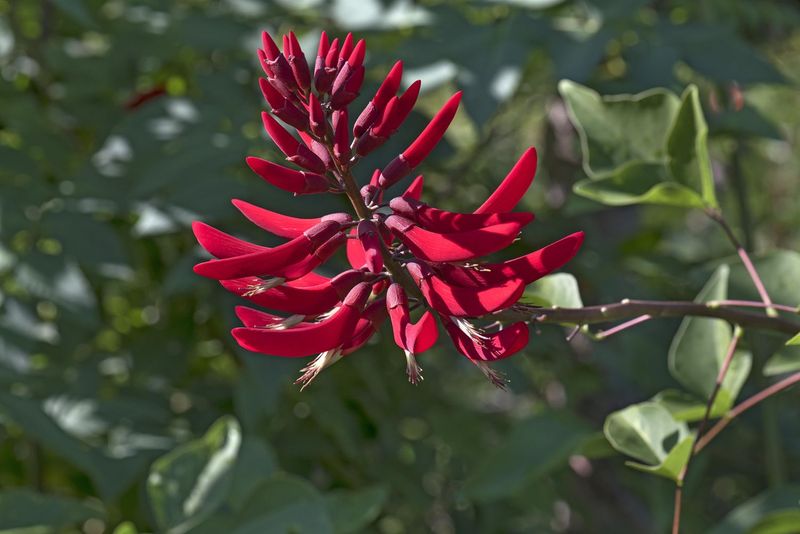
Early spring in a Florida pine woods can feel a little sleepy. Then coral bean shoots up tall spikes of scarlet flowers, like tiny fireworks on a stick.
Each slender, tube-shaped bloom can reach 3 inches long. Hummingbirds returning from their winter trip find these flowers right when they need a sugar boost.
Coral bean is native across the Southeast and grows wild throughout the state. It is hardy in zones 8 through 11.
In North and Central Florida, it often grows about 6 feet tall before winter cold sends it back to the ground. The roots stay snug, and new growth arrives in spring.
Later in the season, long pods turn dark and split open. Inside sit shiny, bright red seeds that look like candy.
Please be careful with those seeds, though. They are highly poisonous, so plant coral bean away from spots where small kids or pets play.
Watch your hands too. The stems carry short, curved prickles, so wear gloves when trimming.
Sandy, well-drained soil suits this plant perfectly, which is great news for many Florida yards. Full sun to partial shade works, and it handles drought once established.
Leaves come in sets of three with a pointed, arrowhead shape. Even out of bloom, the plant adds a wild, natural look to native gardens.
6. Scarlet Sage That Comes Back From The Roots
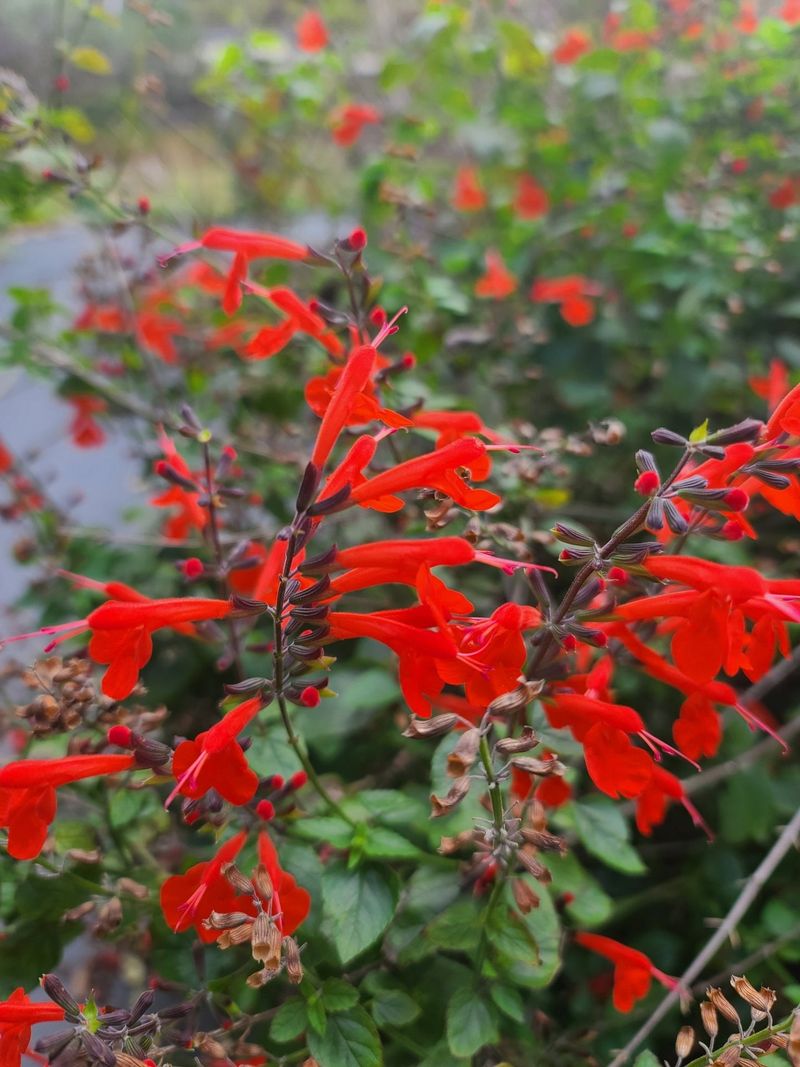
Small but mighty, scarlet sage is the plant that refuses to quit. Frost might flatten it, yet it usually comes right back from the roots, sometimes with friends.
Those friends are seedlings. Scarlet sage scatters seeds freely, so new plants often pop up nearby each spring.
The flowers are slim red tubes about an inch long. They line up on spikes that can stretch a foot tall, and pink or white types exist too.
Hummingbirds treat these spikes like a drive-through. Butterflies and bees stop by as well, while deer and rabbits tend to skip the leaves.
Native to the state, scarlet sage is hardy as a perennial in zones 7b through 11. In warm months it grows fast, reaching 1 to 3 feet tall and up to 2 feet wide.
It blooms from spring until frost in most of the region. In frost-free pockets, you may enjoy flowers all year long.
For Florida summers, a bit of afternoon shade keeps it looking fresh. It still loves heat and handles drought once roots are settled.
Plant it in well-draining soil, and trim spent spikes now and then for more blooms. Leave a few to drop seeds if you want a fuller patch.
On a budget? One small pot can turn into a whole border within a couple of seasons.
7. Oakleaf Hydrangea For A Native Shrub With Big Blooms
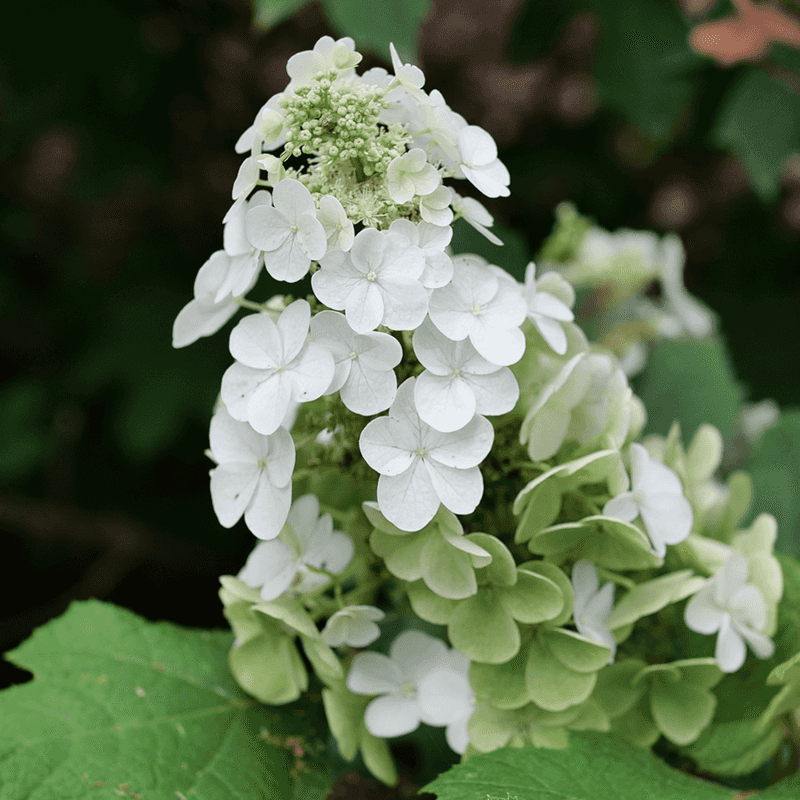
Not every hibiscus swap needs to be red. Oakleaf hydrangea trades bright color for big, elegant blooms and leaves that steal the show in fall.
True to its name, the leaves look like giant oak leaves. In autumn, they turn red, bronze, or purple, and some hang on well into winter.
Spring and summer bring huge, cone-shaped clusters of white flowers. Some reach a foot long and stay on the shrub for months.
As the season moves along, the blooms slowly fade from white to pink, then purple, and finally a soft tan. It is like watching a slow-motion sunset.
This shrub is native to the state and the Southeast. It handles cold down to zone 5a, so a Florida freeze is no big deal.
Shade is its happy place here. Morning sun with afternoon shade, or even mostly shade, keeps the leaves from scorching in our strong summer heat.
Plant it in rich, well-drained soil and add mulch to hold moisture. Soggy ground is one thing it will not tolerate well.
Most plants reach 6 to 10 feet tall and 3 to 5 feet wide. Smaller types are available if space is tight.
Even in winter, the peeling reddish-brown bark adds interest. It is a shrub that earns its keep in every season.
8. Camellias For Big Blooms Through The Cool Months
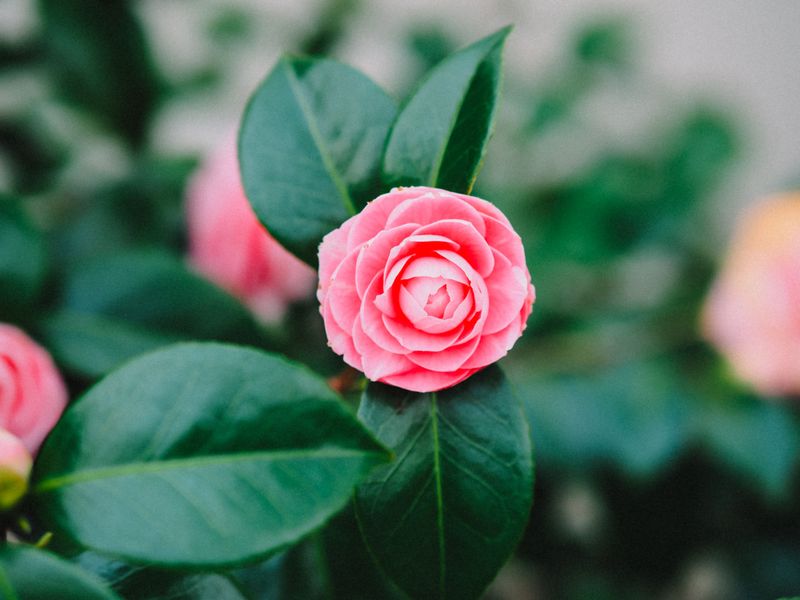
When most gardens look tired in December, camellias are just getting started. These glossy evergreen shrubs save their best show for the cool months.
Southern gardeners have treasured camellias for well over a century. Old plantation gardens still hold shrubs that are taller than a house.
There are two main types to know. Sasanqua camellias bloom from about October through December, while japonica camellias flower from January into March.
Plant both, and you can enjoy color from fall into early spring. That timing fills the gap right when hibiscus would be struggling.
Blooms come in many forms, from simple single flowers to frilly doubles that look like roses or peonies. Colors range from white and pink to deep red.
Most camellias are hardy in zones 8 through 10, a great fit for North and Central Florida. They also handle our humidity with grace.
Give them partial shade, especially in the afternoon, or the filtered light under tall pines. Well-drained, slightly acidic soil keeps them happiest.
Care is fairly simple once they settle in. Water deeply once a week when rain is scarce, and do any light pruning right after blooming ends.
The leaves stay green all year, so the shrub looks good even off-season. On mild winter days, bees and hummingbirds may visit the open flowers too.