What Georgia Homeowners Should Know About Winter Fireflies This Fall
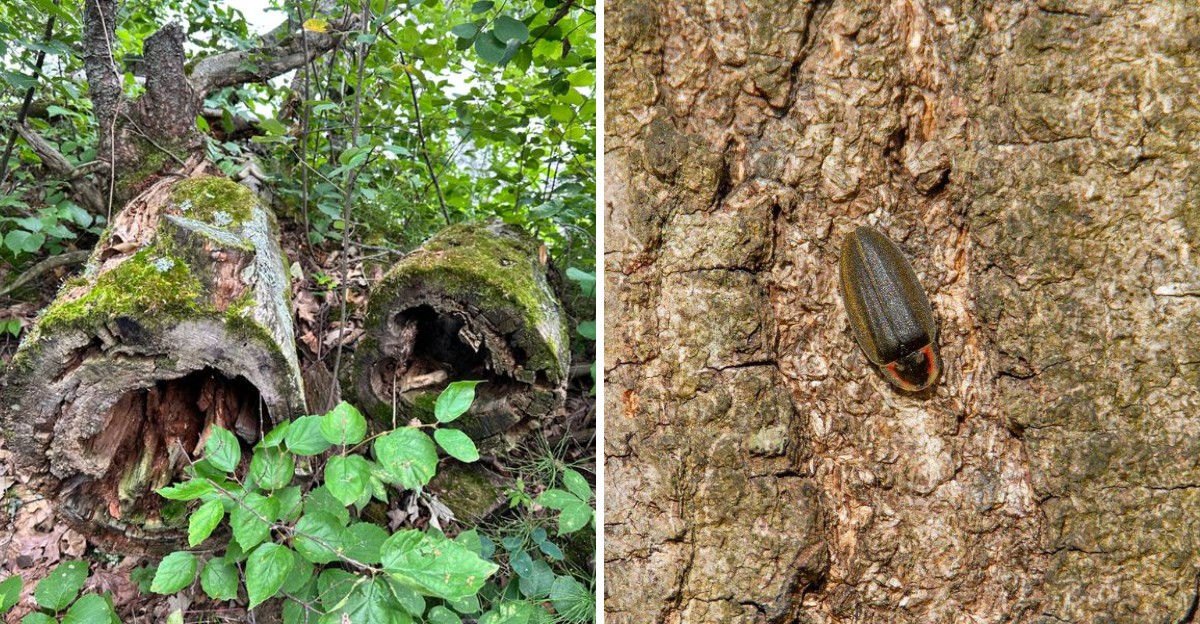
Fireflies in late fall might sound unusual, especially when most people associate them with warm summer evenings. Yet some of these insects remain active long after the familiar flashing displays have disappeared.
You might even spot one resting on tree bark or moving through fallen leaves without realizing what it is.
Winter fireflies behave differently from the glowing insects that fill summer nights. Instead of putting on a light show, adults are active during milder periods and can be surprisingly easy to overlook.
In Georgia, their appearance during cooler months can catch homeowners off guard.
Their presence doesn’t necessarily mean something is wrong with your yard or that the seasons have become confused.
Knowing what these insects look like and where they spend their time can help you recognize an interesting part of your local wildlife that often goes unnoticed.
1. These Unusual Fireflies Do Not Flash Like Summer Lightning Bugs
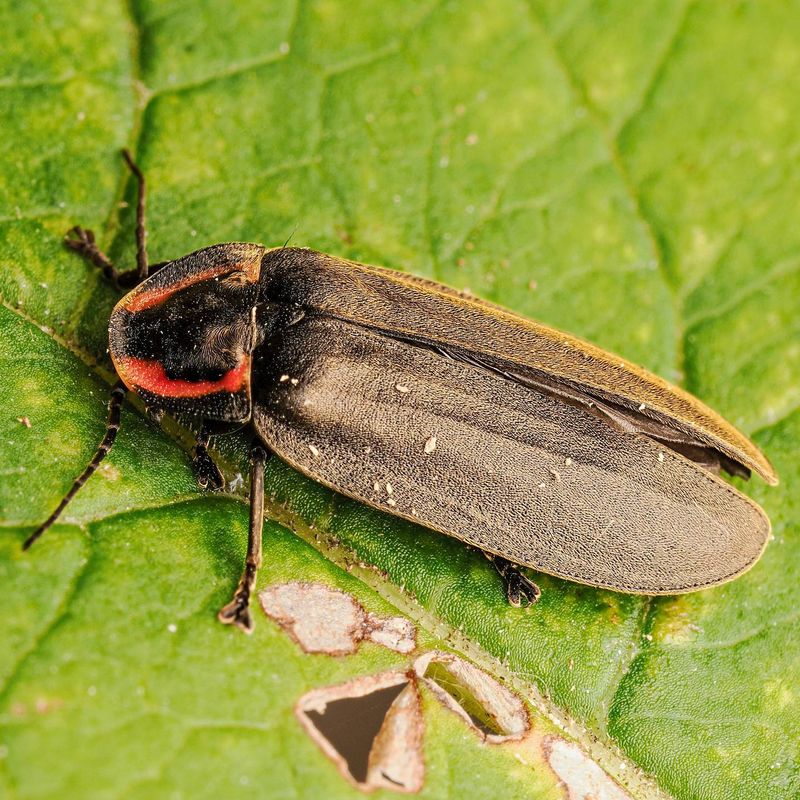
Forget the glowing summer show you remember from childhood. Winter fireflies are real fireflies, yet adults of this species do not make the bright flashes that light up June evenings.
Scientists call this insect Photinus corruscus, though you may still see the older name Ellychnia corrusca in field guides and online.
So how do they find each other without lights? Experts believe adults rely mainly on scent signals called pheromones, which work well because these beetles are active during the day.
Larvae of many firefly species can glow faintly, and winter firefly larvae may do so as well. Adults, however, are mostly dark and quiet, so they rarely catch anyone’s eye.
That lack of light is the main reason Georgia homeowners often overlook them, even when the beetles are close to the house.
You might notice one crawling slowly up a tree trunk or a wooden fence post. At first glance, it can look like an ordinary small black beetle.
Looking a little closer is worth the effort, since recognizing the species helps you understand what lives in your yard.
There is no need to worry about them indoors or outdoors. They are harmless to people, pets, and buildings, and they do not feed on garden plants in any damaging way.
Simply knowing they exist changes how you look at a winter tree, which can turn a quick walk into a small nature hunt.
2. Dark Wing Covers And Pale Head Markings Help Identify Them
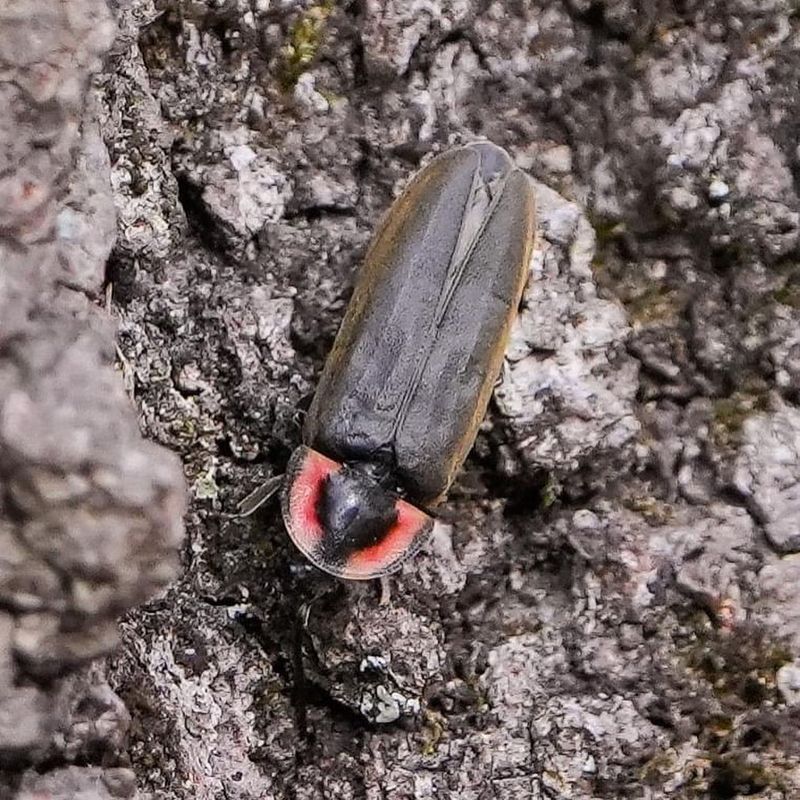
Black is the first color you will notice. Winter fireflies have dark wing covers, often with a faint grayish or olive tint, and they usually measure around half an inch long.
Now shift your eyes to the area just behind the wings, toward the head.
A shield-like plate called the pronotum covers the head from above. On this species, it usually shows a dark center with pale yellowish edges and touches of pink or red.
Those markings are your best clue, especially when the beetle is sitting still on bark.
Comparing a few look-alikes can help. Some soldier beetles and net-winged beetles share similar colors, but their body shapes and textures tend to differ in small ways.
Your Georgia Garden Changes Every Week. Your Plan Should Too.
Gardening in Georgia changes quickly throughout the season. Every Friday you’ll receive a simple weekly plan showing exactly what to plant, prune, fertilize, harvest, and protect so you never miss the right timing.
A phone camera can be handy here, since a quick zoomed photo often shows details your eyes miss outdoors.
Uploading clear pictures to a community science app may help confirm your find. Volunteers and experts there sometimes add notes, and your sightings can add useful records for Georgia.
Gentle handling is fine if you want a closer look, though a photo works just as well. Let the beetle walk onto a leaf, then return it to the same tree.
Markings vary a bit from one beetle to the next, so focus on the overall pattern instead of one exact shade.
3. Adults Survive The Cold Instead Of Disappearing After Summer
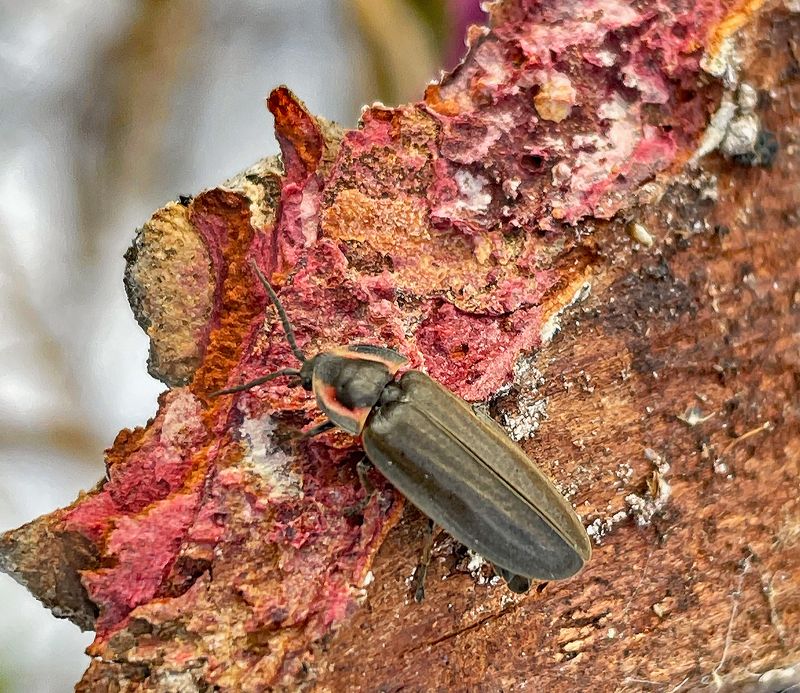
Most fireflies live short adult lives in summer. Winter fireflies take a different path, with adults often appearing in late summer or fall and then overwintering as adults.
That schedule surprises many people who assume every firefly is gone by October.
Through the coldest stretches, these beetles tend to stay tucked away and fairly inactive. Their bodies slow down, which helps them get through chilly weather until conditions improve.
Late winter and early spring are when much of their mating activity is reported. After that, females lay eggs, and the adults from that generation gradually fade from view.
Timing can shift with weather and location. In Georgia, mountain areas usually see longer cold spells than the coastal plain, so activity may start and end at different points.
A warm, short winter might not look the same as a long, cold one for these insects.
None of this calls for any action from you, but it does explain why you may spot one in December or February. Seeing a firefly in the cold months is a normal event, not a sign that something is wrong.
Keeping a simple notebook of when and where you see them can be a fun family project. Over a few seasons, you may start noticing patterns in your own yard.
4. Tree Bark Offers Shelter During The Winter Months
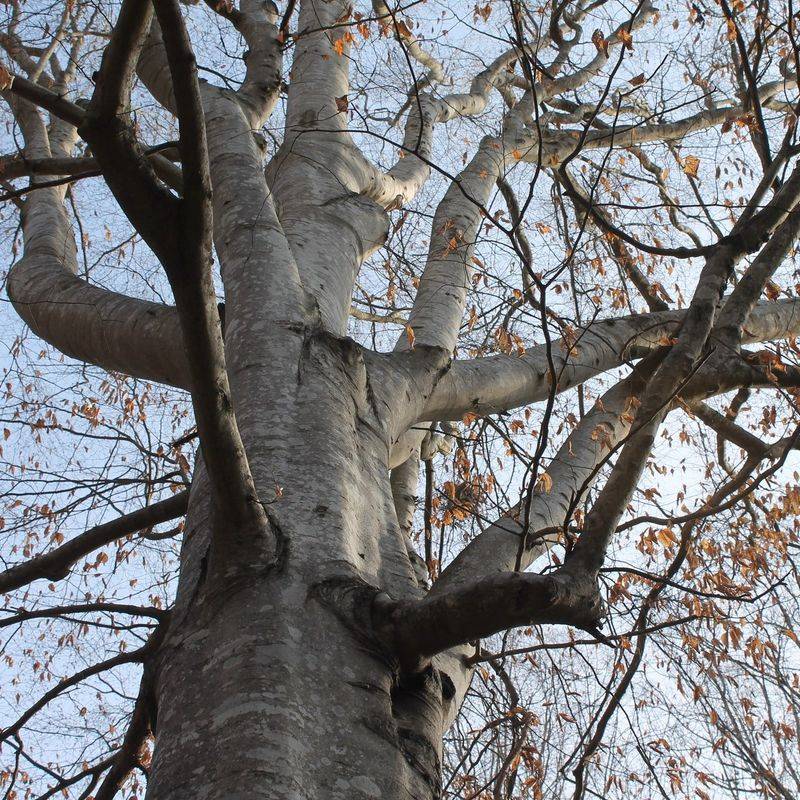
Look at a rough tree trunk, and you are looking at a winter home. Winter fireflies often rest in bark cracks and crevices, where they get some protection from wind and cold.
Trees with deep, furrowed bark seem especially useful for them.
Oaks, maples, and other large native trees are common places to search. Sometimes several beetles gather on the same trunk, often on the side that gets more sun.
Mature trees offer more nooks than young, smooth-barked ones. If your yard has a big old oak, that tree may be doing more for local wildlife than you realize.
Many Georgia neighborhoods still have tall hardwoods, which gives homeowners a real chance to find these beetles close by.
Avoid scraping, power washing, or wrapping trunks unless an arborist recommends it for a specific tree health reason. Loose bark and shallow cracks can serve as resting spots for small creatures.
Firewood stacks may also hold an overwintering beetle now and then.
Before carrying logs inside, give them a quick look and gently brush off any insects outdoors. That habit also keeps spiders and other critters from wandering into your living room.
Leaving a standing snag can help wildlife too, but only when it poses no safety risk to people or buildings.
5. Sunny Winter Days Can Bring Them Out Of Hiding
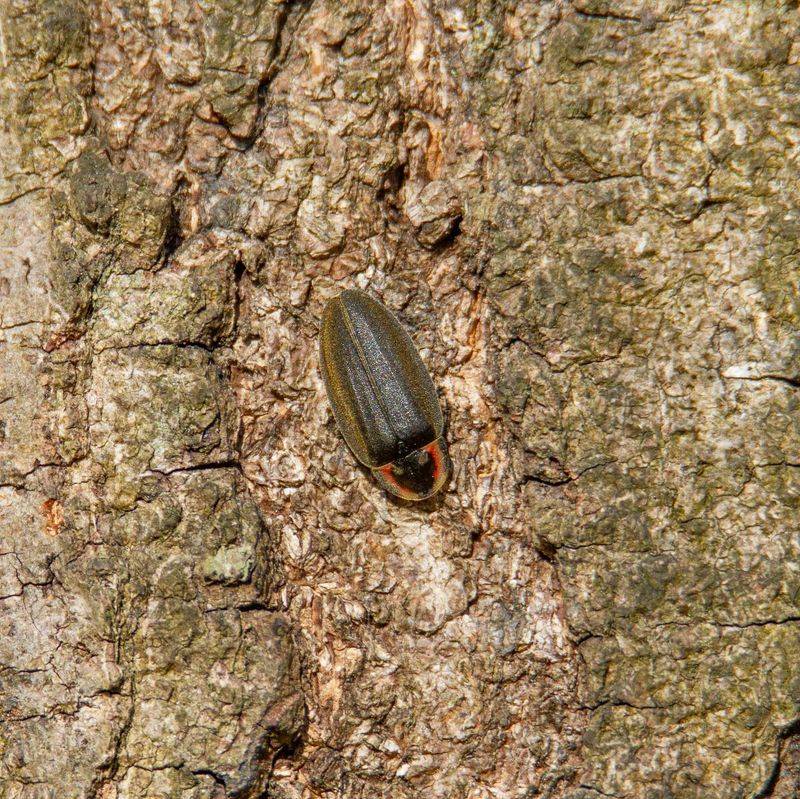
Bright sun changes everything for a cold beetle. On mild, sunny winter days, winter fireflies may crawl out of bark cracks to bask, move around, or even fly a short distance.
Afternoons tend to be the best window, since bark has had time to soak up some warmth.
Try checking the south or west side of large trunks when the sun is out. These surfaces often warm faster than shaded sides, which can draw beetles into view.
Patience helps a lot. Walk slowly, scan the bark from the ground up to eye level, and watch for small dark shapes that move.
No single temperature guarantees you will find them. Activity depends on sunlight, wind, recent weather, and the insects themselves, so some warm days may show nothing at all.
Here in Georgia, mild spells are fairly common between cold fronts, which gives you several chances each winter to look.
Kids usually enjoy this kind of search. Turning it into a game of who spots the first beetle can make a winter walk feel exciting.
Bring a phone for photos instead of a jar for collecting.
Leaving beetles where you find them keeps them near their shelter, which matters when the next cold night arrives. Enjoy the moment, snap a picture, and move on.
6. Their Larvae Feed On Small Soft-Bodied Invertebrates
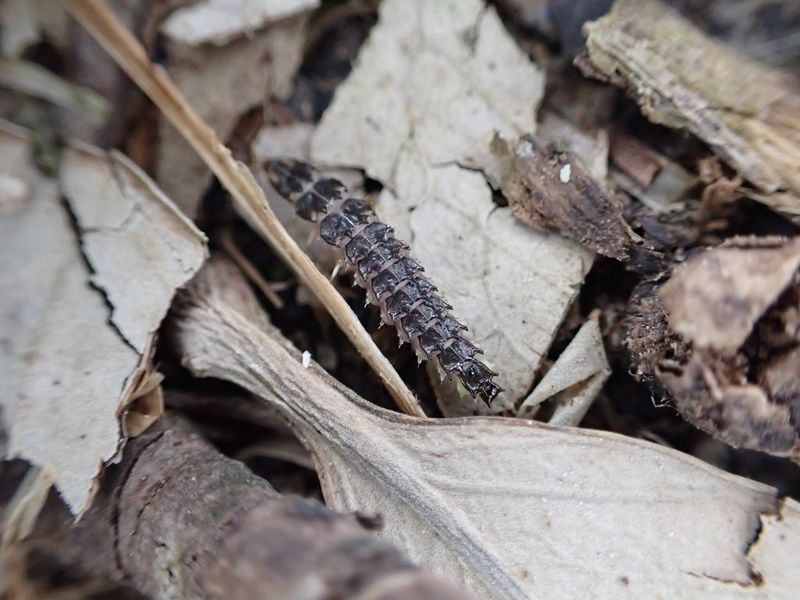
Young fireflies look nothing like their parents. Firefly larvae are long, flattened, segmented creatures that live hidden in moist leaf litter, rotting wood, and soil.
They are predators, and that is good news for gardeners.
Firefly larvae in general are known to feed on soft-bodied prey such as snails, slugs, and worms. Details about the exact diet of winter firefly larvae are less studied, so it is best not to assume too much.
Larvae usually spend a long time growing before becoming adults. Their life cycle can stretch beyond a single year, depending on conditions.
Moisture is a big deal for them. Dry, bare ground offers little food and little cover, while damp, shaded spots with organic matter suit them better.
Shady corners in many Georgia yards, under trees or along fence lines, can provide that kind of setting.
Spotting a larva is less common than finding adults, since they stay low and out of sight. If you do see one while raking, simply set it back down in the leaves.
Not every slug in your garden will meet a firefly larva, of course. Still, having natural predators around is one small piece of a balanced backyard.
Supporting the young stage is just as important as enjoying the adults on your trees.
7. Leaving Some Leaf Litter And Limiting Pesticides Supports Firefly Habitat
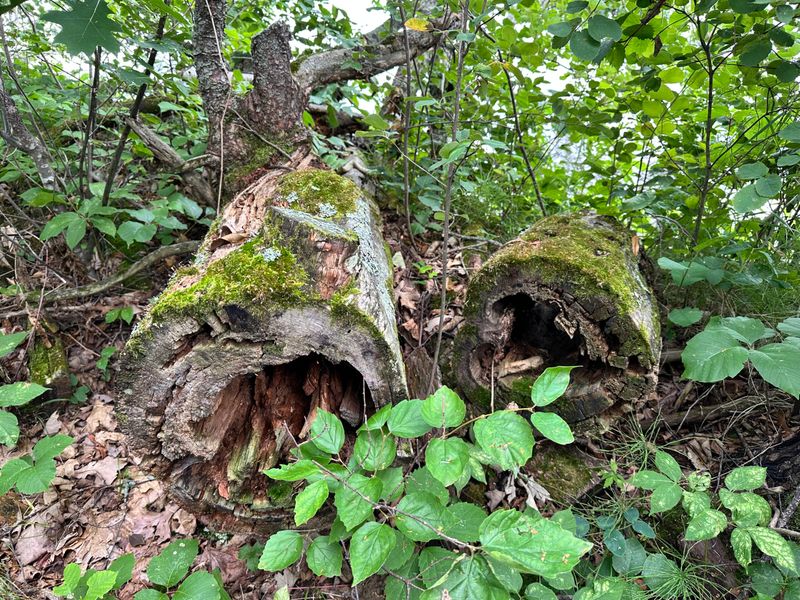
Small yard habits can matter more than you might expect. Fireflies need shelter, moisture, and prey, and a few easy changes can help provide all three.
Start with the leaves falling this fall.
Instead of bagging every leaf, try raking some into garden beds or under trees. That layer holds moisture and gives larvae and their prey a place to live.
Keep leaves off sidewalks, driveways, and drains for safety. A tidy lawn edge can sit right next to a softer, leafy area without looking messy.
Pesticides are worth a second thought. Broad insecticides can harm fireflies and other helpful insects along with the pests you target, so use them only when truly needed.
When treatment is necessary, choose products labeled for the specific problem and follow directions closely. Spot treating is often gentler than spraying a whole yard.
Your local UGA Cooperative Extension office can offer advice suited to your part of Georgia and your particular issue.
Outdoor lighting matters more for summer flashing fireflies than for this daytime species. Even so, turning off unneeded lights at night helps many nocturnal insects.
Results will vary with your yard size, soil, shade, and nearby land. No one change guarantees more fireflies, but steady habits over several seasons can make your property friendlier for them.