How To Make A Natural Centerpiece From Georgia Garden Materials
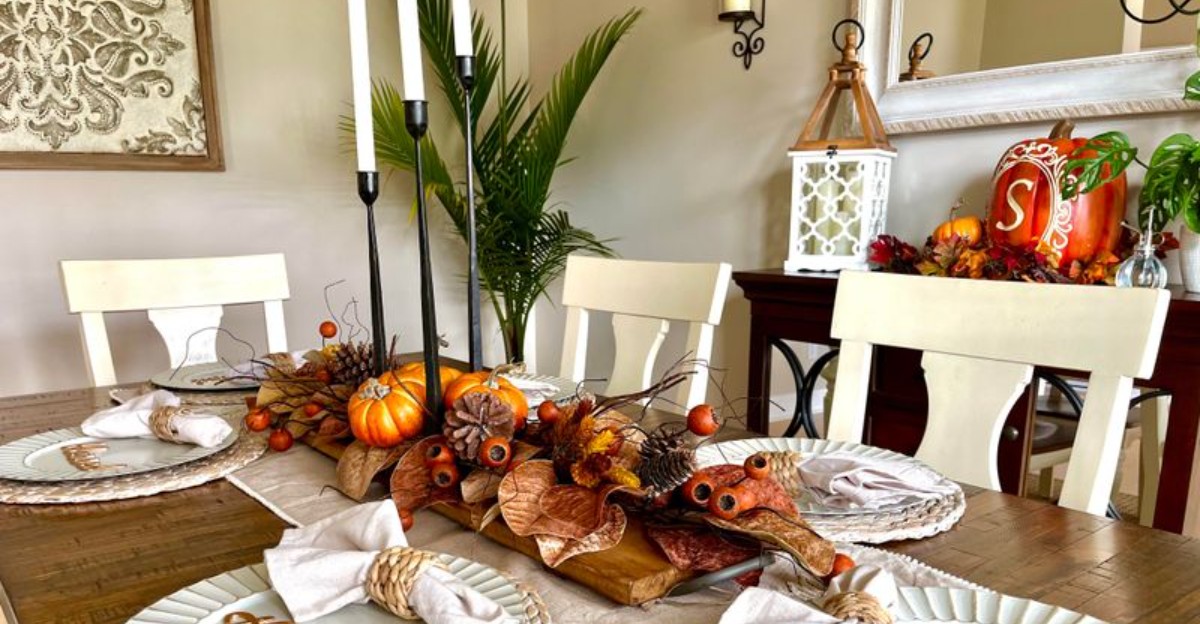
A beautiful table centerpiece doesn’t have to come from a florist or cost much to put together. Your own yard may hold branches, greenery, and seasonal details that look surprisingly good indoors.
The challenge is knowing which materials work together and which ones are better left outside.
Fall gardens in Georgia offer interesting combinations of color and texture, even after many summer flowers have faded. Dried seed heads, colorful foliage, and evergreen branches can all contribute something different to an arrangement.
But gathering attractive pieces is only the beginning.
Think about how the centerpiece will fit your table, especially if guests need to see each other across it. Height, balance, and the condition of your materials can make a noticeable difference.
With the right choices, familiar garden clippings can become a centerpiece that feels thoughtful rather than expensive.
1. Your Fall Garden May Already Have Everything You Need
Skip the craft store for now. Before buying anything, take a slow walk around your yard with a basket and see what autumn has left behind.
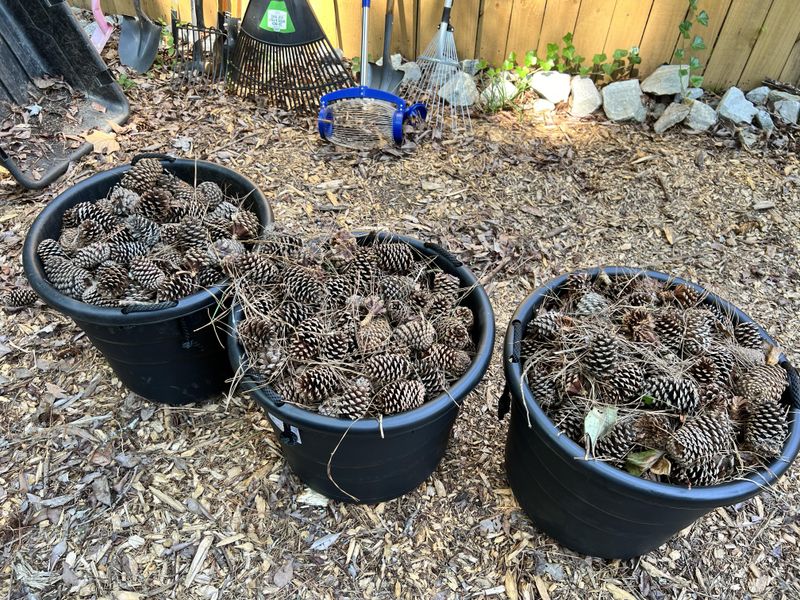
Fallen pinecones, acorns, and twigs often collect under trees by mid to late fall.
Look up as well as down. Evergreen shrubs and trees like Southern magnolia, holly, and pine stay green through the cooler months, so they make useful filler.
Some plants offer color, too. American beautyberry, a native shrub, often holds its purple berries into fall, though birds may strip them sooner in some yards.
Across Georgia, what you find will vary quite a bit from yard to yard.
A home in the north Georgia mountains may have different trees than a coastal yard near Savannah. Older neighborhoods often have more mature oaks and magnolias than newer ones.
Gather a little more than you think you will need, since some pieces will be broken, muddy, or buggy.
Only collect from your own property or with permission. Parks and public lands often have rules against removing plant material, so it helps to check first.
Shake each item gently before bringing it inside, which can knock loose insects or debris.
Leaving some pinecones, seeds, and berries outdoors also helps wildlife, so take what you need and let the rest stay put.
You might also find that collecting materials on a dry afternoon makes cleanup easier, since leaves and branches are less likely to carry moisture indoors.
2. Choose A Low Bowl Or Tray That Fits Your Table
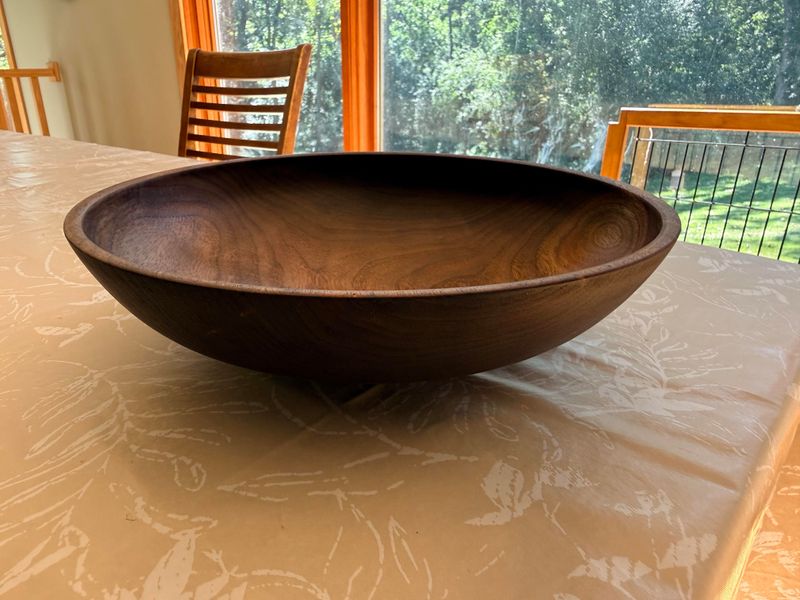
Tall arrangements look lovely until nobody can see across the table. A low container keeps the view open so dinner guests can talk easily.
Wooden dough bowls, shallow baskets, and long serving trays all work well for natural materials.
Measure your table before choosing. A container that takes up about a third of the table length tends to look balanced, though personal taste matters most here.
Round tables usually suit a round bowl, while long rectangular tables pair nicely with an oval or narrow tray.
Think about what the container is made of, too. Wood, stoneware, and galvanized metal fit the earthy feel of pinecones and leaves better than shiny plastic.
Your Georgia Garden Changes Every Week. Your Plan Should Too.
Gardening in Georgia changes quickly throughout the season. Every Friday you’ll receive a simple weekly plan showing exactly what to plant, prune, fertilize, harvest, and protect so you never miss the right timing.
Check your cabinets and closets first, since an old pie dish or cutting board might be just right.
Thrift stores in Georgia towns often carry inexpensive baskets and wooden bowls if you want something new to you.
Depth matters more than you might expect. A bowl that is only a few inches deep holds materials securely without hiding the prettiest parts.
Leave some room around the edges for plates, serving dishes, and elbows during meals.
If the container has a rough or unfinished bottom, plan to set it on a placemat or cloth so it does not scratch your tabletop.
Before filling the container, place it on the table and sit down to make sure its size leaves enough space for everyone.
3. Gather Pinecones And Fallen Twigs For A Natural Base
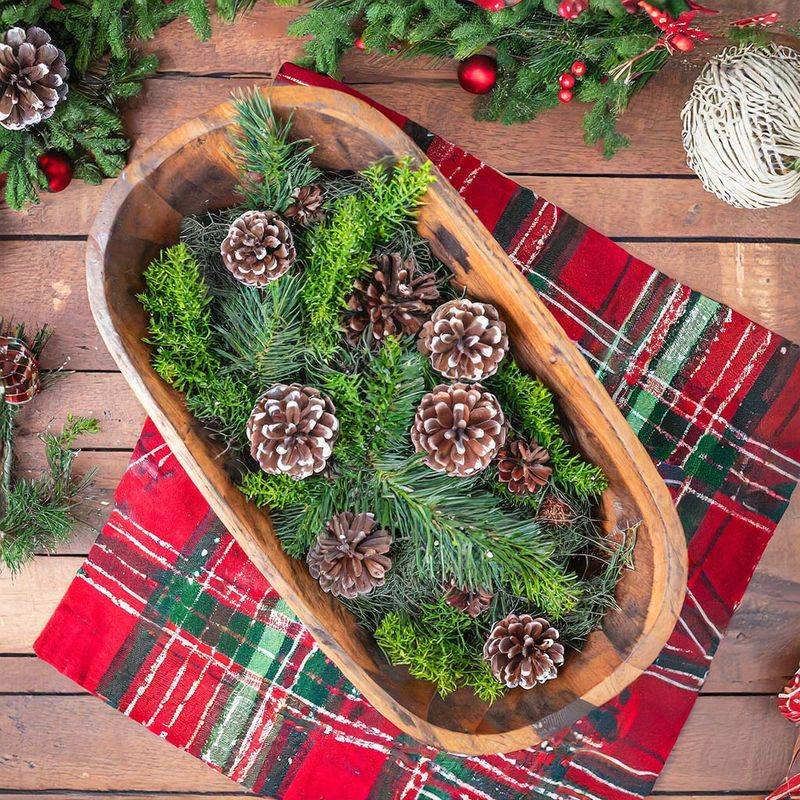
Every good arrangement needs something sturdy underneath. Pinecones and twigs create a textured foundation that holds other pieces in place.
Loblolly and longleaf pines are common in Georgia, and their cones drop to the ground throughout the year.
Pick cones that feel dry and fairly clean. Open cones look fuller, while closed ones may open later as they dry indoors.
Some people bake pinecones on a foil-lined sheet at a low oven temperature to help dry them and drive out insects.
Stay nearby if you try that method, because dry cones and sap can catch fire. Air drying in a sunny spot for several days is a slower but simpler option.
Twigs add a different texture and help fill gaps between cones.
Look for small fallen branches that snap cleanly, since green bendy ones may still hold moisture. Lichen-covered twigs can add a soft gray-green tone, and the lichen does not harm the wood.
Lay the twigs in first, running mostly in the same direction as your container.
Nestle the pinecones on top, pressing them in so they sit snugly. Larger cones toward the center and smaller ones near the edges usually look natural and balanced.
If the pinecones keep rolling out of place, tuck a few shorter twigs between them to create a more stable foundation.
4. Use Magnolia Leaves To Add Structure And Rich Green Color
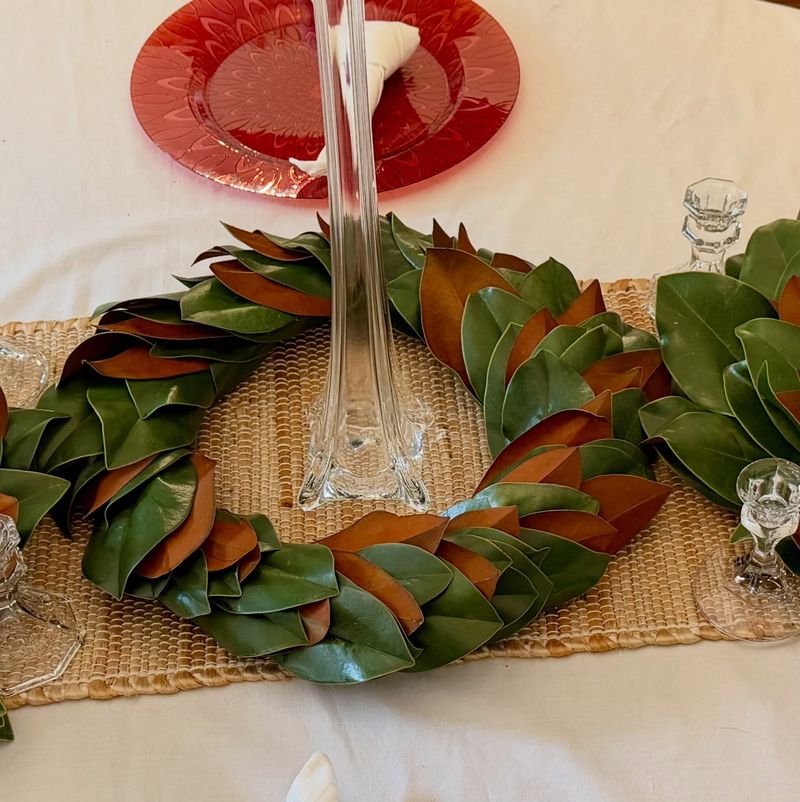
Glossy on top and fuzzy brown underneath, Southern magnolia leaves bring two looks in one. They are a classic choice for Southern holiday and fall decor.
Since Southern magnolia is evergreen, you can cut leafy stems in fall without waiting for any special season.
Use clean pruners and take small branches from spots that will not leave an obvious hole in the tree. Light trimming like this is usually fine for a healthy, established magnolia.
If you live in Georgia, you may already have one in your yard or know a neighbor who would share.
Flip a few leaves so the coppery undersides show. Mixing both sides adds depth and warmth without any extra materials.
Tuck the stems along the outer edges of your container, angling them slightly outward.
That ring of green frames everything else and softens the hard edge of the bowl. Leaves can also slide between pinecones to fill dark gaps.
Magnolia leaves often hold their shape well as they dry, though they slowly fade to brown over time.
Wipe each leaf with a damp cloth before arranging. Dust and pollen collect on the shiny surface, and a quick cleaning makes the green look much richer on your table.
For a fuller appearance, overlap the leaves slightly rather than placing them side by side with visible gaps.
5. Tuck In Beautyberry Branches For A Pop Of Purple
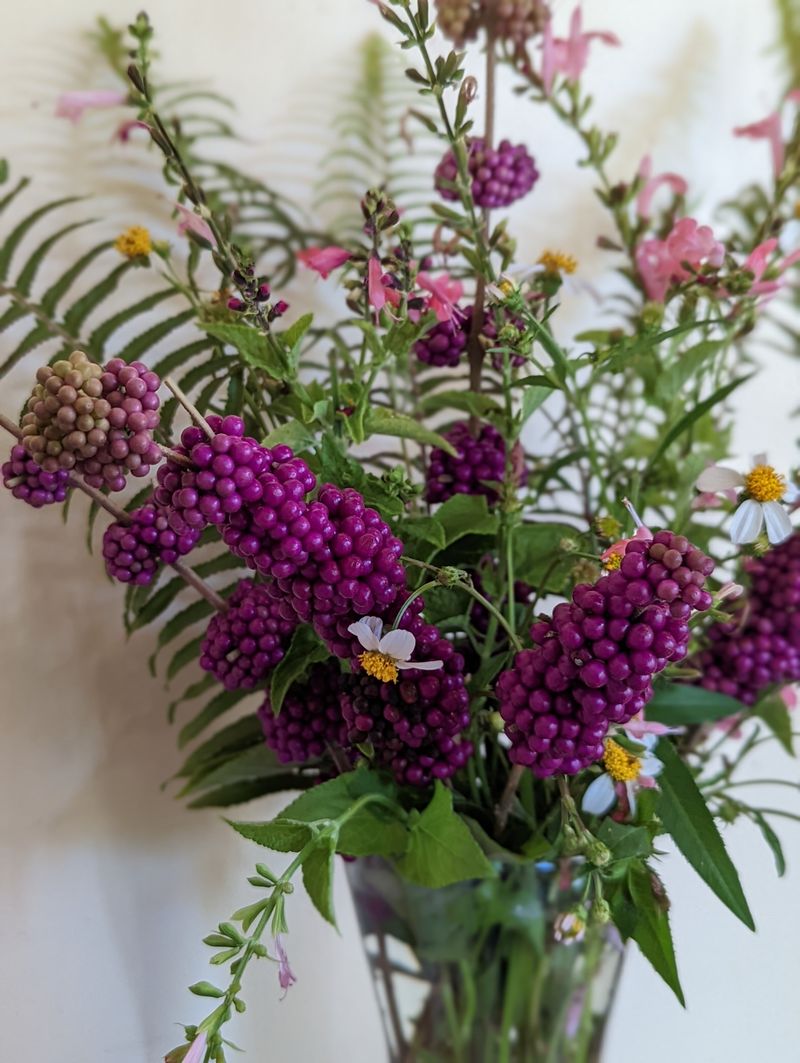
Purple is not a color most people expect from a fall garden. American beautyberry changes that with clusters of bright berries wrapped tightly around its stems.
Native to the Southeast, the shrub grows in many parts of Georgia and is popular in wildlife-friendly yards.
Berries usually ripen in late summer and fall. How long they last outside depends on weather and how hungry the local birds are.
Cut branches with plenty of berry clusters and remove most of the leaves.
Leaves tend to wilt quickly once cut, while the berries hold up a bit better. Stripping them also lets the purple stand out clearly against the magnolia green.
Indoors, beautyberry may stay attractive for several days, though some berries can shrivel or drop sooner.
Placing the stems in a small hidden cup of water may help them last longer. A juice glass or jar lid tucked under the leaves works well.
Spread the branches through the arrangement instead of grouping them in one spot.
Odd numbers, like three or five stems, often look more relaxed than even pairs. Let a few arch over the edge for a loose, garden-picked feel.
Leave plenty of berries on your shrub so birds can still enjoy them later.
Keep a few spare stems in water so you can replace any clusters that begin looking tired before your guests arrive.
6. Arrange Small Pumpkins And Gourds As The Main Focal Points
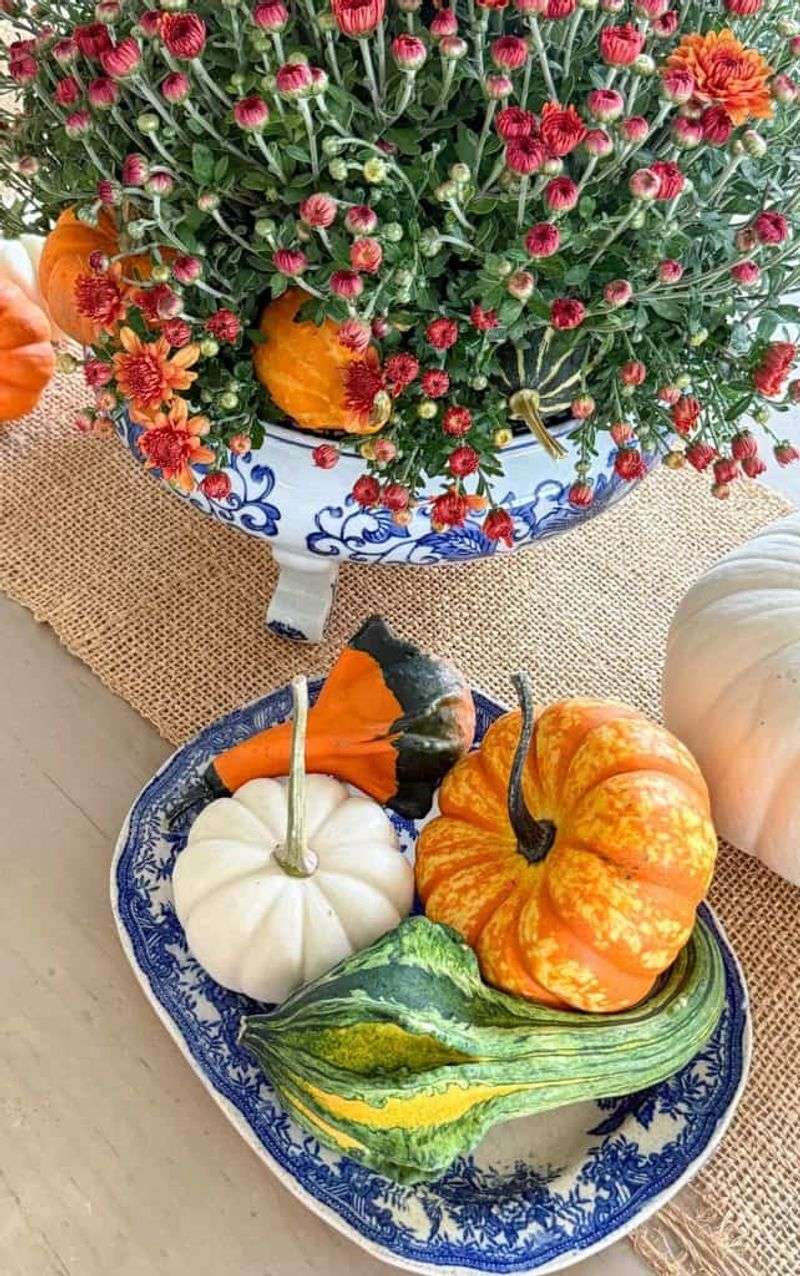
Eyes go straight to the pumpkins. Small pumpkins and gourds give your centerpiece clear focal points that pull everything together.
If you grew some this year, great, but farm stands and markets around Georgia usually sell them in fall too.
Choose pieces that fit the scale of your bowl. Mini pumpkins and palm-sized gourds work better than large ones that crowd out the greenery.
Look for firm skins without soft spots, cracks, or mold.
Stems should feel solid and dry. A pumpkin with a damaged stem tends to spoil faster, so handle each one by its base rather than lifting it by the stem.
Mixing colors keeps things interesting, like white, orange, and pale green.
Place your largest pumpkin slightly off center instead of right in the middle. Arrange two or three smaller ones nearby to create a natural cluster.
Gourds with bumpy or striped skins add texture without needing extra decorations.
Wipe each piece with a cloth dampened with a mild soap and water mix, then dry it well. Clean, dry surfaces may hold up longer indoors, though how long they last depends on the room and the condition of the fruit.
Check them every few days for soft areas.
Rotating the pumpkins occasionally also gives you a chance to inspect the areas resting against the container for early signs of spoilage.
7. Fill Empty Spaces With Acorns And Other Natural Details
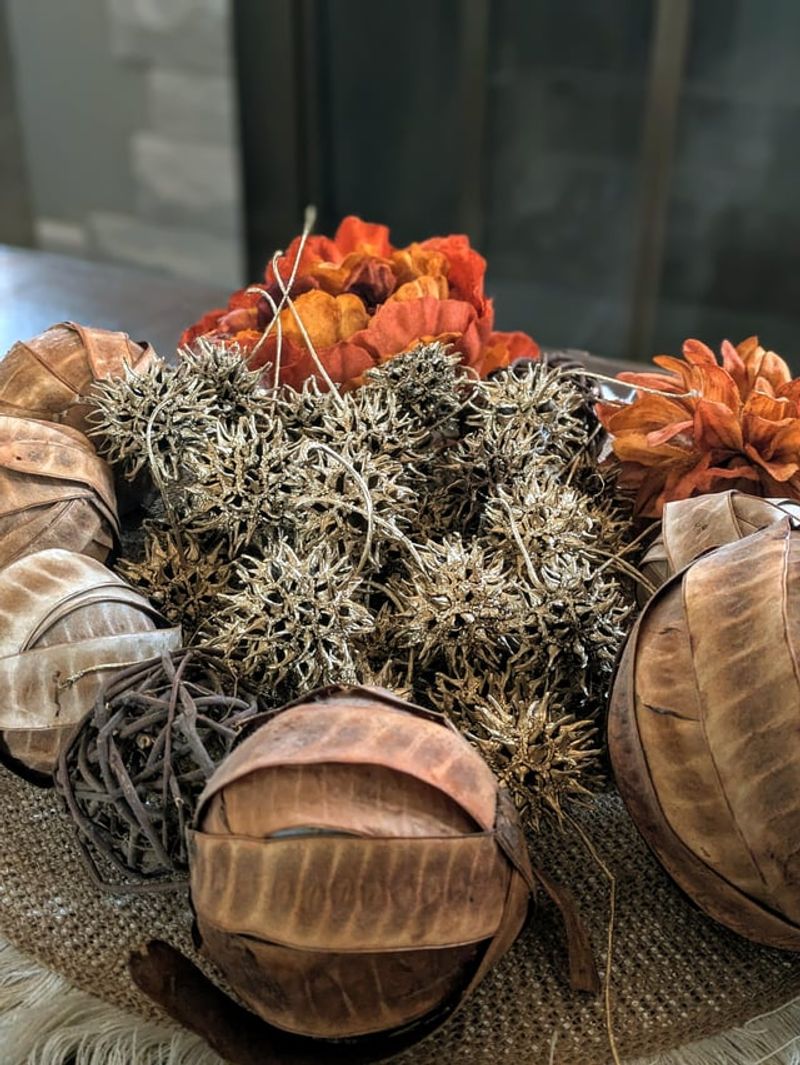
Small gaps can make a nice arrangement look unfinished. Acorns, seed pods, and tiny leaves quietly fix that problem.
Oaks are widespread in Georgia, and acorns often drop heavily in fall, though some years bring far more than others.
Sort through them and toss any with tiny holes. Those holes usually mean weevil larvae are inside, and you probably do not want them crawling out on your table.
Sweetgum balls are another easy find in many yards.
Their spiky round shapes add an unexpected touch, though they can poke little fingers. Set them toward the middle if young children will sit nearby.
Try a few dried leaves from maples, sweetgum, or other trees with good fall color.
Leaf color varies by region and weather, so north Georgia yards may show brighter shades than southern ones. Pressing leaves in a heavy book for several days helps them lie flat.
Drop acorns into gaps by the handful, letting them settle between larger pieces.
Step back often while you work. Viewing the arrangement from a chair helps you spot holes you might miss while standing.
Stop adding once it feels full but not crowded, since a little breathing room lets each material show.
You can also vary the size of these finishing touches to keep the arrangement interesting without overwhelming the larger pieces.
8. Keep Your Centerpiece Fresh And Protect The Table Beneath It
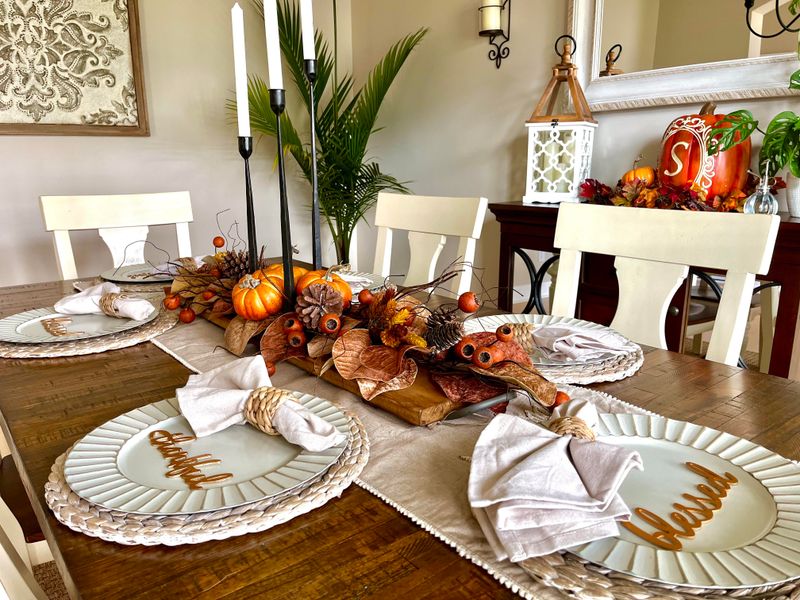
Moisture can be your table’s worst enemy. Damp leaves, berry juice, and pumpkins can stain or warp wood if they sit directly on it.
Place a cloth runner, cork mat, or plastic liner under your container before arranging anything.
Bowls without solid bottoms, like some baskets, need a liner inside too. A plastic plate or piece of foil hidden beneath the materials works fine.
Keep the arrangement away from heat vents, fireplaces, and sunny windows when you can.
Warm, dry air speeds up wilting, while bright sun can fade colors. A cooler spot usually helps natural pieces look good longer.
Check the centerpiece every couple of days.
Pull out berries that shrivel, leaves that curl, and any pumpkin with soft spots. Swapping in fresh pieces from the yard can stretch the display through much of the season.
Lightly misting magnolia leaves may help them stay glossy, but avoid wetting pumpkins or wood.
Fall humidity in parts of Georgia can encourage mold on organic materials, so watch for fuzzy spots. Remove anything moldy right away and wipe the area clean.
When the season ends, most pieces can go into your compost pile or back under the trees.
Before storing the container for another season, wash or wipe it thoroughly and let it dry completely to prevent lingering moisture and odors.