10 Culprits That Might Be Keeping Your Michigan Christmas Cactus From Blooming
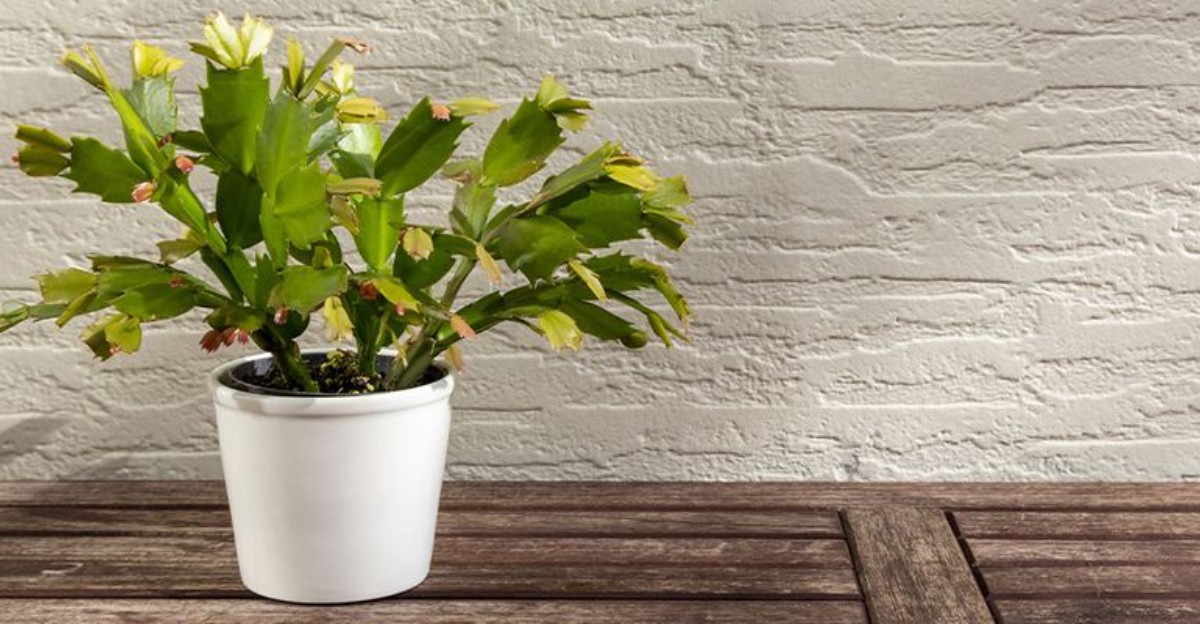
A single lamp switched on for an hour each evening can stop a healthy holiday plant from setting flower buds. I learned that the hard way after moving mine into a bright den one chilly fall in Michigan.
In the wild, this plant grows on tree branches in the misty coastal mountains of southeastern Brazil. Its roots like loose airy mix and quick drying, which surprises people who treat it like a desert cactus.
Cool nights between 50 and 55 degrees can trigger buds even without long stretches of steady darkness. That is why early fall porch weather across much of Michigan often does more good than extra fertilizer.
Maybe you have a pot by the window right now, green and plump but stubbornly bare at every tip. Isn’t it funny how a plant can look so content while quietly refusing to do the one thing we want?
1. Stray Lamplight Steals The Long Nights It Needs
Your Christmas cactus reads the length of each night to decide when it should start making flower buds. Scientists call this a short-day plant, but it is really responding to long uninterrupted stretches of darkness.
Most extension services suggest giving the plant about 12 to 14 hours of darkness every night in fall. That routine should continue for around six weeks, which lines up nicely with October in Michigan.
A reading lamp, a television glow, or a porch light through the window can break that dark period. Even a short burst of light tells the plant the night was short, so it keeps growing leaves instead.
I moved mine into a spare bedroom that nobody uses after dinner, and buds showed up within weeks. A closet works too, as long as you bring the plant back into bright light during the day.
Some gardeners simply drape a dark cloth over the pot each evening around six and remove it at eight the next morning. Keep the cloth loose so air can move, and stop the routine once you see small buds forming.
Darkness matters most when indoor temperatures stay in the upper 60s, which is common in heated homes. Cooler rooms give you more wiggle room, and the next section explains just how much temperature matters.
2. Warm Rooms Keep Those Buds From Ever Forming
Heat is sneaky because a warm house feels cozy to us while quietly confusing a plant that wants chilly nights. Extension programs note that bud formation slows when nights stay above about 70 degrees.
Around 50 to 55 degrees, the plant can set buds even if the room is not kept dark. That cool range lines up well with typical late September and early October nights across much of Michigan.
Many Michigan gardeners leave their pots on a sheltered porch through early fall for exactly this reason. Bring the plant inside before nights drop near 40 degrees, which often happens by early October, since frost can damage the flat fleshy stems.
Gardeners in the Upper Peninsula and around Traverse City may need to move pots indoors in late September or sooner. Check your local forecast often, because a single clear night up north can turn surprisingly cold.
Your Michigan Garden Changes Every Week. Your Plan Should Too.
Gardening in Michigan changes quickly throughout the season. Every Friday you’ll receive a simple weekly plan showing exactly what to plant, prune, fertilize, harvest, and protect so you never miss the right timing.
Indoors, keep the plant away from heat vents, fireplaces, and sunny windows that bake in the afternoon. An unheated sunroom or a cool bedroom often gives the steady chill these plants seem to enjoy.
A cheap indoor thermometer helps you see the real nighttime temperature instead of guessing from the thermostat. Rooms near the floor or an outside wall are often several degrees cooler than the hallway setting suggests.
3. Your Plant Might Be A Thanksgiving Cactus Instead
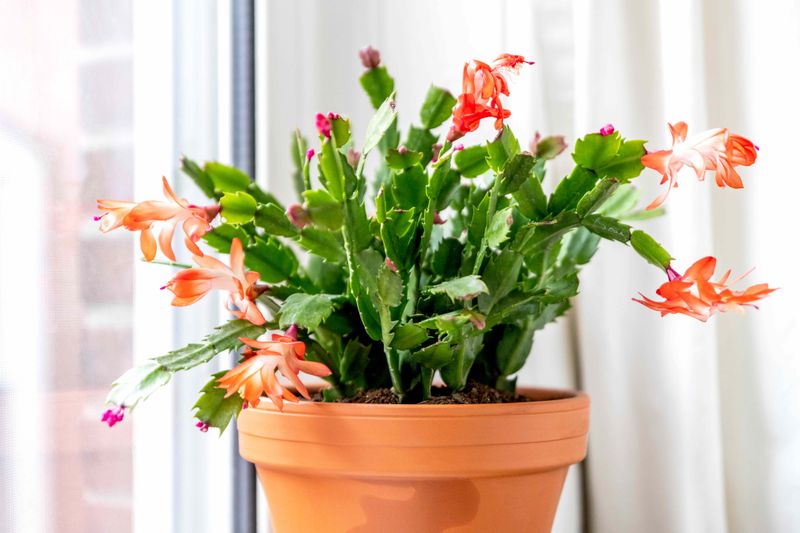
Plenty of plants sold as Christmas cactus are actually Thanksgiving cactus, a close cousin with a different schedule. Growers often favor the Thanksgiving type because it ships well and blooms in time for holiday shoppers.
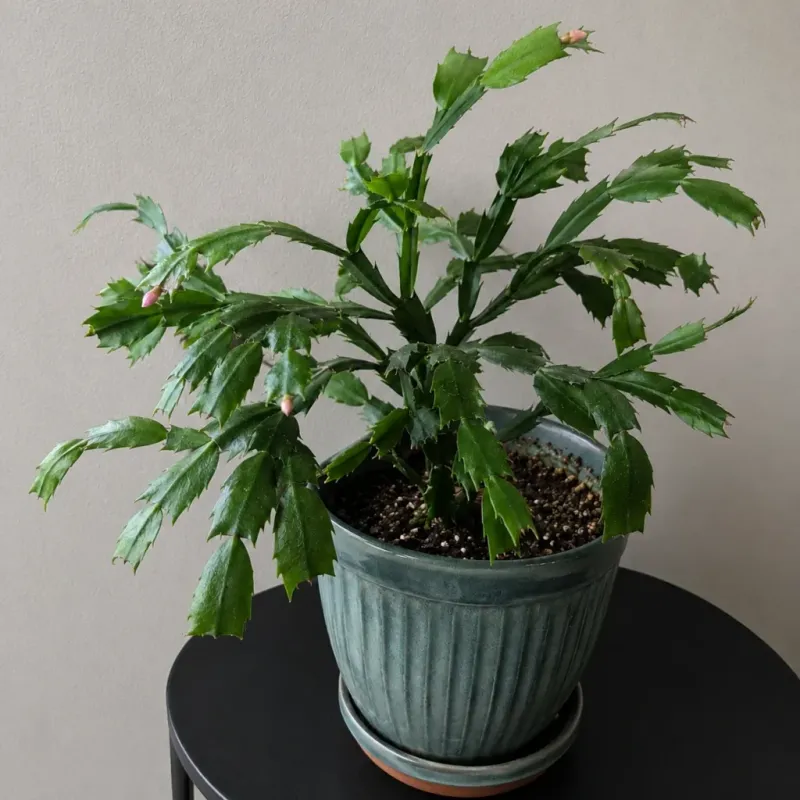
Look closely at the stem segments, because the shape gives away which plant is sitting on your table. Thanksgiving cactus has pointed claw-like teeth along the edges, while true Christmas cactus has rounded scalloped edges.
Easter cactus is a third relative with bristly segment tips, and it usually flowers in spring instead. That one needs a longer cool rest, so fall blooms are rarely in the cards for it.
Knowing your type matters, since a Thanksgiving cactus may already be forming buds by mid October. A true Christmas cactus often waits until November before tiny pink or red nubs appear at the tips.
So a plant that looks lazy in October might simply be running on its normal later timetable. Give it the same dark nights and cool temperatures, then be patient for a few more weeks.
Many shoppers simply call all three plants holiday cactus, which honestly makes the confusion easy to understand. Care for both fall bloomers is nearly identical, so the main difference is how long you wait.
4. Too Much Water Leaves The Roots Struggling
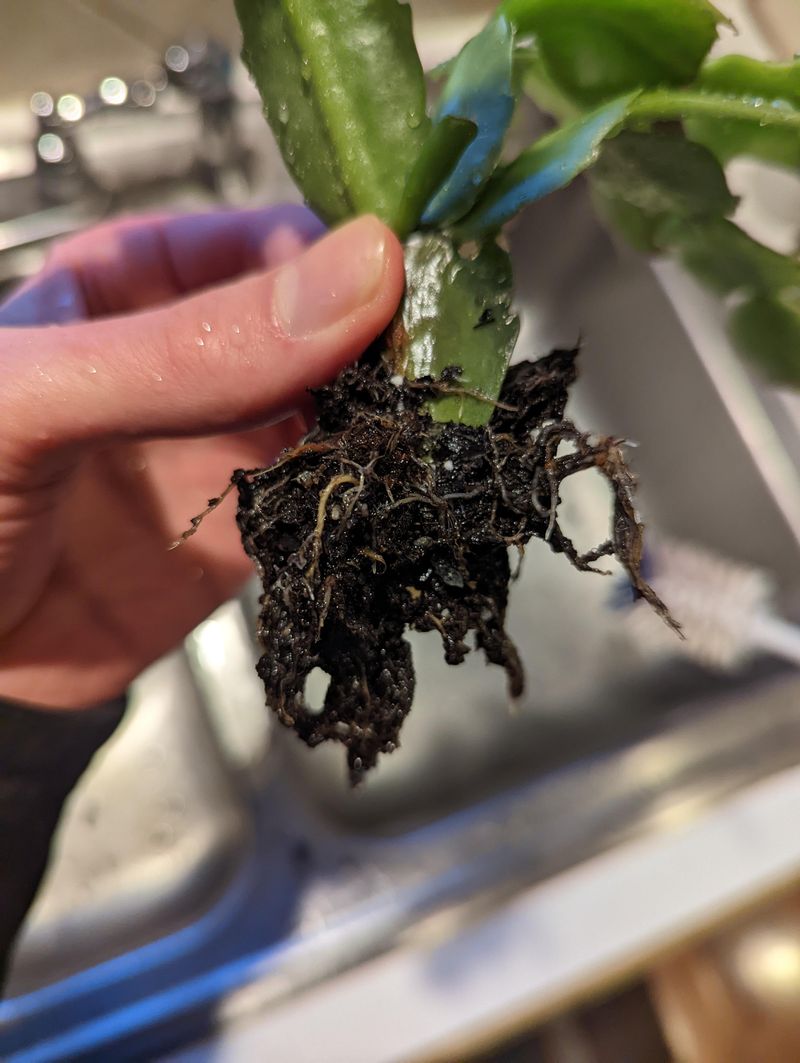
Soggy soil is one of the most common reasons a holiday cactus sulks instead of flowering in fall. In nature, the roots cling to tree bark where rain drains away within minutes after a storm passes.
Roots sitting in wet potting mix can rot, and a weak root system struggles to support new buds. Limp, wrinkled, or yellowing stems are often the first clue that the roots are in trouble below.
During October, many extension guides recommend watering a bit less often to help encourage bud formation. Let the top inch of soil dry out before you water, then soak the pot until water drains.
Empty the saucer afterward, because standing water slowly wicks back up and keeps the roots too wet. Decorative pots without drainage holes are a frequent problem, especially the shiny foil-wrapped kind sold at grocery stores.
Poke a finger into the mix before reaching for the watering can, since guessing often leads to trouble. A light pot usually means the plant is thirsty, while a heavy one suggests it can wait longer.
On the flip side, bone dry soil for weeks can also cause stress and flower bud drop. Aim for evenly moist conditions, not wet and not parched, and the plant will reward your balance.
5. Late Fertilizer Pushes Leaves Over Flowers
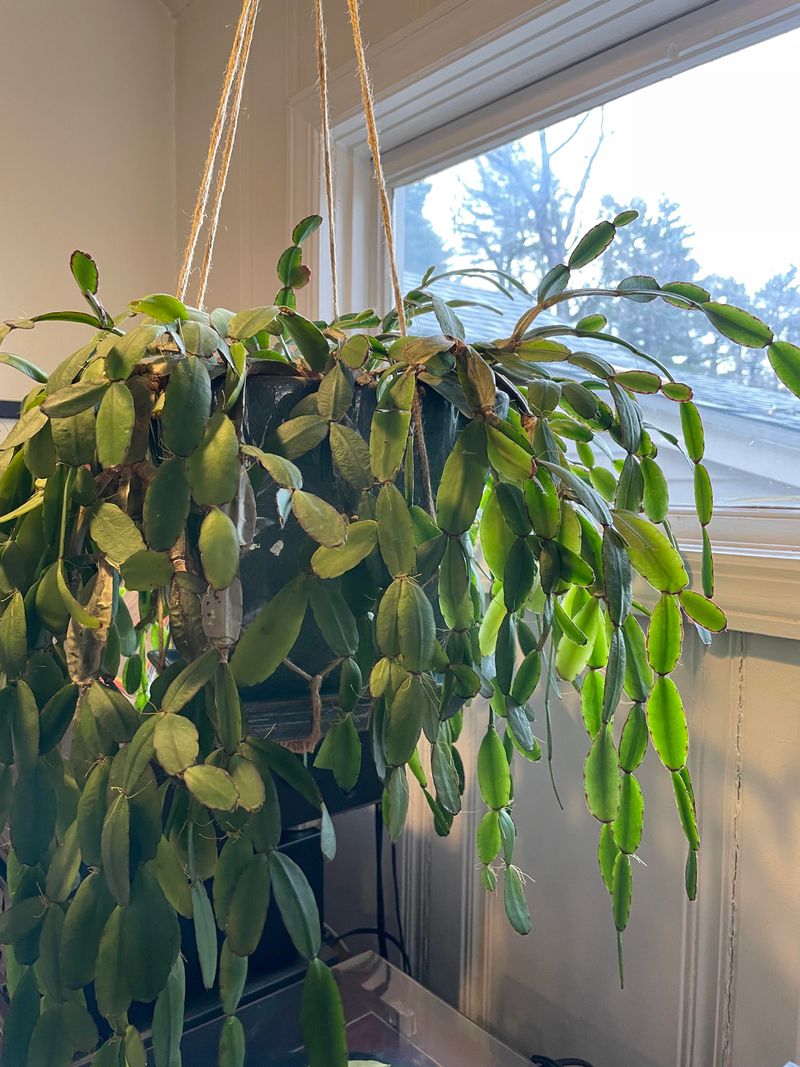
Feeding a plant feels like kindness, yet late-season fertilizer can steer energy toward leaves instead of blooms. Extension specialists commonly suggest feeding holiday cactus from spring through summer, then stopping by late summer.
By October, the plant should be resting and focusing on buds rather than pushing out fresh green segments. Lots of new stem growth at the tips this month is often a sign it got too much food.
A balanced houseplant fertilizer mixed at half strength once a month works well during the growing season. Some growers also add a little Epsom salt in summer, since these plants seem to use more magnesium.
That magnesium tip comes from grower experience, so treat it as optional rather than a proven requirement. Skip it in fall, along with every other fertilizer, until spring growth begins.
Salt buildup from frequent feeding can also leave a white crust on the soil or pot rim. Flush the pot with plain water a few times in early fall to rinse those extra salts away.
Do this on a mild day so the soil can drain and dry before cooler nights arrive. Then simply put the fertilizer bottle on a high shelf until spring, and let the plant rest.
6. Dim Corners Leave The Stems Short On Energy
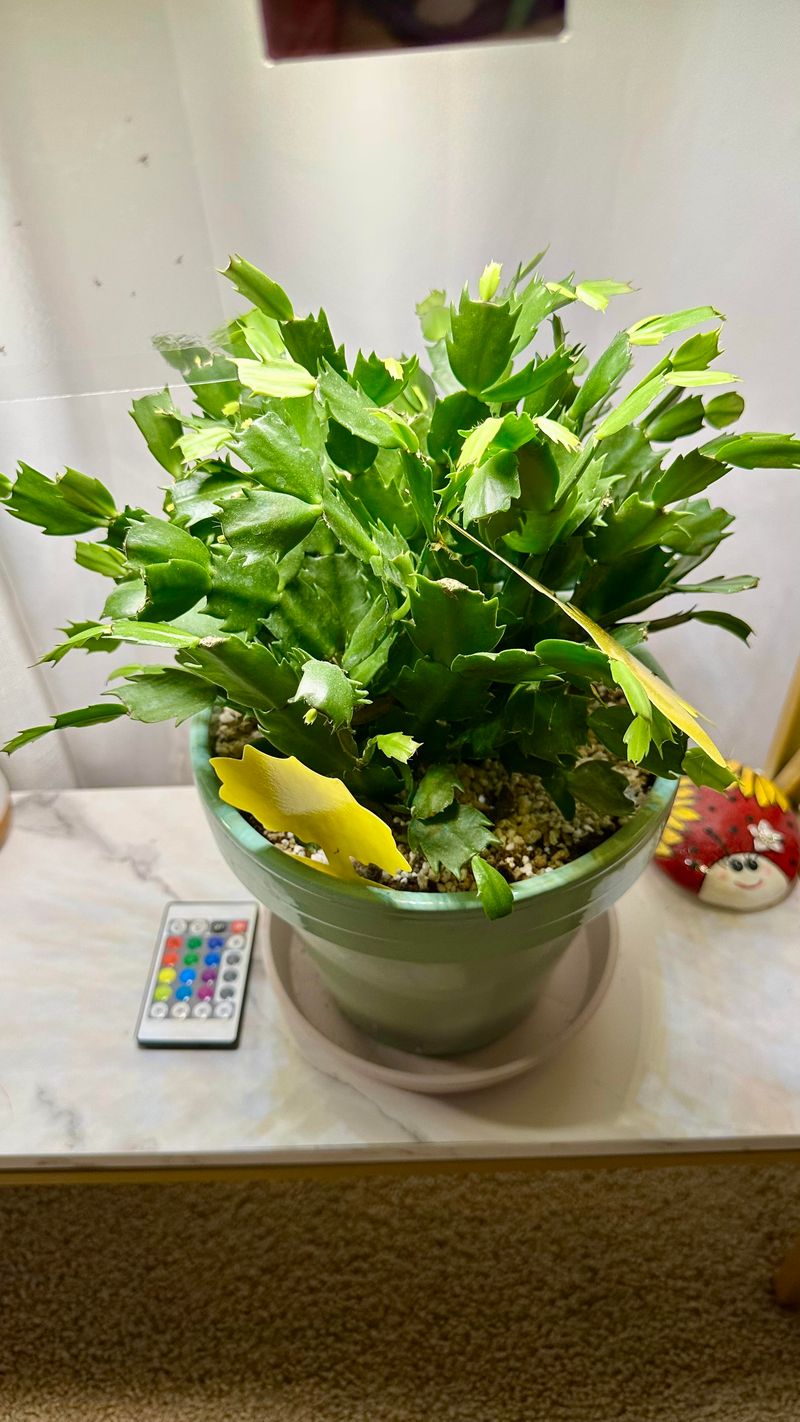
Shade-loving reputation aside, a holiday cactus tucked into a dark hallway rarely has enough energy to bloom. Flowers take a lot of stored fuel, and that fuel comes from bright light during the day.
Bright indirect light suits these plants best, like an east window or a spot near a sheer curtain. Harsh afternoon sun from a west window can bleach the stems a reddish or pale yellow color.
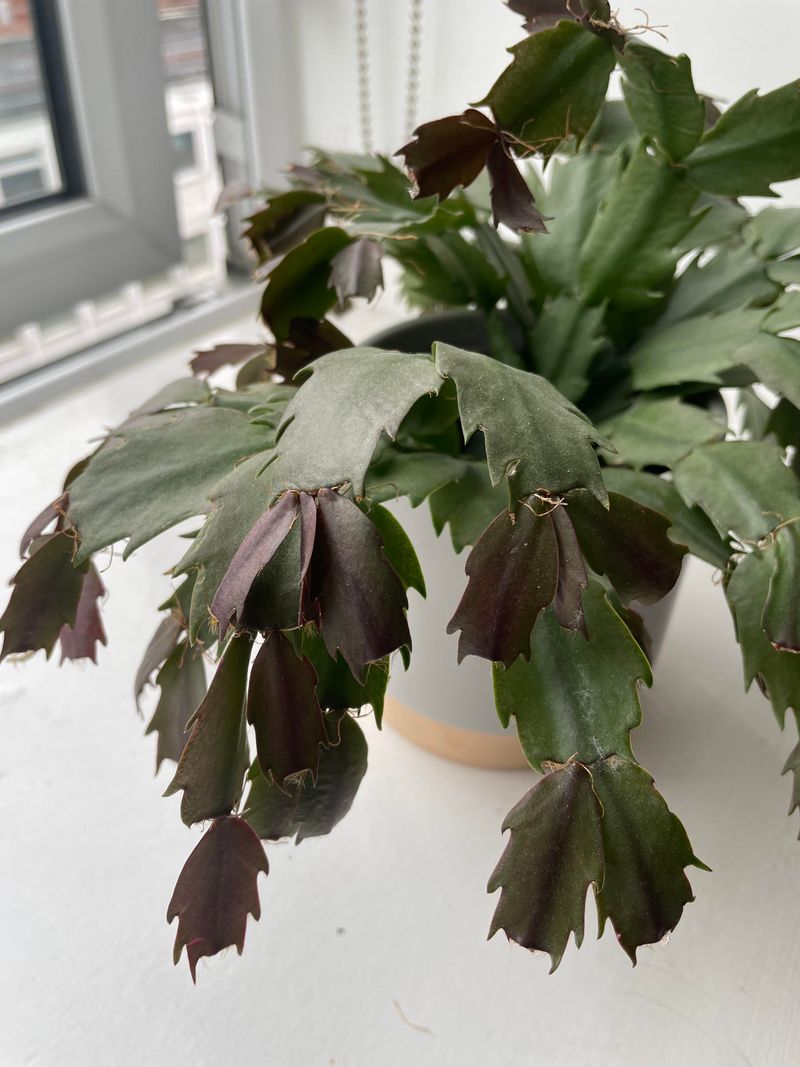
That reddish tint sometimes shows up in cool fall weather too, and it is usually just mild stress. Watch whether the color fades after you shift the pot to a softer spot with gentler light.
Remember that bright days and dark nights work together, so the goal is not simply less light overall. Your plant needs strong daytime light for fuel, then steady darkness at night to trigger the flowering process.
October days in Michigan are already shorter, so a window that seemed bright in July may dim. Falling sun angles and nearby trees can change how much light reaches your favorite indoor plant shelf.
Turn the pot a quarter turn every week or so before buds appear to keep growth even. Once buds form, though, leave it facing the same way, since turning can upset the developing flowers.
7. Sudden Moves Can Shake Loose Every Bud
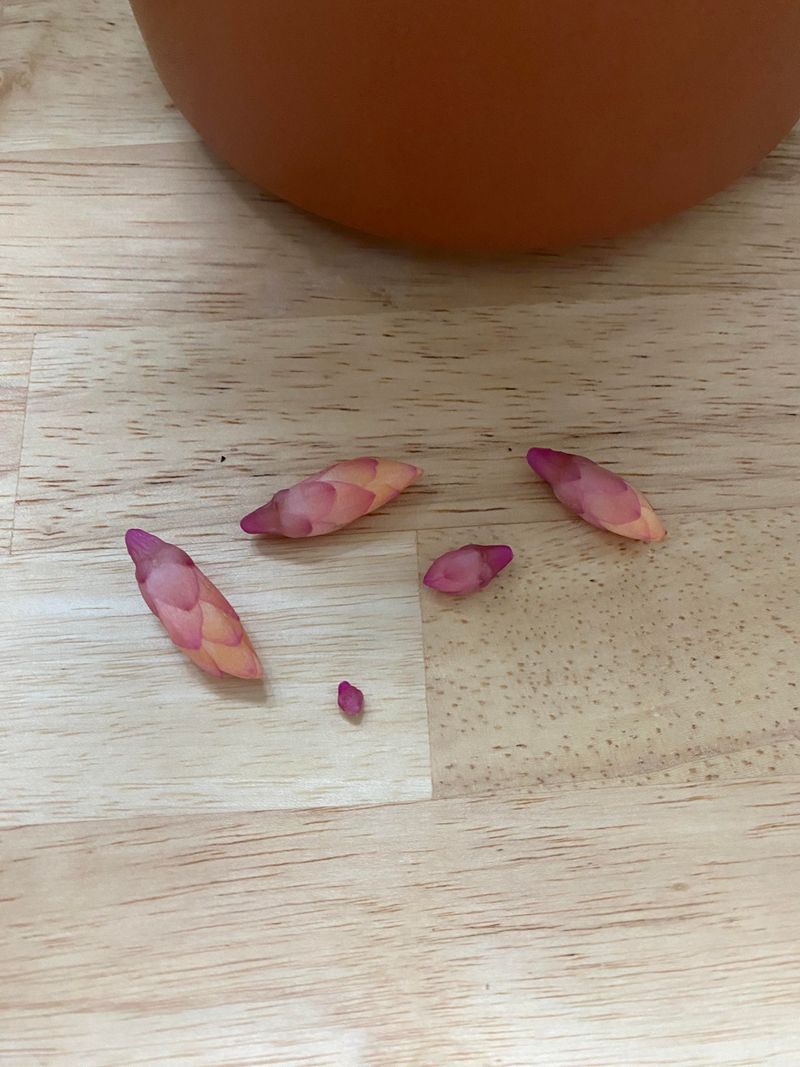
Few things frustrate holiday cactus owners more than watching plump buds fall onto the windowsill overnight. Bud drop often happens after a sudden change in light, temperature, or location, according to extension horticulturists.
Moving a budded plant from a cool porch to a warm living room is a classic trigger. The jump in warmth and dryness can make the plant drop buds it no longer feels able to support.
That is why bringing pots inside before buds form, rather than after, often works out better in fall. Choose the indoor spot early, then let the plant settle there for the rest of the season.
Cold drafts from an opening front door can cause trouble too, especially during chilly mornings late in October. So can warm blasts from a furnace vent once the heat kicks on for the first time.
If you buy a budded plant at a garden center, carry it home in a bag or box. A short trip through cold air in a chilly car can be enough to shake loose several buds.
Losing a few buds is normal, so do not panic if one or two drop early on. Steady care afterward usually lets the rest open into those bright layered blossoms you have been waiting for.
8. Dry Indoor Air Makes Buds Drop Early
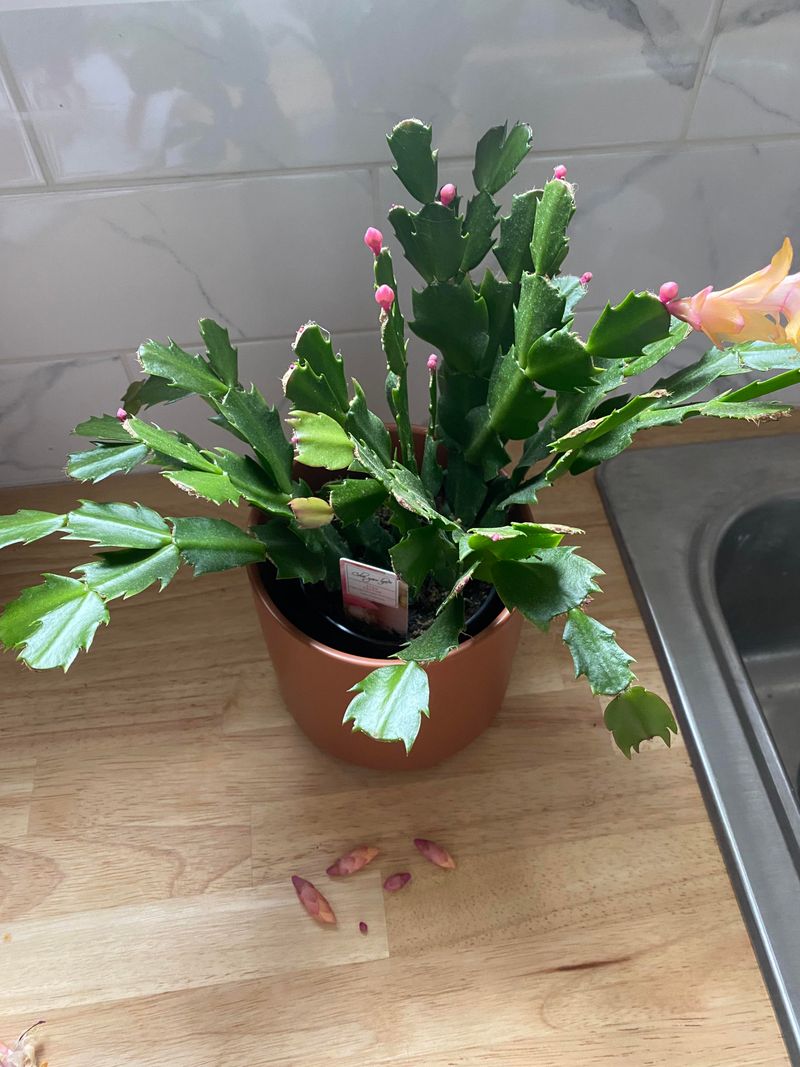
Coming from humid Brazilian forests, this plant is used to moisture in the air around its stems. Heated Michigan homes in late fall often have much drier air than the plant would naturally prefer.
Low humidity can cause buds to shrivel or drop before they open, especially near a running heater. Stems may also look thin or slightly wrinkled when the air and soil both stay very dry.
A simple pebble tray works well, made from a shallow dish filled with gravel and a little water. Set the pot on top of the pebbles so the bottom stays above the water line.
Grouping several houseplants together also raises humidity a bit, since leaves release moisture into the nearby air. I keep mine beside a peace lily and a fern, and the little cluster seems happier overall.
A small room humidifier helps too, especially in a bedroom where the plant spends its long nights. Many people find the extra moisture makes their own skin and sinuses feel better during heating season.
Misting gives only a brief boost and may encourage spots on the stems if done too often. Steady moderate humidity matters more than quick sprays, so focus on trays, grouping, or a humidifier instead.
9. A Fresh Big Pot Can Slow The Show
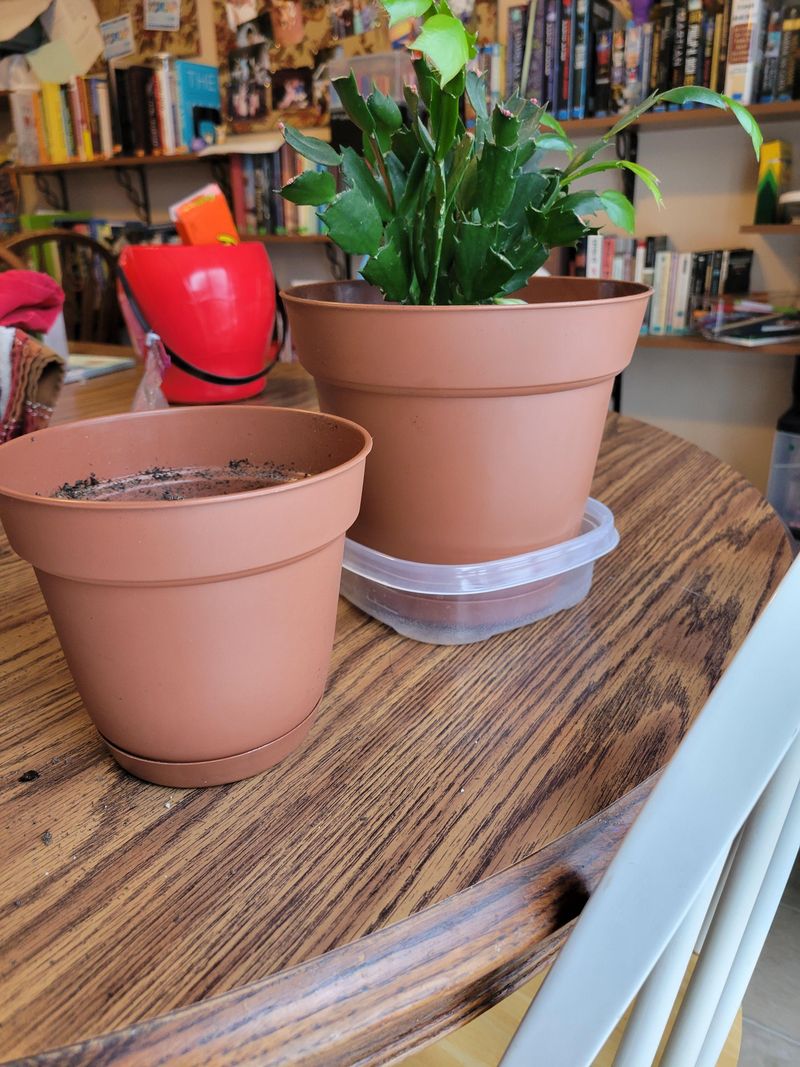
Oddly enough, a slightly crowded holiday cactus often blooms better than one with plenty of root space. Many extension sources note these plants seem to flower best when they are a little pot-bound.
Moving one into a much bigger container encourages roots to spread out, which can delay flowering for months. Extra soil also holds more water, which raises the risk of soggy roots during cool fall weather.
Fall is a poor time to repot, since the plant should be focusing on bud production right now. Most guides suggest waiting until late winter or spring, after the flowers fade, before changing the pot.
Repotting every two or three years is usually plenty for a healthy plant growing at a steady pace. Choose a container just one size larger, with drainage holes, so the roots fill it fairly quickly.
A loose blend works best, such as regular potting soil mixed with perlite or fine orchid bark. That mix mimics the airy bark these plants cling to in the wild, letting roots breathe after watering.
If you already repotted this summer, there is no need to worry or undo your hard work. Just water carefully, give it cool dark nights, and accept that blooms might be lighter this year.
10. Young Cuttings Need A Little More Time
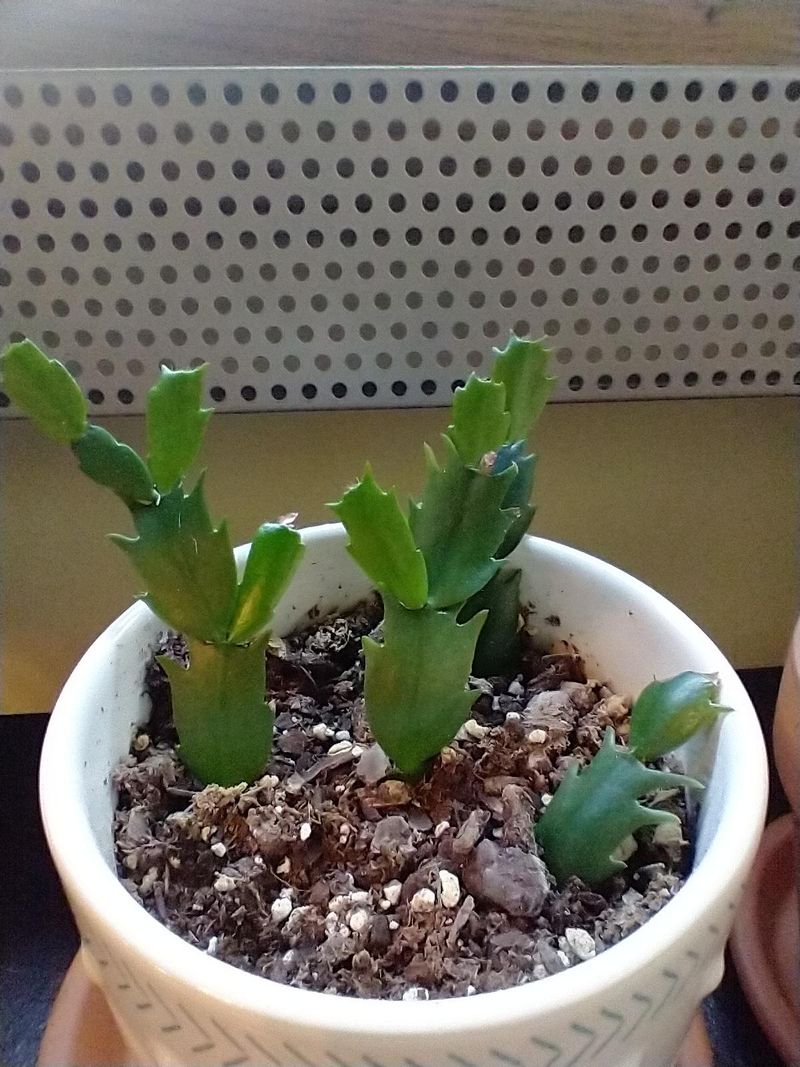
Patience might be the missing ingredient if your plant started as a small cutting from a friend recently. Young holiday cactus plants often need a year or more of root and stem growth before blooming well.
Flowers form at the tips of mature stem segments, so a plant with few segments has few chances. As the plant fills out, every new branch tip becomes another possible spot for a bud to appear.
Light pruning in late spring, after blooming ends, encourages the plant to branch and form more tips. Simply twist off a few segments at a joint, and you can root those pieces to share.
Avoid pruning in October, since cutting stems now removes the very tips where this year’s buds would form. Fall is the season to watch and wait, not the season to trim or reshape the plant.
These plants can live for decades, and some families pass the same one down through several generations. That long life means a slow start this year is just a small chapter in its story.
Keep a simple note of when you started dark nights and when the first buds showed up. Next October, that little record will help you repeat whatever worked and fix whatever held the plant back.