A Rare White-Flowered Plant From The New Jersey Pine Barrens Has Been Formally Named
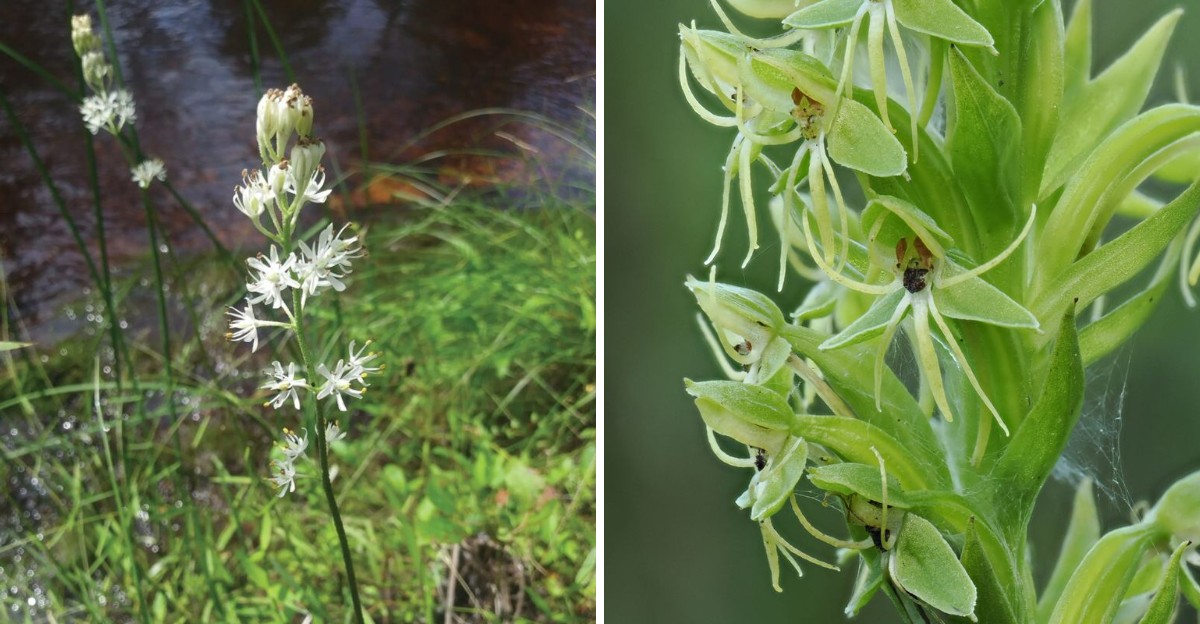
You may have brushed past a flower that science had long mislabeled. Picture sandy roads in southern New Jersey, with tea-colored water cooling your feet.
Crickets hum nearby while you wander and look for wild summer blueberries. Pine sap smells sweet, and warm needles mingle with wet moss around you.
Those bright blooms sat in sunny, soggy spots, and you strolled right past them. Your field guide listed another species, and botanists kept wondering.
A green frog watches from the bank, curious about your damp socks. Years passed while those flowers stayed unrecognized, hidden among the surrounding grasses.
Now a long, lofty, official name makes the discovery real. Its naming suggests that wild corners still hold fresh surprises for patient eyes.
Try saying it out loud. New Jersey just gave you a stranger whose Latin name will challenge your tongue.
A Newly Named Hybrid Species Honoring New Jersey
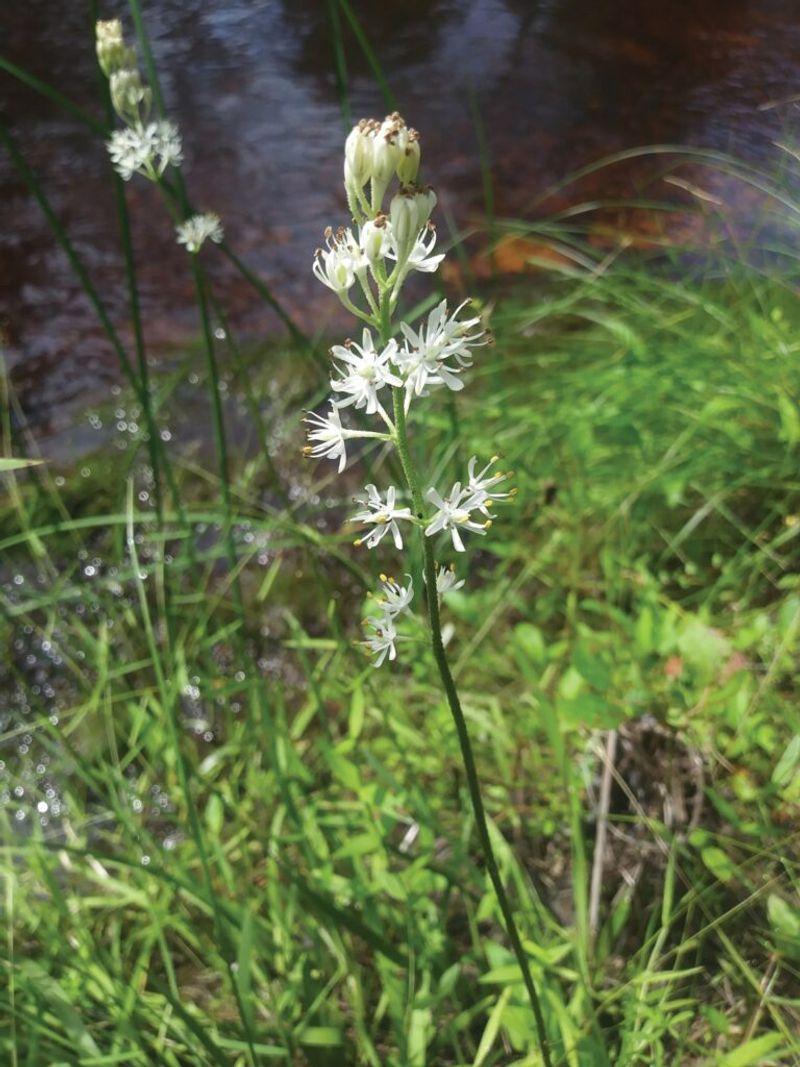
Picture a botanist kneeling in a swampy meadow, squinting at a flower that seems slightly wrong. That flower, studied for years, led to Triantha × novacaesariensis, a plant named in 2026.
The little × symbol in the name means it is a hybrid. Scientists think two related species crossed long ago, and offspring persisted for thousands of years.
The second word, novacaesariensis, comes from Nova Caesarea, an old Latin name for New Jersey. So the plant carries its home state right inside its scientific title.
Triantha plants are often called false asphodels, and they belong to a small group of wetland wildflowers. They grow from grassy leaves and send up slender stalks topped with pale blooms.
Naming a plant is a careful process, not a quick guess. Temple University’s Sasha Eisenman compared leaves, flowers, DNA, and old herbarium specimens before publishing in Phytotaxa.
Once a name is official, other scientists can track the plant, count it, and protect it. Without a name, a rare plant can slip through the cracks of conservation plans.
Discoveries like this remind us that New Jersey still holds real surprises. This one took more than a decade of fieldwork, DNA analysis, and herbarium research to confirm.
If you hike the Pine Barrens, slow down near wet, open spots. This plant flowers in late June, so that is when its white blooms appear.
Bring a notebook, a camera, and plenty of patience for squishy ground. Community observations can help scientists track plants if exact locations stay private.
The Parent Plants Behind The Cross
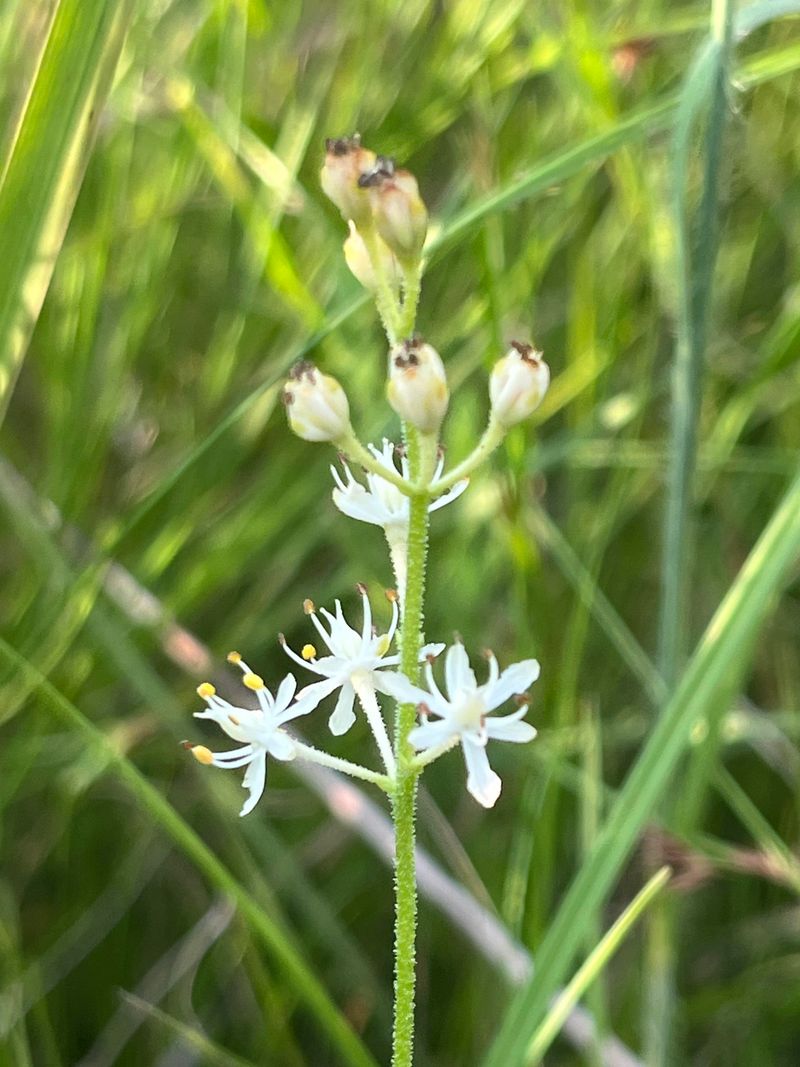
Every family tree has a story, and this one begins with two close relatives. Researchers think those false asphodels crossed long ago, and their offspring became today’s New Jersey plants.
One likely parent is Triantha racemosa, a coastal plain species of the Southeast. The other is Triantha glutinosa, from New England and Canada. Genetic tests compared New Jersey plants with both.
Hybrids happen when pollen from one species lands on the flower of a close cousin. Bees, flies, and other busy insects often carry that pollen without meaning to.
In many cases, those mixed seeds do not grow well or cannot make healthy seeds themselves. Once in a while, though, a hybrid thrives and starts a population of its own.
Your New Jersey Garden Changes Every Week. Your Plan Should Too.
Gardening in New Jersey changes quickly throughout the season. Every Friday you’ll receive a simple weekly plan showing exactly what to plant, prune, fertilize, harvest, and protect so you never miss the right timing.
Think of it like mixing two paint colors and getting a shade nobody expected. The hybrid plant shows traits from both parents, yet it looks like neither one exactly.
DNA testing helps botanists see those mixed traits clearly. Tiny bits of leaf can reveal which parents contributed to this plant’s genetic recipe.
Wetlands like the Pine Barrens can bring related plants close together in open, low-lying places. When that happens, pollen can sometimes move from one species to another.
Hybrids also teach scientists how new species may form over very long stretches of time. Studying one up close is like seeing evolution at work in real time.
If you visit a bog, notice which flowers grow side by side. Neighbors in nature sometimes become relatives in surprising ways.
Sticky Stems And Starry White Blooms
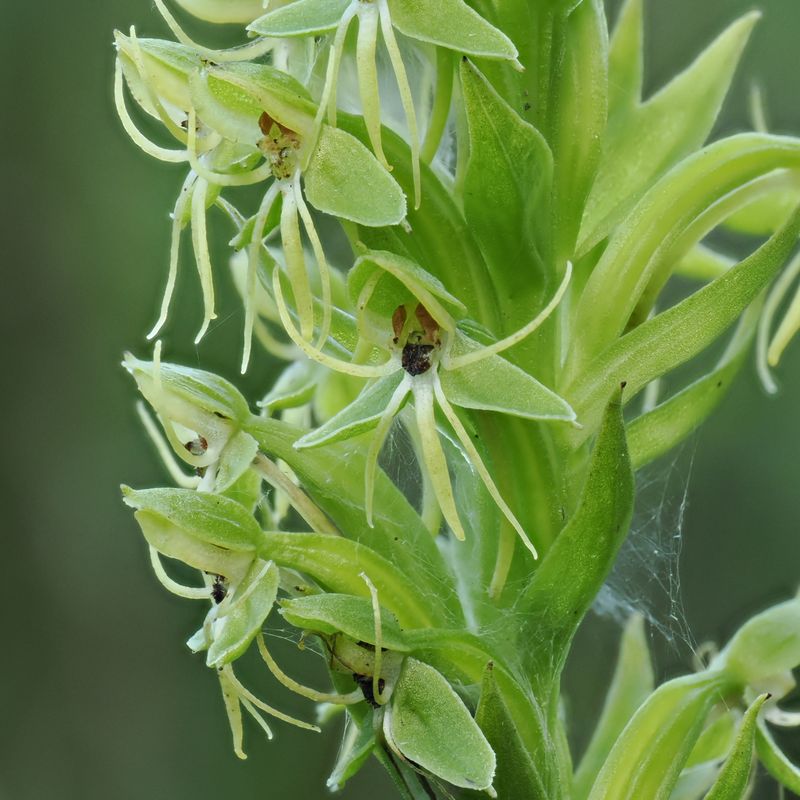
Run a gentle finger along the stem, and you might feel something tacky, like dried syrup. Many Triantha plants carry tiny sticky hairs, and that gluey coating is part of their charm.
Up top, small white flowers cluster on a slim stalk that rises above grassy leaves. Each bloom has six petal-like parts, opening into a neat little star.
The flowering stalks rise above surrounding grasses, standing out in bloom. Thin leaves look a lot like grass, so the plant blends into wet meadows.
Those sticky hairs are more than decoration. In a western cousin, Triantha occidentalis, scientists found the hairs trap and digest small insects.
That discovery, announced in 2021, made the western species a surprise carnivorous plant. Whether the New Jersey plant also traps insects has not yet been documented.
Bog soil is low in nutrients, so grabbing extra food from bugs can be a smart trick. Sundews and pitcher plants nearby use similar strategies to survive.
In the western species, the hairs hold only small insects like midges, while bees and butterflies fly free. Whether the same is true in New Jersey remains untested.
Spotting the plant takes sharp eyes, since its slender stalks mingle with grasses. Up close, though, the glistening stem and bright petals look almost like tiny jewelry.
Bring a magnifying glass on your next nature walk for a closer view. Just look without picking, because rare plants deserve plenty of personal space and quiet respect.
The Soggy Bogs It Calls Home
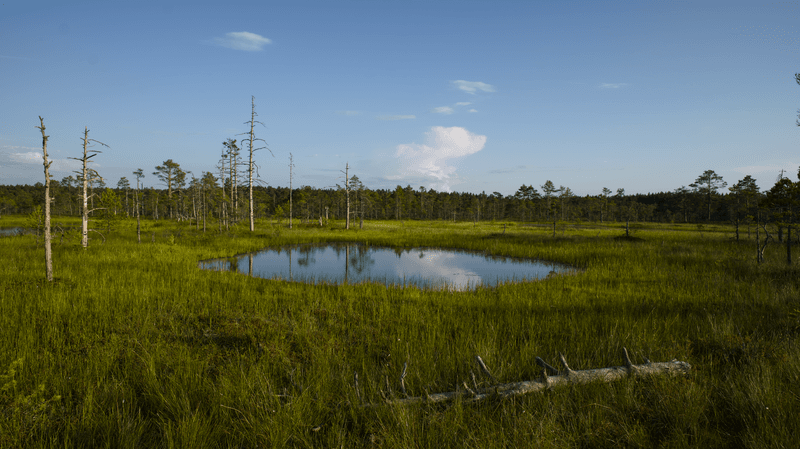
Squish, squish, squish goes each step through the wet, sandy places where this plant lives. Your socks may complain, but the plant thrives in these damp, soggy places.
The Pine Barrens cover nearly a million acres of southern New Jersey. Beneath the sandy soil sits a huge underground store of clean water.
That water seeps up in low spots, creating bogs, fens, and wet savannas. Open, sunny wetlands like these are where Triantha species thrive.
Shade is a problem for this plant, so it needs places without many tall trees. Natural fires once cleared brush and kept these meadows bright and open.
The soil here is acidic and poor in nutrients, a bit like a pantry with almost nothing inside. Only tough, clever plants can make a living in such conditions.
Neighbors include sundews, pitcher plants, orchids, and fluffy cotton grass. The area hosts many rare plants found in few other places.
Small changes in water levels can upset this delicate home quickly. Too dry, and other plants move in; too flooded, and seedlings may struggle.
To protect the plant from collectors, exact locations are best kept private. That secrecy might feel frustrating, but it helps the population stay safe.
In autumn, the bogs can show red pitcher plants and golden grasses. A walk on public boardwalks lets you enjoy the scenery without trampling fragile ground.
Pack waterproof boots and stick to marked paths whenever possible. Your feet stay drier, and the hidden residents stay rooted.
Concerns For A Rare, Limited-Range Plant
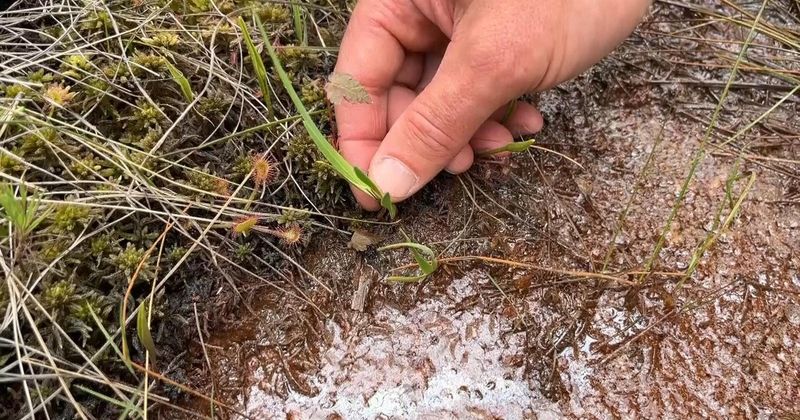
This plant is known only from the Pine Barrens of southern New Jersey. Plants with such a small, limited range can be especially vulnerable to changes in their habitat.
Eisenman says it appears to grow only in Burlington County. A single local disturbance could affect a large share of the known plants.
Fire suppression is a concern for many Pine Barrens wetlands. Without regular burns, shrubs and trees can move in and shade sun-loving flowers.
Changes in groundwater matter too. Pumping water for homes and farms can lower the water table and dry out boggy soil.
Off-road vehicles sometimes drive through wet areas, leaving deep ruts behind. Those tire tracks damage plants and change how water flows across the land.
Collectors can be another concern, since rare flowers attract attention. Removing even a few plants could noticeably reduce such a small population.
Climate shifts may add pressure through hotter summers and changing rainfall patterns. How these changes could affect this particular plant remains largely unclear.
Invasive plants can spread quickly and crowd out native wildflowers in some wetlands. Once they settle in, removing them can take years of work.
Reproduction is one more open question, because some hybrids produce very few healthy seeds. Researchers still need to learn how well this plant reproduces.
Each concern might seem small alone, but together they can add up fast. Knowing the risks is the first step toward smart protection.
Experts hope careful monitoring will reveal how the population changes over time. Each year of data can help inform better future decisions.
Simple Habits That Protect Pine Barrens Bogs
You do not need a lab coat to help protect rare plants and wetlands. Small choices made by everyday visitors can protect the bogs where this plant grows.
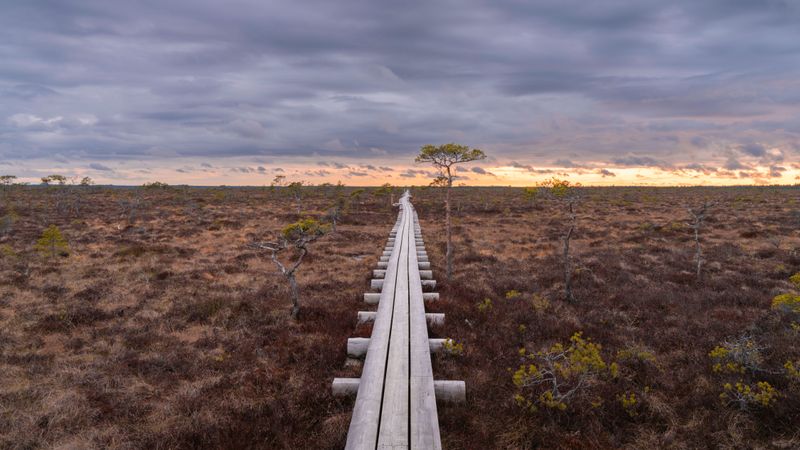
Start by staying on trails and boardwalks during every visit. Wet soil compresses easily, and one careless step can damage seedlings you cannot even see.
Leave flowers where they grow, even if they look common. A photo lasts longer than picked blooms and leaves plants untouched.
Volunteering is another great option for families and school groups. Local Pinelands conservation groups often host public cleanups and guided nature walks.
Conserving water at home can help too, especially where wells draw from local aquifers. Shorter showers and fixed leaks reduce demand on regional groundwater supplies.
Planting native species in your yard supports local insects, including pollinators that visit wild bogs. Skip invasive ornamentals that might escape into natural areas.
Apps like iNaturalist let anyone share plant sightings with real scientists. Just remember to hide exact locations for rare species to discourage collectors.
Autumn suits a family hike, with cool air, but ticks linger, so check yourself afterward. Talking about what you see helps younger kids care about wild places.
Supporting controlled burns might sound odd, yet fire keeps these wetlands open and sunny. Trained crews plan these burns carefully to benefit native plants.
Share the story of this newly named plant with friends and classmates. People protect what they love, and they love what they understand.