The Pennsylvania Native Shrub That Blocks Wind Without Constant Cleanup
Winter wind can be brutal on a Pennsylvania yard. It whips across open lawns, rattles windows, and leaves plants dried out and battered by spring.
A good windbreak can make a huge difference, but many popular choices come with a catch. They drop piles of leaves, need constant trimming, or simply can’t handle the cold. One tough native shrub skips all that.
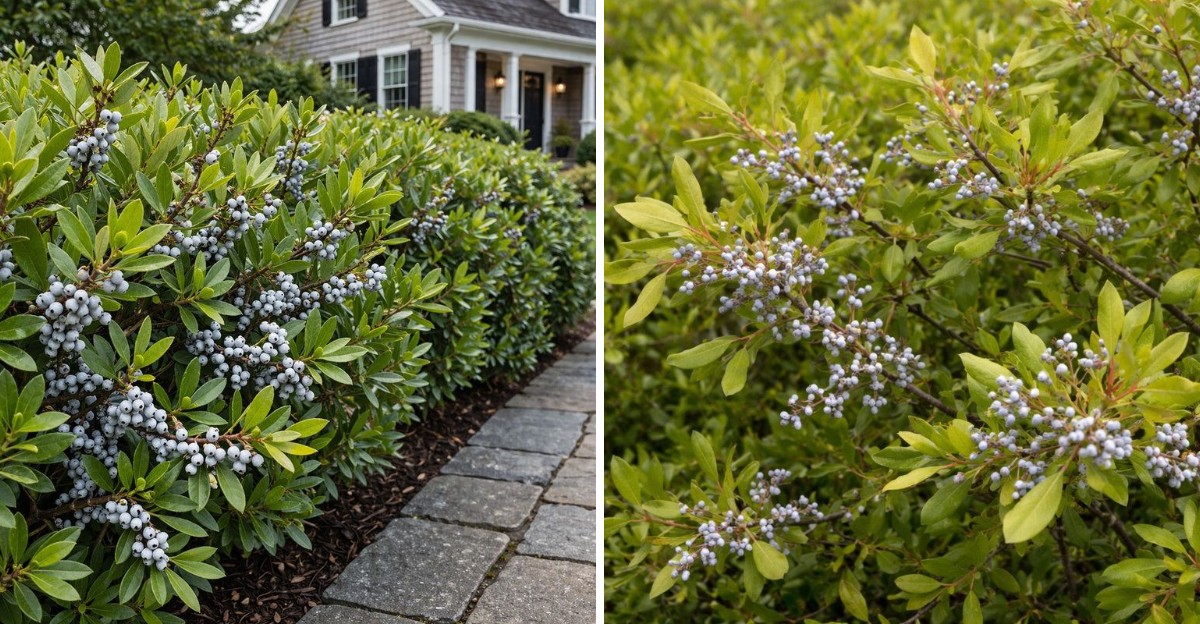
Its dense, upright branches stand up to harsh gusts, salt spray from roads, and poor, sandy soil that many shrubs can’t handle. Its aromatic leaves drop slowly and break down easily, so there’s very little mess.
Meanwhile, its gray, waxy berries feed tree swallows, warblers, and other birds deep into winter. Colonists even boiled those berries to make fragrant candles.
If you want wind protection without the extra work, this native deserves a spot in your yard.
A Tough Native Windbreak Shrub
Some plants just belong in a place. Northern bayberry is one of them, and its scientific name proves it. Botanists call it Myrica pensylvanica, a nod to the state where it grows wild.
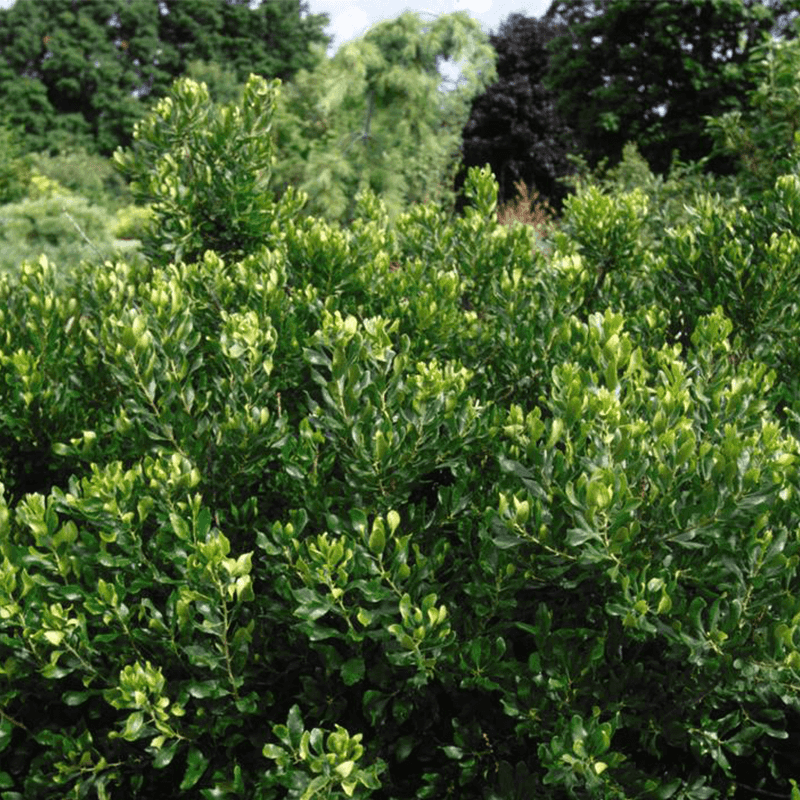
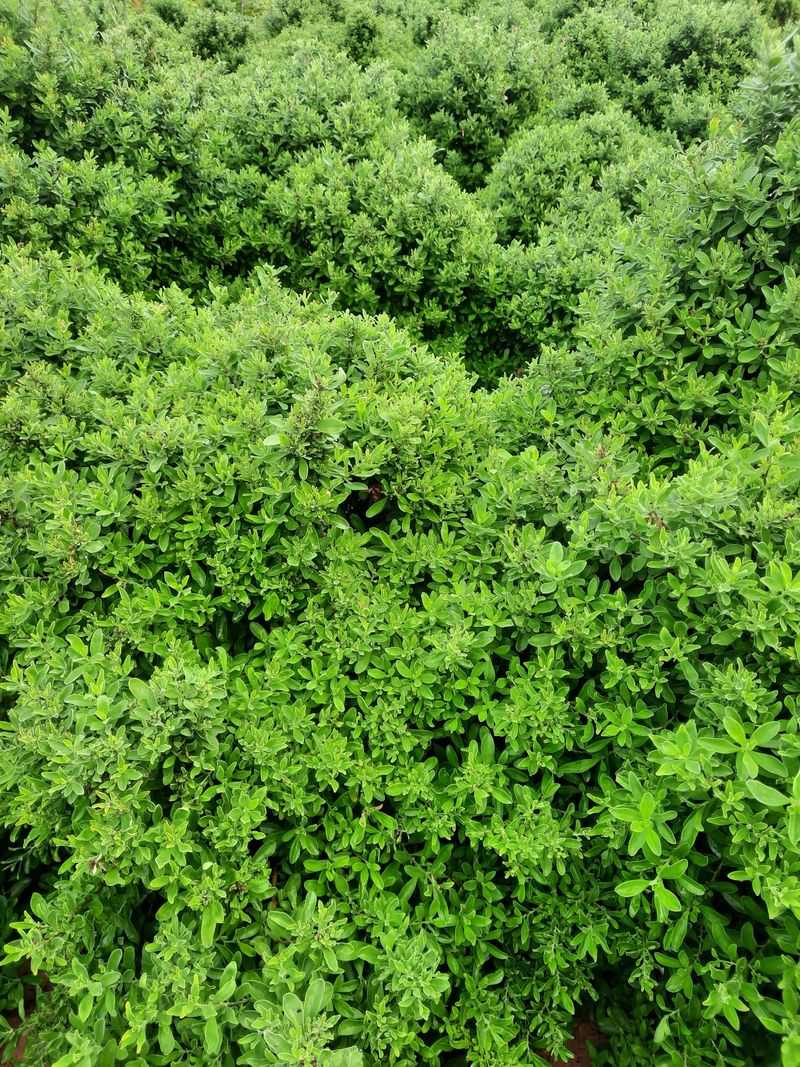
The shrub forms a dense, rounded shape. Most plants reach about 5 to 10 feet tall and just as wide. That size makes it big enough to block wind but small enough to fit in a normal yard.
Its leaves are long, narrow, and a deep shiny green. They feel a little leathery when you touch them. In summer, the whole shrub looks full and healthy, even during dry spells.
You can find bayberry growing wild along the East Coast. It shows up on sandy beaches, rocky hillsides, and open fields. Over thousands of years, it learned to handle salt spray, strong storms, and thin soil.
That toughness is great news for home gardeners. A plant that survives ocean wind can easily handle a breezy Pennsylvania backyard. It also shrugs off cold winters without trouble.
Finding bayberry is not hard. Many native plant nurseries across Pennsylvania sell it in pots of different sizes. Some garden centers carry it too, especially in spring and fall.
Fun fact time! Early American colonists boiled bayberry fruit to collect its wax. They used that wax to make candles that smelled sweet and burned cleanly.
Choosing a native shrub also helps local nature. Insects, birds, and other wildlife already know how to use it. You get a strong, good-looking hedge while supporting the animals that share your neighborhood.
For anyone tired of fussy plants, bayberry offers a refreshing change. It is sturdy, useful, and rooted in Pennsylvania history.
Dense Growth That Slows The Wind
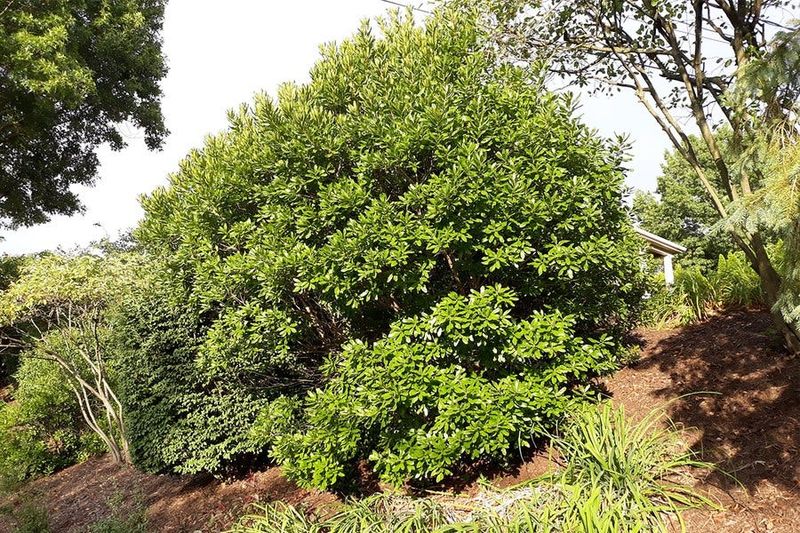
Ever stood behind a fence on a gusty day and felt the air go calm? A row of bayberry can give you that same cozy feeling. The difference is that it grows itself and looks much nicer.
The secret lies in how bayberry spreads. It sends out underground shoots called suckers. New stems pop up around the main plant, and over time they fill in gaps.
Those stems create a thick, solid thicket. Wind hits the branches and slows down instead of rushing straight through. Your patio, garden, or house sits in calmer air as a result.
Your Pennsylvania Garden Changes Every Week. Your Plan Should Too.
Gardening in Pennsylvania changes quickly throughout the season. Every Friday you’ll receive a simple weekly plan showing exactly what to plant, prune, fertilize, harvest, and protect so you never miss the right timing.
A good windbreak does not need to stop all wind. In fact, a slightly open hedge works better than a solid wall. Bayberry lets a little air pass, which reduces swirling gusts on the other side.
Planting tips can help you get the best results. Space shrubs about 4 to 6 feet apart in a single row. For extra protection, plant two staggered rows, like a zigzag.
Focus on the windy sides of your yard first. In much of Pennsylvania, cold winter winds blow from the northwest. A hedge on that side can make a real difference for your home.
Bayberry also doubles as a privacy screen. Neighbors and passing cars will have a harder time seeing into your yard. You get peace and quiet along with less wind.
Be patient during the first couple of years. Young plants put energy into roots before they spread. By year three or four, you will likely notice the thicket filling in nicely and doing its job.
Very Little Cleanup
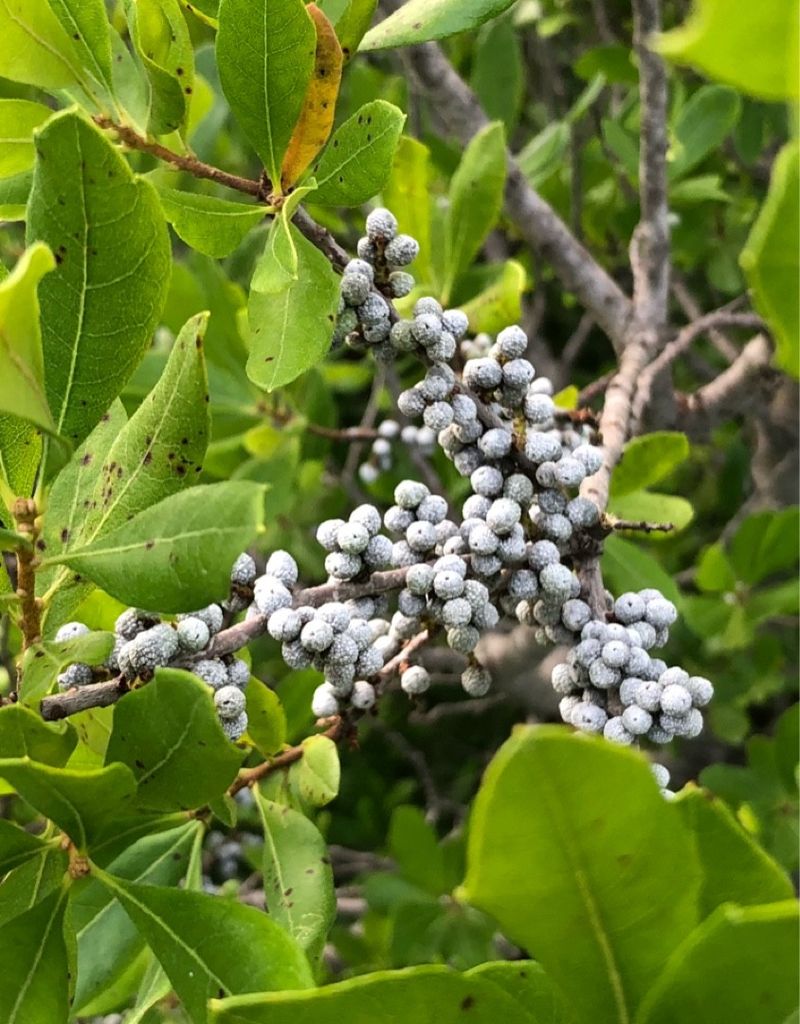
Raking leaves for three weekends straight is nobody’s idea of fun. Big shade trees like maples and oaks can bury a lawn every October. Bayberry takes a much lighter approach.
Its leaves are small and thin compared to many trees. When some do fall, they break down fast. Often they just slip into the mulch or soil and disappear by spring.
In milder parts of Pennsylvania, many leaves hang on well into winter. Gardeners call this semi-evergreen. The shrub keeps some green color while other plants look bare.
Fruit is another place where bayberry shines. Some shrubs and trees drop squishy berries that stain sidewalks and attract bugs. Bayberry fruit does not behave that way.
The small gray berries are coated in wax. They stick tightly to the branches through fall and winter. You will not find a sticky mess on your driveway or walkway.
Here is a handy trick for even less work. Spread a layer of shredded bark or wood chip mulch under the hedge. Any leaves that drop will blend right in and feed the soil.
You also skip a lot of seasonal chores. There is no need to bag piles of yard waste or haul them to the curb. That saves time, money, and sore backs.
Families with busy schedules will appreciate this. Kids can play on the lawn without stepping in fallen fruit. Weekends can go toward hiking, sports, or simply relaxing on the porch.
Low cleanup does not mean low beauty. Bayberry stays tidy and attractive while asking almost nothing from you.
Handles Tough Conditions
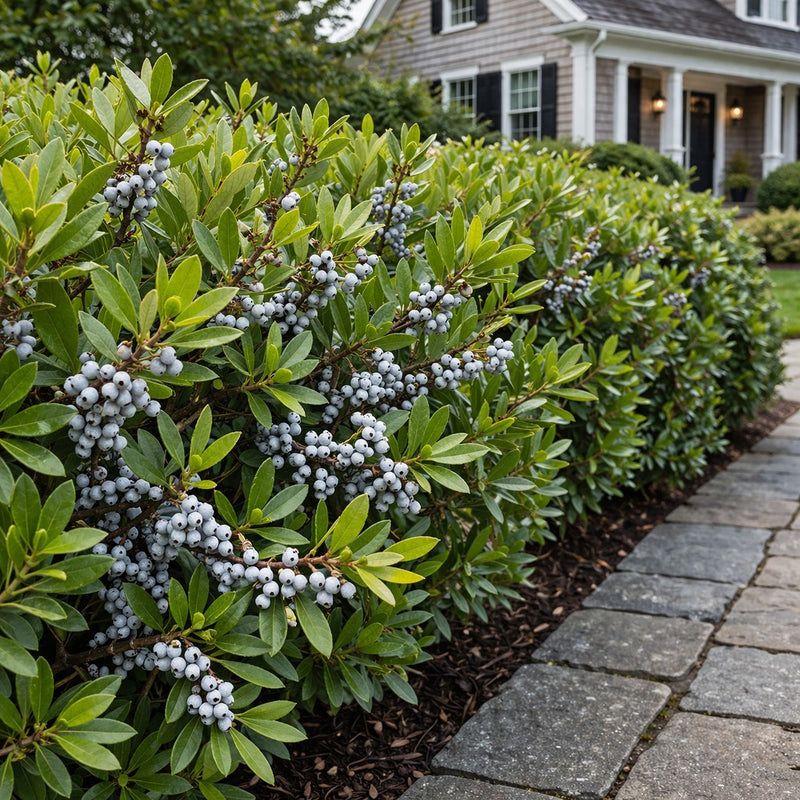
Picky plants can be a headache. Bayberry is the opposite, a real tough cookie that grows where others give up. Poor soil, dry weather, and harsh wind do not slow it down much.
Sandy soil drains water quickly and holds few nutrients. Rocky soil can be thin and hard to dig. Bayberry handles both of these with ease.
Drought is another challenge it can face. Once its roots are settled, usually after the first year, it needs very little extra water. That makes summer care simple.
Road salt is a big problem for many shrubs in winter. Salty slush from plows can burn leaves and harm roots. Bayberry comes from coastal areas, so it shrugs off salt better than most plants.
That makes it a smart pick for spots near driveways, sidewalks, and busy roads. You can plant it in places where boxwoods or other hedges often struggle. It turns a problem strip into a green border.
Did you know bayberry makes its own fertilizer? Tiny bacteria live in small bumps on its roots. They pull nitrogen from the air and turn it into food the plant can use.
Because of that teamwork, bayberry rarely needs fertilizer at all. Adding too much can actually do more harm than good. Let nature handle the feeding.
A few simple steps will help young plants get started. Water deeply once a week during the first summer. After that, rain usually does the job.
For tricky corners of your yard, bayberry may be the answer you have been looking for.
Fragrant Leaves And Winter Berries For Birds
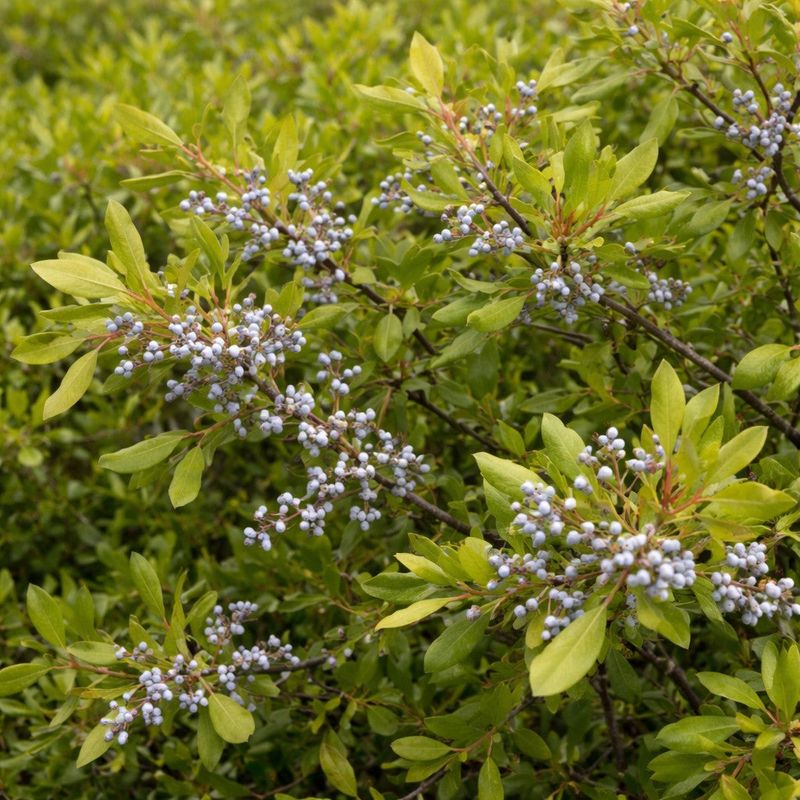
Crush a bayberry leaf between your fingers and take a sniff. A warm, spicy scent fills the air. Many people say it smells a bit like bay leaves used in cooking.
That fragrance comes from oils inside the leaves. Brushing past the hedge on a summer day can release a pleasant whiff. It makes a simple walk through the yard feel special.
Fall brings another treat on female plants. Clusters of small, round berries appear along the stems. They have a grayish-white color and a waxy coating that looks almost frosted.
Those berries last deep into winter. When snow covers the ground and most food is gone, they become a lifeline for birds. Few fruits stay available that long.
The yellow-rumped warbler is a famous fan. Most warblers cannot digest wax, but this little bird can. Bayberries help it stay in colder areas through winter instead of flying far south.
Tree swallows also rely on the fruit during migration. Chickadees, bluebirds, and other birds may stop by too. Your hedge can turn into a busy winter diner.
Bird watchers will love this feature. Set up a chair near a window facing the hedge. On cold mornings, grab binoculars and see who comes to eat.
The dense branches also give birds shelter from wind and predators. Some may even build nests inside during spring. That adds more life and song to your yard.
A shrub that smells nice and feeds wildlife is a real bonus. Bayberry gives back to nature all year long.
Easy Care For Busy Homeowners
Life gets busy, and yard work often falls to the bottom of the list. Good news: bayberry fits right into a packed schedule. It asks for very little and still looks great.
Start by picking the right spot. Bayberry grows best in full sun, but it also handles part shade. More sun usually means thicker growth and more berries.
Planting is simple. Dig a hole about twice as wide as the pot and just as deep. Set the plant in, fill with soil, and water well.
Trimming is the main chore, and it is an easy one. Snip back long or messy branches in late winter or early spring. Once a year is usually plenty to keep a neat shape.
Want berries for the birds? Bayberry plants are either male or female. Only females make fruit, but they need a male nearby to make it happen.
A good rule is to plant one male for every five or six females. Ask your nursery to label plants if they can. Some sell them already sorted.
Give the shrubs room to spread out. Remember, those underground suckers are what create a thick windbreak. Avoid planting them right against your house foundation or a tight garden bed.
If suckers wander where you do not want them, just cut them off at ground level. It takes only a few minutes. A simple edging strip can also help keep things in line.
With so little work required, bayberry lets you enjoy your yard instead of fighting it. That is a win for any homeowner.