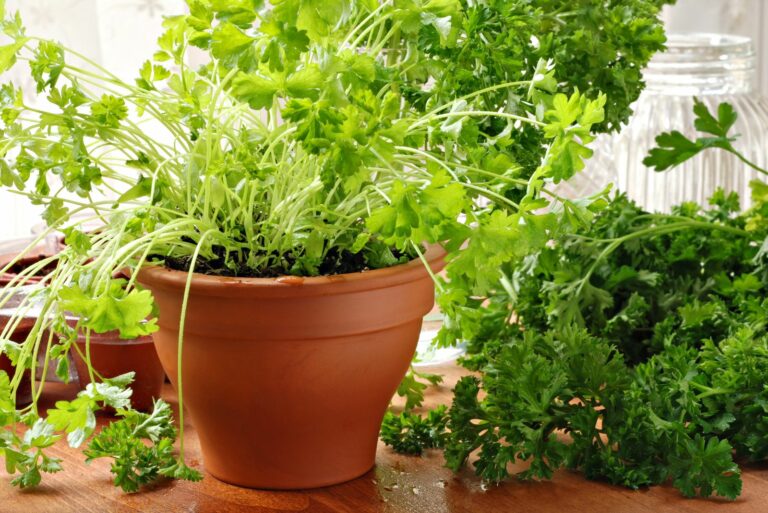
What To Plant In Your Pennsylvania Yard In November For Spring Color
In late winter, while patches of snow still cling to Pennsylvania yards, a few brave flowers start poking through the cold ground.
Delicate white snowdrops. Purple and gold crocuses. Then come daffodils, hyacinths, and tulips in nearly every color imaginable.
Those cheerful blooms don’t appear by accident. They start with a little digging in November.
By now, many gardeners assume the planting season is over. In reality, this is one of the best times to tuck spring-flowering bulbs into the ground.
Cooler soil helps prevent rot and disease, and as long as the ground isn’t frozen, roots can still settle in before winter.
Some cold-hardy flowers and wildflower seeds can go in now, too, ready to wake up when the weather warms.
A few hours spent planting this month can give you a Pennsylvania yard full of color just when you need it most.
1. Tulips Bring Bold Spring Drama
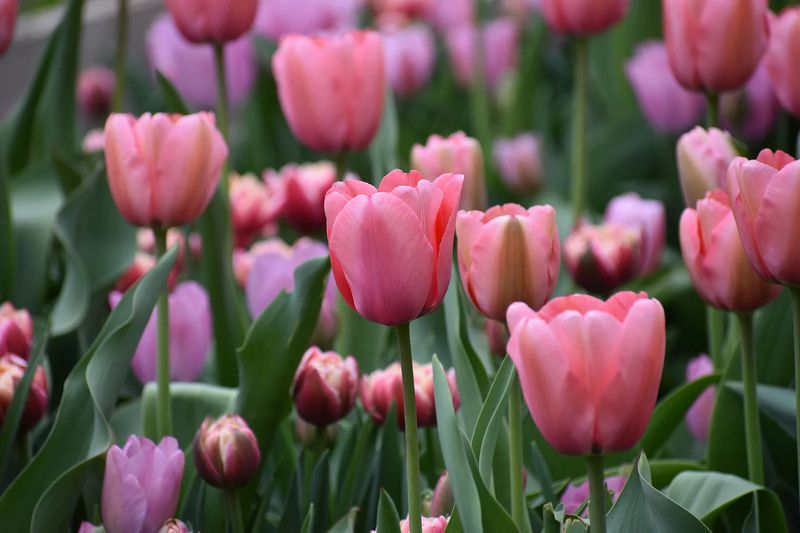
Back in the 1600s, tulips were so popular in Holland that a single bulb could cost more than a house. Thankfully, you can grab a whole bag today for the price of lunch. Their bright cups of color still make neighbors stop and stare.
November works well for tulips in most of Pennsylvania. The soil is cool, but it usually has not frozen yet. That cool soil helps the bulbs grow roots without sending up leaves too early.
Pick a sunny spot that drains well after rain. Tulips hate sitting in soggy ground, since wet soil can cause the bulbs to rot. If your Pennsylvania yard has heavy clay, mix in some compost to loosen it up.
Dig each hole about 6 to 8 inches deep. Set the bulb in with the pointy end facing up. Cover it with soil, press down gently, and give the area a good drink of water.
Planting in groups looks much better than single rows. Try clusters of 10 or more bulbs of the same color for a big splash. You can also mix early, middle, and late types to stretch the show across several weeks.
Squirrels and deer love tulips, sadly. To protect your bulbs, lay chicken wire over the planting area before you add the top layer of soil. Some gardeners also sprinkle crushed gravel in the hole to keep diggers away.
After the flowers fade in spring, let the leaves stay until they turn yellow. Those leaves feed the bulb for next year. Cutting them too soon can mean fewer blooms later.
2. Daffodils Shrug Off Hungry Critters
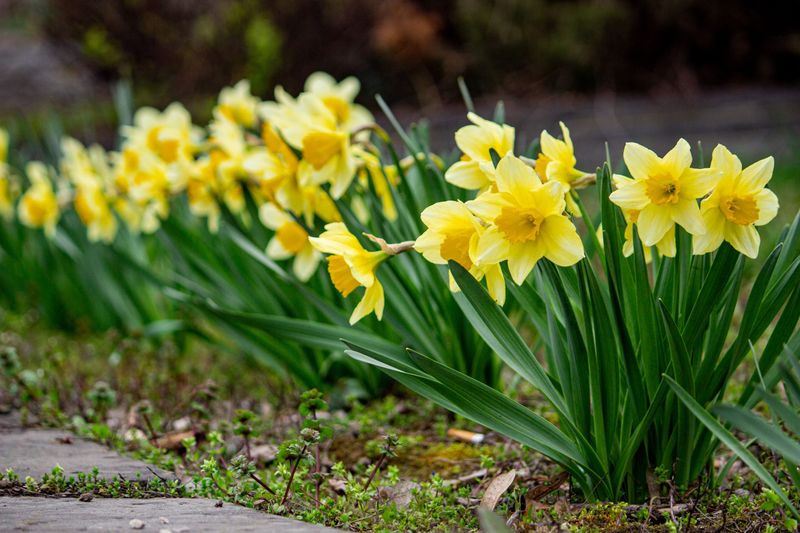
Tired of watching deer munch your garden like a salad bar? Daffodils are your new best friend. Deer, rabbits, and squirrels usually skip right past them.
The reason is simple. Daffodil bulbs and leaves contain a bitter substance that animals find nasty. One taste is usually enough to send critters looking elsewhere, so your flowers stay safe.
Early November is a great time to get them in the ground. They need a few weeks to grow roots before the soil freezes. If you plant them by mid-month, you should be in good shape across most of the state.
Dig holes about 6 inches deep, or roughly three times the height of the bulb. Point the tip up and the flat, rooty side down. Space them about 5 inches apart for a full look.
Daffodils love sun but can handle light shade. They do great under trees that lose their leaves, since the branches are bare when the flowers bloom. They also look lovely on slopes and along driveways.
Here is a fun bonus. Daffodils spread on their own over the years, creating bigger clumps each spring. Some old Pennsylvania farms still have daffodils blooming where houses stood a hundred years ago.
You can choose from classic yellow, creamy white, or even ones with orange and pink centers. Mini types work well in small spaces or containers. Taller ones make wonderful cut flowers for a kitchen table.
Keep them away from kids and pets who might chew on things, since the bulbs are not safe to eat. Wash your hands after handling them, too.
3. Crocuses Kick Off The Season Early
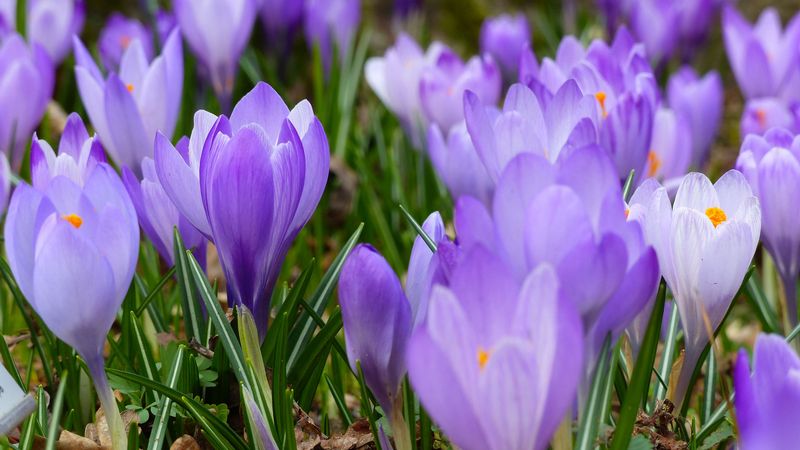
Spotting the first crocus of the year feels like winning a tiny prize. One day the yard is brown and muddy. The next day, little cups of purple, white, and yellow are smiling up at you.
Crocuses are among the very first flowers to bloom. They often push right through late snow in February or March. For anyone with a case of winter blues, that sight can lift your mood fast.
The bulbs, called corms, are small and easy to plant. Set them about 3 to 4 inches deep with the pointy side up. Because they are so tiny, you can plant dozens in just a few minutes.
Clusters look best. Toss a handful onto the ground and plant them where they land for a natural look. Groups of 20 or more make a much bigger impact than a few scattered ones.
Many Pennsylvania gardeners plant crocuses right in the lawn. They bloom and fade before you need to mow, so they do not get in the way. Just wait until the leaves turn yellow before your first cut of the season.
Walkways and the edges of flower beds are other great spots. You will see them every time you head outside. Kids love counting the new blooms each morning, too.
Squirrels sometimes dig up crocus corms. Try the larger Dutch types, or plant a type called tommies, which critters tend to ignore.
Early bees appreciate crocuses as much as people do. On warm days, you may spot them buzzing from flower to flower, grabbing an early snack.
4. Hyacinths Fill The Air With Perfume
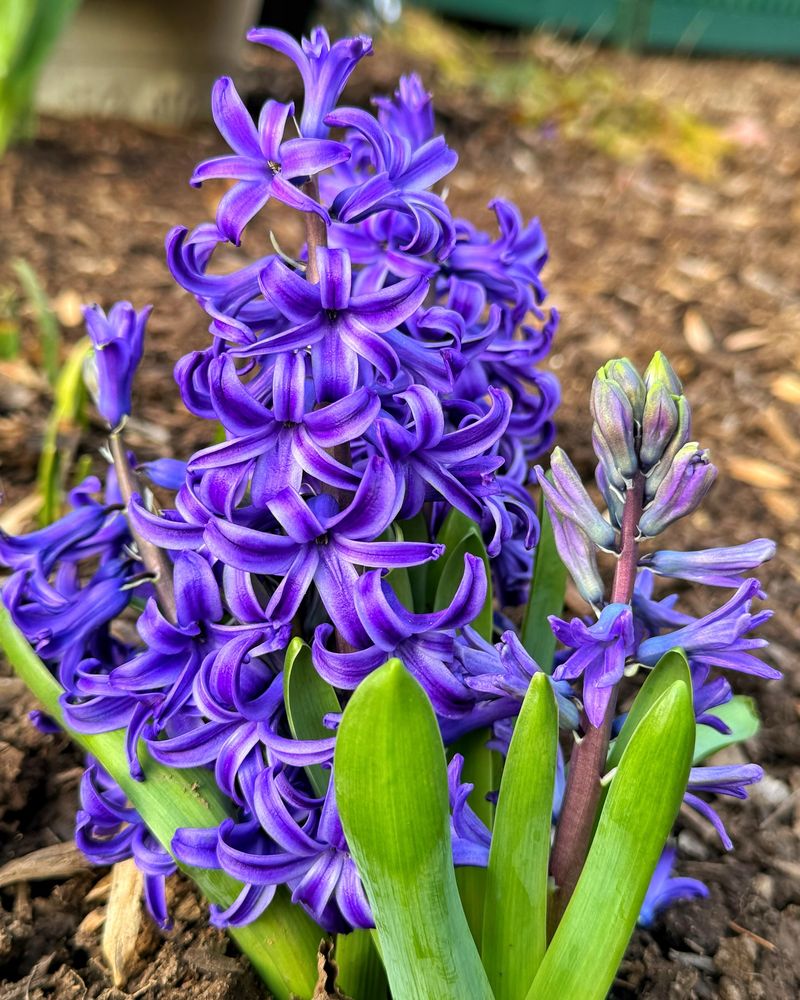
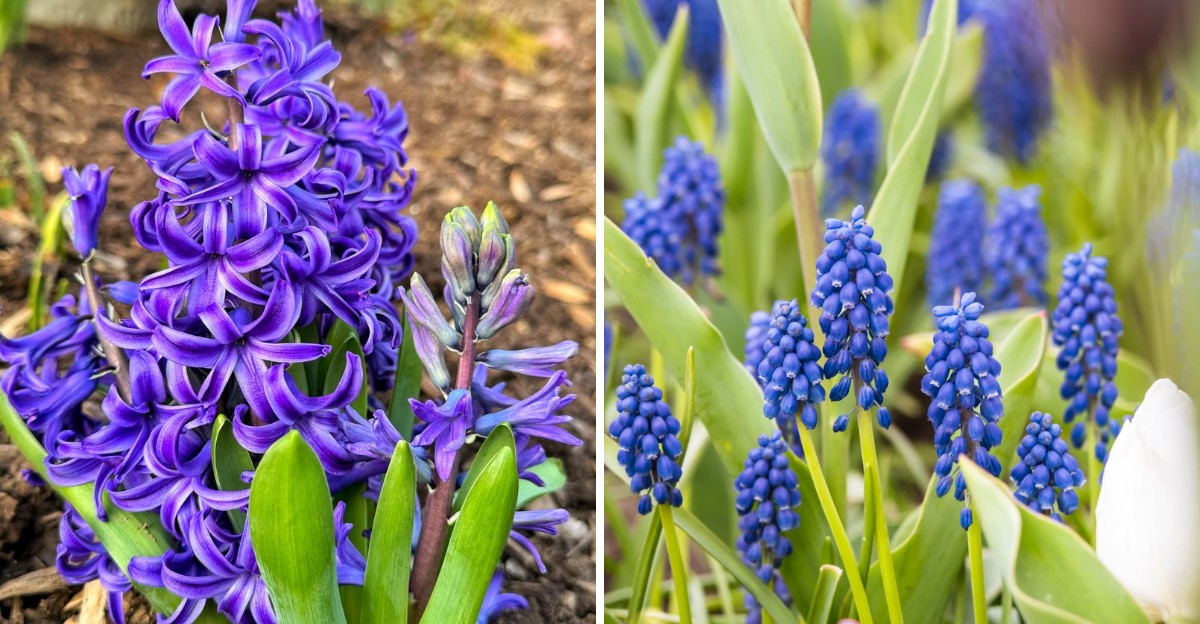
Close your eyes and take a deep breath. If you smell something sweet and strong in April, there is a good chance a hyacinth is nearby. Few spring flowers pack this much scent into such a small package.
Hyacinths grow thick spikes covered in star-shaped blooms. They come in pink, blue, purple, white, and even soft peach. Each stem looks a bit like a fluffy, colorful candle.
Where you plant them matters. Put them by your front door, along a sidewalk, or near a patio where you sit. That way, you can enjoy the perfume every time you walk by.
Plant the bulbs about 6 inches deep and 5 inches apart. They like full sun or light shade and soil that drains well. A little bulb food mixed into the hole can give them a healthy start.
One quick tip: wear gloves when handling these bulbs. The outer skin can make some people’s hands itchy. Rinse off afterward to be safe.
Did you know hyacinths come from Turkey and nearby areas? They became a huge hit in Europe hundreds of years ago. People even grew them indoors in special glass vases during winter.
Big blooms in the first year often get smaller over time. That is totally normal. The looser, more relaxed spikes in later years have their own charm.
For a fun project, save a few bulbs to force indoors. Chill them in the fridge for about 12 weeks, then set them in a sunny window. You will have fresh spring scent while snow is still outside.
5. Grape Hyacinths Add Tiny Blue Charm
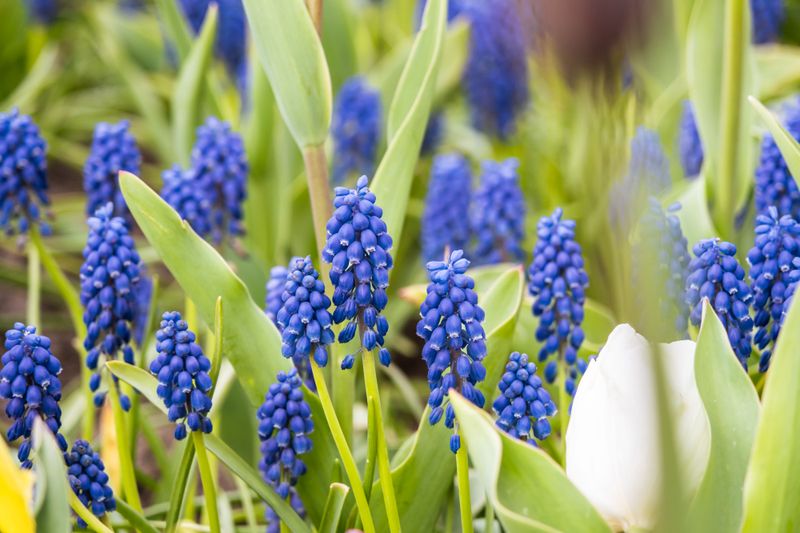
Picture a bunch of grapes, then shrink it down to the size of your thumb and paint it bright blue. That is pretty much what a grape hyacinth looks like. These little flowers are cute, cheerful, and very easy to grow.
Officially called Muscari, grape hyacinths are not true hyacinths at all. They just share a similar name. Their tiny, bell-shaped blooms pack together on short stems, usually 4 to 8 inches tall.
Planting them is a breeze. Dig holes about 3 inches deep and 3 inches apart. Drop the bulbs in pointy side up, cover them, and water well.
Gardeners love using them as a carpet under taller bulbs. Plant them in the same bed as tulips and daffodils. The blue makes yellow and red flowers really pop.
Another neat idea is a blue river. Plant a long, winding line of grape hyacinths through a bed or along a path. When they bloom, it looks like water flowing through your garden.
They spread over time, which is called naturalizing. Each year, you will notice more and more of them. After a few springs, a small patch can turn into a wide blue sea.
Do not be surprised if you see leaves pop up in fall. Grape hyacinths often send up grassy foliage before winter. That is normal and will not hurt the spring flowers.
Critters usually leave them alone, which is a big plus. They also come in white, pink, and pale sky blue if you want to try something different.
6. Ornamental Alliums Bridge Spring And Summer
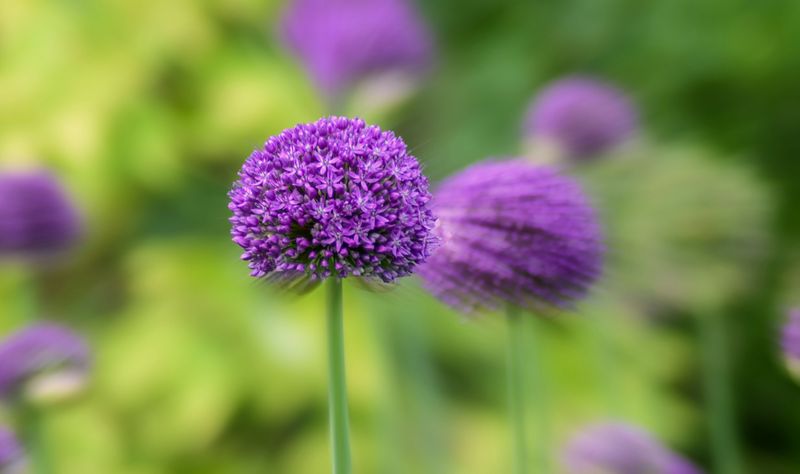
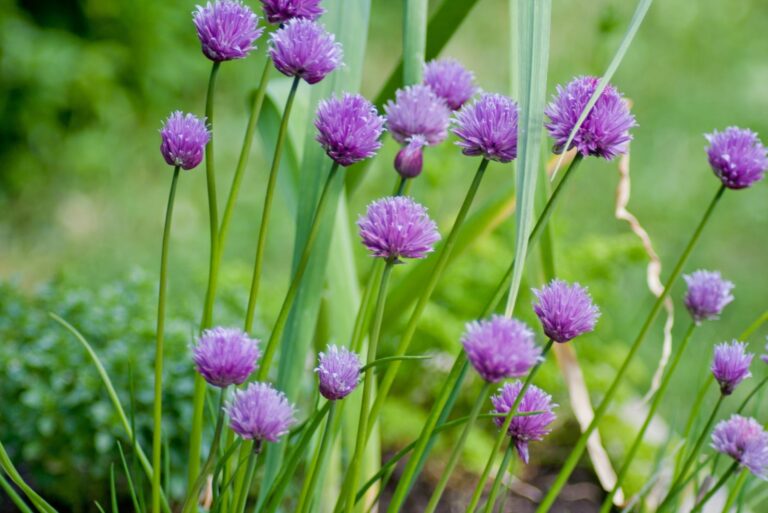
Some flowers whisper, but alliums like to make a statement. Their round purple heads float on tall stems like balloons at a party. Visitors often ask what they are.
Alliums are cousins of onions and garlic. That family connection gives them a mild oniony smell when you crush the leaves. Deer, rabbits, and voles find that smell gross, so they stay away.
Timing is one of their best features. Most spring bulbs are done by May. Alliums bloom in late spring and early summer, filling the gap before summer flowers take over.
Plant the bulbs in full sun with well-drained soil. A good rule is to plant them about three times as deep as the bulb is tall. Big bulbs might go 6 to 8 inches down.
Sizes vary a lot. Some types have heads the size of a golf ball, while giant ones can reach the size of a soccer ball. Colors include purple, white, pink, and even blue.
Their leaves often start to look tired and floppy right when the flowers open. Plant them behind lower perennials like catmint or hostas. Those plants hide the messy leaves while the flower heads shine above.
Bees and butterflies flock to alliums. Your garden will buzz with life when they bloom.
After the color fades, do not rush to cut them. The dried seed heads look like starbursts and add interest for weeks. Some people even spray-paint them for fun holiday decorations.
7. Snowdrops Ring In The End Of Winter
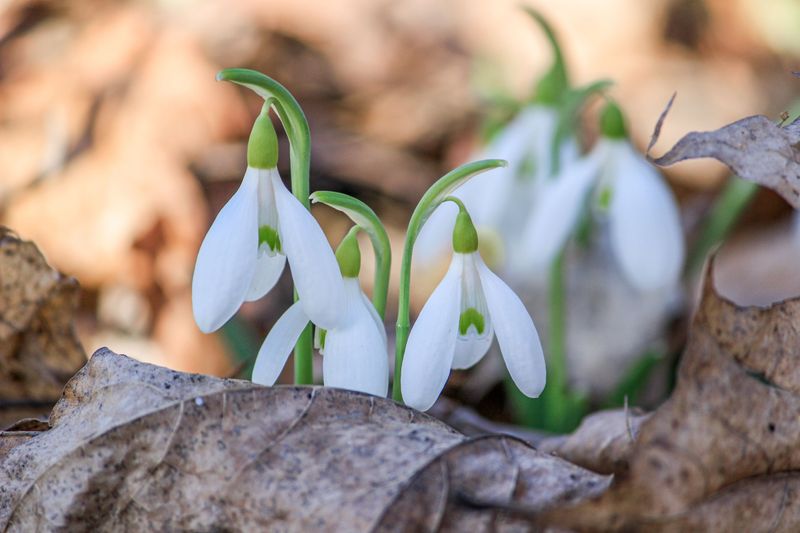
In the quiet of late winter, when everything still looks frozen, a few brave white flowers appear. Snowdrops are often the very first bloom of the year. Spotting them feels like a promise that warmer days are coming.
Each flower hangs down like a tiny white lantern. Look closely and you will see little green marks on the inner petals. They are small but surprisingly tough, often blooming right through snow in February.
Snowdrops are happy in partly shady places. Under trees and shrubs is ideal, since those spots get sun in winter before the leaves fill in. Woodland edges and north-facing beds work well, too.
Plant the bulbs about 3 inches deep and 3 inches apart. Get them in the ground as soon as you buy them, because the small bulbs can dry out quickly. Water them after planting to help them settle.
Groups look best, so plant them in clumps of 10 or more. Over the years, they slowly spread into lovely white drifts. Some old estates in England have snowdrop carpets that are centuries old.
Animals tend to ignore snowdrops, which makes them low-stress. They also need almost no care once planted. Just let the leaves fade naturally in spring.
Here is a fun fact. Snowdrops can actually droop flat on very cold nights and then stand back up when the day warms. They have a natural way of handling freezing temps.
If you want a head start on spring, these small flowers are a perfect pick for a peaceful, shady corner.