Remove Moss And Algae From Your Pennsylvania Patio With This Cheap Trick
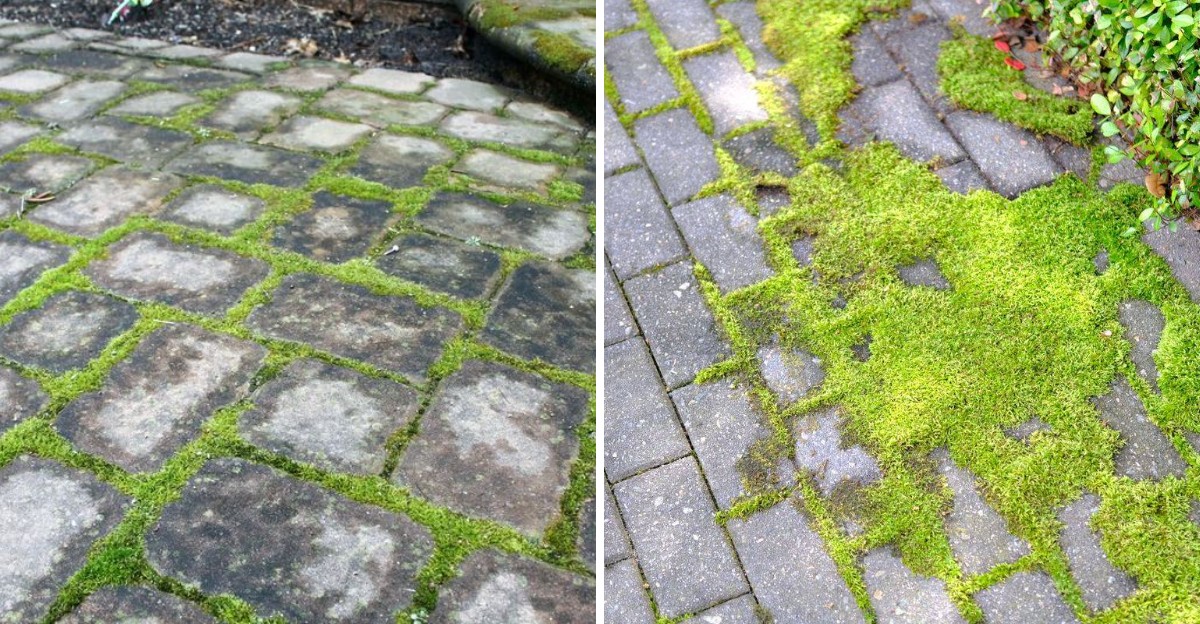
That green film creeping across your patio might look harmless, but step on it after a rainy Pennsylvania morning, and you’ll learn otherwise. Moss and algae can turn stone, brick, and concrete as slick as ice.
They’re especially common this time of year. Shorter days, frequent rain, cool temperatures, and piles of damp leaves give them what they need to spread.
Shady corners, north-facing patios, and areas under trees often get hit the hardest.
Many homeowners reach for harsh chemicals or rent pressure washers to tackle the problem. Neither is always necessary.
A simple, inexpensive trick using something you might already have at home can clear away that green buildup and help keep it from coming back. Your patio can look fresh and feel safer underfoot.
The Trick: Oxygen Bleach And Warm Water
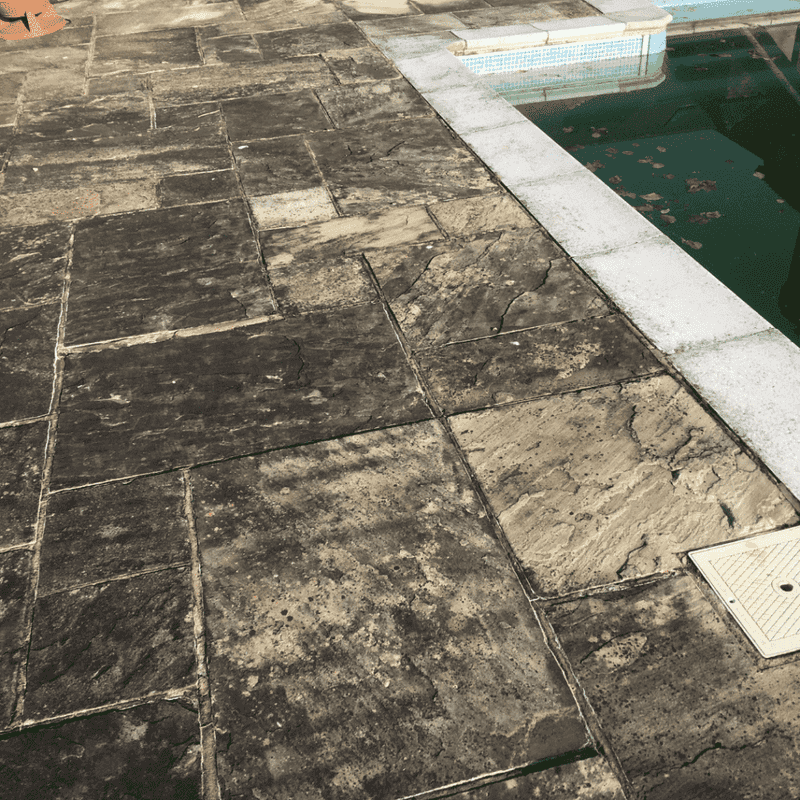
Sometimes the best cleaning secret is hiding in plain sight. Walk down the laundry aisle at almost any store, and you will find tubs of powdered oxygen bleach. Most people buy it to brighten clothes, but it works wonders outdoors too.
Oxygen bleach is usually made from something called sodium percarbonate. It looks like a plain white powder. When you mix it with warm water, it starts to fizz and release tiny bubbles of oxygen.
Those bubbles are the real heroes. They work their way into the rough surface of concrete, brick, and stone. As they do, they help loosen moss, algae, and the dark stains that green growth leaves behind.
Warm water matters more than you might think. Cold water makes the powder dissolve slowly, so it does not work as well. Warm water from your kitchen tap or a kettle helps it activate faster and clean better.
Another big plus is the price. A large tub often costs less than ten dollars and can clean a whole patio more than once. Store brands work just as well as name brands, as long as the label lists sodium percarbonate.
Fun fact: after it finishes working, oxygen bleach breaks down mostly into water, oxygen, and a type of soda ash. That is why many gardeners feel better using it than harsh chemicals.
You can use it on more than just patios. Walkways, pavers, porch steps, retaining walls, and even wooden decks can benefit. Just remember to check the label for any surface warnings first.
So before you spend money on a pricey patio cleaner, take a look in your laundry room. The answer might already be sitting on your shelf.
Why Moss And Algae Grow On Pennsylvania Patios
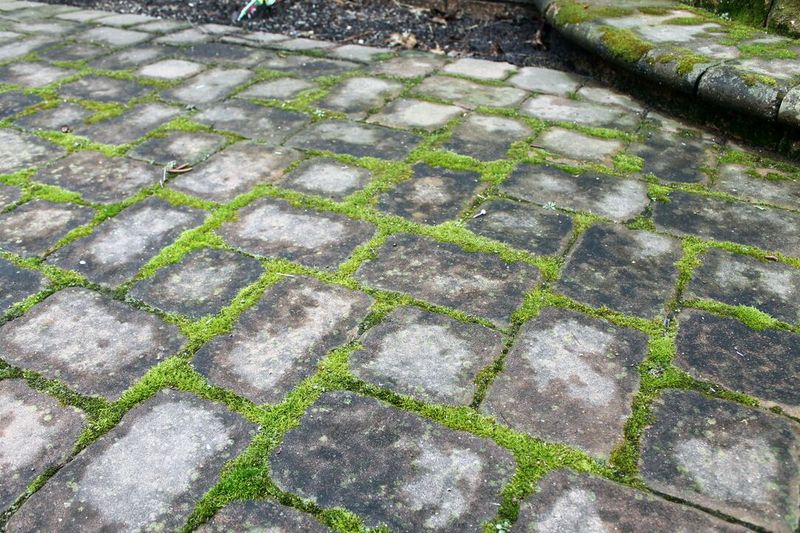
Ask any longtime Pennsylvania homeowner, and they will tell you the same story. One season the patio looks great, and the next it has a green coat. There is a good reason for that.
Moss and algae need two main things to grow. They need moisture, and they like shade. Pennsylvania offers plenty of both for much of the year.
Think about our weather for a moment. Fall brings steady rain and piles of wet leaves. Winter adds snow that melts slowly and keeps surfaces soaked for weeks.
Then comes spring, with its frequent showers. Summer may be warm, but it is often humid, especially in places like Philadelphia, Harrisburg, and Pittsburgh. Damp air means patios rarely get a chance to fully dry out.
Location around your house also plays a big role. Patios under big maple or oak trees stay shady most of the day. Spots along the north side of a home barely see direct sunlight at all.
Poor drainage makes things worse. If water puddles on your pavers after a storm, moss will happily move in. Low spots, clogged gutters, and downspouts that empty onto the patio are common trouble makers.
Here is a quirky fact. Pennsylvania is home to hundreds of moss species, which shows just how well suited our climate is for these tiny plants.
Algae is a little different from moss. It shows up as a slick green or black film rather than fuzzy clumps. Both can make your patio slippery and unsafe.
Knowing why the green stuff grows helps you fight it smarter. Once you spot the damp, shady areas, you will know where to focus your cleaning.
How To Use It Step By Step
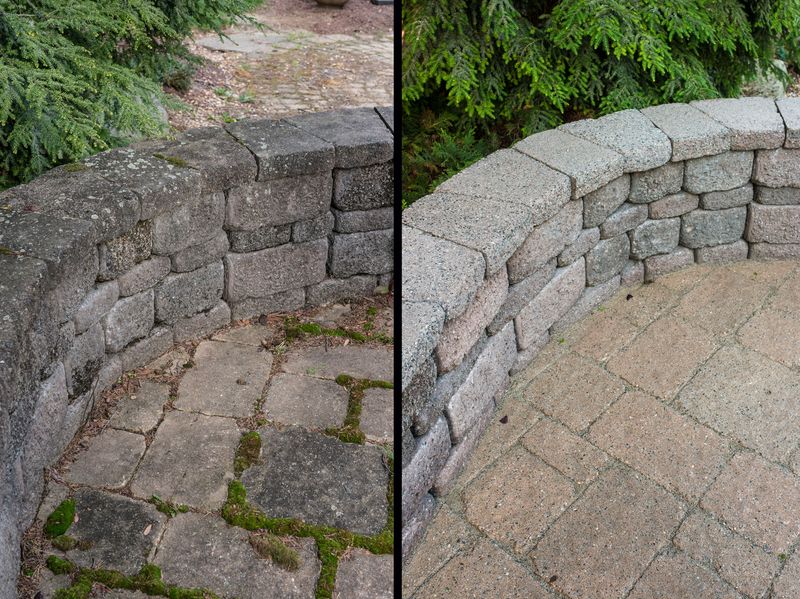
Good news for busy weekends: the whole job takes about an hour for most patios. You only need a few simple supplies. Gather a bucket, warm water, oxygen bleach, a stiff brush, and a garden hose.
Start by sweeping away loose leaves, dirt, and twigs. That way the cleaner can reach the green growth directly. A clean surface also makes scrubbing much easier later.
Next, mix the powder with warm water. Follow the package directions, since brands can vary. Many people use about one cup of powder per gallon of water, but the label is your best guide.
Stir until most of the powder dissolves. You can pour the mix straight from the bucket or use a pump sprayer. A watering can also works well for spreading it evenly.
Timing makes a real difference. Pick a cool, cloudy day if you can. Hot sun dries the solution too fast, and it stops working once it dries.
Let the mixture sit for about 10 to 15 minutes. You may see light fizzing, which means it is doing its job. If a spot starts drying, mist it with a little more solution.
Now grab your stiff brush and scrub. Push the bristles in different directions to reach into cracks and grooves. Thick moss may need a second round.
Finish by rinsing the patio well with your hose. Make sure no powdery film is left behind. Let the area dry, then step back and enjoy the difference.
One helpful tip is to use the mixture within a few hours. Oxygen bleach loses its power over time once mixed.
Why It Beats Other Cleaning Methods
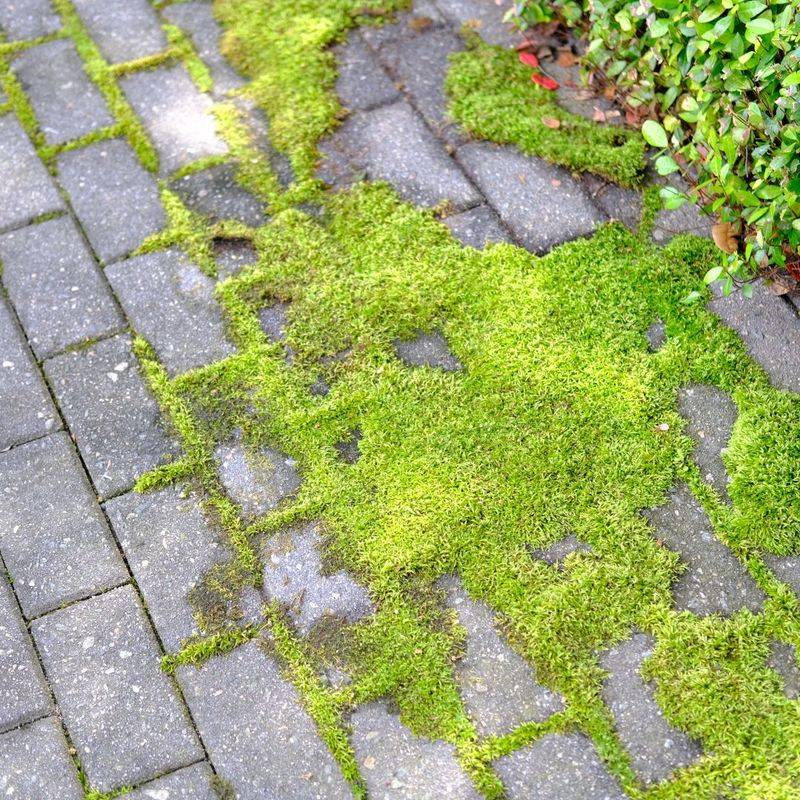
Plenty of folks reach for chlorine bleach first. It seems like a logical choice, since it is strong and easy to find. Unfortunately, it comes with some real downsides outdoors.
Chlorine bleach can harm grass, flowers, and shrubs near your patio. Runoff can soak into the soil and leave brown patches in your lawn. It can also discolor colored pavers, brick, and some stone.
Vinegar is another popular idea. Many people like it because it feels natural and cheap. However, vinegar is an acid, and repeated use can etch concrete and natural stone like limestone or marble.
Etching leaves a dull, rough surface. Over time, that rough texture can actually trap more dirt and moisture. In other words, it can make your moss problem worse in the long run.
Then there is the pressure washer. Blasting away green growth sure feels satisfying. Still, high pressure can wear down the top layer of pavers and leave stripes on concrete.
Pressure washers also blow sand right out of paver joints. Without that sand, pavers can shift and wobble. Empty joints also give weeds and moss a fresh place to grow.
Oxygen bleach avoids most of these headaches. It cleans with fizzing bubbles instead of harsh force or strong acid. It is also far kinder to the plants and soil around your patio when used correctly.
Price adds to the appeal. Renting a pressure washer can cost more than a tub of oxygen bleach. Specialty patio cleaners often cost even more.
For most Pennsylvania homeowners, that mix of safety, savings, and solid results makes oxygen bleach the clear winner.
Protect Your Plants And Surfaces
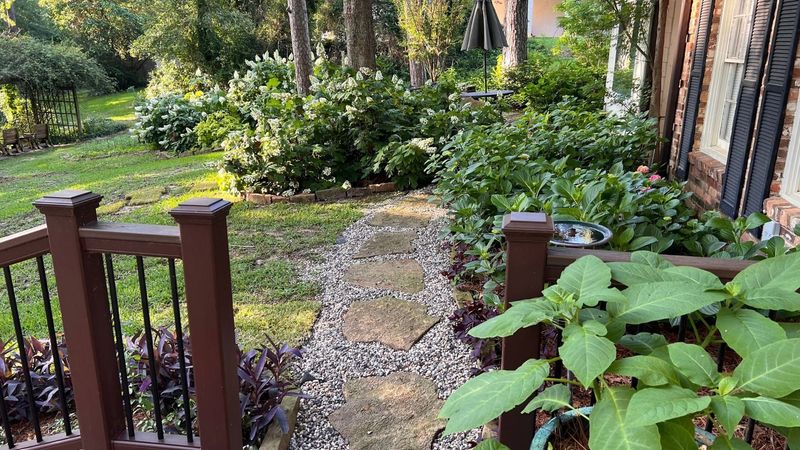
A little prep work saves a lot of regret. Even a milder cleaner like oxygen bleach deserves some respect. Taking a few extra minutes protects your garden, your patio, and you.
Begin with your plants. Before you apply any solution, soak nearby flower beds, shrubs, and lawn edges with plain water. Wet leaves and soil absorb less runoff, so they stay safer.
After you finish cleaning, rinse those plants again. That second rinse washes away any drips or splashes. Think of it like giving your garden a quick shower.
Next, test the solution on a small hidden spot. A corner behind a planter or under the grill works well. Wait for it to dry, then check for any color change or damage.
Testing is extra important on natural stone. Bluestone is very common in Pennsylvania, and flagstone and slate are popular too. Each type of stone can react a little differently, so testing first gives you peace of mind.
Do not forget about yourself. Wear rubber gloves to protect your skin from the cleaner. Safety glasses or goggles keep splashes out of your eyes while you scrub.
Old clothes and closed shoes are a smart choice as well. The solution can lighten colorful fabric. Wet patios also get slippery, so good grip helps.
Keep pets and kids inside while you work. Let the patio dry fully before they come back out to play. Store the leftover powder in a dry, sealed container out of reach.
With these simple steps, you can clean with confidence. Your patio gets brighter, and your garden stays happy and healthy.
Keep Moss And Algae From Coming Back
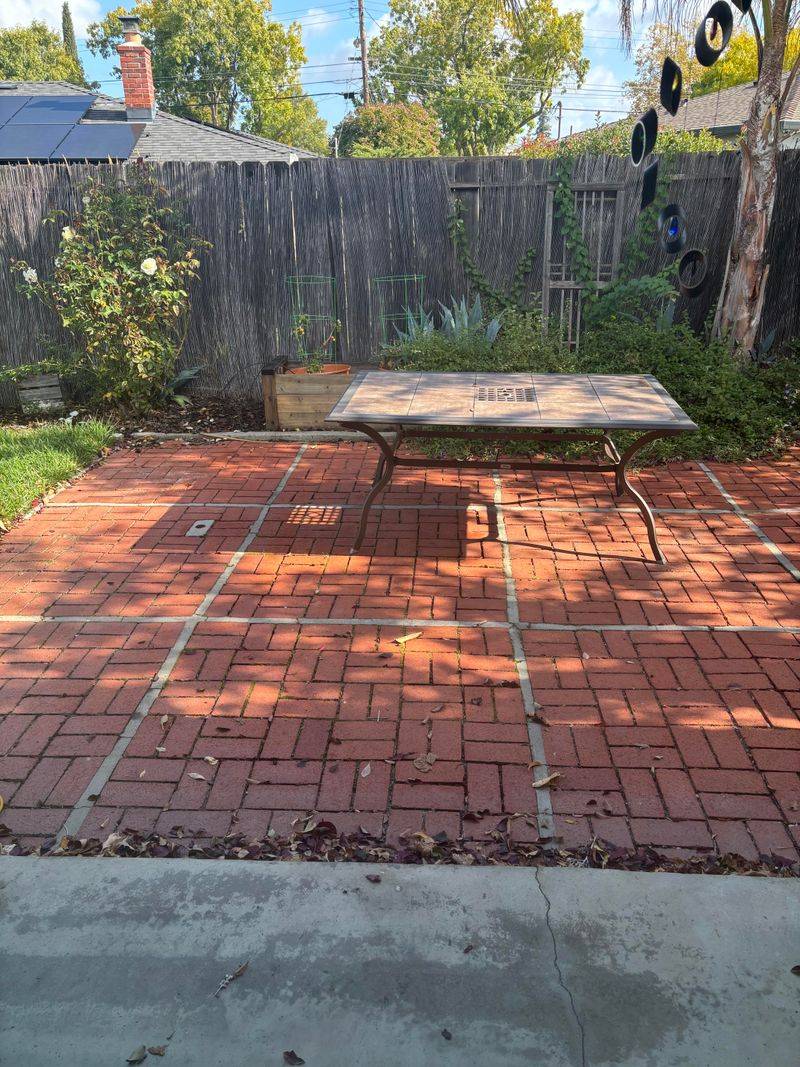
Cleaning once is great, but keeping it clean is even better. Moss and algae are patient. Give them a damp, shady corner, and they will return.
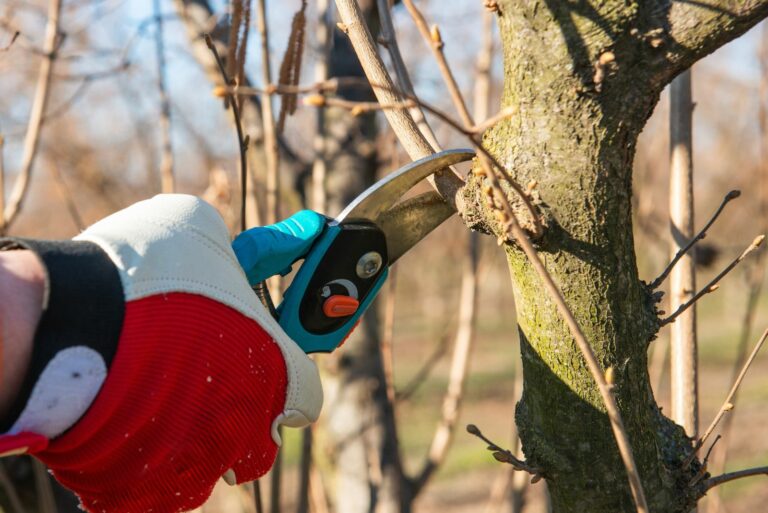
Sunlight is your strongest ally. Look up and check for low hanging branches over your patio. Trimming them lets more light reach the ground and helps surfaces dry faster after rain.
For big trees, consider hiring a licensed arborist. They can thin the canopy safely without hurting the tree. Late winter is often a good time for pruning in Pennsylvania.
Drainage is the next thing to tackle. Clean your gutters so water does not spill over onto the patio. Point downspouts away from paved areas using simple extensions.
If water still puddles, the patio may need a slight slope. Some homeowners add a gravel trench or channel drain along the edge. Even small fixes can make a big difference.
Regular sweeping helps more than you would guess. Fallen leaves hold moisture and break down into food for moss. A quick sweep once a week, especially in fall, keeps things tidy.
Paver joints deserve attention too. Refilling gaps with polymeric sand creates a firm barrier. Once it gets wet, the sand hardens and leaves fewer spots for moss and weeds to grow.
A light cleaning with oxygen bleach each spring and fall can stop small patches early. Catching them before they spread saves you lots of scrubbing.
Fun tip: sealing concrete or pavers every few years can also help them shed water. With these habits, your patio can stay bright, safe, and welcoming all year long.