The Mum Mistake That Makes Blooms Fade Too Soon In Pennsylvania
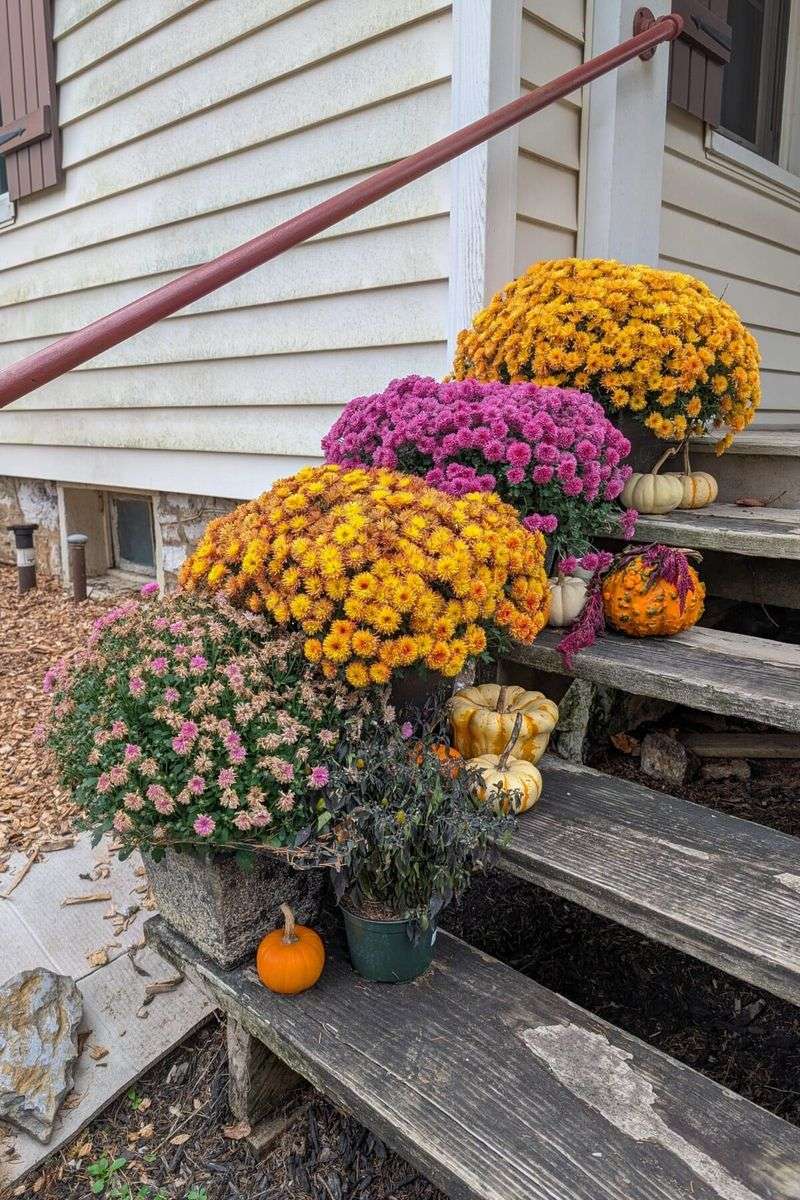
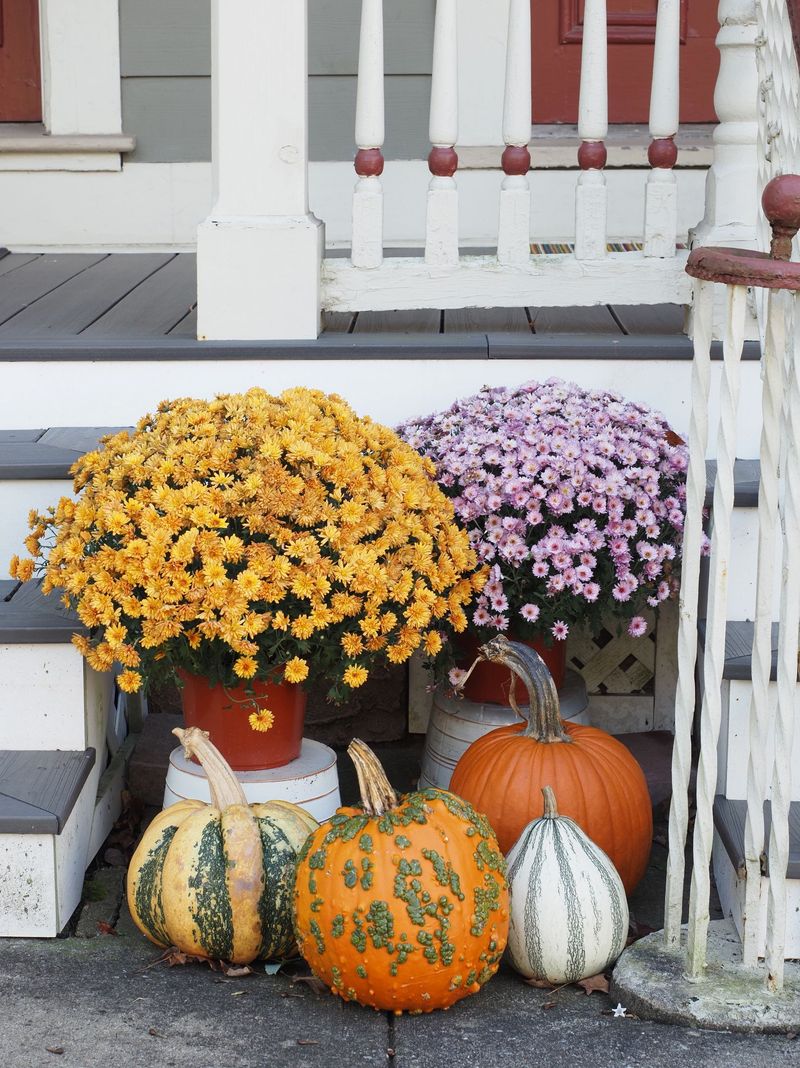
You bring home a gorgeous pot of mums, packed with tight buds and bursting color. It looks perfect on the front steps next to the pumpkins.
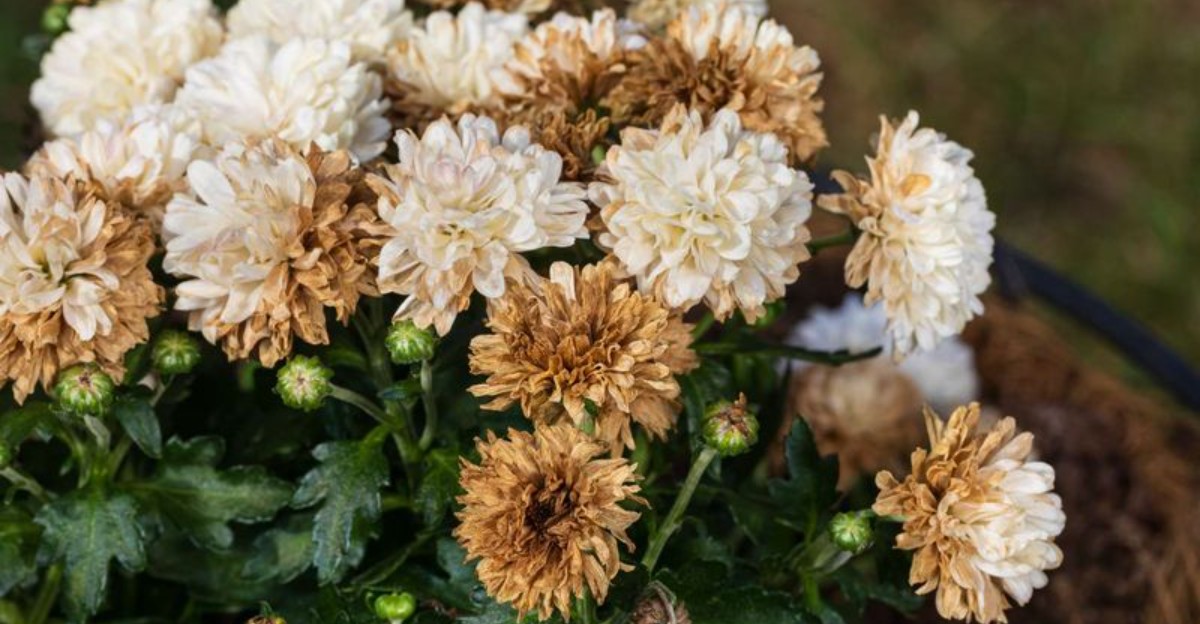
Then, barely two weeks later, the blooms are turning brown and faded, and the whole plant looks tired. It happens to Pennsylvania gardeners every single fall.
Most people assume mums simply don’t last long, or that a chilly night must have done the damage. Usually, though, the culprit is a common habit that’s easy to overlook.
Garden mums are sold in crowded pots, with roots packed tightly together and foliage so dense it hides what’s happening underneath. Under those conditions, small mistakes add up quickly.
The fix is simple, and it doesn’t cost a thing. A little extra attention in the right place can keep your mums looking fresh and colorful well into November.
Letting The Soil Dry Out
Ask a group of Pennsylvania gardeners why their mums faded early, and most will shrug. Few of them suspect water. After all, fall is cool, so plants should need less, right?
That idea sounds sensible, but it is the biggest mum mistake around. Potted mums can go from moist to bone dry in just one or two days. When that happens, the plant droops and its leaves go limp.
Many people see the droop, give the pot a drink, and watch it perk back up. Problem solved? Not quite. Every time a mum wilts, it suffers stress that you cannot always see right away.
Here is what happens inside the plant. When water runs low, the mum saves its energy for staying alive. Flower buds are the first thing it gives up on. Buds that were ready to open may stall and stay tight forever.
Open flowers suffer too. Their petals lose moisture fast, so the edges turn crispy and brown. A plant that wilts three or four times can look worn out in less than two weeks.
So how can you tell if your mum is thirsty before it flops? Push your finger into the soil near the stem. If it feels dry an inch down, it is time to water.
Another quick trick is to lift the pot. A dry pot feels surprisingly light, almost like an empty basket. A well-watered pot feels heavy and solid.
Make checking your mums part of your morning routine, like grabbing the mail. A quick touch each day can save weeks of color. Steady moisture is the secret that keeps blooms bright and buds opening on time.
Why Mums Dry Out So Fast
Fun fact: the mum you bought at the garden center probably spent its whole life in that same small pot. Growers start mums in early summer and feed them well. By fall, the plant is big, bushy, and packed with buds.
The trouble is underground. Roots keep growing until they fill almost every bit of the pot. If you slid a store mum out of its container, you would likely see a solid mass of white roots. There is barely any soil left.
Your Pennsylvania Garden Changes Every Week. Your Plan Should Too.
Gardening in Pennsylvania changes quickly throughout the season. Every Friday you’ll receive a simple weekly plan showing exactly what to plant, prune, fertilize, harvest, and protect so you never miss the right timing.
Soil acts like a sponge. It holds water and slowly hands it to the roots. When roots take up most of the space, there is very little sponge left. The water you pour in gets used up quickly.
Now add Pennsylvania fall weather to the mix. September and early October can bring warm, sunny afternoons. Temperatures in places like Lancaster or Pittsburgh often climb into the 70s during the day.
Wind plays a big role as well. Breezy fall days pull moisture out of leaves and soil much faster than calm days. A mum sitting on an open porch or front step gets hit with sun and wind at the same time.
Think about the materials around your pot too. Concrete steps and brick walls soak up heat and give it back. Dark plastic pots warm up in the sun and dry the soil even faster.
Put it all together and you get a plant that drinks a lot and stores very little. Knowing this helps you plan ahead.
Once you understand the reason, frequent watering stops feeling like a chore and starts feeling like common sense.
Water Deeply At The Base
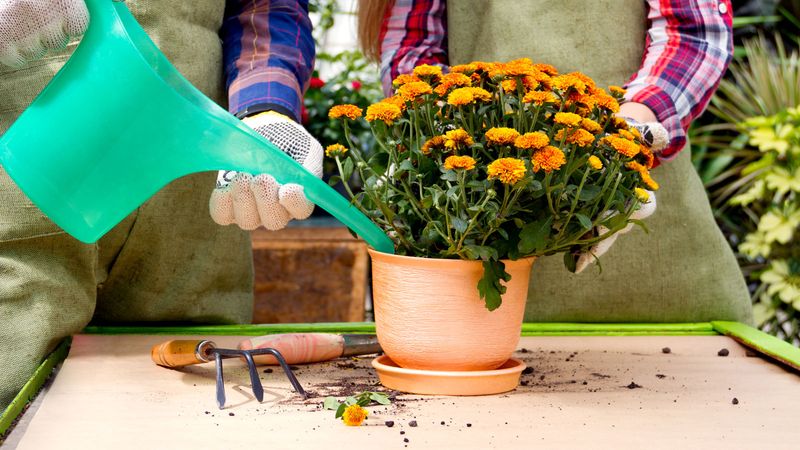
A little splash here and there just will not cut it. Mums want a full, deep drink, and the way you give it matters a lot.
Start by checking the soil every day. Stick a finger about one inch deep. If it feels dry, grab your watering can.
Pour slowly and keep going until water runs out of the drainage holes at the bottom. That flow tells you the whole root ball got wet, not just the top layer. Quick sprinkles often roll off the surface and never reach the deep roots.
Sometimes a very dry mum lets water rush straight through without soaking in. When that happens, try a simple fix.
Set the pot in a bucket or tub of water for about 20 minutes, then let it drain. The roots will soak up moisture from the bottom.
Where you aim the water is just as important. Point the spout at the soil near the base, under the leaves. Try not to pour over the flowers.
Why? Wet blooms stay damp for a long time on cool fall days. Damp petals invite rot and a fuzzy gray mold called botrytis. It turns flowers mushy and brown fast.
Timing helps too. Water in the morning when you can. The plant gets a full day to use the moisture, and any wet leaves dry before the chilly night.
Finally, make sure the pot can drain. Decorative containers without holes trap water and cause soggy roots.
If you love a fancy pot, slip the nursery pot inside and lift it out to water. Deep, careful watering keeps mums happy for weeks.
Give The Roots More Room
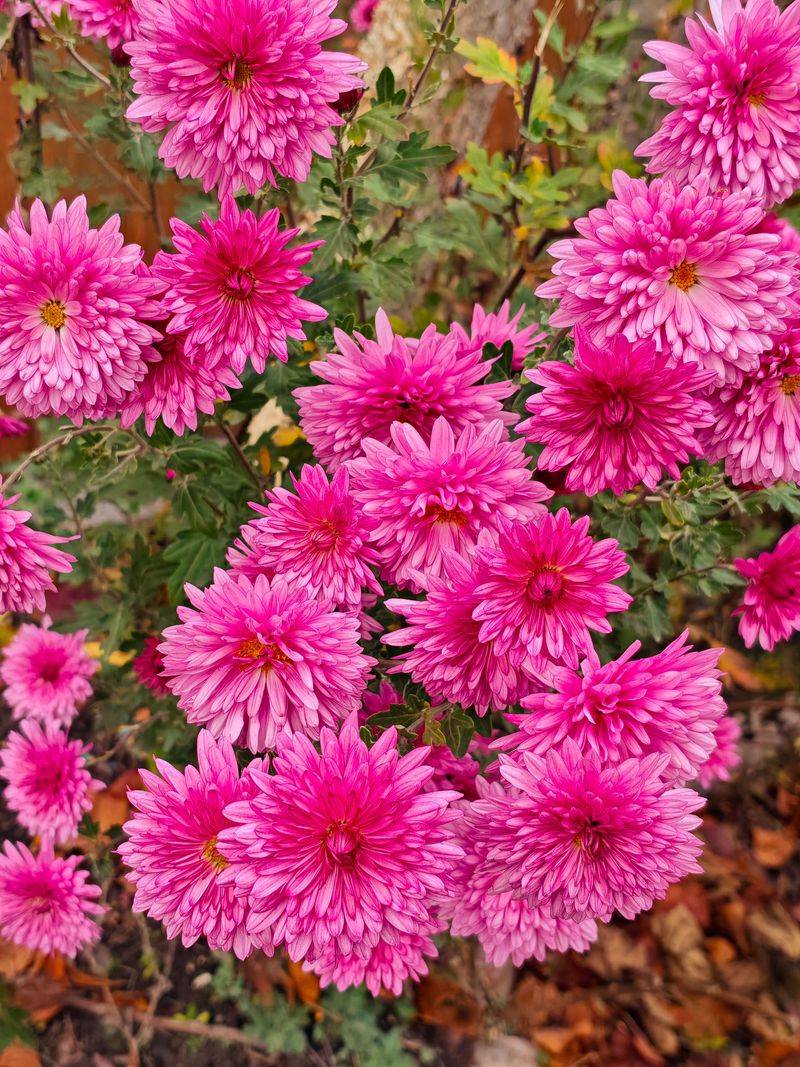
Moving day is good news for a cramped mum. A bigger home means more soil, and more soil means more water stored for those thirsty roots.
You have two great choices. You can move your mum into a larger container, or you can plant it right in the ground. Both options slow down how fast the plant dries out.
If you choose a container, go at least two to four inches wider than the nursery pot. Use fresh potting mix, not heavy garden dirt. Potting mix holds moisture well while still letting extra water drain away.
Planting in the ground works even better for many Pennsylvania yards. Garden soil stays cooler and more evenly moist than a pot on a sunny step. Pick a spot with good drainage, since mums hate standing in soggy soil.
Before you plant, take a look at the roots. If they are wrapped in a tight circle, they need some help.
Use your fingers to gently tease the outer roots loose. You can also make a few shallow cuts down the sides with a clean knife.
Loosening the roots tells them to grow outward into new soil. Without this step, they may keep circling and act like they are still stuck in a tiny pot.
Set the mum at the same depth it grew before. Fill in around it, press the soil lightly, and water deeply right away.
Here is a bonus. Mums planted in the ground by mid-September have a better chance of coming back next year. Add a layer of mulch after the ground cools, and you might enjoy the same plant again next fall.
Buy Mums In Bud, Not Full Bloom

Shopping for mums is a bit like picking bananas. The brightest ones look tempting, but the slightly green ones last longer at home.
Walk through any Pennsylvania farm stand in September and you will see rows of mums in full color. They look stunning. It is hard not to grab the one covered in open flowers.
Here is the catch. A mum in full bloom has already used up a big part of its show. Each flower lasts only so long. If every bud is open when you buy it, the display may start fading in a week or two.
Instead, look for plants with mostly tight buds. A good choice has just a few flowers open and lots of small, round buds with a hint of color peeking out. That little bit of color tells you the shade you are getting.
When you bring a budded mum home, the flowers open in waves. You get fresh blooms over several weeks instead of all at once. Your porch keeps looking new well into October.
While you shop, check a few other things. Leaves should be deep green with no yellow or brown patches. The plant should feel firm and full, not floppy. Peek under the leaves for tiny bugs like aphids.
Also lift the pot. A light, dry plant may have wilted at the store, and its buds could already be stressed.
Did you know? Mums bloom when nights get longer in late summer. Growers time them carefully so they hit stores right on schedule. Picking them in bud lets you enjoy every bit of that careful timing.
Pick A Bright But Cool Spot

Good news for Pennsylvania gardeners: your fall weather is almost perfect for mums. These plants love bright light paired with cool air. Crisp mornings and mild afternoons help flowers hold their color longer.
Location still makes a big difference, though. Aim for a spot that gets plenty of light, ideally some gentle morning sun. East-facing porches and steps are often a great match.
Watch out for hot spots. A south-facing brick wall or a sunny driveway can trap heat all afternoon. Mums placed there dry out fast and their petals fade early. Even on a cool day, these areas can feel like a small oven.
Too much shade causes problems as well. Buds may open slowly and colors can look dull. Bright but not baking is the sweet spot to look for.
Keep an eye on the forecast too. A light frost usually does little harm, but a hard freeze can damage open flowers. On very cold nights, cover mums with an old sheet or move pots into a garage. Bring them back out in the morning.
Grooming is the final step. Once a flower turns brown or droopy, snip it off with clean scissors or pinch it with your fingers. Cut just below the faded bloom.
Removing spent flowers does two helpful things. Your plant looks neater, and the mum stops wasting energy on old blooms. It can focus on opening the buds that are still waiting.
Spend a few minutes each week tidying up. Pair that habit with steady watering and a smart location, and your mums will glow on the porch for many weeks.