Is That Tiny Fernlike Weed in Your Arizona Beds Redstem Filaree? Where Its Seeds Really Form
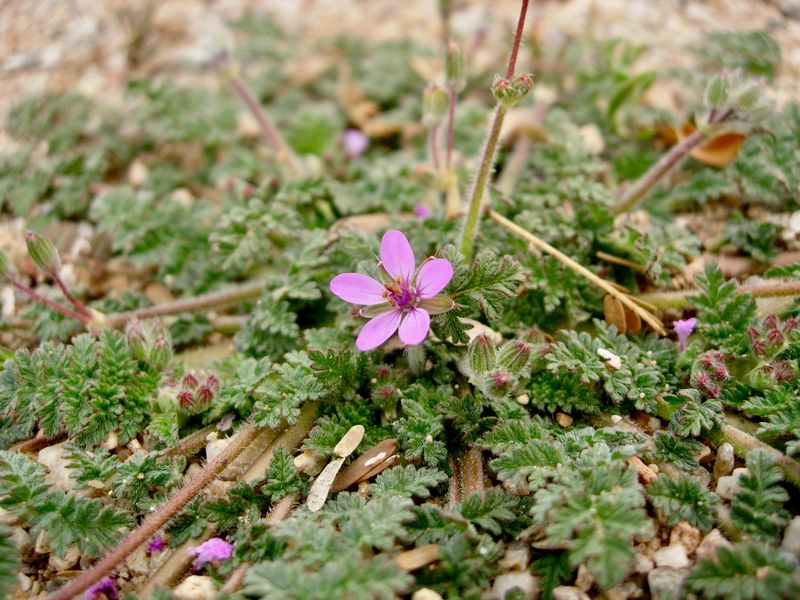
A small green rosette of feathery leaves pops up in your garden bed, and a few weeks later there are dozens more. One plant that may fit this picture is redstem filaree, a weed that likes cool Arizona seasons.
Many people think its seeds hide under the leaves, but that is not what the sources show. Here is how to sort out what you are seeing and keep it from taking over.
Redstem filaree may fit the description, but looks alone cannot confirm it
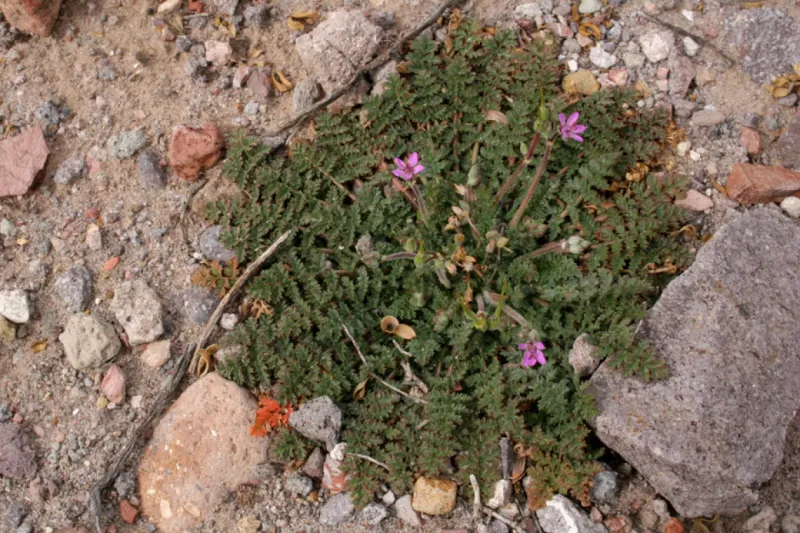
Picture a flat green rosette hugging the soil, with leaves cut into many small, feathery lobes. That look makes redstem filaree (Erodium cicutarium) a plausible candidate, and Arizona’s invasive plant guide describes its leaves as fernlike and its young growth as a ground-hugging rosette.
Still, the phrase “neat rows of leaves” cannot identify a plant by itself. Plenty of low rosettes have divided leaves, so a matching shape is a clue, not proof.
Even the name filaree covers more than one Erodium species. The same Arizona guide separates non-native redstem filaree from native Texas stork’s bill by leaf shape and flower size, so not every similar rosette is an invader.
If you are unsure, get the plant confirmed before you call it filaree or pull it all out. A local extension office or a clear photo sent to an expert can settle it.
Fall rains can bring a winter annual into view
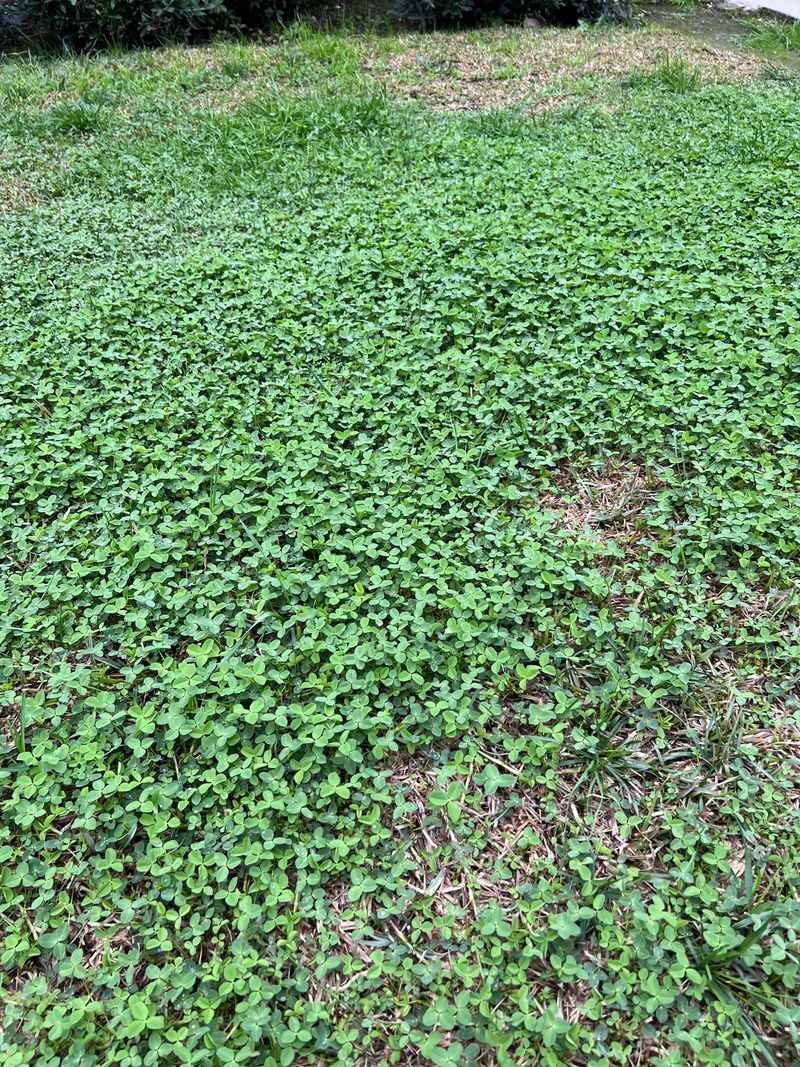
Filaree is a winter annual, which means it follows the cool season rather than the summer one. Arizona Cooperative Extension explains that winter annuals can germinate from late summer through early spring, grow through winter, and generally die back once late-spring or early-summer heat arrives.
Moisture can set seedlings off. A UC Master Gardener source links filaree emergence to fall rains, though not every rain brings a flush, and irrigation or other moisture can also play a part.
So if a crop of tiny rosettes shows up a few weeks after an autumn storm, the timing fits. That is a helpful hint, but it does not prove the plant is filaree, since other cool-season weeds keep the same calendar.
Filaree seeds form in beaklike fruits on flowering stalks
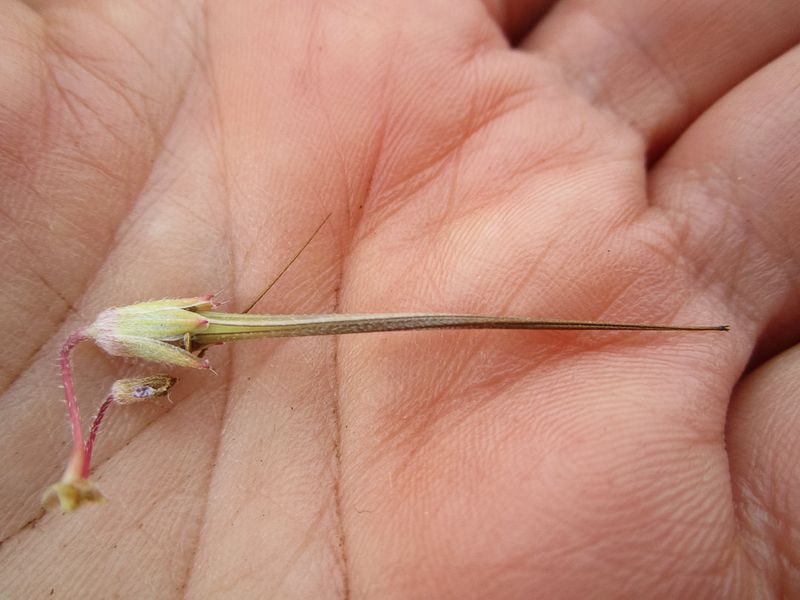
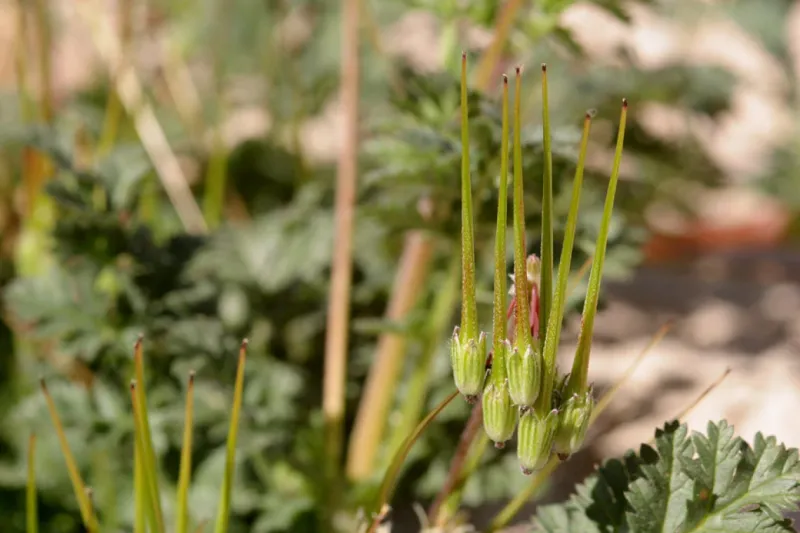
Here is the twist on the hidden-seed idea. According to Arizona’s filaree profile, seeds develop in long, beaklike fruits on flowering stalks, and the sources do not show them tucked beneath the leaves.
When a fruit matures, it separates into parts, each with a tail that coils as it dries. That coiling is a handy clue for spotting the plant late in its life.
The extension weed guide also lists filaree among winter annuals, which flower and fruit before warm weather returns.
So look up as well as down. Once the rosette sends up flowering stalks, the seed-making stage has begun, and that is the moment to act.
Seed production and dispersal help filaree spread
Numbers explain why a few plants can turn into a bed full. The Arizona resource reports that one filaree plant can make 2,000 to 10,000 seeds, and it says the plant reproduces by seed.
Your Arizona Garden Changes Every Week. Your Plan Should Too.
Gardening in Arizona changes quickly throughout the season. Every Friday you’ll receive a simple weekly plan showing exactly what to plant, prune, fertilize, harvest, and protect so you never miss the right timing.
Those seeds do not stay put. Mature seeds can be carried by water and can catch on animal fur or feathers, which helps them reach new spots.
That does not mean every seed travels far or sprouts. Many never establish, but with such large numbers, even a small share can fill bare soil.
The spread comes from seed, not from runners or roots creeping sideways. That matters because stopping seed production is the most direct way to slow it down.
Remove young annual weeds before they flower and fruit
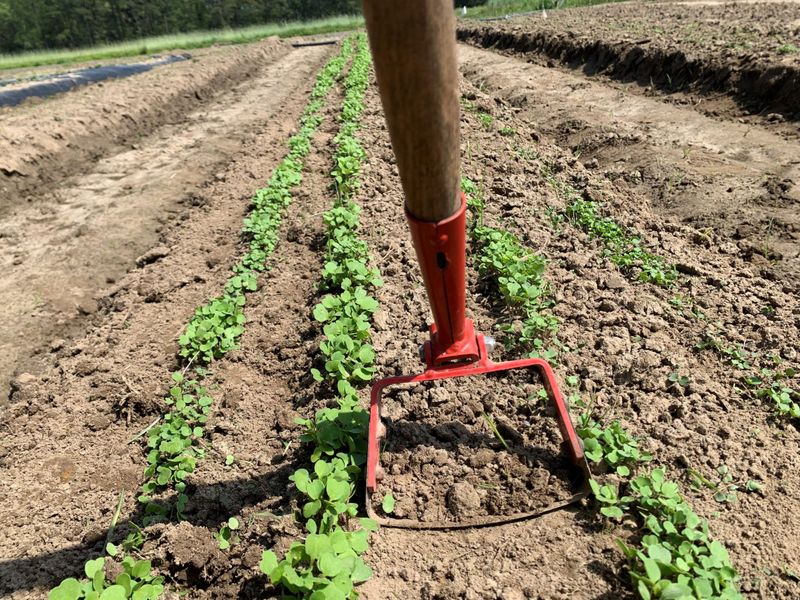
For a small bed, simple tools usually do the job. After fall rains, walk your beds and look for new rosettes while they are small.
Confirm what the plant is first. Arizona Extension advises identifying an unknown weed before picking a control method, and it recommends pulling, digging, or hoeing annual weeds before they set seed.
Young plants come out easily, especially when the soil is slightly damp. Removing them before flowering and fruiting interrupts seed production, which is what drives the spread, as the Arizona filaree page notes in its call for early removal and monitoring.
Herbicide is not needed for a handful of weeds. Nonselective products can also harm any plant they touch, so hand work is safer around ornamentals.
Mulch can help limit annual weeds, but it cannot guarantee a weed-free bed
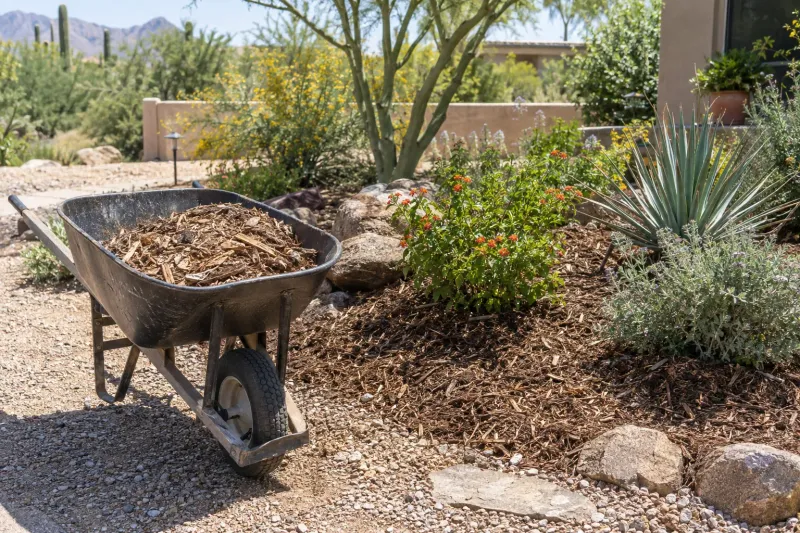
Mulch is a handy second line of defense. Arizona Extension says a three-inch layer can help prevent annual weeds from getting started.
Notice the wording: help, not guarantee. Some seeds still land on top of mulch, and a few seedlings can slip through thin spots, so you will still want to check your beds now and then.
Spread it evenly and refresh it where it has worn thin. Bare patches between plants are the easiest places for new seedlings to find light.
Keep mulch pulled back from the crowns, the spot where stems meet the soil, of your plants. Piling it against them can trap moisture and cause trouble for the plants you want to keep.
Confirm the plant, then act before it sets seed
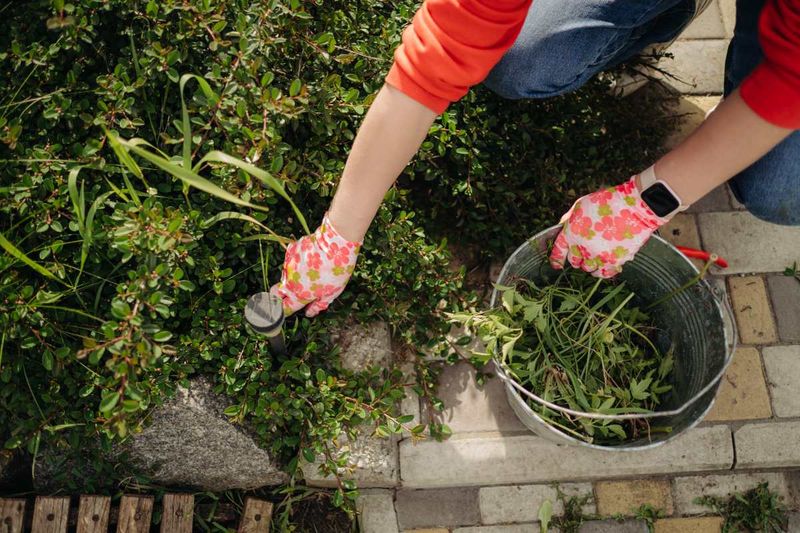
Start by confirming the rosette, since leaf arrangement alone will not settle it. Then check your beds as seedlings emerge, and pull or hoe annual weeds before they flower and fruit, as the Arizona filaree page and extension guidance suggest.
A weed pulled small never gets the chance to make a seed.