What It Really Means When Ladybugs Swarm Your Texas Home In Late Fall
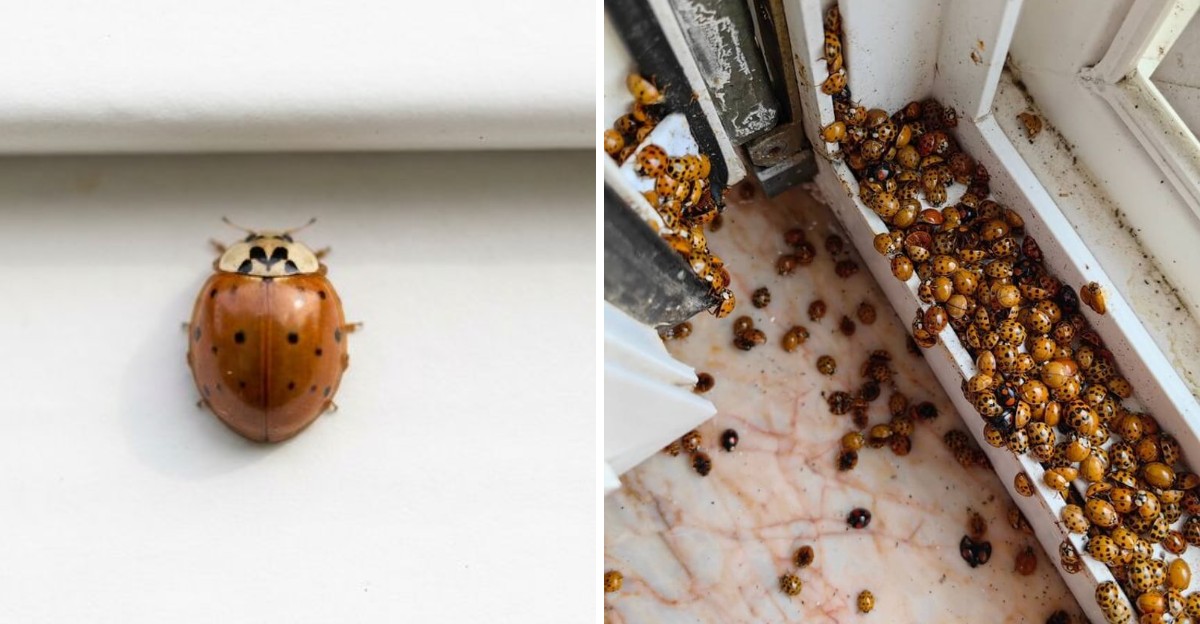
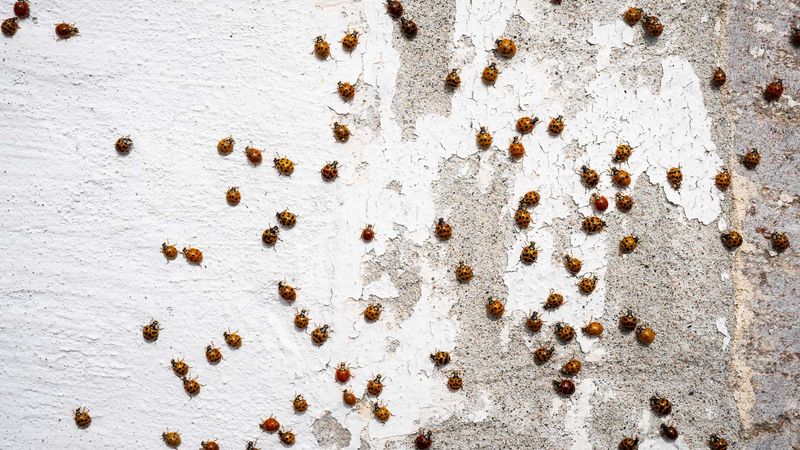
I will admit it: the first time I noticed a cluster of tiny orange dots creeping up the sunny side of a Texas house in late fall, I thought it was kind of adorable. A little polka dot party on the siding?
Cute. Then the next afternoon, that party had moved indoors to the window frames and ceiling corners, and I was suddenly much less charmed.
If you are dealing with the same situation right now, I get it. Some people shrug it off, and others grab the broom in a full panic.
I land somewhere in the middle, because the real story behind these swarms is honestly fascinating. Those beetles are not lost, and they did not pick your house at random.
They are following a very old seasonal plan, and your walls just happen to be part of it.
1. Your Texas Walls Look Like A Cozy Winter Hotel
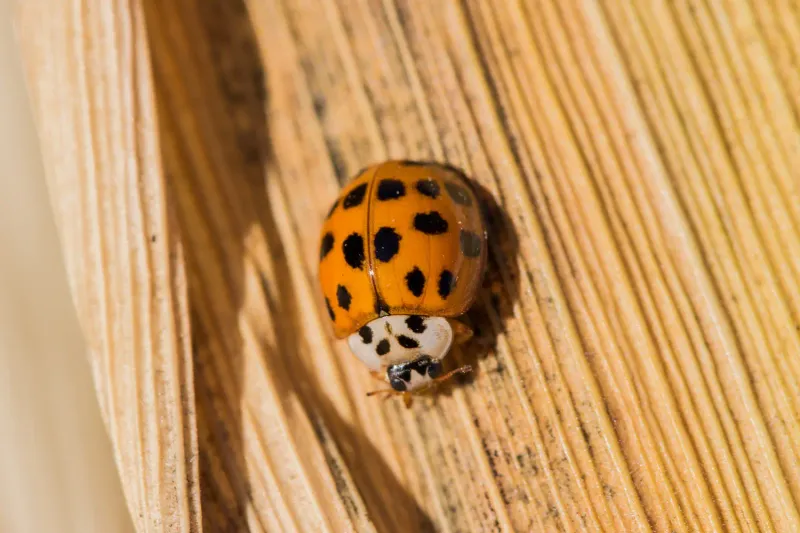
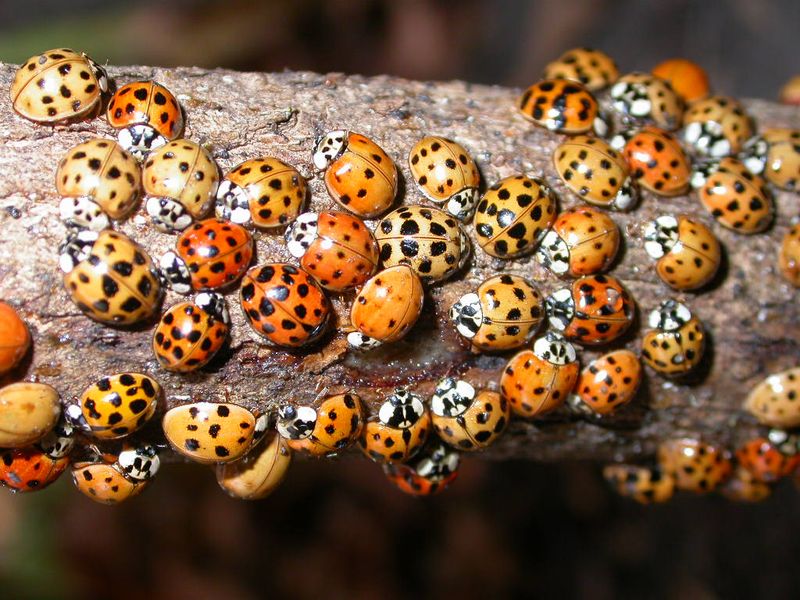
Think of your house as a five-star hotel with a glowing vacancy sign. Asian lady beetles are not true native ladybugs, and they hunt for warm, sheltered spots when cold weather arrives.
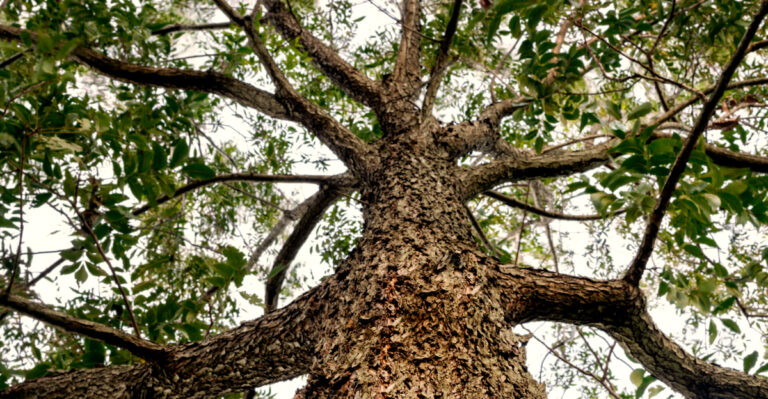
In the wild, they tuck into rocky cliffs and tree bark to rest through winter. Your siding, attic, and window frames offer the same snug feeling, only warmer.
Scientists call this resting period overwintering. The beetles slow down, stop eating much, and wait for spring to wake them back up.
Across Texas, the first real cool snap in October or November often sets off the big move. One sunny afternoon after a chilly night is usually all it takes.
So the swarm is not a sign that your home is dirty or that something is wrong inside. It mostly means your house stands out as a great place to wait out the season.
Knowing the reason helps you stay calm. You are not facing an invasion that plans to stay forever, just a crowd of tired travelers looking for a quiet room.
Once spring warms the air again, most of them will head back outside on their own. Your job is simply to keep as many as possible from checking into the living room.
2. How To Tell A Texas Ladybug From Its Asian Cousin
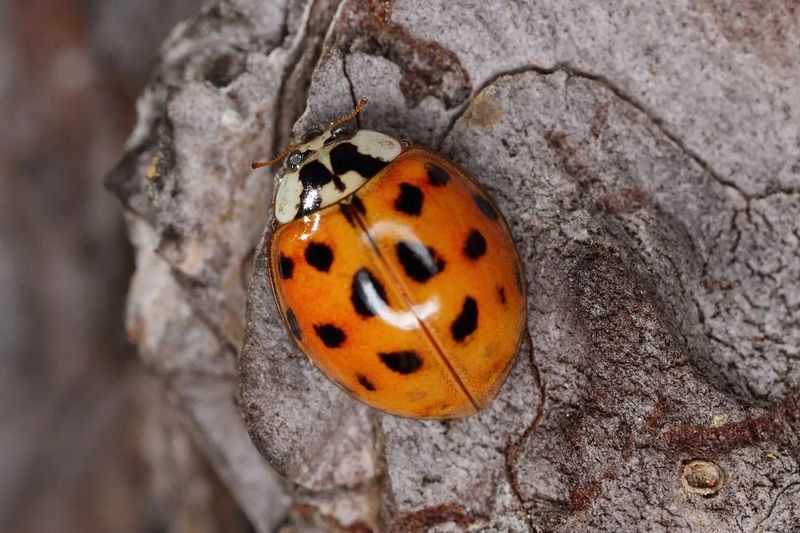
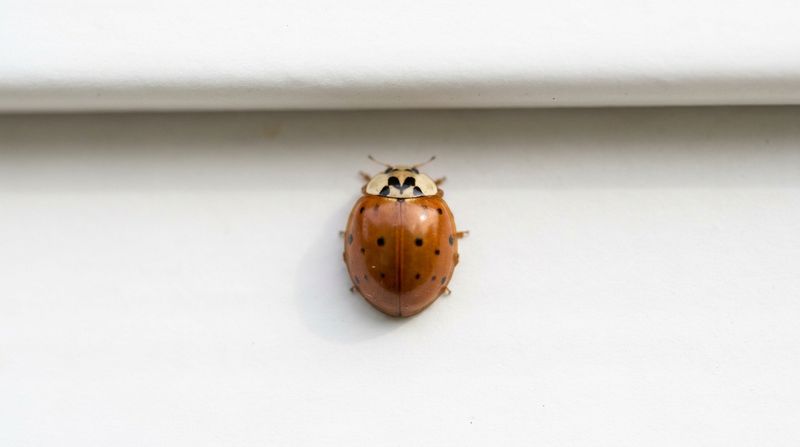
Here is a quick trick worth remembering. Look right behind the head for a tiny white area with a black M or W shape.
That mark belongs to the Asian lady beetle. Native ladybugs, like the convergent lady beetle common in Texas, usually have different head markings and a deeper red shell.
Color is another clue, though not a perfect one. Asian lady beetles range from pale yellow to bright orange, and their spot counts can vary from zero to almost twenty.
Behavior gives them away too. Native ladybugs rarely pile into houses by the hundreds, while the Asian kind loves to gather in big groups on buildings.
They can also be a bit more grumpy. If you handle one, it might give a small pinch that feels like a pin poke, though it is not dangerous.
Your Texas Garden Changes Every Week. Your Plan Should Too.
Gardening in Texas changes quickly throughout the season. Every Friday you’ll receive a simple weekly plan showing exactly what to plant, prune, fertilize, harvest, and protect so you never miss the right timing.
Brought to the United States decades ago to eat crop pests, these beetles spread fast. Today they are found in many states, including nearly every corner of Texas.
Learning the difference matters because native ladybugs are welcome garden helpers outdoors. When you spot the M mark on your windowsill, you will know exactly who has come knocking.
3. Why Sunny Sides Of Homes Attract The Biggest Crowds
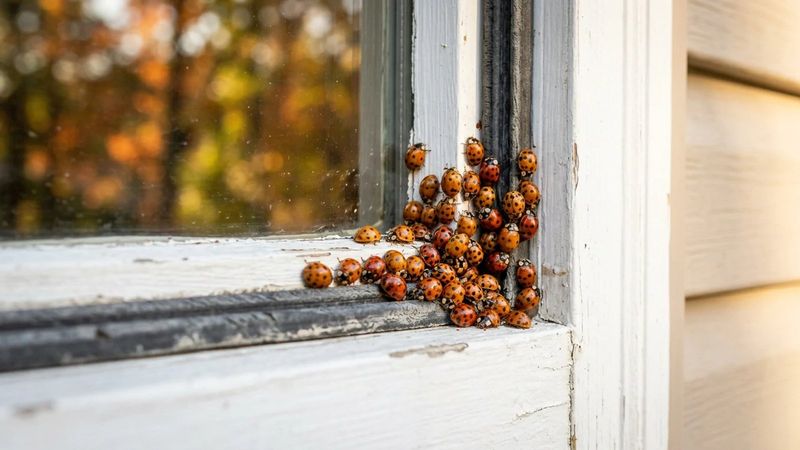
Ever notice they pick one wall and ignore the others? There is a good reason, and it comes down to sunshine and color.
These beetles are drawn to warm, bright surfaces, especially walls facing south or west. Light-colored homes that reflect the afternoon glow seem extra tempting.
Contrast plays a role as well. Dark shutters against pale siding, or a tall house standing alone in a field, can look like a landmark from the air.
Out in the Texas Hill Country, homes near wooded areas or bluffs often see larger groups. In the wild, the beetles would head toward rocky ledges, and a sunlit wall feels similar.
Once a few beetles land, they release a scent that tells others where to go. That chemical signal can bring friends back year after year.
You can use this knowledge to your advantage. Check the sunniest walls first each fall, and focus your sealing efforts there before the rush begins.
Some homeowners even wash those walls with soapy water after a swarm. Scrubbing away leftover scent may make the spot a little less popular the following autumn.
4. Sealing Gaps Keeps Beetles Outside Where They Belong
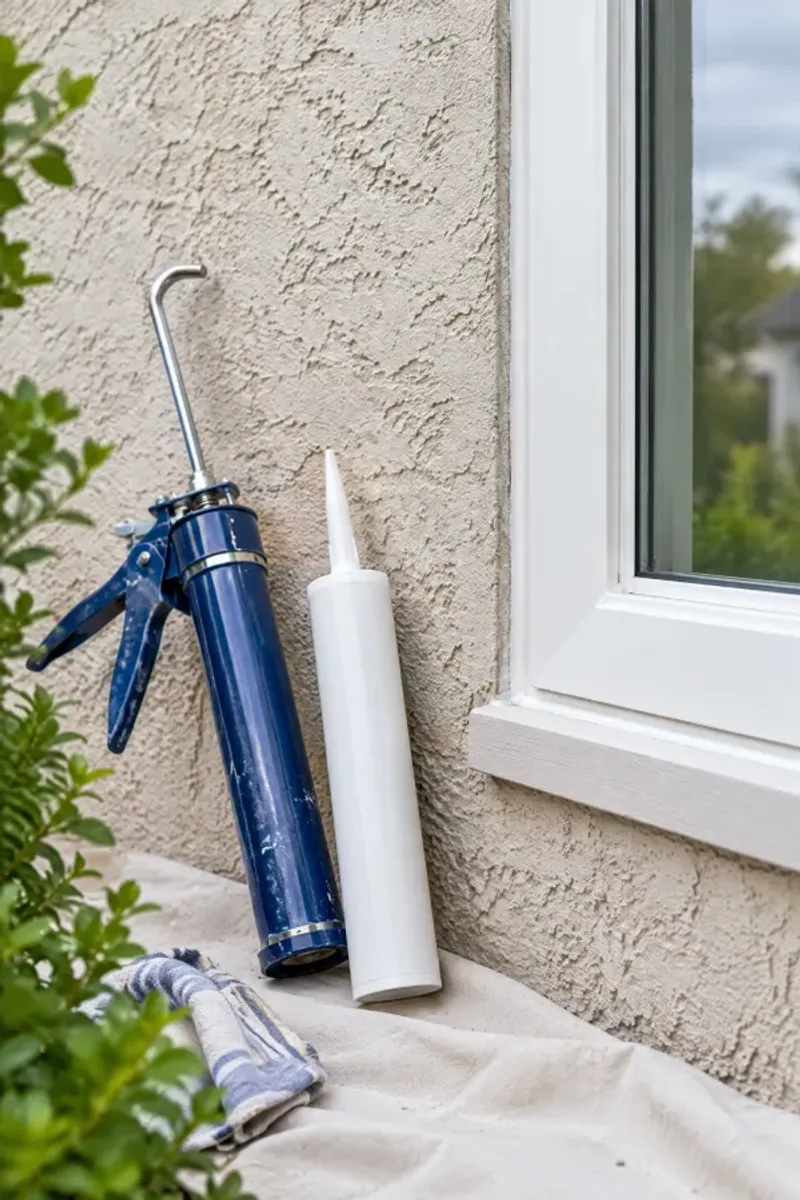
A gap as thin as a credit card is a wide-open door to a beetle. That tiny size explains why they slip inside so easily.
Start by walking around your house with a flashlight. Look at window frames, door edges, utility pipes, attic vents, and spots where siding meets the roof.
Fill small cracks with a good outdoor caulk. Silicone or siliconized acrylic works well and holds up in Texas heat swings.
Doors deserve special attention. Replace worn door sweeps and weatherstripping so light does not shine through at the bottom.
Check window screens for small tears and patch them. Fine mesh over attic and soffit vents can stop beetles without blocking airflow.
Timing makes a big difference. Try to finish this work in September or early October, before the first cool front sends the crowds your way.
A bonus comes with all that effort. The same sealing that blocks beetles also keeps out spiders, stink bugs, and drafts, which can lower your heating bill.
Think of it as a fall tune-up for your home. An afternoon of caulking now can save you weeks of sweeping orange specks off the floor later.
5. Homeowners Should Skip Squishing These Smelly Guests
Squish one, and you will learn a lesson fast. A yellowish liquid and a sharp, unpleasant smell show up right away.
That fluid comes from their legs in a defense trick called reflex bleeding. It tastes awful to birds and spiders, and it can stain walls, curtains, and carpet.
Some people also find the odor lingers for a while. On light-colored fabrics, the stain might not wash out easily.
A gentler approach works better. Sweep beetles into a dustpan, or use a vacuum with a stocking tucked inside the hose to catch them.
Secure the stocking with a rubber band, and you can empty the beetles outdoors far from the house. Many Texas families release them near a garden or woodpile.
Avoid using your main vacuum bag without a barrier. The smell can stick inside the machine and greet you each time you clean.
Bug sprays inside the house are usually not worth it. They add chemicals to your living space and leave beetle remains hidden in walls.
Calm, steady removal beats frantic swatting. Your walls, nose, and patience will thank you by the time spring rolls around.
6. Are Swarming Beetles Harmful To Families And Pets
Good news first: these beetles do not spread disease or chew up your house. They will not eat wood, food, or fabric.
Still, a few small concerns are worth knowing. Some people get mild allergies from the beetles, with sneezing or itchy eyes, especially when large numbers gather indoors.
The pinch they give feels surprising but rarely breaks skin. Kids may get startled, so it helps to explain the beetles are harmless travelers.
Pets are a different story. Dogs that eat many beetles can sometimes get them stuck to the roof of the mouth, which may cause drooling or pawing at the face.
Watch curious dogs and cats around windowsills during swarm season. If your pet acts odd after snacking on bugs, a quick call to your vet in Texas is a smart move.
Vineyard owners deal with another issue. Beetles mixed into harvested grapes can change the taste of wine, a known problem in some growing regions.
For most households, the beetles are more of a nuisance than a threat. A little awareness keeps everyone, furry family members included, comfortable until the crowd moves on.
7. Simple Traps That Work Well In Attics And Rooms
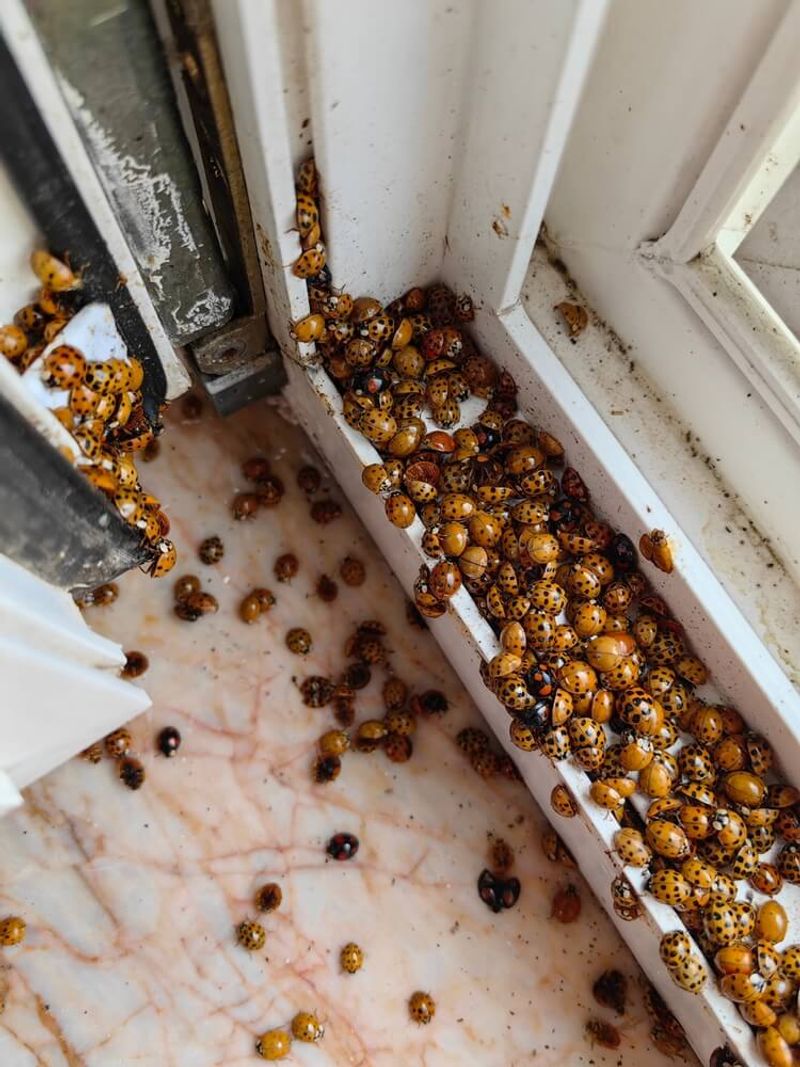
Light is the secret weapon. Beetles that sneak indoors tend to wander toward bright windows and lamps, hoping to find a way outside.
You can buy indoor light traps made for lady beetles. They use a small glow to lure the insects into a container they cannot climb out of.
A homemade version also works. Cut the top off a plastic bottle, flip it upside down into the base like a funnel, and place a small flashlight or nightlight nearby.
Set traps in dim places like attics, closets, and spare bedrooms. Many Texas homes have attics that warm up on sunny days, which wakes sleepy beetles and gets them moving.
Check traps every few days and empty them outside. Releasing them far from the house keeps them busy elsewhere.
Sticky traps are another option, but they catch other insects too. Place them carefully so pets and children cannot reach them.
Do not expect any trap to catch every beetle. Traps work best as part of a plan that includes sealing cracks and gentle vacuuming, giving you steady control rather than a quick miracle.
8. Natural Repellents Gardeners Swear By
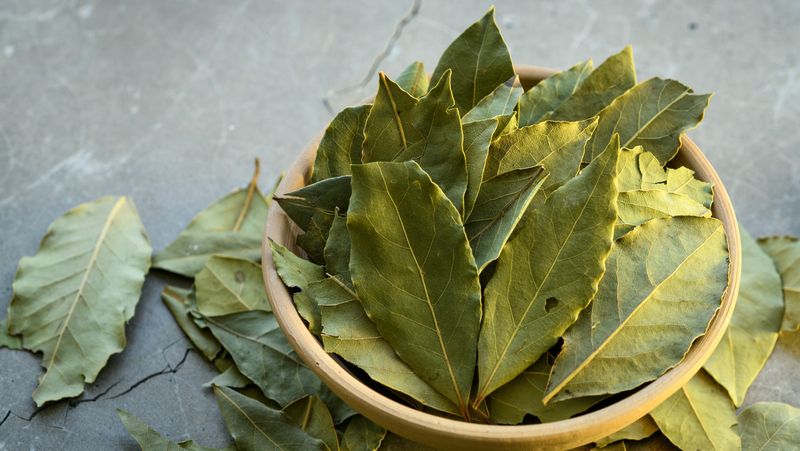
Grandma might have tucked bay leaves in the pantry for a reason. Strong smells seem to bother many insects, and lady beetles are no exception.
Some homeowners place bay leaves or cloves near windowsills and doorways. Results vary, but it is an easy, low-cost experiment.
Camphor and menthol scents are worth a closer look. Research has found that these strong aromas can discourage Asian lady beetles from gathering in treated spots, which makes them one of the better-supported natural options.
Citrus scents are also said to turn beetles away. A light spray of diluted lemon oil on window frames may help, as long as it does not damage paint.
You may have heard that fall mums keep bugs away too. The insect-repelling compounds people often mention actually come from a specific type of daisy used to make pyrethrum products, not the colorful garden mums sold for Texas porches.
Enjoy your mums for their color, but do not count on them to keep beetles outside.
Diatomaceous earth can be sprinkled in dry corners of attics and crawl spaces. Choose food-grade powder and wear a mask, since the fine dust can irritate lungs.
Keep expectations realistic. Repellents work best as helpers, not full solutions, and they need refreshing every week or two.
Pair these tricks with sealing and trapping for the strongest results. Your home will smell nice, look festive, and feel a little less inviting to any orange hitchhikers.
9. What Spring Brings When Beetles Wake Up
By March, you may get a surprise encore. Warm days stir sleeping beetles inside walls, and some wander into rooms instead of heading out.
Do not panic if you see a second wave. Most are simply confused, chasing light as they search for an exit to the outdoors.
Open a window on a sunny afternoon, and many will happily fly away. A quick vacuum handles the rest.
Outside, these beetles switch back to their original job. They gobble aphids, scale insects, and other plant pests, which can help Texas gardens and farm crops.
A single beetle may eat hundreds of aphids during its lifetime. That appetite is the reason they were brought here in the first place.
Use spring as a checkup season. Note where beetles showed up indoors, then mark those spots for extra sealing before next fall.
Wash outdoor walls where swarms gathered to help clear away scent signals. Trim dense shrubs near the foundation so the area looks less like a shelter.
With a little planning, next year can feel much calmer. The beetles will keep doing their thing, and you will be ready long before the first cool breeze arrives.