How To Plan Next Year’s Vegetable Garden Around Georgia’s Mild Winters
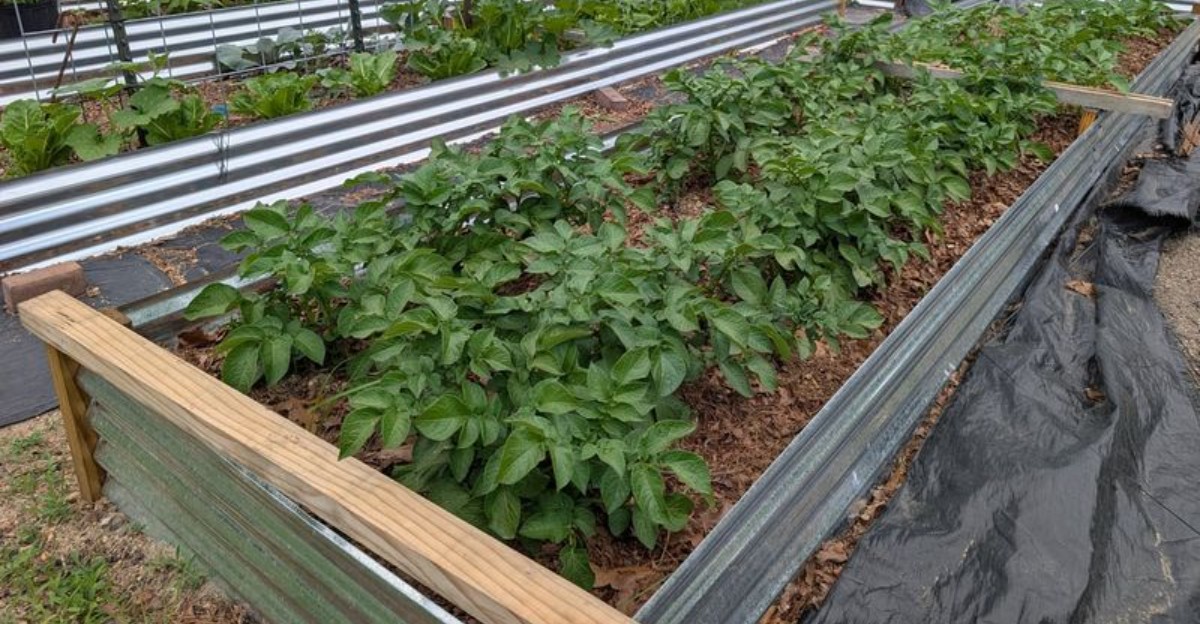
Most vegetable garden plans begin with spring planting dates, but that approach can leave months of growing opportunities unused. If you’re already thinking about next year’s harvest, winter deserves a place in your plans too.
Georgia’s relatively mild winters allow certain vegetables to grow during months when gardens farther north are resting.
Of course, what works in one part of the state may not work in another.
Your planting schedule needs to account for local frost dates, summer heat, and the time different crops need to mature. Getting those details right can make the difference between a productive garden and one that constantly feels behind schedule.
You also have to think about how one planting affects the next.
Planning ahead gives you more flexibility to use your garden space throughout the year, rather than treating spring as your only starting point.
1. Mild Winters Give Vegetable Gardens More Than One Growing Season
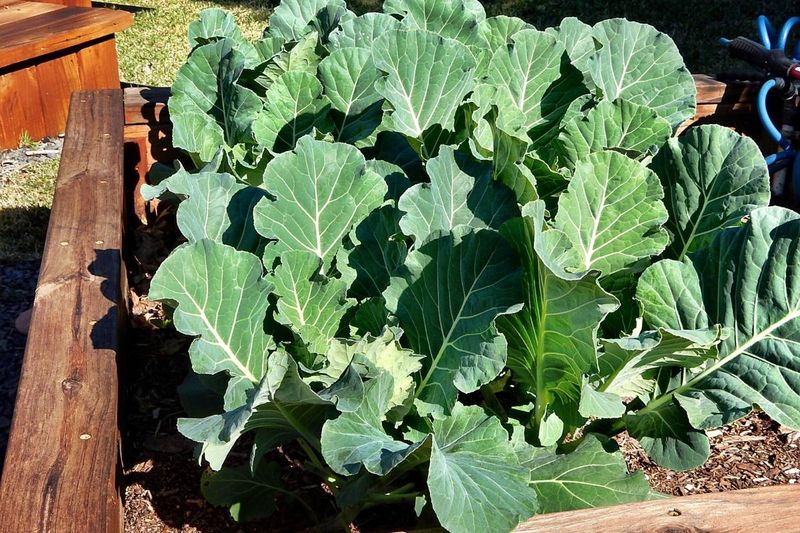
Summer is only half the story in a Southern vegetable patch. Once the heat fades, a whole new set of crops can take over the same beds you used for tomatoes and squash.
Georgia gardeners often talk about two main seasons, a warm one and a cool one.
Warm-season crops like beans, okra, and peppers grow best from spring into early fall. Cool-season crops, such as collards, lettuce, and turnips, prefer the milder weather of fall, winter, and early spring.
How long that cool season lasts depends on where you live.
South Georgia and coastal areas usually have shorter, gentler winters, so many leafy greens can keep growing with little protection. In the mountains, hard freezes come more often, and some crops may need row covers or cold frames to make it through.
Even mild winters bring the occasional sharp cold snap.
A single night in the low twenties can damage tender lettuce, even in a normally easy year. Keeping frost cloth or old sheets handy is a simple way to protect plants when the forecast turns cold.
Thinking in seasons changes how you plan.
Instead of one big spring planting, you are really mapping out a year of rotating crops. Sketch both seasons on paper so each bed has a job most of the year, not just in July.
2. Start With Planting Dates For Your Part Of The State
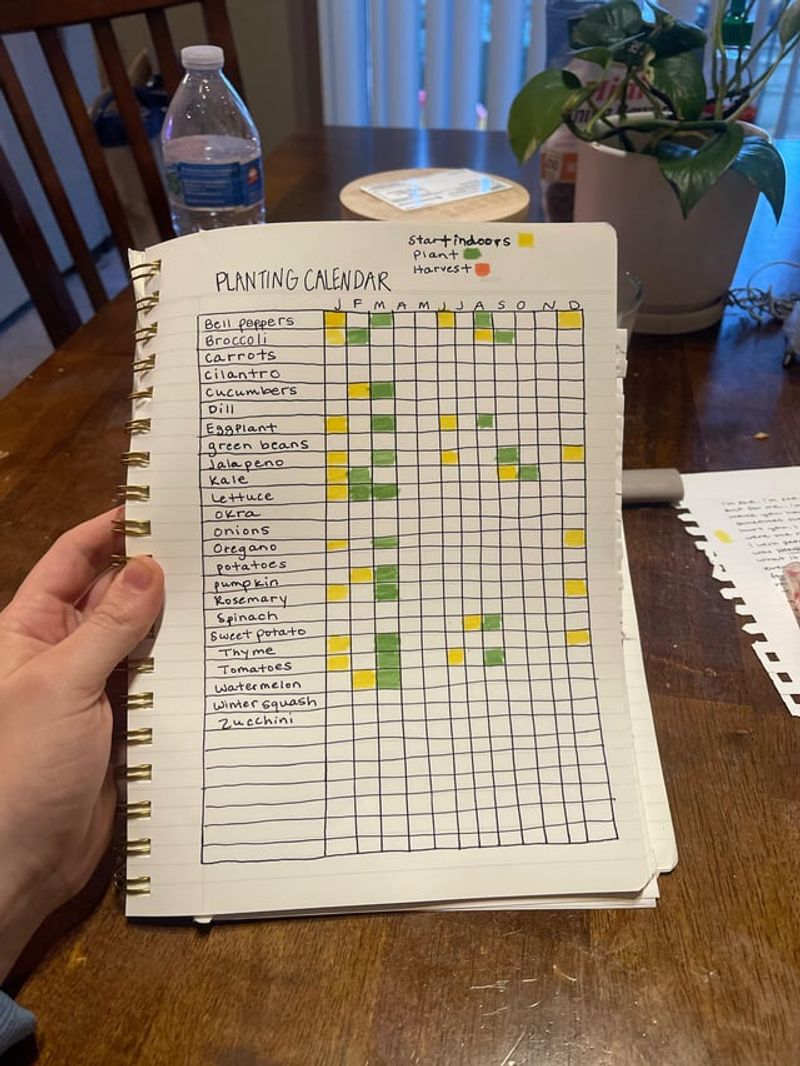
Guessing at planting dates can cost you a whole season. A crop sown three weeks too late might never mature before heat or cold arrives.
Your first step is figuring out your average frost dates, which shift quite a bit across the state.
North Georgia’s mountains tend to see their last spring frost later than the Atlanta area. Coastal and South Georgia counties usually warm up earlier and stay mild later into fall.
These dates are averages, not promises.
A late frost can still show up after the typical date, so many gardeners wait an extra week or two before setting out tender plants. It feels slow, but it often saves replanting.
UGA Extension publishes a Vegetable Planting Chart that breaks recommendations into regions.
Your Georgia Garden Changes Every Week. Your Plan Should Too.
Gardening in Georgia changes quickly throughout the season. Every Friday you’ll receive a simple weekly plan showing exactly what to plant, prune, fertilize, harvest, and protect so you never miss the right timing.
Look up your county, note your region, and write the suggested windows for each crop you want to grow. Your local county Extension office can also answer questions about your specific area.
Elevation and small pockets of cold air matter too.
Low spots in a yard can hold frost longer than higher ground nearby. If your garden sits at the bottom of a slope, you might notice frost damage when neighbors uphill see none.
Once your dates are on a calendar, every other planning decision gets easier. Seed starting, transplanting, and fall sowing all count backward from those key frost windows.
3. Choose Cool-Season Crops For Fall And Winter Harvests
Collards taste sweeter after a light frost, and plenty of Southern cooks will tell you so.
That small detail hints at why fall gardens are so rewarding. Cool weather can improve the flavor of several leafy and root crops, while slowing down some of the insects that plague summer plantings.
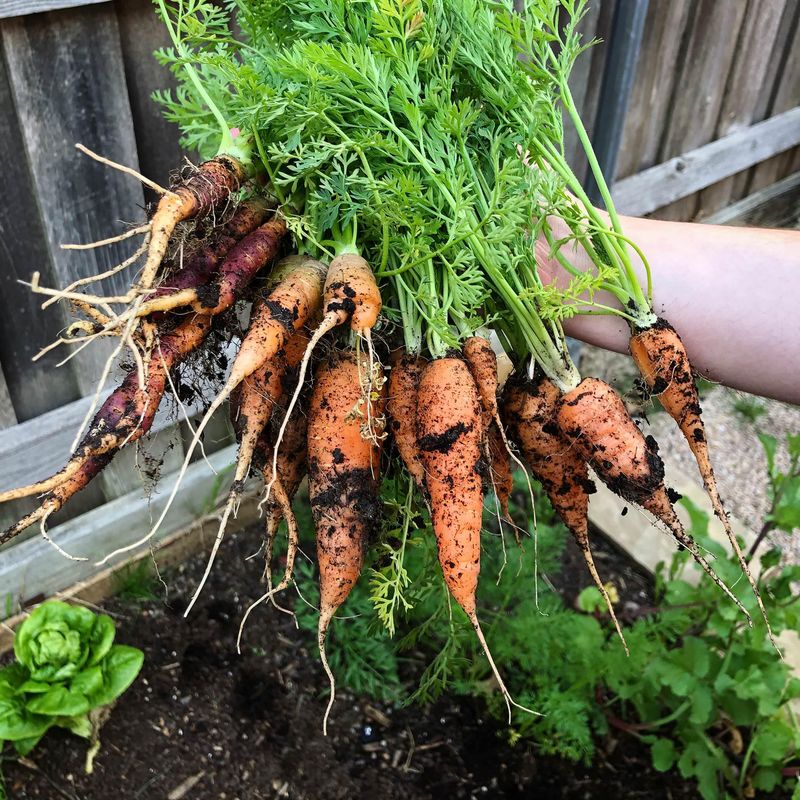
Good choices for most of Georgia include collards, kale, mustard, turnips, cabbage, broccoli, carrots, beets, radishes, lettuce, and spinach.
Hardiness varies among these crops.
Collards and kale often handle cold better than lettuce or broccoli heads, which can be damaged by hard freezes. Garlic and onions are usually planted in fall too, then harvested the following late spring or early summer.
Timing makes or breaks a fall garden.
Many crops are seeded or transplanted in late summer to early fall, while the soil is still warm enough for quick germination. Seedlings may need shade and steady watering during hot spells in August or September.
Choose varieties with care.
Seed packets list days to maturity, which helps you decide if a crop can finish before your area’s coldest stretch. Shorter-season varieties are a safer pick when you start a little late.
Fall pests still show up, especially caterpillars on cabbage family crops. Checking leaves regularly and using row covers can help, though results vary from year to year.
4. Schedule Tomatoes And Other Warm-Season Crops Around Spring Frost
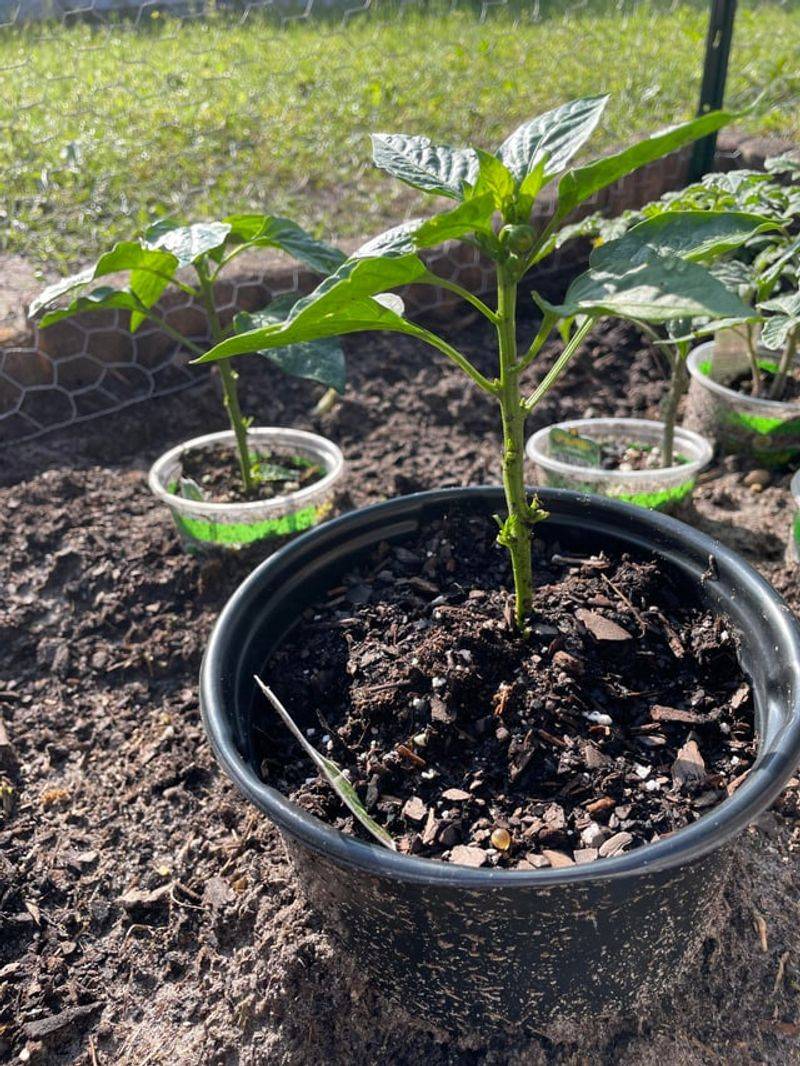
Rushing tomatoes into cold ground rarely pays off. Those first warm days of March can be tempting, but tender plants usually sulk or suffer when nights stay chilly.
Warm-season crops include tomatoes, peppers, eggplant, squash, cucumbers, beans, okra, and sweet potatoes.
Most of these need both frost-free weather and warm soil to grow well. Okra and sweet potatoes, in particular, tend to do best when soil has warmed thoroughly later in spring.
Plan your seed starting by counting backward from your last frost date.
Tomato and pepper seeds are often started indoors several weeks before transplanting, though the exact timing depends on your setup and variety. Seed packets and UGA Extension guides give helpful ranges for Georgia regions.
Heat is the other side of the problem.
Tomatoes often set fewer fruits when days and nights get very hot in summer. Planting on time in spring gives them a better chance to produce before the hottest weeks arrive.
Some gardeners plant a second round of tomatoes in early summer for a fall harvest.
That approach can work in warmer parts of the state, though success depends on variety, pests, and how soon cool weather returns. Keep a frost cloth ready for any surprise cold night after transplanting.
5. Plan Successive Plantings To Keep Beds Productive Longer
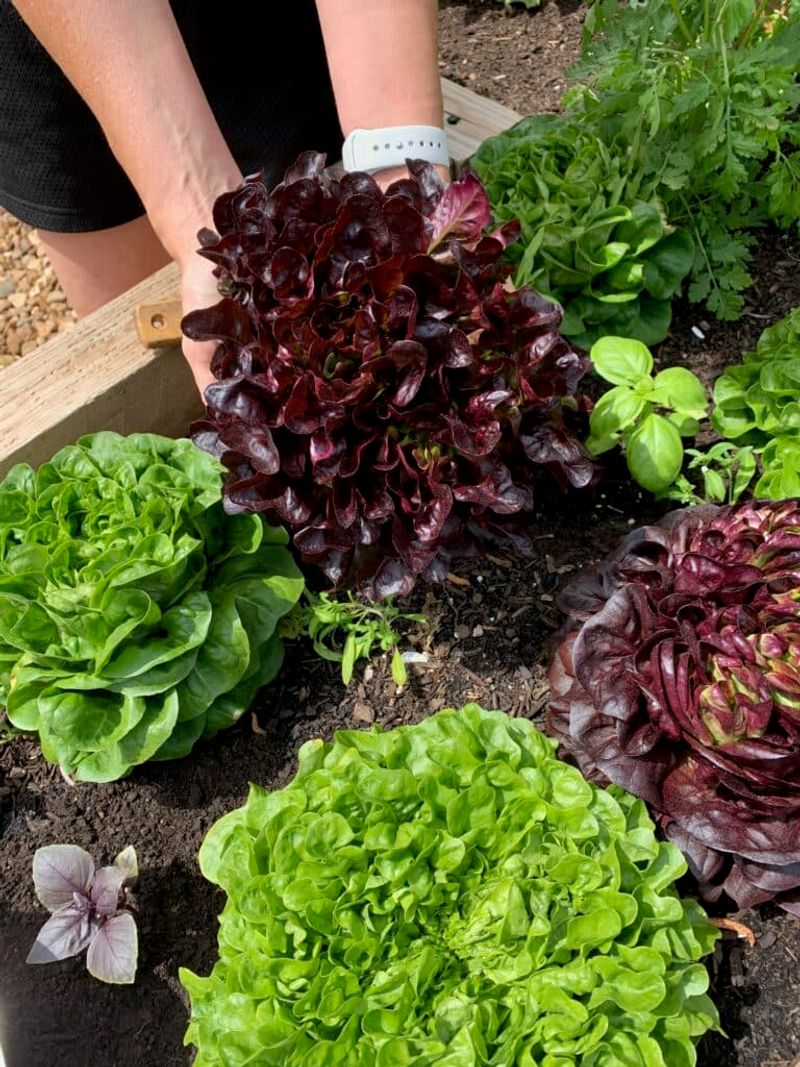
Ever had forty heads of lettuce ready the same week? Sowing everything at once often leads to a flood of food, then nothing at all.
Succession planting fixes that by spacing out sowings or swapping crops as space opens up.
There are two simple ways to do it. You can sow small batches of the same crop every couple of weeks, or you can follow one crop with a different one once the first is harvested.
Quick growers work well for staggered sowings.
Radishes, lettuce, bush beans, and baby greens mature fairly fast, so small, frequent plantings keep harvests coming. Larger crops like cabbage or tomatoes usually need one main planting per season.
Crop swaps make the most of Georgia’s long growing year.
A spring bed of peas or lettuce might be followed by summer beans, then fall collards. Each change gives that space another job instead of leaving it bare.
Write the sequence down for every bed.
Note the expected harvest time for each crop and the planting window for the next one. If a summer crop runs long, you may need to start fall transplants in pots so they are ready when space opens.
Remember that soil works harder with each planting. Adding compost between crops helps, though how much your beds need depends on soil test results.
6. Rotate Vegetable Families To Reduce Pest And Disease Problems
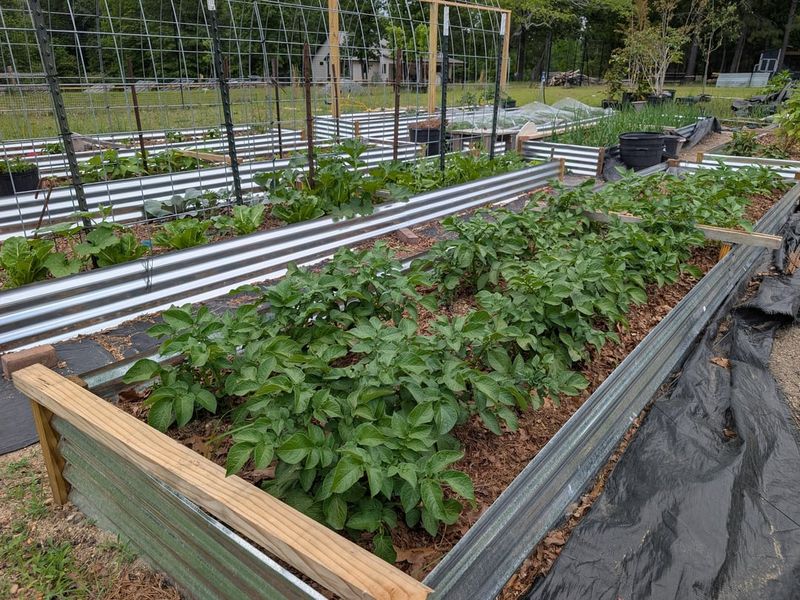
Plants in the same family often share the same enemies. Grow tomatoes in one spot for years, and some soilborne problems may build up right where you keep planting them.
Crop rotation means moving related vegetables to a different bed each season or year.
Knowing the main families helps. Tomatoes, peppers, eggplant, and potatoes belong to one group, while cabbage, broccoli, collards, and turnips belong to another.
Squash, cucumbers, and melons make up a third group, and beans and peas form a fourth.
Root-knot nematodes are a common concern in many sandy Georgia soils. Rotation alone may not solve a serious nematode problem, but it can be one helpful part of a larger plan.
Small gardens make rotation tricky.
If you only have one or two beds, true rotation may be hard to manage. Containers, fresh soil, or choosing disease-resistant varieties can help fill the gap.
A simple map is your best tool here.
Draw your beds, label which family grew in each one this year, and shift them for next year. Keeping a few seasons of notes makes the pattern much easier to follow.
Rotation lowers risk rather than removing it entirely. Weather, insects moving in from nearby, and plant stress can still cause trouble in any garden.
7. Test The Soil And Map Out Beds Before Ordering Seeds
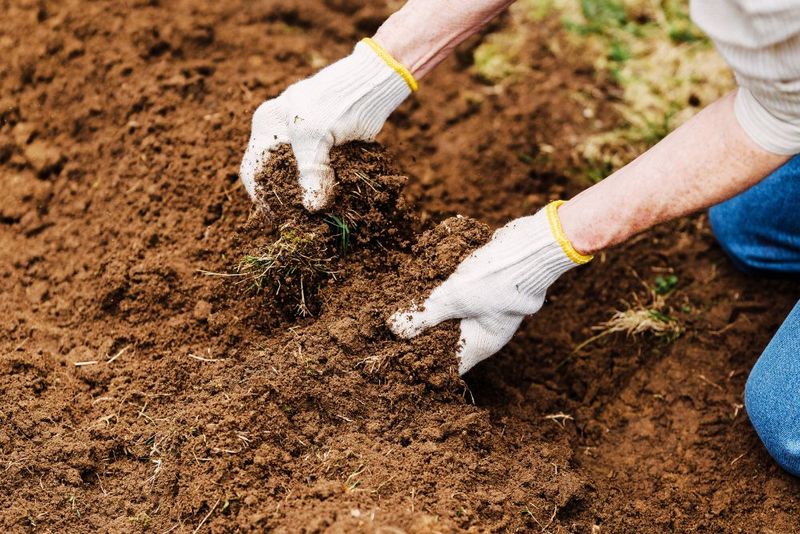
Seed catalogs are fun, but soil comes first. Without knowing your pH and nutrient levels, fertilizer choices are mostly guesswork.
UGA Extension offers soil testing through county Extension offices across Georgia.
You collect samples from several spots in the bed, mix them, and send in about a cup or so following your office’s instructions. Results typically include pH and recommendations for lime and fertilizer.
Fall and winter are handy times to test.
Lime can take a while to change soil pH, so testing well before spring planting gives it time to work. Applying lime without a test can push pH too high, which creates its own problems.
Next, sketch your beds on paper.
Mark where sun hits throughout the day, since most vegetables grow best with at least six to eight hours of direct light. Note shady corners, low wet spots, and where the hose reaches.
Now fit your crops onto the map.
Tall plants like trellised beans or tomatoes usually go on the north side so they do not shade shorter crops. Leave paths wide enough to reach every plant without stepping on the beds.
With a test report and a map in hand, ordering seeds becomes clearer. You will know how much space you have, which helps you avoid buying far more than your garden can hold.