The Tree Planting Mistake Georgia Homeowners Should Avoid In Heavy Clay Soil This Fall
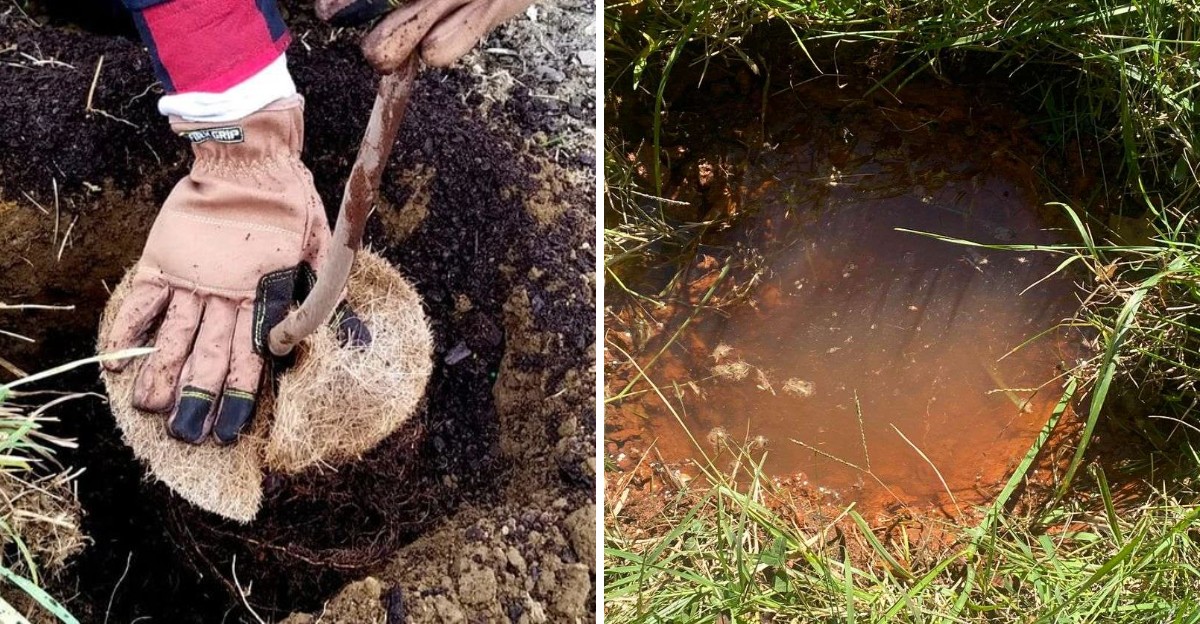
Planting a new tree should feel like an investment in your yard, not the beginning of years of struggling growth. Yet one mistake during planting can cause trouble long after you’ve filled the hole and put away your shovel.
Heavy clay soil makes getting that first step right especially important.
Georgia homeowners often deal with soil that holds moisture and becomes compacted easily. Those conditions can affect how quickly new roots spread and how water moves around the planting area.
Unfortunately, a tree may look perfectly healthy at first even when something beneath the surface isn’t right.
The size and depth of the planting hole deserve just as much consideration as the tree itself.
Before adding another tree to your landscape this fall, it’s worth understanding how clay soil changes the planting process. Getting the basics right now can prevent frustrating problems later.
1. Digging Too Deep Can Cause Trouble For Newly Planted Trees
A deep hole feels like the safe choice, but in clay it often backfires. Homeowners tend to think a tree planted lower will be sturdier and better protected.
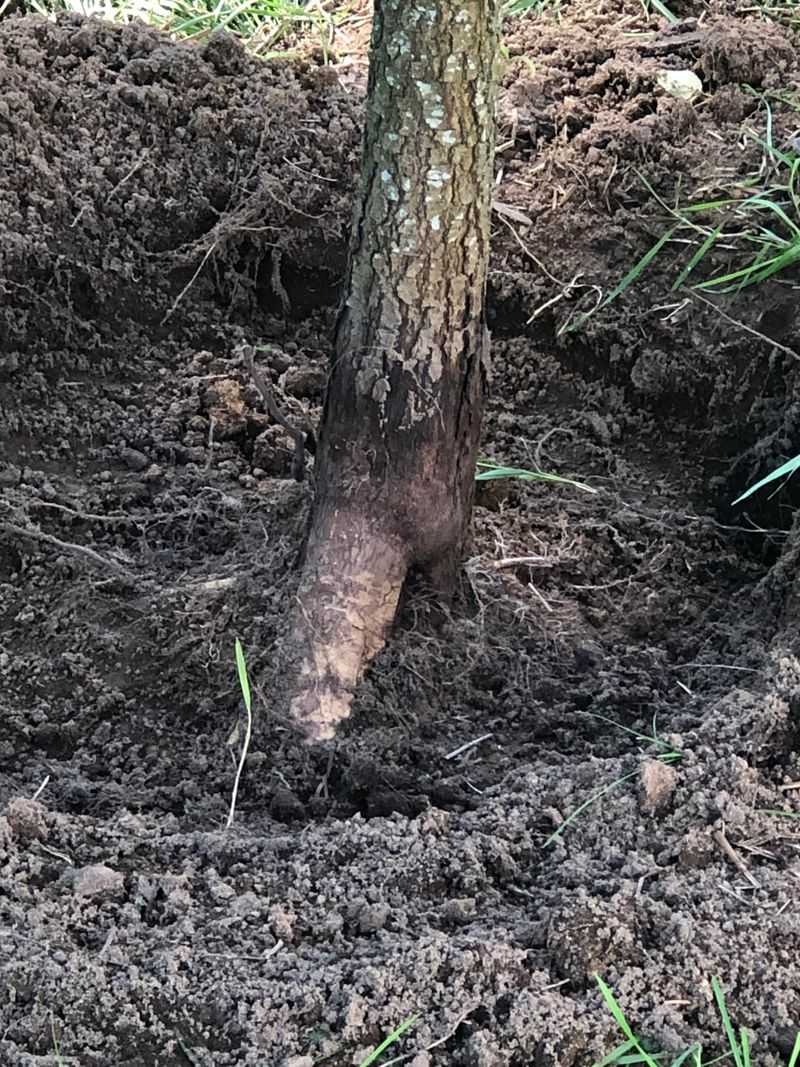
The real mistake is burying the root flare, which is the spot where the trunk widens into the roots.
When that flare sits under soil, the roots end up deeper than they would naturally grow. Heavy clay already limits how much air reaches roots, so extra depth can make things harder.
Deep holes also create another hidden problem over time.
Loose soil at the bottom of a deep hole tends to settle after watering. As it sinks, the tree can drop lower than you planted it, sometimes by a noticeable amount.
Across Georgia, red clay makes this issue more common than in sandy soils. Water can collect in the bottom of a deep pit and stay there longer than roots like.
Trees planted too deep may grow slowly, look stressed, or develop roots that circle the trunk. Results vary with tree type, weather, and care, so not every deep planting fails.
Still, it is a risk that is easy to skip.
Measure the root ball from the flare down to the bottom before you dig. Make the hole no deeper than that, and you avoid the mistake from the start.
2. Clay Soil Holds Water Longer Than Many Homeowners Expect
Red clay acts a lot like a sponge that drains slowly. Its tiny particles pack tightly together, leaving small spaces for water to move through.
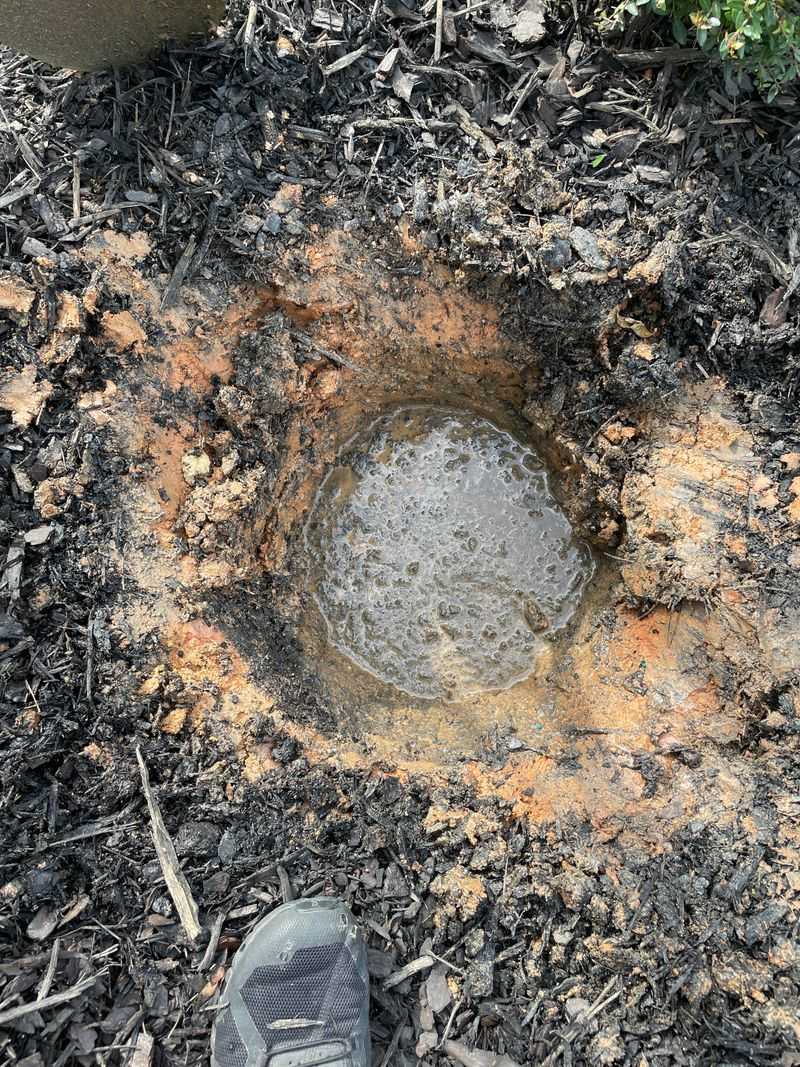
Rain or a hose can soak a clay planting hole quickly, yet that moisture may linger for days.
Picture a bowl carved into dense soil. Water poured inside has trouble escaping through the sides and bottom, so it pools around the roots.
Roots need oxygen as much as they need water, and soggy soil leaves less room for air.
Fall weather can make things trickier. Cooler temperatures slow evaporation, so the ground may stay wet longer than it would in July.
Gardeners in Georgia often notice the surface looks dry while the soil a few inches down is still damp. Pushing a finger or a small trowel into the ground gives a more honest reading.
Your Georgia Garden Changes Every Week. Your Plan Should Too.
Gardening in Georgia changes quickly throughout the season. Every Friday you’ll receive a simple weekly plan showing exactly what to plant, prune, fertilize, harvest, and protect so you never miss the right timing.
Overwatering is one of the easiest ways to stress a new tree in clay.
Check moisture before every watering instead of following a strict calendar. If the soil feels cool and moist a few inches down, wait another day or two.
Soil varies from yard to yard, even on the same street. Some clay drains better than others, especially where it has been improved over years of mulching and leaf drop.
3. The Root Flare Should Stay Visible Above The Soil
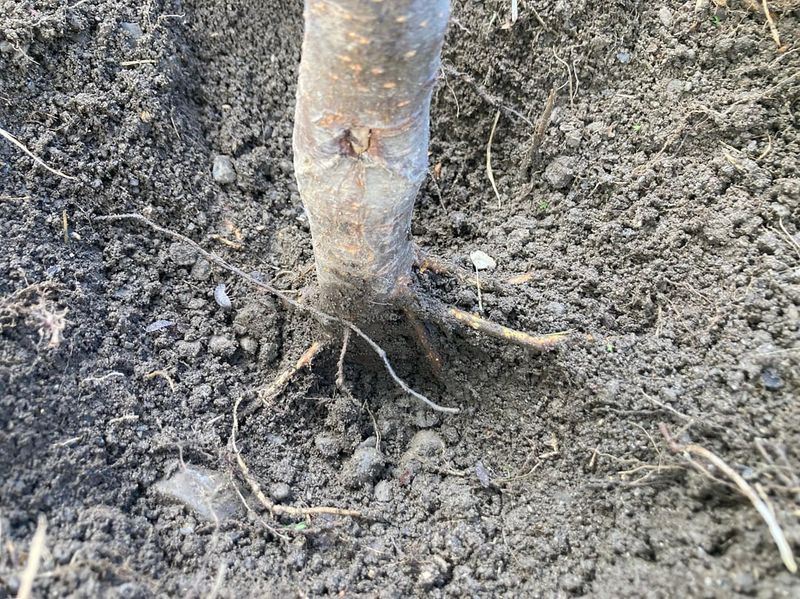
Look at the base of an old oak in a park. You will see the trunk spread outward like a foot before it meets the ground.
That widening is the root flare, and a young tree should show it too after planting.
Nursery trees sometimes arrive with extra soil piled on top of the root ball. Gently scrape that soil away with your fingers until you find where the first main roots begin.
Once you find it, set the tree so the flare sits at or slightly above the surrounding grade.
Extension experts in Georgia commonly suggest planting a little high in heavy clay. A slight rise helps the tree stay out of water that may collect in a low spot.
Mulch is helpful, but it can bury the flare if piled too high. Keep a few inches of open space between the mulch and the trunk.
Thick mulch volcanoes against the bark can hold moisture right where you do not want it.
Spread mulch wide and fairly thin instead. A flat ring reaching toward the edge of the branches looks neater and supports healthier roots.
Check the flare again after the first few heavy rains, since soil can shift.
4. Wide Planting Holes Give New Roots Room To Spread
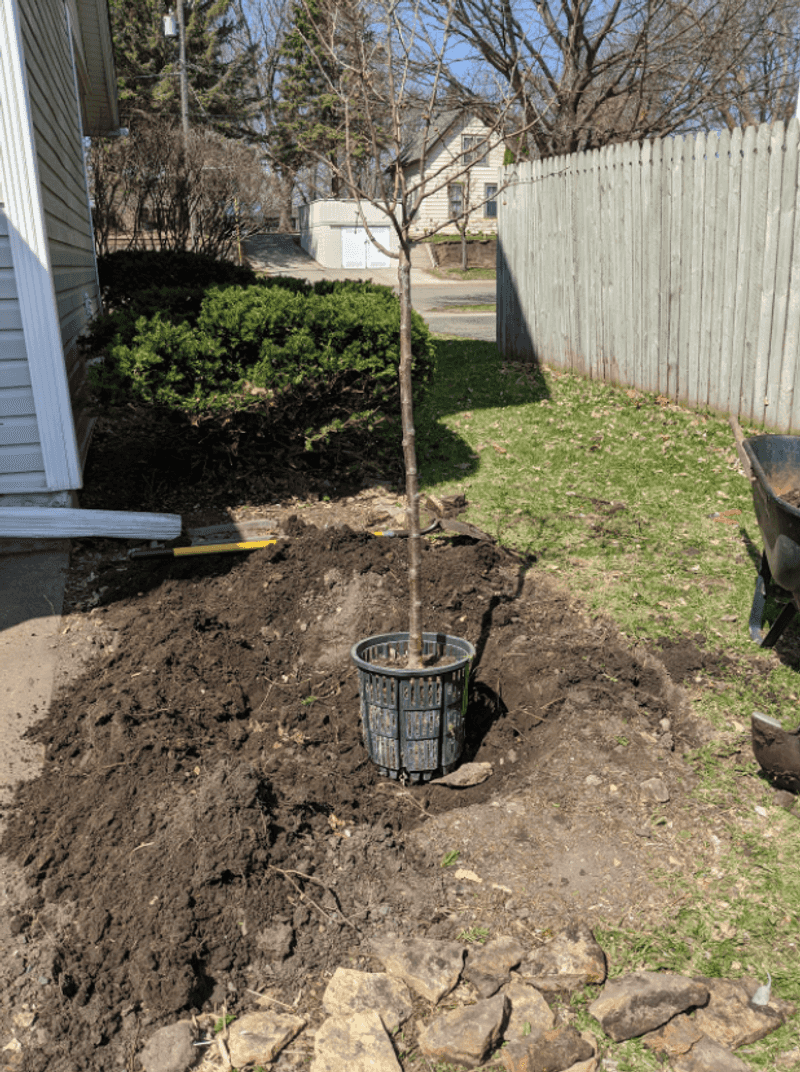
Think wide, not deep. Most tree roots grow outward through the top layer of soil, not straight down.
Digging a hole two to three times wider than the root ball is common Extension advice.
That extra width loosens the ground around the root ball. New roots can push into softer soil more easily before they reach harder clay.
Hard clay walls can act almost like the sides of a pot.
Smooth, slick walls form easily when a shovel cuts through wet clay. Roughing them up with a garden fork or shovel tip may help roots move outward.
Gently sloping the sides, like a shallow saucer, is another option some gardeners prefer. It avoids a sharp edge where roots might turn instead of spreading.
Wide holes take more effort, especially in Georgia red clay after a dry spell. Lightly watering the area a day before digging can soften the ground a bit.
Keep the bottom firm and undisturbed so the tree does not sink later.
Results depend on the tree size, your soil, and how much space you have. Even so, a wider hole is a simple step that gives roots a better chance to settle in.
5. Adding Compost To The Hole Can Create Drainage Problems
Here is a surprise for plenty of gardeners. Filling a clay hole with rich compost can actually work against you.
Loose, fluffy material inside a dense clay pit often soaks up water faster than the surrounding soil can drain it.
Gardeners sometimes call this the bathtub effect. Water rushes into the soft mix, then sits there because the clay walls slow it down.
Roots may also prefer to stay in the easy soil and avoid the tougher ground nearby.
That can leave a tree with a small, crowded root system. Over time, it may be less stable and less able to find water during dry summers.
None of this means compost is bad for your yard in Georgia.
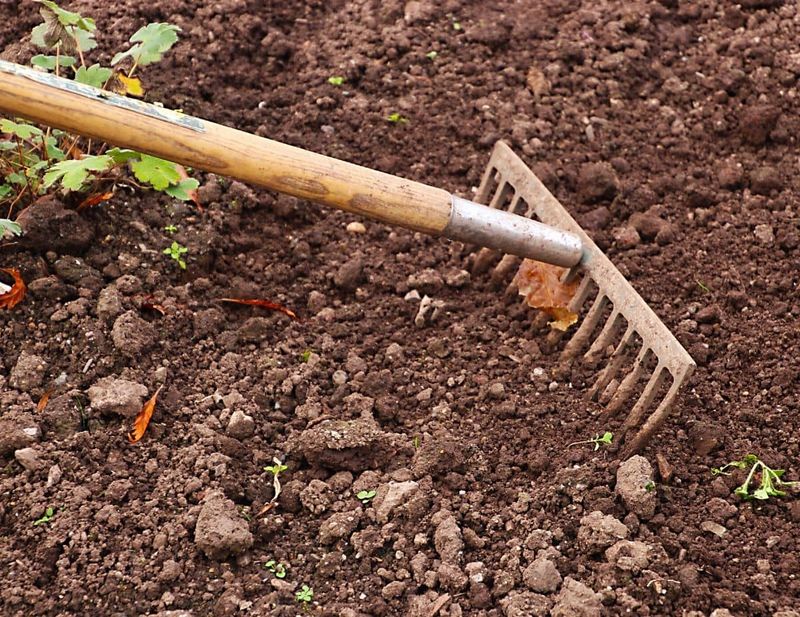
Spreading compost or mulch on top of the soil over a wide area is a gentler approach. Worms and weather slowly mix it in without creating a soggy pocket.
If you want to improve a whole bed, amend the entire area rather than one hole. That keeps the soil more even, so water and roots move more naturally.
Soil testing through your county Extension office can show what your ground needs before you add anything.
6. Backfill With Native Soil Instead Of Potting Mix
Your own dirt is usually the best choice. Native soil helps roots adjust to the ground they will live in for years.
Potting mix is designed for containers, not for filling holes in red clay.
It is light and drains differently than the soil around it. In heavy clay, that mismatch can hold water around the root ball much like extra compost does.
So what should you put back in the hole?
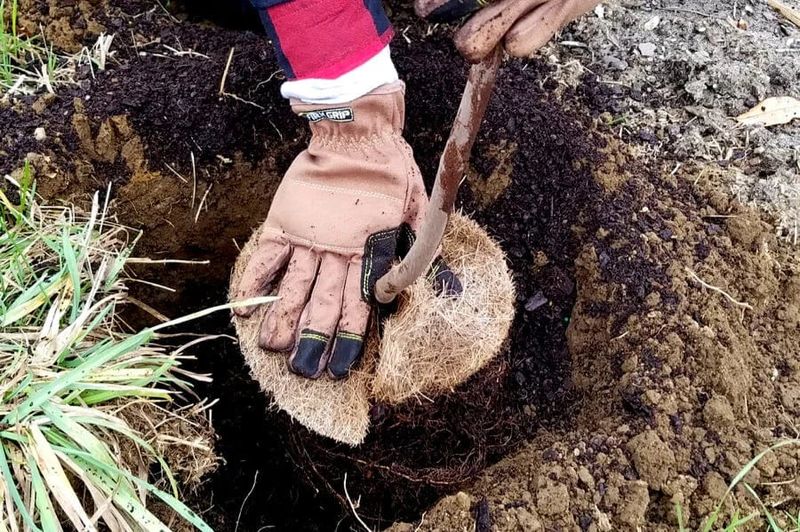
Use the soil you dug out, breaking up large clods with your shovel or hands. Smaller pieces fill gaps better and leave fewer air pockets around the roots.
Add the soil in layers and water gently as you go. Light watering helps it settle without packing it down too hard.
Avoid stomping the backfill with your full weight, especially when clay is wet.
Remove burlap, wire, and twine from the top part of the root ball if you can do so safely. Leftover materials may get in the way of root growth over time.
Homeowners across Georgia work with soils that differ from county to county. If your soil is extremely rocky or full of construction debris, ask a local Extension agent for advice.
7. Check Drainage Before Planting And Water Carefully Afterward
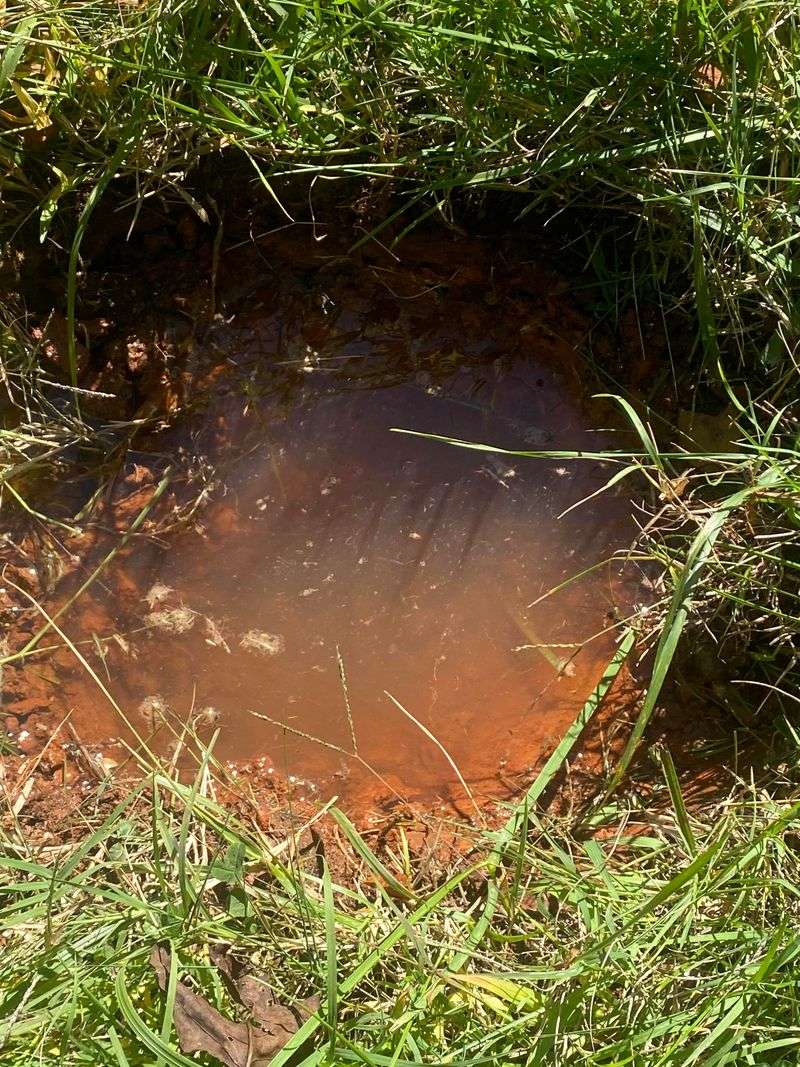
Ten minutes of testing can save a tree. A simple drainage check tells you how your clay behaves before you commit to a spot.
Dig your hole, fill it with water, and see how long it takes to drain.
If water is still sitting there the next day, that location may stay too wet for many trees. You might choose another spot, plant a bit higher, or pick a species that handles wet soil.
Some trees tolerate soggy ground better than others, so plant choice matters.
Fall planting in Georgia has a helpful advantage. Rainfall and cooler weather often reduce how much extra watering a new tree needs, though dry stretches do happen.
Water deeply after planting to settle the soil around the roots.
After that, check the soil a few inches down before watering again. Slow, deep soakings are usually better than quick daily sprinkles.
Keep an eye on your tree through winter and into spring. Young roots may need occasional water during dry periods, even when the weather feels cool.
Every yard is a little different, so watch your tree and adjust as you learn.