How Often Should You Water New Fescue Seed During A Dry North Carolina Fall?
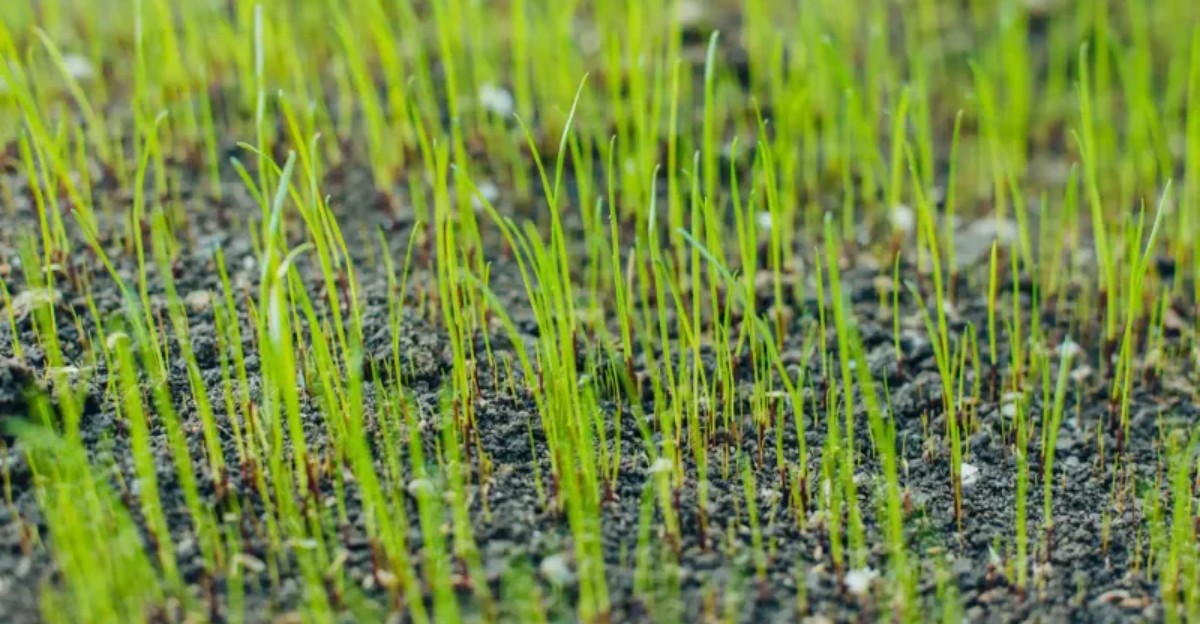
A single grass seed can swell with water and start waking up within hours. Let it dry out after that first drink, and the tiny sprout inside may give up before you ever see it.
That fact changed how I look at my sprinkler. I used to water once a day and hope for the best. Now I treat the top half inch of soil like a sponge that needs to stay damp, not soaked.
Fall is prime planting time for this cool-season grass across North Carolina. The trouble is that September and October can bring long stretches without rain, warm afternoons, and breezy days that pull moisture from bare soil fast.
You need a plan that changes as the seedlings grow. So how many times a day is enough, and when do you finally get to relax a little?
That First Drink Starts A Clock Your Fescue Seed Can’t Stop

Once a fescue seed soaks up water, it starts the germination process inside its tiny shell. Scientists call this imbibition, and once it begins, the young plant is very vulnerable to drying out.
If the soil dries out after that point, the emerging root can shrivel. The seed does not simply pause and wait for the next rain. Many seeds fail right there, which is why patchy new lawns are so common after a dry spell.
Tall fescue usually takes about 7 to 14 days to sprout, depending on soil temperature. During that window, the top quarter to half inch of soil needs steady moisture. That shallow layer is where the seed sits and where the first root reaches out.
I find it helpful to think of the seed as a camper with a canteen. Once the trip begins, the canteen cannot run empty.
A dry fall makes this harder. Sunny afternoons, low humidity, and wind can pull moisture from bare soil in just a few hours. Clay soil may crust over, while sandy soil drains fast.
Understanding this simple rule explains every watering step that follows. Moisture consistency matters far more than the amount you pour on at one time.
Short Sprinkler Bursts Several Times A Day Do The Heavy Lifting
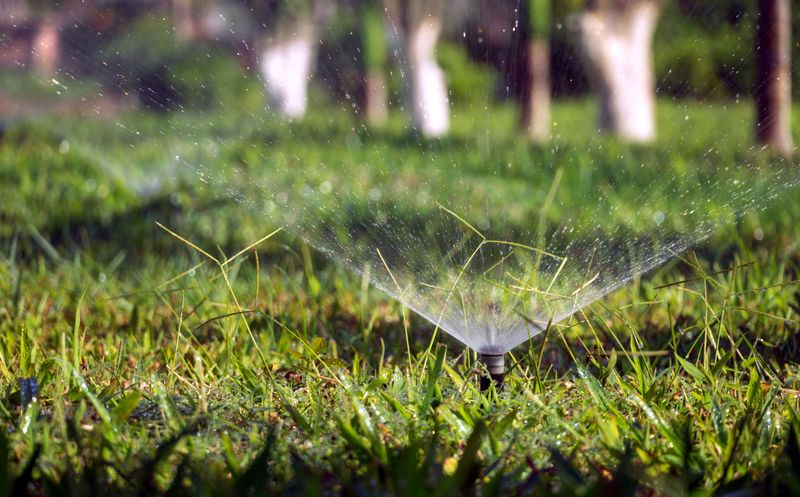
Here is the core answer. For the first two weeks, most new fescue seed needs light watering two to four times a day during a dry spell.
The goal is to dampen the surface, not flood it. Many lawn pros suggest about 3 to 5 minutes per cycle for pop-up spray heads and 5 to 10 minutes for rotary heads. Your exact numbers depend on your sprinklers, soil, and the weather.
A schedule I like looks something like 8 a.m., 11 a.m., 2 p.m., and 5 p.m. on warm, breezy days. On cool, cloudy days, two cycles might be plenty.
Skip late evening watering if you can. Wet soil and grass sitting overnight can invite fungal problems like damping-off.
Check your work with your fingertip. Press lightly on the soil surface in a few spots during the afternoon. It should feel damp like a wrung-out sponge.
Your North Carolina Garden Changes Every Week. Your Plan Should Too.
Gardening in North Carolina changes quickly throughout the season. Every Friday you’ll receive a simple weekly plan showing exactly what to plant, prune, fertilize, harvest, and protect so you never miss the right timing.
If you see puddles or seed floating, cut back the minutes. If the surface looks pale and dry by lunchtime, add another short cycle. A cheap hose timer can handle the midday shift while you are at work.
Green Fescue Sprouts Mean It’s Time To Water Less Often But Longer

Few things feel better than spotting that first green fuzz across bare dirt. Once most seedlings are up, usually around weeks two to four, your routine should change.
Drop to one or two waterings a day, but let each cycle run longer. Something like 5 to 7 minutes for spray heads or 12 to 15 minutes for rotors is a common starting point.
Longer cycles push water deeper into the soil. The young roots follow that moisture downward instead of staying lazy near the surface.
You can let the very top of the soil dry slightly between waterings now. It should never turn hard and dusty, though. Seedlings at this age still have small root systems and can wilt quickly on a warm October afternoon.
Watch the blades for clues. Grass that looks dull, bluish gray, or leaves footprints that do not spring back is asking for a drink.
Keep foot traffic, pets, and kids off the area as much as possible. Tender sprouts bruise easily, and wet soil compacts under pressure. A few small flags around the edges can work wonders as a friendly reminder.
Deep Weekly Soaks Build Tougher Fescue Roots After The First Month

By the second month, your new lawn should be thickening up nicely. It is time to switch toward a routine that looks more like care for mature turf.
NC State Extension recommends about one inch of water per week for tall fescue, counting rainfall. During establishment’s final stretch, split that into two or three deep waterings rather than daily sprinkles.
Deep, less frequent watering trains roots to grow down where soil stays cooler and moister. Shallow roots are what struggle first when the next drought arrives.
Early morning is the best time to run the sprinkler. Blades dry as the day warms, which lowers the chance of brown patch and other diseases tall fescue is prone to.
Not sure how much water your system puts out? Set a few empty tuna cans or a rain gauge on the lawn and run the sprinkler for 30 minutes. Measure the depth, then adjust your run time to hit that inch.
I was surprised the first time I tried this trick. One corner got twice as much water as another, which explained a thin patch I had blamed on bad seed.
Red Piedmont Clay Drinks Slowly, So Pace Your Sprinkler
Anyone who has dug a hole in the Piedmont knows that sticky red clay. It holds water well once wet, but it soaks it up slowly.
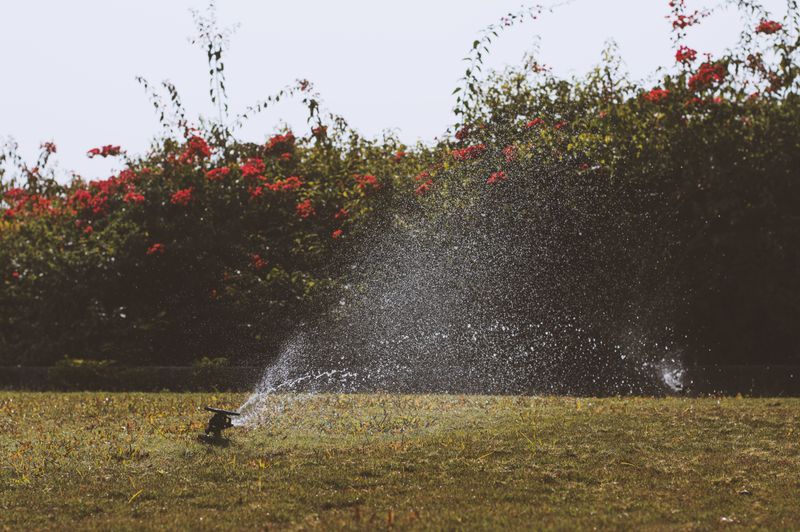
Run your sprinkler too long on clay, and water starts sheeting off the surface. That runoff can carry seed with it, leaving bare stripes and seed piles in low spots.
The fix is simple. Water until you see the first sign of pooling, pause for 20 to 30 minutes, then water again. Many irrigation timers call this cycle and soak.
Core aeration before seeding helps a lot. The holes let water, air, and seed reach below the crusty surface. Pros often seed right after aerating for this reason.
Coastal Plain gardeners face the opposite challenge. Sandy soils drain quickly and dry out faster, so they may need an extra short cycle on hot days. Up in the mountains, cooler temperatures usually mean less water loss overall.
A thin layer of clean wheat straw over seed helps every soil type. Aim for enough that you can still see about half the ground underneath. Straw shades the surface and slows evaporation.
September Seeding Gives Fescue A Head Start On Winter

Timing can make your watering job easier or much harder. NC State Extension generally suggests seeding tall fescue in the Piedmont from about late August to mid-October, with September often ideal.
Mountain areas usually do best a little earlier, from mid-August into mid-September. Parts of the eastern Coastal Plain can push into October.
Warm soil in early fall speeds germination, while cooler air reduces stress on young grass. Fewer summer weeds compete for space too.
Seeding early also gives roots more weeks to grow before cold weather slows everything down. Seedlings that go into winter with strong roots handle frost heaving and next summer’s heat far better.
The catch is that early fall can be warm and dry. Late September seeding may need fewer daily waterings because days are shorter and cooler.
Check your extended forecast before buying seed. If a heat wave is coming, waiting a week or so can save you water and headaches. Seeding just before a gentle rainy stretch is a lucky break worth watching for. Late November seeding is risky, since the grass may not establish before winter.
Check Your Town’s Lawn Watering Rules Before You Spread Seed
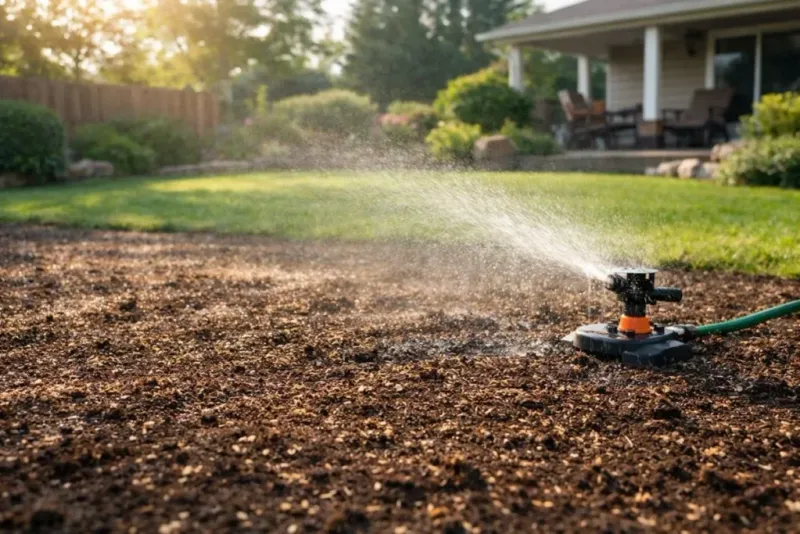
Dry falls sometimes bring water restrictions, and new seed needs frequent watering. That mix can catch homeowners by surprise.
During droughts, some North Carolina utilities limit lawn irrigation to certain days or hours. Charlotte Water, for example, has used staged restrictions in past dry periods that cut back on sprinkler use.
Rules differ from town to town. Some utilities offer limited exceptions for new lawns, while others do not. A quick call or visit to your water provider’s website clears up the confusion.
The North Carolina Drought Management Advisory Council posts weekly drought maps online. Checking that map before seeding can tell you whether conditions are getting worse.
If strict limits are in place, you have options. Hand watering with a hose and nozzle is sometimes allowed when sprinklers are not. Wheat straw cover and seeding just before forecast rain can stretch every drop.
Private wells usually fall outside city rules, but conservation still matters during a drought. Shallow wells can run low.
Sometimes the smartest move is waiting. Fescue can also be seeded in late winter, though fall planting usually gives stronger results.
A Thick Fescue Lawn Next Spring Starts With This Fall’s Patience

Watering new seed several times a day can feel like a part-time job. Trust me, the reward next spring is worth every trip to the spigot.
Let’s recap the rhythm. Keep the surface damp with short bursts until sprouts appear, then shift to fewer, longer cycles. After about a month, move toward deep watering totaling roughly an inch per week.
Mow once seedlings reach about 4 inches tall, cutting back to around 3 inches. Use a sharp blade and mow when the grass is dry.
Hold off on most weed killers until the new grass has been mowed a few times. Many products can harm young seedlings, so read every label carefully.
NC State Extension suggests light fertilizer at seeding, with follow-up feedings in fall based on a soil test. The NC Department of Agriculture offers soil testing, and it is free for much of the year.
Keep a simple notebook or phone note with seeding dates, watering times, and rainfall. Next fall, you will know exactly what worked in your yard. Personally, I think that record is the best lawn tool I own.