A Long-Lost Tree Is Slipping Back Into New York, And You Might Be Able To Hide One In Your Yard
In 1904, a forester at the Bronx Zoo noticed odd orange cankers on a few trees on the grounds. Within about fifty years, that fungus had swept the eastern forests and toppled an estimated four billion giants.
Old-timers remember sidewalks crunchy with nuts each fall. Kids filled their pockets, families roasted them, and farm animals fattened up on the leftovers.
Those trees once made up roughly one in four hardwoods in parts of Appalachia. Personally, I can’t get over how quietly they slipped away. Yet the story didn’t end there.
The roots kept sending up sprouts, and plenty still hide in New York woods today, still waiting for their moment.
Scientists, volunteers, and backyard growers are now nudging this lost tree back into the landscape, and New York has become one of the places where that effort runs deepest.
You might have the perfect sunny, well-drained corner for one. So would you be willing to give a forest legend a second chance?
Those Chestnut Sprouts In The Woods Are Hiding A Bigger Story
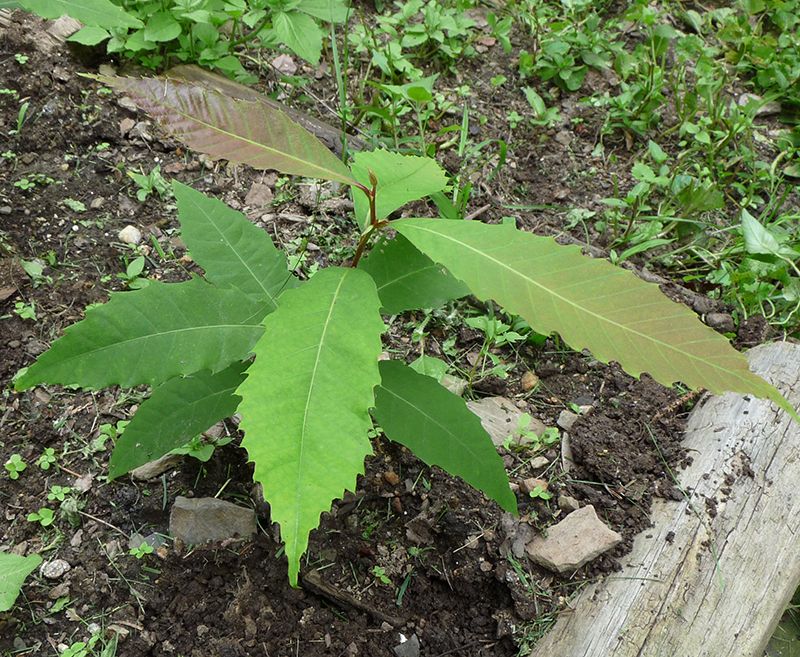
Take a walk through almost any oak forest in the Hudson Valley or the Catskills, and you may pass an American chestnut without knowing it. Look for long, narrow leaves with sharp, hooked teeth along the edges, like a tiny saw blade.
Those shrubby stems are survivors. The chestnut blight, caused by a fungus called Cryphonectria parasitica, infects the bark and trunk, but it seldom harms the roots. So the old root systems keep pushing up fresh sprouts year after year.
The catch is that the sprouts usually get infected before they grow big enough to flower. They grow, get hit by blight, fall back, and sprout again.
Scientists call the species functionally extinct because so few trees reach nut-making size in the wild.
I find that cycle both sad and hopeful. Those stubborn roots hold genetic diversity that restoration groups badly want to save.
The American Chestnut Foundation, often called TACF, has chapters that map surviving trees and collect pollen from the rare ones that flower.
If you spot a chestnut sprout on your hikes, snap a photo of the leaves and twig. Your sighting could help researchers track where these quiet survivors still live.
Blight-Tolerant Chestnut Trees Are Still Waiting On The Green Light
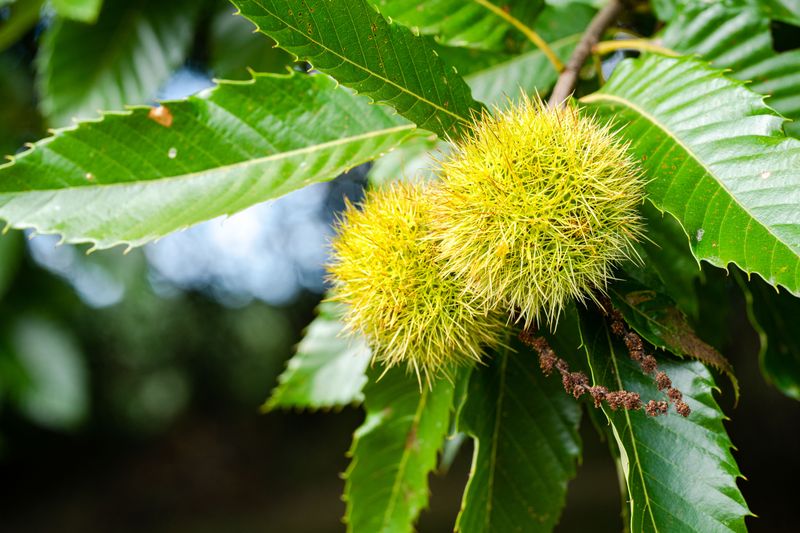
Here is the honest scoop, since headlines can get ahead of the science. Researchers at SUNY College of Environmental Science and Forestry in Syracuse spent decades creating a chestnut that can tolerate blight.
Their approach adds a gene from wheat that makes an enzyme called oxalate oxidase. The fungus releases oxalic acid that damages bark, and the enzyme breaks that acid down. Infected trees can then wall off the infection instead of being girdled.
The project hit a bump in late 2023. TACF learned that the trees widely shared as Darling 58 were actually a different line, Darling 54, and some showed weaker growth. TACF stepped back from the program, while ESF continued work on Darling 54.
Federal review by the USDA, EPA, and FDA is part of the process for any genetically engineered tree. As of now, blight-tolerant engineered chestnuts are not available for home planting.
Meanwhile, TACF is breeding hybrid trees that blend American traits with resistance from Chinese chestnuts.
Groups like the New York Restoration Project have planted hybrids in places such as Highbridge Park. I like that more than one path is moving forward at once.
A Pure American Chestnut Seedling Can Still Earn A Spot In Your Yard
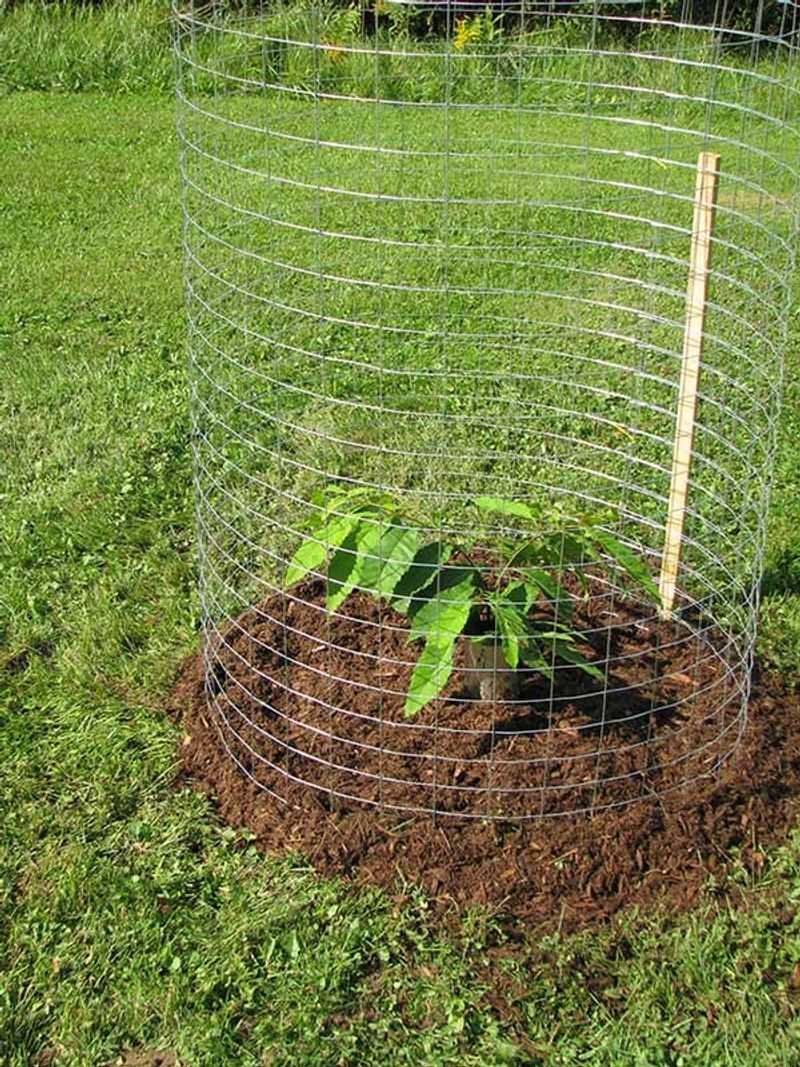
So what can a regular gardener plant today? Pure American chestnuts are still legal and available, and they make a meaningful contribution.
The New York chapter of The American Chestnut Foundation often offers seeds or seedlings to members. Some native plant nurseries and state conservation seedling sales also carry American chestnut, so check their lists each winter.
A pure tree will likely catch blight at some point. Even so, many grow for years before trouble starts, and some flower and produce nuts first.
Restoration folks call these potential mother trees, because a flowering American chestnut can later be pollinated by blight-tolerant trees.
Be careful about what you buy. Many nurseries sell Chinese chestnuts or mixed hybrids labeled simply as chestnut. Those trees are fine nut producers, but they are not the native species.
Ask the seller about the source and parentage before you pay. A reputable supplier should tell you where the nuts were collected.
Personally, I think of planting one as joining a team. Your tree becomes a living record of local genetics, and that matters for the long haul.
Chestnut Trees Want Sunshine And Soil That Drains Fast
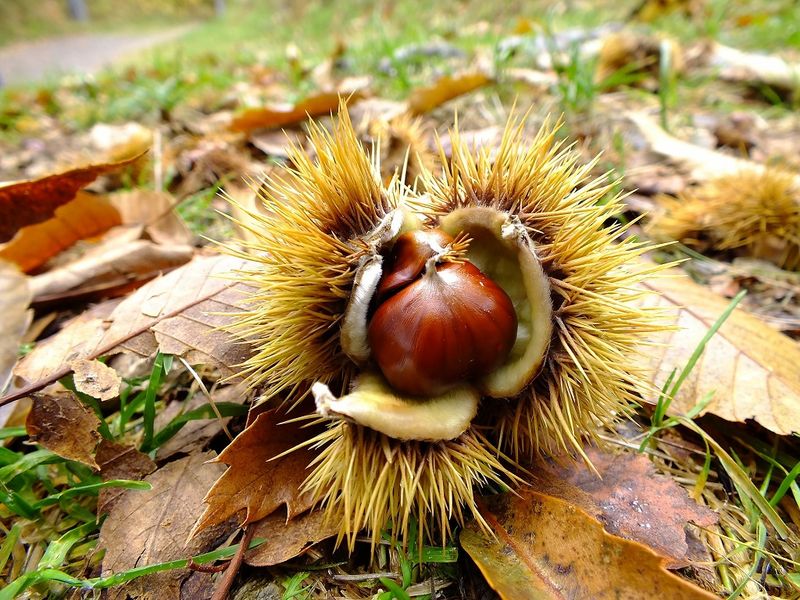
Soggy feet are a chestnut’s worst nightmare. American chestnuts evolved on ridges and slopes, where rain drains away quickly and the soil stays loose.
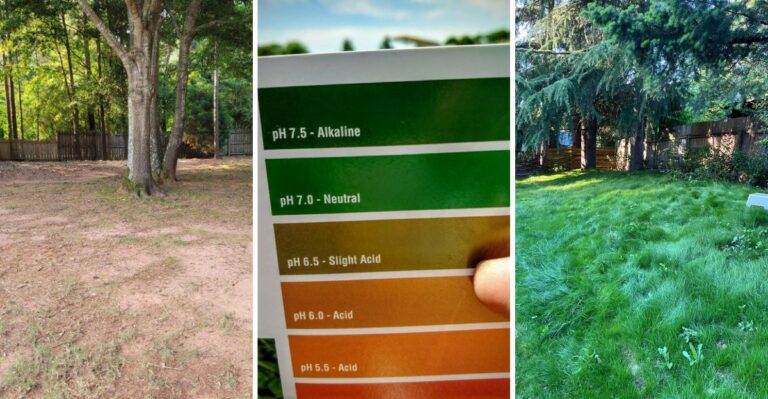
Aim for well-drained sandy or loamy soil with a slightly acidic pH, roughly 4.5 to 6.5. Heavy clay or low spots that puddle after storms invite root rot.
A cheap soil test through your Cornell Cooperative Extension county office can tell you where you stand.
Sunlight matters just as much. Full sun, meaning six or more hours a day, helps young trees grow fast and flower sooner. In shade, chestnuts tend to stall and stretch.
Try this quick drainage test before planting. Dig a hole about a foot deep, fill it with water, and see how long it takes to empty. If water lingers more than a few hours, pick another spot.
Most of the state falls in USDA zones 4 through 7, and American chestnuts generally handle that range well. Colder pockets in the Adirondacks can be tougher, so sheltered sunny slopes help there.
Give your tree room, too. Mature chestnuts can top 60 feet, so keep them clear of houses and power lines.
Plant Two Chestnut Trees Or Say Goodbye To Nut Harvests
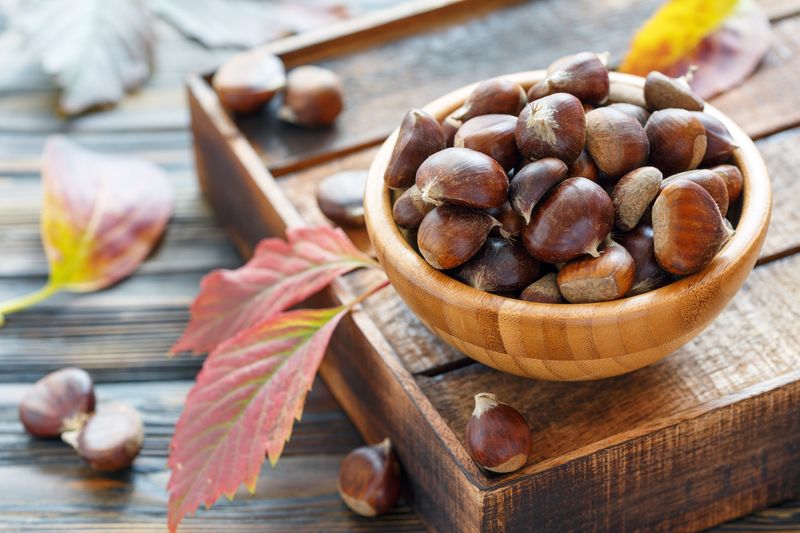
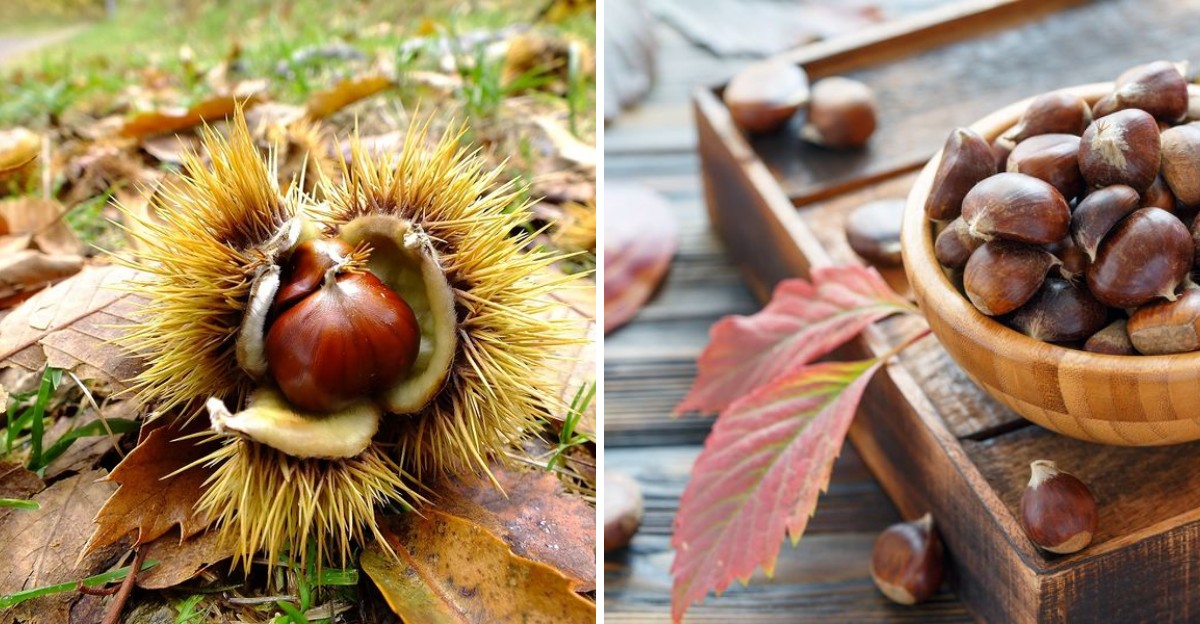
Chestnuts are social creatures, at least when it comes to making nuts. A single American chestnut mostly cannot pollinate itself, so a lone tree usually produces empty burs.
You will want at least two trees from different parents. Plant them within a few hundred feet of each other, since chestnut pollen travels mainly by wind.
Many growers space trees about 35 to 40 feet apart, which gives each canopy room to spread.
Flowering happens in early summer, often around late June in much of the state. Long, creamy catkins cover the branches, and they have a strong, musky scent that some folks find a bit funky. Trust me, you will notice it on a warm evening.
Bees and other insects visit the blooms, but wind does most of the pollination work. After that, spiny green burs swell through summer and split open in fall.
Small yard? Talk with a neighbor about planting a second tree on their side. I love the idea of two households sharing one pollination partnership.
Seed-grown trees can start flowering in roughly five to eight years in good sun, sometimes sooner. Patience pays off here.
Cold-Stratified Chestnut Seeds Need Protection From Squirrels
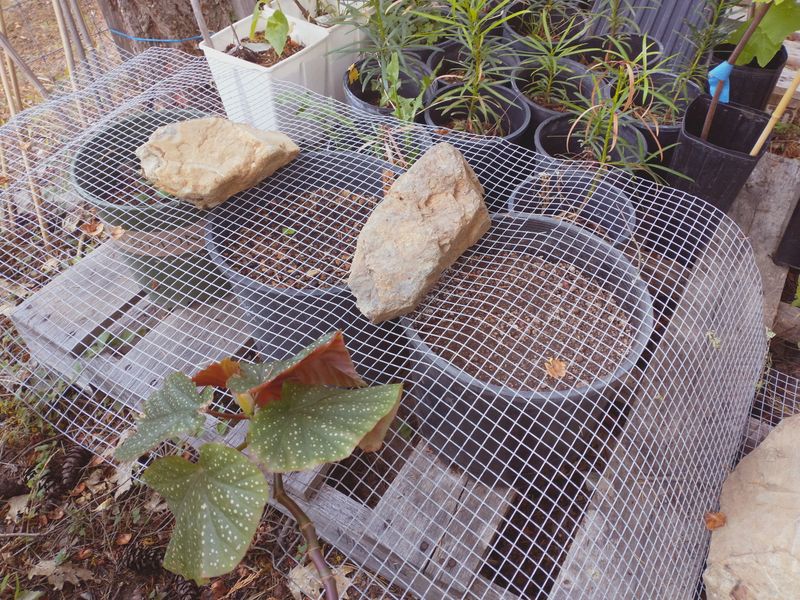
Squirrels, chipmunks, and mice adore chestnuts as much as people do. A freshly planted nut can disappear overnight, so a little planning saves heartbreak.
Chestnut seeds need cold stratification before they sprout. Store them in a bag of slightly damp peat moss or sand in the refrigerator at about 34 to 40 degrees for 60 to 90 days.
Check them every few weeks, because chestnuts dry out quickly and lose viability once they shrivel.
Plant outdoors in spring after the soil thaws, usually April or May depending on where you live. Bury each nut about an inch deep on its side or with the pointy end down.
Now for the squirrel defense. Cover each planting spot with a cage of hardware cloth, pinned firmly into the ground. Once the seedling grows, swap in a tree tube or taller wire guard.
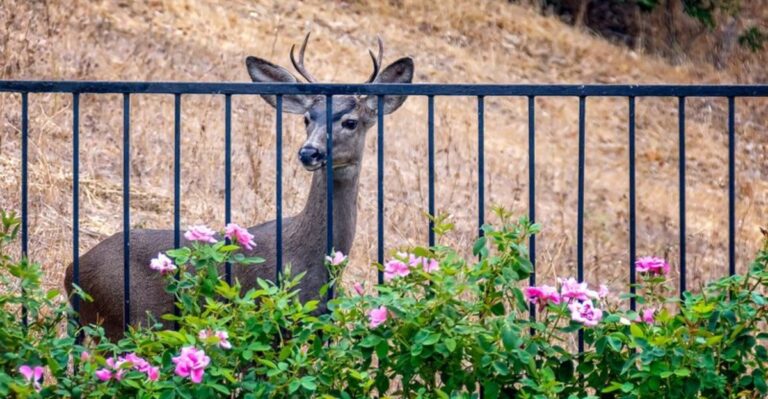
Deer browse young chestnut leaves too, especially in suburbs. A sturdy guard for the first few years is worth every penny.
Water seedlings weekly during dry spells their first summer. A ring of wood chip mulch keeps roots cool, but keep it a few inches from the stem.
Orange Cankers On Chestnut Bark Are Worth A Closer Look
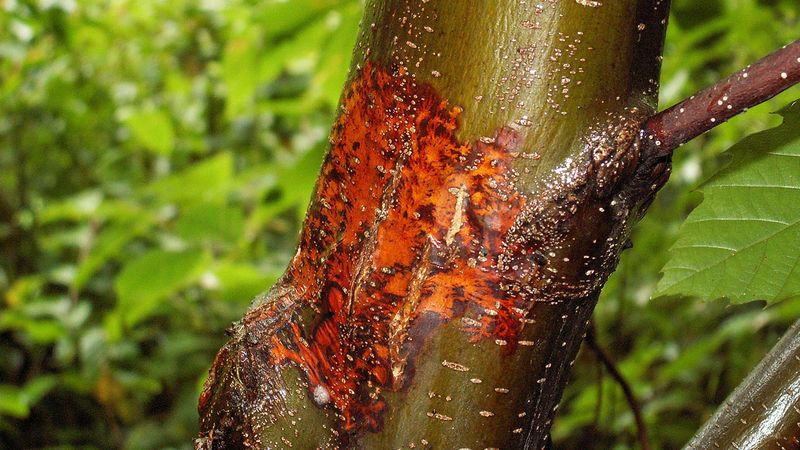
Sooner or later, many backyard American chestnuts meet the blight. Spotting it early helps you plan rather than panic.
Watch the bark for sunken or swollen areas, often with cracks and tiny orange or yellow pimples. Leaves above the canker may wilt and turn brown while still clinging to the branch in summer. That flag of brown leaves is often the first clue.
Blight spreads through wounds, so avoid nicking the trunk with mowers and trimmers. Mulch rings make a simple buffer.
Some researchers and hobbyists experiment with packing cankers in soil or using weaker hypovirulent strains of the fungus. Results vary, and these methods are tools for managing, not cures.
When a main stem gets girdled, the roots often send up new sprouts. Many growers let the strongest sprout replace the old stem.
Here is a tip I love. Contact the TACF New York chapter if your tree reaches flowering size, since they track mature trees for pollen and breeding. Your yard tree might become part of the bigger restoration story, even with blight scars.
Your Backyard Chestnut Could Feed Bears, Deer, And Future Forests
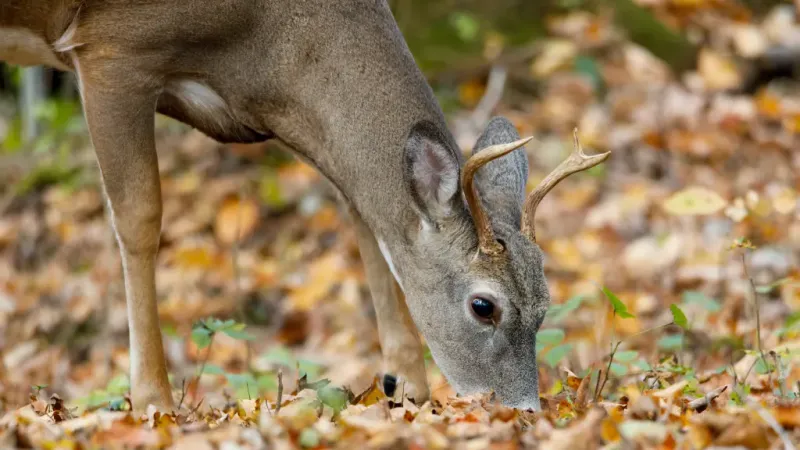
Long before acorns took center stage, chestnuts were the dependable fall feast of eastern forests. Unlike oaks, which have boom and bust years, chestnuts flowered after late spring frosts and produced fairly steady crops.
Black bears, white-tailed deer, wild turkeys, blue jays, and squirrels all relied on them. People did too, roasting nuts, selling them in cities, and building with the straight, rot-resistant wood.
A single backyard tree will not rebuild that whole system. Still, every flowering American chestnut adds pollen, seeds, and genetic variety that restoration needs.
So what are your next steps? Join TACF or its New York chapter, test your soil, and pick a sunny, well-drained site this winter. Order seeds or seedlings early, since supplies are limited.
Share your progress with local garden clubs and schools. Kids get excited about a tree with a comeback story, and curious neighbors might plant a pollination partner.
I believe the most hopeful part is the timeline. A chestnut you plant this spring could still be standing when blight-tolerant trees finally reach backyards. That feels like a gift to gardeners who haven’t been born yet.