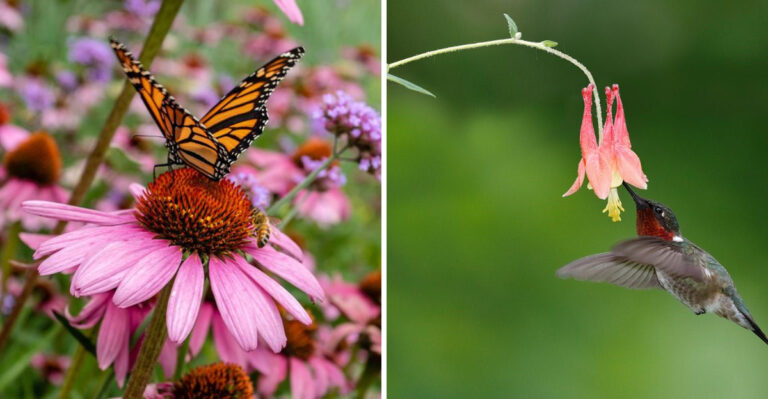
12 Plants Virginia Gardeners Use To Build A Monarch Waystation
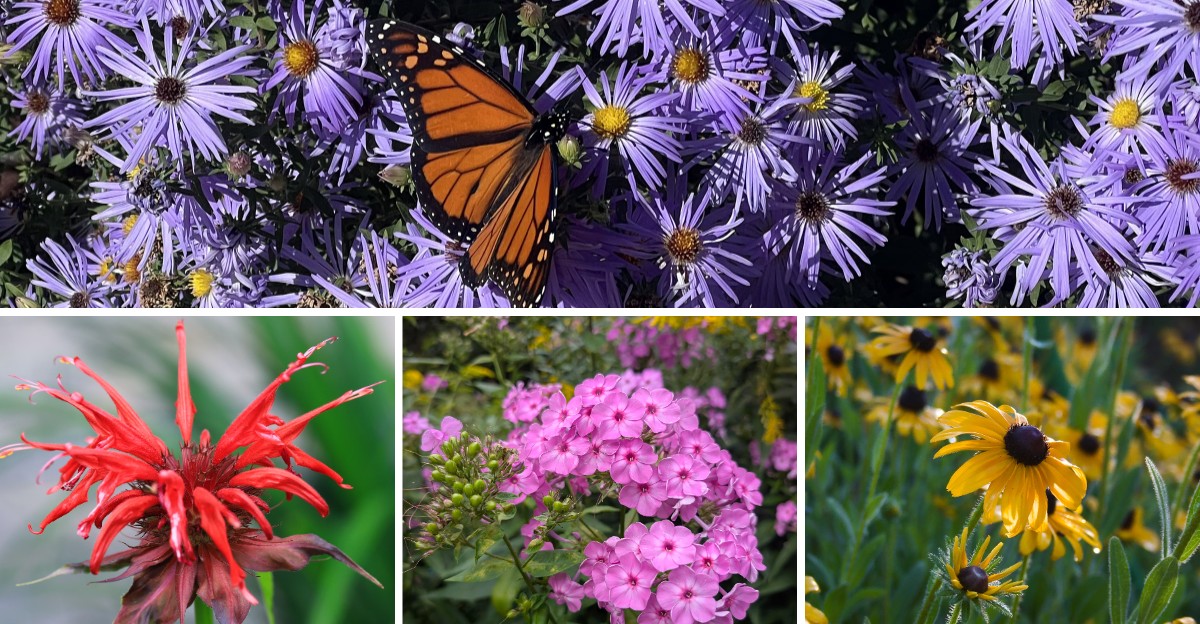
The monarchs drifting through Virginia this month can live up to eight months, while their summer parents lasted mere weeks.
That long-lived generation is flying roughly two thousand miles toward a few mountain forests in central Mexico.
Every one of those travelers needs sugary fuel along the way, and their babies need one very particular menu. A female monarch tastes leaves with her feet before laying a single egg, which still makes me grin.
I love how a small sunny bed can act like a roadside diner for these orange-winged commuters. You need surprisingly little space, and Virginia gardeners can even register their patches as official Monarch Watch waystations.
October is a fine time to plan, since cool soil helps new perennials settle in before winter arrives. So which twelve plants deserve a sunny spot in your own butterfly rest stop this fall season?
1. Swamp Milkweed
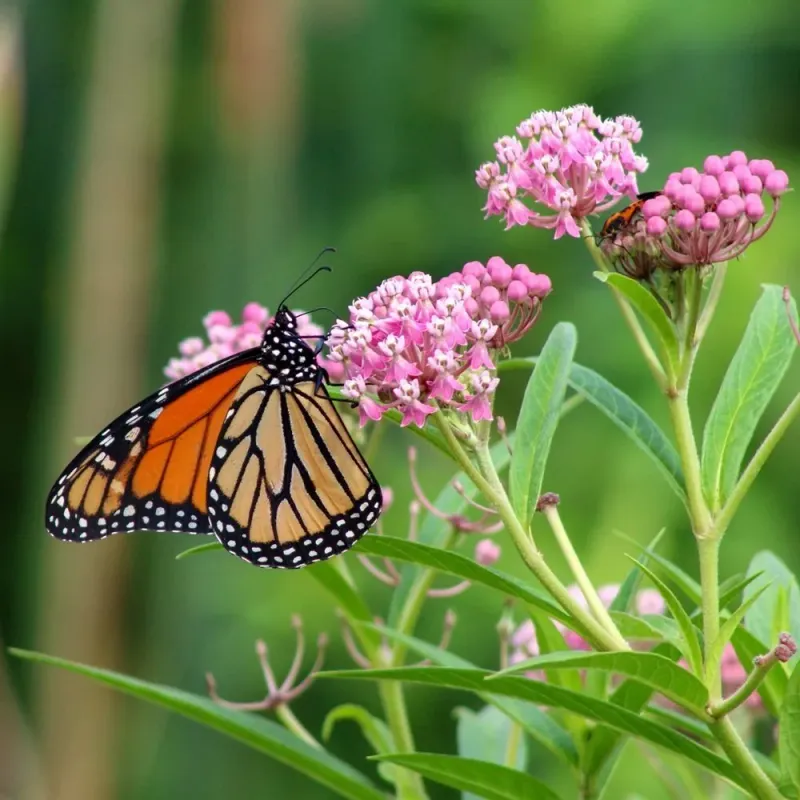
Don’t let the soggy name scare you, because this pink beauty smells faintly like vanilla on warm afternoons. Monarch females love its slender leaves, and I often find tiny cream eggs tucked underneath them.
Asclepias incarnata naturally grows along stream banks and wet meadows, yet it handles average garden soil surprisingly well. Give it full sun and steady moisture, and it will reach about three to five feet tall.
Unlike its rowdy cousin, this milkweed stays in a tidy clump instead of running underground across your beds. That polite habit makes it a smart choice for small yards or neat borders near the patio.
Right now in October, the plants are splitting open slender pods filled with silky, parachute-like seeds. Collect a few before they float away, then scatter them outdoors in late fall for natural cold treatment.
Personally, I leave a few pods hanging because their silky bursts look magical on frosty autumn mornings. Cut the remaining stems back in early spring once new shoots begin pushing up through the soil.
2. Butterfly Weed
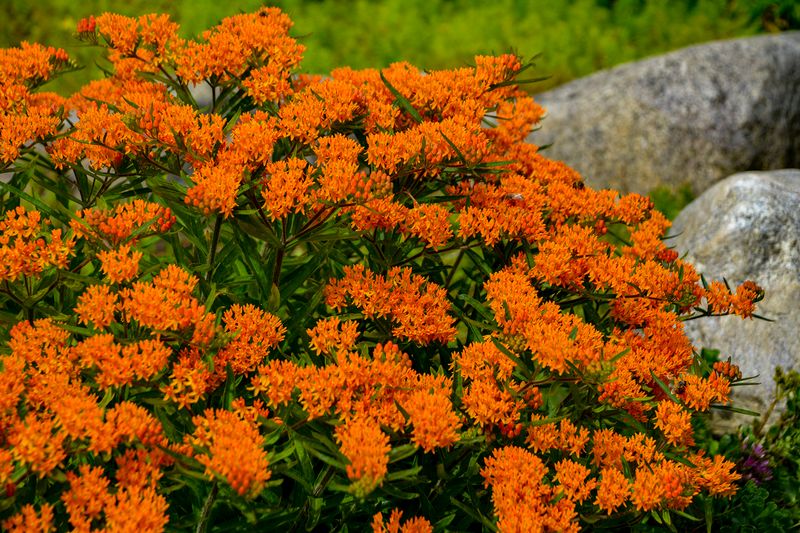
Few flowers glow quite as orange as butterfly weed, which practically matches the wings of the monarchs visiting it. I have to admit, the first time I saw one blooming, I thought someone planted traffic cones.
Asclepias tuberosa is unusual among milkweeds because its sap runs clear instead of milky white when stems snap. It still feeds monarch caterpillars, though females often prefer leafier milkweeds when they have a choice.
Plant it in full sun and lean, sandy soil where fussier perennials tend to sulk and struggle badly. A deep taproot lets it shrug off summer drought once the plant has settled in for a season or two.
That same taproot means you should pick a permanent spot, because moving an established plant rarely ends well. Young container plants set out in early October usually root nicely while the soil still holds warmth.
You might notice it waking up late each spring, long after your other perennials have leafed out. Mark its location with a small stake so nobody accidentally digs into the crown while planting bulbs.
Your Virginia Garden Changes Every Week. Your Plan Should Too.
Gardening in Virginia changes quickly throughout the season. Every Friday you’ll receive a simple weekly plan showing exactly what to plant, prune, fertilize, harvest, and protect so you never miss the right timing.
3. Common Milkweed
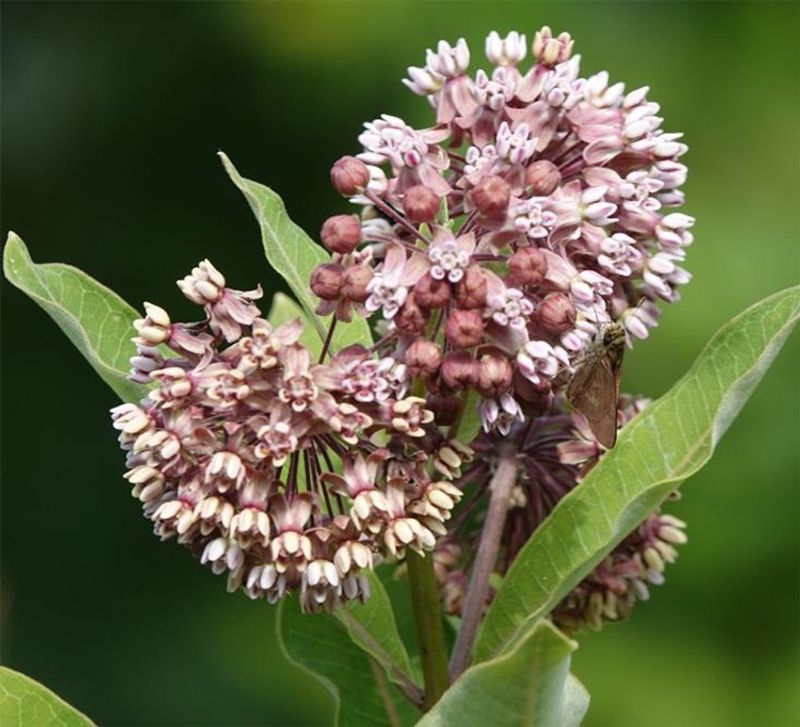
Walk past a blooming patch in June and the sweet perfume might stop you right in your tracks. The dusty pink flower balls smell like honey and lilac mixed together, at least to my nose.
Asclepias syriaca is the classic host plant, and its broad leaves can feed a hungry caterpillar through every growth stage. Each caterpillar munches for roughly two weeks before forming that gorgeous jade chrysalis with gold dots.
Fair warning, this plant spreads by underground rhizomes and loves popping up several feet from where you planted it. Give it a meadow corner or a fence line where wandering stems won’t bother anyone nearby.
The plants usually stand four to six feet tall and handle dry, poor soil with surprising toughness. Wear gloves when handling broken stems, since the milky sap can irritate your skin and eyes.
October brings big warty pods that split and release floating seeds across the neighborhood on breezy days. Snip pods before they open if you want to limit volunteers in your tidy flower beds next year.
4. Whorled Milkweed
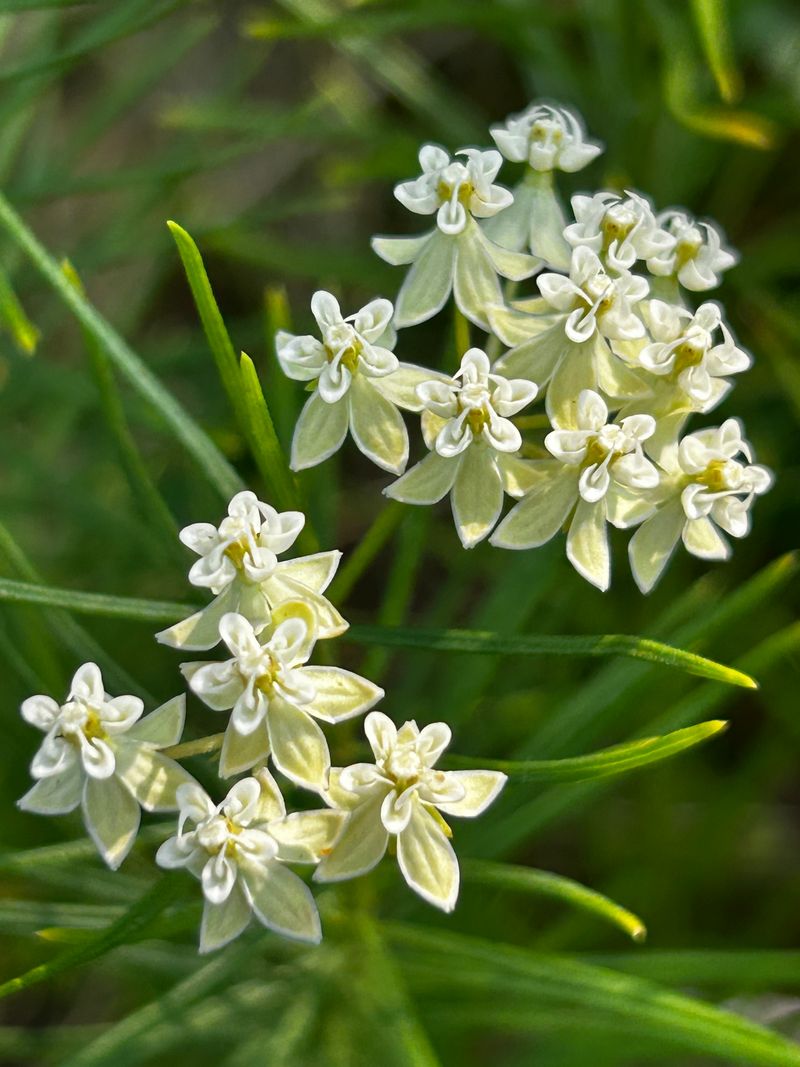
Most people walk right past whorled milkweed, mistaking its needle-thin leaves for some kind of wispy grass. I love how this delicate oddball looks nothing like its chunky relatives yet still feeds monarch caterpillars.
Asclepias verticillata produces small greenish-white flower clusters from midsummer into early fall, often after other milkweeds finish. Those late blooms help supply nectar when many garden flowers start fading in the heat.
Plants typically grow about one to two feet tall, making them perfect for the front edge of sunny beds. They thrive in dry, well-drained ground and handle hot, rocky slopes better than most perennials can.
Deer tend to leave it alone, which is a huge relief for anyone gardening near wooded edges. It does spread gently by rhizomes, so expect a loose drift rather than one tidy clump over time.
Since the foliage is so fine, small caterpillars can be tricky to spot, so look closely during summer. Save some of its slender pods this month and share seeds with friends who want monarch plants.
5. New York Aster
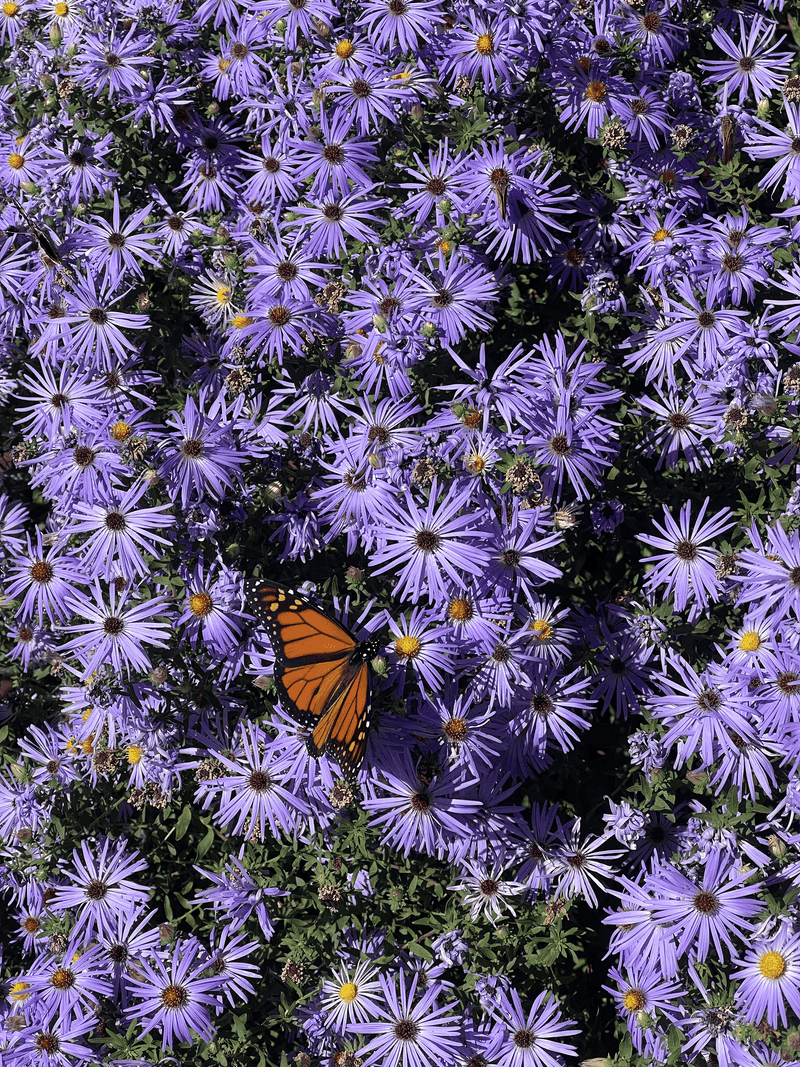
When October arrives and most gardens look tired, New York aster blooms into clouds of violet-blue stars. Migrating monarchs drop in to sip, and I swear the purple and orange combination looks almost staged.
Symphyotrichum novi-belgii grows wild in wet coastal areas, including the eastern part of Virginia near tidal marshes. In home gardens, it prefers full sun and soil that stays moist without becoming a muddy mess.
Plants usually reach three to four feet tall and may flop by fall if they grow too lush. Pinch the stem tips back by half in early summer to keep them bushy and loaded with buds.
Asters also feed dozens of moth and butterfly caterpillars, including the pearl crescent, a small orange beauty. That makes this plant a two-for-one deal, offering nectar for adults and leaves for young insects.
If powdery mildew dusts the lower leaves, give the plants more space and better airflow next season. Divide crowded clumps every few years in spring to keep them vigorous and blooming at their best.
6. Threadleaf Coreopsis
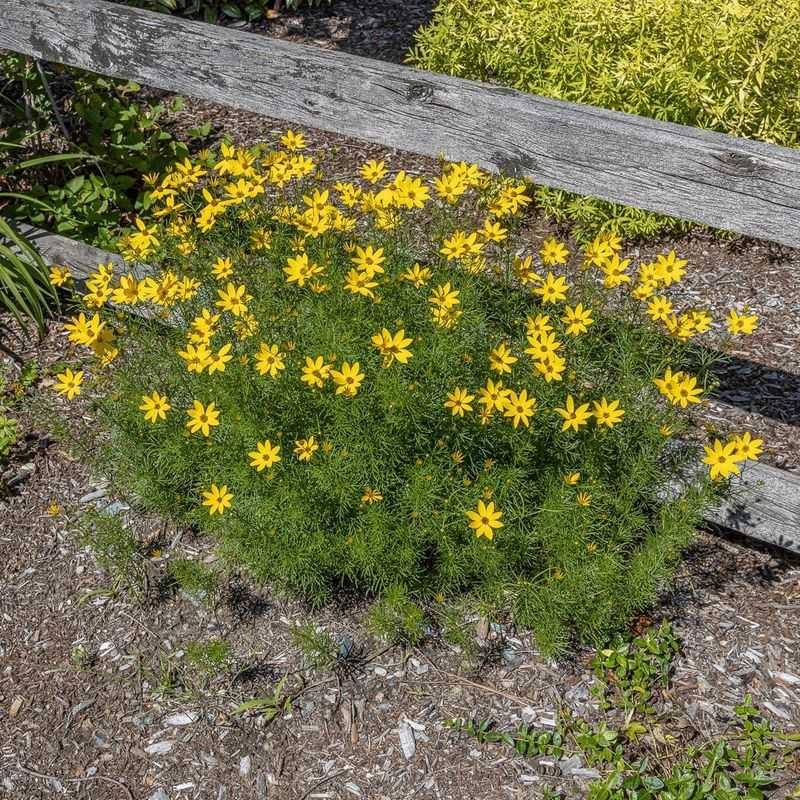
Feathery foliage and buttery yellow daisies give threadleaf coreopsis the look of a tiny sunlit firework. Butterflies bounce between the flat blossoms, which make easy landing pads for tired wings on summer afternoons.
Coreopsis verticillata is native to parts of the eastern United States, including Virginia, and thrives in hot sunny spots. It tolerates dry, poor soil, which makes it a lifesaver for that patch where nothing else grows.
Plants form dense mounds about one to three feet tall that slowly spread outward by underground stems. Blooms usually appear in early summer and can continue for weeks with very little fuss from you.
Shear the plants back by about one third in midsummer, and you will often get a fresh flush of flowers. By October, blooms have mostly faded, so tidy the clumps lightly and leave the rest for winter.
I believe every waystation needs a few easygoing plants like this, because not every bed gets babied. Avoid rich, soggy soil, since too much moisture can cause the crowns to rot over colder months.
7. Bee Balm
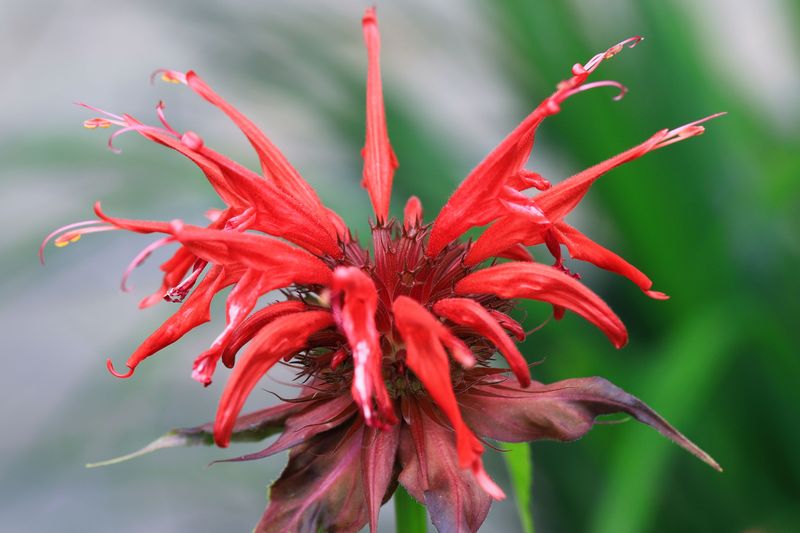
Crush a leaf of bee balm and your fingers will smell like minty, citrusy herbal tea for an hour. The shaggy scarlet flowers look like little firework bursts, and hummingbirds treat them like a private buffet.
Monarda didyma grows naturally along Appalachian mountain streams, so it appreciates rich, moist soil in the garden. Full sun brings the most blooms, though afternoon shade helps plants in hotter areas of Virginia.
Monarchs and swallowtails visit the tubular flowers, although long-tongued visitors reach the nectar most easily. Pair it with flatter flowers nearby so short-tongued butterflies have plenty of easy dining choices too.
Plants spread by shallow rhizomes and typically grow two to four feet tall in dense, upright patches. Powdery mildew often appears late in the season, so space plants generously and water at the base.
October is a great time to cut back mildewed stems and toss them in the trash, not the compost. Look for mildew-resistant cultivars like Jacob Cline if you plan to add more plants next spring.
8. Summer Phlox
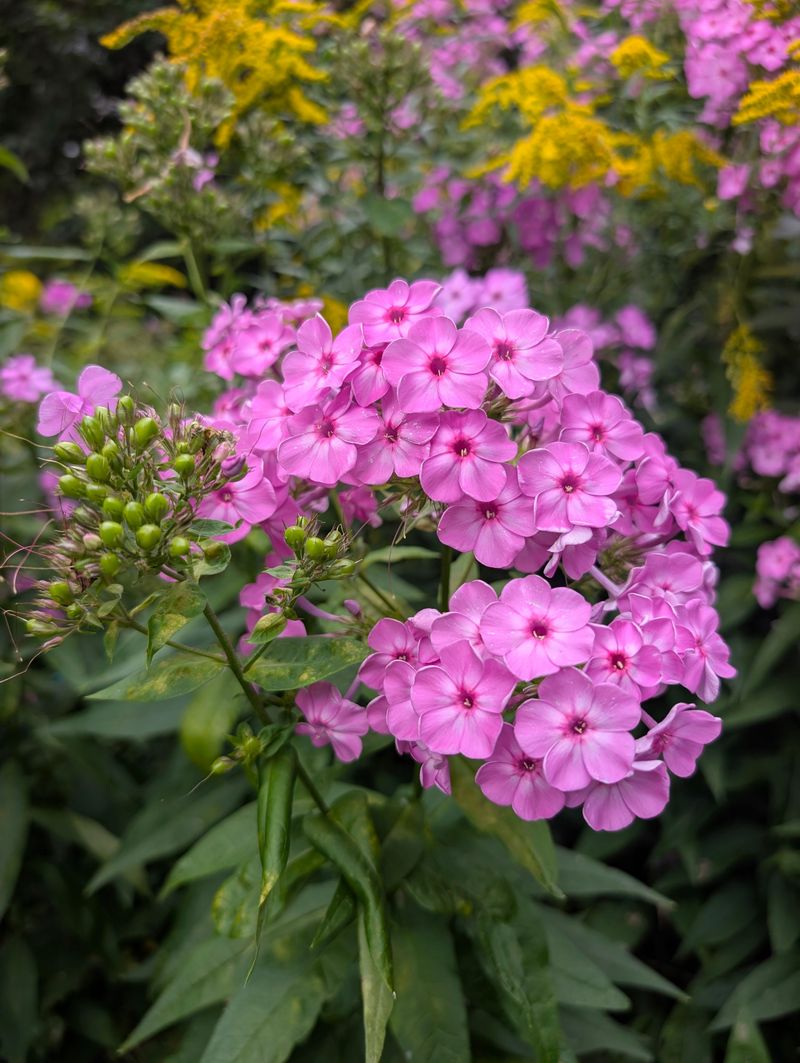
Summer phlox perfumes a warm evening so sweetly that I catch myself lingering outside long after sunset. Its big domed flower heads come in shades of pink and lavender, and butterflies seem to adore them.
Phlox paniculata has long, narrow flower tubes that suit butterflies and moths with lengthy tongues perfectly. Monarchs and hummingbird moths often stop by for sips throughout the late summer season.
Plants grow about two to four feet tall and prefer full sun with soil that stays evenly moist. Mulch helps keep roots cool during hot spells, which reduces stress and keeps blooms coming longer.
Powdery mildew is the classic phlox complaint, but thinning stems in spring improves airflow quite a bit. Choose resistant varieties such as Jeana, which attracted loads of butterflies during Mt. Cuba Center trials.
This month, cut back spotted foliage and clean up fallen leaves to reduce disease spores next year. Trimming during summer encourages side shoots and prevents seedlings that rarely match the parent’s flower color.
9. New York Ironweed
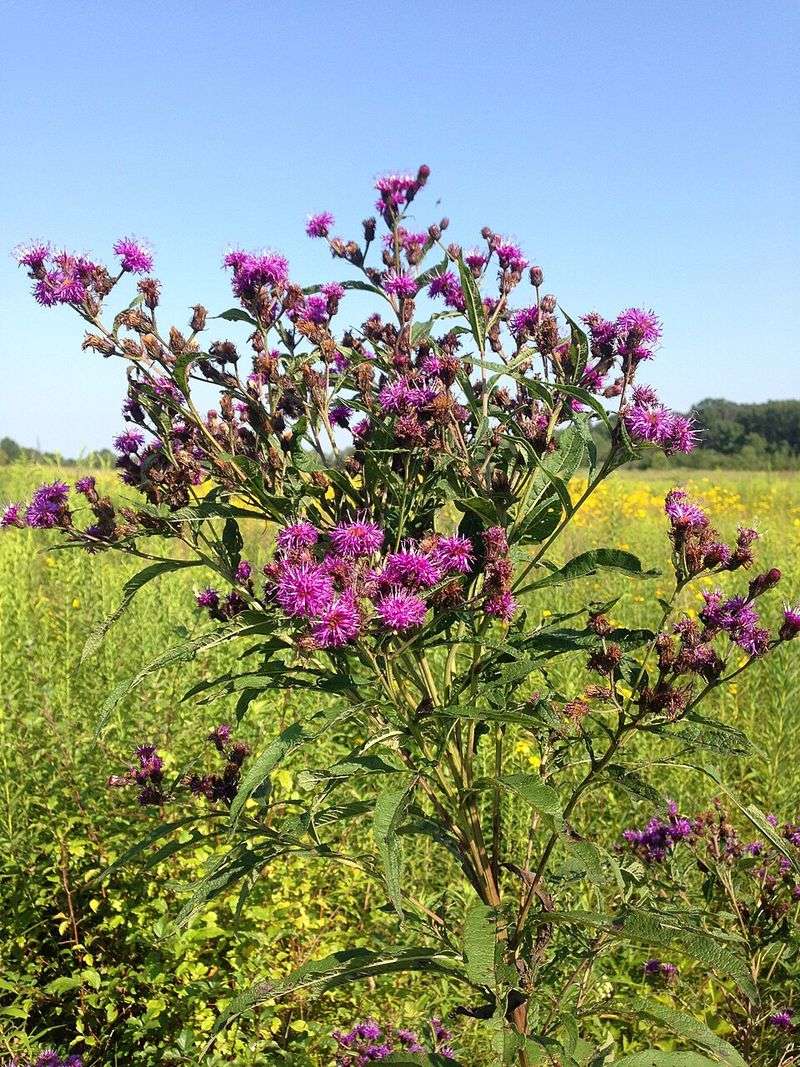
Towering above my head some years, New York ironweed wears flowers so purple they almost look electric. Migrating monarchs flock to those fuzzy late blooms, which usually last from August into early fall.
Vernonia noveboracensis is native to the eastern United States and grows wild in moist meadows and roadside ditches. It handles heavy clay and seasonally wet soil, making it a hero for low, soggy corners.
Expect plants to reach five to eight feet tall, so place them at the back of your borders. You can cut stems back by half in late spring to create shorter, bushier plants with more flowers.
The common name comes from its tough, wiry stems, which stand firmly through wind and autumn rain. Bees and skippers also visit, turning the plant into a busy late-season hangout spot for pollinators.
Ironweed can self-seed generously, so snip off flower heads after they fade if you want fewer babies. Leave a few stems standing through winter, since overwintering insects often shelter inside old plant stalks.
10. Sweet Goldenrod
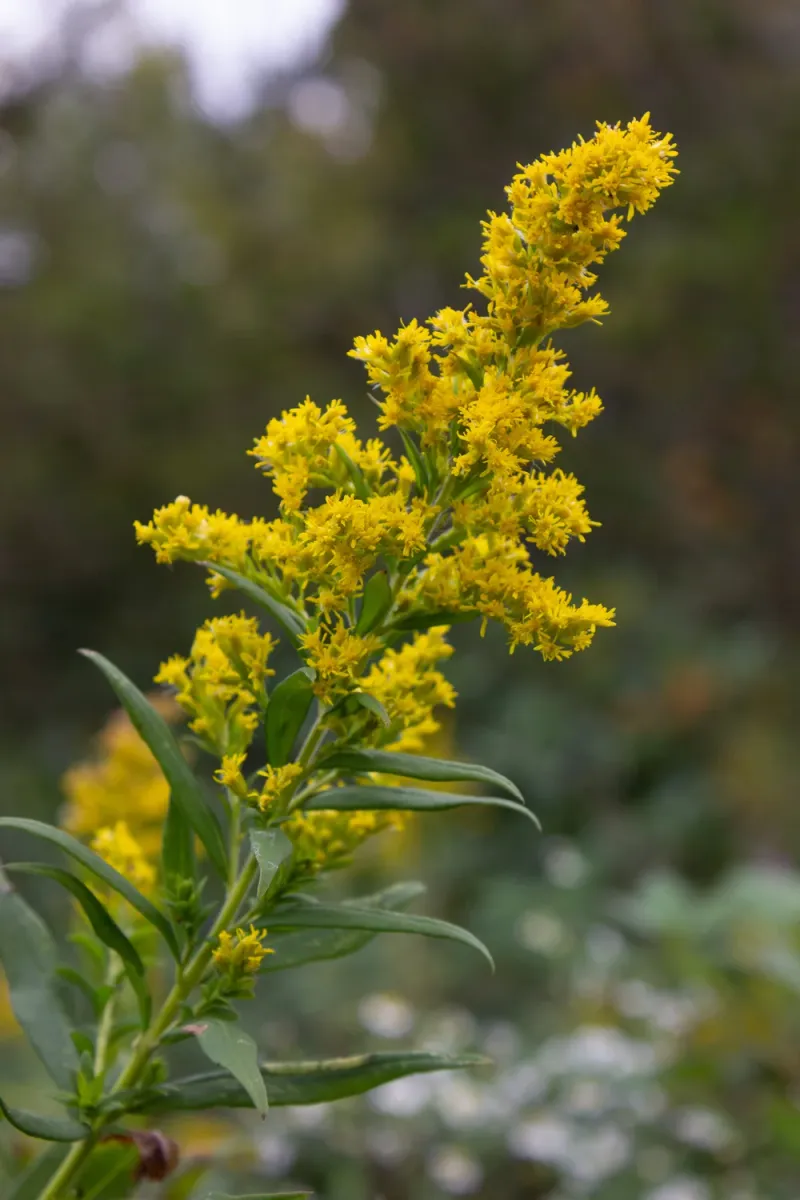
Rub a leaf of sweet goldenrod between your fingers and you will smell licorice, which honestly surprised me. Early Americans brewed the leaves into a tea, and some even shipped it overseas for sale.
Solidago odora sends up graceful yellow plumes from late summer into fall, just as monarchs begin heading south. Goldenrod gets blamed for hay fever, but ragweed is usually the real culprit since goldenrod pollen is heavy.
Unlike some aggressive goldenrods, this species forms well-behaved clumps about two to four feet tall. It loves full sun and dry, sandy, acidic soil, which suits many gardens in the eastern part of the state.
Goldenrods support well over one hundred kinds of moth and butterfly caterpillars, according to research by entomologist Doug Tallamy. Planting one gives you a busy little ecosystem rather than just another pretty flower.
October is peak bloom in many areas, so watch for monarchs and bees sharing the flowers on sunny afternoons. Avoid fertilizing, because rich soil makes stems floppy and weakens the scent that makes this plant special.
11. Joe-Pye Weed
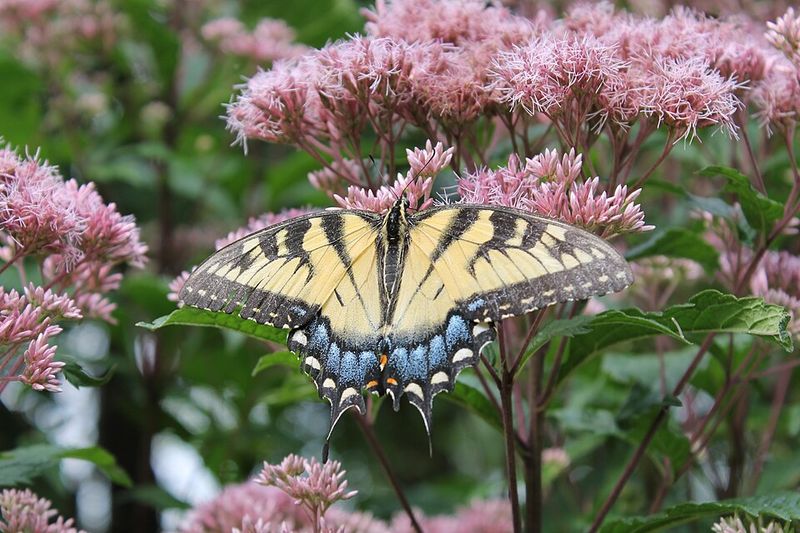
Joe-Pye weed grows so tall that standing beside it feels like visiting a friendly giant in your garden. Its huge dusty pink flower domes can hold several butterflies at once, which makes for spectacular photos.
Eutrochium fistulosum, often called hollow Joe-Pye weed, has purple-tinged hollow stems that can top eight feet tall. Monarchs and swallowtails cover the blooms during late summer, sipping nectar for hours on warm days.
Give it full sun to partial shade and moist, rich soil, such as a rain garden or pond edge. Once established, it tolerates clay and short dry spells better than you might expect from a moisture lover.
If eight feet sounds overwhelming, try the compact cultivar Little Joe, which usually stays around four feet tall. That cultivar is actually a selection of a related species, but butterflies still find it irresistible.
By October, the flowers turn into fluffy seedheads that small birds sometimes visit for a quick snack. Leave the stems standing through winter, then cut them back once fresh growth appears next spring.
12. Black-Eyed Susan
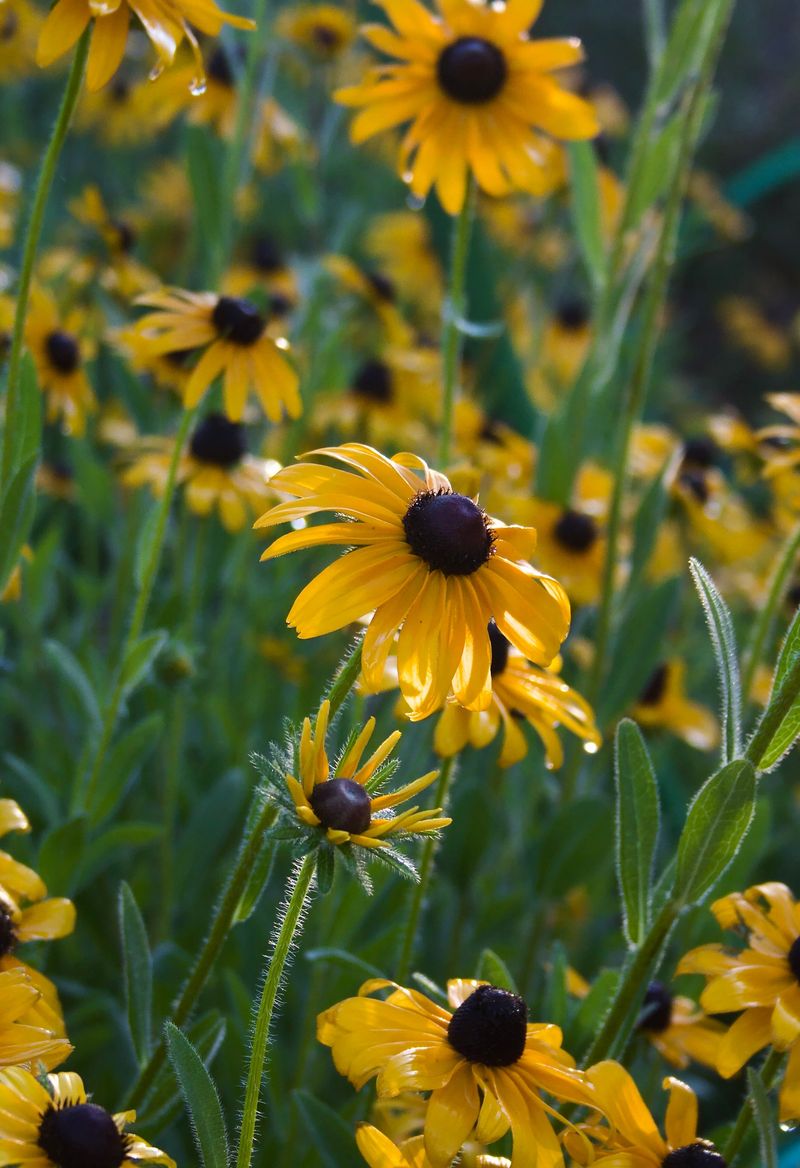
Black-eyed Susan is the friendly golden face that seems to greet everyone along country roads each summer. I can’t imagine a waystation without a few, because they bloom reliably and look cheerful even in drought.
Rudbeckia hirta often acts as a biennial or short-lived perennial, but it reseeds freely to keep the show going. Plants usually grow one to three feet tall and bloom from early summer into early fall.
Butterflies land easily on the flat flowers, sipping nectar while bees work over the domed brown centers. The plant can also host caterpillars of the silvery checkerspot, a small orange butterfly with patterned wings.
Give it full sun and well-drained soil, and it will handle heat and dry spells nicely once roots settle. Deer often skip the hairy leaves, which makes it handy for Virginia yards near woodlands and open fields.
This month, leave seedheads standing so goldfinches can pick out the tiny black seeds on chilly mornings. Scatter a few extra seeds on bare soil now, and you will likely see new rosettes next spring.