Virginia Homeowners Are Choosing This Native Tree Over Weeping Willows And Here’s Why
The tree everyone once wanted by the water is getting some competition.
Weeping willows have a timeless look, but more Virginia homeowners are discovering another native tree that brings beauty, character, and a softer fit for everyday yards.
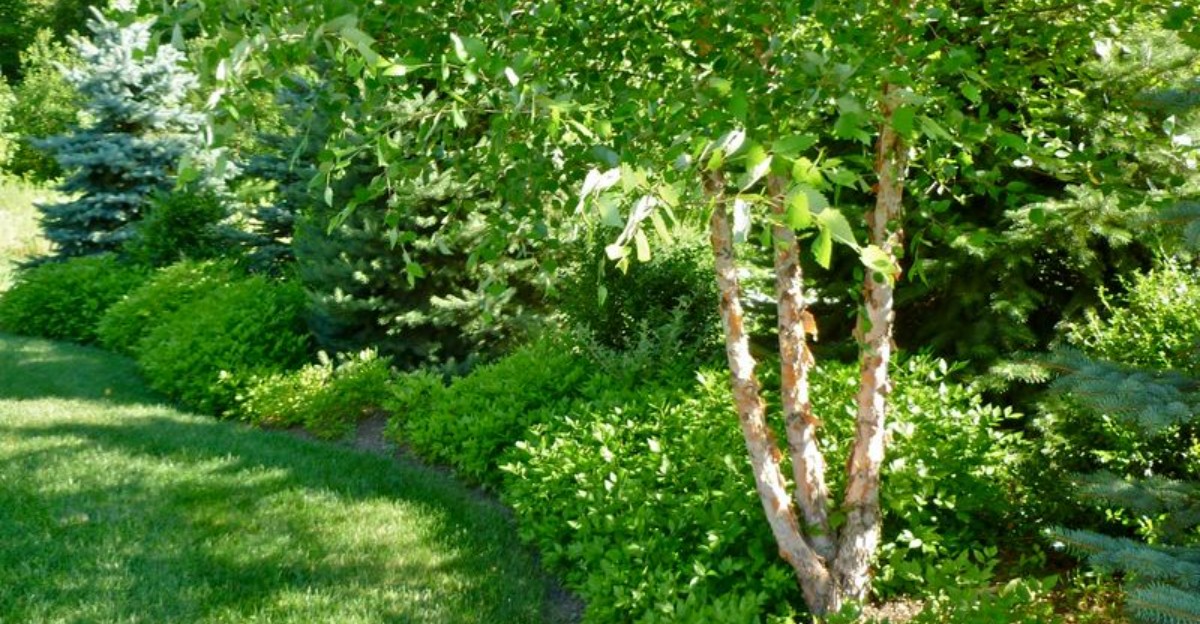
River birch offers graceful branches, eye-catching peeling bark, and a natural charm. It handles moist areas well, grows quickly, and adds something special to the yard.
For homeowners who love the elegant feel of a willow but want a tree that fits their space better, this native option brings plenty of reasons to make it a standout feature in your landscape.
The Willow Look Without The Same Headaches
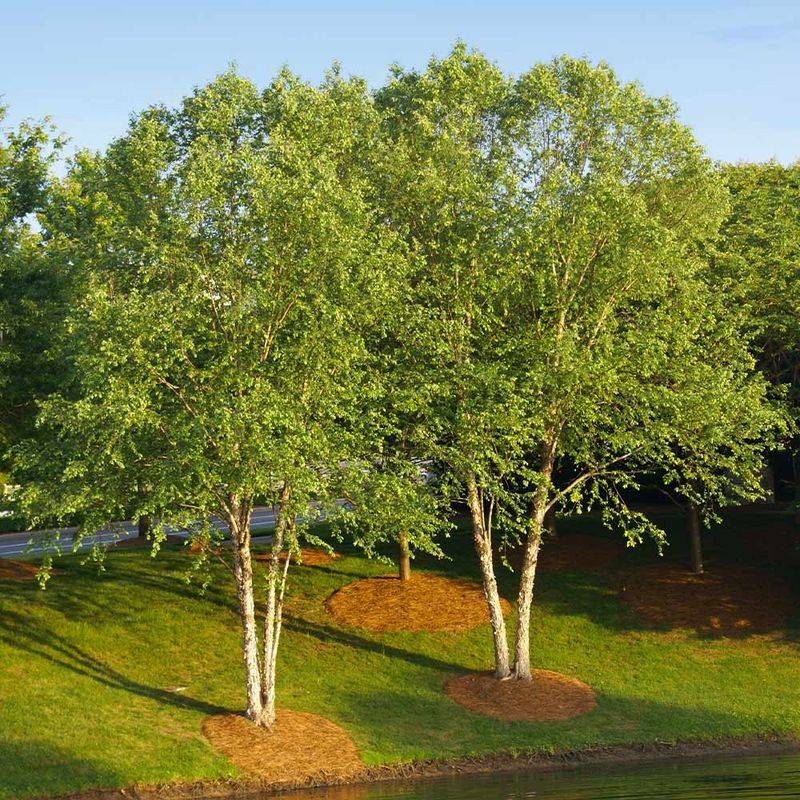
Picture a tree that gives your yard a soft, graceful feel similar to a weeping willow, while fitting more comfortably into many residential landscapes. That’s the river birch, known by its scientific name Betula nigra, and Virginia homeowners have fallen head over heels for it.
This multi-trunked deciduous tree has a light, airy, rounded canopy that brings the same graceful mood many people chase when they plant willows. The difference is that river birch tends to fit residential landscapes much more comfortably.
Being native to the region helps it adapt well to the state’s conditions, especially when planted in moist, well-drained soil.
One of its biggest perks is its greater resistance to bronze birch borer compared with many other birch species. That toughness gives it reliable, dependable performance in yards year after year.
Folks love that they can enjoy the elegant, flowing appearance without babysitting a tree that constantly demands attention. It brings beauty, structure, and a peaceful vibe to any property.
If you’ve admired willows but hesitated because of their reputation for messiness or heavy upkeep, river birch offers a welcome middle ground. You get soft good looks paired with sturdy, native reliability, which is exactly why so many people are making the switch.
Why Virginia Yards Love This Native Tree
There’s something comforting about planting a tree that already calls your area home. River birch is indigenous to a huge stretch of eastern and central North America, reaching from Massachusetts to Minnesota and south to Florida and Texas.
Better yet, it’s native to nearly every county in Virginia.
Because it belongs here, this tree adapts beautifully to all sorts of growing conditions. It leans toward moist, well-drained, slightly acidic soil, but it happily tolerates clay, loam, and sandy ground too.
Sunlight isn’t a big hurdle either. River birch does well in full sun to partial shade, giving homeowners plenty of flexibility when picking a spot.
Speed is another reason gardeners get excited. This tree grows quickly, often adding around 1 to 2 feet of growth per year under good conditions.
That means you won’t wait decades to enjoy real shade and beauty.
Its natural home includes moist areas near streams and floodplains, so it handles wet conditions and occasional flooding better than many trees. That makes it a practical champion for those tricky low-lying or damp sections of a yard.
Your Virginia Garden Changes Every Week. Your Plan Should Too.
Gardening in Virginia changes quickly throughout the season. Every Friday you’ll receive a simple weekly plan showing exactly what to plant, prune, fertilize, harvest, and protect so you never miss the right timing.
For anyone searching for a tree that simply fits the local climate, soil, and rainfall, river birch checks every box. It rewards you with quick growth, easygoing care, and a genuine sense that it belongs right where you planted it.
The Bark Feature That Steals The Show
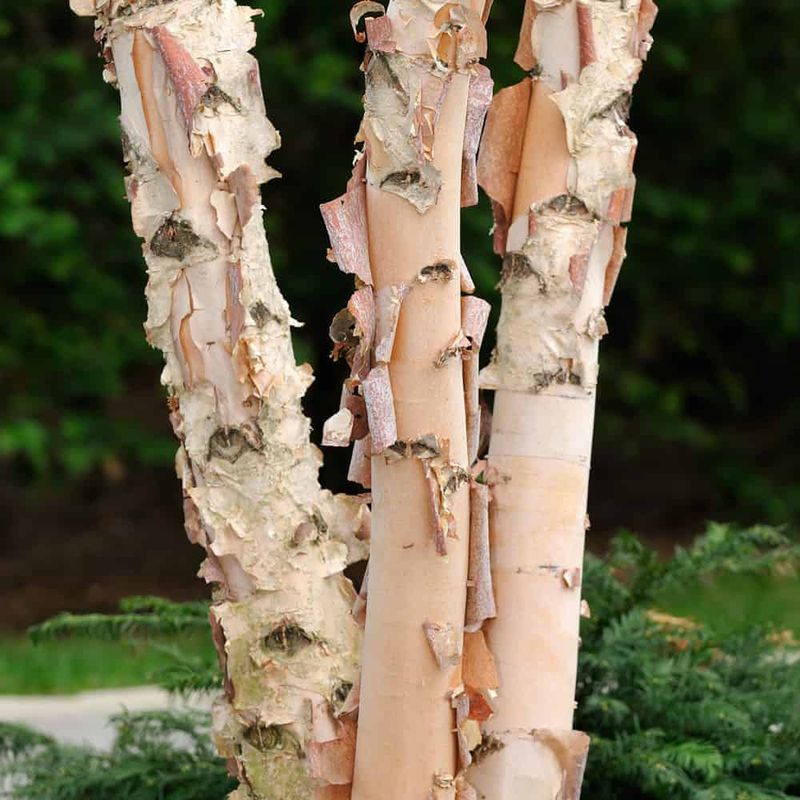
If you only remember one thing about river birch, let it be the bark. This is the tree’s showstopper, and once you see it up close, you’ll understand why people can’t stop talking about it.
The bark is thin, papery, and peels away in soft, curling sheets. As it exfoliates, it uncovers a gorgeous mix of colors underneath, including tan, pink, salmon, creamy-tan, reddish-brown, cinnamon, orange, and even hints of lavender.
What makes this feature so special is that it works all year long. Even after the leaves fall in autumn, the peeling bark keeps your yard interesting, becoming especially eye-catching during quiet winter months.
Imagine walking outside on a cold January morning and spotting that swirl of warm colors against a gray sky. It’s the kind of natural detail that makes a landscape feel alive when everything else looks bare.
On older, more mature trees, the bark near the bottom of the trunk changes over time. It becomes less flashy and develops reddish, grayish-brown, or nearly black scaly patches, while the upper branches keep that lovely peeling texture.
Kids often love touching the papery layers, and it becomes a fun talking point when neighbors visit. Weeping willows offer graceful branches, sure, but they can’t compete with this year-round visual treat.
For homeowners wanting a tree that earns its keep in every season, that peeling bark alone makes river birch a standout choice.
The Moisture Advantage Willow Owners Want
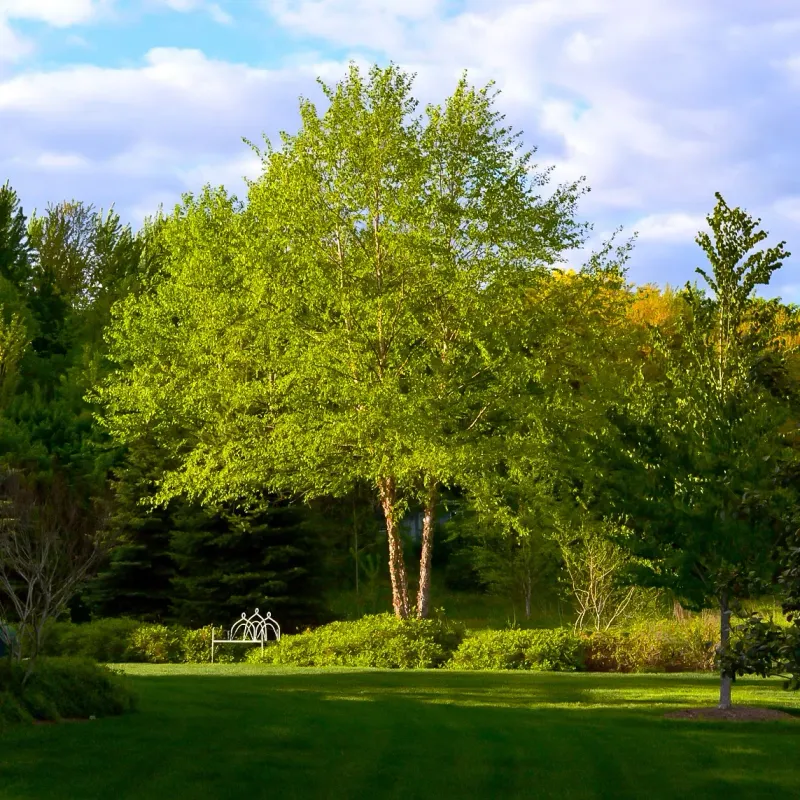
Got a soggy corner where water tends to pool after a storm? That’s exactly the kind of spot where river birch shines, and it’s a big reason willow fans are making the change.
In the wild, river birch thrives along floodplains, streambanks, and riverbanks where the ground stays damp. It handles moist, well-drained soil, poorly drained conditions, and even short periods of flooding without complaint.
That toughness makes it a smart pick for low-lying areas, rain gardens, swales, or drainage zones in your yard. Instead of fighting a wet spot, you can put it to good use.
Here’s a nice bonus: once established, river birch can tolerate fairly dry soil and shows some drought resistance too, though it always performs best with steady moisture.
Compare that to weeping willows, which are famous water guzzlers. Mature willows have high water needs and are often associated with ponds, streams, and consistently moist areas.
River birch gives you that moisture-loving personality without the extreme thirst. It fits naturally into damp landscapes while staying more manageable for the average homeowner.
One important reminder is that river birch isn’t built for ground that stays constantly flooded or waterlogged. It loves consistent dampness, not a permanent swamp.
For homeowners dealing with a naturally wet backyard, this tree offers the moisture advantage willow lovers crave, minus the constant demand for gallons upon gallons of water.
Why It Fits More Backyards Better
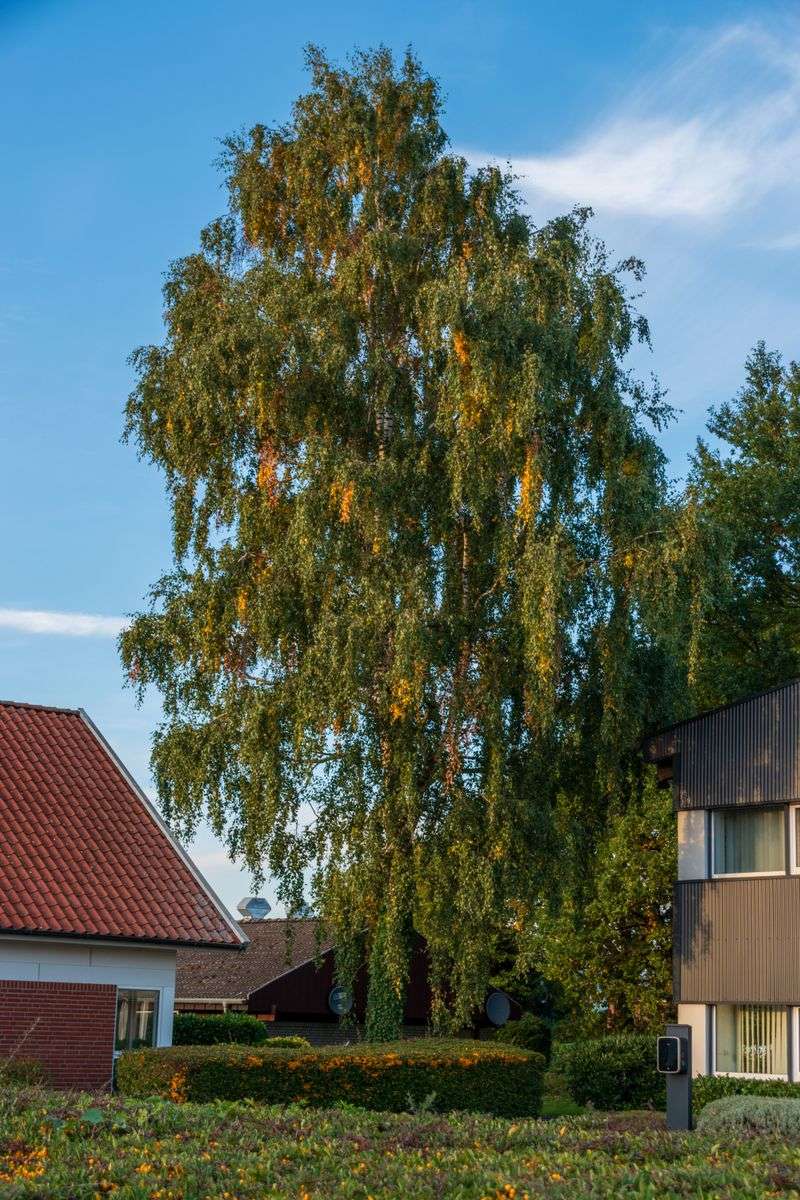
Space matters when you’re choosing a tree, and river birch tends to play nicer with typical yards than a sprawling weeping willow. That practical fit is a huge selling point for busy homeowners.
River birch usually grows 40 to 70 feet tall, with some reaching 80 or 90 feet, and spreads anywhere from 20 to 60 feet. Weeping willows can hit 50 to 82 feet too, but river birch offers cleaner advantages for everyday residential settings.
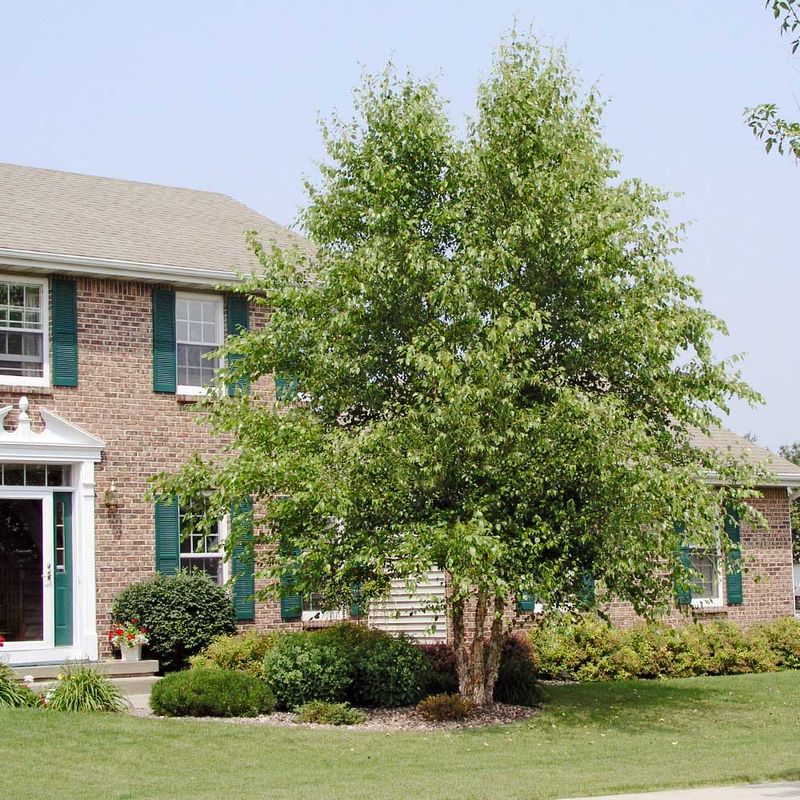
Many river birches are grown with multiple trunks, a form gardeners find especially attractive. Those trunks add structure, character, and beauty while providing valuable cooling shade during warm summers.
When young, the high canopy casts a light, dappled shade that’s perfect for a patio or seating area. As the tree matures, that shade deepens to a pleasant medium coverage.
You do need to plan ahead, though. Because of its mature size and broad root system, river birch should be planted with enough space from structures, sidewalks, and utilities.
That spacing prevents roots from lifting pavement and keeps utility crews from hacking at the branches.
Give it room, and it becomes a graceful anchor for your landscape rather than a headache. Weeping willows demand plenty of space too, so river birch isn’t necessarily smaller, just easier to place thoughtfully.
For most backyards, that balance of beauty, shade, and manageable planting makes river birch the more sensible choice.
The Wildlife Benefits Hidden In Its Branches
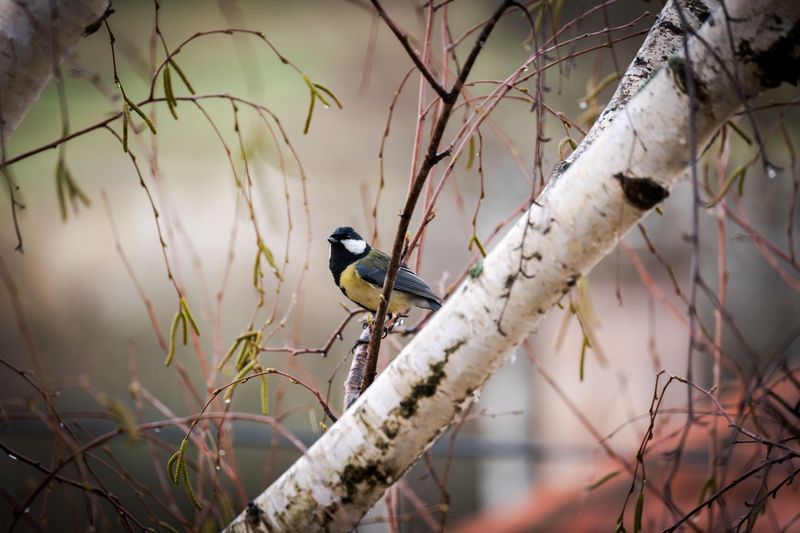
Plant a river birch and you’re not just decorating your yard, you’re throwing open the doors to a whole community of creatures. Native trees like this one help restore biodiversity across suburbs and cities.
River birch supports a wide range of native insects, which in turn provide food for birds and other wildlife. Among them are stunning visitors like the mourning cloak butterfly, luna moth, polyphemus moth, and cecropia moth.
Birds love it too. The tree’s seeds and catkins feed goldfinches, chickadees, titmice, cardinals, purple finches, pine siskins, song sparrows, and even wild turkeys.
Watching a flock of goldfinches nibble at the catkins on a crisp morning is the kind of small joy that makes a yard feel special. It turns an ordinary tree into a living, buzzing habitat.
Larger animals get in on the action as well. White-tailed deer browse the twigs, buds, and leaves, rabbits nibble on twigs and foliage, and beavers use the wood and branches to build their lodges and dams.
Choosing river birch over a purely ornamental tree means your landscape gives back to nature. You get beauty for yourself and a genuine boost for the local ecosystem, which is a win any homeowner can feel proud about.
The Care That Helps It Thrive
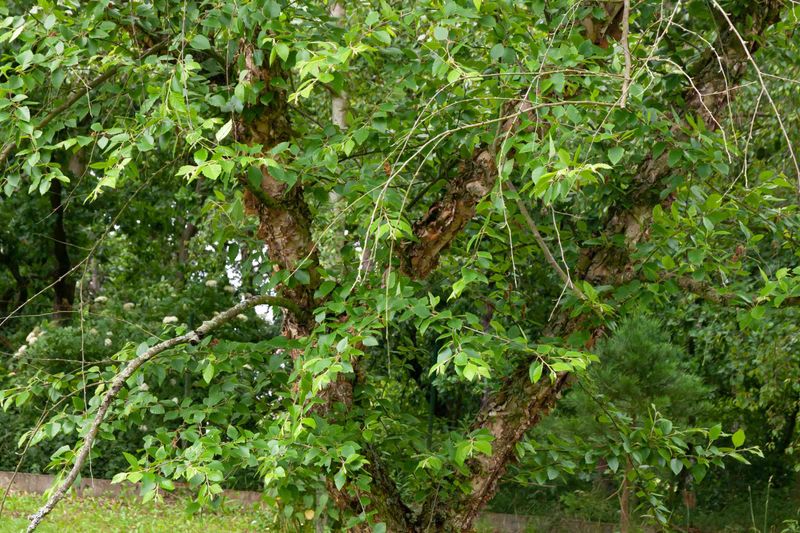
Getting a river birch off to a strong start isn’t complicated, but a little know-how goes a long way. Pick the right spot first, since this tree wants full sun to partial shade and at least four to six hours of direct light each day.
Soil-wise, it prefers moist, well-drained, acidic ground, yet it adapts to clay and sand too. That flexibility makes it forgiving for most yards.
Water is the real priority, especially during the first growing season. Give it a deep drink at least once a week, and more often during hot, dry stretches, so young roots can settle in firmly.
A simple trick helps you check: poke your finger one to four inches into the soil near the base. If it feels dry, it’s time to water.
Mulch works wonders too. Spread a two to four-inch layer of organic mulch around the base, keeping a three-foot radius for new trees and up to six feet for older ones.
Mulch locks in moisture, steadies soil temperature, blocks weeds, and shields those shallow roots. Just leave a few inches of space between the mulch and the trunk so moisture doesn’t cause rot.
Pruning stays light. If pruning is needed, remove dried or damaged branches during summer or after the main sap-flow period.
Keep it watered during droughts, maintain acidic soil, and address pests early. Do that, and your river birch will flourish for years.
The River Birch Mistakes To Avoid
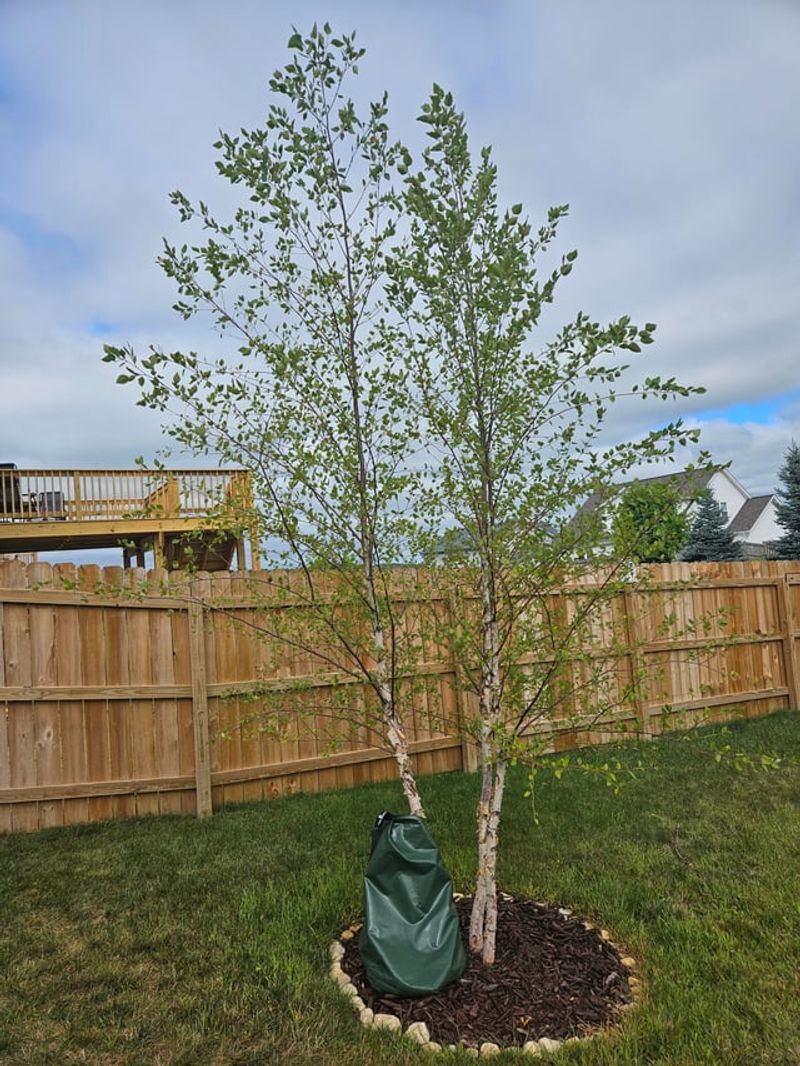
Even an easygoing tree like river birch can struggle when a few simple mistakes sneak in. Knowing what to dodge saves you plenty of frustration down the road.
Skimping on water tops the list. During establishment and hot, dry Virginia summers, a thirsty river birch may drop leaves early and show twig stress, so keep that soil consistently moist.
Forgetting about mature size is another common slip. Since this tree can reach 40 to 70 feet tall and spread up to 60 feet, planting it too close to buildings, sidewalks, or power lines invites trouble, including roots lifting pavement.
Location choices matter a great deal too. River birch dislikes alkaline soil above a pH of 6.5, which can cause yellowing leaves from iron deficiency, a condition called chlorosis.
Heavy shade slows its growth and weakens its health, so avoid tucking it into deeply shadowed corners. Keep it away from older sewer pipes as well, because its water-seeking roots can slip into cracks and cause damage.
Basic neglect will undo all your hard work. Inconsistent watering, piling mulch into a volcano against the trunk, or ignoring early stress signs can seriously harm the tree.
Skipping the removal of dried or diseased branches invites decline too. And remember, river birch can be a bit messy, shedding twigs and inner leaves during dry spells.
Steer clear of these pitfalls, and your Virginia river birch will stay strong, beautiful, and thriving for many happy seasons.