A Small Gray Bird With A White Belly Is Showing Up At Maryland Feeders This Week
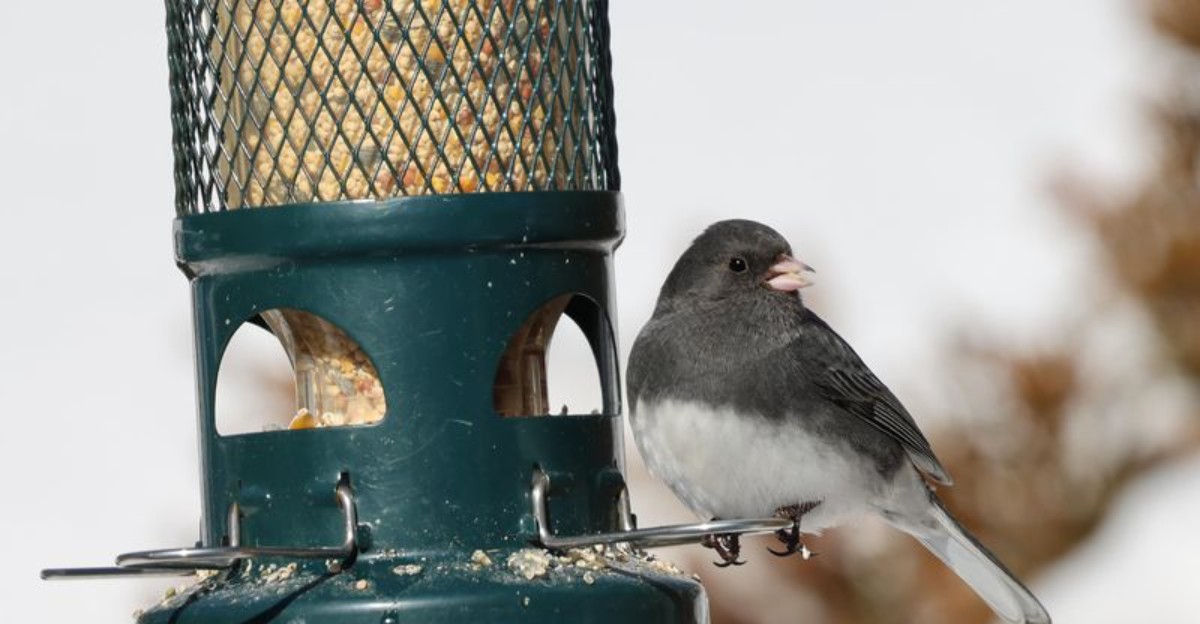
A sparrow with a pink bill and a white belly may have flown hundreds of miles to eat seed under your feeder. Some of these tiny travelers spent the summer in Canadian spruce forests, and now they have picked your yard for winter.
Their arrival is easy to miss, and that is part of the charm. One morning the ground beneath the feeder is empty, and the next it is dotted with neat little gray birds hopping and scratching through the leaves.
Many Maryland backyard watchers notice them as fall weather settles in. You may already have a few visiting without realizing how far they came.
They look plain at first, almost like a smudge of slate against the mulch. Then one takes off, and a flash of bright white tail feathers catches your eye. So who is this polite little visitor, and why does it seem to know exactly when to show up?
That Little Gray Bird Hopping Under Your Feeder Has Excellent Timing
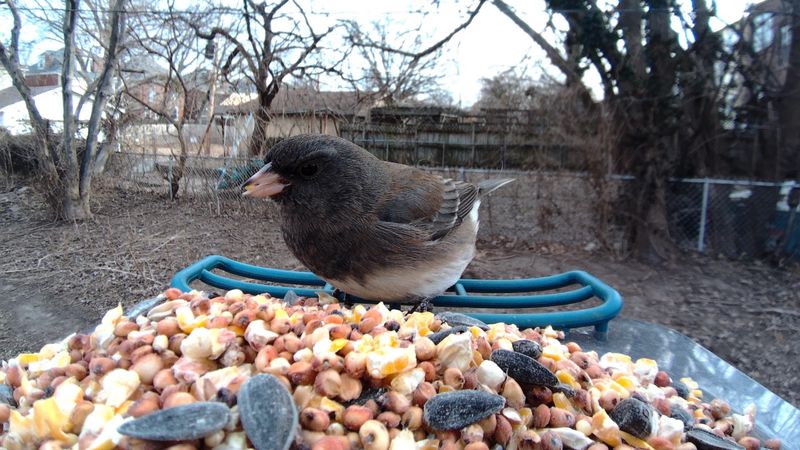
Every fall, backyard birders across the Mid-Atlantic report the same scene. A small, tidy gray bird with a clean white belly suddenly appears on the ground below the feeder, often in a small group.
It feels sudden, but nothing about it is random. These birds follow a yearly pattern tied to shorter days and cooler temperatures up north. When food gets harder to find in their breeding areas, many head south to spend the cold months somewhere milder.
Your yard happens to be on the menu. The birds usually show up in mid to late fall, and the first ones can catch you by surprise because they stay low and quiet.
You will rarely see them perched on a tube feeder like a goldfinch. Instead, they shuffle through mulch, grass, and leaf litter, picking up spilled seeds that other birds drop.
Watch for a few clues. They move in loose little flocks, hop with both feet instead of walking, and flick their tails often. If a hawk passes over, they scatter into the nearest shrub in a burst of motion.
Once you know the pattern, spotting these seasonal guests becomes one of the most satisfying parts of fall bird watching.
Say Hello To The Dark-Eyed Junco, Better Known As The Snowbird
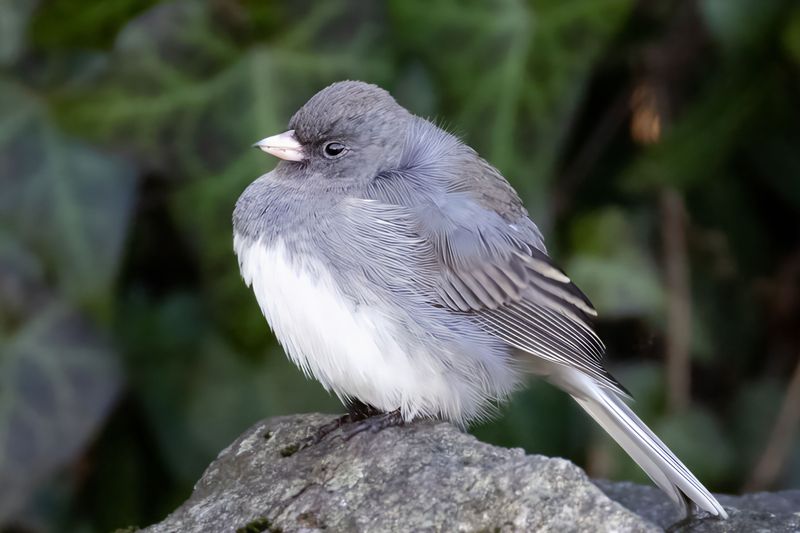
Folks have called this bird the snowbird for generations, and the nickname fits. The Dark-eyed Junco tends to arrive around the same time as the first frosts and often lingers until spring.
In Maryland, juncos usually begin showing up in good numbers in October and hang around into April. That makes them one of the most dependable winter visitors you can hope for at a feeder.
The form you will see most often in the East is the slate-colored junco. Males wear dark charcoal gray on the head, back, and chest, with a crisp white belly underneath. Females and young birds look a bit browner and softer in tone.
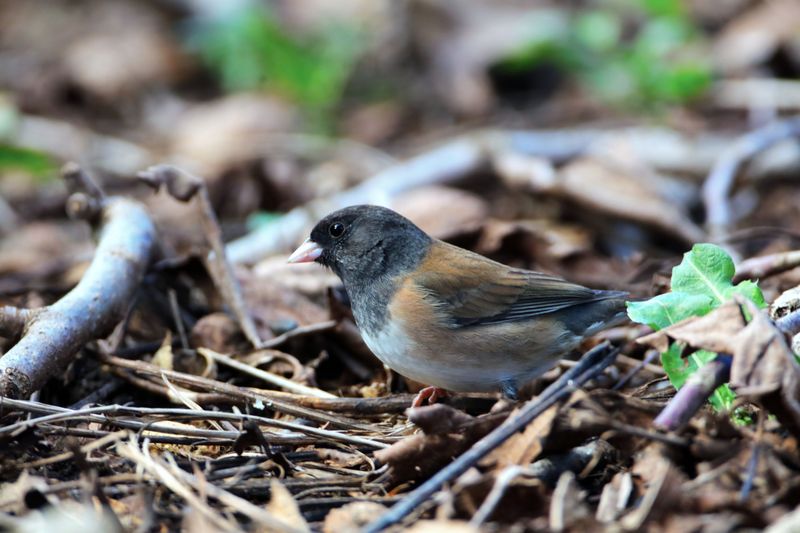
Here is a fun bit of trivia. Scientists recognize several regional forms of the Dark-eyed Junco across North America, and some look so different that they were once treated as separate species.
Your Maryland Garden Changes Every Week. Your Plan Should Too.
Gardening in Maryland changes quickly throughout the season. Every Friday you’ll receive a simple weekly plan showing exactly what to plant, prune, fertilize, harvest, and protect so you never miss the right timing.
Those western versions can have rusty backs, pinkish sides, or black hoods. Here in the East, though, the classic gray-and-white look is the one most people know.
If you have ever seen a little gray bird with a white tummy and a pink beak in December, there is a strong chance you have already met a junco.
Scatter Millet On The Ground And Watch The Juncos Come Running
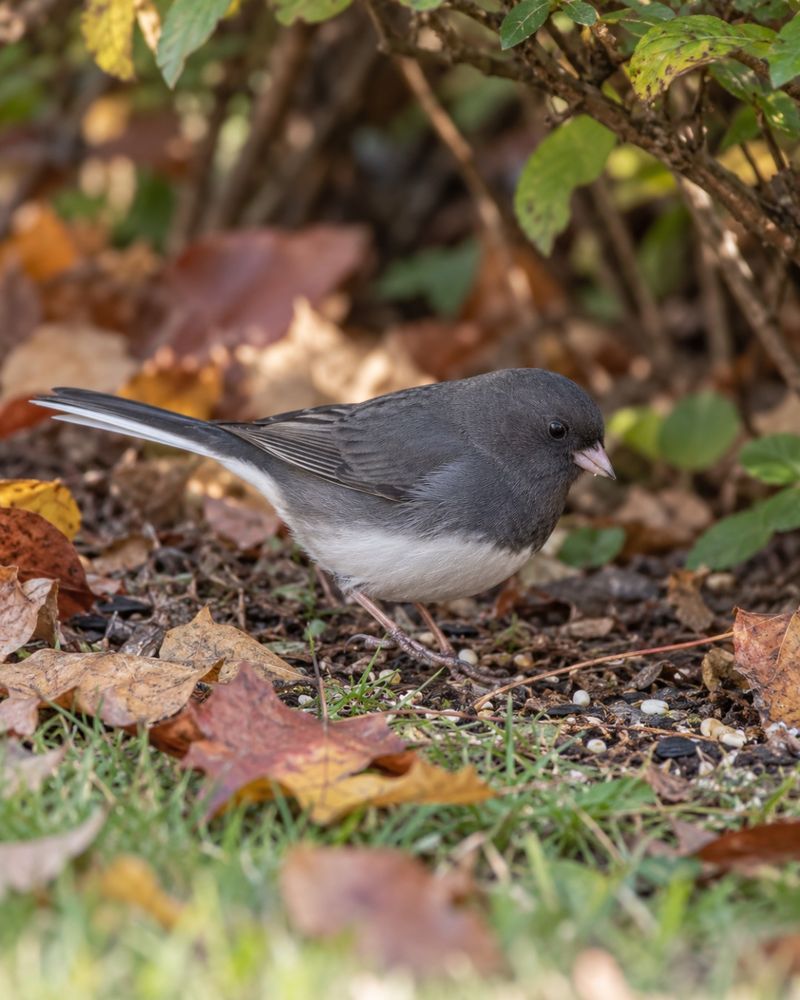
Want more juncos? Start low. These birds are true ground feeders, so the easiest way to win them over is to put food where they naturally search for it.
Seeds make up roughly three quarters of a junco’s diet. White proso millet is a big favorite, and so are hulled sunflower chips and cracked corn.
A low platform feeder works beautifully. You can also scatter a small handful of seed on a cleared patch of ground or a flat stone near some cover.
Personally, I keep a tray just a few inches off the ground. It stays drier than bare soil, and the juncos happily crowd onto it on chilly mornings.
A few tips help keep things tidy and healthy: Offer only what birds can finish in a day or two, since piled seed can mold in wet weather. Rake up old hulls now and then. Rinse and dry trays regularly to reduce the spread of disease.
Juncos also eat plenty of weed seeds, so a garden with seed heads left standing gives them a natural snack bar. In summer they add insects like beetles and caterpillars, but winter is mostly about seeds.
A Flash Of White Tail Feathers Gives The Junco Away
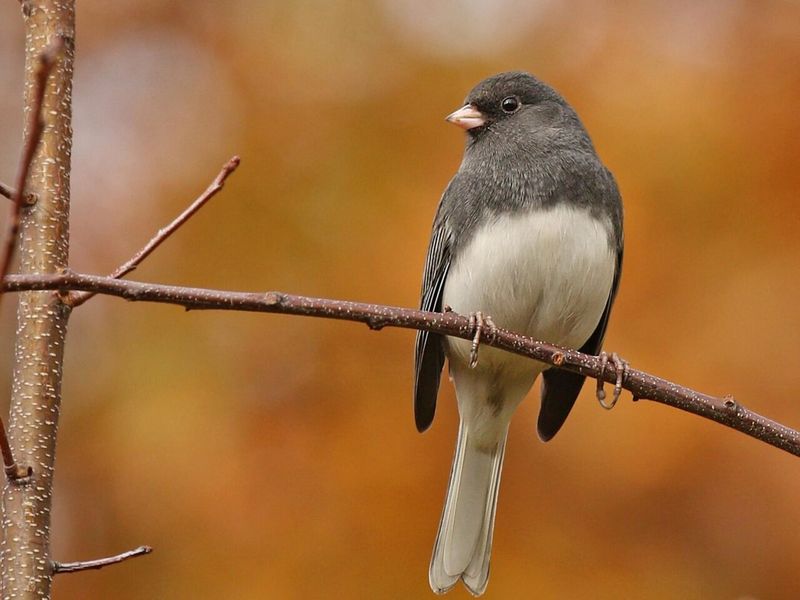
Blink and you might miss it. When a junco takes off, its tail fans open and shows two bright white outer feathers on each side, like a tiny signal flag.
That flash is one of the best ways to identify this bird, especially when it zips away from you. Scientists think the white edges may help flock members keep track of each other or startle a predator for a split second.
Up close, check these other features: A small, cone-shaped bill in pale pink, built for cracking seeds. A rounded head with dark gray or brownish feathers. A sharp line where the dark chest meets the white belly, almost like the bird is wearing a hooded jacket.
Juncos are about the size of a house sparrow, roughly five to six inches long. They are technically part of the American sparrow family, even though they lack the streaky look most people expect from sparrows.
Listen too. Juncos make sharp little tick and smack calls while feeding, and in late winter you may hear a dry, musical trill.
Once you train your eye on the pink bill and white tail, you will spot juncos everywhere.
Juncos Feel Safest Near Brushy Shrubs And Leafy Cover
Little birds have a lot of predators. Hawks, house cats, and even foxes keep juncos on high alert, so they rarely stray far from a quick hiding spot.
Forest edges, overgrown fields, hedgerows, and suburban yards with layered plantings suit them perfectly. Give them a place to dash into, and they will reward you with daily visits.
A brush pile is a simple, budget-friendly fix. Stack fallen branches loosely in a corner of the yard, larger ones on the bottom and smaller twigs on top.
Native evergreens help too. Inkberry holly, American holly, and eastern red cedar offer year-round cover and fit well in Maryland gardens.
Try placing feeders about ten feet from shrubs. That distance gives birds a nearby escape route without giving ambush spots to cats.
Leaving some fallen leaves in garden beds is another easy win. Juncos love scratching through leaf litter for seeds, and the layer also shelters insects that other birds need.
One more friendly reminder: keeping cats indoors is among the most helpful things you can do for ground-feeding birds like these.
Some Western Maryland Juncos Never Actually Leave
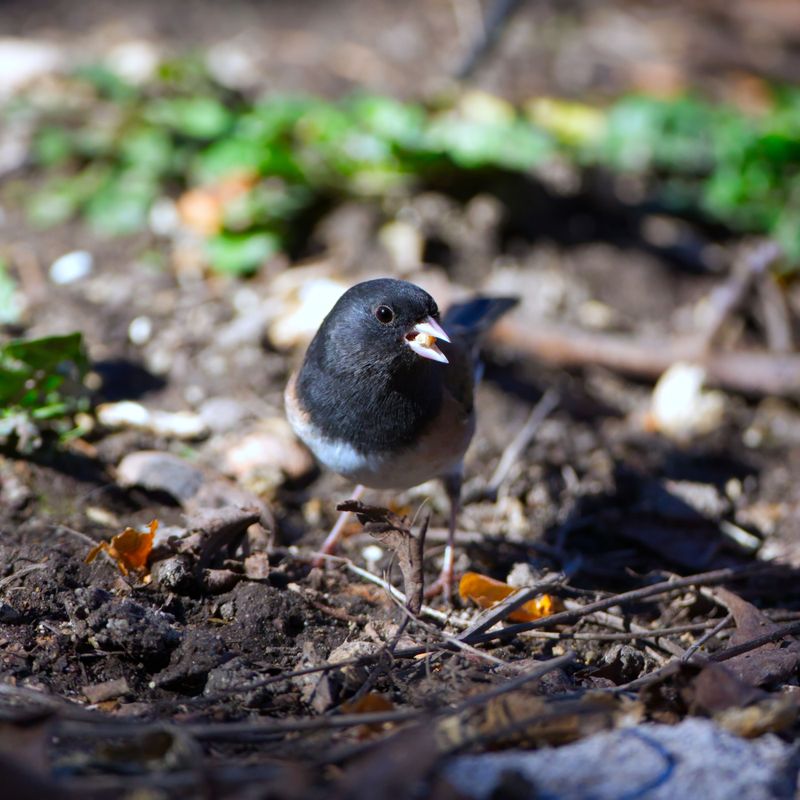
Most of the juncos at your feeder this week spent summer far away. Many breed in the forests of Canada and the northern United States, then travel south as fall arrives.
Western Maryland tells a slightly different story. In the higher Appalachian areas, especially in Garrett County, a small number of juncos stay and nest during summer.
Cool mountain forests mimic the northern conditions they prefer. Breeding juncos tuck their cup-shaped nests on or near the ground, often hidden under roots, banks, or ferns.
So depending on where you live, your experience may vary. Mountain residents might see juncos in July, while folks on the Eastern Shore or around Baltimore usually see them only in the cold months.
Weather also plays a role. A snowy stretch can push more juncos toward feeders, while a mild winter may keep them spread out in fields and woods.
Arrival dates shift a little each year too. Some birders spot their first juncos in early October, while others notice them a few weeks later.
Logging your first sighting each fall is a fun habit. Over time you will see your own local pattern take shape.
Count Your Winter Juncos And Help Real Bird Science
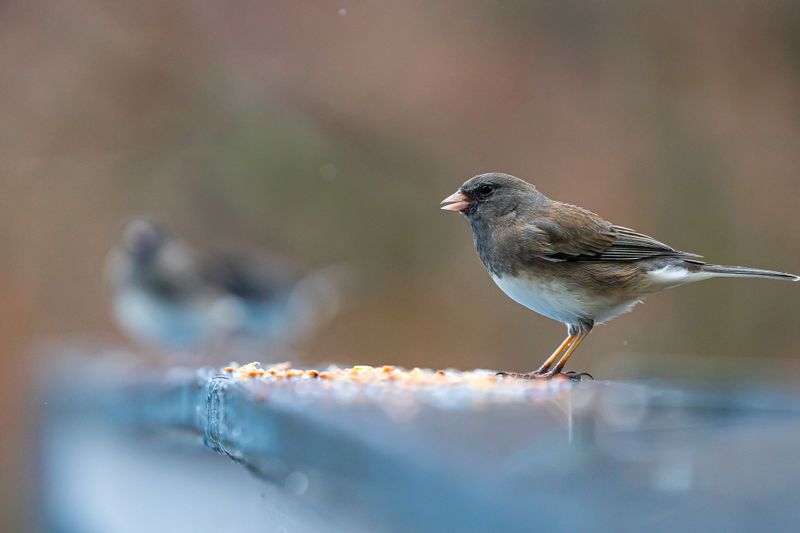
Watching juncos is relaxing, but it can also be useful. Every bird you count can help scientists understand how winter populations change over time.
Project FeederWatch, run by the Cornell Lab of Ornithology and Birds Canada, invites people to count feeder birds from November through April. You simply pick a few days, watch your feeders, and report the highest number of each species.
The Great Backyard Bird Count each February is even easier to join. Fifteen minutes of watching is enough to contribute.
Apps like eBird let you log sightings anytime. Researchers use this data to track ranges, migration timing, and long-term trends for birds like the Dark-eyed Junco.
Getting started takes very little gear: A pair of binoculars, a notebook or phone, and a comfy spot near a window. Keep a field guide handy to sort juncos from similar birds like sparrows or the occasional towhee.
Kids especially love this. Counting flocks of hopping gray birds turns a cold afternoon into a mini science project.
Keep the seed tray stocked, the brush pile in place, and your eyes on that white tail flash. Your snowbirds will likely stick around until the spring warblers take their place.