Removing This One Feature Cuts Mouse Sightings In Pennsylvania Yards
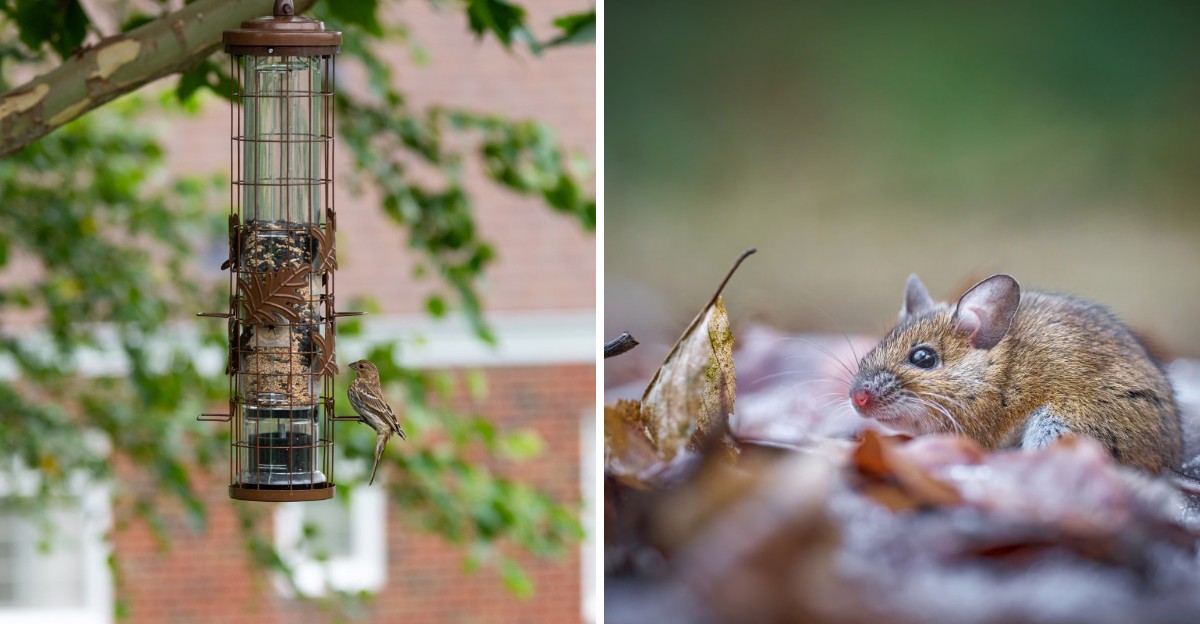
A single mouse can produce five to ten litters a year. That tiny fact made me look at my backyard very differently last fall.
I had tidy trash cans and a covered compost bin, yet something kept scurrying along my foundation after dark.
Pennsylvania winters push hungry critters toward any easy meal, and I was apparently running a free buffet without knowing it.
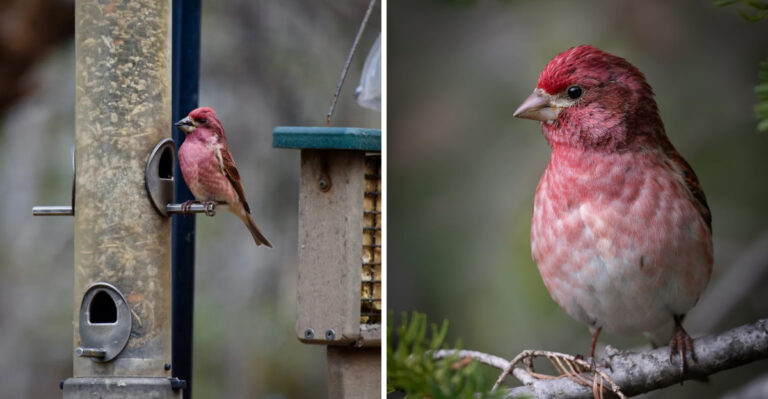
The culprit was something I adored. I filled it every morning, watched cardinals and chickadees from my kitchen window, and felt proud of my wildlife-friendly yard.
You might own the same thing right now. It sits in plain view, it looks harmless, and it rains snacks onto the ground every single day.
That Cheerful Bird Feeder Is Feeding More Than Songbirds
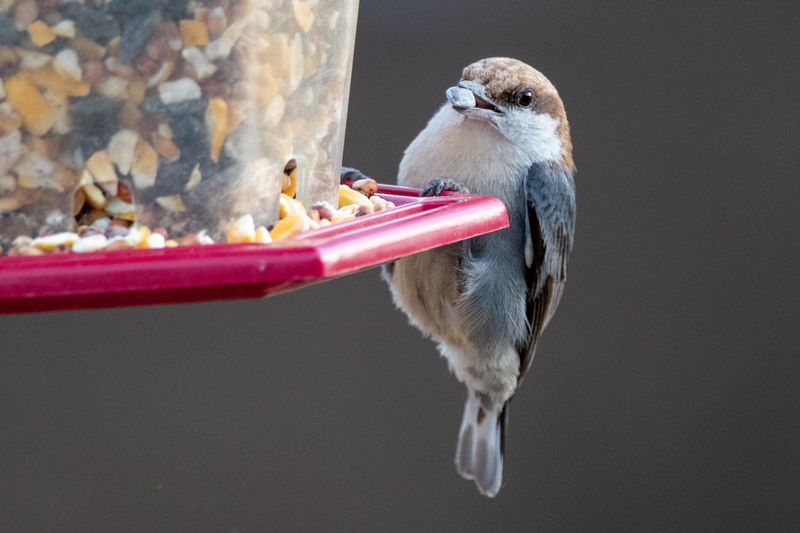
Birds are messy eaters, and I mean seriously messy. Finches, sparrows, and jays flick seeds aside while hunting for their favorites, so a surprising amount lands on the ground.
That spilled seed is the feature I am talking about. Penn State Extension and many pest experts point to bird feeders as one of the most common outdoor food sources drawing house mice and deer mice close to homes.
Mice are mostly active at night, so you rarely catch them in the act. The birds clock out at dusk, and the night shift moves in to sweep up every leftover sunflower kernel and millet grain.
Personally, I was stunned by how much seed piled up under my tube feeder in just a week. Mixed seed blends are the worst offenders because birds toss out the filler grains they dislike.
A steady pile of food tells a mouse that your Pennsylvania yard is worth sticking around for. Add a nearby shrub or a stack of leaves, and you have handed them dinner plus a cozy place to hide.
Removing or tightly managing the feeder is the single change most likely to reduce those quick gray flashes you spot near your steps.
Taking The Seed Feeder Down Gives Mice Fewer Reasons To Stay
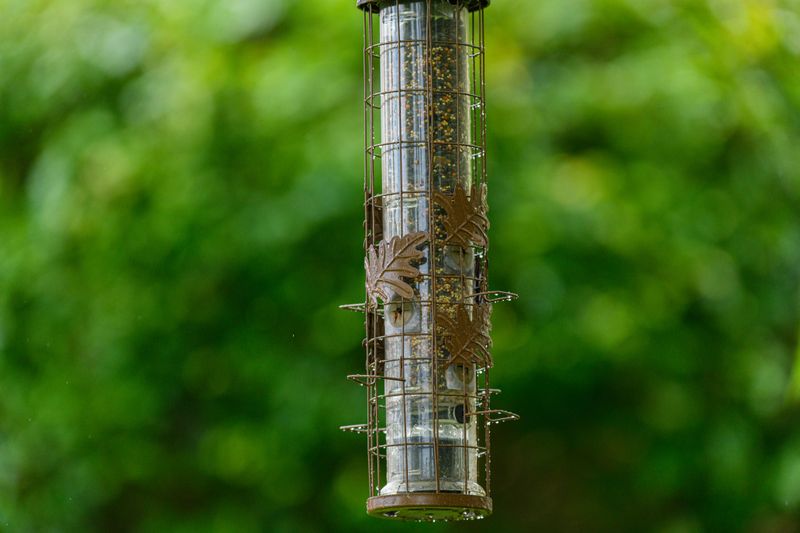
My experiment was simple. I took my feeders down for about six weeks, raked up every old seed and hull, and watched what happened.
The nighttime scurrying near my foundation slowed noticeably. Without a reliable meal, mice had to forage farther away, and my yard stopped being their favorite stop.
Rodents follow food. Pest control experts and extension specialists agree that removing easy food sources is the foundation of any rodent plan, often more useful than traps alone.
You do not have to give up birds forever. Many gardeners pause feeding during a mouse problem, then bring feeders back once activity drops and better habits are in place.
Timing matters too. If you see droppings, gnawed seed bags, or tiny tracks in soft soil, that is your cue to stop filling the feeder for a while.
Birds will be fine during a break. Wild birds get most of their food from natural sources like seeds, berries, and insects, so a short pause rarely causes them trouble.
Your Pennsylvania Garden Changes Every Week. Your Plan Should Too.
Gardening in Pennsylvania changes quickly throughout the season. Every Friday you’ll receive a simple weekly plan showing exactly what to plant, prune, fertilize, harvest, and protect so you never miss the right timing.
Think of it as a reset button. You break the habit mice have formed, and you get a fresh start with smarter feeding choices.
Catch Trays And Hull-Free Seed Keep The Ground Cleaner
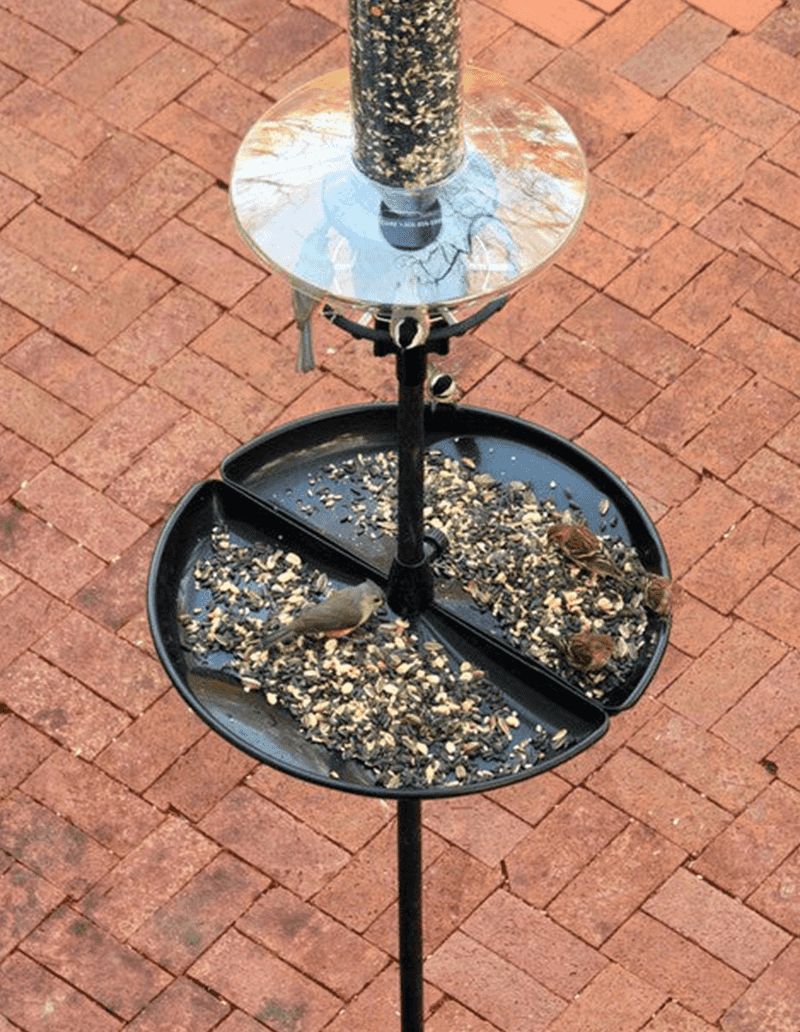
Can you keep your feeders and still discourage mice? Yes, with a few clever swaps that cut down on spillage.
Start with the seed itself. Hulled sunflower hearts, sometimes called chips, leave no shells behind, and birds tend to eat them instead of tossing them around.
Skip cheap mixed blends packed with milo and red millet. Many backyard birds in the Northeast ignore these grains and fling them to the ground, where mice gladly collect them.
Next, attach a seed catch tray under your feeder. These wide platforms trap falling seed before it reaches the grass, and birds often clean them up during the day.
Empty and wipe the tray every evening, though. A tray full of seed overnight is just a raised dinner table for climbing mice.
Nyjer seed in a finch sock is another tidy option because few birds besides goldfinches and siskins want it. Suet cakes in a wire cage also drop very little.
Finally, offer only what birds will finish in a day. Smaller portions mean less waste, a cleaner yard, and fewer reasons for mice to come calling after sunset.
Move The Feeder Pole Well Away From Your House
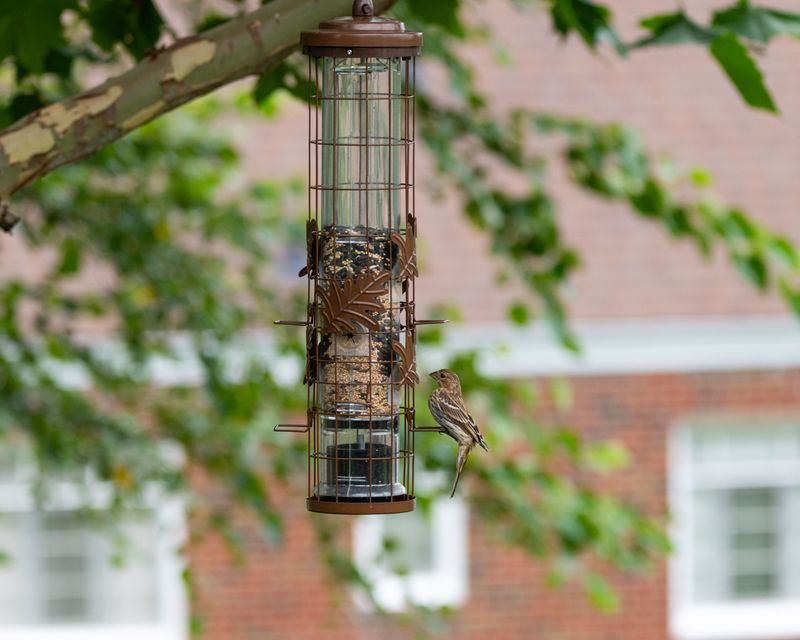
Location can make or break your mouse situation. A feeder hanging off the deck railing is basically an invitation to your back door.
Place feeders at least 20 to 30 feet from the house when you can. Mice foraging under a distant feeder are less likely to wander to your foundation and find a gap.
Remember how tiny they are. A house mouse can squeeze through an opening about the size of a dime, so foundations, utility lines, and garage doors offer plenty of entry chances.
I also like a pole mount with a cone-shaped baffle. Baffles block climbing squirrels and mice from reaching the feeder itself, so seed stays where birds can use it.
Choose an open spot over the lawn, away from thick shrubs and woodpiles. Mice feel exposed in open space because hawks, owls, and foxes hunt there.
Wait, there is a bonus. Keeping feeders around 10 feet from dense cover still gives birds a quick escape route, while denying mice a handy hideout.
A few minutes spent relocating one pole can quietly change how your whole yard works for rodents.
Seed Bags In The Garage Can Bring Mice Indoors
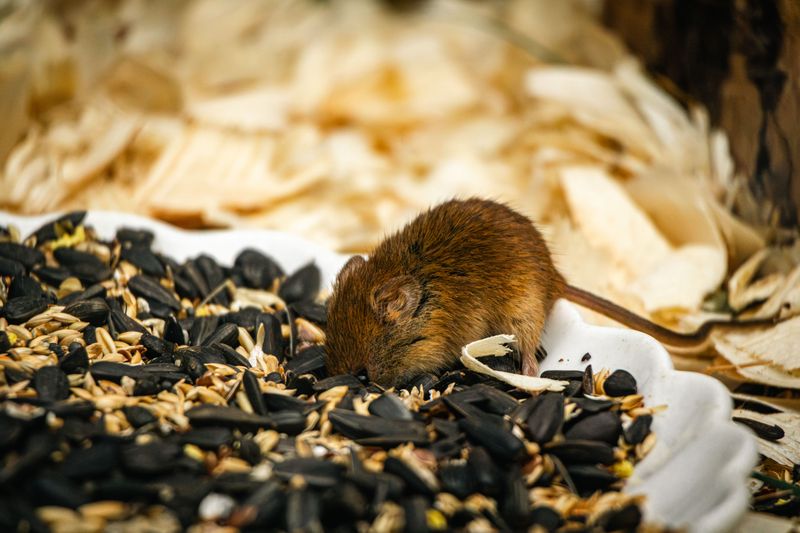
Last winter I found a neat little hole chewed in the corner of a 20-pound seed bag. The mice had skipped the yard and gone straight to the source.
Paper and plastic bags are no match for rodent teeth. Mice gnaw constantly because their front teeth keep growing, so a soft bag is an easy target.
Store all birdseed in a galvanized metal can with a snug lid. Heavy plastic bins work for a while, but determined mice can chew through them over time.
Keep the container off the floor if possible and away from garage walls. A bit of space makes it easier to spot droppings or chew marks early.
Clean up spilled seed after every refill. A few scattered kernels on the garage floor can attract mice closer to the door leading into your home.
Pet food, grass seed, and chicken feed deserve the same care. Any grain stored loosely is a magnet once cooler weather pushes mice to look for shelter.
Honestly, this was the step I overlooked longest. Sealing my seed supply ended the mystery nibbles in my garage almost overnight.
Leaf Piles And Woodpiles Give Mice A Cozy Hideout
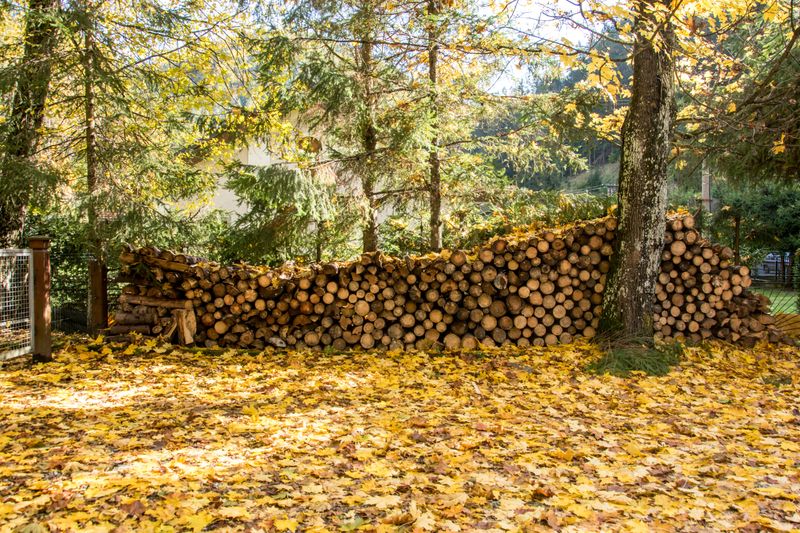
Food brings mice in, but shelter convinces them to stay. Even a tidy feeder setup struggles if the yard offers plenty of hiding spots.
Firewood stacked against the house is a classic problem. Store wood on a raised rack, at least 18 inches off the ground and 20 feet from your walls if you can.
Brush piles, old lumber, and forgotten flowerpots also make snug nesting sites. Clearing clutter is one of the easiest parts of integrated pest management, the approach Penn State recommends.
Dense ground covers deserve attention too. English ivy, which is invasive in Pennsylvania, forms thick mats where mice travel unseen, so consider replacing it with lower native options.
Keep grass mowed along fences and the foundation. A gravel strip about a foot wide around the house also discourages burrowing and travel right next to your siding.
Leaves are tricky because they help pollinators and soil life. I leave them in garden beds away from the house, but rake them out of the strip near my foundation.
Balance is the goal. You can keep a wildlife-friendly yard while denying mice their favorite hideouts right beside your Pennsylvania home.
Fall Is When Pennsylvania Mice Head For Your Walls
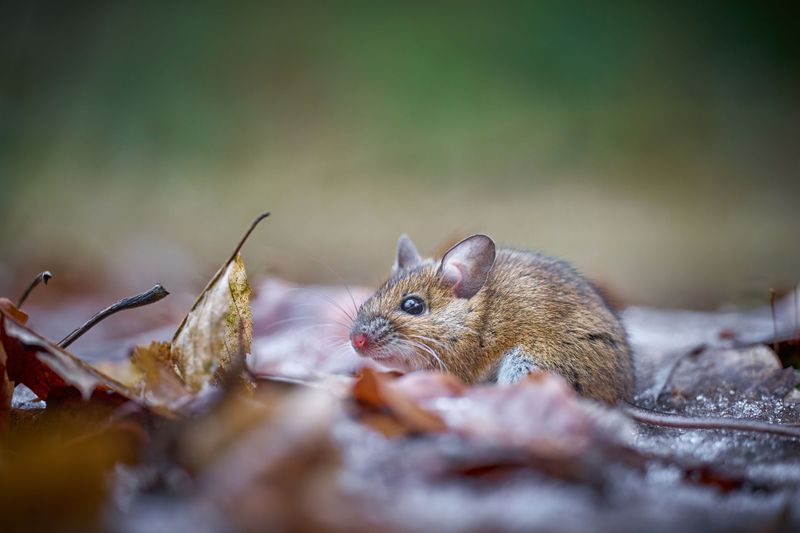
Cooler nights flip a switch for mice. Around October and November, they start searching for warm, protected places to spend the winter.
A yard full of spilled seed puts them right next to your house at exactly the wrong moment. That is why fall is the smartest time to remove feeders or tighten up feeding habits.
Walk around your home and look for gaps near pipes, vents, dryer exhausts, and garage door seals. Anything a pencil can slip into may let a mouse inside.
Stuff small holes with steel wool or copper mesh, then seal with caulk. Use hardware cloth for larger vents, since mice chew through foam and rubber quickly.
Across the state, winters vary from milder conditions near Philadelphia to snowy stretches in the northern tier. Wherever you live, mice move indoors once temperatures drop.
Deer mice deserve extra caution. They can carry hantavirus, so wear gloves and a mask, wet droppings with disinfectant, and skip sweeping or vacuuming dry messes.
Sealing your Pennsylvania home plus cutting outdoor food is a powerful pairing. One step without the other leaves a door open, sometimes quite literally.
Native Plants Can Feed Your Birds Without Feeding Mice
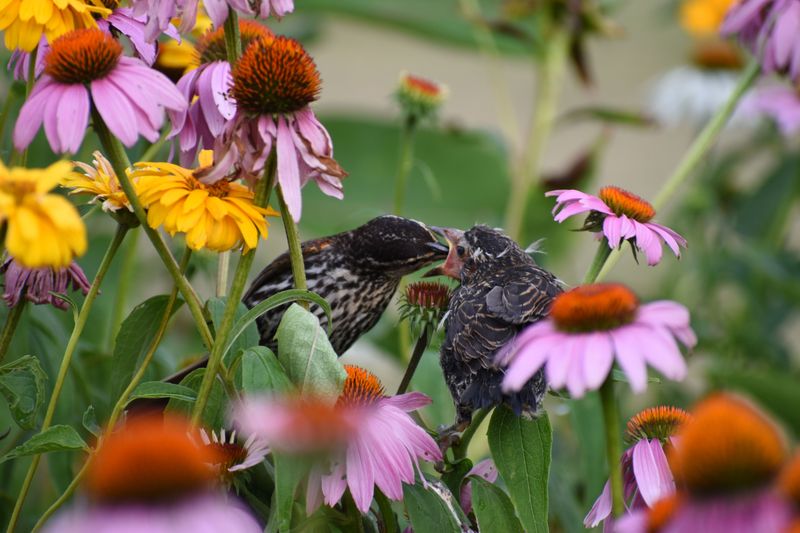
Here is my favorite discovery from this whole adventure. Birds kept visiting my yard even after the feeders came down, because native plants were already feeding them.
Purple coneflower, black-eyed Susan, and native asters hold seeds right on the stems. Goldfinches pick them clean without dumping piles on the ground.
Shrubs like winterberry holly, serviceberry, and gray dogwood offer berries that songbirds love. Oaks support hundreds of caterpillar species, which feed baby birds every spring.
Leave seed heads standing through winter instead of cutting perennials back in fall. It looks a bit wild, but chickadees and juncos will thank you.
Plant these away from your foundation, giving mice less cover near the house. Open lawn or a gravel strip between beds and walls keeps the buffer zone clear.
A heated birdbath is another lovely draw in cold months. Fresh water attracts birds that might not even visit a feeder.
So the takeaway is simple. Pause or manage the feeder, seal your home, tidy up shelter spots, and let native plants do the feeding. Your birds stay, and the mice move on.