Which Orange Plants Make Heritage Pumpkins And Mums Really Stand Out In Alabama
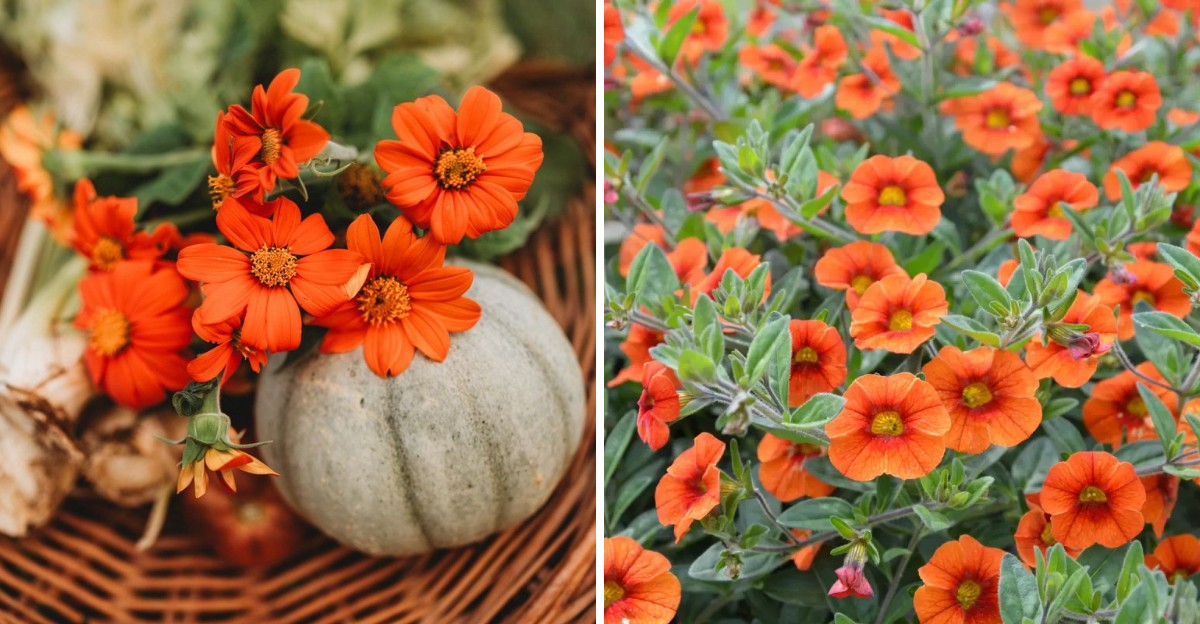
The famous Cinderella pumpkin actually carries a French name, Rouge Vif d’Etampes, and reached American gardens back in 1883.
Its flattened, ribbed shape looked so fairytale perfect that folks claimed it inspired a famous carriage from an old story.
Heritage pumpkins like that one look stunning on Alabama porches, especially beside chunky pots of fall mums in rusty shades. Still, I admit a pumpkin and a mum alone can feel a little lonely by mid October.
You need a few supporting players that echo those glowing orange tones without stealing the whole show from your squash. I love how a single orange bloom can make a plain porch step look planned and welcoming.
A few of my favorite picks shrug off the lingering Alabama warmth, and one even turns its leaves to fire. Which orange beauty do you think could steal the spotlight from an heirloom pumpkin this fall?
1. Marigold
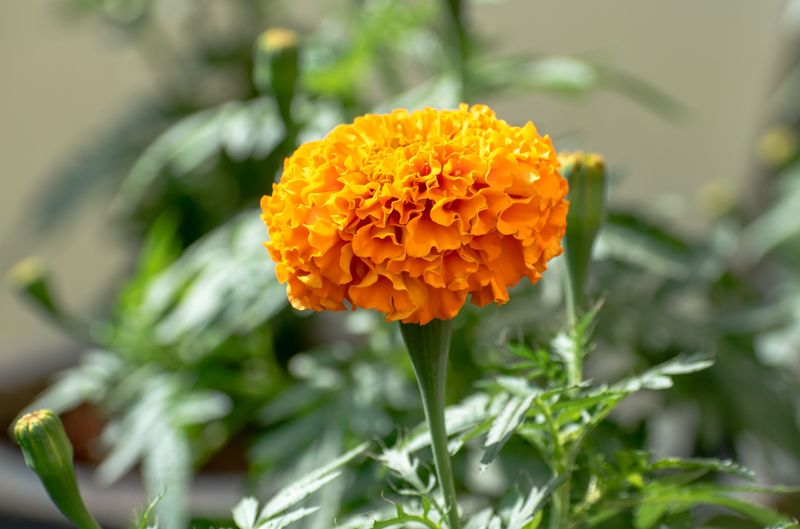
Marigolds have a sharp, spicy scent that I adore, and that smell hits you the moment you brush a leaf. Their pom-pom blooms in tangerine and deep gold match heirloom pumpkins as if they were planned together.
These cheerful annuals belong to the genus Tagetes, and most garden types trace back to Mexico and Central America. Funny enough, the so-called French and African marigolds both came from the Americas long before reaching Europe.
Sizes vary a lot, from tiny six-inch edging types up to towering plants that reach three or four feet. Short varieties work best tucked in front of mums, while tall ones can frame a stack of pumpkins.
Give them a spot with at least six hours of direct sun, since shade means fewer flowers and floppy stems. They like well-drained soil that is only moderately fertile, so skip heavy doses of fertilizer this time of year.
October in Alabama often stays warm enough for marigolds to keep blooming, especially if you water during dry spells. Water at the base in the morning, because wet leaves in cooler nights can invite powdery mildew.
Snip off faded flower heads every few days, and the plants will usually push out fresh buds right away. Their season wraps up once a hard freeze arrives, which often happens in November or later down south.
I like to save a few dried flower heads, since the slender seeds inside are easy to sow next spring. It feels like a little thank-you gift from the plant after a long, colorful season on the porch.
2. Celosia
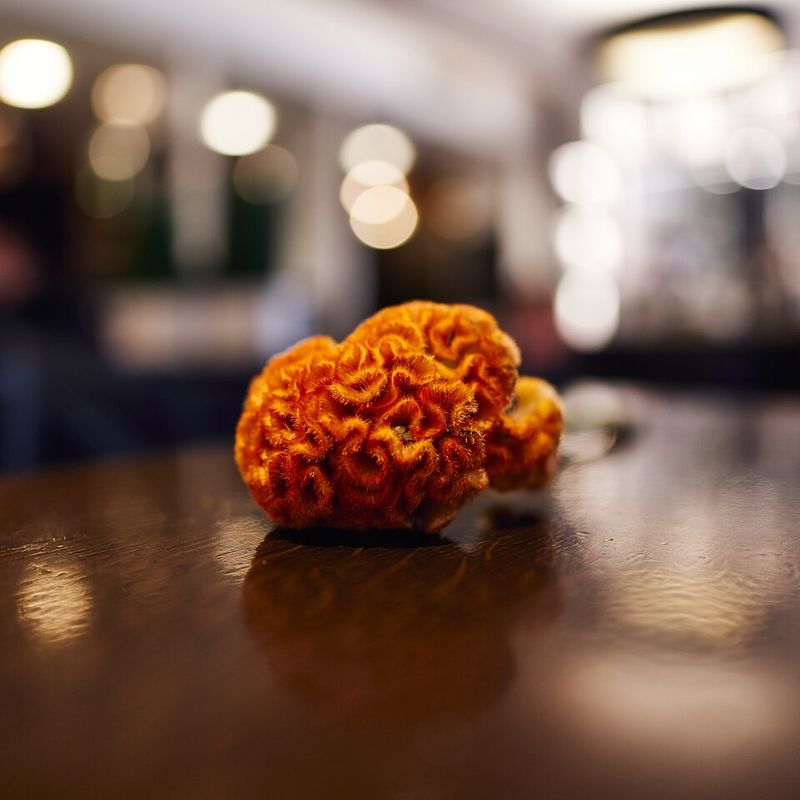
Run your fingers over a plume celosia and it feels like soft feathers, even though it looks like a flame. I like to call them candle flowers, and the orange ones honestly do glow next to a pile of pumpkins.
Celosia is a heat-loving annual with tropical roots, so the lingering warmth of early fall suits it nicely. You will find two main flower shapes, the feathery plume type and the crested cockscomb type that resembles coral.
Your Alabama Garden Changes Every Week. Your Plan Should Too.
Gardening in Alabama changes quickly throughout the season. Every Friday you’ll receive a simple weekly plan showing exactly what to plant, prune, fertilize, harvest, and protect so you never miss the right timing.
Cockscomb blooms look a bit like a brain to me, which makes them a fun conversation piece on Halloween. Pair the velvety crests with ribbed heirloom pumpkins, and the contrast in textures becomes the star of the display.
Full sun matters here, with six to eight hours a day keeping stems sturdy and colors bright. Plant in well-drained soil and water regularly, because celosia sulks when it dries out for too long.
Garden centers often sell blooming celosia in fall, and those potted plants slip right into a porch arrangement. Try grouping three pots at different heights, with a bronze mum in the middle to tie everything together.
Keep an eye on the forecast, since celosia cannot handle a hard freeze and will turn brown quickly. Until then, it should keep coloring your steps well past the time summer annuals start looking tired.
One more perk I love is that the blooms dry beautifully when hung upside down in a dark room. A dried bundle of orange celosia makes a lovely tabletop accent long after the porch display comes down.
3. Helenium Mardi Gras
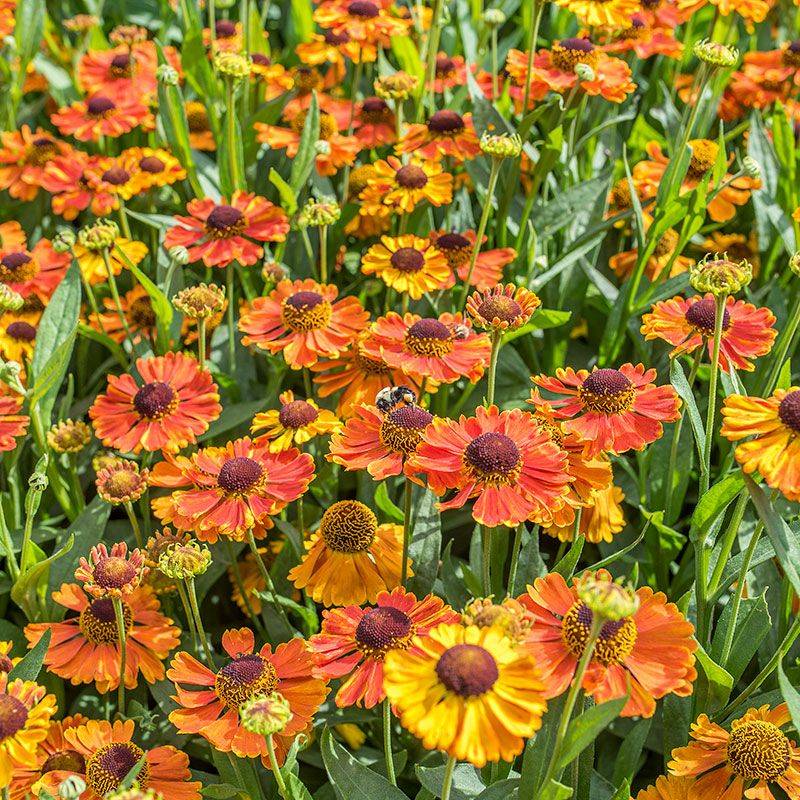
Sneezeweed sounds like a plant you would avoid, but the name comes from dried leaves once used as snuff. Its pollen is heavy and insect carried, so it seldom bothers allergy patients the way people fear.
The Mardi Gras variety of Helenium autumnale puts on a wild show, with yellow petals splashed in orange-red. As blooms age, they shift toward red edged in gold, all neatly circling plump chestnut-brown centers.
I think it looks like a tiny parade on every stem, which fits the cheerful name perfectly. Plants grow upright to about three feet tall, making them a nice backdrop behind mounded mums.
Unlike most annuals on this list, it is a hardy perennial in zones 4 through 9. The species grows wild in Alabama, often in damp meadows and along stream banks, so it feels right at home.
Plant it in full sun or mostly sunny spots, using soil that stays evenly moist yet drains well. October is a smart time to set new plants in the ground, since cooler air helps roots settle.
Bees and butterflies crowd around the blooms, and deer and rabbits mostly leave the plants alone. Keep it away from grazing pets and curious kids, though, because parts of the plant are toxic if eaten.
Late summer to early fall is peak bloom time, so October flowers may be starting to fade. Trim spent stems lightly, and you will have a sturdy clump ready to burst back next summer.
4. Mexican Sunflower
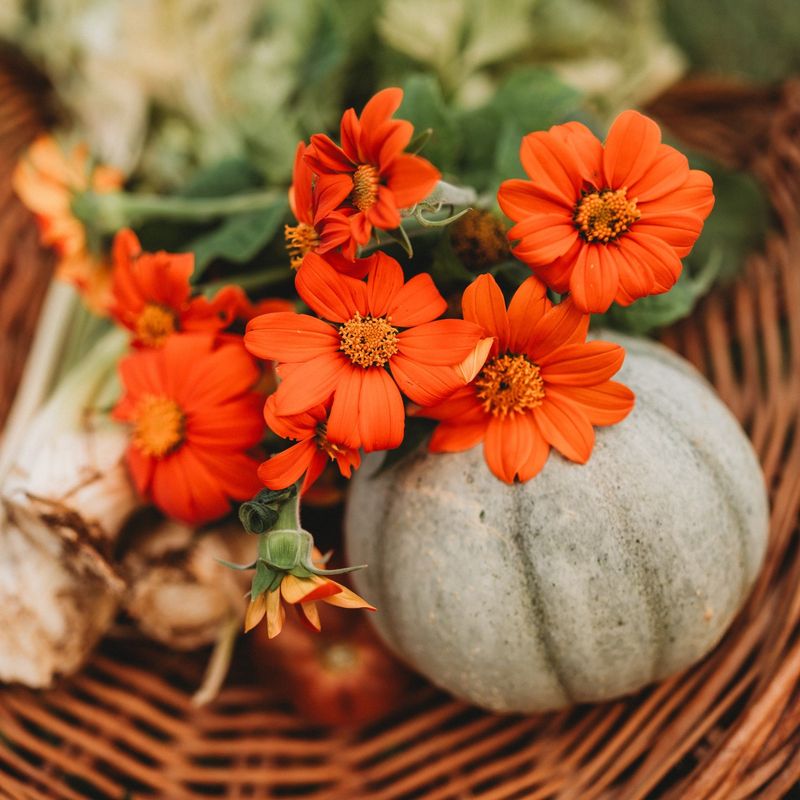
Monarchs and swallowtails seem to treat Mexican sunflower like a roadside diner, landing on it from sunrise until dusk. Those glowing orange daisies, about three inches across, look painted by hand next to a pale heirloom pumpkin.
Its scientific name is Tithonia rotundifolia, and it is a fast annual that can reach six feet by fall. Fuzzy, heart-shaped leaves and thick hollow stems give it a bold look that fits a big porch.
What surprises me most is how little it wants, since rich soil often brings more leaves and fewer flowers. Poor to average ground that drains well suits it fine, so save the fertilizer for hungrier plants.
Full sun is a must, with at least six hours daily, and Alabama heat barely slows it down. Once established, it handles dry spells well, but a deep drink during long droughts keeps blooms coming.
Tall plants can lean or snap in gusty fall storms, so a sturdy stake is worth adding early. Compact varieties like Fiesta del Sol stay closer to three feet and fit nicely behind pots of mums.
Hummingbirds stop by for nectar too, and goldfinches later pick at the seed heads once petals drop. I like leaving a few spent flowers standing, just to watch those little finches hang upside down.
Frost ends the party, so enjoy every October bloom and cut a few stems for a kitchen vase. Dip the hollow stem ends in hot water briefly, and the cut flowers often stay perky much longer.
5. Rudbeckia Prairie Sun
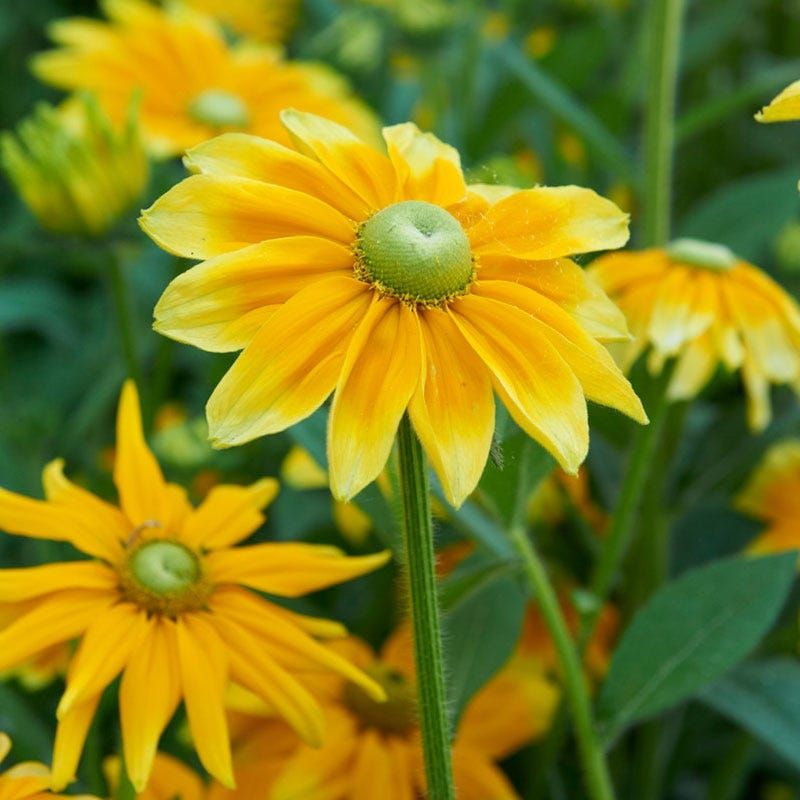
Most black-eyed Susans stare back at you with dark centers, yet Prairie Sun surprises everyone with pale green eyes. I have to admit the first time I saw one, I checked the tag twice to be sure.
The big blooms can reach five inches across, with peachy orange petals that fade to soft yellow tips. That gentle two-tone look blends beautifully with buttery heirloom pumpkins like Long Island Cheese or a tan Musquee.
Prairie Sun earned an All-America Selections award back in 2003, which tells you it performs well in real gardens. The species, Rudbeckia hirta, grows wild across much of the country, including fields and roadsides throughout the Southeast.
Plants reach about three feet tall and two feet wide, filling the gap between low mums and tall corn stalks. Coarse, hairy leaves give it a rugged look, and deer and rabbits usually pass it by.
Full sun is essential, and well-drained soil keeps the roots much happier through rainy fall weeks. It tolerates heat and moderate drought nicely, so a weekly soak during dry stretches is usually plenty.
Many gardeners treat it as an annual, though it often acts like a short-lived perennial or biennial. Leave some seed heads standing this fall, and songbirds will snack while new seedlings pop up next year.
Bees and butterflies love the nectar too, so your porch display doubles as a small pollinator stop. Honestly, I cannot imagine an October garden without at least one clump of these sunny faces nearby.
6. Calibrachoa
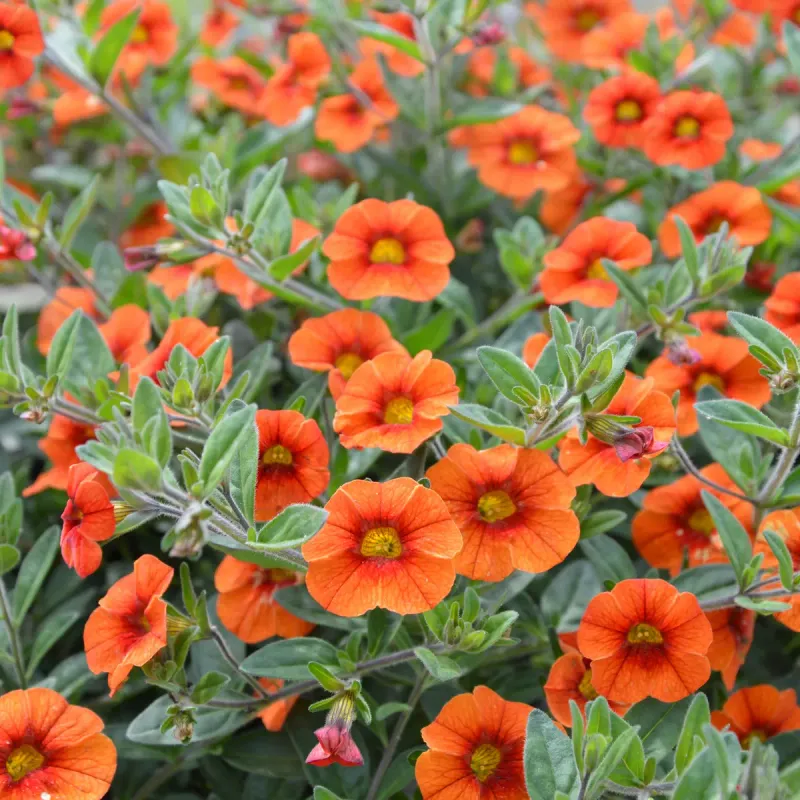
Million bells earned that nickname honestly, since a single hanging basket can carry hundreds of tiny trumpet blooms at once. Orange varieties spill over pot edges like melted sherbet, and they look adorable draped beside a squat pumpkin.
Calibrachoa looks like a mini petunia, but it is a separate plant with smaller flowers and a tidier habit. Superbells Double Orange offers ruffled, rose-like blooms, while Cabaret Orange shows bright orange petals around a yellow throat.
Plants stay about six to twelve inches tall while trailing up to two feet wide, perfect for container edges. I like tucking one into the same pot as a mum, letting the orange flowers tumble down the front.
Give it at least four hours of sun, though more sun usually means more color through October. Let the top inch of soil dry before watering again, because soggy roots are its biggest weakness.
Use a light, fast-draining potting mix rather than garden soil, which packs down and holds too much water. Regular feeding with a liquid fertilizer keeps the blooms coming, since these plants are surprisingly hungry little things.
One of my favorite perks is that spent flowers drop on their own, so no pinching is needed. Hummingbirds still passing through in early fall may stop for a sip, along with bees and butterflies.
In most of Alabama it grows as an annual and keeps blooming until the first hard frost arrives. Move pots under a porch roof on chilly nights, and you may stretch the show a few extra weeks.
7. Crossandra
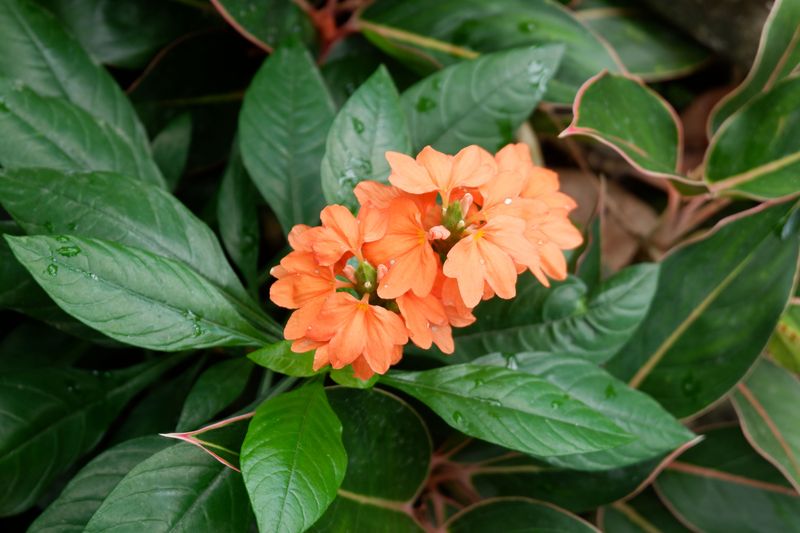
Crossandra seed pods can pop open when they get wet, flinging seeds away from the parent plant. That trick earned it the nickname firecracker flower, and its glowing salmon-orange blooms certainly live up to the name.
Glossy, dark green leaves up to five inches long make the flowers look even brighter by comparison. Each tubular bloom opens into five overlapping petals that sit slightly lopsided, which gives it a playful, fan-like shape.
Orange Marmalade is a popular variety, and I think its color matches a deep orange heirloom pumpkin beautifully. Unlike the sun-hungry picks on this list, it prefers bright, indirect light or gentle morning sun.
That makes it a great choice for a shaded front porch where marigolds and celosia would struggle. Plant it in rich, well-draining potting mix with plenty of organic matter, and keep the soil evenly moist.
Soggy soil causes trouble, so check the pot with a finger before watering on cooler October days. Pinch off faded flower spikes, since that simple habit encourages fresh blooms to keep forming through fall.
The catch is that this tropical beauty acts as a perennial only in zones 9 through 11. Its leaves may drop once temperatures slide below about 55 degrees, which can happen on October nights.
Keep it in a container so you can carry it indoors to a bright window when nights turn chilly. Treated that way, your firecracker flower can brighten a sunny room all winter and return to the porch next spring.
8. Fothergilla Mount Airy
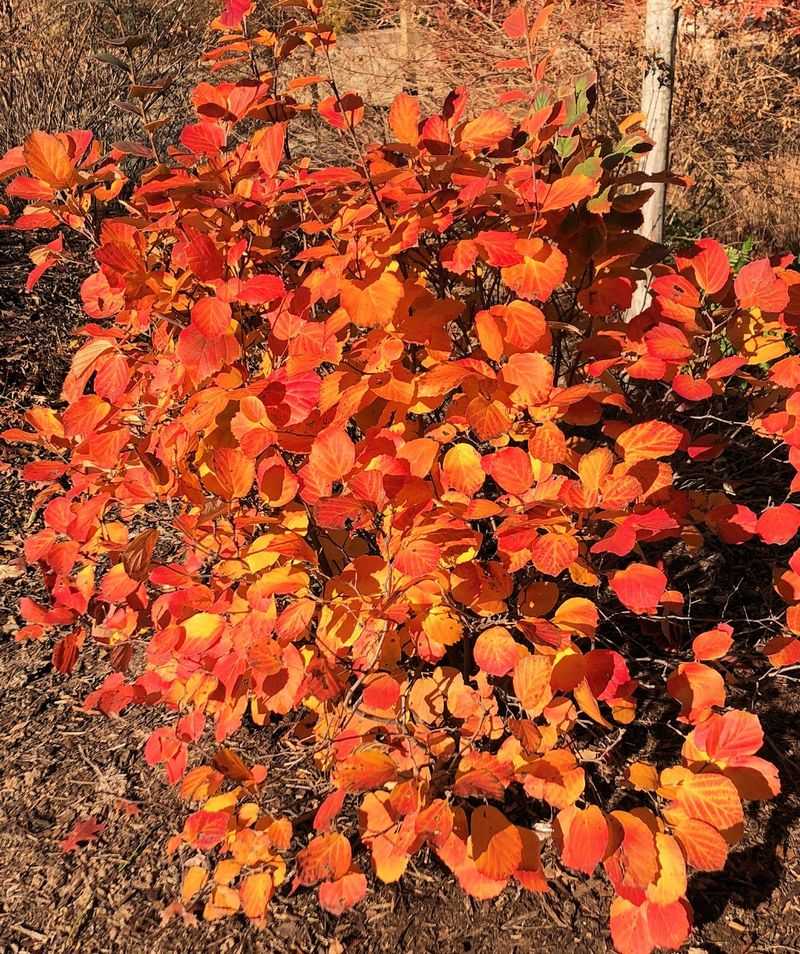
While most plants on this list bring orange flowers, this shrub sets its whole leafy body ablaze each autumn. I love how gold and orange swirl together on a single branch, with hints of reddish purple sneaking in.
Fothergilla major is native to the Southeast, including parts of Alabama, so it fits right into local gardens. The Mount Airy selection was found by plantsman Michael Dirr and is prized for dependable fall color.
Expect a dense, rounded shrub around five or six feet tall, with a spread of four or five feet. Planted behind a row of mums and pumpkins, it creates a warm backdrop that changes week by week.
Leaf color usually peaks from late October into November, so this month is ideal for planning ahead. Fall is also a great planting season for shrubs, since warm soil and cooler air help roots spread.
Give it full sun to partial shade, though more sun often brings the richest orange tones. Moist, well-drained, slightly acidic soil suits it best, and a layer of mulch helps hold moisture.
It is hardy in zones 5 through 8, so gardeners on the hot Gulf Coast may find it struggles. Some afternoon shade can help in warmer spots, and the shrub tends to resist most diseases.
Next spring brings a bonus, with fuzzy white bottlebrush flowers that smell sweetly and faintly of honey. Butterflies visit those blooms, and I think a shrub that shines twice a year deserves a spot by your porch.