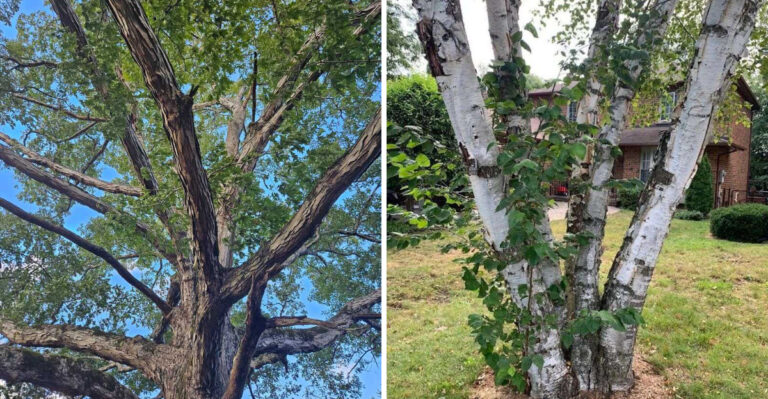
Small Orange Fruit Is Dropping Under Maryland Trees And Eating It Too Early Ruins The Taste
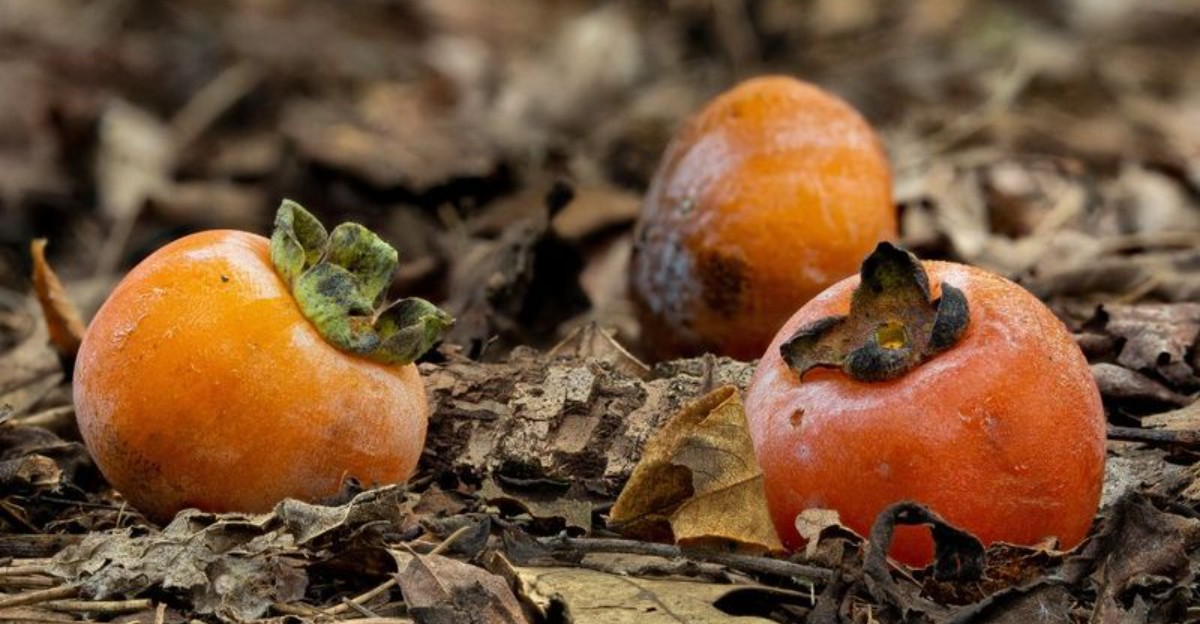
One bite of the wrong orange fruit can make your mouth feel like it’s wearing a wool sweater. Captain John Smith warned in the early 1600s that an unripe one would draw a man’s mouth awry with much torment, and that still holds up.
Right now, these little globes are thumping onto sidewalks, trails, and backyard lawns across Maryland. Deer, foxes, and raccoons have already noticed. The squirrels are not sharing either.
Most people give up on this fruit after one bad bite. That’s a shame, because the ripe version tastes like honey, dates, and pumpkin pie swirled into one soft spoonful. It’s hard to find a better free snack in the woods.
The trick comes down to timing and a little nerve. So what turns a mouth-wrecking ball into a dessert that drops right into your hand?
That Orange Fruit On The Trail Has A Puckery Secret
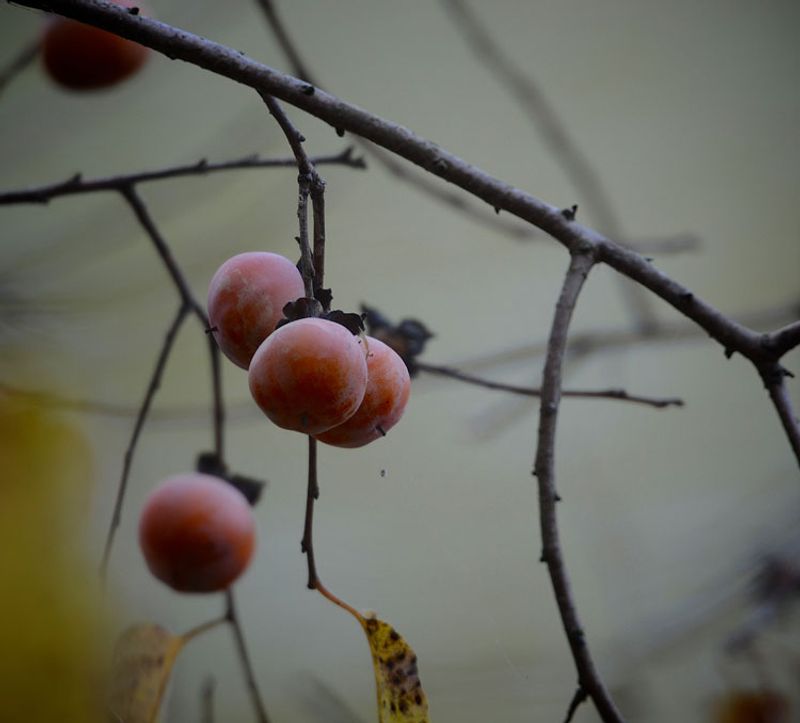
Nobody forgets their first underripe persimmon. Mine happened on a hiking trail, and my tongue felt like it had been sanded down with chalk.
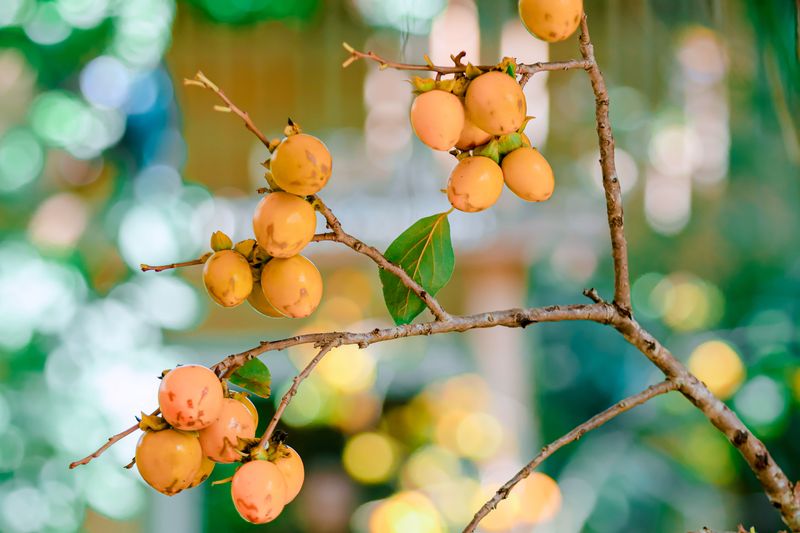
That small orange fruit is the American persimmon, Diospyros virginiana, a wild native tree of the eastern U.S. In Maryland, you’ll spot it along field edges and forest borders. The fruit is only 1 to 2 inches wide, closer to a cherry tomato than the big Asian persimmons sold in stores.
The genus name roughly translates to food of the gods. That’s a bold claim for something that can make your face scrunch up like a raisin.
Both descriptions are true, though. An unripe persimmon is one of the most unpleasant things you can put in your mouth. A ripe one is sweet, rich, and silky.
The difference comes down to a few weeks and a lot of patience. The color shows up well before the flavor does, which is why so many curious folks get fooled.
So when you see orange globes hanging from bare branches this fall, admire them first. The real question is whether they’re ready, and the fruit will tell you if you know what to look for.
American Persimmons Are Ready When They Feel Like Pudding
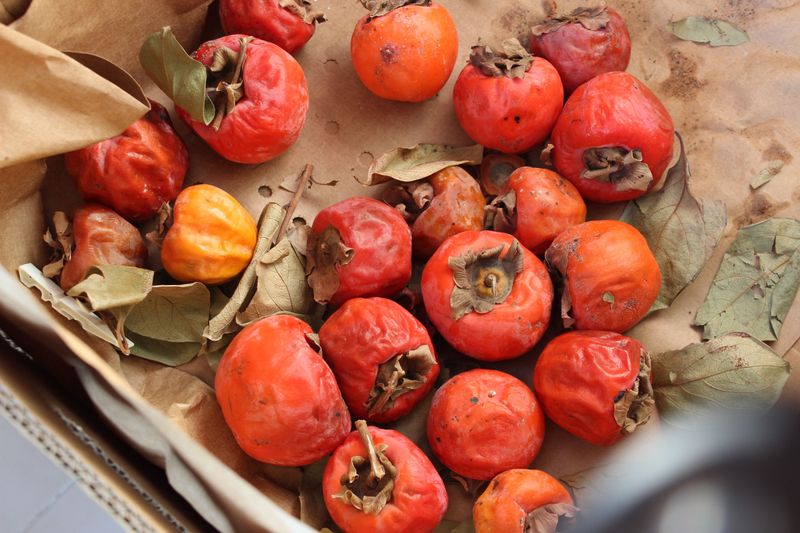
Squeeze test time. A ripe American persimmon should feel so soft that you worry it might burst, kind of like a water balloon or an overripe tomato.
Firm fruit is a warning sign, even if it’s glowing bright orange. Ripe persimmons often look a little sad, with dull, wrinkled, or slightly translucent skin. Some develop dark speckles or a blush of reddish brown.
I like to tell new foragers that ugly is the goal. The prettiest, smoothest persimmon on the branch is often the one that will turn your mouth inside out.
Watch for a few clues together. The fruit should feel mushy all the way around, the cap should pull away easily, and the flesh inside should look jelly-like and deep orange.
If even one part feels firm, set it aside. Leaving slightly firm fruit on the kitchen counter for several days can help it soften further, and many foragers ripen persimmons this way.
Your Maryland Garden Changes Every Week. Your Plan Should Too.
Gardening in Maryland changes quickly throughout the season. Every Friday you’ll receive a simple weekly plan showing exactly what to plant, prune, fertilize, harvest, and protect so you never miss the right timing.
Once it passes the squish test, tear it open and taste the pulp. Expect flavors like honey, dates, apricot, and a hint of spice. Spit out the flat brown seeds, and enjoy a moment that makes every sour mistake worth it.
Let The Soft Persimmons Drop To The Ground First
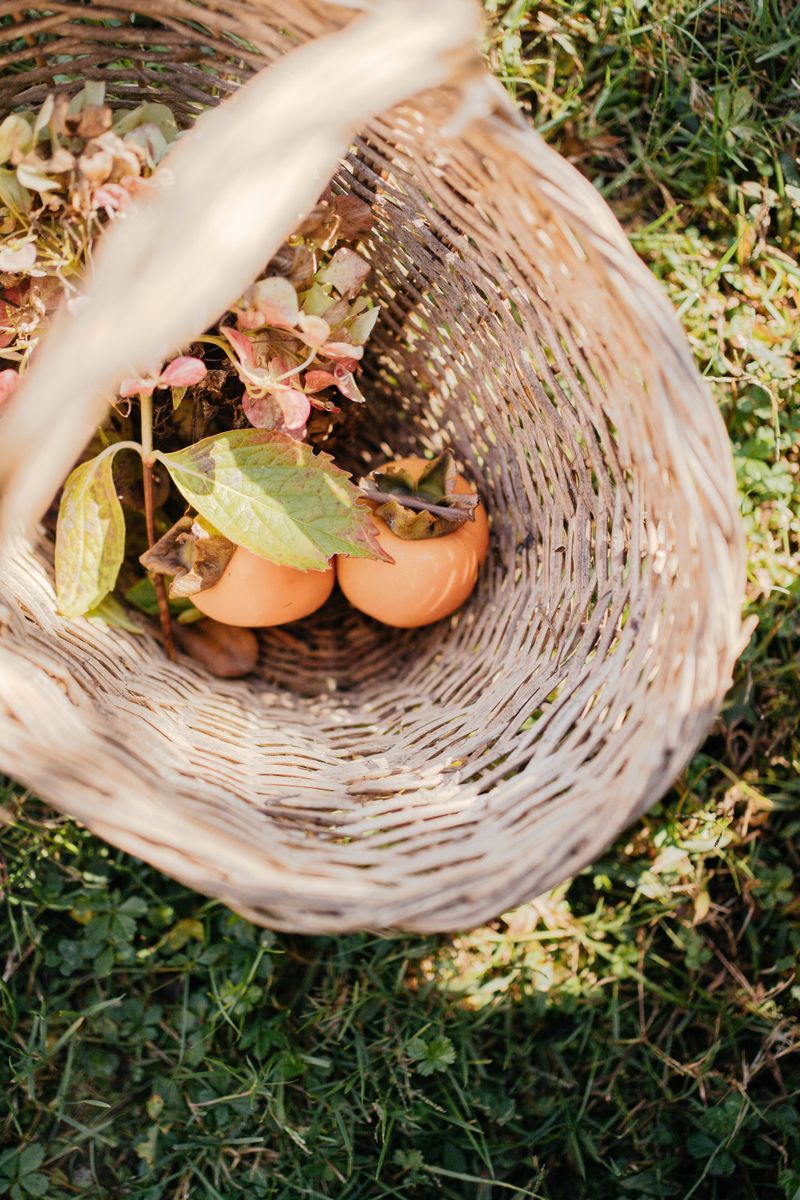
Old-timers in the Mid-Atlantic have a simple rule for persimmons. Don’t pick them, pick them up.
Fully ripe fruit loosens from the stem and falls on its own, so the ground beneath a female tree becomes your best harvest basket. Fruit that you tug off a branch is far more likely to be astringent. If it fights you, it isn’t ready.
Across Maryland, wild persimmons typically start dropping in late September and last through November. Some trees hold fruit into December, especially on the Eastern Shore. Western mountain counties may run later or have shorter seasons.
Visit your tree often, ideally every day or two during peak season. Fallen fruit bruises easily and attracts ants, yellowjackets, and hungry mammals quickly.
A clean tarp or old sheet spread under the branches makes collection easier and keeps fruit off the dirt. Some people gently shake a limb to help ripe fruit let go. Anything that stays stubbornly attached should stay right where it is.
Bring a shallow container rather than a deep bucket. Ripe persimmons are so soft that a pile of them turns into jam before you reach the kitchen.
Tannins In Unripe Persimmons Are Behind That Fuzzy Mouth Feeling
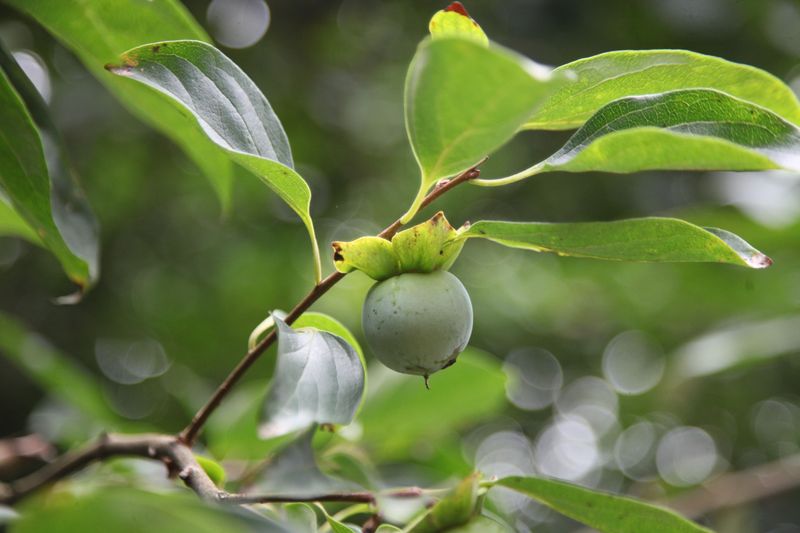
Blame chemistry for that cottony feeling. Unripe persimmons are packed with soluble tannins, the same type of compound that makes strong black tea taste dry and harsh.
When those tannins hit your tongue, they bind with proteins in your saliva. Your mouth loses its slippery coating, so everything suddenly feels rough, chalky, and tight. That’s astringency, and it’s different from sourness or bitterness.
Scientists think the tannins help protect the fruit while the seeds are still developing. A mouth-wrecking fruit is less tempting to animals until the seeds are mature and ready to spread.
As the persimmon ripens, the tannins change into an insoluble form that your taste buds can’t detect. Meanwhile, sugars build up, which explains why a soft fruit tastes like candy while a firm one tastes like a punishment.
One more reason to wait: eating large amounts of unripe persimmons has been linked to rare digestive blockages called bezoars. The tannins can clump together in the stomach. A single accidental nibble isn’t a crisis, but nobody should snack on firm fruit by the handful.
A quick sip of water or a bite of bread helps ease the fuzzy feeling if you get unlucky.
Frost Gets Too Much Credit For Sweetening Persimmon Fruit
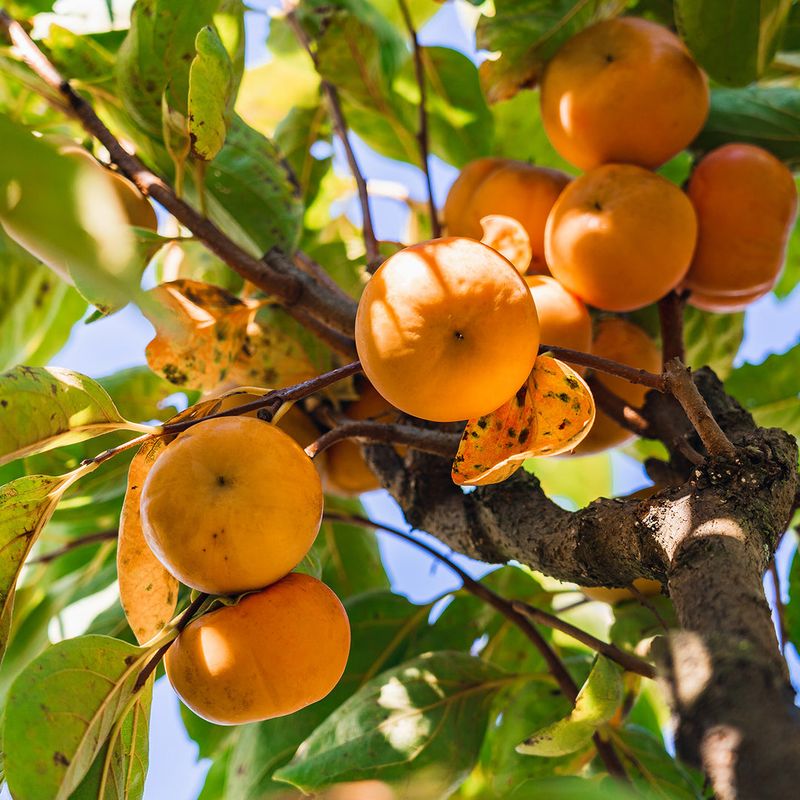
Ask ten people about persimmons and at least half will swear they aren’t edible until after the first frost. It’s one of the most stubborn bits of fruit folklore around.
The truth is less dramatic. University extension specialists note that frost isn’t required for ripening. Many American persimmons soften and sweeten in September or October, weeks before cold weather arrives.
So why does the myth stick? Frost often lines up with the peak of the season, so people connect the two. A freeze can also damage fruit cells and speed softening, but it doesn’t magically remove the astringency from fruit that wasn’t mature.
Some varieties ripen early and others hang on late. Wild trees vary a lot from one to the next, even within the same field. One tree might give you sweet fruit in late September while its neighbor stays firm into November.
Personally, I’d trust my fingertips over the calendar. Softness is the signal that matters, frost or no frost.
Keep a little notebook or phone note of which wild trees ripen first and which taste best. After a season or two, you’ll know your local trees like old friends, and you’ll skip a lot of puckered faces.
Not Every Persimmon Tree In Your Yard Will Grow Fruit
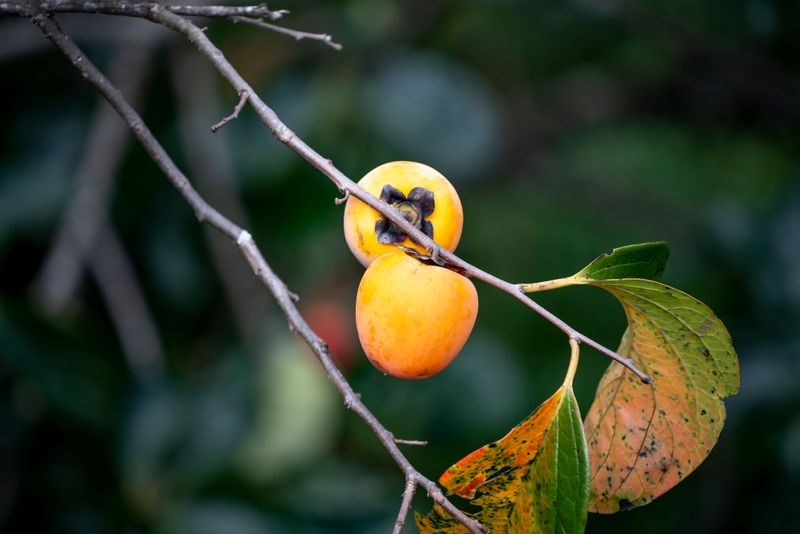
Plenty of people stare at a big, healthy persimmon tree year after year and wonder why it hasn’t produced a single fruit. The answer usually has nothing to do with care. American persimmons are mostly dioecious, meaning trees are either male or female.
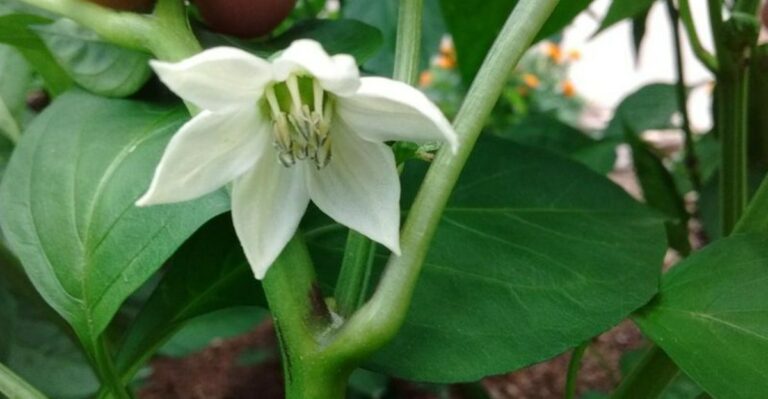
Only female trees bear fruit. Male trees produce pollen from small flowers that open in late spring, usually around May and June. Bees carry that pollen to the creamy, bell-shaped female blossoms nearby.
If you want to grow your own, you’ll need a female tree and, in most cases, a male somewhere close by. Wild males in the neighborhood often do the job. Some named cultivars, like ‘Meader’, can set fruit without a partner, which helps in small yards.
Expect to wait. Seedling trees may take 6 to 10 years to begin fruiting, while grafted trees from a nursery often produce sooner.
American persimmon grows well across Maryland, from the cold western mountains (roughly USDA Zone 5b to 6) to the warmer coastal areas (Zone 8). It handles poor soil, tolerates drought once established, and fits nicely in a native planting.
Plan for a deep taproot, which makes older trees tricky to move. Plant young ones where they can stay put.
Deer, Foxes, And Opossums Are Racing You To The Persimmons
You are not the only one checking that tree every morning. Persimmons are a big deal for wildlife in late fall, when many other food sources are fading.
White-tailed deer love the fallen fruit. Raccoons, opossums, red and gray foxes, coyotes, skunks, and black bears also eat persimmons. Wild turkeys, cedar waxwings, mockingbirds, and other birds peck at fruit still hanging on branches.
Hunters in Maryland often scout persimmon trees because deer return to them again and again during the season. Trail cameras placed near a loaded tree can capture a surprising parade of night visitors, which fits the old saying about a possum up a persimmon tree.
The animals do more than eat. Many of them swallow the seeds and spread them in their droppings, which helps new persimmon trees sprout far from the parent.
If you’d like a share of the harvest, collect early in the morning before the overnight crowd cleans things up. Leave some fruit behind for the wildlife, too, since it’s part of what makes a native tree so valuable.
Stay alert around yellowjackets, which gather at split, overripe fruit. Wear closed-toe shoes and look before you grab.
Turn Your Ripe Persimmon Pulp Into Bread, Pudding, And Frozen Treats
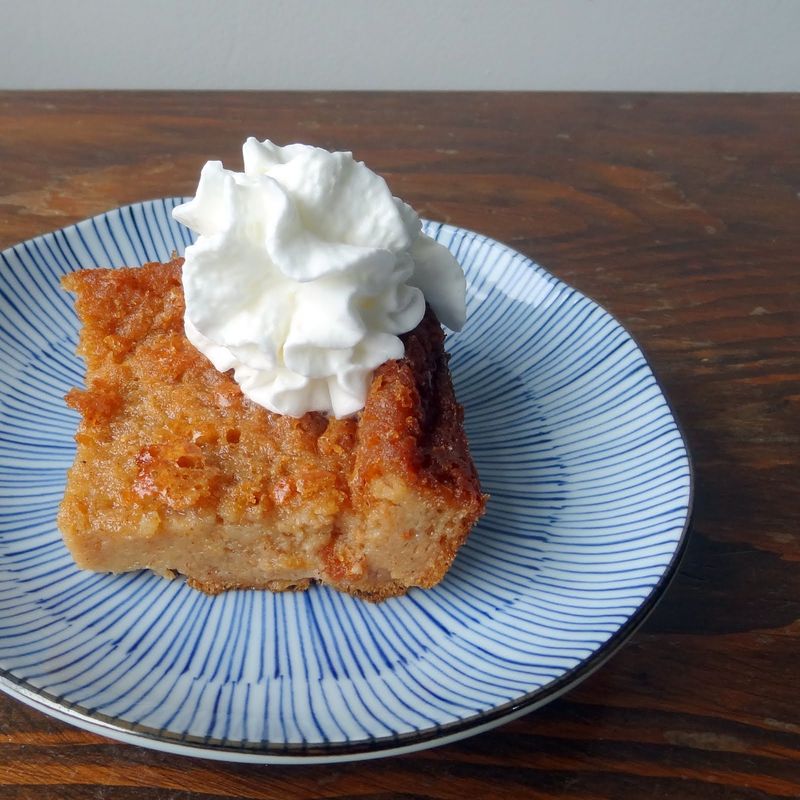
Once you’ve gathered a bowl of squishy, sweet fruit, the fun moves to the kitchen. Persimmon pudding is the classic, a dense, spiced, moist cake that has warmed Southern and Midwestern tables for generations.
First, separate the pulp from the seeds and skin. A food mill or a sturdy colander and a wooden spoon work well. Each little fruit holds several large seeds, so expect a modest amount of pulp per handful.
Pulp works in quick breads, muffins, cookies, pancakes, and smoothies. Pair it with cinnamon, nutmeg, ginger, or vanilla. Some cooks add a little baking soda to batters, which helps balance the fruit’s richness and deepens the color.
Freezing is your best friend. Pack the pulp into freezer bags or containers, label them, and you’ll have a taste of autumn ready for winter baking.
Fun fact: the name persimmon comes from an Algonquian word. Native peoples dried the fruit into cakes long before European settlers arrived.
The biggest takeaway is simple. Wait for softness, gather from the ground, and share the bounty with the critters. Follow those habits, and Maryland’s humble woodland fruit will reward you with something closer to candy.