The Most Underrated Pennsylvania Native Grass For Winter Interest
Bumblebee queens sometimes spend the winter tucked into the base of a humble clump of grass. Snow piles on top, and the queen waits it out in a cozy pocket of stems and soil.
The grass I mean does more than hide bees. Its leaves turn copper, rust, and plum after frost, and they hold that glow for months. I like how it practically shines on a gray January morning.
You have probably walked past it on a roadside or an old Pennsylvania meadow without a second look. Most people do. It rarely gets a spot at the garden center entrance, and it rarely gets the credit it has earned.
Personally, I think winter gardens deserve better than bare soil and brown sticks. So which plant is quietly outshining the fancy imports while barely asking for a drop of water?
That Copper Clump Of Prairie Grass Is The Star Of Winter
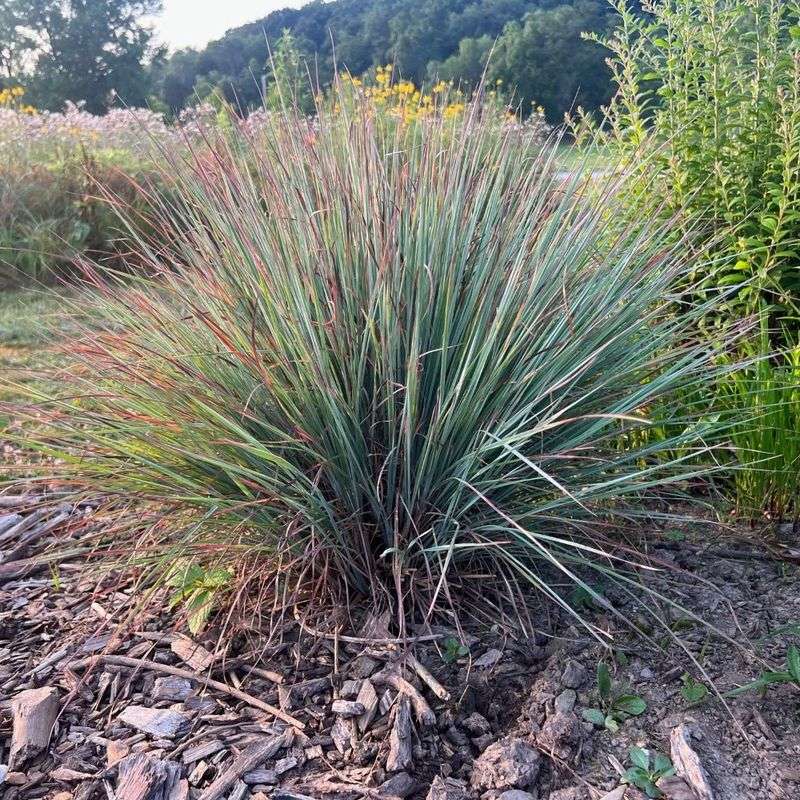
Walk through a frosty meadow in January and one grass catches the light like a campfire. That grass is little bluestem, known to botanists as Schizachyrium scoparium.
It grows wild across much of Pennsylvania, from sunny hillsides to old fields and roadsides. Penn State Extension and many native plant groups list it as a top choice for home landscapes, yet most gardeners still skip right past it.
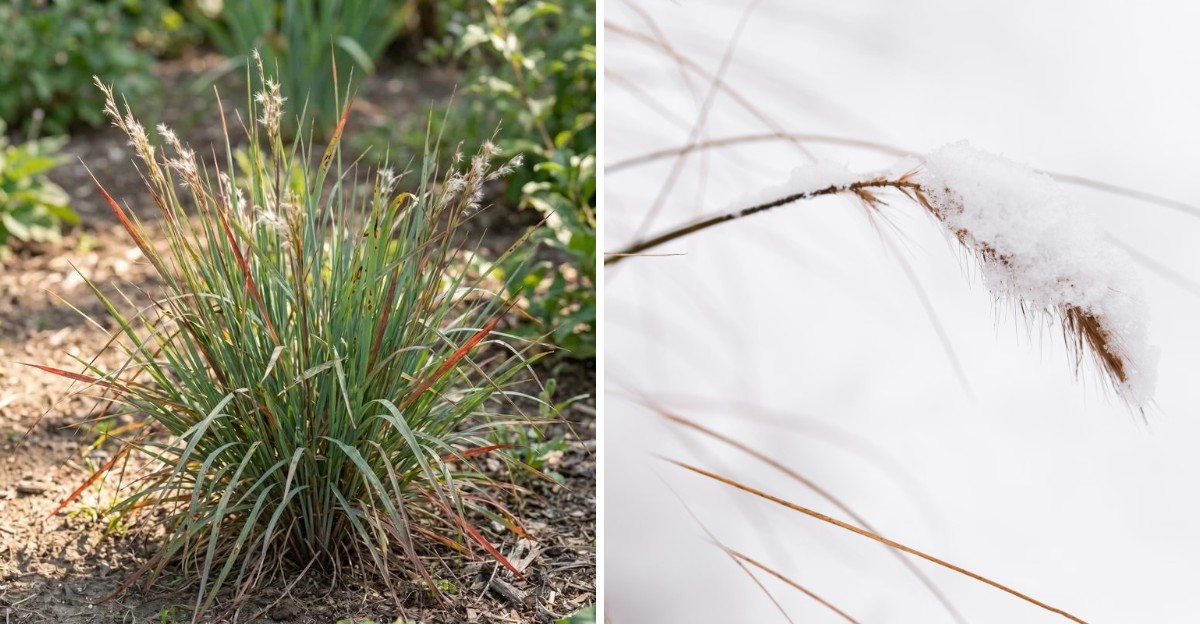
The secret is in the color. In summer, the stems and slim leaves have a blue-green or gray-green tint, and the bluish stems give the plant its name. Once cool weather arrives, those same leaves shift to orange, rust, burgundy, and soft purple.
Then the real magic begins. The color fades to a warm copper or bronze that lasts well into winter. Each stem also carries tiny fluffy seed heads that sparkle silver when the sun hits them from behind.
I can’t think of another native grass that offers so much show at such a modest size. It usually stays around two to three feet tall, so it fits small yards and front beds easily.
Plant a few clumps where low winter sun can backlight them. You will look forward to that glow every single morning.
Snow Makes Little Bluestem Look Even Better
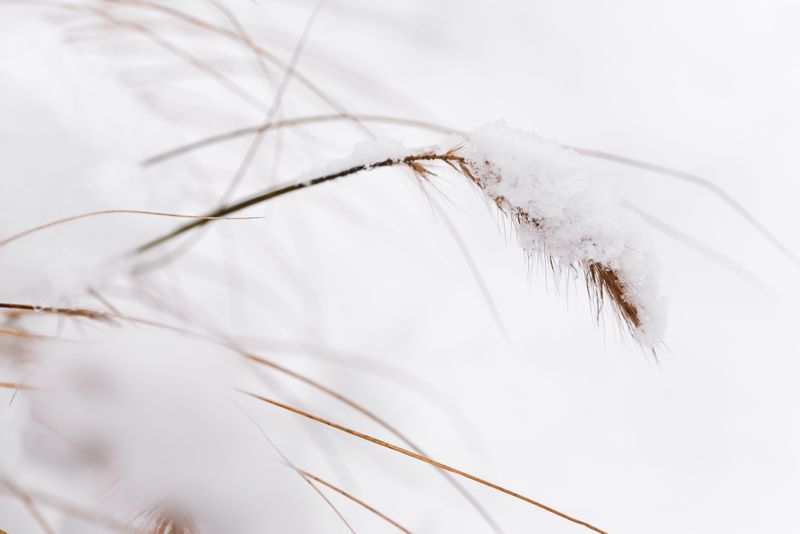
Some ornamental grasses flop into a soggy mess after the first heavy snow. Little bluestem tends to bounce back with surprising stubbornness.
Its stems are thin but sturdy, and the clumps grow upright. After a snowfall, the coppery blades poke through the white blanket like brushstrokes on a fresh canvas. That contrast is hard to beat on a dull winter day.
A dusting of snow also catches on the fluffy seed tufts. Up close, each stem looks frosted and delicate, almost like it was decorated on purpose.
Wet, heavy snow can bend some clumps, especially in rich soil where plants grow lanky. Here is a simple fix many growers recommend. Skip the fertilizer and plant in lean soil, which keeps stems shorter and stronger.
Cultivars such as Standing Ovation and The Blues were selected for upright form and strong color. Straight-species plants work beautifully too, and they offer the most genetic variety for wildlife.
Your Pennsylvania Garden Changes Every Week. Your Plan Should Too.
Gardening in Pennsylvania changes quickly throughout the season. Every Friday you’ll receive a simple weekly plan showing exactly what to plant, prune, fertilize, harvest, and protect so you never miss the right timing.
For the best view, place clumps near a window, walkway, or patio. You get to enjoy the scene from a warm spot with a mug of cocoa in hand.
Honestly, a snowy bed of little bluestem might change how you feel about winter.
Bumblebee Queens And Songbirds Count On These Grass Clumps
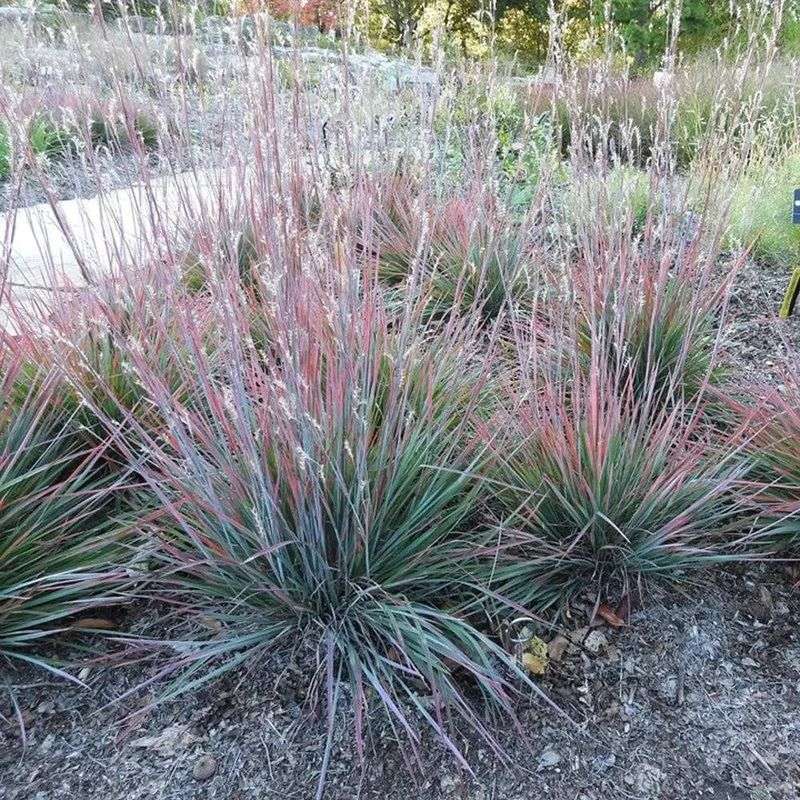
Leaving grass standing all winter might look lazy to the neighbors. To wildlife, it looks like a five-star hotel.
Little bluestem grows in tight bunches, and the base of each clump stays sheltered from wind and cold.
Some native bumblebee queens are known to overwinter in or near the bases of bunch grasses, and many other insects tuck into the hollow stems and leaf litter.
Birds benefit too. Juncos, sparrows, and other seed eaters pick at the fluffy seed heads when food runs low. The dense clumps also give small birds a quick hiding spot from hawks.
Under snow, the clumps help create small air pockets near the ground. Mice, voles, and many insects use these sheltered spaces to stay out of the worst weather.
In warmer months, little bluestem feeds the caterpillars of several skipper butterflies, including the cobweb skipper and the dusted skipper. Those caterpillars become food for baby birds in spring.
So my advice is simple. Resist the urge to tidy up in fall. Every standing stem gives something a place to rest, eat, or wait for spring.
Your Pennsylvania garden becomes a quiet lifeline when the landscape feels empty.
Sunny, Dry Spots Are Where This Native Grass Shines
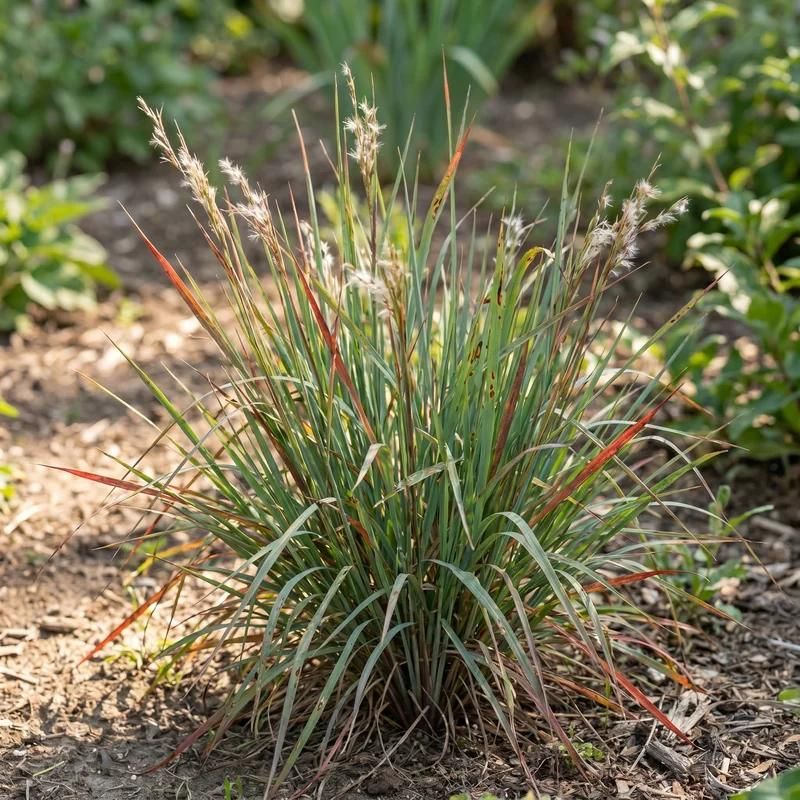
Got a hot, dry corner where nothing seems happy? Little bluestem might be the answer you have been waiting for.
This grass loves full sun, ideally six or more hours a day. It handles poor, sandy, rocky, or gravelly soil with ease, and it shrugs off drought once roots settle in. Rich, soggy ground is the one thing it truly dislikes.
It is hardy in USDA zones 3 through 9, which covers all of Pennsylvania. Gardeners in Erie, the Poconos, Pittsburgh, and Philadelphia can all grow it with confidence.
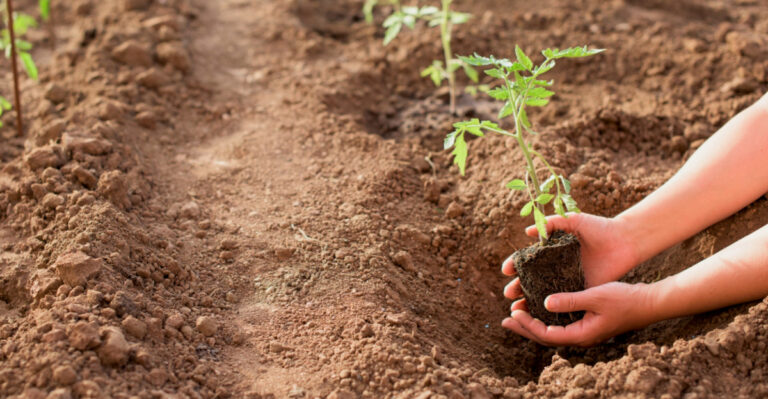
Spring is the best time to plant. Set young plants about 18 to 24 inches apart so each clump has room to fill out. Water them weekly during the first summer while roots develop.
After that first year, you can mostly put the hose away. Mature plants send roots several feet deep, which helps them ride out dry spells.
Little bluestem also works well on slopes, where those deep roots help hold soil in place. Try it along driveways, curbs, or sunny banks.
Even a tiny patch of three to five plants creates a little slice of prairie right outside your door.
Why Little Bluestem Gets Overlooked At The Garden Center
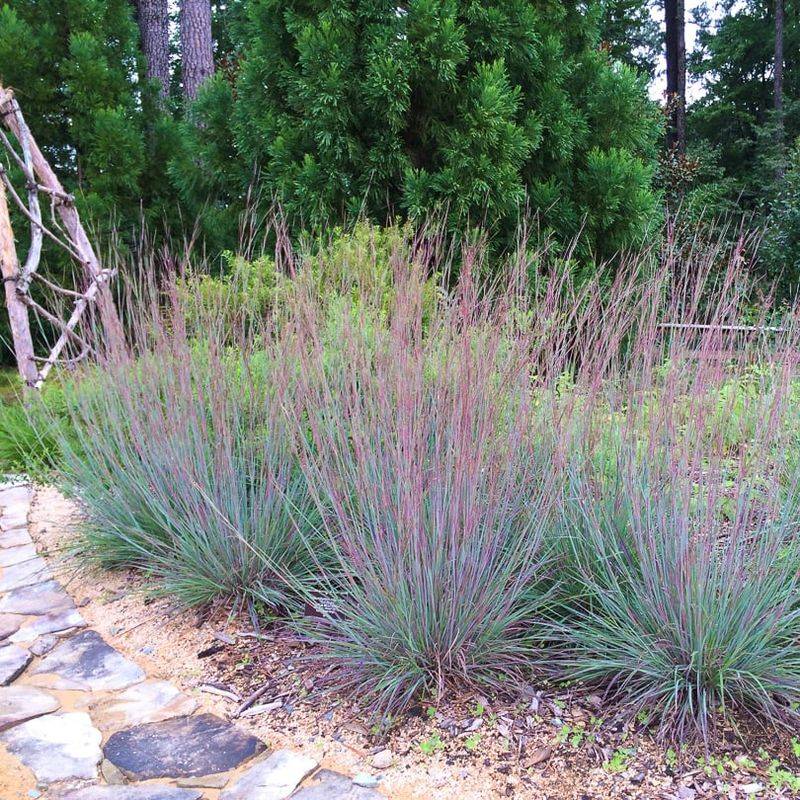
Spring shoppers grab what looks flashy in a pot. Unfortunately, little bluestem looks like a plain tuft of green grass in May.
That first impression hurts its reputation. The plant saves its best colors for fall and winter, long after most people finish shopping. By the time it glows, nobody is browsing the nursery aisles.
Size plays a part too. Bigger grasses like non-native maiden grass grab attention with tall plumes. Sadly, some Miscanthus can spread aggressively into natural areas in Pennsylvania, so it is not a great swap for natives.
Little bluestem is slow to wake up as well. As a warm-season grass, it greens up late in spring, sometimes in May. Impatient gardeners often assume it failed and dig it out too early.
Fun fact for you. Little bluestem once covered huge stretches of the tallgrass prairie, and it still shows up in Pennsylvania barrens and meadows today.
Once you know what to look for, you start spotting it everywhere. Roadsides, power line clearings, and old pastures often glow orange in November.
Ask your local nursery about it, or check native plant sales hosted by conservation districts each spring.
Red Twig Dogwood And Winterberry Make Great Grass Partners
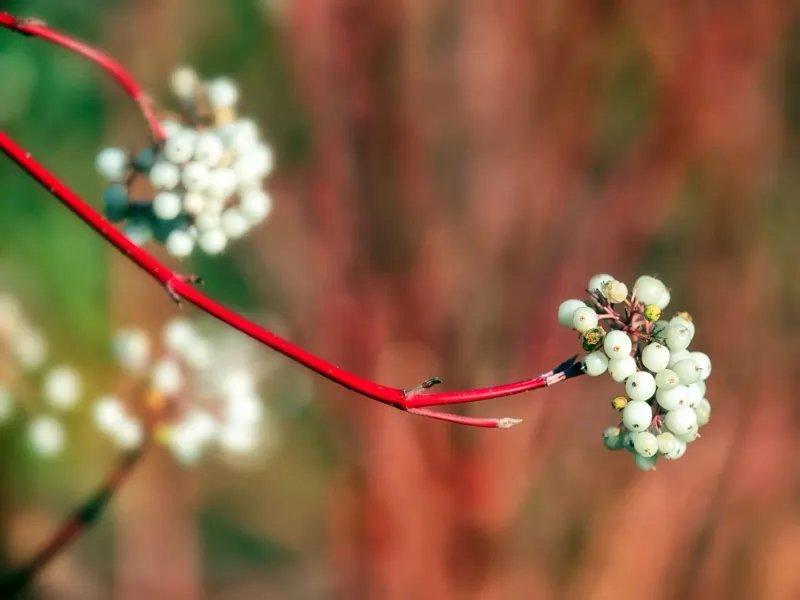
Copper grass beside bright red stems? Now that is a winter color combo worth bragging about.
Red osier dogwood, Cornus sericea, is a native shrub with glowing red bark that pops after leaves fall. Set it behind a drift of little bluestem, and the warm tones play off each other beautifully.
Winterberry, Ilex verticillata, adds clusters of scarlet berries that hang on for weeks. Remember to plant a male shrub nearby so the females produce fruit. Birds such as robins and bluebirds will thank you later in the season.
For extra texture, leave the seed heads of native perennials standing. Purple coneflower, black-eyed Susan, and wild bergamot all hold their dark seed heads into winter and feed finches.
Evergreens make a strong backdrop too. Eastern red cedar or a low juniper gives the eye a deep green anchor behind the bronze grass.
One more favorite of mine is butterfly milkweed. It shares the same love of dry, sunny soil and offers orange flowers in summer.
Group plants with similar needs, and your garden takes care of itself. The result is a bed that looks lively in every season, not just July.
Cut Back Little Bluestem In Late Winter For A Fresh Start
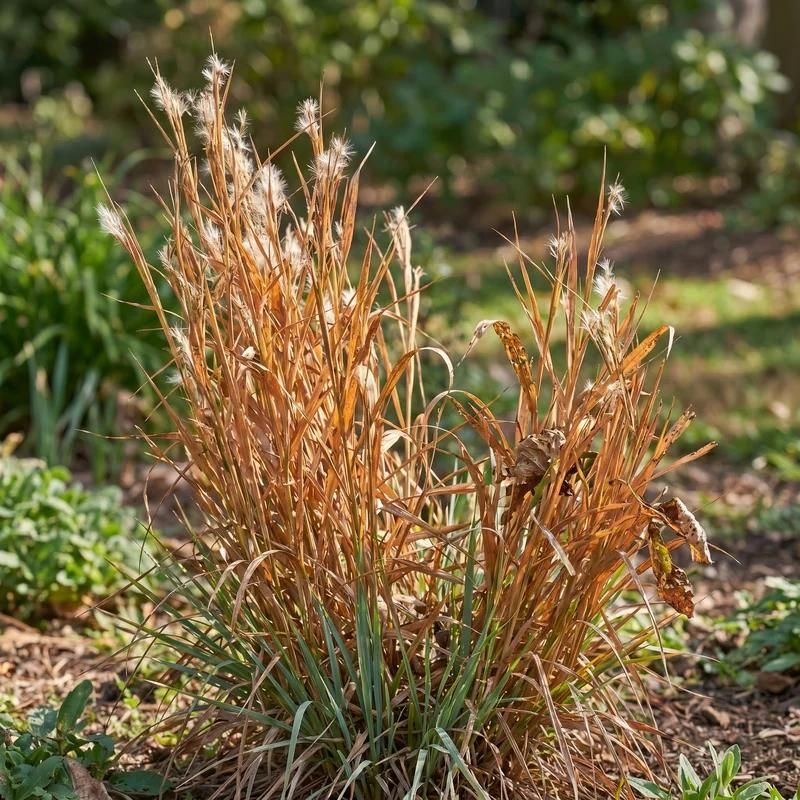
Patience pays off with this grass. The best care plan is mostly doing nothing until late winter.
Leave the clumps standing through fall and the coldest months. That way you enjoy the color, and wildlife keeps its shelter and seeds.
Around March or early April, before fresh green shoots appear, cut the old stems back to about four to six inches tall.
Hand pruners or hedge shears work fine for small patches. Tie a cord around large clumps first to make cleanup easier.
Many pollinator experts suggest leaving the cut stems loosely piled in a back corner for a while. Some native bees nest inside hollow stems and emerge later in spring.
Beyond that, care stays simple. Skip the fertilizer, avoid heavy mulch around the crown, and after the first year, water only during long droughts.
Clumps may thin in the center after several years. Divide them in spring with a sharp spade and replant the healthy outer pieces.
Little bluestem can reseed in open soil, which is a bonus in meadows. Pull extra seedlings if you want a tidier look.
A few minutes of work each year gives you months of beauty. That is a trade I will happily take.