The Fall Pruning Mistake That Can Cost Pennsylvania Fig Trees Their Winter Survival
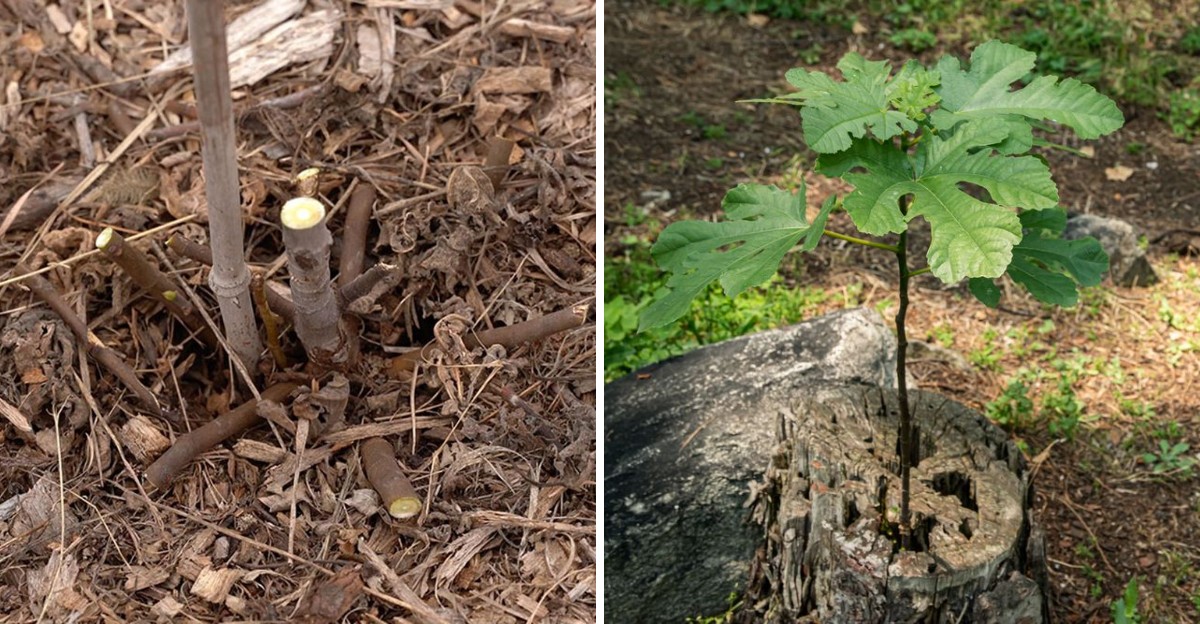
A fig branch can keep sending out soft new leaves in late October, as if winter were only a rumor.
That stubborn optimism is charming in July. In autumn, it can leave a tree with tender wood that freezes back to the ground.
I love that gardeners in Pennsylvania grow a plant whose wild relatives come from the warm Mediterranean and western Asia.
Most of the state sits in USDA zones 5b through 7b, while many figs feel safest in zone 7 and warmer. That gap makes every autumn choice matter.
Personally, I get the urge to tidy up when the leaves start falling. The shears feel right in my hand, and a neat tree looks ready for winter.
You may be surprised how one well-meaning afternoon of cutting can shift the odds against your tree.
That Tidy Autumn Haircut On Your Fig Tree Comes With A Hidden Cost
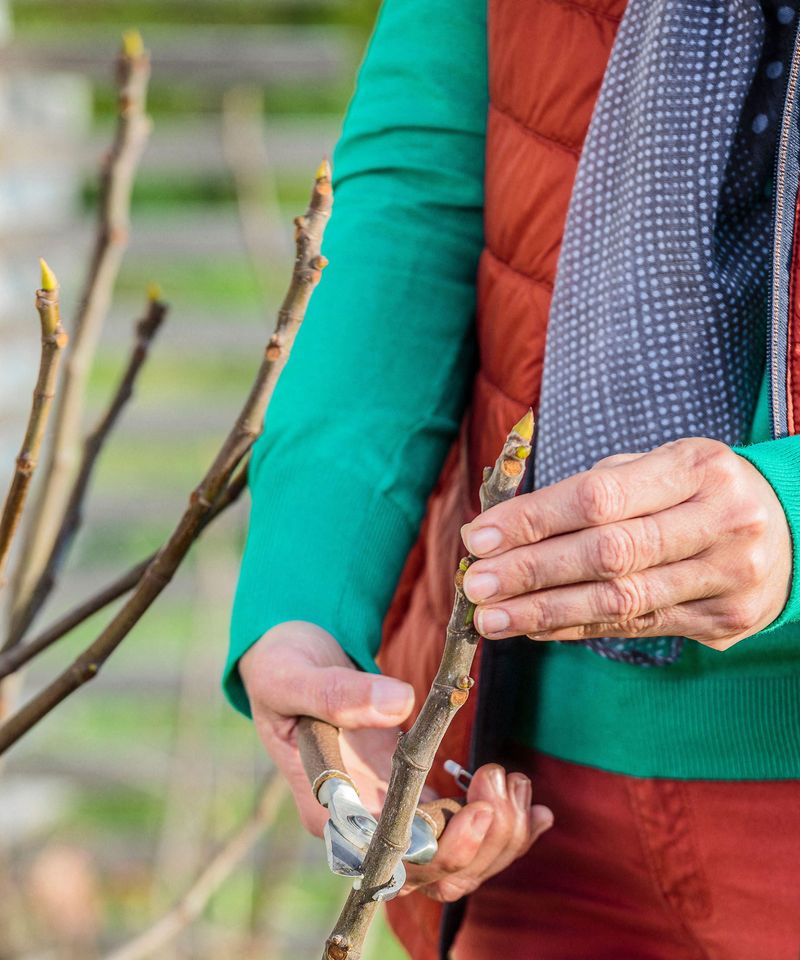
Most of us prune because it feels like care. A shaggy fig looks messy by October, and cutting it back seems like a kind favor before the snow flies.
The trouble starts with timing. Pruning a fig in early or mid fall, while it still has leaves and the soil is still warm, sends a signal to grow.
The plant may push out fresh shoots right when it should be slowing down and getting tough.
Figs also leak a milky white sap from fresh cuts. That latex is part of the plant’s defense system, and it can irritate your skin, so gloves are smart.
A steady flow from many open wounds is one more drain on a tree that is trying to settle in for winter.
Penn State Extension and many fruit growers point to late winter or early spring as the better window for most pruning. By then, the tree is dormant and you can see which stems survived the cold.
So the mistake is not pruning itself. It is pruning too early, before the tree has finished its own wind-down. Holding off a few months gives your fig a much stronger shot at spring.
Fresh Fig Shoots In October Rarely Get Tough Enough For Frost
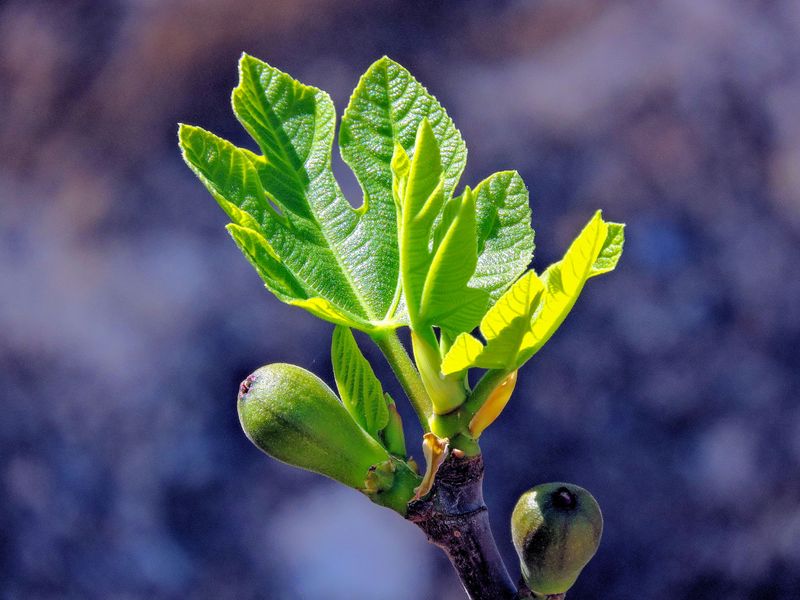
Green and soft in October sounds lovely, but for a fig it spells risk. New stems need weeks of mild weather to harden, a process gardeners call hardening off. Their cells slowly change, and the bark turns firm and brown.
When pruning wakes up buds late in the season, those shoots start the race far behind. A sharp Pennsylvania frost can arrive in October in many areas, and earlier in the mountains.
Young wood caught by that cold turns black, mushy, and limp within days. Damage does not always stop at the tips.
Cold can travel down into older wood that was pushed into growth, leaving whole branches to fail by spring. I like to do a simple bark check in fall. Run your fingers along the stems.
Brown, woody bark is ready for winter. Green, bendy growth is the tender stuff that tends to struggle.
Your Pennsylvania Garden Changes Every Week. Your Plan Should Too.
Gardening in Pennsylvania changes quickly throughout the season. Every Friday you’ll receive a simple weekly plan showing exactly what to plant, prune, fertilize, harvest, and protect so you never miss the right timing.
You can help by stopping fertilizer by midsummer, since extra nitrogen also feeds late growth.
Cut back on watering as nights cool, unless the weather turns very dry. These small steps tell your fig it is time to rest, not grow.
Late Winter Is Prime Time For Picking Up The Fig Pruners
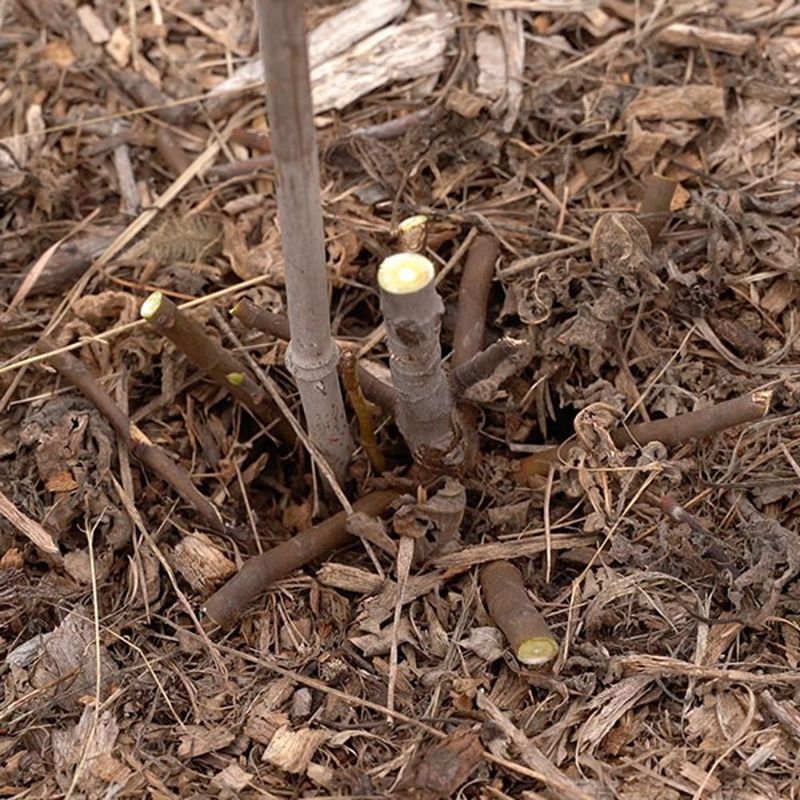
Waiting feels hard, but your patience pays off in February or March. A dormant fig has dropped every leaf, so its frame shows clearly.
You can spot crossing branches, crowded centers, and stems that froze back. Here is a handy test before cutting. Scratch the bark lightly with your thumbnail or a knife.
Green tissue underneath means the wood is alive. Brown and dry tissue means that section did not make it, so cut back until you find green.
Aim to finish before buds begin to swell. Most gardeners in southeastern parts of the state can work a bit earlier, while those in colder northern counties often wait until March or even early April.
Many fig varieties grown here, like Chicago Hardy and Brown Turkey, bear their main crop on new wood formed that same season.
Spring pruning will not wipe out your summer fruit. It often encourages healthy new shoots that carry figs.
Use sharp, clean bypass pruners and make cuts just above an outward-facing bud. Remove no more than about a third of the living wood in one year. Your tree will wake up refreshed and ready to grow.
Fall Cuts Can Chip Away At A Fig’s Built-In Cold Hardiness
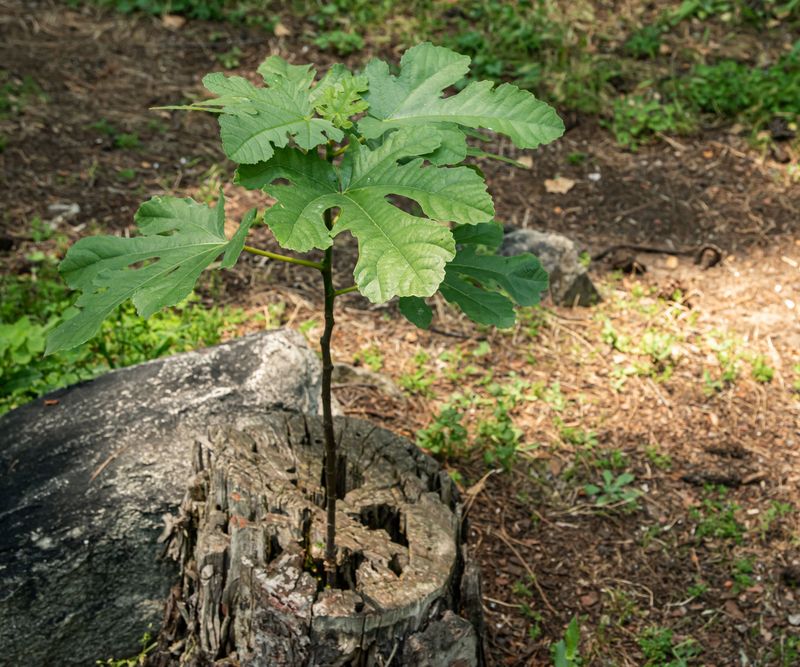
Plants have a quiet trick for winter called acclimation. As days shorten and nights cool, woody stems move water out of their cells and build up sugars that act a bit like antifreeze.
Research on woody plants, including fruit trees, suggests that pruning in autumn can interrupt that process.
Trees cut in fall often do not reach their full cold tolerance, and the effect may linger for weeks. Heavier cuts appear to make the problem worse.
Fresh wounds also create entry points. Cold, wet weather slows healing, and open cuts can dry out or allow decay organisms to settle in before spring arrives.
For a fig, this matters a lot. Many common varieties see stem damage somewhere around 10 to 20 degrees Fahrenheit, and Pennsylvania winters often dip lower.
Every bit of natural toughness counts. Losing even a few degrees of hardiness can be the difference between a tree that leafs out from its branches and one that has to regrow from the roots.
Hard numbers on figs specifically are limited, so treat this as a sensible caution rather than a guarantee. Still, the safest move is clear. Let the tree harden on its own schedule.
Wrapping And Mulching An In-Ground Fig Before The Big Chill
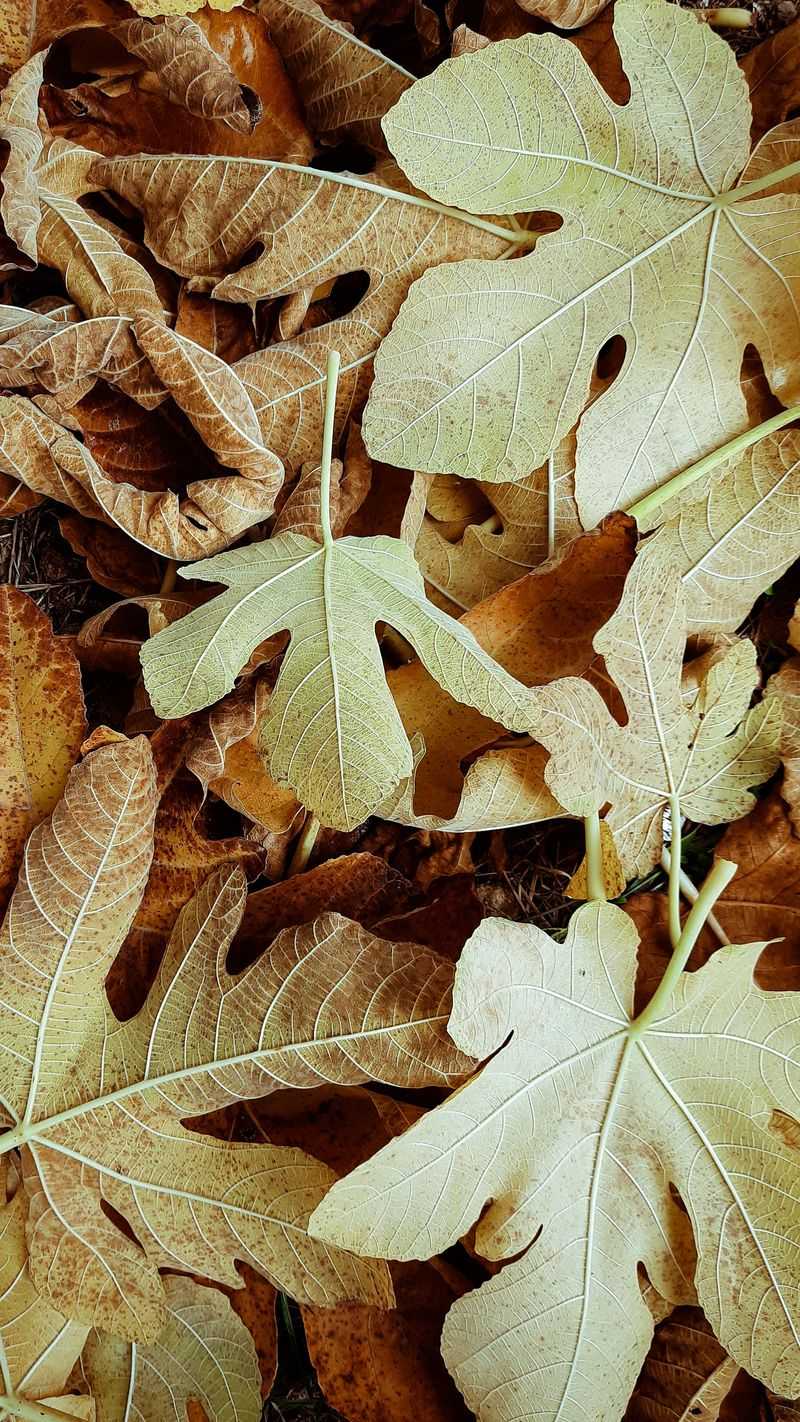
Grandparents in South Philly were wrapping figs in burlap and old carpet long before it was trendy. That tradition still works, with a few smart updates.
Wait until after the leaves drop and a few hard frosts have passed, often late November. Gently pull the branches together and tie them with soft twine. Bundled stems are easier to cover and less likely to snap under snow.
Next, pile mulch around the base. Straw, shredded leaves, or wood chips work well, and a deep layer of 12 inches or more protects the crown and roots.
Then wrap the bundle in burlap or frost cloth. Some growers add a cage of chicken wire stuffed with leaves for extra insulation.
Top it with a loose cap to shed rain. Skip airtight plastic directly on the stems, since trapped moisture and heat on sunny days can cause trouble.
Uncover gradually in spring once hard freezes are mostly done, usually April. If you garden in zone 5 or 6, a wrapped fig often fares far better than a bare one. Even if tops freeze, a protected crown can send up vigorous new shoots.
Potted Figs Love A Cool, Dark Garage Nap
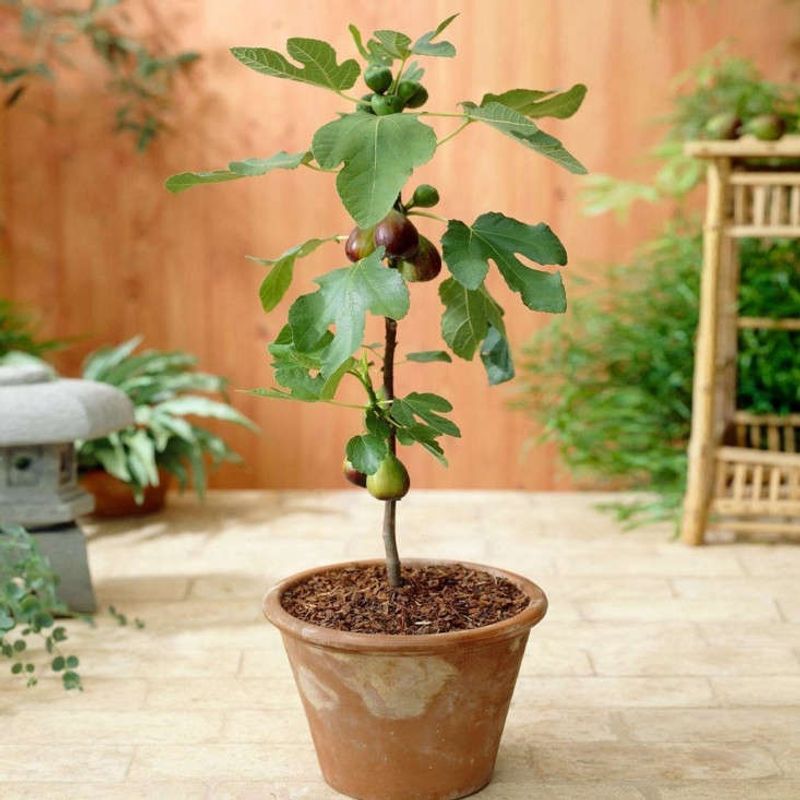
Container growers have a sneaky advantage. You can roll your fig to shelter instead of fighting the weather outdoors.
Leave the pot outside until the leaves yellow and drop after the first light frosts. That chill helps the tree slip into dormancy. Then move it into an unheated garage, shed, or cool basement.
The sweet spot sits roughly between 20 and 45 degrees Fahrenheit. Light is not needed while the tree sleeps.
Roots in a pot are more exposed than roots in the ground. A garage that stays above about 20 degrees keeps them safe, while an open patio may not.
Water lightly about once a month, just enough to keep the soil from turning bone dry. Soggy soil in a cold room invites rot, so less is more.
Watch for early buds in late winter. If the space warms up and green tips appear, the tree may need light or a cooler spot to slow it down.
Bring it outside in spring after frost danger passes, easing it into the sun over a week. I find this routine one of the easiest ways to enjoy figs in a cold state.
A Patient Fig Grower Gets The Sweetest Summer Harvest
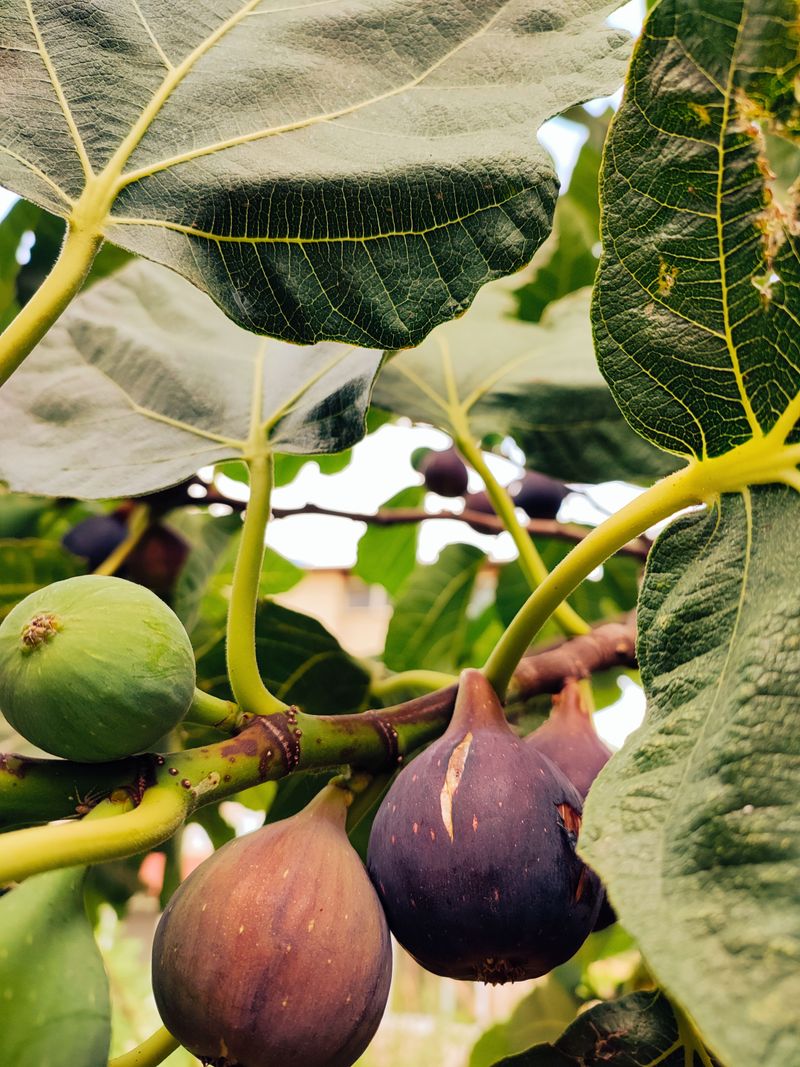
Ripe figs in late August are worth every chilly step of winter prep. Soft, honeyed, and warm from the sun, they rarely make it to the kitchen in my yard.
Getting there comes down to a simple plan. In fall, put the shears away, stop feeding, and let the tree harden. In late fall, mulch, wrap, or move pots indoors.
In late winter, check for live wood and prune with care. In spring, uncover slowly and watch new growth take off.
Variety choice helps too. Chicago Hardy, Celeste, and Brown Turkey are popular picks because they can regrow and fruit even after some winter dieback. A warm spot near a south-facing wall adds valuable heat.
Keep a small notebook of your dates. Write down when leaves dropped, when you wrapped, the coldest night, and when buds broke.
After a couple of years, you will know your own yard better than any chart. Pennsylvania microclimates vary a lot, from river valleys to hilltops.
Above all, give yourself grace. Figs bounce back with surprising energy, and one cautious fall can set up many generous summers ahead.