How To Prepare Florida Citrus Trees For Cooler Fall Nights
Bare, wet dirt can keep a backyard tree warmer on a cold night than a fluffy layer of wood chips. I laughed when I first read that, because it sounds backward.
Soil soaks up sunshine all day and gives that heat back after dark. Mulch can block some of that warm-up, so the ground beneath your tree works like a slow, low heater.
Out here in Florida, fall nights rarely get scary. Still, a sudden cold front can catch tender leaves, young trunks, and hanging fruit off guard. I can’t imagine watching a year of fragrant blooms and sweet harvests slip away over one chilly night.
You need a plan before the weather turns, not after. A few small choices made now can matter more than any frantic midnight scramble.
1. A Few Chilly Hours Can Matter More Than Your Citrus Lets On
Citrus trees are tough in the heat, but cold is a different story. According to UF/IFAS Extension, damage can start when temperatures hit 32°F or lower for several hours, and wind makes it worse.
Not every tree reacts the same way. Lemons, limes, and citrons are the most tender, while satsumas and kumquats handle chilly nights far better.
Sweet oranges and grapefruit fall somewhere in the middle.
Age plays a huge role too. Young trees have thin bark, small root systems, and less leafy canopy to hold heat.
A tree planted last spring needs far more attention than a 15-year-old giant shading half your yard.
Location inside the state matters a lot. North Florida and the Panhandle see frost and freezes most winters, sometimes starting in late November.
Central Florida gets occasional hard freezes, and South Florida rarely does.
Fall is also when trees slow down and harden off. Cooler weather tells them to stop pushing new growth, which builds natural cold tolerance over several weeks.
So your fall job is simple. Help your tree toughen up gradually, then have protection ready for the rare nights that dip low.
Knowing your variety and your region is the first step.
2. Water The Soil Under Your Orange Tree Before A Cold Front Arrives
My favorite cold-weather trick costs nothing but a little time with the hose. Moist soil stores more daytime heat than dry soil, then releases it slowly through the night.
UF/IFAS recommends watering your trees a day or two before a predicted cold snap. Do it during the morning or early afternoon so the sun can warm that damp ground.
Well-watered trees also handle cold stress better than thirsty ones.
Soak the area out to the drip line, which is the edge of the leafy canopy. A slow, deep drink is better than a quick splash.
You want the water to reach the roots, not just darken the surface.
Timing really counts here. Turning on a regular sprinkler during a freeze can coat leaves in ice and cause more harm.
Commercial growers use special low-volume micro-sprinklers that run all night, and that system works differently than a backyard hose.
Your Florida Garden Changes Every Week. Your Plan Should Too.
Gardening in Florida changes quickly throughout the season. Every Friday you’ll receive a simple weekly plan showing exactly what to plant, prune, fertilize, harvest, and protect so you never miss the right timing.
Keep an eye on the forecast through November and December. Local news and the National Weather Service often give a few days of warning before a strong front.
That gives you plenty of time to water, plan, and relax a bit.
3. Pull That Mulch Back From The Citrus Root Zone
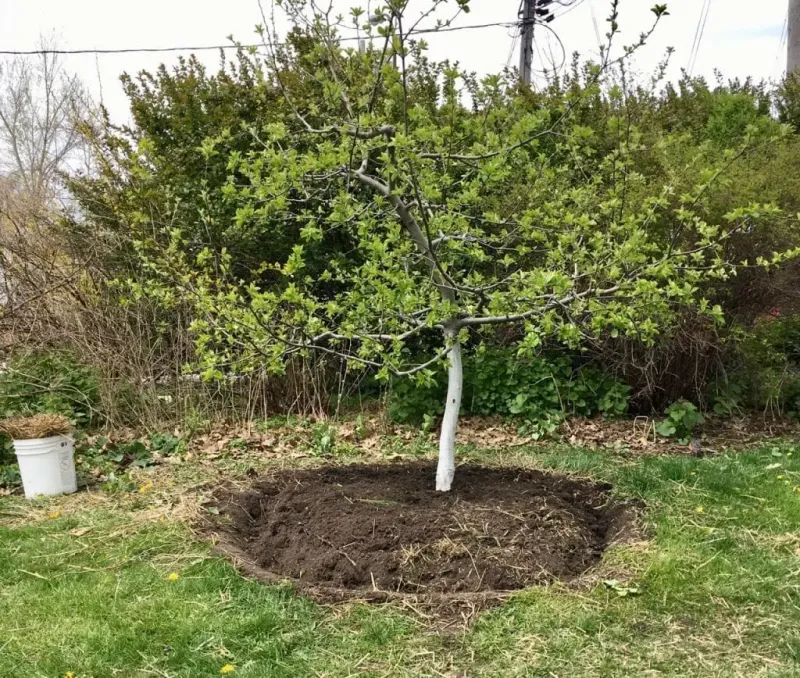
Here comes the surprise that flipped my thinking. Mulch is a summer hero, but it can work against citrus on a frosty night.
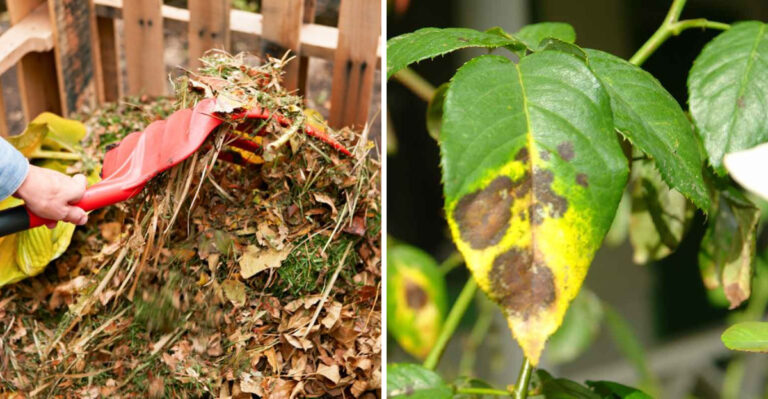
A thick layer of wood chips or pine straw shades the soil. That means less sunshine soaks in during the day and less warmth rises up after dark.
UF/IFAS citrus experts suggest keeping the ground under the canopy bare, firm, and weed-free during the cold season.
Citrus roots also dislike mulch piled against the trunk any time of year. Constant moisture there can invite foot rot, a fungal disease that attacks bark near the soil line.
Many Florida extension agents already advise skipping mulch close to citrus trunks.
So in fall, gently rake mulch out past the drip line. You can leave it in a ring farther out to keep weeds down.
Pull weeds under the tree too, since tall grass traps cold air near the trunk.
Once spring warmth settles in, you can relax the bare-soil rule a little. Just keep any mulch a foot or more from the trunk.
Your tree will thank you with healthier bark and better winter warmth.
4. Wrap Or Bank The Trunk Of Young Citrus Trees
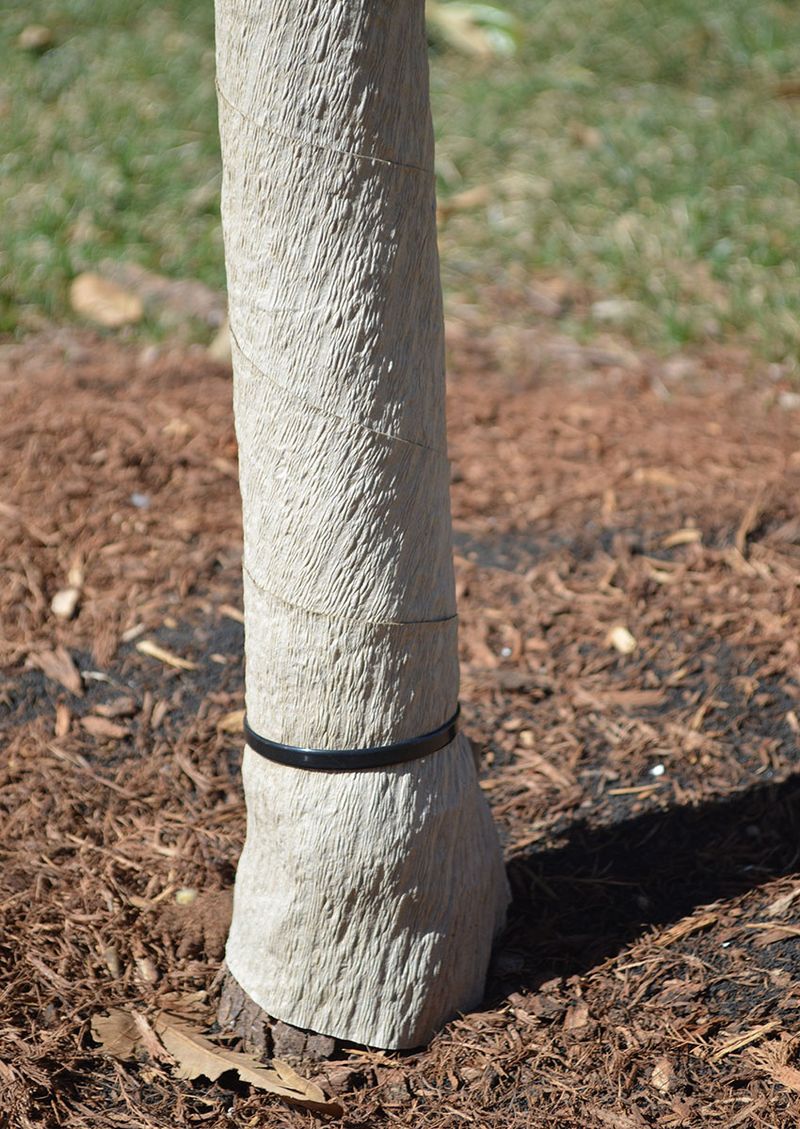
A tree’s top can regrow, but its trunk is the backbone. If the graft union near the base gets badly damaged, you may lose the fruiting variety and end up with only rootstock.
For trees under about four years old, trunk protection is smart insurance. Foam pipe insulation, commercial tree wraps, or fiberglass wraps all slow the drop in temperature.
Slip them on from the soil up to the first branches.
Old-time Florida growers also used soil banks. Pile clean soil, free of weeds and debris, around the trunk up to about 18 inches high.
It’s a classic UF/IFAS tip for young trees in colder parts of the state.
A few cautions make this work better. Put banks up after mid-November in North Florida and take them down once cold weather fades, often by March.
Leaving soil against bark too long can lead to foot rot and pest trouble.
Check wraps every few weeks for ants or moisture building up underneath. Loosen anything that looks tight as the trunk grows.
These small habits keep that precious graft union safe through the chilliest stretch.
5. Keep Frost Cloth Ready For Your Lemon And Lime Trees

Ever had to dig through a messy garage at 10 p.m. hunting for a blanket? I have, and I promised myself never to repeat it.
Buy or gather your covers in early fall.
Frost cloth, old bedsheets, quilts, and burlap all work for small trees. The key is letting the cover reach the ground on every side.
That traps heat rising from the soil, which is why watering earlier matters so much.
Secure the edges with bricks, rocks, or landscape pins. Wind can sneak under loose fabric and steal warmth fast.
A simple frame of stakes helps keep heavy blankets from snapping branches.
Skip plastic sheeting touching the leaves. It conducts cold and can cause burn spots where it touches.
Some gardeners add old-fashioned incandescent Christmas lights under the cover for gentle extra heat, but avoid LED bulbs since they give off little warmth.
Remove covers the next morning once temperatures climb above freezing. Leaving them on through a sunny day can overheat the tree.
With a little practice, the whole job takes just a few minutes.
6. Late Fertilizer Can Push Out Tender Citrus Leaves
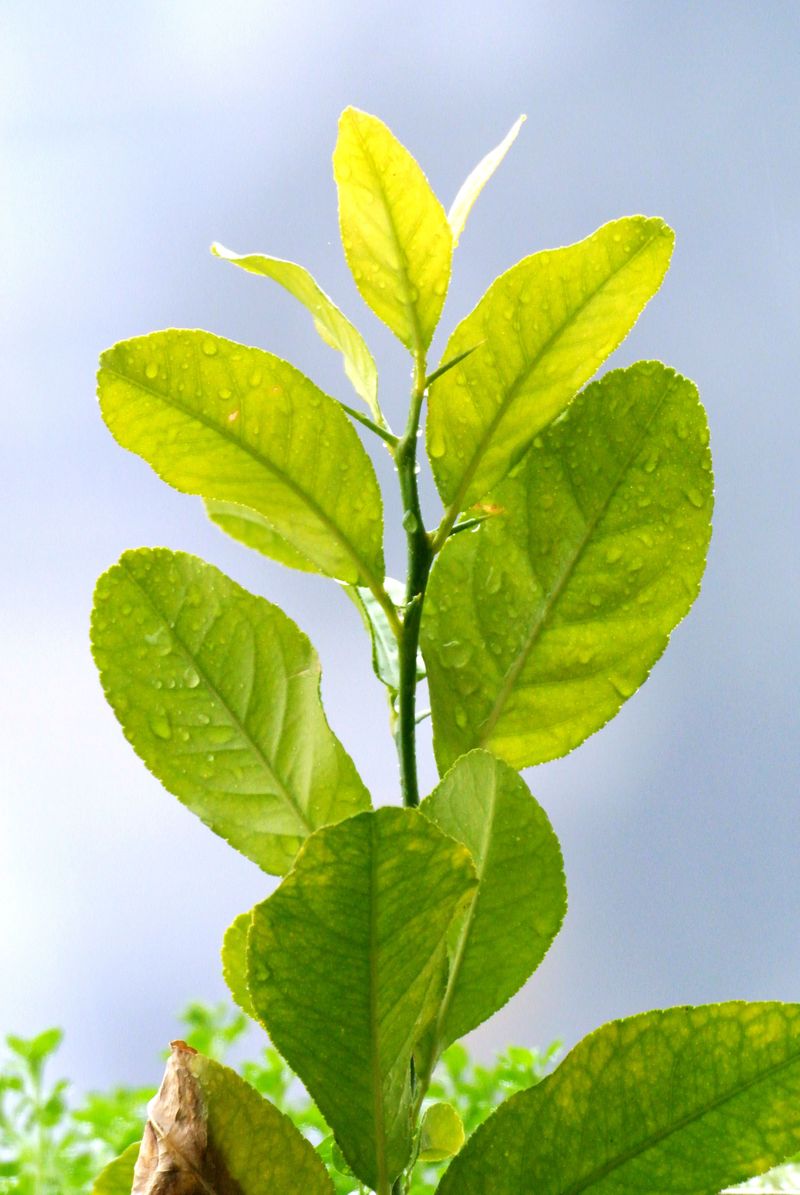
Feeding your tree feels kind, but late-season nitrogen can backfire. It tells citrus to push out soft new leaves just as cold weather approaches.
That fresh flush is the most cold-sensitive part of the tree. Light green shoots can get burned by temperatures a mature tree would barely notice.
Older, darker leaves handle chill much better.
UF/IFAS guidance for home citrus usually suggests finishing fertilizer by early fall. In North and Central Florida, wrapping up by early fall is a smart target, though gardeners in counties with summer nitrogen limits may need to finish their nitrogen feedings before those limits begin.
South Florida gardeners have a little more wiggle room thanks to milder winters.
Check your fertilizer bag for the timing advice on the label. A citrus blend with micronutrients like magnesium and manganese supports healthy leaves.
Just schedule that last meal before cooler nights begin.
Some counties also have fertilizer rules during the summer rainy season. Local ordinances in places like Pinellas or Sarasota limit nitrogen from June through September.
Your county extension office can tell you what applies to your yard.
Once spring arrives, your tree will be hungry again. Start feeding when new growth wakes up in late winter, around February.
Patience now pays off in stronger branches later.
7. Save The Big Citrus Pruning Job For Late Winter
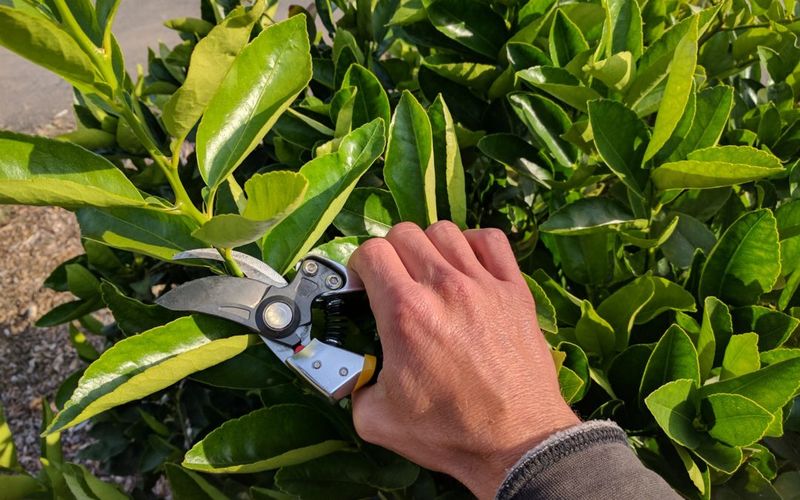
Fall cleanup fever is real. Still, your citrus would rather keep its leafy coat on for now.
A full canopy helps hold warmth and shelters inner branches and fruit. Heavy cuts can open up the tree and expose tender wood to chilly air.
Pruning can also trigger new growth, which brings back the tender-shoot problem.
Small fixes are fine anytime. Snipping broken twigs, crossing branches, or sprouts from below the graft union won’t cause trouble.
Rootstock suckers should go, since they steal energy and grow sour fruit.
Save bigger shaping for late winter or early spring, after the freeze risk passes. In much of the state, that means February or March.
North Florida gardeners may want to wait a bit longer.
If a cold night does damage your tree, hold off on cutting right away. Brown leaves can look scary, but some twigs may still be healthy.
Wait until spring growth appears so you can see exactly where living wood begins.
Clean, sharp tools make every cut heal better. Wipe blades with rubbing alcohol between trees to reduce spreading disease, especially citrus canker.
8. Harvest Ripe Oranges And Move Potted Citrus Before Frost
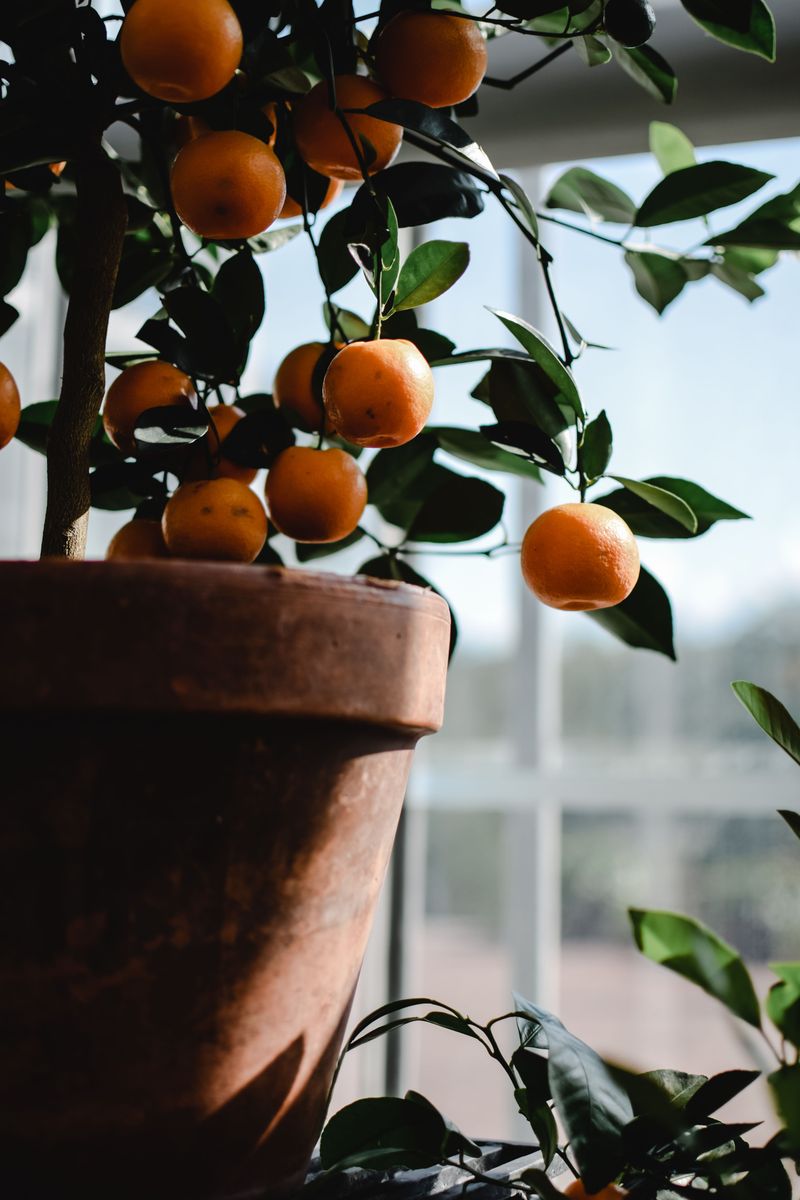
Fruit hanging on a tree is a tempting snack for the cold. Ripe citrus can freeze inside when temperatures stay below about 28°F for a few hours.
Before a hard freeze, pick any fruit that’s ready to eat. Satsumas often ripen in October and November, so many are already in your kitchen.
Oranges and grapefruit hold well on the tree, but harvest ripe ones if the forecast looks rough.
Frozen fruit can dry out over the next week or two. Cut one open after a cold night and look for dry, shriveled pulp.
Use slightly affected fruit quickly in juice.
Potted citrus has it easier. Roots in containers chill faster than roots in the ground, so roll pots into a garage, porch, or against a south-facing wall.
A plant dolly makes moving heavy pots much simpler.
Write a quick cold-night checklist and tape it inside the garage door. Water, cover, harvest, and move pots should top the list.
With that plan ready, a chilly forecast feels like a small chore instead of a panic.
Your trees will reward you with sweet fruit for many seasons.