Georgia Homeowners Should Deal With This Fall Lawn Weed Before It Leaves Stickers In Spring
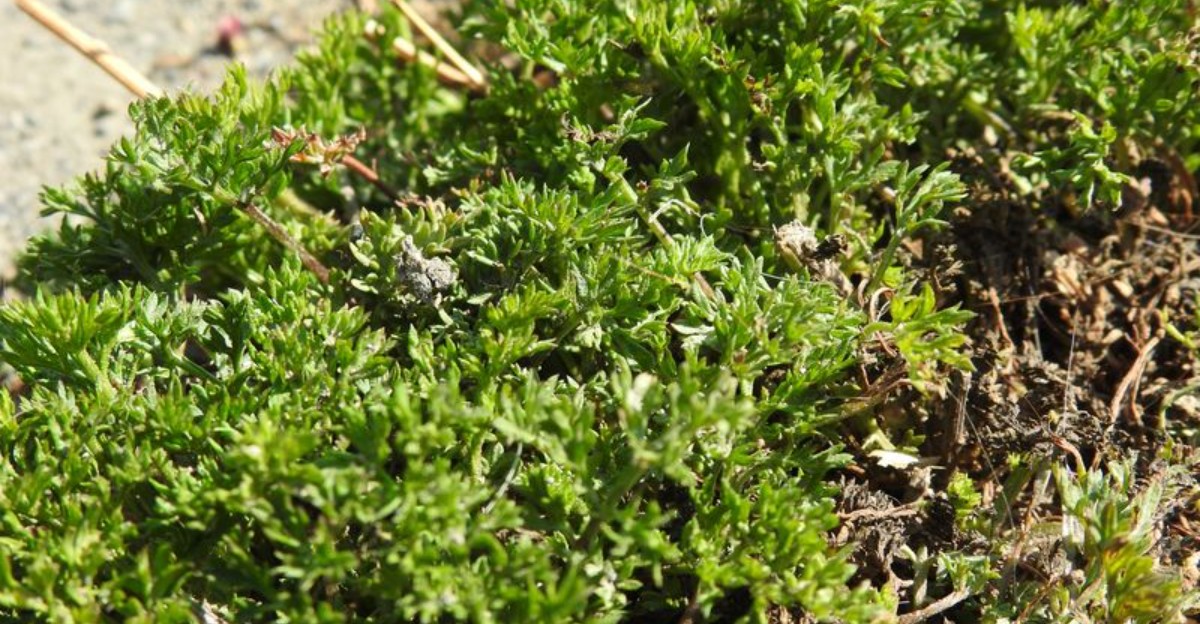
A weed barely taller than a bottle cap can turn a soft lawn into a field of tiny spears by April. Each little spike is actually a seed, built to hitch a ride on whatever steps on it.
I learned this the hard way during a barefoot spring afternoon in Georgia. My dog learned it too, limping across the yard with a paw full of prickly hitchhikers.
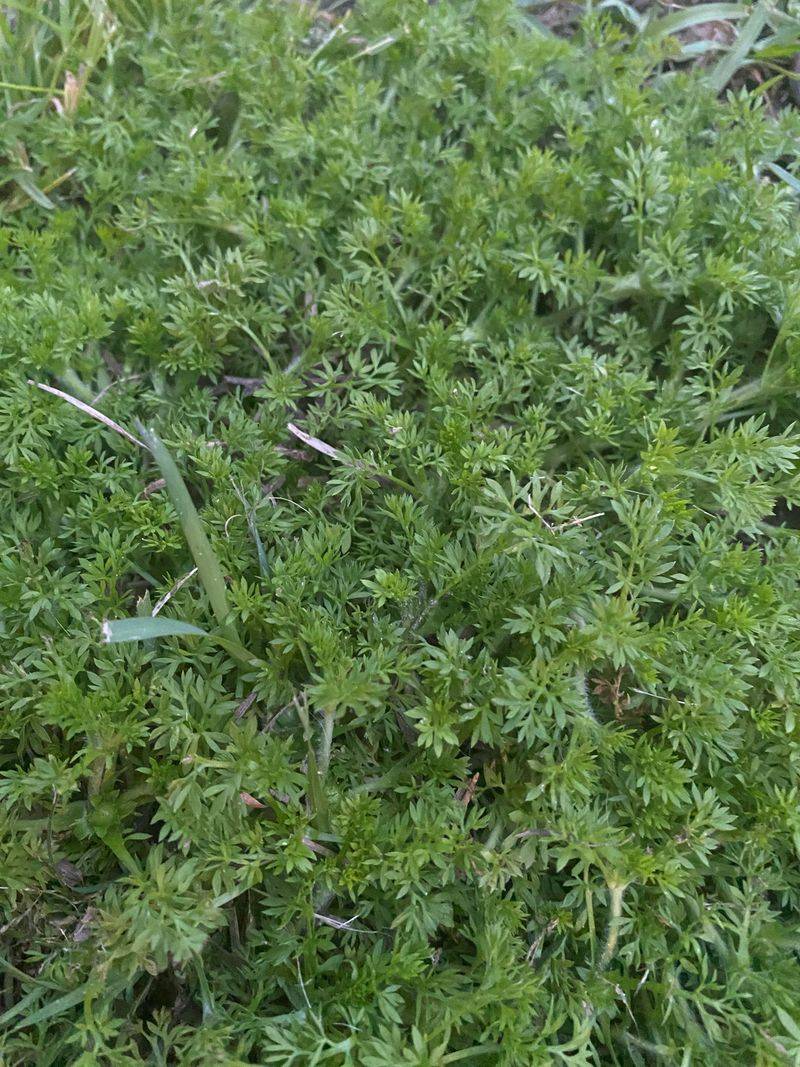
The sneaky part? Right now, in fall, the plant looks like a harmless sprig of baby parsley.
It hugs the ground so tightly that mowers glide right over it.
I believe most of us blame spring for the stickers. The real trouble starts months earlier, while you are busy raking crunchy leaves and thinking about pumpkins.
So what if a few easy minutes of work this season could keep your toes happy next spring?
1. That Parsley-Looking Sprig In Your Fall Lawn Has A Prickly Plan
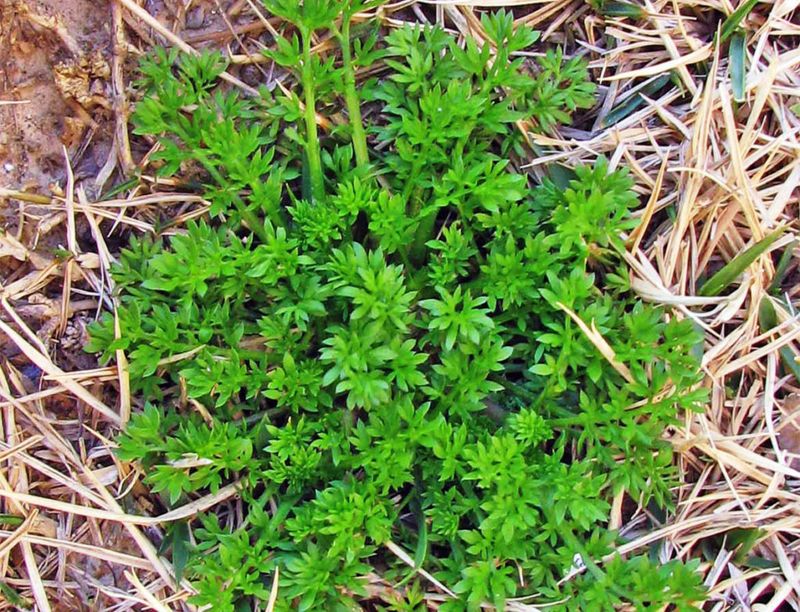
Kneel down in your yard after the first cool snap of fall, and you might spot something cute. Tiny green rosettes with lacy, finely cut leaves pop up between the grass blades.
They look a lot like baby parsley or carrot tops.
Most people shrug and walk away. I did that for years, and I paid for it every spring with sore feet.
Those little sprigs are just getting started, and they have a very specific plan.
Seeds sprout as soil temperatures cool in fall, often after a good rain or the first real cold front. The young plants stay small and flat all winter.
That low, quiet growth keeps them under the mower blade and out of your attention.
Then the weather warms up. Around late winter and early spring, the plant starts packing tiny burs into the spots where the leaves meet the stem.
By April, those burs turn hard and sharp.
Spotting the weed now gives you a real head start. Take a slow walk around sunny, thin areas of your lawn, especially near sidewalks, driveways, and play spaces where grass struggles.
2. Lawn Burweed Is The Culprit Behind Those Spring Stickers
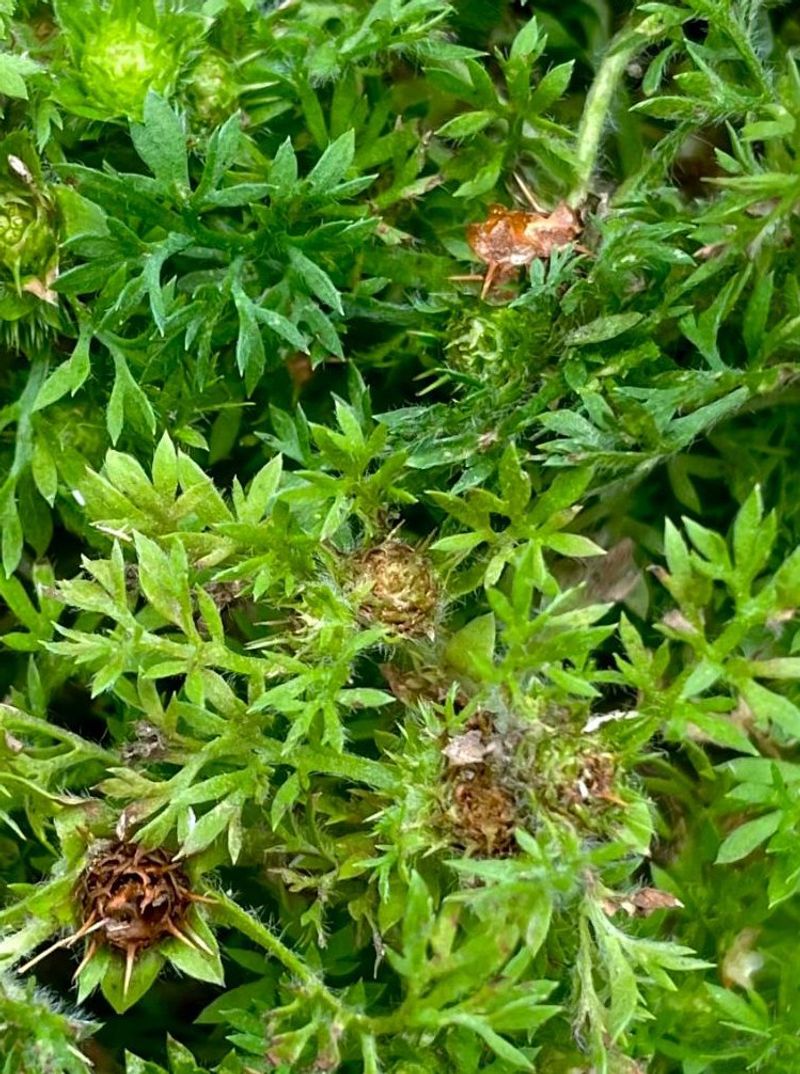
Meet the troublemaker by its proper name: lawn burweed, also called spurweed or simply sticker weed. Scientists know it as Soliva sessilis, and you may see the older name Soliva pterosperma in some guides.
It belongs to the aster family, which surprises a lot of folks. That puts it in the same big plant family as daisies and sunflowers, though it has none of their charm.
Each tiny bur holds a seed tipped with a sharp spine.
University of Georgia Extension experts list lawn burweed as a winter annual broadleaf weed. That label matters a lot.
It means the plant sprouts in fall, grows through winter, sets seed in spring, and then fades away once the summer heat arrives.
Plenty of homeowners mix it up with sandbur or goathead. Sandbur is a summer grassy weed, and goathead grows in hot weather too.
Burweed is the one that causes trouble in March, April, and May.
Knowing which sticker you have changes everything about timing. A summer weed treatment will miss burweed by months.
So check the leaves before you buy anything. Feathery, finely divided leaves and low, spreading growth point toward burweed.
If you still feel unsure, your local county Extension office can identify a sample for you, often at little or no cost.
3. A Fall Pre-Emergent Stops Burweed Seeds Before They Sprout
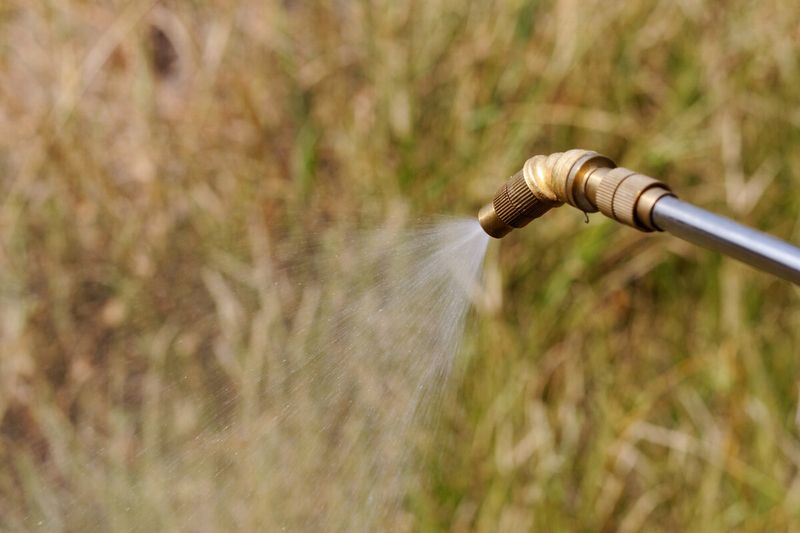
Timing is everything with this weed, and fall is when you hold the winning card. A pre-emergent herbicide forms a thin barrier near the soil surface.
Seeds that try to sprout through it fail to get established.
UGA turf specialists recommend getting pre-emergent products down before burweed germinates. In most of the state, that means late September through October.
North Georgia often cools sooner, so earlier in that window makes sense up there.
Products containing isoxaben, atrazine, or simazine are commonly listed for preventing lawn burweed in warm-season lawns. Each one has its own rules, so the label is your best friend here.
I like to think of pre-emergent as locking the door before the uninvited guest shows up. Once seedlings are already up, these products do little to help.
A few tips make the job go smoother:
Use a spreader for granular products so coverage stays even. Water lightly afterward if the label calls for it, since moisture moves the product into the top layer of soil.
Skip pre-emergent in spots where you plan to seed or plug new grass soon. The barrier can block desirable seeds too.
Finally, write the date on your calendar. Next year, you will thank yourself for remembering exactly when you treated and how well it worked.
4. Winter Spraying Catches Young Burweed While It’s Still Tiny
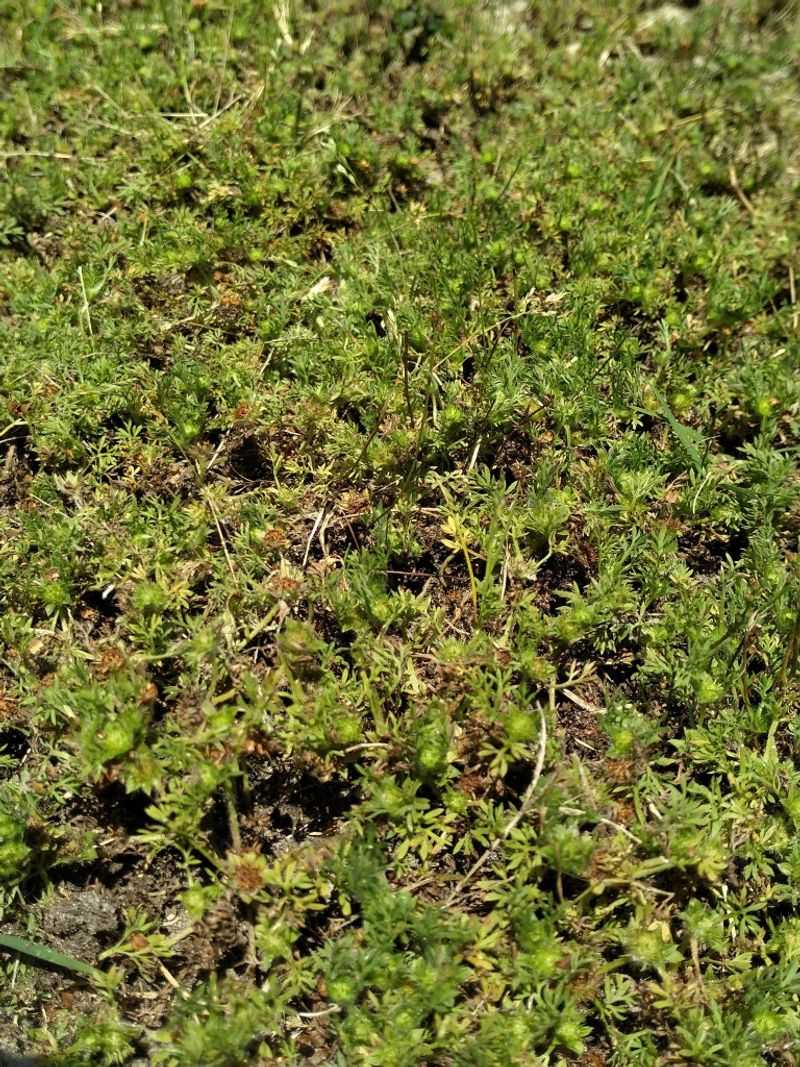
Missed the fall window? Relax, because you still have a solid backup plan.
Winter is the second-best moment to handle burweed, and UGA Extension often points to January and February as prime time.
During those months, the plants are small, tender, and easy to control. Most of your warm-season grass is dormant and brown, so the green burweed rosettes stand out like confetti on a tan carpet.
Post-emergent broadleaf herbicides work on weeds that have already sprouted. Three-way products with 2,4-D, dicamba, and MCPP are widely used on many southern lawns.
Atrazine also controls young burweed in centipede and St. Augustine grass.
Pick a mild day for spraying. Many herbicides work better when temperatures sit above about 50 to 60 degrees, so check your label for the exact range.
Personally, I watch the forecast for a calm, dry stretch. Wind pushes spray onto flower beds, and rain soon after can wash the product away before it does its job.
Spot-treating is often enough for small patches. A handheld pump sprayer lets you hit only the weeds and save money.
The big goal is beating those burs. Once the seeds start forming in early spring, your window shrinks fast.
Acting in late winter keeps that crop from ever getting started.
5. Your Grass Type Decides Which Burweed Herbicide Is Safe
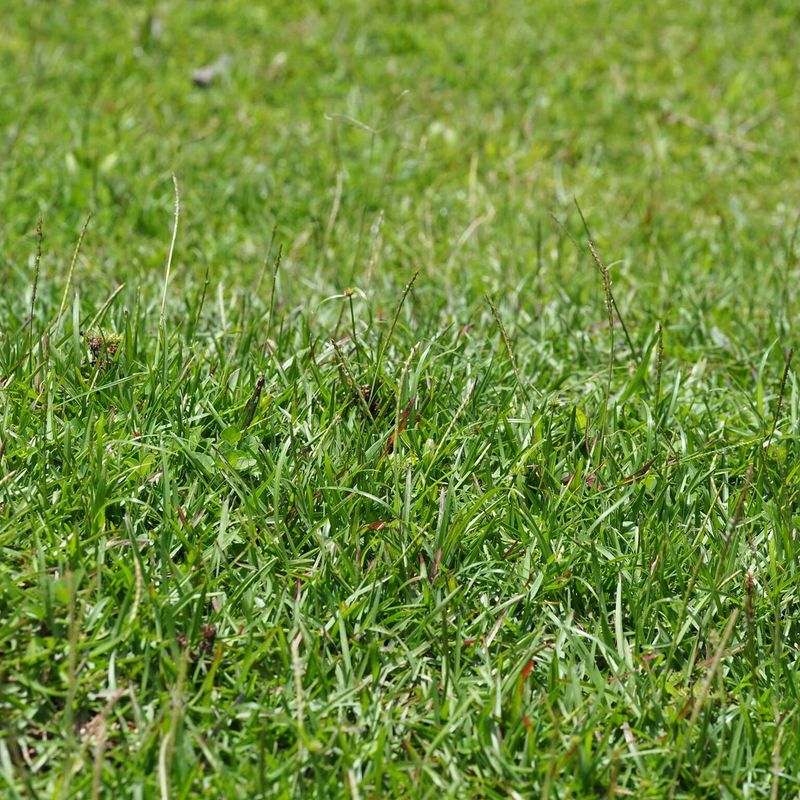
Grab a handful of your grass before you shop. Seriously, that one little step can save your lawn from a nasty surprise.
Southern lawns come in several flavors, and each reacts differently to weed products. Centipede and St. Augustine are a bit touchy with some three-way herbicides, especially at higher rates.
Atrazine, on the other hand, is a popular burweed choice for both of them.
Bermudagrass and zoysia handle a wider range of broadleaf products. Atrazine can go on bermuda mainly while it is fully dormant, so read that label closely.
Tall fescue, common in the cooler northern counties, usually needs different products since atrazine is not labeled for it.
Not sure what grass you have? Look at the blades and how they spread.
St. Augustine has wide, flat blades with rounded tips, while bermuda is fine-textured and creeps fast.
Plants nearby deserve attention too. Labels warn against using atrazine over the root zones of shrubs like azaleas, camellias, and boxwoods.
Roots of trees and shrubs often stretch well beyond their branches. Keep a careful buffer near beds.
When in doubt, the UGA Extension Pest Management Handbook lists herbicides by turf type. Your county agent can walk you through choices, which beats guessing in a store aisle full of bright, confusing labels.
6. Those Spiny Burweed Burs Are Too Late To Spray By April
Ouch. That sharp jab under your heel in April is the moment most people finally notice burweed.
Sadly, it is also the moment when spraying stops being much help.
By mid to late spring, the burs have hardened and the seeds are ready. Even if you spray and the plant shrivels, the spiny seeds stay behind in the grass.
They keep poking toes, sneakers, and pet paws for weeks.
Worse, every bur is a promise of next year’s crop. Those seeds fall into the soil and wait for cooler fall weather to sprout all over again.
So what can you do in spring? Mowing with a bagger can pick up a good share of the burs.
Some folks also drag an old wool blanket or carpet scrap across the yard, since the stickers grab onto the fibers.
Handy pet owners keep a towel by the back door. A quick paw check saves your dog discomfort and keeps burs off the couch.
Treat spring as a time for cleanup and planning, not a rescue mission. Walk the lawn, note where stickers are thickest, and circle those spots on a rough sketch of your yard.
That little map becomes your fall target list. Next time, you will hit those areas before the first sprout appears.
7. Thin, Bare Patches Of Turf Roll Out The Welcome Mat For Burweed
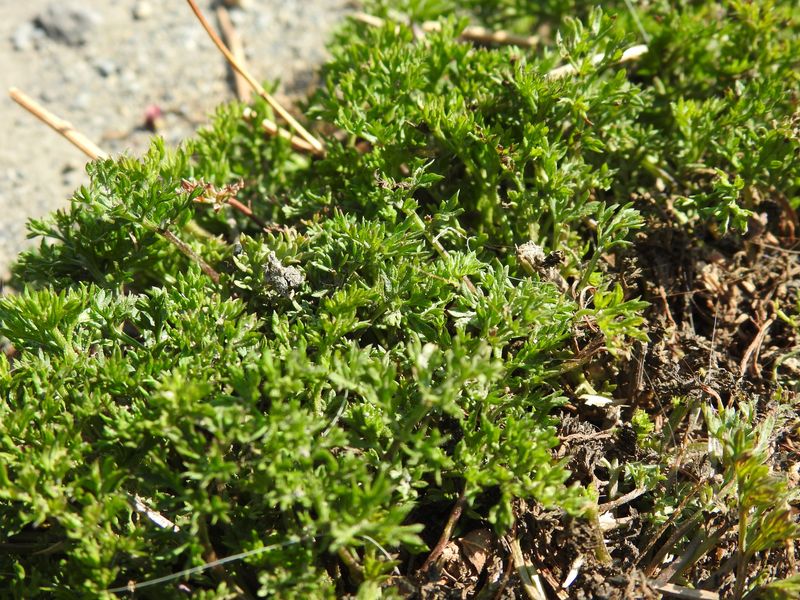
Weeds are opportunists, and burweed is one of the best at it. It loves open soil, sunshine, and grass that has run out of steam.
Look closely at where stickers showed up last spring. I bet many of them were near walkways, play areas, dog paths, or spots where grass looked thin.
Foot traffic packs down soil, and weak turf leaves gaps for seeds to land and sprout.
Shady corners can cause trouble too. Warm-season grasses struggle in heavy shade, and thin grass there opens the door for weeds of all kinds.
Mowing too low is another sneaky cause. Scalping stresses grass and lets more sunlight reach the soil, which helps weed seeds wake up.
Each grass type has its own ideal height, so check UGA guidelines for yours.
Watering habits matter as well. Light, frequent sprinkling encourages shallow roots, while deeper, less frequent watering during the growing season helps grass grow stronger.
Fixing the conditions behind those bare spots does more than any single spray. If soil feels hard as a brick, core aeration in late spring or early summer, when warm-season grass is growing well, helps loosen it.
You can also reroute traffic with stepping stones. A simple path keeps feet off struggling turf and gives grass room to recover and fill in.
8. A Thick, Healthy Lawn Keeps Sticker Weeds From Coming Back
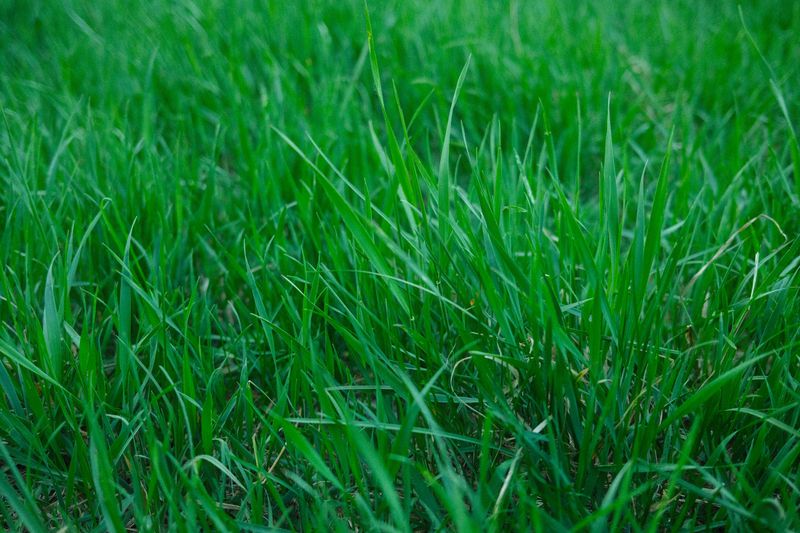
Here comes my favorite part, because the long-term fix feels pretty satisfying. A dense, healthy lawn is the best weed defense money can buy.
Thick grass shades the soil and leaves little room for burweed seeds to settle in. Herbicides help, but strong turf does the steady work year after year.
Start with a soil test from your county Extension office. It costs little and tells you exactly how much lime and fertilizer your lawn needs.
Guessing often leads to wasted money or even weaker grass.
Feed warm-season grasses while they are actively growing, mostly from late spring through summer. Fertilizing them heavily in fall can encourage disease and does little to help.
Mow at the right height for your grass and keep blades sharp. Clean cuts help grass recover faster and stay thicker.
Then build a simple yearly routine. Pre-emergent in early fall, spot-spraying in late winter if needed, and good care during the growing season.
Stick with it for two or three seasons, and you should see far fewer stickers. Seeds already in the soil take time to run out, so patience pays off.
Picture yourself next spring enjoying a lawn that feels soft underfoot. Your toes, your kids, and your dog will notice the difference right away.