Tiny Red Specks Are Crawling Across Sunny Maryland Walls This Fall
Some of the reddest creatures on your house right now are smaller than a pinhead. They march across warm siding by the hundreds, and squishing one leaves a rusty smear that looks alarmingly like spilled paint.
I spotted my first wave on a bright October afternoon in Maryland. The south wall of my garage looked faintly freckled, almost like someone had dusted it with paprika. Then the paprika started to move.
You may have noticed the same thing on a sunny window frame or porch railing. Most people grab a paper towel first and ask questions later, which turns out to be the wrong move.
Personally, I think these tiny wanderers deserve a closer look before anyone panics. Their story connects your lawn, your foundation plantings, and the changing season in a surprisingly neat way. So who are they, and why your wall?
Those Red Dots on Your Sunny Siding Are Not Insects at All
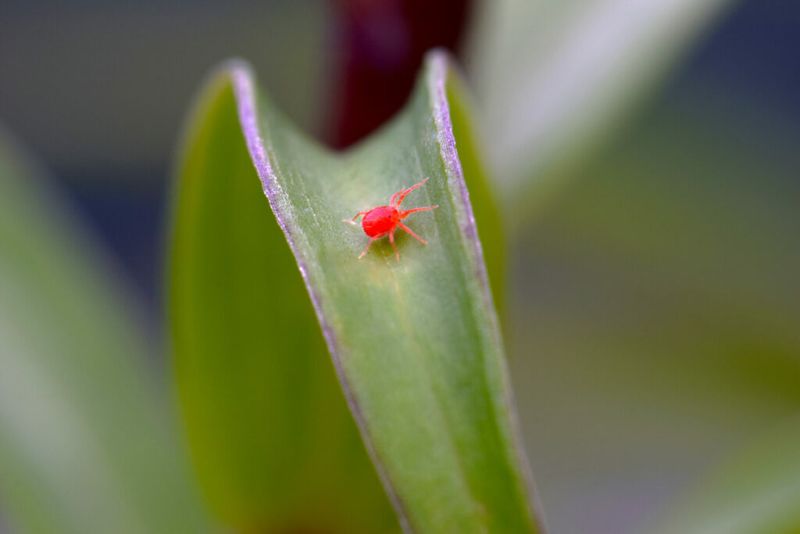
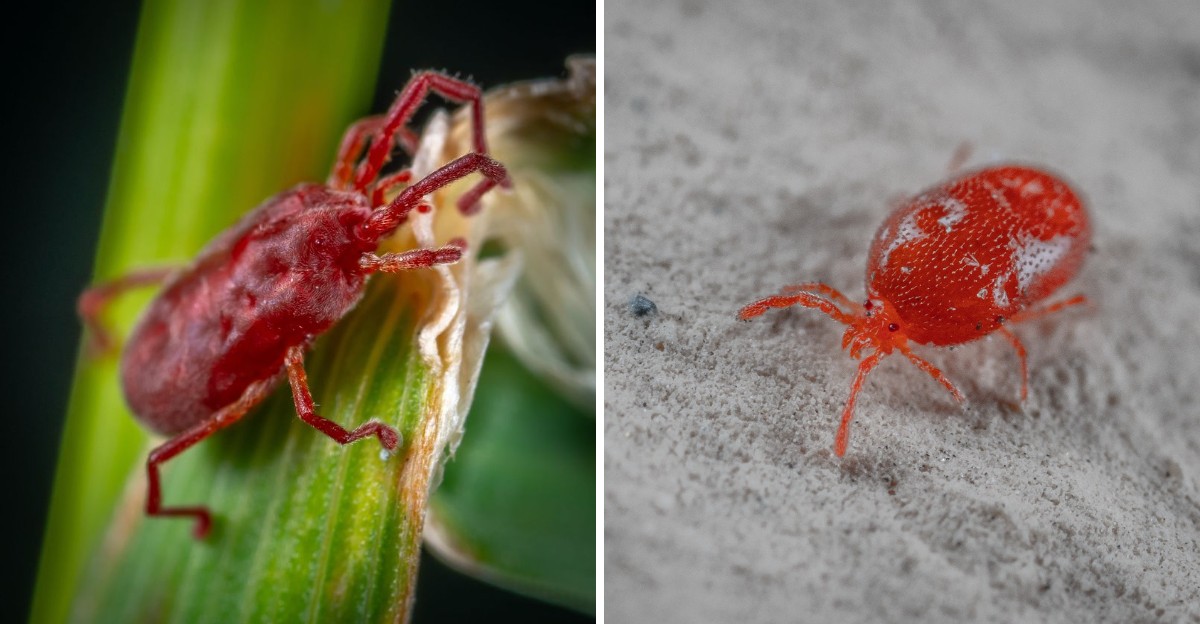
Grab a magnifying glass, and the mystery solves itself fast. Those moving specks are clover mites, tiny arachnids related to spiders and ticks rather than insects.
An adult clover mite measures less than one millimeter long. The body ranges from reddish brown to bright red, and the front pair of legs is much longer than the others. Those legs often stick forward like little feelers, which is the best clue for telling them apart from other mites.
University extension entomologists, including those at the University of Missouri and Utah State University, describe the same pattern every year. Clover mites build up in lawns and then show up on buildings during cool spring and fall weather. Sunny afternoons bring out the biggest crowds.
Fun fact for your next garden chat: male clover mites are almost unknown. Females lay eggs that hatch without fertilization, so one patch of turf can produce a surprising crowd with no partners needed.
Not every red speck is a clover mite, though. Concrete mites, which are related to red velvet mites, and young spider mites can look similar. If the specks move fast and lack those long front legs, consider snapping a close photo and sending it to the University of Maryland Extension for help.
South And West Walls Soak Up The Heat These Mites Crave
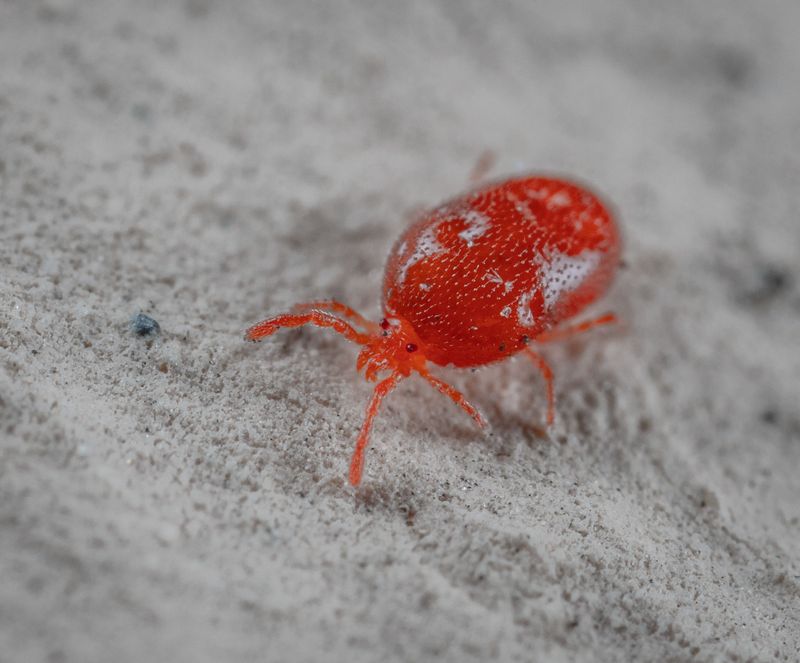
Warmth is the whole attraction here. Clover mites gather on the sunniest surfaces of a home, mostly the south and west sides, because those walls hold heat on cool fall days.
As nights turn crisp across the region, the mites go looking for sheltered spots to lay eggs and wait out winter. Cracks in siding, gaps under clapboards, and spaces behind window trim all look like cozy hideouts. Your house is basically a giant heated rock to them.
Activity tends to spike on bright, mild afternoons. Many gardeners notice them most from late September into November, then again in spring when warm spells return. A cloudy week may make them seem to vanish, only for them to reappear with the next sunny day.
Your Maryland Garden Changes Every Week. Your Plan Should Too.
Gardening in Maryland changes quickly throughout the season. Every Friday you’ll receive a simple weekly plan showing exactly what to plant, prune, fertilize, harvest, and protect so you never miss the right timing.
I like to think of it as a weather report written in tiny red ink. When the mites swarm, the sun has warmed the wall enough to wake them up.
Darker siding and brick can draw even bigger groups because they absorb more heat. Light-colored walls show them more clearly, so homes with white or cream siding often get the most complaints.
Clover Mites Won’t Bite You, Your Kids, Or Your Dog
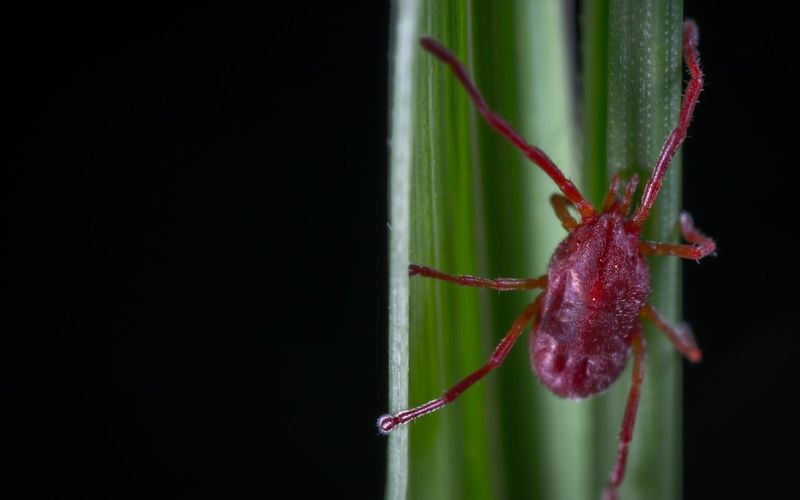
Relax, you can put down the bug spray and breathe. Clover mites are nuisance pests only, and extension experts agree they pose no health risk to people or pets.
They do not bite or sting. They do not carry disease, and they show no interest in human skin, pet fur, or your blood. Their mouthparts are built for piercing plant cells, not anything else.
Inside your home, they also leave food, fabric, and wood alone. They will not chew through furniture, raid the pantry, or damage your home’s structure. Most that wander indoors simply dry out within a short time because there is nothing for them to eat.
So why do people get so upset? Sheer numbers play a big role. Seeing hundreds of moving dots near a bedroom window feels creepy, even when the visitors are harmless.
If anyone in your family feels itchy after spotting them, the cause is likely something else. Chiggers, bird mites, or dry skin are worth considering. A quick ID from a local extension office can settle the question and save you from treating the wrong problem.
Squishing A Clover Mite Leaves A Red Stain That Fights Back
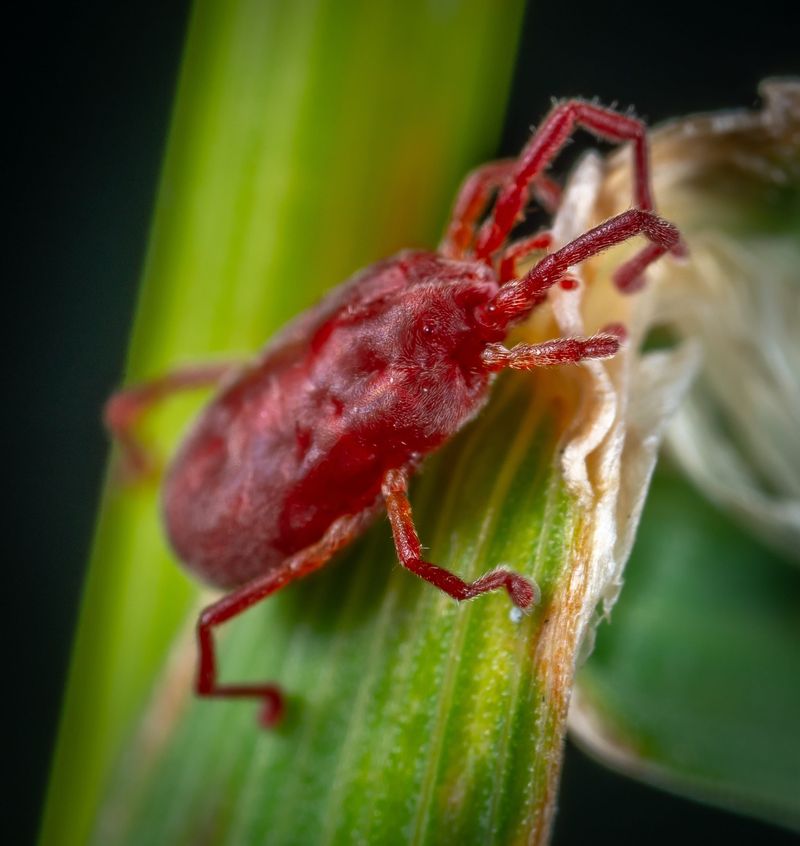
Here comes the tricky part. Crush a clover mite and it leaves a red to orange streak on walls, curtains, carpet, or paper.
That mark is not blood. It comes from natural pigments in the mite’s body, and it can be stubborn on light paint, white trim, and pale fabrics. Plenty of homeowners have learned this the hard way after swatting a windowsill full of them.
My rule is simple: no squishing, no smearing. Treat them like spilled glitter rather than a bug to swat.
A vacuum with a crevice tool works best indoors. Hold the nozzle just above the mites so they get pulled in without being pressed against the surface. Empty the canister or toss the bag outside right away.
For a handful of stragglers, a damp cloth or wet sponge picks them up gently. Rinse it often so you are not dragging mites across a clean surface.
Already have a stain? Act quickly with a mild detergent solution and blot instead of rubbing. Test any cleaner on a hidden spot first, especially on delicate curtains or carpet.
Lush Lawn Grass Near The Foundation Feeds The Whole Crowd

Follow the trail of mites down the wall, and it often ends in the grass. Clover mites feed on turfgrass, clover, and many other plants by piercing cells and sipping the sap.
Extension sources point out that heavily fertilized, thick lawns support the biggest populations. Rich, tender growth is like an all-you-can-eat buffet for them. Turf planted right up against the foundation gives them a short walk from dinner to your siding.
Usually the lawn shows little harm. In heavy outbreaks, though, you might notice a silvery or frosted look on grass blades, especially near walls and in sunny spots. Damage is mostly cosmetic and rarely needs treatment.
Here is a Maryland-friendly tip I wish I had known sooner. Fall is the main season for feeding cool-season lawns like tall fescue, but you can go lighter in the strip nearest your house.
Follow the University of Maryland Extension lawn guidelines for timing and amounts. Check the state fertilizer rules as well before spreading anything.
Skipping extra nitrogen along the foundation trims back the mites’ favorite food without hurting the rest of the yard. Your turf stays healthy, and the welcome mat for mites gets a little smaller.
A Gravel Strip Around Your House Works Like A Mite Moat
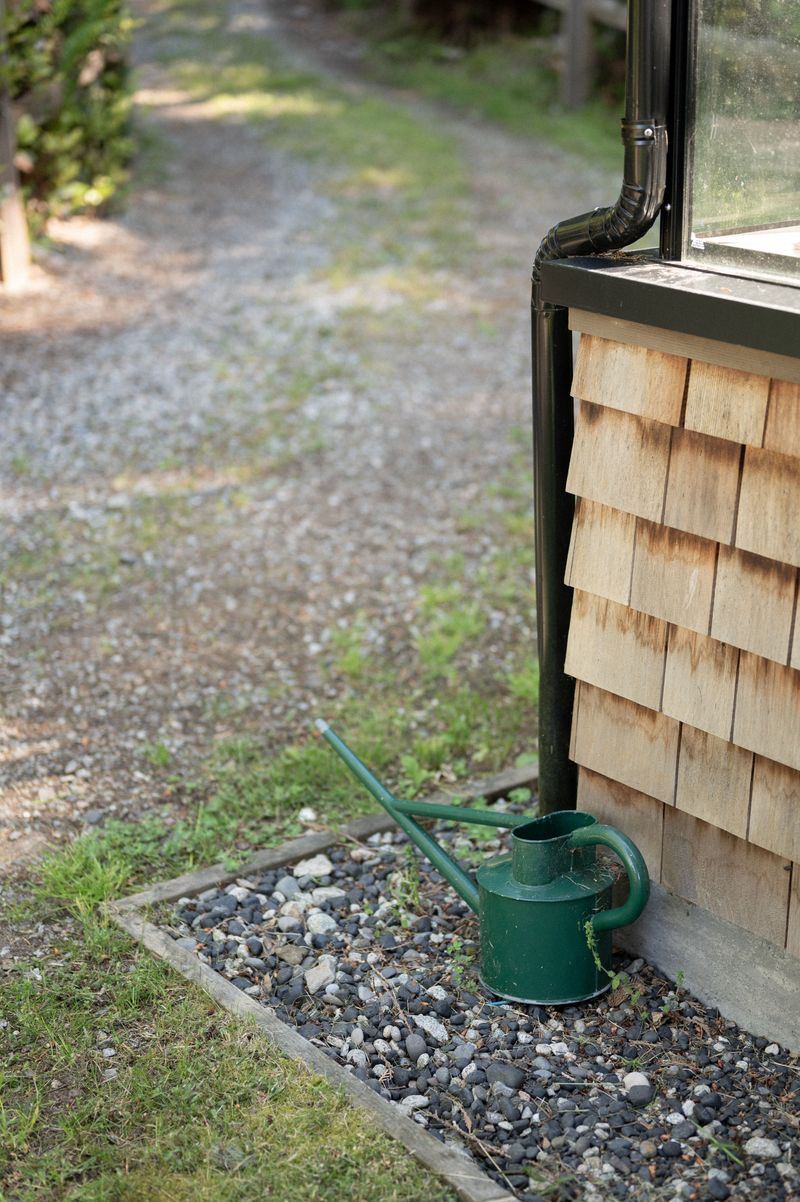
Ready for my favorite low-effort fix? Create a plant-free band about 18 to 24 inches wide around your foundation.
Clover mites dislike crossing bare, dry, open ground. Pea gravel, river stone, or crushed stone makes a great barrier, and many extension guides recommend this exact approach. It cuts off the easy grassy path from lawn to wall.
Mulch can work too, though stone tends to be less welcoming. If you use wood mulch, keep it thin and pull it back from the siding a bit.
Fall is a smart time for this project in Maryland. The soil is still workable, temperatures are comfortable, and you will see the payoff right away.
Start by removing sod along the foundation with a flat spade. Lay landscape fabric if you want fewer weeds, then add two to three inches of stone. Make sure the ground slopes away from the house so rainwater drains properly.
Bonus perk: that strip helps keep soil and moisture off your siding. It also reduces hiding spots for other critters, and it makes walking around to check windows and gutters much easier.
Foundation Shrubs Like Yews And Junipers Make Mites Less Welcome

Plant choices near your walls can tip the odds in your favor. Several extension guides list plants that clover mites rarely bother.
Those include yews, junipers, spruce, arborvitae, peonies, chrysanthemums, marigolds, geraniums, and many ferns. Placing them beyond your gravel strip gives your foundation beds structure without offering mites an easy snack.
Since our goal is a healthy yard, I like leaning on natives where possible. Eastern red cedar is a native juniper that thrives in much of Maryland. Native ferns like Christmas fern add evergreen texture in shady spots.
Skip invasive choices such as English ivy against your walls. Ivy hurts woodlands and also gives mites and other pests a ladder straight up the siding.
Spacing matters as much as plant type. Keep shrubs at least two feet away from the house so air moves freely and branches do not touch siding.
Fall planting works well across most of the state in USDA zones 6 and 7. Warm soil helps roots settle in before winter. Water new shrubs deeply until the ground freezes, and they will be ready to shine next spring.
Sealing Window Cracks Now Keeps Red Mites Out Next Spring
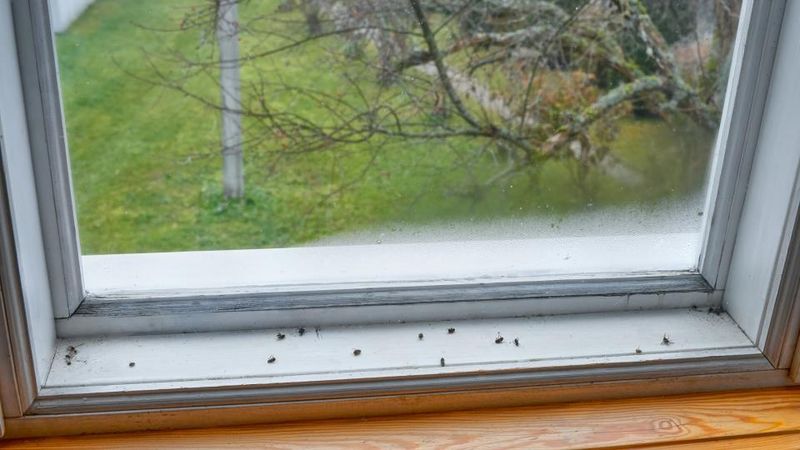
Think of this as your season-closing checklist, the kind that pays off twice. Clover mites return in spring, so sealing up now helps with both waves.
Walk the sunny sides of your house with a caulk gun. Check gaps around windows, door frames, vents, and spots where pipes or cables enter. Fresh weatherstripping and snug window screens close many more openings.
Indoors, a light wipe of baby oil or mineral oil along windowsills can slow wandering mites. Wipe surfaces clean afterward if you have pets or small kids.
What about sprays? Extension experts note that pesticides are rarely needed for clover mites. A strong spray of water from the hose can knock them off siding, and most numbers drop as weather turns steadily cold.
If a severe problem keeps coming back, talk with a licensed pest professional or the University of Maryland Extension. They can confirm the ID and suggest targeted options.
My biggest takeaway? These tiny red travelers are a sign of seasons shifting, not a crisis. A gravel strip, smarter fertilizing, a little caulk, and a vacuum handle most of the job.