This New York Backyard “Weed” Has Leaves That Are More Valuable Than You Think
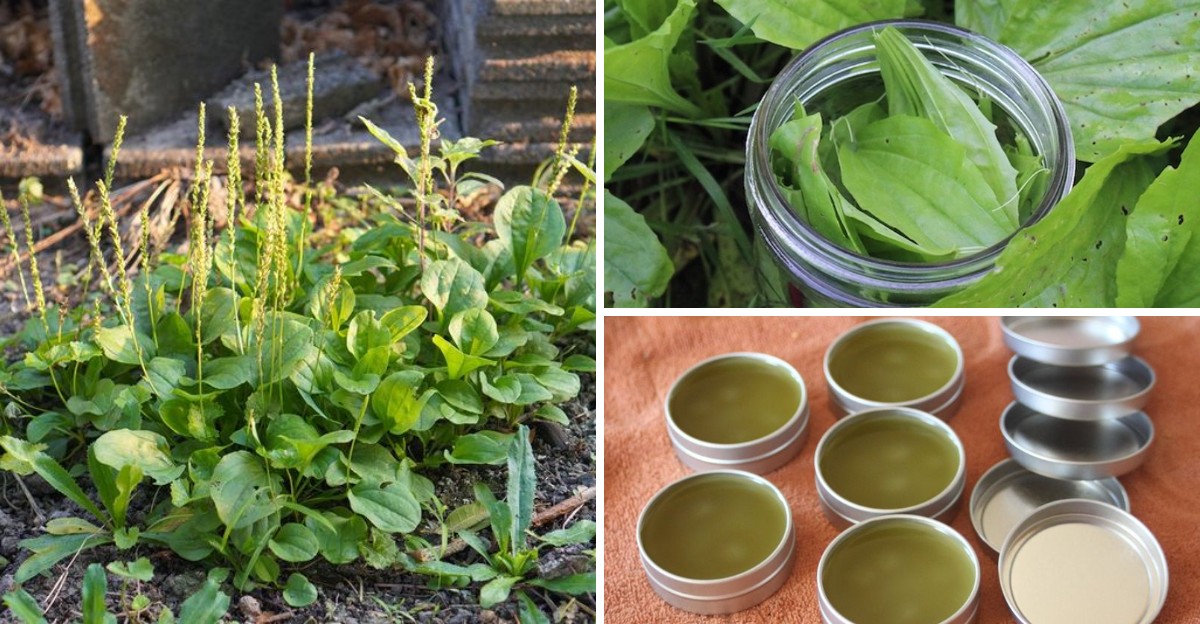
A scruffy lawn weed earned the nickname ‘white man’s footprint’ because it popped up along the trails European settlers walked. Wherever their boots and wagons went, the little green rosettes followed close behind.
That same plant now thrives in almost every corner of New York, including cracked sidewalks and busy ball fields. You have probably stepped on it a hundred times this year. I know I have, usually while hunting for something fancier to admire.
Its leaves are edible, packed with vitamins, and loaded with a soothing gel-like substance called mucilage. Grandmothers once mashed them onto bee stings. Foragers still toss the young ones into spring salads.
So why do most of us yank it out and toss it on the compost pile? Personally, I stopped pulling it years ago. I suspect the answer will change how you look at your lawn this weekend.
Those Ribbed Rosettes in Your Lawn Have Quite a History
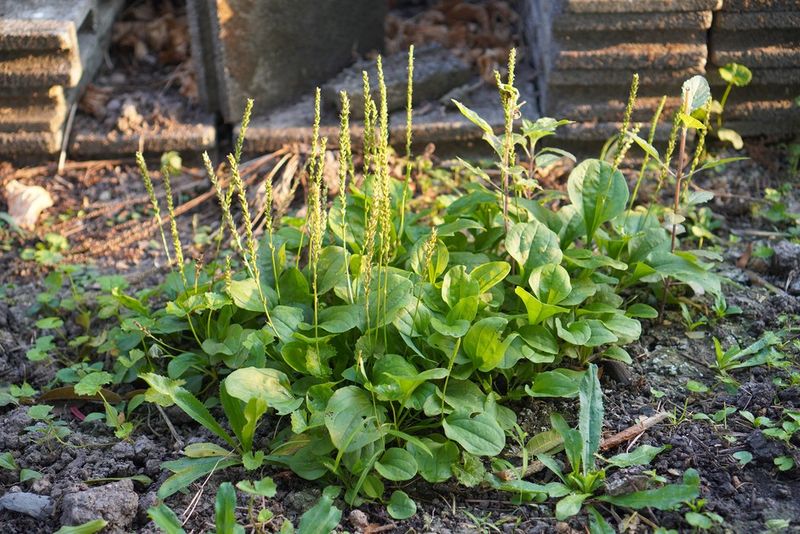
Plantain is the humble answer, and no, it has nothing to do with the banana-like fruit at the grocery store. The name refers to Plantago, a group of low, tough plants that form flat rosettes in lawns, driveways, and garden paths.
Two kinds dominate backyards here. Broadleaf plantain, Plantago major, has wide oval leaves, while narrowleaf plantain, Plantago lanceolata, sports slim, lance-shaped ones.
Both arrived from Europe with early colonists and spread fast along roads and farm trails.
That spread is where the famous nickname comes from. Several historical accounts say Indigenous peoples called it ‘white man’s footprint’ because it seemed to follow settlers wherever they traveled.
The poet Longfellow even mentioned the idea in The Song of Hiawatha.
I love that a plant this ordinary carries so much story. It thrives in compacted, trampled soil where grass struggles, which is why you find it near doorsteps and along worn paths.
So what makes the leaves valuable? Three things stand out.
They are edible and nutritious, they contain soothing compounds like mucilage, allantoin, and aucubin, and they have a long track record in folk remedies for skin irritations.
None of that makes plantain a miracle cure. Still, once you learn what it offers, that scruffy patch by the mailbox starts looking a lot more like a free garden gift.
Tender Plantain Leaves Belong in Your Spring Salad Bowl
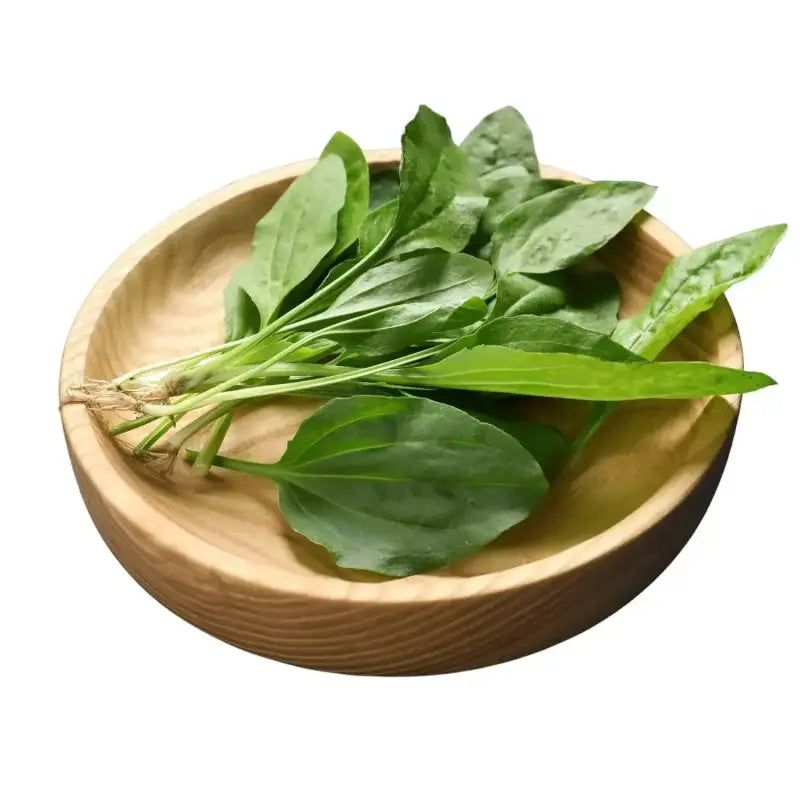
Spring is prime time for picking, and I mean that literally. In New York, fresh plantain leaves usually appear in April and May, when they are small, tender, and mild enough to eat raw.
Young leaves taste a bit like spinach with a slightly bitter, earthy edge. Toss a handful into a salad with lettuce and a squeeze of lemon.
The flavor blends right in.
Older summer leaves get chewy and stringy thanks to those tough ribs. Do not toss them, though.
Cook them like collards or kale in soups, stir-fries, or a quick sauté with garlic and olive oil.
A handy trick helps with big leaves. Snap the stem gently and pull, and the stringy veins often slide right out like threads.
Your New York Garden Changes Every Week. Your Plan Should Too.
Gardening in New York changes quickly throughout the season. Every Friday you’ll receive a simple weekly plan showing exactly what to plant, prune, fertilize, harvest, and protect so you never miss the right timing.
What remains is soft and much easier to chew.
Nutrition is a real perk. Plantain leaves contain vitamins A, C, and K, plus calcium and other minerals, putting them in the same league as many garden greens.
Since the plant grows for free, that is quite a bargain.
Unopened flower heads of narrowleaf plantain are edible too, and many foragers say they taste a little like mushrooms when sautéed. Rinse everything well, start with small portions, and see how your body handles a new food.
People on blood thinners should remember that vitamin K-rich greens can affect those medications.
A Crushed Plantain Leaf Is an Old-School Fix for Bug Bites
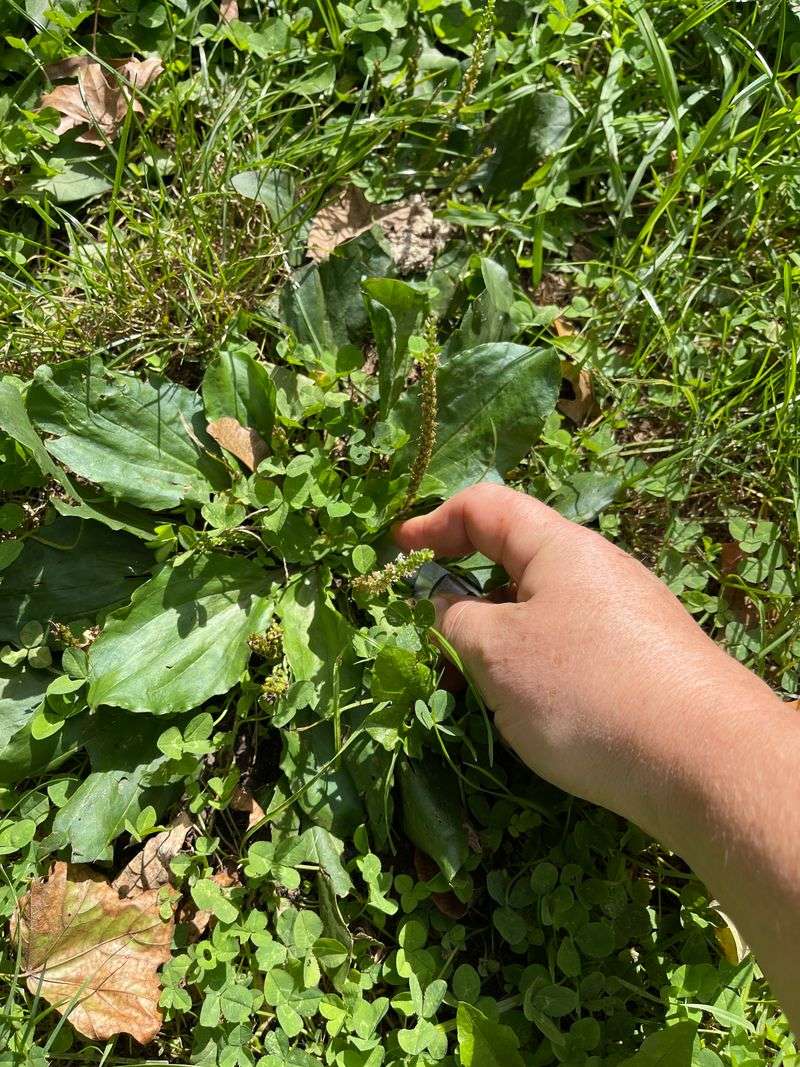
Ask an old-time gardener what to do about a mosquito bite, and you may hear about the ‘spit poultice.’ Pick a clean plantain leaf, chew or crush it until it turns juicy, and press it on the itchy spot for a few minutes.
People have used this trick for generations, and there is some science behind the folklore. Plantain leaves contain allantoin, a compound found in many skin creams, plus aucubin and mucilage.
Lab studies suggest these have soothing and anti-inflammatory effects.
I keep it simple. When a bee sting or nettle brush sends me hopping across the yard, I grab the nearest leaf, bruise it, and hold it in place.
Crushing it between your fingers or with a clean spoon works if chewing feels odd to you.
Folk herbalists also say a plantain poultice helps draw out small splinters. That claim comes from tradition, not solid clinical trials, so think of it as a gentle helper rather than a guarantee.
Be smart about safety too. Plantain is not a substitute for medical care when you have a deep cut, signs of infection, or an allergic reaction to a sting.
Anyone with throat swelling or trouble breathing needs emergency help right away.
For everyday bites and scrapes on a summer afternoon, though, a fresh leaf is a handy, free option growing right outside your door.
Look for Parallel Plantain Veins Before You Pick a Single Leaf
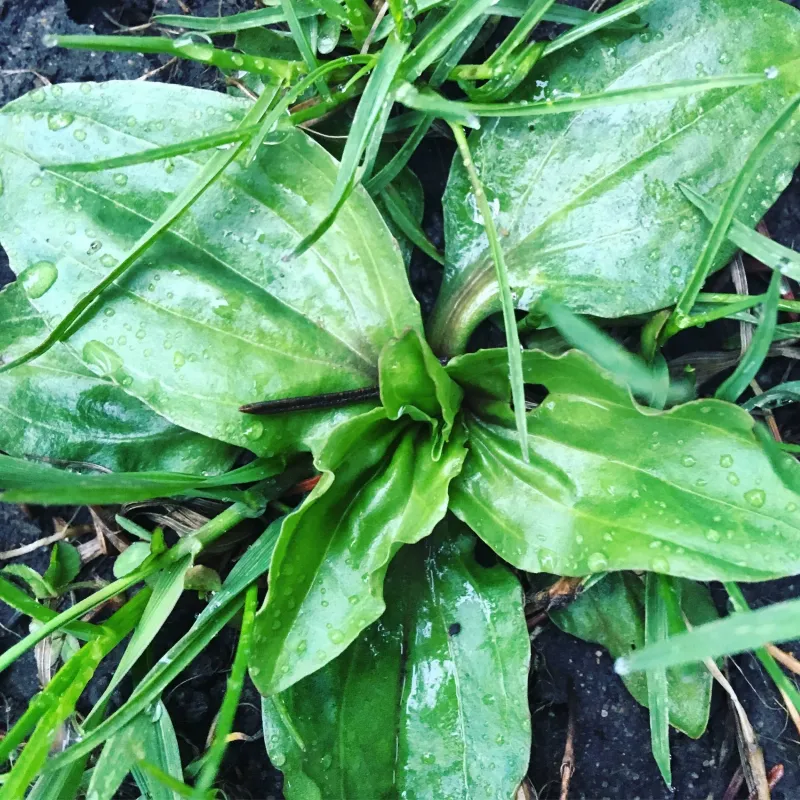
Before anything goes in your mouth or on your skin, you need a confident ID. Thankfully, plantain is one of the easier wild plants to recognize once you know its signature feature.
Flip a leaf over and look at the veins. Plantain leaves have three to seven strong veins running side by side from the base toward the tip, rather than branching like a tree.
Tear a leaf gently, and you may see stringy threads stretching between the pieces.
Growth habit is your next clue. Leaves form a ground-hugging rosette with no main stem.
From late spring through fall, leafless stalks rise from the center, topped with flower spikes.
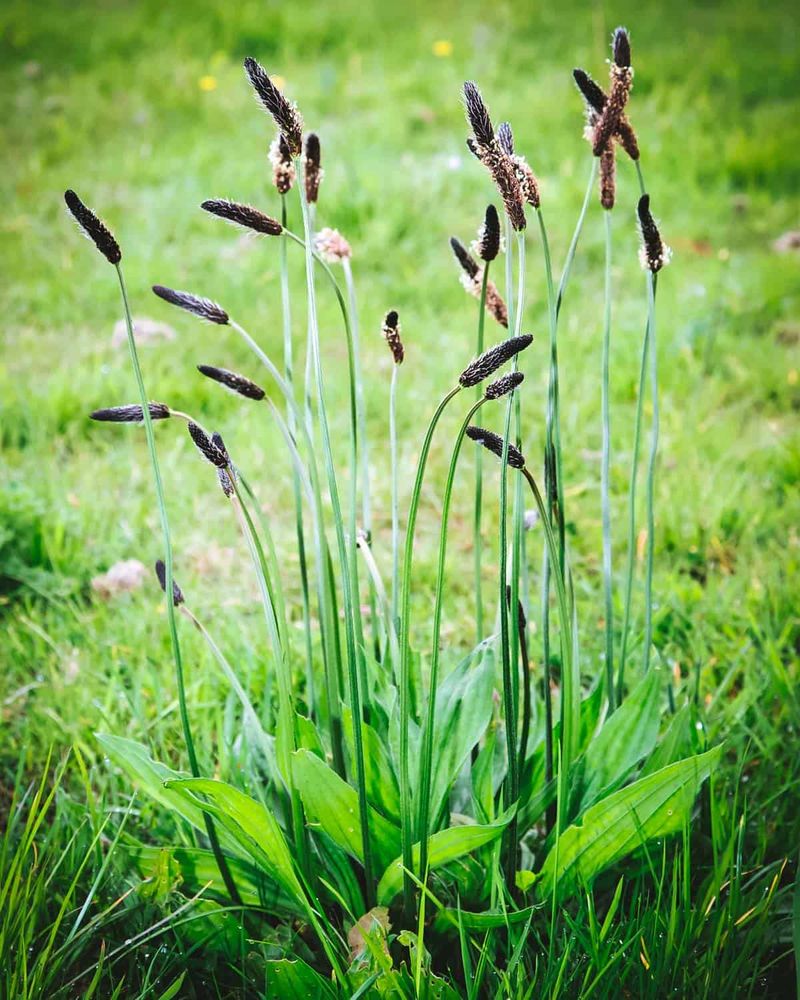
Broadleaf plantain has long, slender, pencil-like spikes covered in tiny greenish flowers that later turn brown with seeds. Narrowleaf plantain grows short, cone-shaped heads on taller stems, ringed with little white stamens that look a bit like a halo.
Watch out for lily of the valley, a toxic plant with similar parallel veins. Its leaves stand upright in pairs rather than lying flat, and it produces small white bells in spring.
Check the whole package, not one feature.
When in doubt, compare your find with photos from a university extension site or ask a local foraging group. A plant app can help, but a second opinion from an experienced person is wiser.
Broadleaf, Narrowleaf, and a Native Plantain Lookalike Share Your Yard
Your lawn might host a native cousin, and I find that pretty exciting. Rugel’s plantain, Plantago rugelii, grows naturally across eastern North America, including New York, and it looks a lot like the European broadleaf type.
A quick color check helps tell them apart. Rugel’s plantain often has purplish or reddish leaf stalks near the base, while broadleaf plantain usually stays green there.
Its seed capsules also split lower down, a detail botanists love and the rest of us can skip.
Many foragers use young Rugel’s plantain leaves the same way as other plantains. Still, most published nutrition and herbal research focuses on the two European species.
Narrowleaf plantain, sometimes called ribwort or English plantain, is easy to spot thanks to its long skinny leaves. It handles drier, sunnier ground and often shows up in meadows and along field edges.
Regional conditions matter. Downstate yards in Zone 7 often see plantain greening up earlier in spring, while gardens in the Adirondacks or Tug Hill region in Zones 3 and 4 may wait a few extra weeks.
All three types are perennial and return each year from sturdy roots.
Personally, I enjoy hunting for all three on a single walk. It turns an ordinary yard stroll into a mini botany lesson, and kids tend to love the challenge too.
Skip the Roadside Patches and Harvest Plantain From Clean Ground
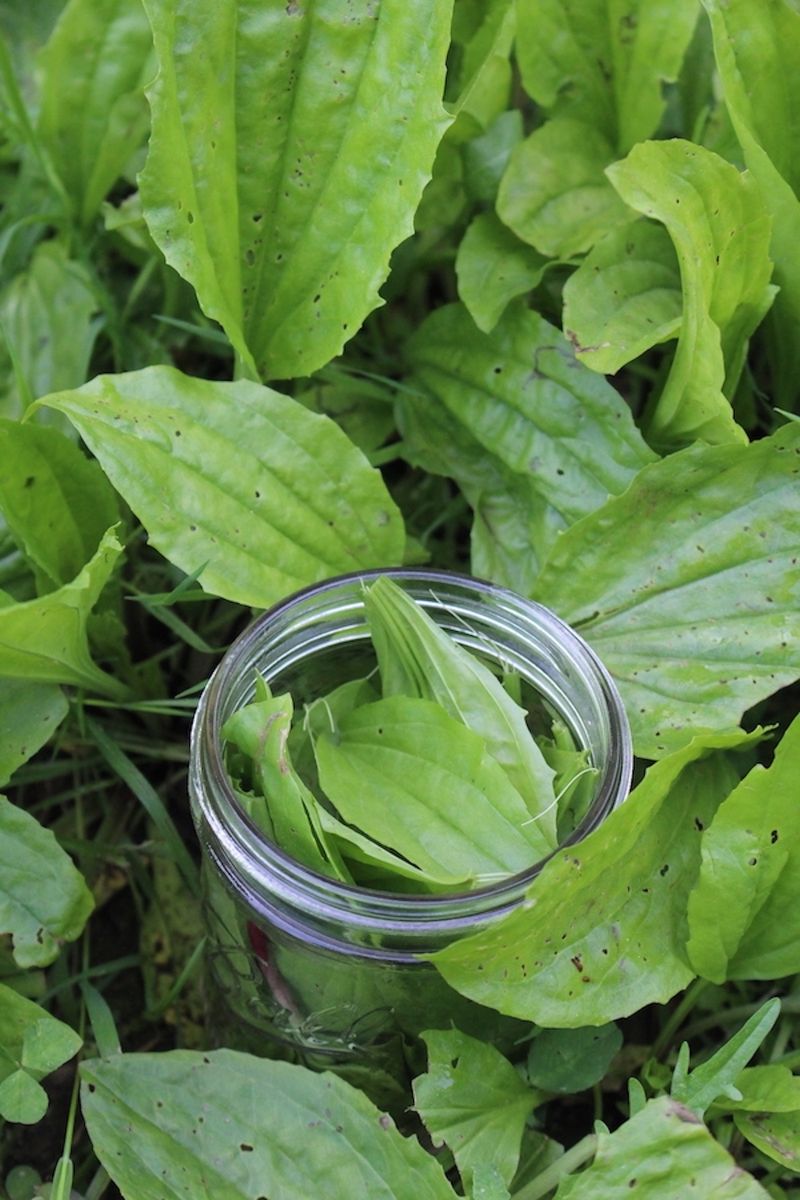
Location matters more than most new foragers realize. Plantain loves roadsides, parking lots, and dog-walking routes, which are exactly the places you should skip.
Leaves growing near busy streets can pick up road salt, exhaust residue, and heavy metals like lead from older soil contamination. Cornell research on city gardens has found elevated lead in some urban soils across New York City and older industrial towns.
That is a good reason to choose your patch with care.
Lawns are a bigger worry for many people. If you or a lawn service apply weed-and-feed products or herbicides, plantain is often the target.
Wait at least a full growing season after any treatment, or simply pick from an untreated area.
Pets create another issue. Spots where dogs relieve themselves are not where you want salad greens, no matter how lush they look.
My favorite approach is to let a few plantain rosettes grow in a corner of the vegetable garden or along a mulched path. They need no care, tolerate trampling, and stay close to the kitchen.
Harvest by snipping leaves with clean scissors instead of yanking the whole plant. Take only a few leaves from each rosette so it keeps growing.
Rinse your haul in cool water, pat it dry, and store it in the fridge wrapped in a damp towel for a few days.
Plantain Seed Spikes Feed Birds and Butterfly Caterpillars
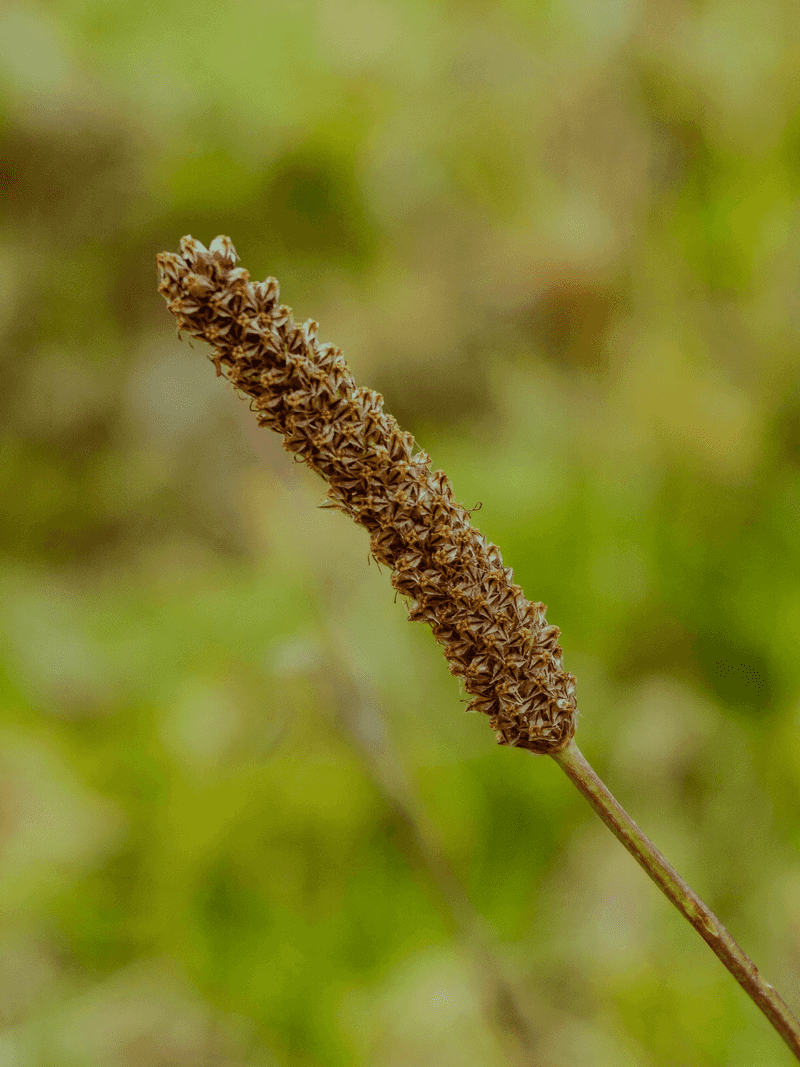
Birds noticed plantain long before foragers did. Those slender seed spikes ripen in late summer and fall, and sparrows, juncos, and finches pick at them as they hop through the grass.
Caterpillars are fans as well. The common buckeye butterfly uses plantain as a host plant.
The Baltimore checkerspot, a striking orange and black butterfly found in parts of New York, has adapted to feed on narrowleaf plantain in many areas besides its native host, white turtlehead.
Rabbits and woodchucks munch the leaves, too, which might explain why your patch looks a bit nibbled some mornings. Bees sometimes collect pollen from narrowleaf flower heads, though plantain mostly relies on the wind.
That wind pollination comes with a downside. Plantain pollen is a known allergy trigger for some people in late spring and summer, so allergy sufferers may want to mow flower stalks before they shed.
Seeds are another surprise. Each plant can produce thousands, and they coat themselves in a sticky gel when wet, hitching rides on shoes, paws, and tires.
Psyllium husk, the popular fiber supplement, actually comes from a related species, Plantago ovata.
Leaving a small patch unmowed is an easy way to support wildlife without much effort. You get free greens and the birds get a snack bar, so everyone wins.
Turn a Handful of Plantain Leaves Into a Soothing Homemade Salve
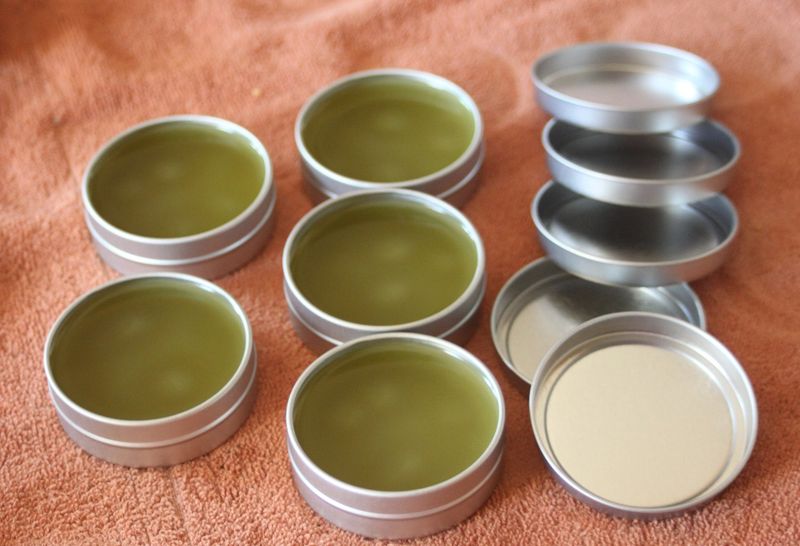
Ready to put those leaves to work? A simple plantain salve is one of the most popular beginner herbal projects, and you can make it in an afternoon of hands-on time.
Start by gathering a couple of cups of clean leaves from untreated ground. Let them wilt on a towel for a day to reduce moisture, since water can make oil spoil.
Chop them roughly and pack them into a clean glass jar.
Cover the leaves with olive oil or another carrier oil and let the jar sit in a warm spot for two to four weeks, shaking it now and then. Some people speed things up with low, gentle heat for a few hours instead.
Strain the oil through cheesecloth. Melt about one part beeswax to four parts oil, stir, and pour into small tins.
Once it firms up, you have a soothing balm for dry hands, minor scratches, and bug bites.
Test a small dab on your skin first, because any plant can cause a reaction in sensitive folks. Label each tin with the date, and toss any batch that smells off or grows fuzz.
The bigger takeaway is simple. That stubborn weed you have been pulling for years is a free, renewable resource, and learning to use it might change how you see your whole yard this season.