Okra Still Producing In October? How Indiana Gardeners Can Stretch The Harvest Until The First Frost
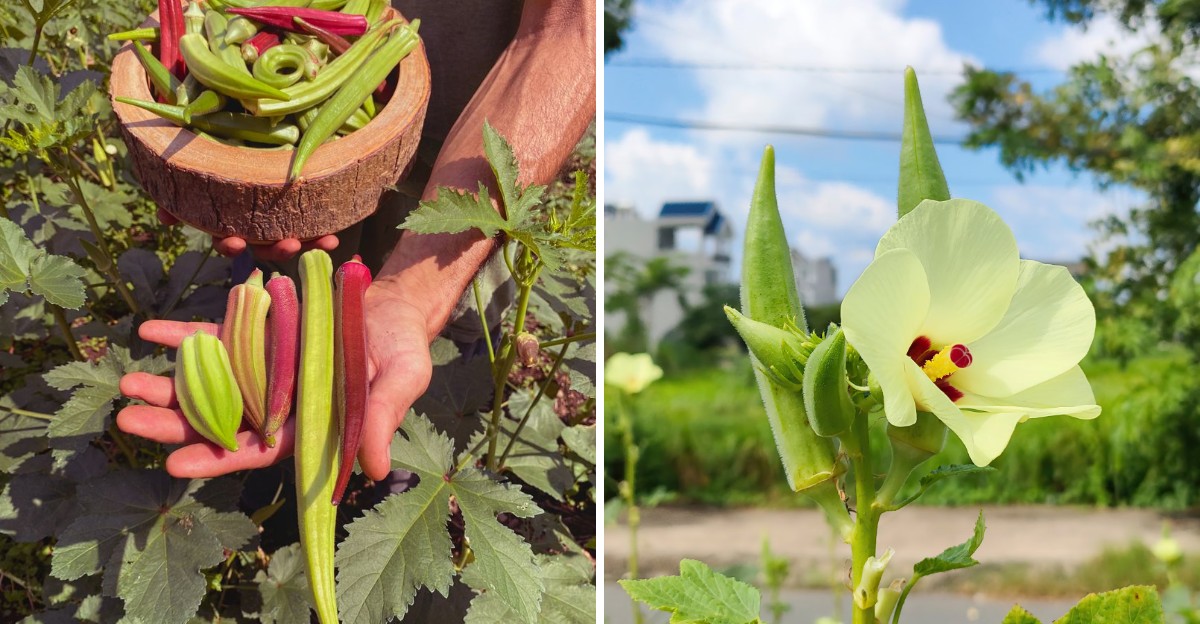
A single pod on this plant can go from tender to woody in just a few days. That speed surprised me the first time I watched it happen in my own garden.
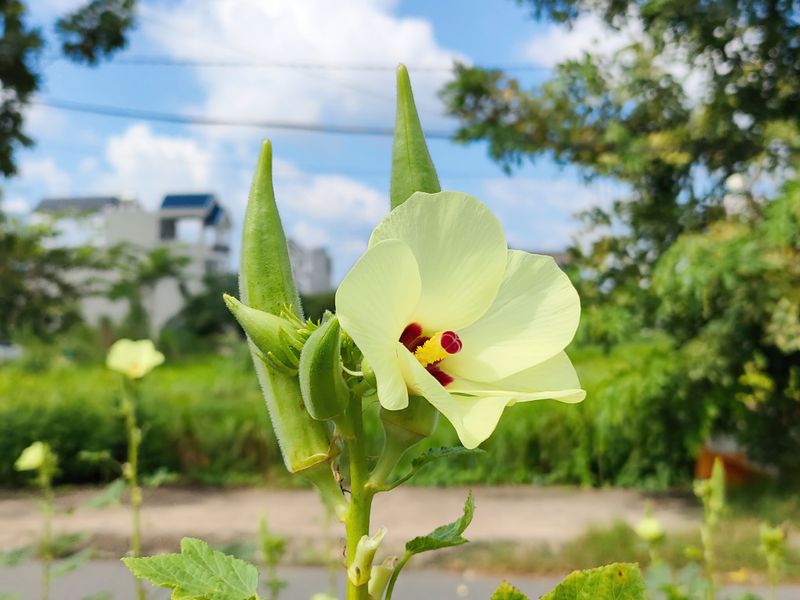
The plant is a cousin of hibiscus, and its flowers prove it. Creamy yellow petals with a deep red center open for about one day, then fade. A tiny green pod is often waiting right behind each bloom.
Here in Indiana, most gardeners expect this crop to quit once school buses start rolling. Yet many plants keep flowering well into fall when days stay mild. I believe that late burst is a gift you should not waste.
Cool nights do slow things down, and frost ends the show quickly. Still, a few smart moves can buy you extra weeks of fresh pods. How many more baskets could your patch give before the cold finally wins?
Those Chilly Okra Leaves Are Sending You A Signal
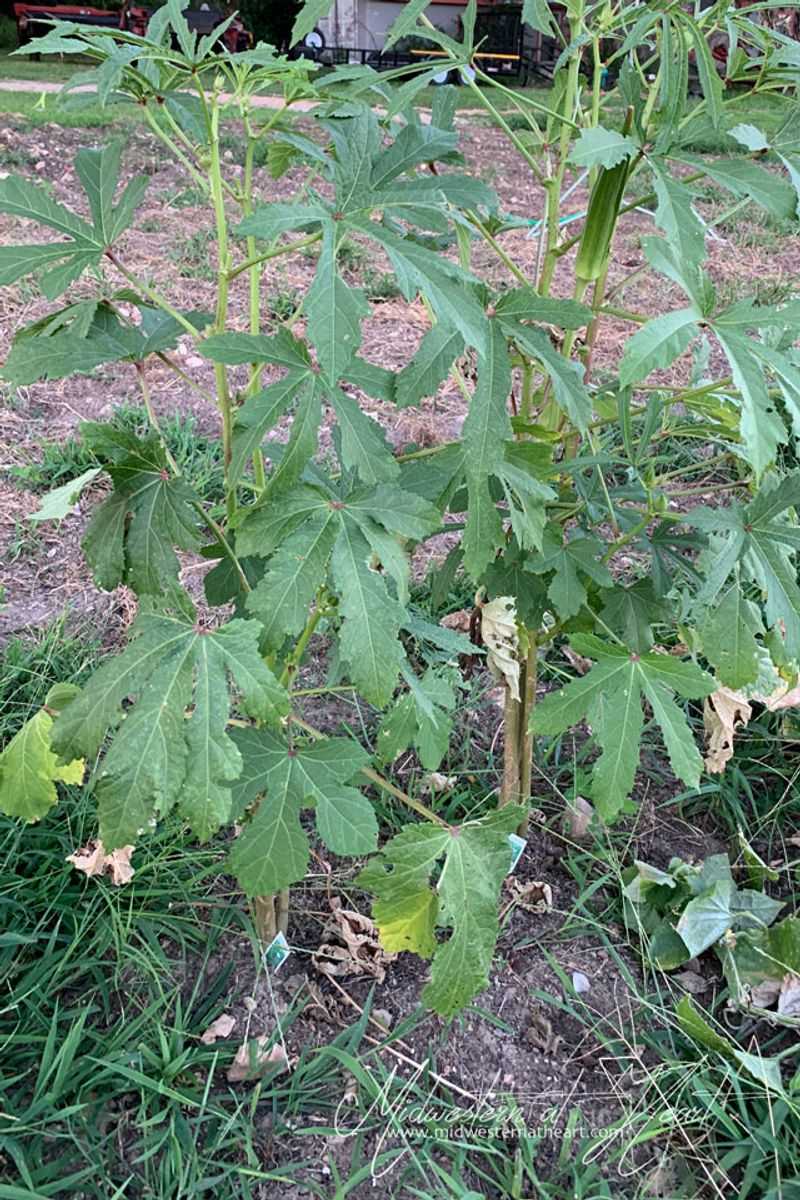
Okra comes from warm parts of Africa, and it has never made peace with cold weather. Once nights slip into the 50s, growth slows down a lot. Pods form more slowly, and flowers may appear less often.
Frost is the real finish line. Even a light frost, around 32 degrees, can blacken okra leaves and soften the stems overnight. Purdue Extension groups okra with tender crops like tomatoes, peppers, and eggplant for this reason.
Timing varies across Indiana. Gardeners near South Bend and the northern counties often see a first frost in early October. Central areas around Indianapolis usually get it in mid-October, while the southern part of the state may wait until late October.
Those dates are averages, not promises. One year may bring frost two weeks early, and another may stay mild into November. Your yard can also run colder or warmer than the nearest weather station.
The best habit is simple. Check the forecast every afternoon once October arrives. Clear skies, calm wind, and a low in the upper 30s are a classic frost setup. When you see that combo, it is time to act before sunset.
Picking Okra Pods Every Couple Of Days Keeps The Plant Busy
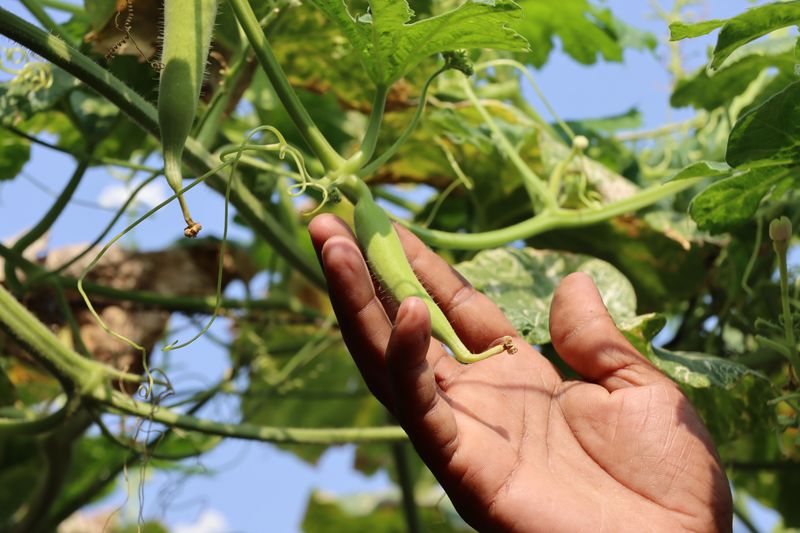
Okra has one job in its mind, and that job is making seeds. Every pod you leave on the stalk tells the plant it has succeeded. Once enough pods ripen, the plant relaxes and makes fewer new flowers.
That is why frequent picking matters most in fall. Harvest pods when they are about 2 to 4 inches long. At that size they are tender, bright green, and easy to slice.
In hot summer weather, you may need to pick daily. In cooler October weather, pods grow more slowly, so every two to three days usually works. Walk your rows often anyway, because a hidden pod can turn tough fast.
Found a giant woody one? Cut it off anyway. Leaving it hurts future production, and it ends up being compost material rather than dinner.
Use clean pruners or a sharp knife rather than yanking. The stems are tough, and pulling can tear the plant. Many okra varieties also have tiny spines that make skin itch, so gloves and long sleeves help a lot.
Your Indiana Garden Changes Every Week. Your Plan Should Too.
Gardening in Indiana changes quickly throughout the season. Every Friday you’ll receive a simple weekly plan showing exactly what to plant, prune, fertilize, harvest, and protect so you never miss the right timing.
Personally, I keep a small basket by the back door in fall. It reminds me to stop by the plants every time I head outside.
Frost Cloth Over Okra Can Save A Whole Week Of Pods
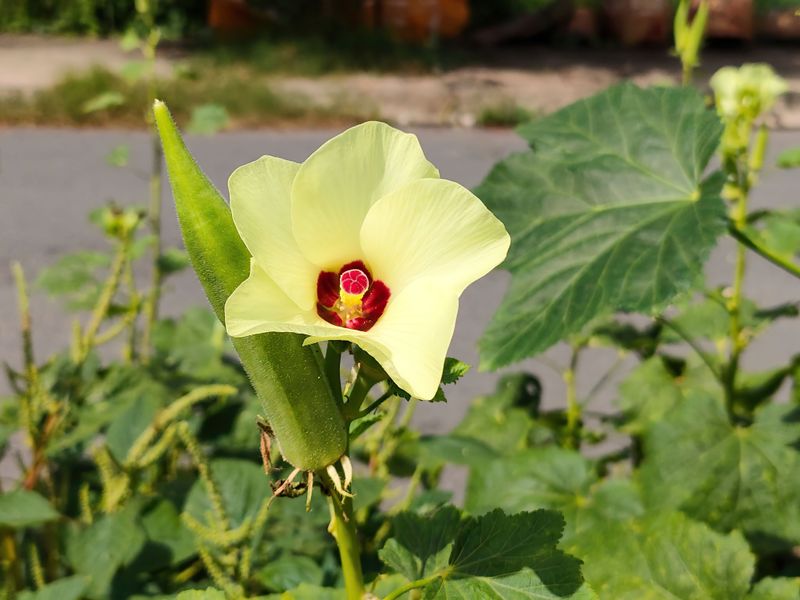
My favorite fall rescue tool is an old bedsheet. When a light frost shows up in the forecast, a cover can keep okra going until the next warm spell. Many October cold snaps are followed by pleasant, sunny days.
Use frost cloth, sheets, or lightweight blankets. Drape them over the plants late in the afternoon and let the edges reach the ground. Hold them down with rocks, bricks, or soil so warmth rising from the ground stays trapped.
Okra plants can be quite tall by fall, which makes covering tricky. Stakes, tomato cages, or a few bamboo poles can hold the fabric up like a tent. Keeping fabric off the leaves also helps reduce cold damage where it touches.
Skip plain plastic directly on the leaves. Plastic transfers cold easily and can harm the foliage it rests on.
Watering the soil earlier in the day can help, too. Moist soil holds and releases heat better than dry soil overnight.
Pull the covers off in the morning once temperatures climb. The plants need sunlight, and heat can build quickly under fabric. Covers handle light frosts, but a hard freeze in the 20s usually ends the season.
Straw Mulch Around Okra Stems Keeps The Soil Cozy
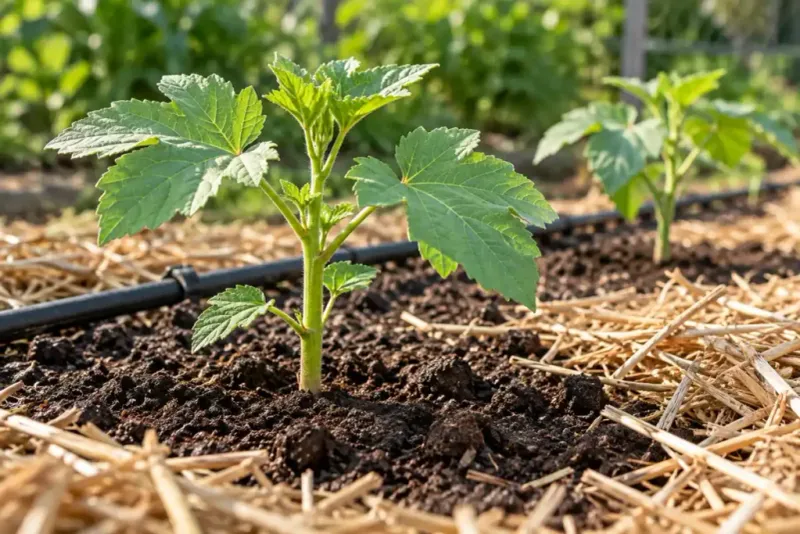
Warm roots make happier okra. This plant grows best when soil stays well above 60 degrees, and fall soil cools down bit by bit. Mulch slows that cooling and keeps moisture steady.
Spread about 2 to 3 inches of straw, shredded leaves, or untreated grass clippings around the base of each plant. Leave a small gap right next to the stems. Mulch piled against stalks can hold too much moisture and invite rot.
Indiana falls can swing from dry to soggy in a single week. Mulch evens out those changes, which helps plants keep flowering. It also smothers weeds that compete for water and nutrients.
Planning ahead for next year? Black plastic laid before planting warms spring soil and helps okra get growing sooner. Earlier, stronger plants often mean bigger late-season harvests.
Straw has a bonus perk in October. Fallen pods and leaves land on a clean surface rather than mud, which makes cleanup easier.
When the season finally wraps up, you can work organic mulch into the soil or leave it as a winter blanket. Either way, it improves the bed over time. Your future okra crop will appreciate that richer, crumbly earth.
Okra Flowers Fade Fast When Water And Food Run Low
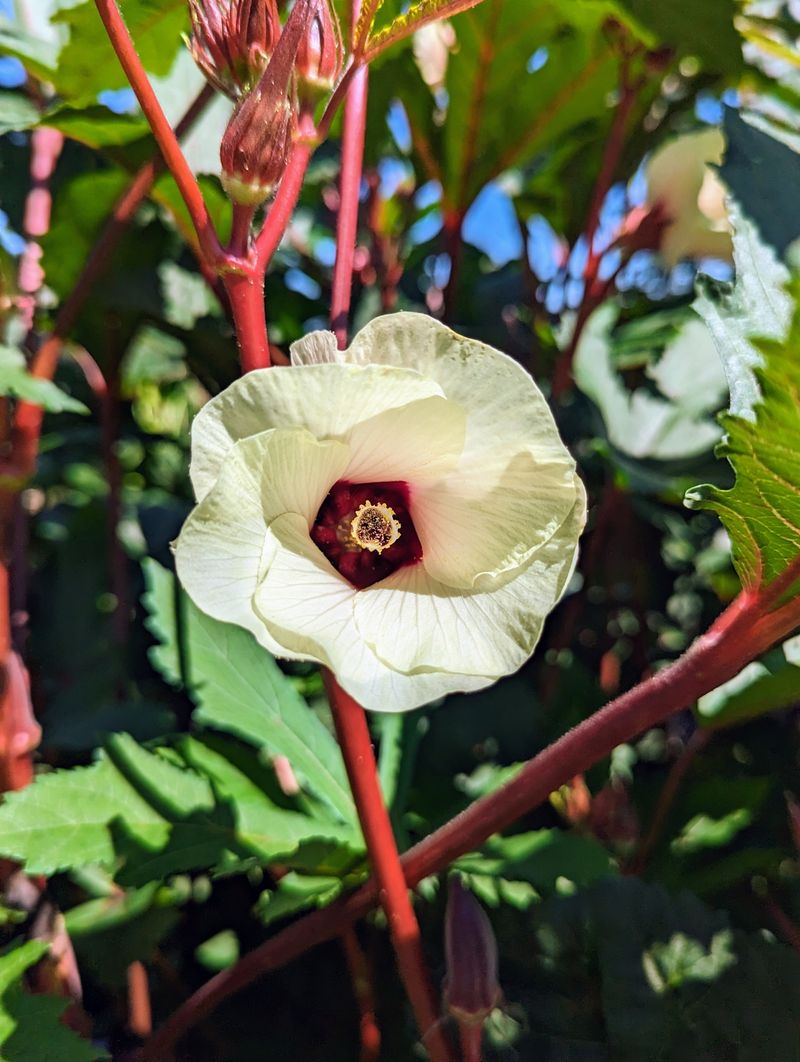
Each okra blossom lasts about a day, and each one is a chance for a pod. Keeping those flowers coming is the secret to a long harvest. Stress from drought or hungry soil slows bloom fast.
Okra handles heat well, but steady moisture keeps pods tender. Aim for about 1 inch of water each week from rain or watering. In cool fall weather, plants use less, so check the soil before you water.
Stick a finger about 2 inches into the soil. If it feels dry, water deeply at the base in the morning. Wet leaves overnight can encourage disease in cool, damp weather.
Feeding matters, too. A light side dressing of balanced fertilizer in late summer can give plants energy for a final push. Go easy on nitrogen, since too much leads to lush leaves and fewer pods.
By mid-October in Indiana, extra fertilizer usually does little. Plants are slowing down, and cool soil limits what roots can absorb.
Watch the flowers as your guide. Lots of blooms mean the plant is still eager. Fewer blooms during warm weather may point to thirst, crowding, or worn-out soil that needs attention.
Cutting Back Tall Okra Stalks Can Spark Fresh Side Shoots
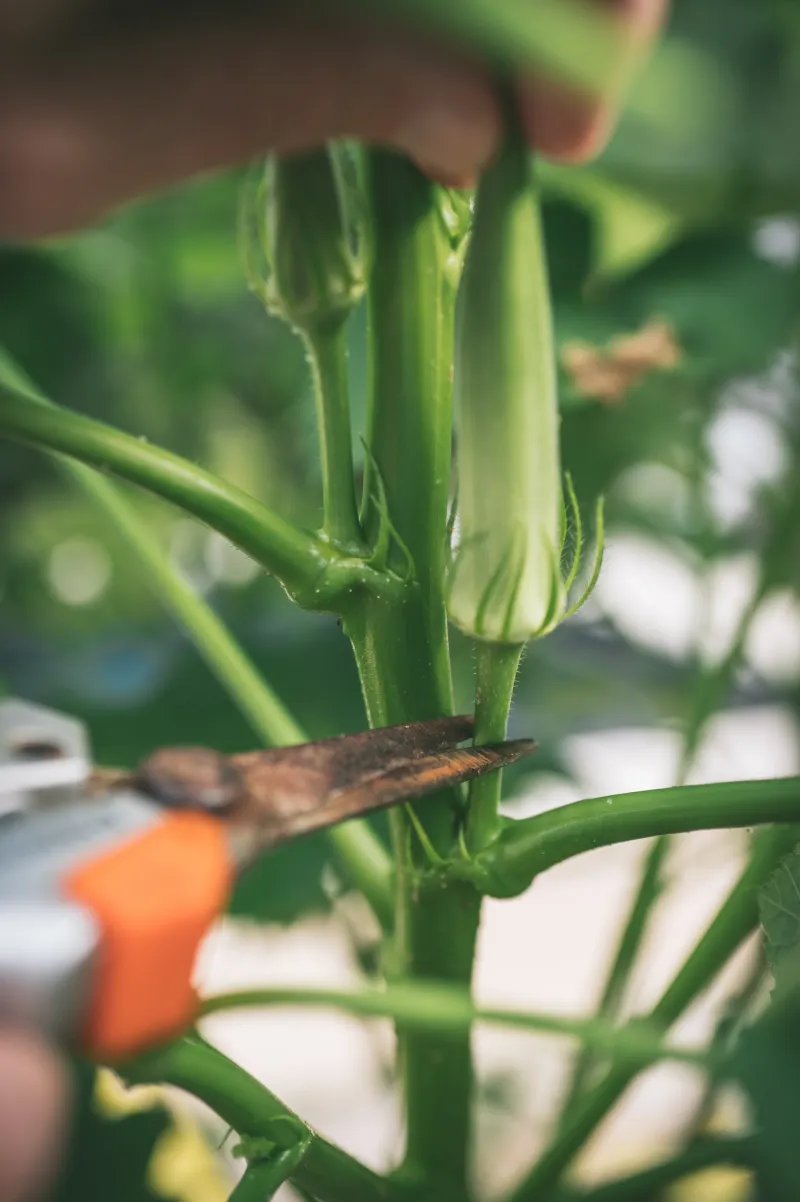
Southern gardeners have a clever trick for tired okra. In late summer, they cut stalks back by about one-third. New side branches then form and produce a second wave of pods.
Does that work in Indiana? It can, but timing is everything. Our season is shorter, so the plant needs several warm weeks to regrow. Late July or early August is a better window than September.
Cut just above a healthy leaf or side bud using sharp, clean loppers. Water well afterward and add a light dose of fertilizer. Within a couple of weeks, you should notice new shoots.
Pruning in October usually backfires. Plants have little time left, and cutting removes flowers and buds that could have become pods.
Even without heavy pruning, you can help a bit in fall. Removing a few yellowing lower leaves improves airflow and makes pods easier to spot.
I like trying this on half the patch first. Leave some plants untouched and compare the results. It turns your garden into a fun little experiment, and you will know exactly what your plants prefer next summer.
Some Okra Varieties Stay Tender Longer In A Short Season
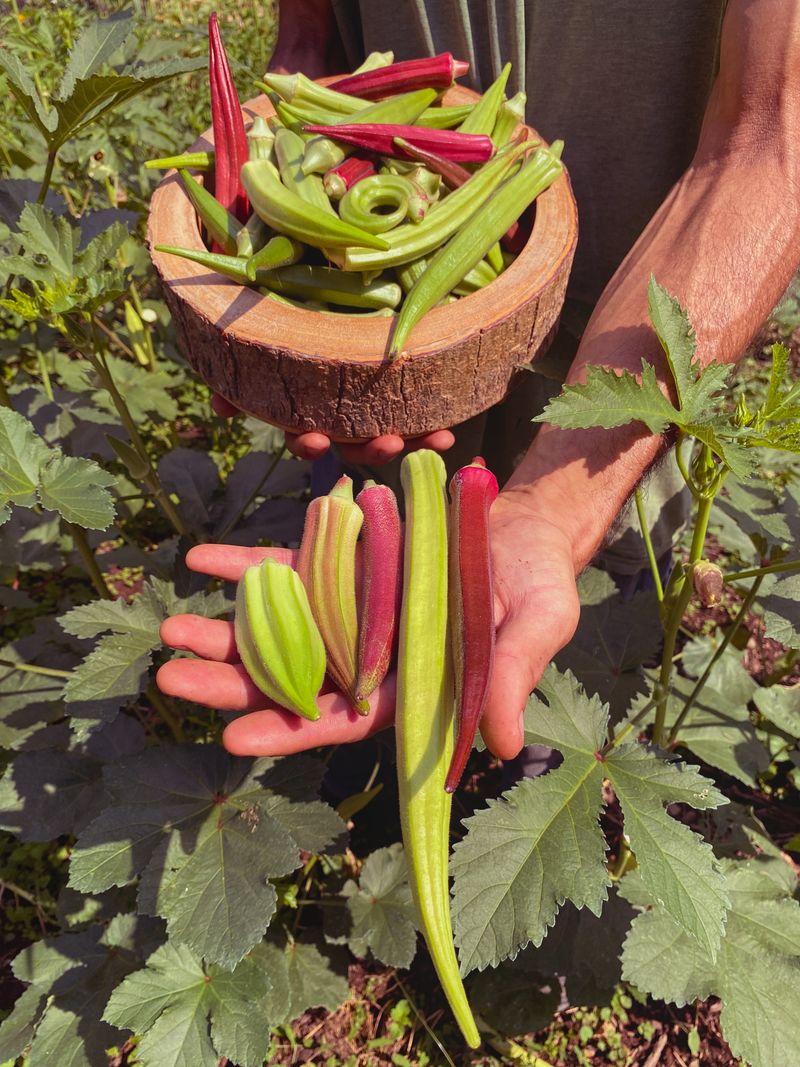
Picking the right seed packet can quietly add weeks of eating. Northern gardeners do best with varieties that mature quickly. Look for okra listed at around 50 to 60 days to harvest.
Clemson Spineless is a classic for good reason. It produces reliably, matures fairly fast, and has few spines on its pods. Annie Oakley II is a compact hybrid often suggested for cooler regions.
Some types hold their tenderness longer, which helps when fall picking gets busy. Emerald is known for smooth, round pods and a long harvest. Burmese is praised for pods that stay tender even when larger.
Red varieties like Burgundy bring color to the garden and the plate. Fun fact: the red pods usually turn green when cooked.
Starting with transplants can also help. Purdue Extension notes okra needs warm soil, so planting too early in cold Indiana ground slows growth. Wait until soil warms, usually late May or early June.
Saving notes helps a lot. Write down planting dates, variety names, and when the last pods came in. After a couple of seasons, you will know which okra keeps your basket full the longest.
A Sunny, Sheltered Okra Bed Pays Off Every Fall
Where you plant okra shapes how long it lasts. A sunny spot near a south-facing wall or fence can stay several degrees warmer on cold nights. Bricks and stone soak up daytime heat and release it after dark.
Give okra at least 6 to 8 hours of full sun. Shade cuts flowering, and in fall the sun sits lower, so shadows stretch longer. A spot that looked sunny in June may be shady by October.
Avoid low areas where cold air settles. These frost pockets often get hit first while higher ground stays fine.
Raised beds offer helpful perks. They warm faster in spring and drain well, which okra loves. Earlier planting often means a longer season overall.
Once frost finally takes the plants, pull them and clear the bed. Removing old stalks reduces places for pests and diseases to spend the winter. Tough stems break down faster if you chop them first.
My last bit of advice is cheerful. Fresh okra freezes beautifully after a quick blanch, so even the final handful can brighten a winter gumbo. Plan next spring’s sunny spot now, while the lessons still feel fresh.