What It Means When Mule Deer Wander Into Your California Yard In Fall
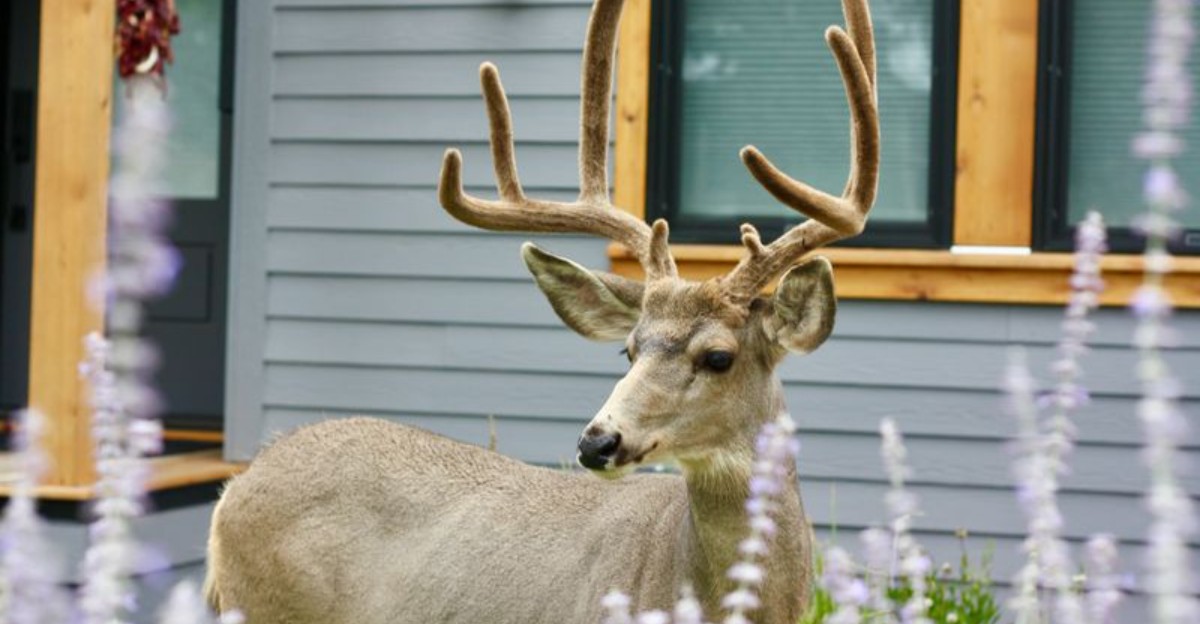
A buck’s antlers grow faster than almost any other tissue in the animal kingdom, and by fall they are hard, polished, and ready for action. That alone explains a lot about the visitor nibbling your roses at dusk.
I still remember spotting a pair of oversized ears twitching above my lavender one October morning. Those ears can swivel on their own, catching sounds from different directions at once. Honestly, I stood frozen at the window for a full ten minutes.
In California, early fall is the tail end of the long dry season for much of the state. Wild hillsides turn brown and crunchy while your watered garden stays green and tender. You can probably guess which buffet looks better to a hungry browser.
So is your visitor lost, lovesick, or simply hungry? The answer is a little of each, and it might change how you see your yard tonight.
Those Big-Eared Visitors Are Following An Ancient Fall Calendar
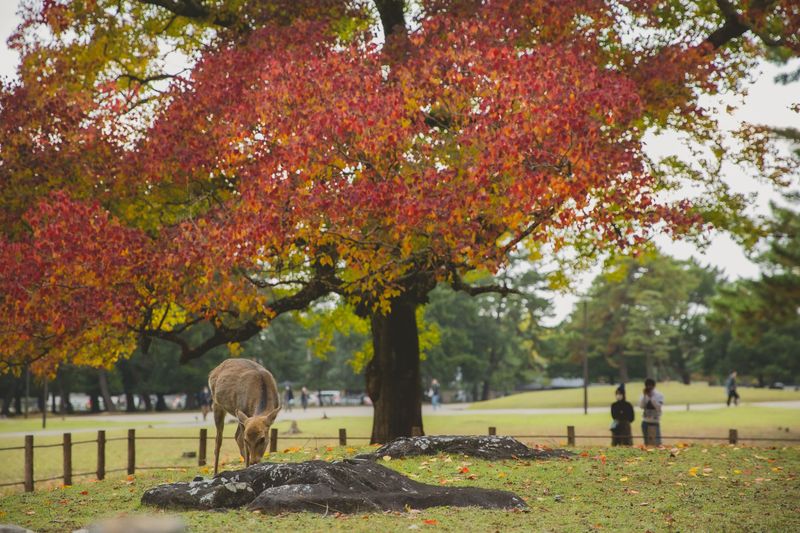
Mule deer run on a schedule that is far older than any of our neighborhoods. Fall is a turning point in their year, and their movements shift with it.
By late summer, fawns born in spring are losing their spots and traveling with their mothers. Groups of does and young deer start roaming more widely to find food. At the same time, bucks shed the velvet from their antlers and start getting restless.
In mountain areas like the Sierra Nevada, many herds migrate downhill when the first cold snaps arrive. Some trips cover dozens of miles and pass right through foothill towns. If you live along one of those paths, you may see visitors that only show up in autumn.
Coastal and valley deer often stay put all year, but they still wander more in fall. Shorter days, dry weather, and mating instincts all push them to explore.
So that deer on your lawn is not confused or lost. In most cases, it is doing exactly what its ancestors did each autumn. Your yard simply happens to sit on its seasonal map, which is both a privilege and a puzzle worth solving.
Green Lawns And Juicy Shrubs Look Like A Feast During Dry Months
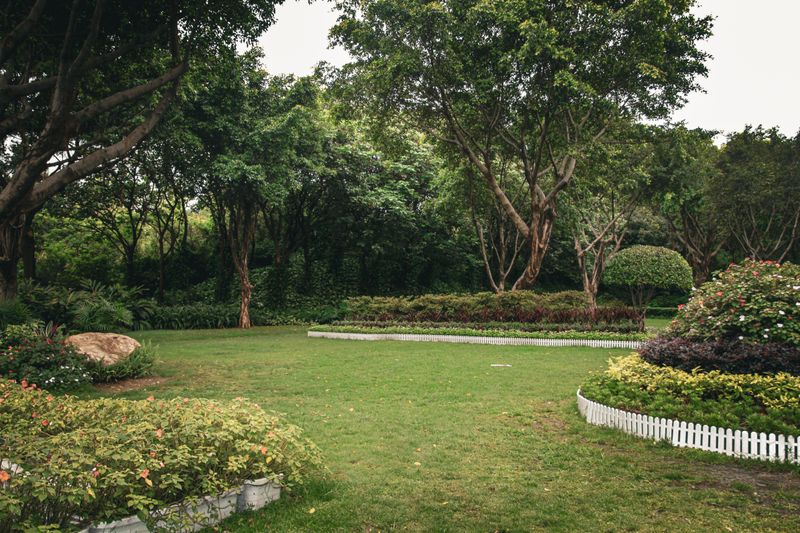
Here in much of the state, the rainy season usually does not kick in until November or later. Until then, wild grasses are dry and tough, with little nutrition left. Your irrigated yard stands out like a bright green welcome sign.
Mule deer are browsers, meaning they mostly nibble leaves, twigs, buds, and shrubs rather than grazing on grass. According to UC Agriculture and Natural Resources, they will happily eat roses, fruit trees, vegetables, and many flowering plants. Watered plants also hold extra moisture, which helps deer when natural water is scarce.
Acorns are another big draw. If you have oak trees, falling acorns in September and October can pull deer in for a high-energy snack before winter.
You can usually tell deer were the culprits by the damage. Deer lack upper front teeth, so they tear plants instead of snipping them. Leaves and stems end up ragged at the edges, often about two to five feet off the ground.
Your California Garden Changes Every Week. Your Plan Should Too.
Gardening in California changes quickly throughout the season. Every Friday you’ll receive a simple weekly plan showing exactly what to plant, prune, fertilize, harvest, and protect so you never miss the right timing.
Personally, I find this the most useful clue of all. Once you know they are coming for food and moisture, you can decide which plants to protect and which ones to share.
Rutting Bucks Get Bold And Restless From October Into December
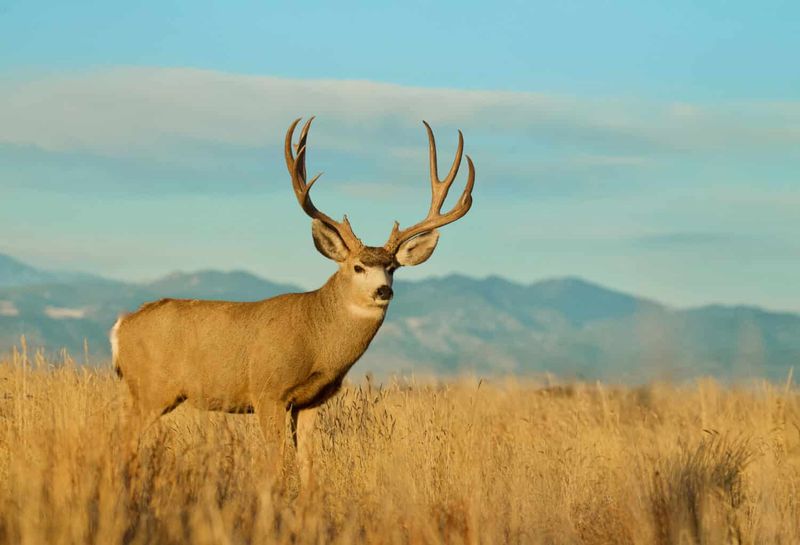
Love makes everyone a little reckless, and mule deer bucks are no exception. The rut, or breeding season, usually runs from about late October through December in California, with timing varying by region.
During this stretch, bucks travel farther than usual to find does. They pay less attention to traffic, dogs, and people. That is why you may suddenly see a big antlered male strolling across your driveway in broad daylight.
Bucks also spar with rivals, locking their forked antlers in pushing matches. You might even hear the clacking sound at night if your yard sits near open space.
Give these animals plenty of room. A rutting buck can be unpredictable, and the California Department of Fish and Wildlife advises keeping a respectful distance from wild deer. Keep pets leashed or indoors at dawn and dusk, since a cornered buck may defend itself.
Drivers should slow down too. Deer collisions tend to rise in fall, partly because rutting bucks dash across roads without warning.
Watching a mature buck from your window can be a thrill. Just enjoy the show from behind glass, and let him continue on his romantic mission.
Rubbed Tree Bark And Ragged Leaves Tell The Deer’s Story
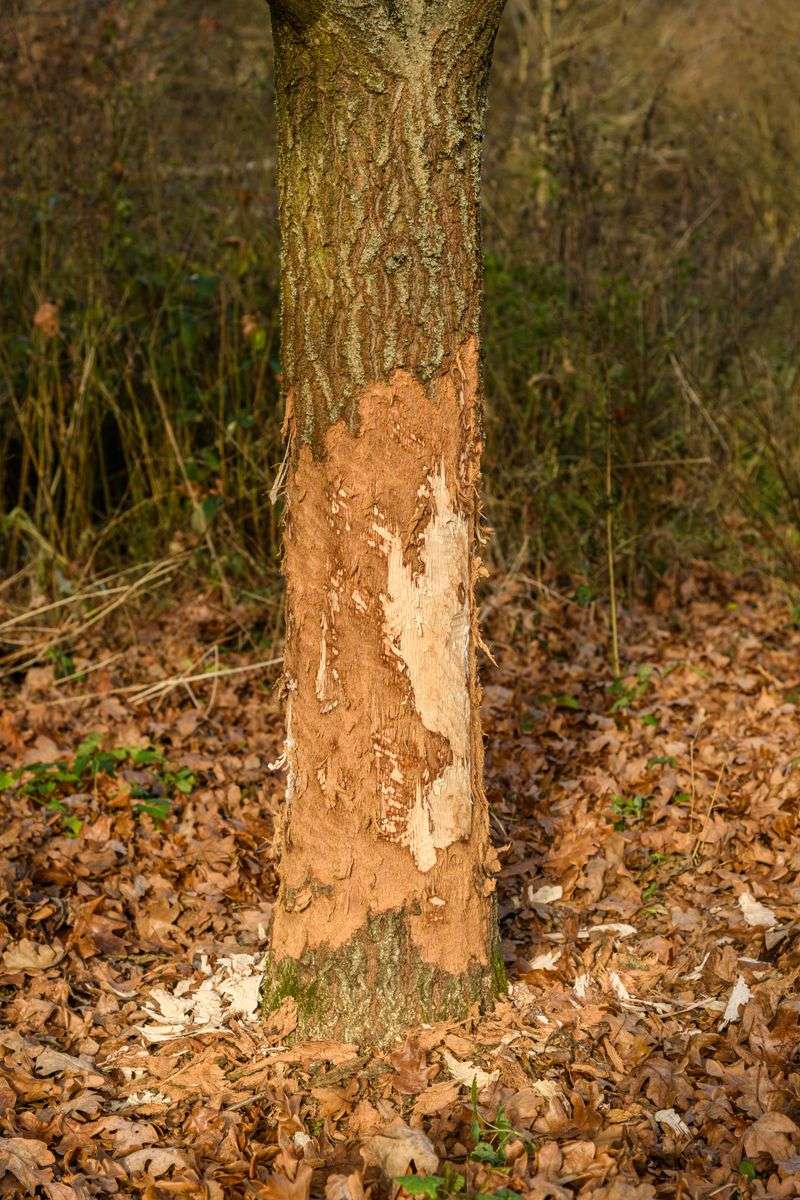
Sometimes you never see the deer at all. You just walk outside and notice a young tree with strips of bark scraped away. That is a classic calling card of a buck.
Bucks rub their antlers on saplings and small trunks, especially in fall. Rubbing helps remove leftover velvet and also leaves scent marks from glands on their heads. Sadly, the scraping can girdle thin trees and cause serious harm.
Look for these other signs to confirm your visitor: Heart-shaped hoof prints, usually two to three inches long, pressed into soft soil. Small, oval droppings in piles. Plant stems torn off with a ragged, uneven edge rather than a clean cut.
Flattened patches of grass or mulch can mean deer bedded down overnight. Mule deer often rest in quiet, sheltered spots under shrubs or along fence lines.
To protect young trees, wrap the trunks with plastic tree guards or circle them with sturdy wire cages. Place the barrier about a foot away from the trunk so antlers cannot reach the bark.
Reading these clues feels a bit like being a backyard detective. Once you know the patterns, you can plan your defenses smarter.
Tossing Out Corn Or Apples For Deer Breaks California Law
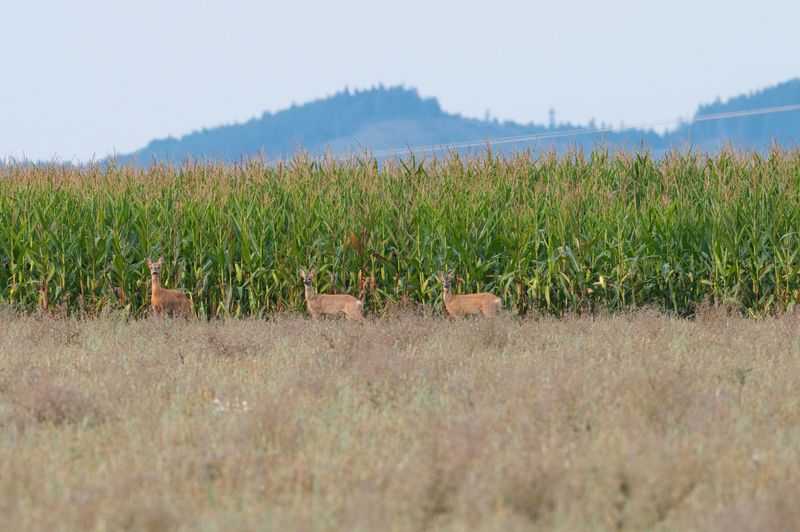
It feels kind, I know. A hungry deer looks up with those dark eyes, and you want to share a bucket of apples. Please hold back, because feeding big game mammals like deer is illegal in California under state wildlife regulations.
The rule exists for solid reasons. Deer stomachs are adapted to wild browse, and sudden rich foods like corn can upset their digestion and make them sick. Handouts also crowd deer together, which helps diseases spread through herds.
Fed deer lose their caution around people. They linger near homes, wander into streets, and may act aggressively when food does not appear. Over time, that can lead to more car collisions and more conflicts with residents.
Deer gatherings can also draw mountain lions, since deer are their main prey. The last thing you want is a predator patrolling your neighborhood because of a feeding spot.
Even bird feeders and pet food bowls left outdoors can tempt deer. Bring pet dishes inside at night and pick up spilled seed.
The California Department of Fish and Wildlife puts it simply. Keeping wildlife wild is the kindest thing you can do, so admire them and let them forage on their own.
A Tall Deer Fence Is The Most Reliable Way To Protect Your Veggie Beds
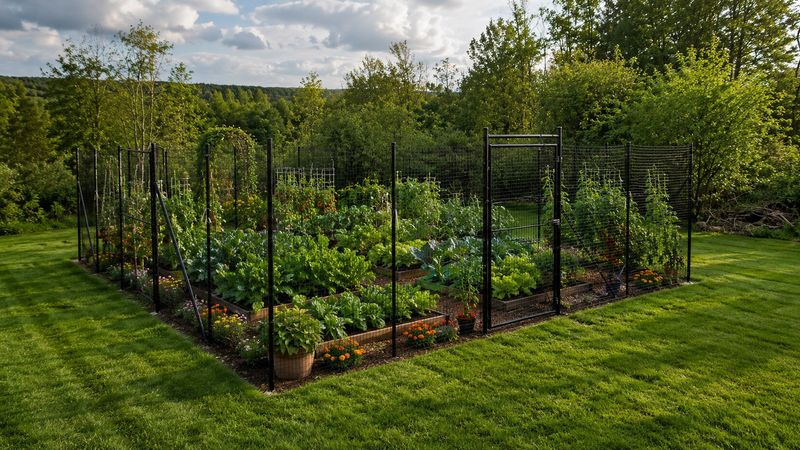
Mule deer can clear an ordinary backyard fence with surprising ease. Fencing is still the most reliable protection, as long as it is tall enough.
UC experts generally recommend a fence at least seven to eight feet high on level ground. On slopes, you may need extra height because deer can jump from the uphill side. Woven wire mesh works well and lets you see your garden through it.
Already have a shorter fence? You can extend it by attaching three to four feet of mesh or wire above the existing top. Make sure the bottom stays snug to the ground, since deer will squeeze under gaps.
Another clever trick is a double fence. Two shorter fences spaced about four to five feet apart confuse deer, because they struggle to judge the jump and landing space.
For smaller spaces, think in miniature. Wire cages over young fruit trees, floating row covers on lettuce, and netting over berry bushes all help.
Check local rules before building. Some cities and homeowner associations limit fence heights, and certain rural counties encourage wildlife-friendly designs. A quick call to your planning office can save you a headache later.
Fragrant Sage And Lavender Can Make Your Garden Less Tasty
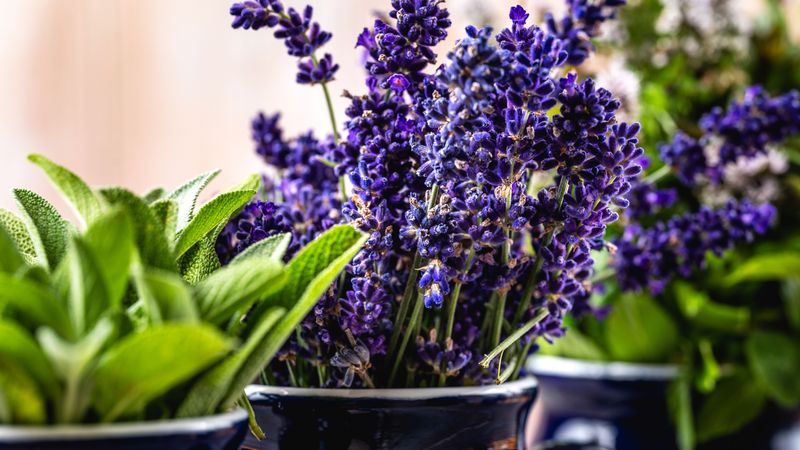
Deer have picky noses and sensitive tongues. Plants with strong scents, fuzzy leaves, or bitter sap often get a pass, which gives gardeners a delightful planting strategy.
Many great choices are already well suited to California’s dry summers. Native sages like Cleveland sage and white sage are aromatic favorites. Yarrow, California fuchsia, manzanita, and ceanothus also tend to be less appealing to deer.
Lavender, rosemary, and many succulents usually hold up well too. Ornamental grasses add texture without inviting much nibbling.
Remember that deer resistant is not the same as deer proof. A truly hungry deer will sample almost anything, especially young, freshly watered plants. New transplants may need a temporary cage until they toughen up.
Fall is actually a fantastic time to plant in much of California. Cooler temperatures and coming winter rains help roots settle in before spring. Your local UC Master Gardener program or native plant nursery can suggest varieties for your region.
I love how this approach does double duty. You get a fragrant, water-wise garden that feeds bees and butterflies, while deer move along to munch elsewhere. Avoid invasive options and stick with natives or well-behaved, regionally suitable plants.
Picking Up Fallen Fruit And Adding Motion Lights Keeps Mule Deer Moving
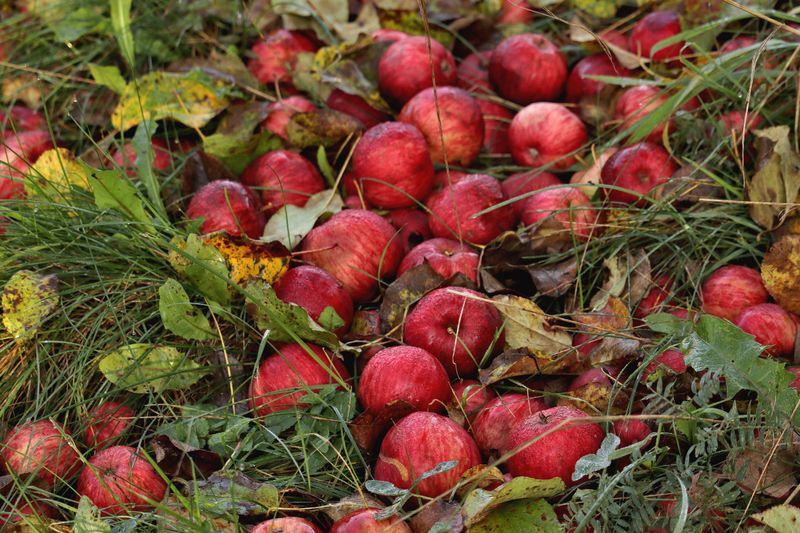
Small habits add up, and fall is the perfect season to start them. A few simple changes can make your yard far less inviting without harming anyone.
Fallen fruit is a top deer magnet. Rake up apples, pears, persimmons, and figs every few days, and harvest ripe fruit promptly. Gathering acorns near the house can also help.
Motion-activated lights and sprinklers startle deer when they wander in after dark. Move them around every couple of weeks, though, because deer get used to anything that stays the same.
Repellents can offer short-term relief. Products with egg or garlic odors, or hot pepper sprays, work best when reapplied after rain or heavy watering. Rotate types so deer do not grow comfortable.
Trim back dense brush near your home, since deer like hidden resting spots. Keep dogs supervised rather than letting them chase deer, which can injure both animals.
My biggest takeaway is to see deer as neighbors, not enemies. They were here long before our gardens, and fall visits are normal in California. With smart fencing, tough plants, and steady habits, you can enjoy their beauty and still keep most of your roses.