The Trees Worth Planting This November in North Carolina and the Ones That Can Wait
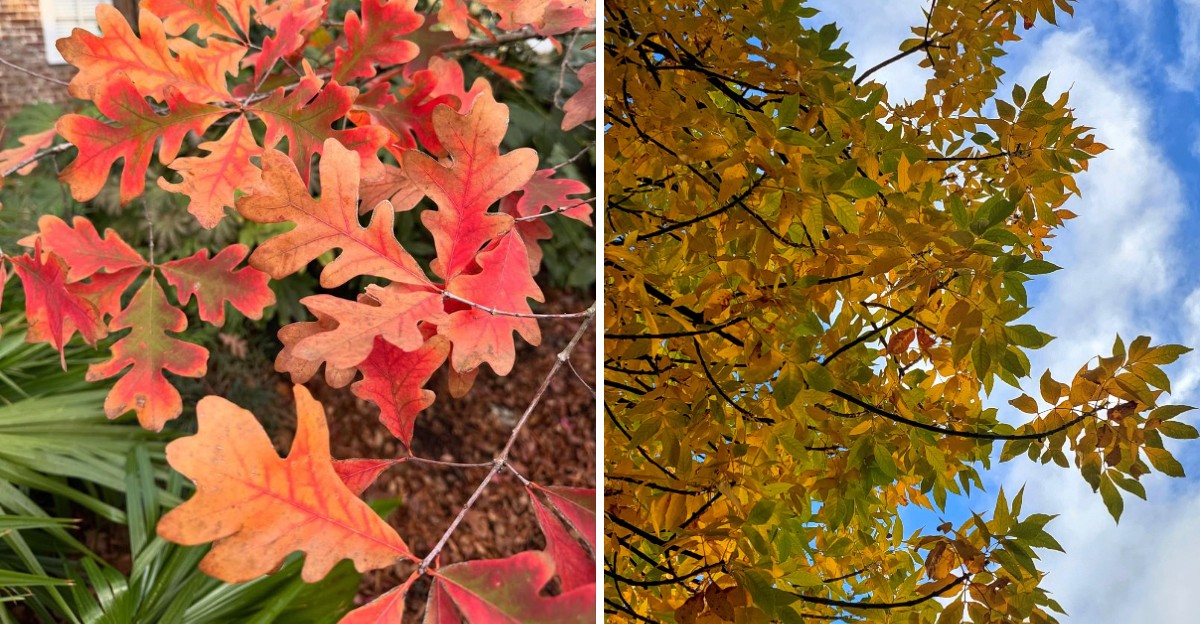
Tree roots keep stretching through the soil until it cools to around forty degrees, long after branches look asleep. That hidden growth spurt explains why extension experts across North Carolina call late fall a golden planting window.
Cool air slows the leaves, so a young tree loses far less water while its roots settle in. Our soil often stays mild into December, especially in the Piedmont and along the coast, which buys extra time.
I have to admit, I used to save every tree purchase for spring, when nurseries look so tempting. Then I watched my fall plantings sail through a July heat wave while the spring ones sulked badly.
Not every tree enjoys a chilly start, and a few should stay off your North Carolina shopping list for good. So which ones deserve a spot in the ground in November, and which ones are better left waiting?
1. Red Maple
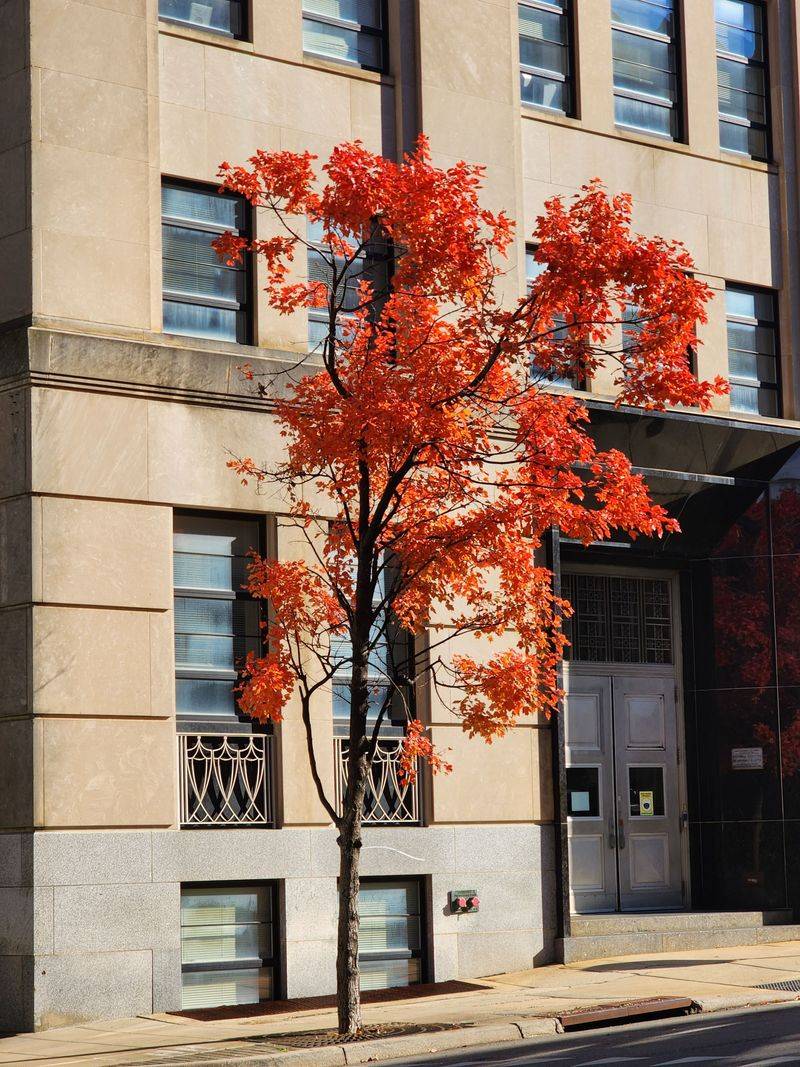
Few sights beat a red maple flashing scarlet leaves on a gray November morning while everything else fades. I love how its show starts early, with tiny red flowers opening on bare twigs in late winter.
Those early blooms feed bees that wake up hungry on the first warm days of the year. Acer rubrum grows native from the mountains to the coast, so it handles a wide mix of soils.
Soggy low spots and heavy clay rarely bother it, though it grows best in slightly acidic ground. Expect a mature tree around forty to sixty feet tall, so leave plenty of room from your house.
Planting in November gives the roots several cool months to spread before any new leaves demand water. That quiet head start often means less stress and fewer emergency watering trips during the first hot summer.
Dig a hole two to three times wider than the root ball but no deeper than it. Keep the root flare, where the trunk widens at the base, sitting right at the soil surface or slightly above.
Spread two to three inches of mulch in a wide ring, keeping it a few inches off the bark. Mulch piled against the trunk like a volcano invites rot and gives gnawing rodents a cozy hiding place.
Shop for named cultivars like October Glory or Red Sunset if you want dependable fall color each year. Personally, I think a well-placed red maple pays you back in shade and color for decades to come.
2. Blackgum
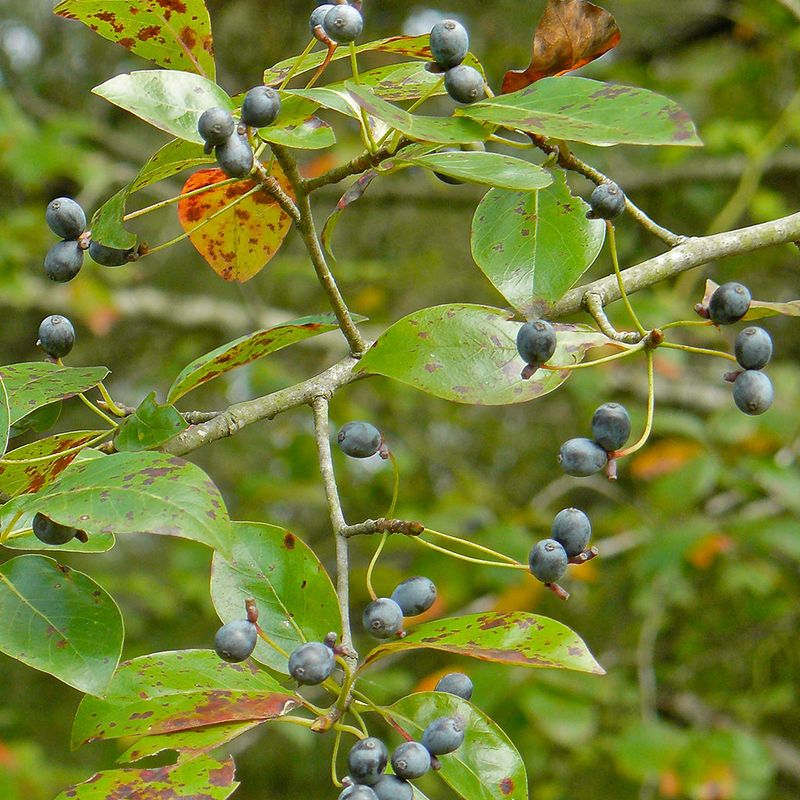
Blackgum often turns color before almost any other tree, with a few leaves blushing scarlet in late summer. By early fall the whole crown glows like polished rubies, and the leaves look almost glossy in sunlight.
Nyssa sylvatica, also called black tupelo, grows wild across every region of the state, from swamps to ridges. What surprises me most is how hard migrating songbirds go after its small blue-black fruits each autumn.
Those fruits ripen right as thrushes and other travelers need quick fuel for their long flights south. Only female trees fruit, so buying a few trees raises your chances of hosting a feathered buffet.
Your North Carolina Garden Changes Every Week. Your Plan Should Too.
Gardening in North Carolina changes quickly throughout the season. Every Friday you’ll receive a simple weekly plan showing exactly what to plant, prune, fertilize, harvest, and protect so you never miss the right timing.
Blackgum grows a deep taproot, which makes it famously stubborn about being moved once it settles in. Pick its spot carefully the first time, ideally in full sun to part shade with acidic soil.
Container-grown trees transplant far more easily than dug ones, so look for healthy potted stock at nurseries. November planting lets the roots grow into native soil while the top rests and asks for little.
Water deeply once a week during dry winter spells, since cool weather does not mean the roots need nothing. A ring of shredded bark mulch helps hold that moisture and keeps lawn mowers safely away from the trunk.
Expect a mature height of roughly thirty to fifty feet, with branches that often stick out horizontally. I have to admit, few trees reward patience as handsomely as a blackgum blazing against a cloudy sky.
3. Flowering Dogwood
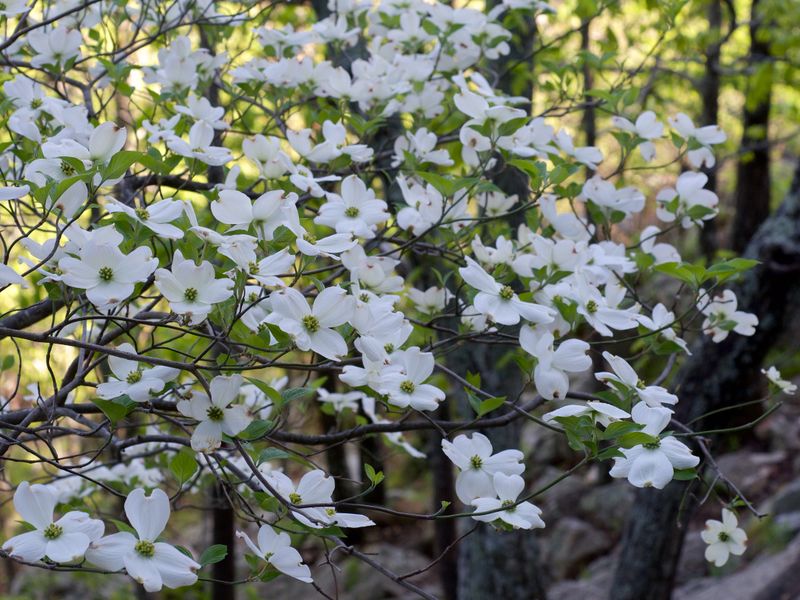
Every spring, those creamy white blooms everyone admires are not petals at all but showy leaves called bracts. The true flowers sit in a tiny greenish cluster in the center, waiting for passing bees to notice.
Cornus florida earned the title of official state flower back in 1941, and it fits right into most yards. Its fall leaves turn deep red, while glossy red fruits feed hungry robins and bluebirds through the season.
In the wild, dogwood grows under taller trees, so it appreciates morning sun and some afternoon shade. Hot, baking sites in full sun often stress it and make it more likely to struggle with pests.
Well-drained, acidic soil rich in organic matter suits it best, since soggy roots lead to trouble fast. Plant it slightly high, with the top of the root ball an inch or so above the ground.
November planting gives those shallow roots plenty of time to settle before spring blooms ask for energy. Water slowly and deeply after planting, then check the soil weekly through any dry winter stretch.
Dogwood anthracnose and powdery mildew can cause problems, so look for resistant cultivars at local nurseries. Appalachian Spring is a popular anthracnose-resistant selection that came out of University of Tennessee breeding research.
Mature trees usually reach fifteen to thirty feet tall, with a lovely layered branching shape over time. I believe every yard deserves at least one dogwood, if only for that first April morning in bloom.
4. Eastern Redbud
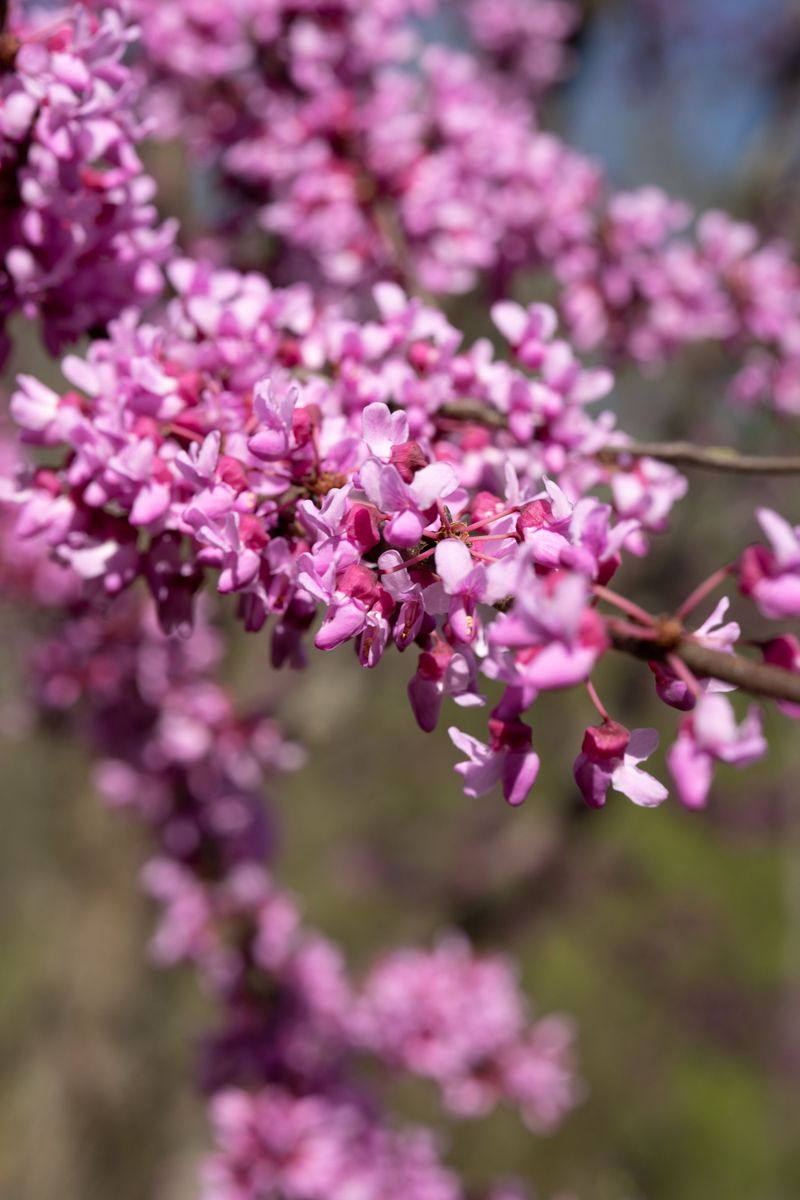
Redbud flowers pop straight out of the bark, even on thick older branches and sometimes the trunk itself. Botanists call that habit cauliflory, and it makes a blooming redbud look sprinkled with pink confetti.
Cercis canadensis is a native small tree, usually reaching twenty to thirty feet tall and about as wide. Heart-shaped leaves follow the flowers, then turn soft yellow in fall before dropping onto the lawn.
Those early spring blooms feed native bees at a time when few other flowers have opened yet. Redbud also belongs to the pea family, and its flat seed pods dangle on branches well into winter.
I like how forgiving it is about soil, handling clay and alkaline spots better than many trees. Give it full sun to part shade, along with decent drainage so the roots stay healthy.
Redbuds dislike being moved once established, so smaller container trees usually settle in fastest after planting. November is a great time to plant, since cool weather lets roots grow before buds swell.
Set the root flare at soil level and backfill with the same native soil you just dug out. Rich amendments in the hole can trap water and keep roots from spreading into surrounding ground.
Redbud makes a wonderful native swap for invasive Callery pears, which bloom around the same weeks. You might notice neighbors stopping to ask about it the first spring it bursts into color.
5. River Birch
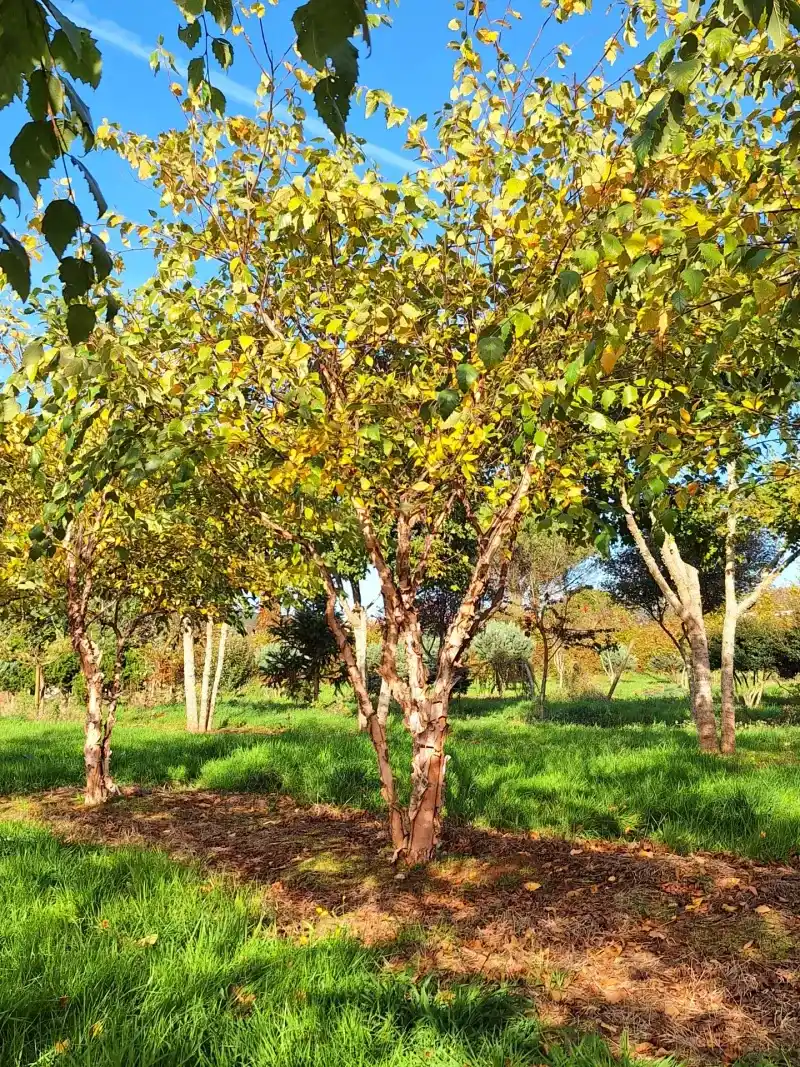
Peeling bark in shades of salmon and cinnamon makes river birch look like it is shedding a cozy sweater. Winter is when that curly texture really shines, especially on multi-trunk trees catching low afternoon sun.
Betula nigra grows wild along streams across much of the state, so it handles wet feet gracefully. It is also the birch best suited to Southern heat, unlike paper birch, which sulks in warm summers.
Mature trees usually reach forty to seventy feet tall, though most landscape trees stay toward the lower end. Its fast growth means you will enjoy real shade and character within just a handful of seasons.
Planting in November suits this birch well, giving roots time to grow before spring leaves emerge. Choose a spot with moist, acidic soil, since alkaline ground can turn the leaves an unhappy yellow.
Water is the big need here, so soak the root zone deeply right after you finish planting. During dry stretches, a slow trickle from the hose for twenty minutes beats a quick daily sprinkle.
Fall leaves turn a clear butter yellow, though some drop early during droughty summers to save water. That early leaf drop looks alarming, yet it is usually a normal response rather than a serious problem.
Heritage is a popular cultivar known for especially bright, pale bark and fairly good disease resistance. Personally, I think a river birch near a rain garden or soggy corner solves two problems at once.
6. American Holly
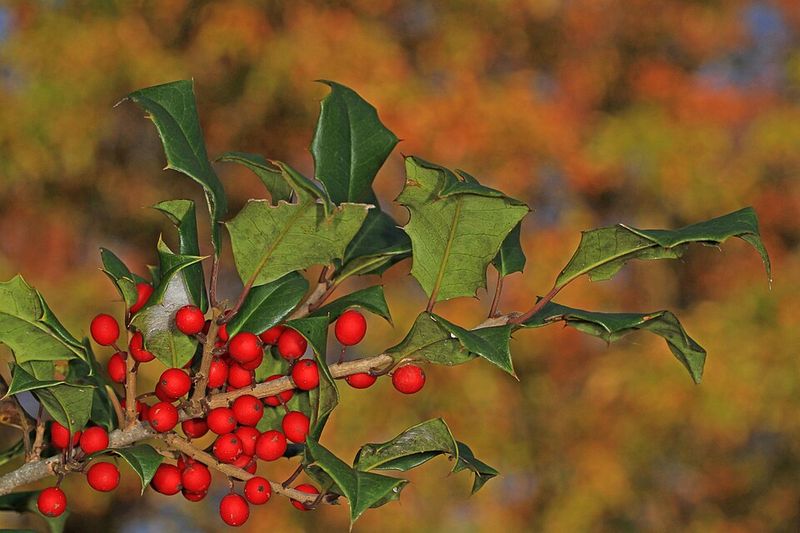
Long before store-bought wreaths, people cut American holly branches to brighten homes during the darkest weeks. Those glossy, spiny leaves and red berries still look festive from the street on a gloomy winter afternoon.
Ilex opaca is a native evergreen that usually grows fifteen to thirty feet tall in home landscapes. Its natural pyramid shape makes a handsome specimen tree or a living screen near property lines.
Only female hollies produce berries, and they need a male holly nearby for pollination to happen. Ask your nursery for a known female cultivar, then plan on at least one male within reasonable range.
Birds like cedar waxwings and robins often wait until late winter before they strip the berries. By then, the fruit has softened, and those flocks can clean off a tree in an afternoon.
November planting works nicely, because evergreen roots can keep growing while cooler air limits water loss. Pick a site with well-drained, acidic soil, since hollies sulk when their roots stay soggy for long.
Evergreen leaves keep losing water all winter, so check soil moisture every week during dry, windy spells. A deep drink before a hard freeze helps prevent brown, scorched leaf edges later in the season.
Wear sturdy leather gloves when planting, because those spiny leaf edges are much sharper than they look. I can’t imagine a winter garden without at least one holly glowing green beside the porch.
7. Eastern Red Cedar
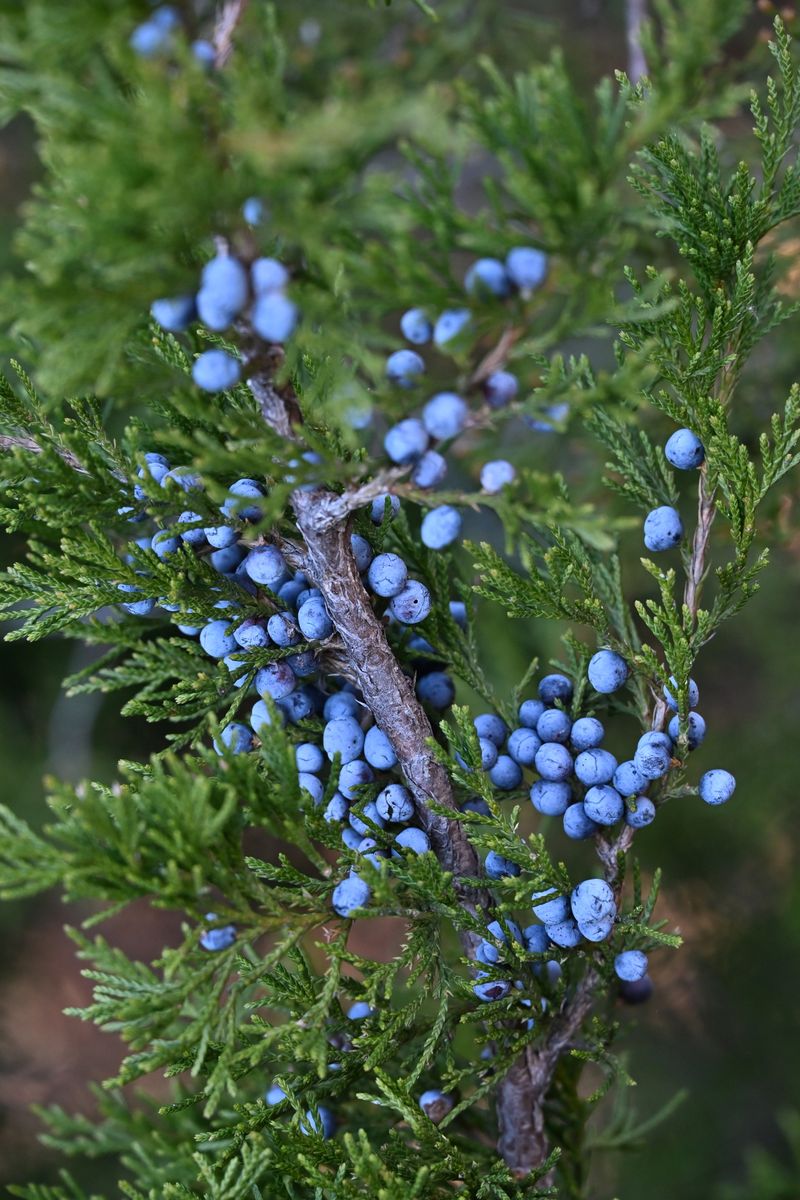
Despite the name, eastern red cedar is a juniper, and its fragrant wood once lined countless hope chests. Crush a sprig between your fingers and you will catch a sharp, piney scent that lingers for hours.
Juniperus virginiana grows native throughout the region, often popping up along fence rows where birds drop seeds. That habit hints at its toughness, since it shrugs off drought and thin soil once roots settle in.
Female trees produce small, dusty blue cones that look like berries and feed cedar waxwings each winter. The cedar waxwing actually takes its common name from its well-known fondness for these juniper fruits.
Dense, prickly foliage gives songbirds safe shelter from hungry hawks and cold winds during rough winter weather. I love how a row of these trees can turn a bare property line into a busy bird hotel.
Most trees reach thirty to forty feet tall but stay fairly narrow, so they fit along boundaries nicely. Full sun keeps the foliage thick, while shady spots often leave the lower branches thin and scraggly.
Planting in November gives the roots a long, cool runway to anchor themselves before summer heat returns. Water regularly through the first year, then step back, because established trees rarely need much extra help.
Keep it away from apple orchards, since it hosts cedar-apple rust, a fungus that spots apple leaves. You might notice odd orange jelly blobs on cedar twigs after spring rains, which is that same rust.
8. Serviceberry
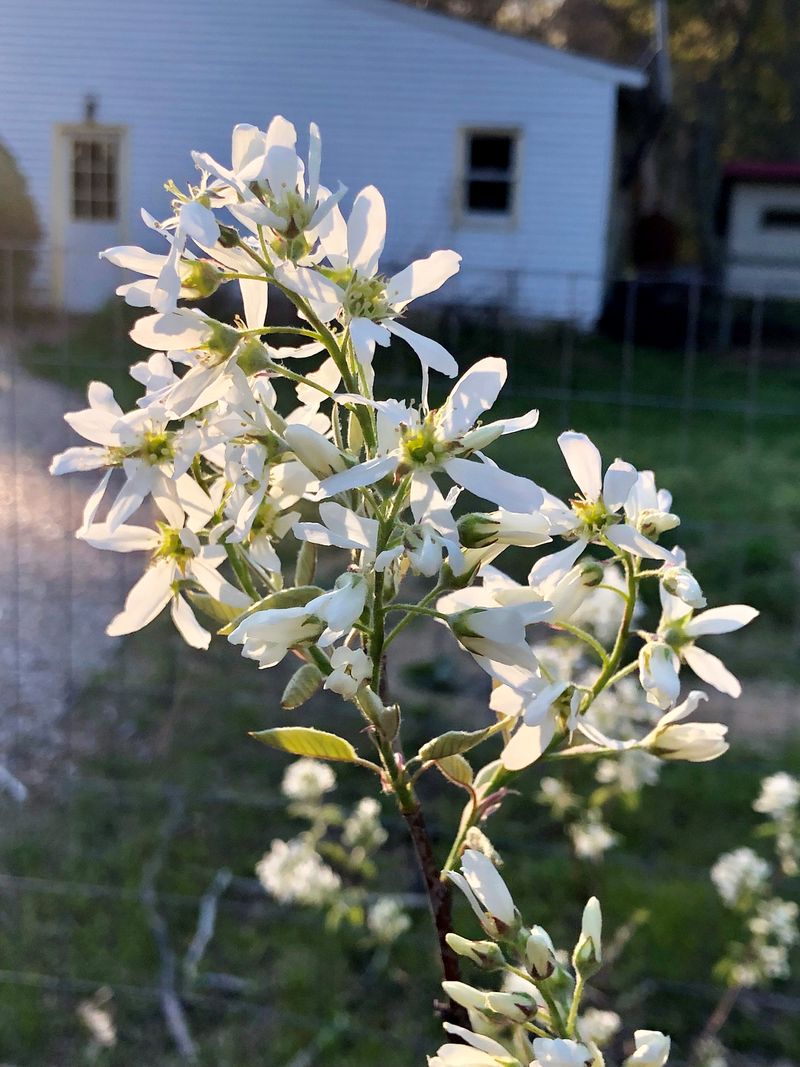
One popular story says serviceberry earned its name because its blooms appeared around the time of spring church services. Whatever the truth, those clouds of white flowers arrive early, often before most trees show a leaf.
Amelanchier arborea, the downy serviceberry, grows native across the state and stays a manageable fifteen to twenty-five feet. Many nurseries also sell hybrids like Autumn Brilliance, which offer reliable flowers and bright fall leaves.
By early summer, small purple fruits ripen, tasting a bit like a blueberry with a hint of almond. You will need to move fast, because catbirds and mockingbirds usually find them before you finish breakfast.
Fall color ranges from golden yellow to orange red, and the smooth gray bark looks sleek all winter. I believe it ranks among the best small trees for a front yard where space feels tight.
Serviceberry grows happily in full sun or part shade, though more sun usually means more flowers and fruit. Moist, well-drained, slightly acidic soil keeps it thriving, and a mulch ring helps the roots stay cool.
November planting gives the young roots several months to settle before those early spring blooms demand energy. Water deeply after planting, and keep an eye on rainfall through winter so the soil stays lightly moist.
Choose a multi-stem form for a natural, woodland look, or a single trunk for a tidier shape. You’re in for a treat the first June you eat sweet berries straight from your own tree.
9. White Oak
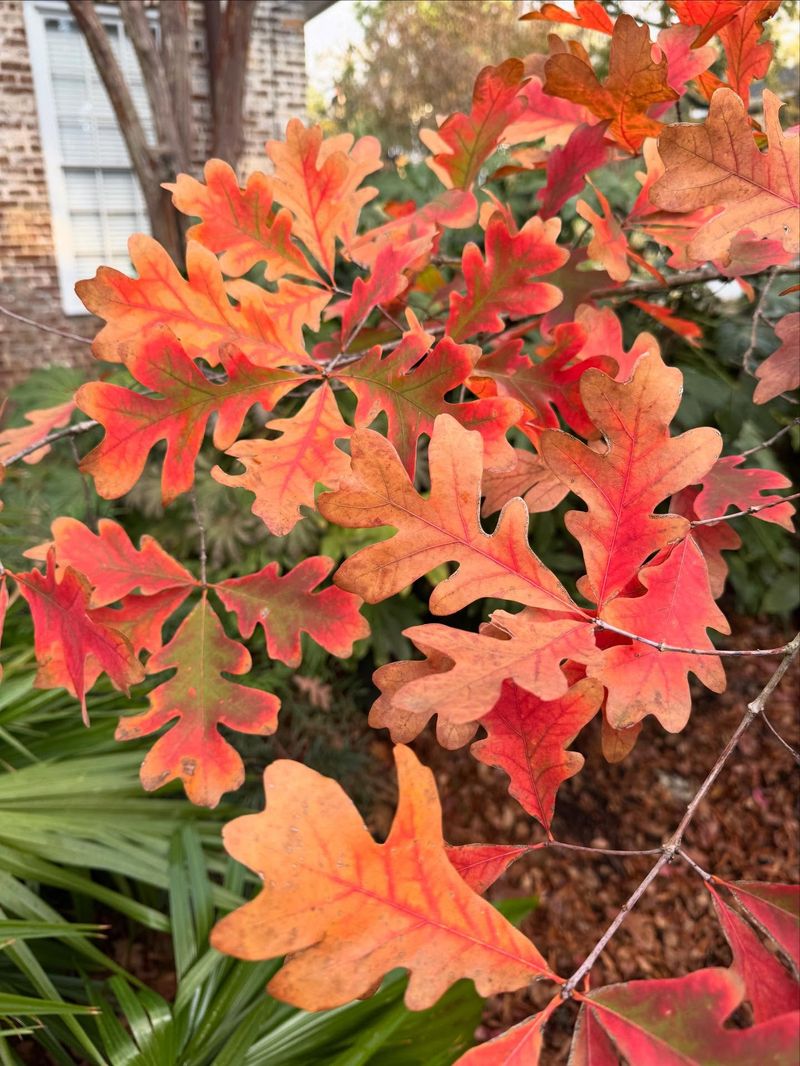
Oaks as a group host more caterpillar species than almost any other tree, according to entomologist Doug Tallamy. Those caterpillars become the main baby food for chickadees and many other nesting songbirds each spring.
Quercus alba is the classic native giant, often growing fifty to eighty feet tall with an equally broad crown. Its rounded leaf lobes turn russet or burgundy in fall, and some leaves cling to branches into winter.
Deer and wild turkeys favor white oak acorns, which hold fewer bitter tannins than red oak acorns. Those acorns sprout quickly in fall, so squirrels often eat the tips to stop them from germinating.
Young white oaks put serious energy into a deep taproot, which makes small trees the smartest purchase. A seedling or small container tree often catches up to a larger transplant within several years.
Planting in November suits oaks well, because roots keep growing in cool soil while the top rests. Choose a sunny, open spot with deep, well-drained soil and plenty of distance from buildings and power lines.
Water deeply every week or two during dry periods for the first couple of years after planting. Protect the trunk with a wire cage if deer roam your area, since bucks love rubbing young bark.
I can’t imagine a more generous gift to the future than an oak someone else will enjoy. Growth may feel slow at first, yet a white oak can easily live for several centuries.
10. Paperbark Maple
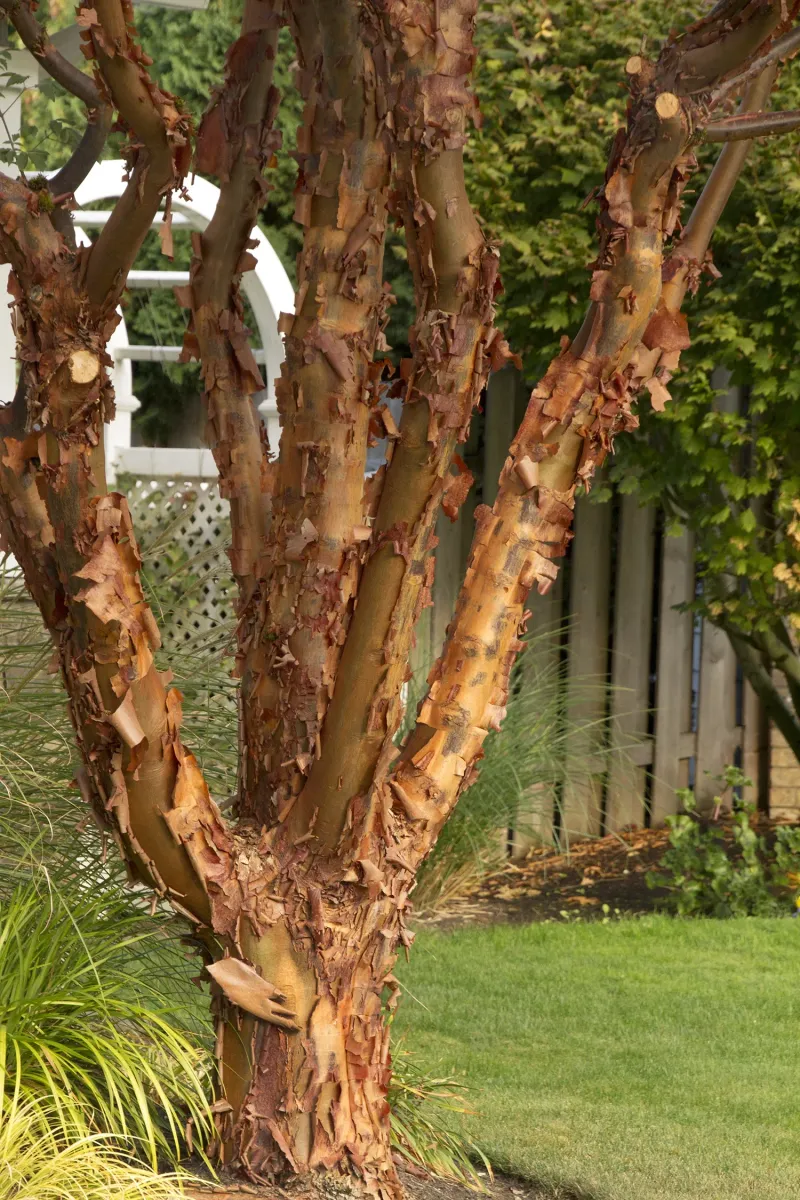
Curls of shiny cinnamon bark peel off paperbark maple like strips of tissue, glowing copper in winter light. Children love touching it, and honestly, so do I every time I walk past one in a garden.
Acer griseum comes from central China, yet it behaves politely here and is not considered invasive. It produces very few viable seeds, so you will rarely find surprise seedlings popping up in nearby woods.
Leaves come in sets of three leaflets, which looks nothing like the classic maple leaf on flags. In late fall those leaflets turn red or orange, often holding their color later than many native trees.
This small tree usually reaches twenty to thirty feet tall, perfect near a patio or entry walk. Slow growth keeps it tidy, though it also means nurseries charge a bit more for larger specimens.
It thrives best in the mountains and upper Piedmont, where summers run a little cooler at night. In hotter eastern areas, give it afternoon shade and steady moisture to prevent scorched leaf edges.
November planting gives the roots time to settle into moist, well-drained soil before spring growth starts again. Mulch generously and water during dry spells, because its fairly shallow roots dislike drying out between rains.
Place it where low winter sun shines through the bark from behind for the best show. I think it earns its spot as a non-native that plays nicely with our local landscapes.
11. Ash Trees
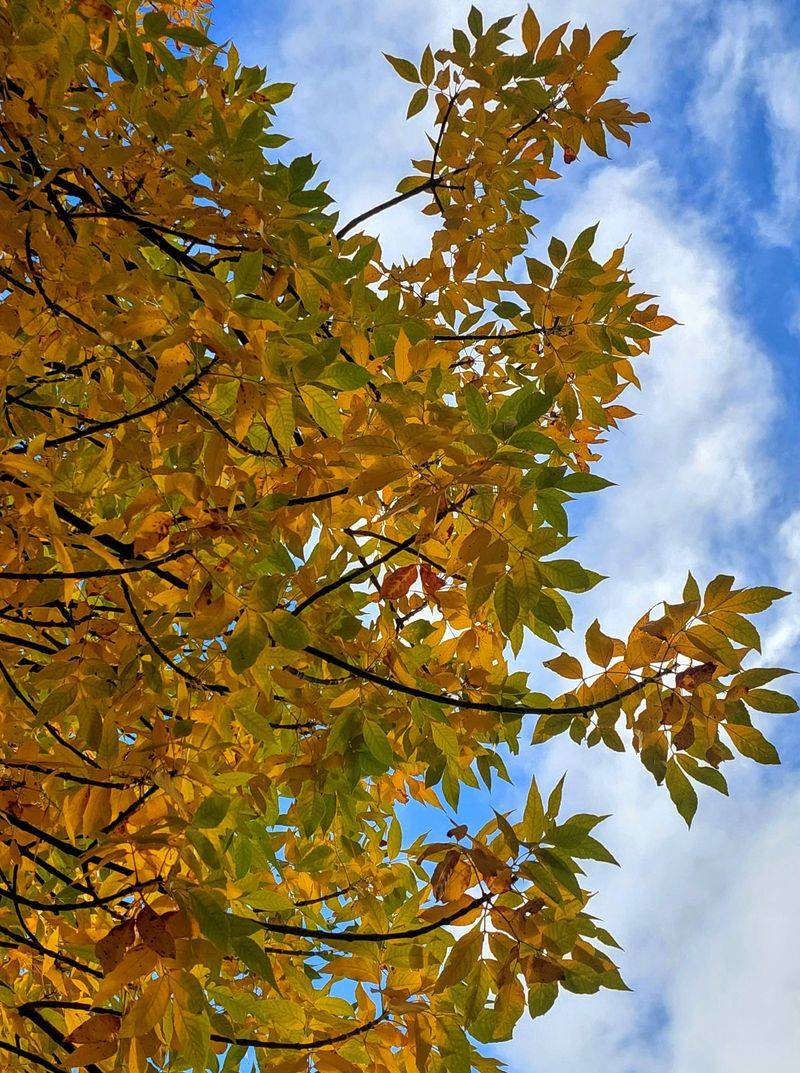
A metallic green beetle smaller than a penny has changed the future of ash trees across eastern North America. Emerald ash borer larvae tunnel under the bark, cutting off the tree’s ability to move water and nutrients.
The pest was first found in the state in 2013, in Granville, Person, Vance, and Warren counties. It has since spread widely, so untreated ash trees in many areas face very serious risk.
Fraxinus species like white ash and green ash once filled streets because they grew fast and stayed tough. I believe planting a new ash now would be like buying a house with a known leaky roof.
Infested trees often decline within a few years, and their wood becomes brittle and dangerous near homes. Woodpeckers flaking off bark in winter can be an early sign that borers are feeding inside.
Healthy, valuable ash trees in your yard can sometimes be protected with regular insecticide treatments from certified arborists. Treatment works best before heavy damage appears, so ask an expert to inspect suspicious trees soon.
Buy or gather firewood close to where you burn it, since borers hitch rides in cut logs. That simple habit protects forests far beyond your own backyard and costs you nothing extra at all.
Rather than waiting for spring, simply skip ash and choose a different native shade tree this fall. Blackgum or a sturdy native oak fills that role beautifully and sidesteps the borer problem altogether.
12. Silver Maple
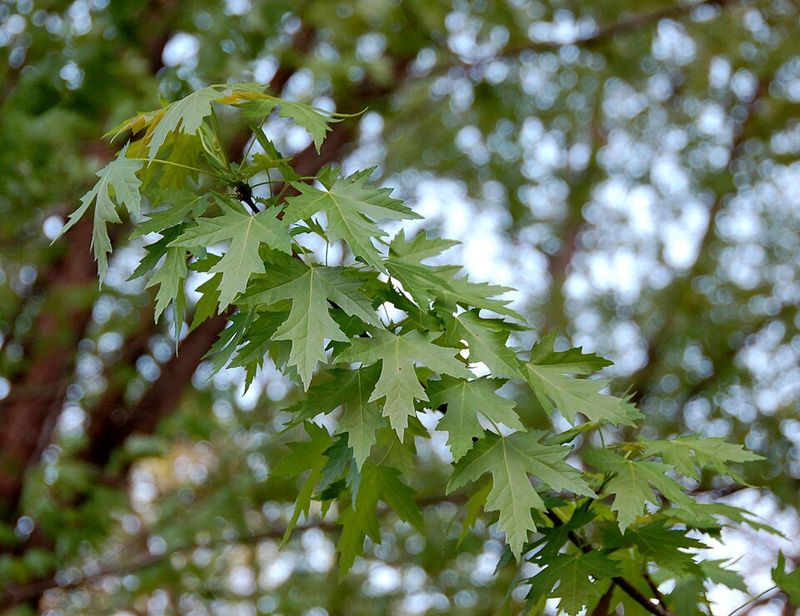
Silver maple leaves flash white undersides in the breeze, giving the whole tree a shimmering, restless look. It grows incredibly fast too, which is exactly why so many homeowners regret planting one near the house.
Acer saccharinum is native along rivers and floodplains, where its speedy growth helps it compete for light. In a yard, that same speed produces brittle wood that snaps easily under ice or heavy wind.
Its roots run shallow and wide, often lifting sidewalks and invading cracked sewer lines in search of water. Grass also struggles underneath, since the roots crowd the surface and soak up so much moisture.
Mature trees can top sixty to eighty feet, so a falling limb carries real weight and real risk. Ice storms in the Piedmont are especially hard on silver maples, judging by the broken branches afterward.
Since it is native, it does have wildlife value, and it can fit large wet sites far from buildings. For a typical suburban lot, though, the maintenance headaches usually outweigh those quick years of shade.
Rather than planting one now, wait and rethink, because a better choice almost certainly exists. Red maple handles similar wet soils with stronger wood and much brighter fall color in most years.
If you want speed, river birch grows quickly too, while staying far easier to live with long term. You might notice that patience in tree choice saves a lot of money on future pruning bills.
13. Windmill Palm
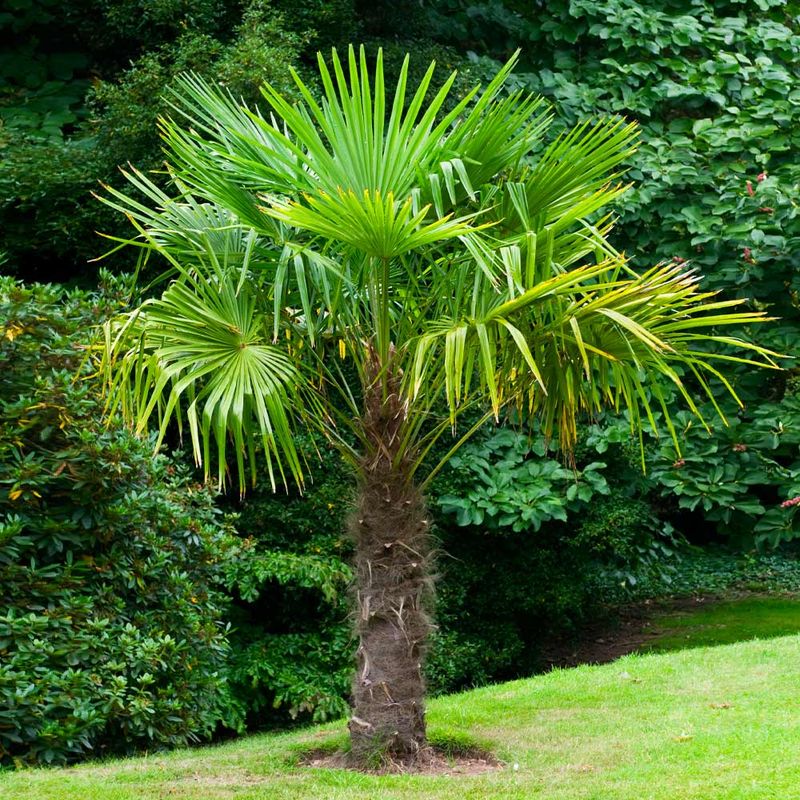
Palms in a Carolina yard surprise many visitors, yet windmill palms grow happily in many coastal and Piedmont gardens. Their fan-shaped leaves and hairy brown trunks bring a breezy vacation feel to patios and courtyards.
Trachycarpus fortunei ranks among the most cold-hardy trunk-forming palms, often tolerating winter lows near ten degrees Fahrenheit. Native cabbage palmetto, Sabal palmetto, grows wild on Bald Head Island near the northern edge of its range.
Unlike leafy trees, palms grow roots best when soil is warm, which flips the usual planting calendar. Most palm experts recommend planting in late spring or early summer, once soil temperatures rise steadily.
A palm set out in November faces months of cold soil before its roots can grow much. That slow start leaves it more vulnerable to winter damage, especially during a sudden hard freeze.
So this one truly can wait, and now is a perfect time to plan rather than plant. Pick a sheltered spot, ideally near a south-facing wall, where reflected warmth helps protect the crown.
Good drainage matters a lot, since cold, soggy soil causes more palm trouble than chilly air alone. Amend heavy clay or plant on a slight mound so winter rain drains away from the trunk.
I have to admit, a windmill palm beside a hydrangea bed looks oddly charming and fun. Mark late May on your calendar, then plant one when the ground feels warm under your hand.