Surprising Ways North Carolina Gardeners Put Citrus Peels to Use
A soggy grapefruit half flipped upside down in the garden can catch more slugs overnight than you might expect. I laughed the first time I lifted one at dawn and found a little slimy crowd huddled underneath.
The rind that bounced off your breakfast plate holds fragrant oils, fiber, and a modest bundle of nutrients.
Food scientists use the same oil, called d-limonene, in some cleaners and even certain insect products. Your nose picks up that sharp, sunny scent the moment you peel.
Here in North Carolina, humid summers and clay soils make gardeners creative with whatever scraps land in the kitchen bin. Personally, I can’t toss a peel anymore without wondering where it could go next.
Some uses are backed by solid science. Others are more folk wisdom than fact, and knowing the difference saves you time.
1. That Upside-Down Grapefruit Rind Is Hiding a Slug Party
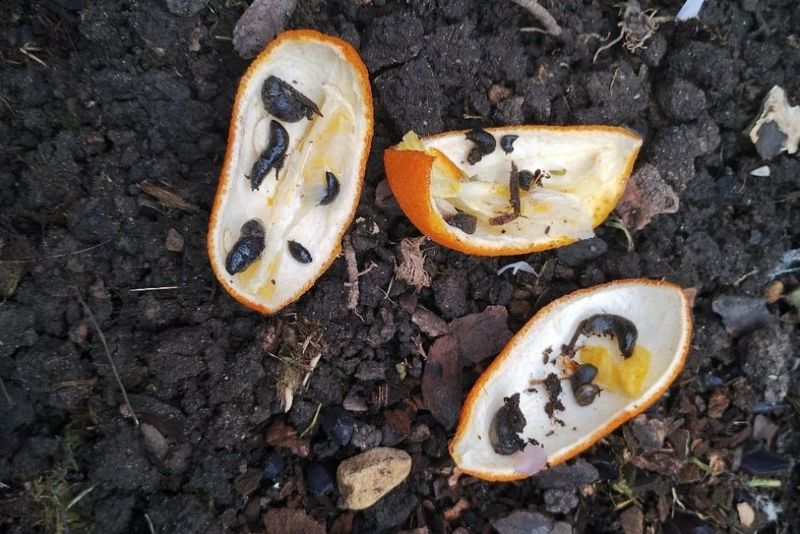
Slugs love a cool, damp hideout, and a hollowed-out grapefruit or orange half makes a perfect little cave.
Researchers and extension educators have long noted that slugs gather under boards, pots, and rinds after a night of feeding. Citrus halves simply work as a tastier version of that shelter.
Scoop out most of the fruit, leaving a bit of pulp inside. Poke a small notch in the rim so slugs can crawl in easily. Set the rinds cut side down near hostas, lettuce, or strawberries in the evening.
Check them early the next morning before the sun warms things up. You’ll often find a cluster of slugs and snails clinging to the inside. Drop them into a bucket of soapy water or move them far from your beds.
Across much of North Carolina, slugs are busiest in spring and fall, plus during rainy summer stretches.
Mountain gardens with cool, moist nights can see them for longer periods. Swap in fresh rinds every few days because old ones can turn moldy and lose their pull.
I like this trick because it feels like a treasure hunt. It costs nothing and keeps harsh baits out of your vegetable patch.
2. Chopped Orange Peels Belong in Your Compost Bin
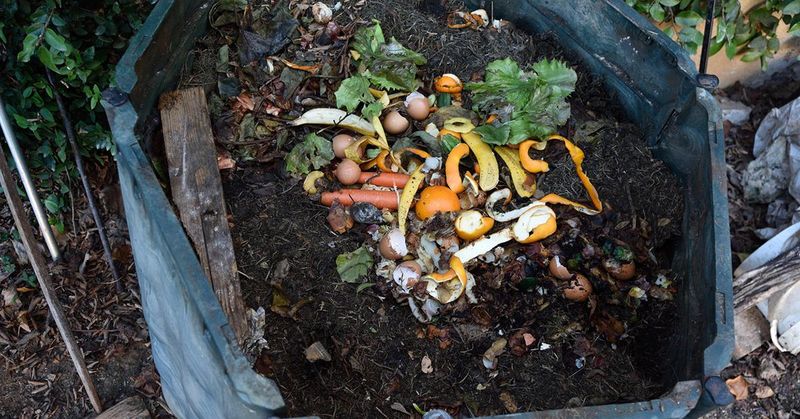
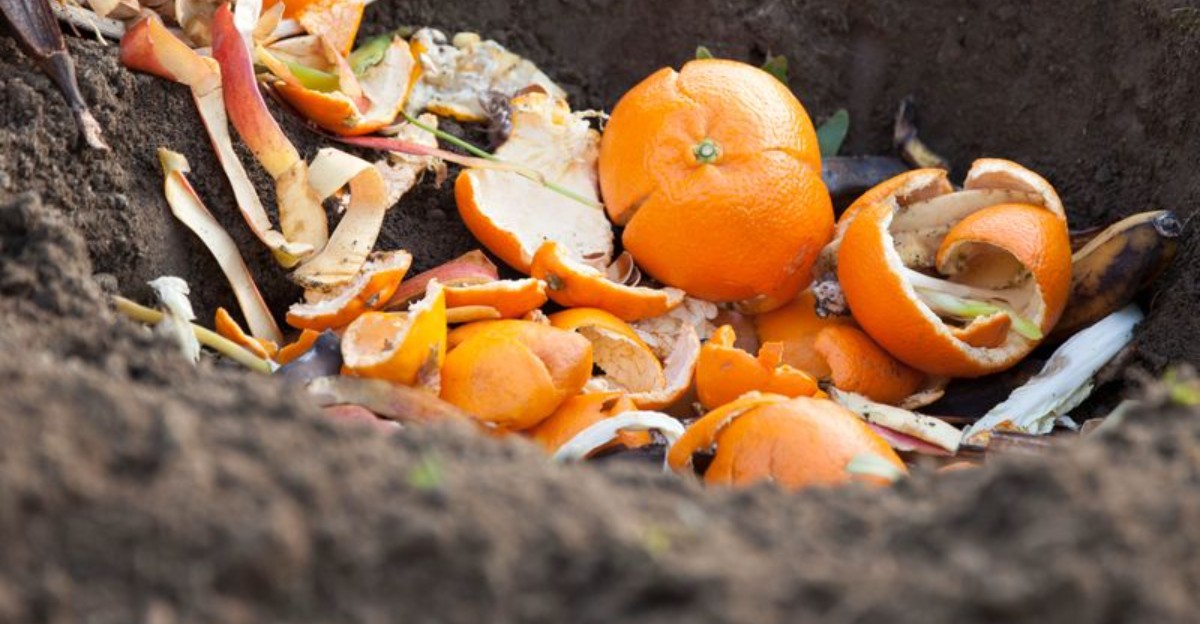
Old gardening myths claim citrus ruins compost, but that idea doesn’t hold up well. Peels break down just fine in a healthy pile. Microbes handle the acids as they work, and finished compost usually ends up close to neutral.
The real trick is size. Whole rinds have a waxy skin and can sit around for months, so chop or tear them into small bits first. Smaller pieces give microbes more surface to chew on.
Balance matters too. Citrus counts as a green material, so mix it with plenty of browns like shredded leaves, straw, or cardboard. A pile that’s mostly peels can get soggy and smelly fast.
North Carolina’s warm, humid summers give compost a real speed boost. A well-turned pile in the Piedmont or Coastal Plain can cook down much faster than one in a chilly mountain backyard. Turn it every week or two for best results.
Worm bins are a different story. Composting worms often dislike heavy amounts of citrus, so add only small portions there. Your outdoor pile is the better home for a big bag of orange peels after a juicing weekend.
3. Lemon Halves Make Clever Little Seed-Starting Pots

Few things look cuter on a windowsill than a row of tiny sprouts poking out of lemon cups. Kids especially love this project, and it uses something you’d normally toss.
Start with a sturdy rind like lemon, orange, or grapefruit, scooped clean. Poke a small hole in the bottom for drainage. Fill it with damp seed-starting mix and plant two or three seeds, then nest the cups in an egg carton so they stay upright.
Fast growers work best. Try basil, zinnias, marigolds, or lettuce. Rinds can get moldy or dry out after a few weeks, so slow starters like peppers may outgrow their little homes.
When seedlings have a couple of true leaves, it’s time to move them. Some gardeners plant the whole rind, but I suggest gently tearing or slicing it open first. That lets roots spread more easily into the soil. Timing depends on where you live.
Piedmont gardeners often move warm-season seedlings outdoors around mid-April, while mountain folks usually wait until May. Check your local frost date through NC State Extension before you set anything outside.
4. Ants Seem to Dislike That Sharp Citrus Oil
Squeeze an orange peel near your face and you’ll feel a fine mist of oil. That spray contains d-limonene, a compound studied for its effects on certain insects. Some commercial ant and flea products even use citrus extracts as an ingredient.
Gardeners often scatter chopped peels near ant trails or along patio edges. Many report that ants detour around them for a while. The strong scent may confuse the chemical trails ants follow.
Keep your expectations realistic, though. Loose peels release only a small amount of oil, and that fades within a day or two. They won’t eliminate a colony, and fire ants in particular need a more serious plan.
Fire ants are common across most of North Carolina. NC State Extension recommends approved baits and treatments for mounds rather than home remedies. Peels might nudge a few foragers elsewhere, but that’s about it.
For small sugar ants marching toward a porch planter, citrus is a harmless experiment. Refresh the pieces often and pair them with good cleanup habits. Wiping up sweet spills nearby usually helps more than any scrap of peel.
5. Curious Squirrels and Cats Might Skip Peel-Covered Beds

Gray squirrels treat a freshly planted bulb bed like a buffet. Neighborhood cats see loose soil as a brand-new litter box. Plenty of gardeners toss citrus peels over the area hoping the smell will change their minds.
Results are mixed. Many cats do seem to dislike citrus odors, and some home gardeners notice fewer visits. Squirrels are less predictable, and a hungry one rarely gives up on a tulip bulb that easily.
Science backing this trick is thin, so treat it as a low-cost bonus rather than a sure fix. Fresh peels work better than old, soggy ones. Replace them after rain, which happens often in our humid summers.
For stronger protection, combine methods. Lay chicken wire flat over new bulb plantings, then cover it with mulch. Plant daffodils, which squirrels mostly avoid because the bulbs are toxic to them.
One caution is worth sharing. Large piles of peels can draw raccoons, opossums, or fruit flies looking for leftover sugar. Use a light sprinkle instead of a heap, and you’ll keep the benefits without inviting a whole new set of guests.
6. Juicy Orange Slices Can Bring Butterflies and Orioles Close
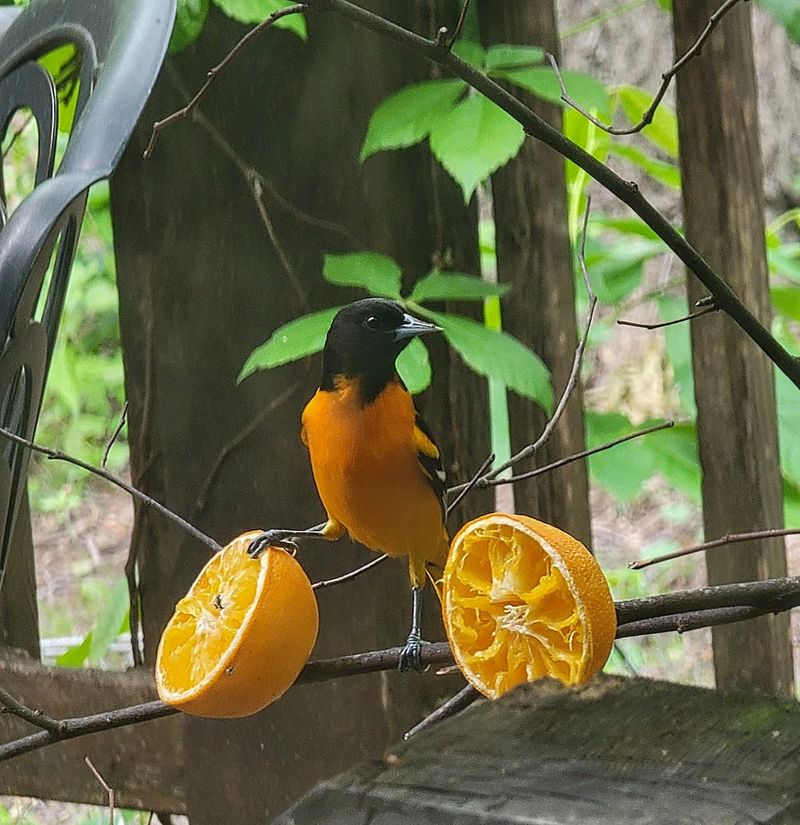
Some butterflies skip flowers entirely and head for fermenting fruit. Red admirals, question marks, and mourning cloaks often sip from rotting fruit, and all of them flutter through North Carolina yards.
A shallow dish with juicy orange halves can turn into a busy feeding spot. Set it in a sunny place near your flower beds. Add a damp sponge or a bit of sand so visitors have a steady place to land and sip.
Birds join the fun too. Baltimore orioles pass through much of the state during spring migration, and they’re famous for loving orange halves. Spear a slice on a nail or branch and watch for that flash of orange and black.
Freshness matters here. Swap out the fruit every couple of days to limit mold, wasps, and fruit flies. Place the dish away from doorways so stinging insects don’t hover where you walk.
I adore this one because it reverses the usual peel story. Instead of shooing creatures away, you’re rolling out a sweet welcome mat. A camera near the window will come in handy once the visitors start arriving.
7. Dried Orange Peels Store Easily for Year-Round Garden Use
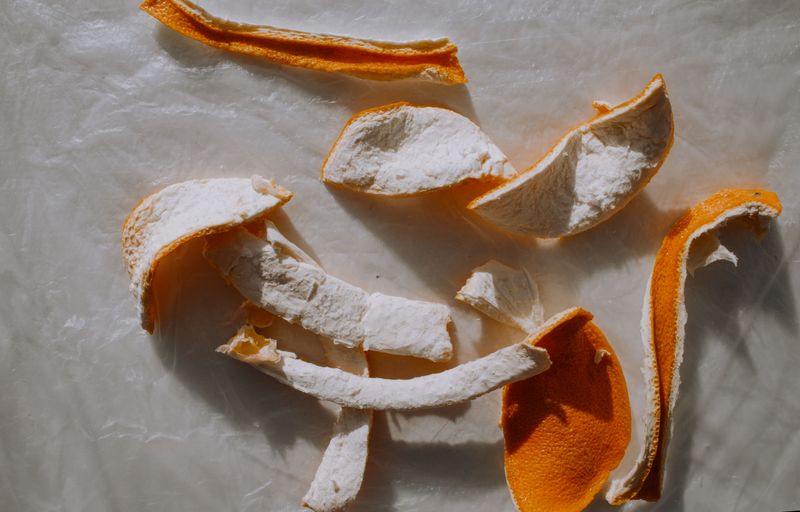
Winter citrus season brings piles of satsumas, navel oranges, and grapefruit into Carolina kitchens. You don’t have to use every peel right away. Drying them turns a messy scrap into a handy garden supply.
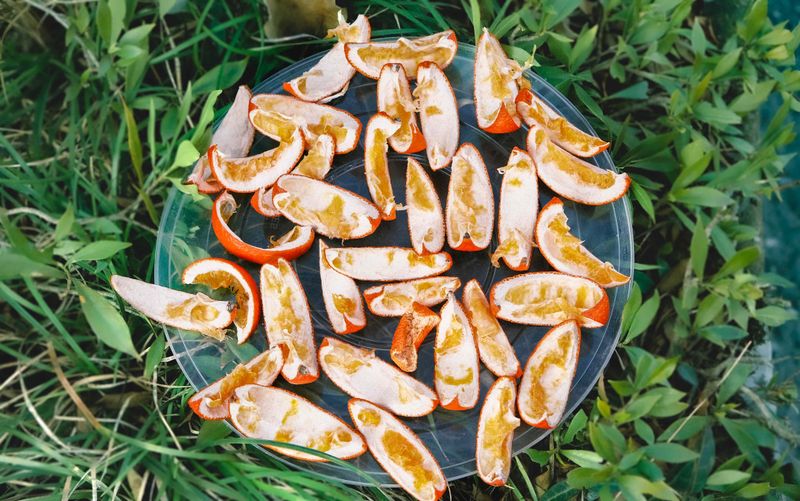
Spread peels on a baking sheet in a sunny window, or use a low oven or dehydrator. Once they snap instead of bend, they’re ready. Store them in a jar with a tight lid.
Dried peels crumble nicely into compost and break down faster than fresh chunks. You can grind them into a coarse powder and mix small amounts into potting soil. Some gardeners use them as fragrant fire starters for chilly evenings outdoors.
Moderation keeps everything balanced. A sprinkle here and there helps, while big doses can bring mold or attract pests. Think of peels as a helpful extra, not a fertilizer replacement.
My favorite takeaway is simple. Test one or two of these ideas this season and see what works in your own beds. Every garden has its quirks, and your notes will teach you more than any list ever could.