Why Mass Planting Works So Well In Maine Landscapes
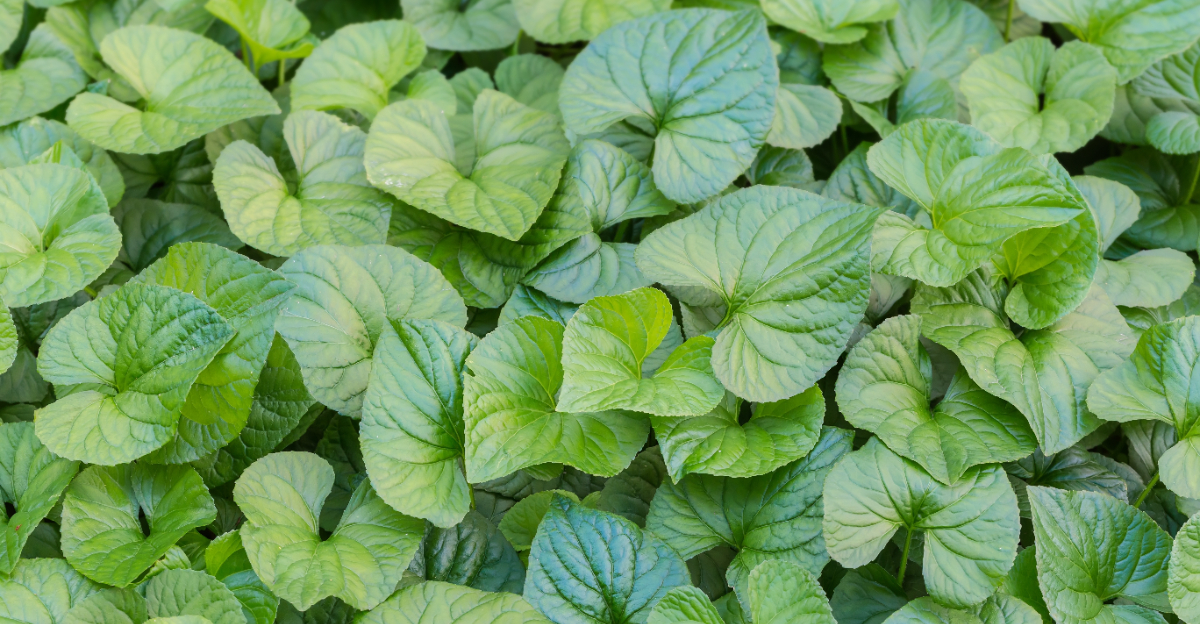
Drive the back roads of Maine in July and you’ll hit the same view again and again: rivers of black-eyed Susans, thick stands of switchgrass, whole hillsides washed pink with fireweed. It looks staged. It isn’t.
What you’re seeing is mass planting, and it might be the single smartest habit Maine gardeners have picked up. Group plants by the dozen instead of scattering them one by one, and something shifts.
The eye reads color instead of clutter. The garden reads as a place, not a collection of plants trying to survive.
Maine doesn’t make gardening easy, rocky soil, short seasons, harsh winters. Mass planting turns those obstacles into an advantage, letting tough species carry the design.
Mass Planting Mimics How Plants Grow In Maine’s Wild Landscapes
Step outside any Maine hiking trail and you will notice something immediately. Plants out there do not grow solo.
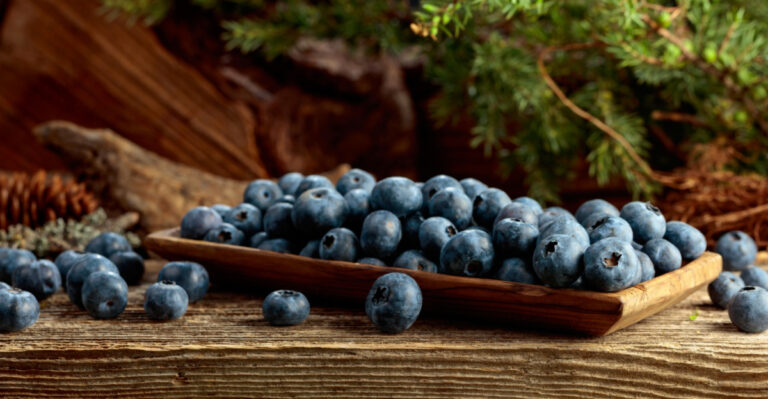
Wild blueberries carpet entire hillsides. Bayberry and beach plum spread in thick colonies along the shore.
Nature figured out mass planting long before any gardener did. When you copy that pattern in your own yard, everything feels more natural and relaxed.
Mass planting mimics the way native plants actually colonize open ground. They spread outward, fill gaps, and crowd out competition without any help from you.
That instinct is baked into plants like switchgrass, wild columbine, and bayberry. Give them space to do what they do naturally, and your landscape rewards you.
The visual effect is powerful too. Instead of a polka-dot garden with one of everything, you get bold sweeps of color and texture that feel intentional.
Visitors assume you hired a professional designer. You just paid attention to the woods behind your house.
Maine’s wild landscapes also show us which plants can handle the tough stuff. Bitter cold, wet springs, and sandy or rocky soils are no problem for plants already thriving here.
When you mass those same survivors together, they reinforce each other. The planting becomes more resilient than any single specimen could ever be.
Choosing native plants for your masses also supports local pollinators and birds. That connection to the broader ecosystem makes your garden feel alive in a way that imported species rarely achieve.
Working with nature tends to be the smarter path forward.
Fewer Plant Varieties Means Less Guesswork For Maine Gardeners
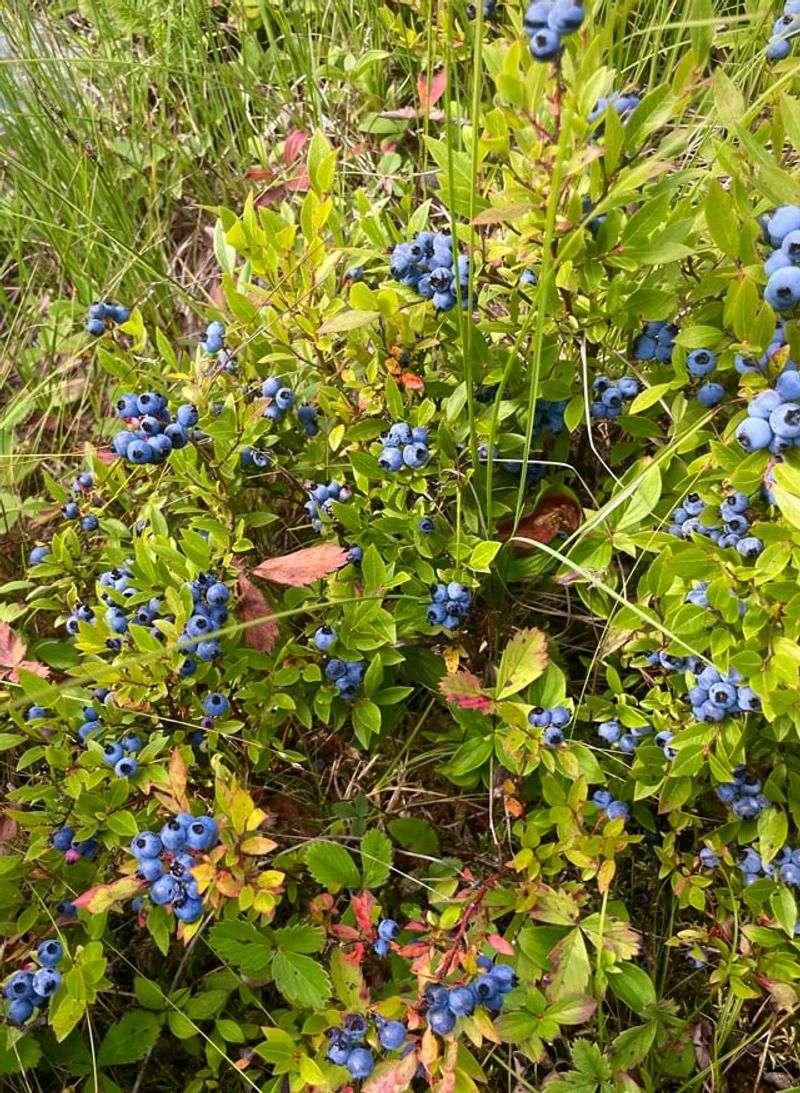
Picking plants for a Maine garden can feel overwhelming fast. Hundreds of options, conflicting advice, and a short window to get it right.
Mass planting cuts through most of that noise. When you commit to fewer varieties in larger numbers, decisions get simpler and results get stronger.
Think about it from a practical angle. Buying twenty of one tough perennial costs less per plant than buying twenty different species at full price.
Nurseries often offer discounts on bulk purchases too. Your wallet and your garden both win.
Fewer varieties also mean fewer care routines. One plant might need acidic soil while another prefers alkaline conditions.
Managing five different sets of needs across one small yard is exhausting. Narrowing down to two or three reliable performers makes weekend gardening feel like a pleasure instead of a chore.
For newer gardeners especially, this approach builds confidence fast. You learn one plant deeply rather than struggling with ten plants poorly.
You notice what works, what struggles, and what thrives under your specific conditions. That knowledge compounds over time into real expertise.
Maine’s climate also punishes indecision. A plant that barely survives a zone 5 winter will disappoint you every spring.
Sticking with proven performers in large groups eliminates that annual heartbreak. You stop gambling and start gardening with intention.
The simplicity of mass planting in Maine landscapes is genuinely freeing. Less guesswork means more enjoyment and more time actually sitting outside admiring what you built.
How Repetition Creates A Bigger Visual Impact In Small Yards
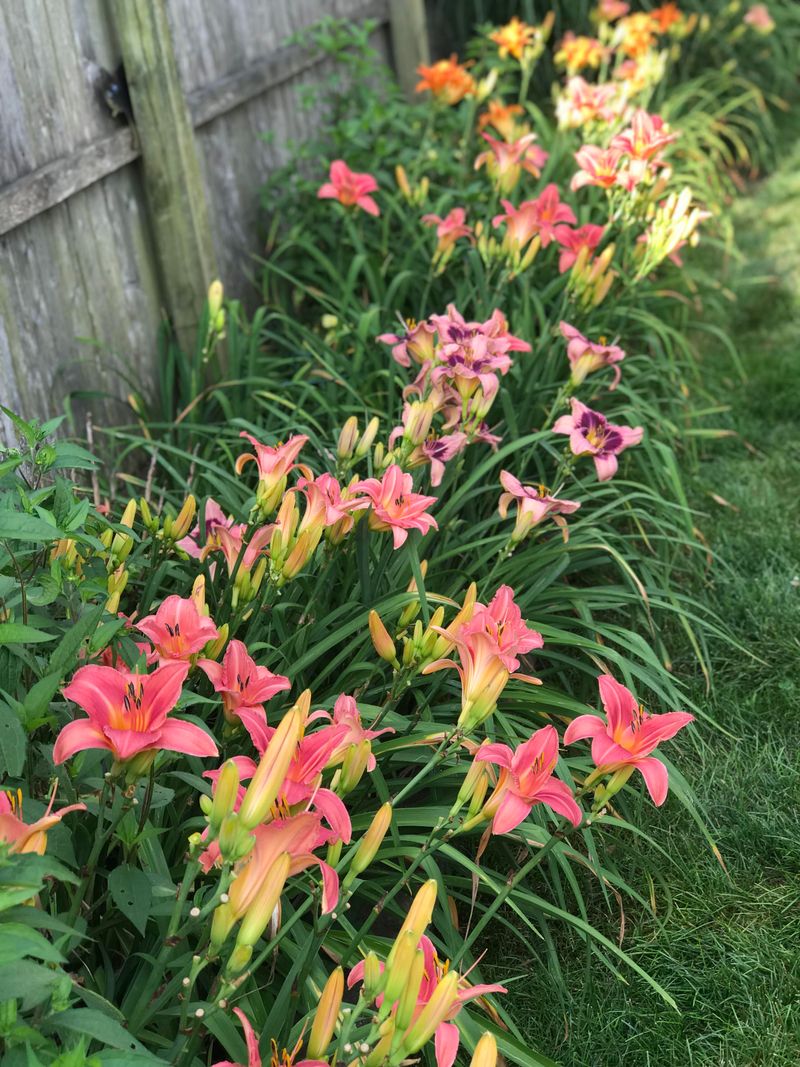
Small yards can feel cluttered and chaotic with too many competing plants. One of each type creates visual noise instead of beauty.
Repetition is the secret weapon that designers use to make tight spaces feel larger. Seeing the same plant echo across a bed pulls the eye forward and creates rhythm.
Imagine a narrow side yard with three clusters of Karl Foerster grass spaced evenly along the fence. That single repeated element turns a forgotten strip into a design statement.
The grass moves in the wind, catches light differently at each hour, and ties the whole space together. One plant, big impact.
Color repetition works the same way. Planting the same purple catmint at the front, middle, and back of a border creates depth without requiring extra square footage.
Your eye travels through the space instead of stopping abruptly. The yard feels intentional and curated.
Texture repetition adds another layer of sophistication. Grouping plants with similar leaf shapes or surface finishes creates a cohesive look even when bloom times differ.
That consistency gives the garden a calm, collected feeling throughout the entire growing season. Little feels out of place.
For Maine homeowners working with compact lots near the coast or in older neighborhoods, this strategy is especially valuable. You do not need acreage to make a statement.
A well-placed mass of ornamental grasses or native ferns can transform a plain foundation planting into something genuinely striking. Repetition is the affordable upgrade your yard has been waiting for.
Mass Planting Helps Maine Soil Retain Moisture And Block Weeds
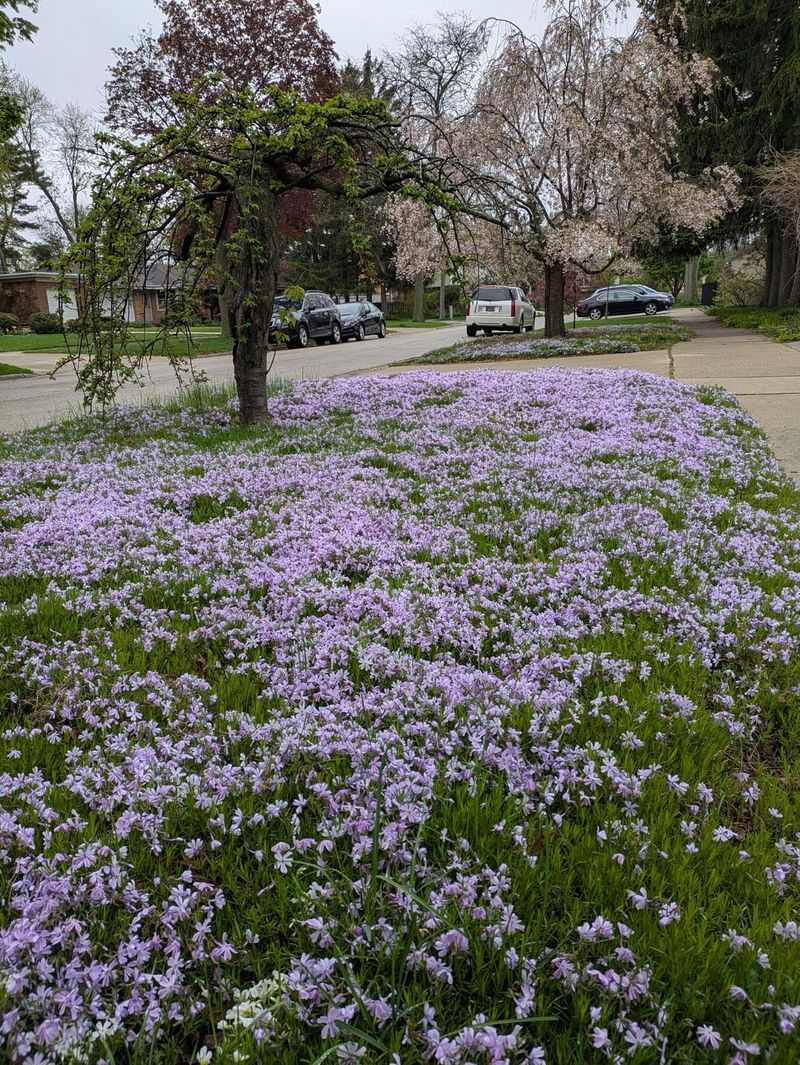
Maine summers can swing between soggy and parched faster than most gardeners expect. Keeping soil moisture consistent is one of the biggest challenges in this climate.
Dense mass plantings act like a living mulch across your beds. Their leaves shade the soil and slow evaporation dramatically during dry stretches.
When plants grow shoulder to shoulder, they create a canopy that traps moisture below. That means less watering, lower water bills, and healthier root systems all season long.
Roots from massed plants also loosen and aerate soil over time. They build organic matter as older leaves break down into the ground beneath them.
That improved soil structure holds water better than compacted bare earth ever could. Over a few seasons, your beds genuinely improve without any extra effort from you.
The weed-blocking benefit is equally impressive. Weeds need light to germinate and establish.
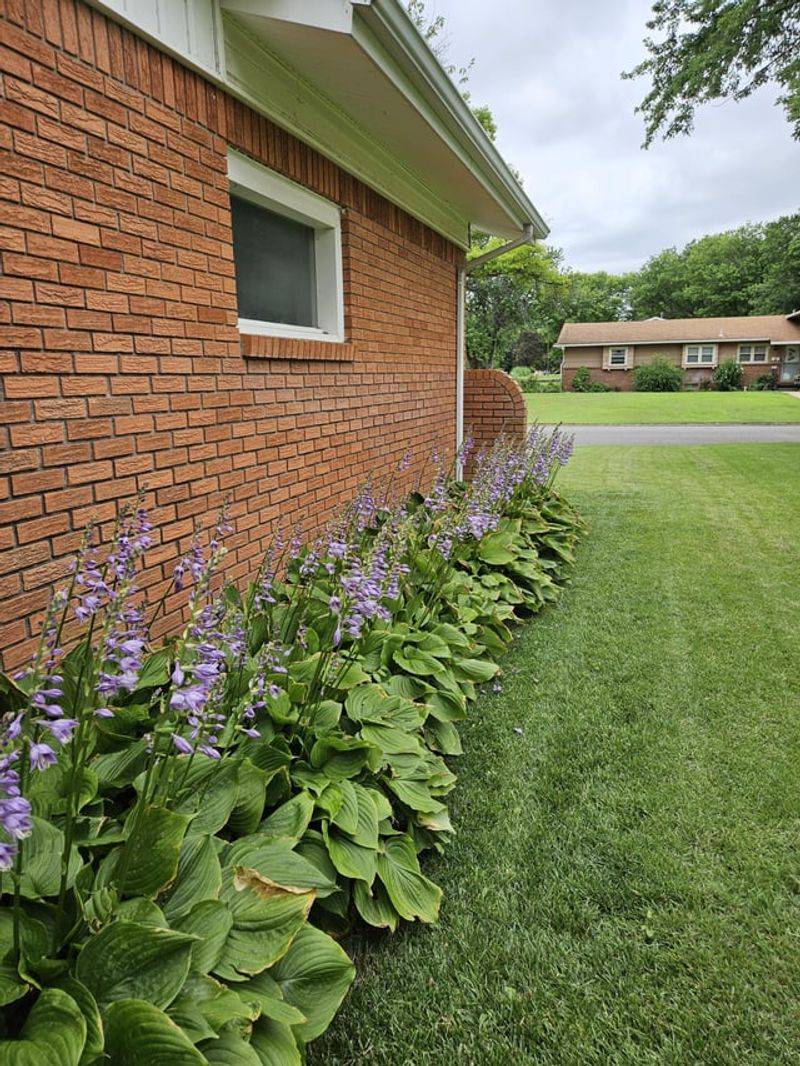
A thick carpet of hostas, creeping phlox, or daylilies leaves almost no open soil for weed seeds to find. You spend far less time on your knees pulling unwanted plants.
This matters a lot in Maine where common invasives like garlic mustard and bittersweet are aggressive. A dense planting is your first line of defense against those troublemakers.
Combining mass planting with a thin layer of wood chip mulch gives you maximum weed suppression. That combination works better than chemicals and costs almost nothing.
Healthy soil and fewer weeds make every season more enjoyable in Maine landscapes.
Choosing Plants That Thrive In Maine’s Climate For Mass Planting
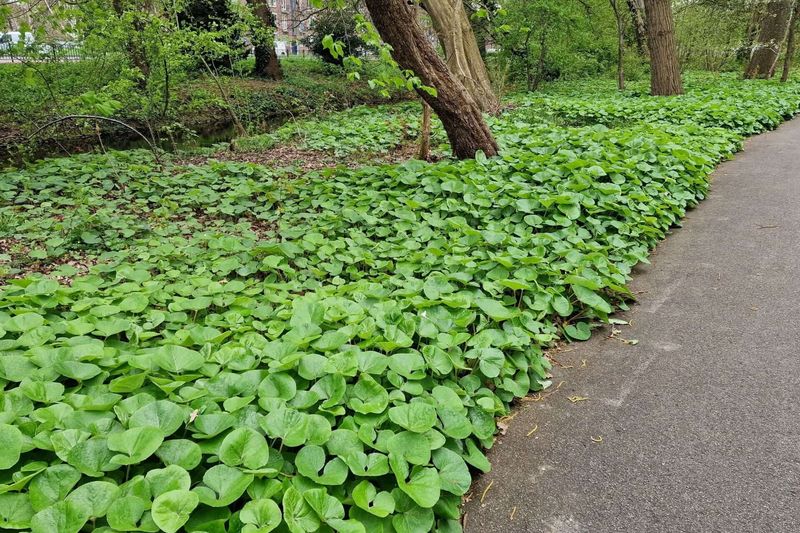
Not every plant earns a spot in a Maine mass planting. The climate here is unforgiving, and the wrong choice will leave you with bare patches and disappointment by April.
Start with plants rated for zone 4 or 5 at minimum. That buffer gives you insurance against the brutally cold winters that hit inland areas especially hard.
Native species are usually a smart first choice. Plants like wild ginger, interrupted fern, and smooth aster evolved right here and handle local conditions without complaint.
They ask for almost nothing once established. That self-sufficiency is exactly what mass planting requires to succeed long-term.
Non-native but reliably hardy options also deserve consideration. Siberian iris, daylilies, and Karl Foerster grass are proven performers in Maine gardens, coming back strong year after year.
These workhorses come back strong every spring regardless of what winter throws at them. Pairing them with natives gives you flexibility without sacrificing toughness.
Soil type matters here too. Much of coastal Maine sits on thin, sandy, or rocky ground. Plants like beach plum, winterberry, and bayberry actually prefer those lean conditions.
Match your plant to the specific spot rather than the other way around. Walk your yard and note sun exposure, drainage, and soil before buying a single flat.
Getting that match right is the foundation of a successful mass planting in Maine landscapes. Choose wisely once and enjoy the results for years.
Common Mass Planting Mistakes Maine Gardeners Should Avoid
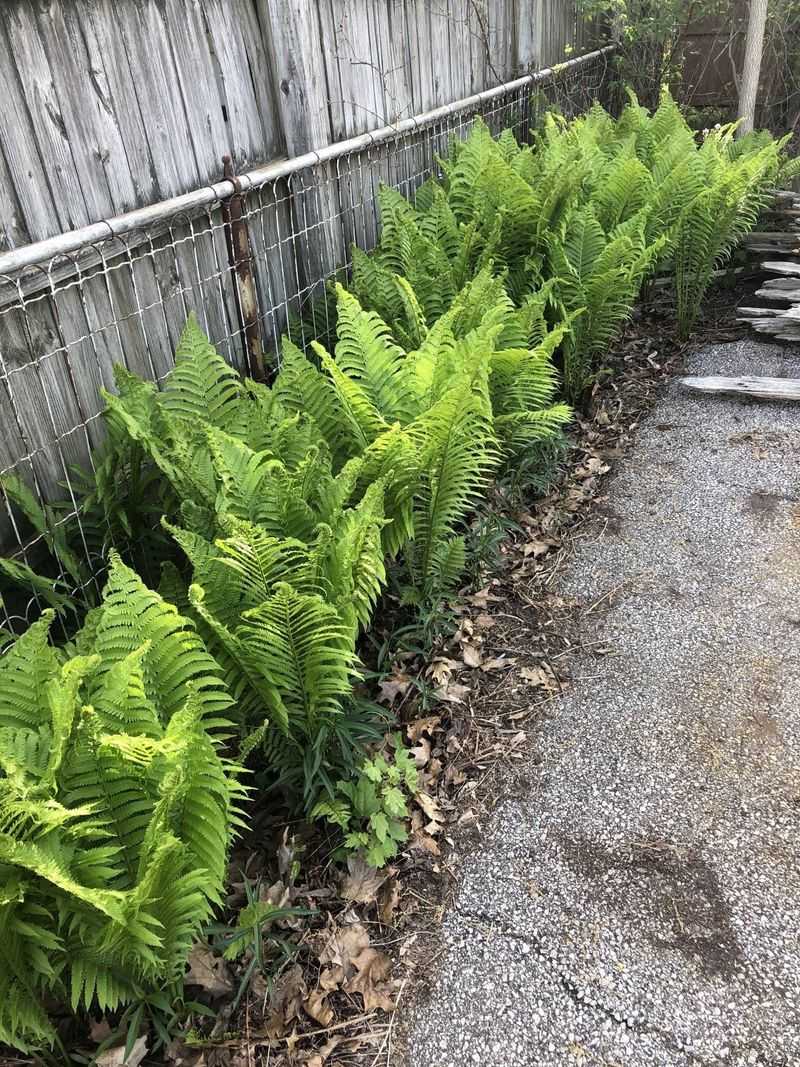
Even a great idea can go sideways without the right execution. Mass planting is no exception, and Maine gardeners make a few predictable errors that are easy to avoid.
The most common mistake is planting too close together out of impatience. Young plants look sparse at first, and the temptation to pack them in is strong.
Resist that urge firmly. Crowded plants compete for water, nutrients, and airflow, leading to disease and weak growth within two seasons.
Trust the spacing on the plant tag and let the mass fill in naturally over time. Patience here pays off in a much healthier planting.
Another frequent error is choosing plants based purely on looks. A stunning photo online does not guarantee success in your specific yard.
Check hardiness, soil preference, and sun requirements before purchasing. One mismatched plant in a mass planting can throw off the whole composition.
Skipping soil preparation is another costly shortcut. Even tough native plants establish faster and spread more vigorously in amended, loosened soil.
Spending thirty minutes with a fork and some compost before planting saves years of struggling growth. That prep work is worth the effort.
Finally, many gardeners forget to water new plantings consistently during the first season. Established masses are drought-tolerant, but young roots need reliable moisture to anchor properly.
One dry August can set a new planting back significantly. Avoid these missteps and your Maine mass planting will reward you season after season.