What It Really Means When Dark-Eyed Juncos Return To Your North Carolina Yard
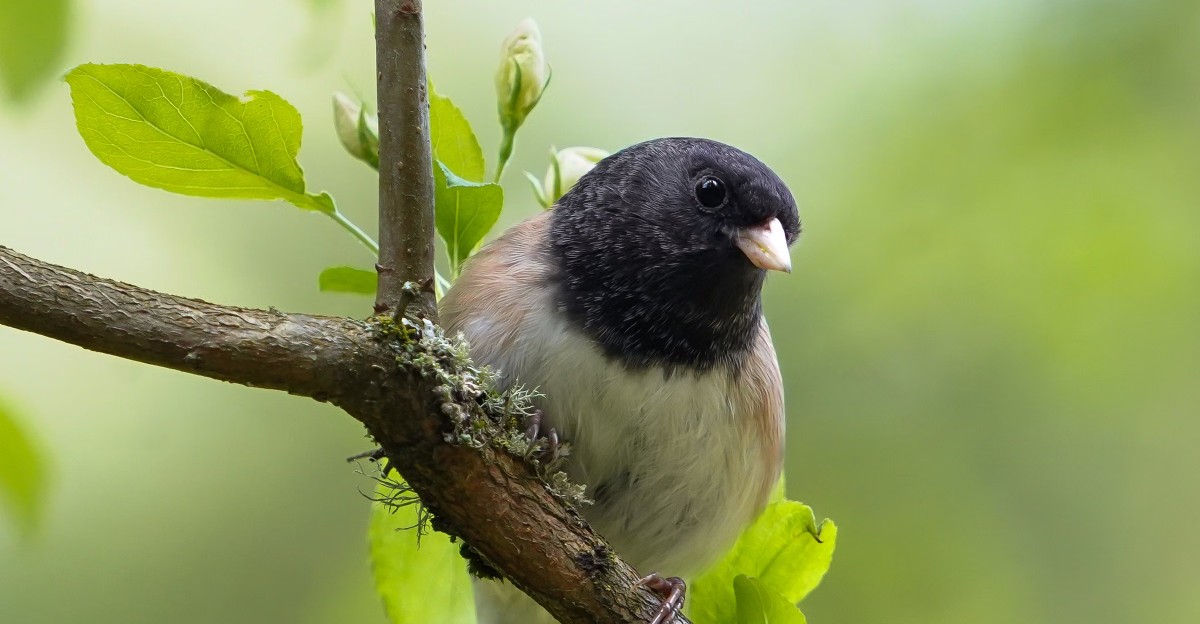
Some of the little gray birds hopping under your feeder this winter may have spent the summer in the forests of Canada. They flew hundreds of miles just to scratch around in your leaf pile.
Old-timers nicknamed them snowbirds, and the name fits. They tend to show up as the first cold snaps roll in, flashing white tail feathers every time they flutter off. Their soft trills and sharp little chip notes are easy to miss until you start listening for them.
I love how these birds turn a bare winter yard into a busy little stage. You get front-row seats without buying a single ticket. You’ll catch me with a pair of binoculars by the kitchen window from fall until spring.
In North Carolina, their arrival carries real meaning for gardeners and bird lovers alike. So what are they telling you when they settle in for the season?
Those Gray Snowbirds Under Your Feeder Are Carrying a Seasonal Message
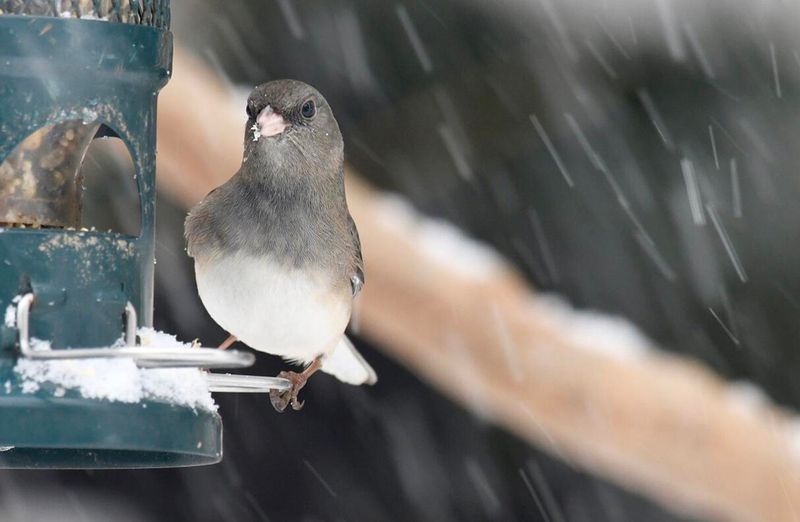
Calendars are handy, but juncos might be the most charming way to mark the season. When a small flock of slate-gray birds with pale bellies appears on your lawn, it is a sign that winter is settling in across the region.
Most juncos you see in the Piedmont and Coastal Plain arrive in October or November. They usually linger until March or April before heading back north. That timing matches the cooler weather, when seeds become their main fuel source.
Their arrival means your yard passed a quiet test. These birds look for safe cover, open ground, and food they can reach easily. Finding them hopping around suggests your space offers what they need to get through the colder months.
You might notice them before you see them clearly. A soft, ticking chip note or a musical trill often gives them away. Once you learn that sound, it becomes a familiar part of every chilly morning.
I like to jot down the first date I spot them each fall. Over a few years, that simple record shows how consistent their schedule really is. It also gives you something fun to compare with friends and neighbors who watch birds too.
Many of These Juncos Traveled From Canada and the Northern Woods
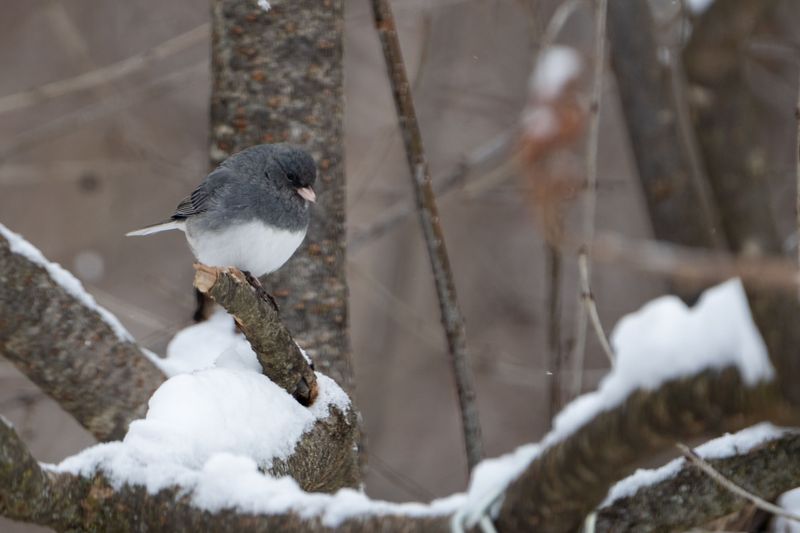
Hundreds of miles is a long trip for a bird that weighs less than an ounce. Yet that is what many juncos manage each fall, leaving breeding grounds in Canada and the northern United States.
Juncos nest in cool forests, often among conifers. When days shorten and food grows scarce up north, they shift south to milder places with dependable seeds. North Carolina sits right in that sweet spot, with winters that are chilly but rarely harsh for long.
Here is a fun twist that surprises plenty of folks. Some juncos live in the state all year. A breeding population nests in the high mountains of western North Carolina, where the cool elevations feel a lot like the north woods.
Those mountain birds may simply drop to lower slopes in winter instead of traveling far. Meanwhile, the bigger wave of northern visitors spreads across the rest of the state. So the junco in your Raleigh yard and the one near Mount Mitchell might have very different travel stories.
Your North Carolina Garden Changes Every Week. Your Plan Should Too.
Gardening in North Carolina changes quickly throughout the season. Every Friday you’ll receive a simple weekly plan showing exactly what to plant, prune, fertilize, harvest, and protect so you never miss the right timing.
Did you know? Research suggests female juncos often winter farther south than males. That means a southern yard may host more females than you expect.
Scatter White Millet on the Ground to Keep Juncos Coming Back
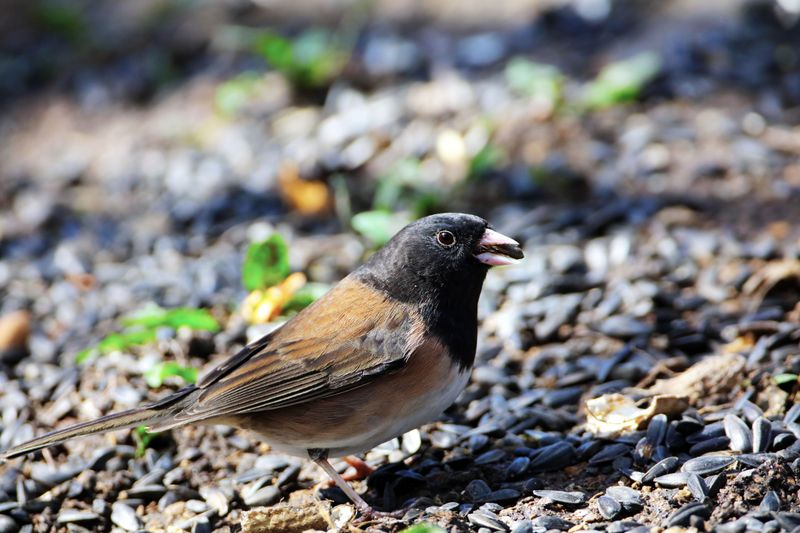
Juncos are not fans of fancy hanging feeders. They feed mostly on the ground, so the easiest way to please them is to bring the food down to their level.
White proso millet is a top pick for these birds. Hulled sunflower chips and cracked corn also work well because they are small and easy to crack. Try sprinkling a handful on a clean patch of ground or offer it on a low platform feeder.
Placement matters as much as the menu. Set food within a short hop of dense shrubs or a brush pile. Juncos feel safer when they can dart into cover if a hawk or a roaming cat appears.
Keep the feeding area tidy, too. Wet, moldy seed can make birds sick, so offer smaller amounts more often and rake away old piles every week or so. Moving the feeding spot slightly now and then helps the ground stay clean.
One small tip from my own yard works wonders. I toss seed early in the morning, when juncos are most active after a long, cold night. You might be surprised how quickly the little gray crowd gathers.
That Funny Junco Hop and Scratch Has a Purpose
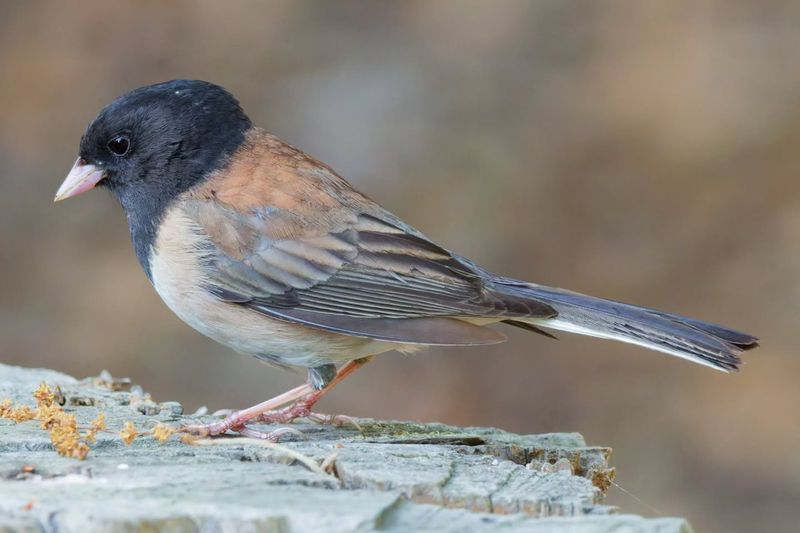
Watch a junco for a minute and you will see a little dance. It hops forward, then kicks backward with both feet at once, flipping leaves aside like a tiny gardener with a rake.
That double-footed scratch helps uncover seeds hidden under leaf litter, mulch, or a light dusting of snow. Seeds from grasses and weeds make up a big share of what juncos eat in winter. During warmer months, they add insects and other small creatures to their diet.
This habit gives you a clear clue for yard care. A thick layer of fallen leaves under shrubs is not messy to a junco. It is a pantry, full of seeds and tiny bugs waiting to be found.
You can leave a few leafy corners alone through winter without making the whole yard look wild. Beds near hedges or along fences work nicely. The leaves also protect soil and shelter overwintering insects that birds rely on later.
Personally, I find this the most entertaining junco behavior of all. Kids love it too. Ask them to count the kicks, and you might just raise the next generation of backyard bird watchers.
Native Seed Plants Turn Your Garden Into a Junco Buffet
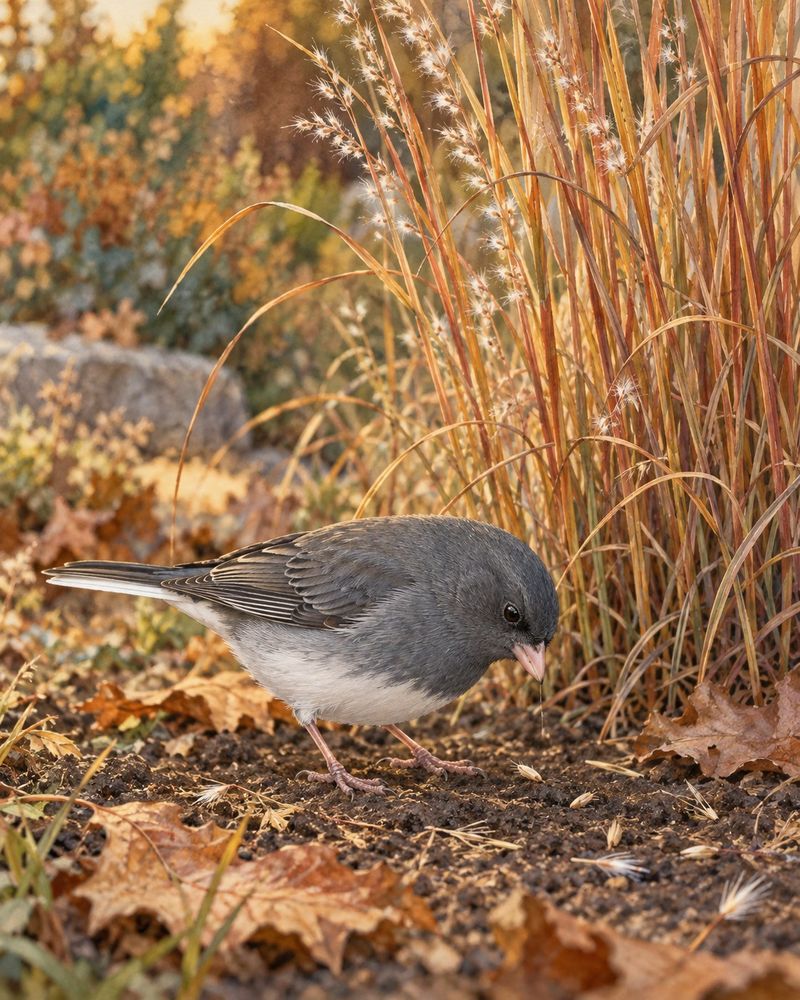
Feeders help, but a well-planned garden can feed juncos all season. Native plants that hold seeds into winter are like a slow-release snack bar for hungry birds.
Purple coneflower, black-eyed Susan, and native asters drop seeds that juncos happily pick off the ground. Native grasses such as little bluestem and broomsedge also provide plenty of small seeds. These plants suit much of North Carolina and support pollinators during summer, too.
The trick is patience in fall. Instead of cutting everything back right away, let seed heads stand until late winter. As wind and rain knock seeds loose, juncos clean up below the stems.
Shrubs add helpful shelter. Native options like American holly, inkberry, and wax myrtle offer evergreen cover close to the ground. Eastern red cedar does the same and gives birds a windbreak on bitter nights.
Please skip invasive plants, even if they produce lots of berries or seeds. Species like privet and Bradford pear spread into woods and crowd out native plants. Sticking with natives keeps your yard helpful for birds and the wider landscape around it.
A Shallow Birdbath Helps Juncos Through Freezing Mornings
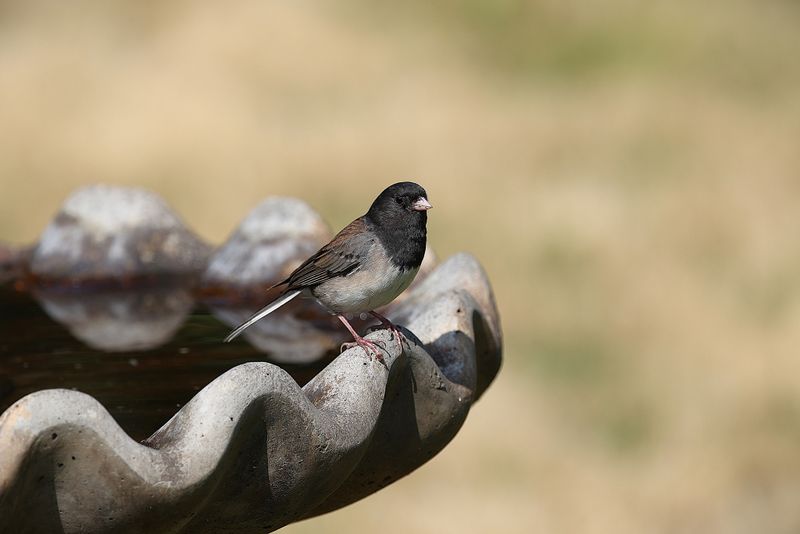
Water can be harder for birds to find in winter than food. A sudden freeze locks up puddles and shallow streams, leaving juncos thirsty on cold mornings.
A shallow birdbath close to the ground suits these birds nicely. Keep the water about one to two inches deep so they can drink and bathe safely. A flat stone in the center gives them a handy place to stand.
In the mountains and the northern Piedmont, freezing nights are common. A heated birdbath or a small birdbath heater keeps water open when temperatures drop. In milder coastal areas, simply refilling with fresh water each morning may be enough.
Clean the bath every few days with a brush and plain water. Dirty water can spread disease among birds that gather in flocks. Avoid antifreeze or salt, since those can harm wildlife.
Place the bath a few feet from shrubs, not tucked deep inside them. Birds want cover nearby but also a clear view of approaching cats. I have found that a sunny spot helps the water stay unfrozen longer, which is a nice bonus on frosty days.
When Juncos Flash Their White Tails and Head North, Spring Is Close
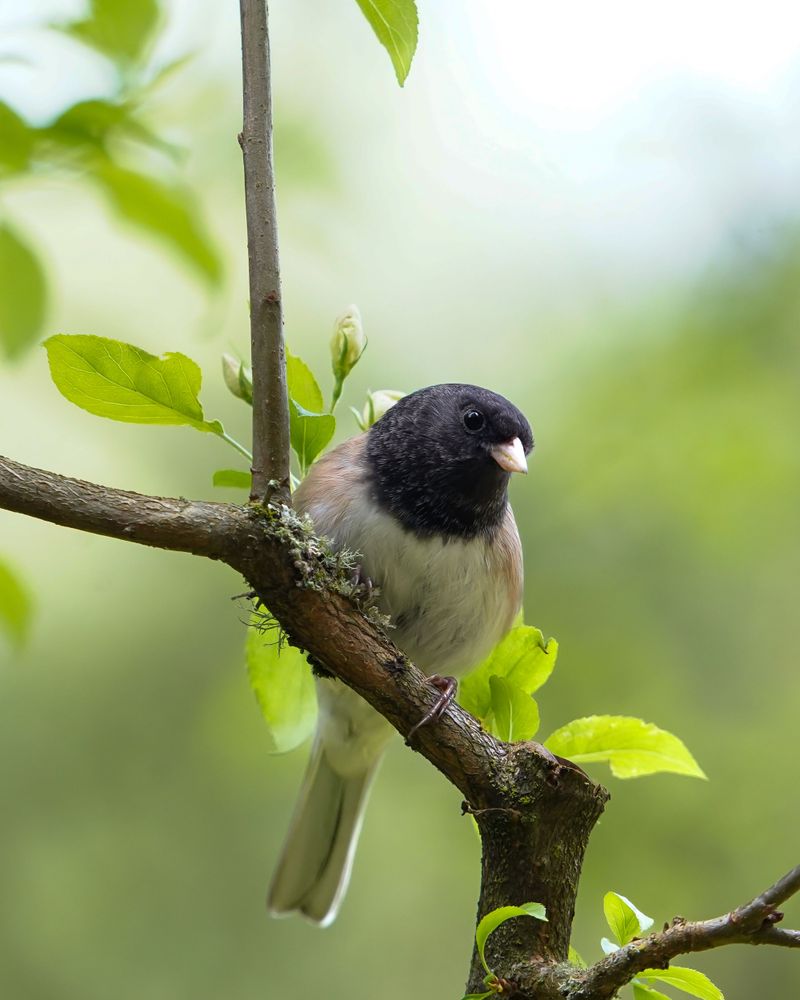
Those bright white outer tail feathers are hard to miss. Each time a junco takes off, it flashes them like a quick signal, and researchers think the display may help flock mates stay alert to danger.
Winter flocks often have a pecking order. Adult males tend to win the best feeding spots, while younger birds and females wait their turn. Watching that shuffle at your feeder is a fun lesson in bird social life.
As days lengthen in March and April, the mood changes. Males may start singing their trilling songs more often, and flocks get restless. One week the yard is busy, and the next week it feels strangely quiet.
That departure is your cue for a few spring tasks. Clean feeders and birdbaths well, then rake up leftover seed hulls. Now is also a fine time to trim back old perennial stems you left standing.
The biggest takeaway is simple. Juncos reward yards with cover, ground-level food, clean water, and a little untidiness. Keep those features in place, and you can look forward to the same snowbirds, or their relatives, returning next fall.