Why Your Amaryllis Isn’t Sprouting In Time For A Virginia Christmas
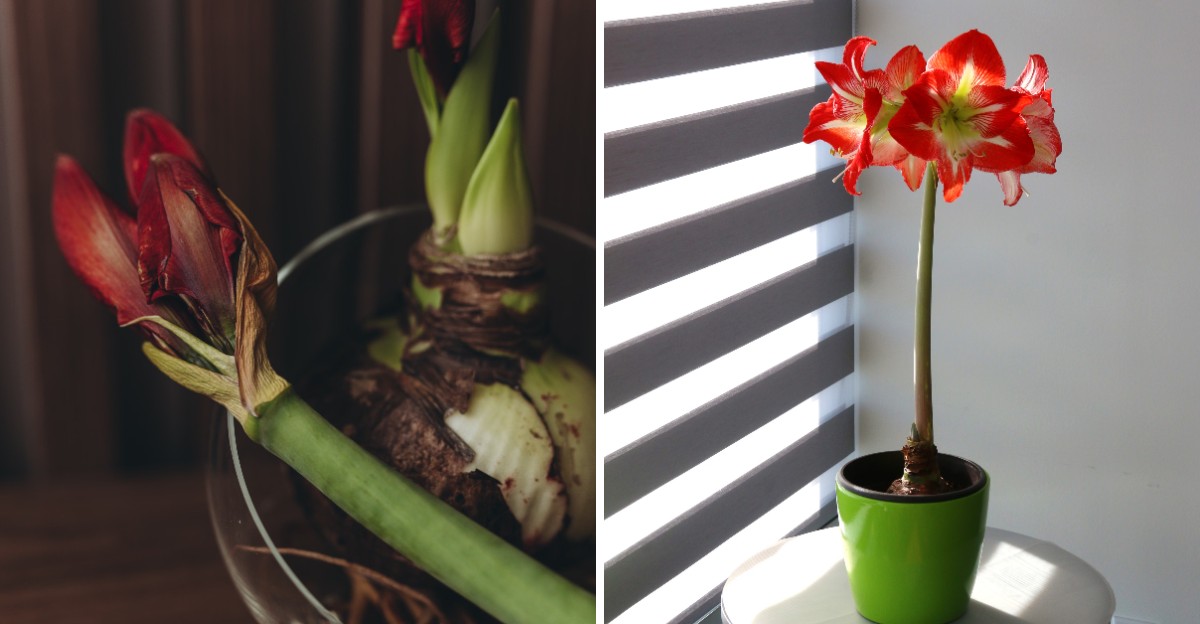
Those giant holiday bulbs sold in boxes every November come from plants native to South America, not the North Pole. They have no idea December 25 is on the calendar.
That surprised me the first time I learned it. Many of these bulbs need six to ten weeks to flower after potting, and some newer types take even longer. A bulb potted after Thanksgiving is already racing the clock.
Here in Virginia, chilly houses, short gray days, and eager watering cans can slow things even more. I believe most stubborn bulbs are not broken at all. They are simply following their own internal schedule, and you can learn to read it.
So what is your quiet pot really waiting for? The answer usually sits in a few small details you can change this week.
That Amaryllis Bulb Is Running On A Clock You Can’t See
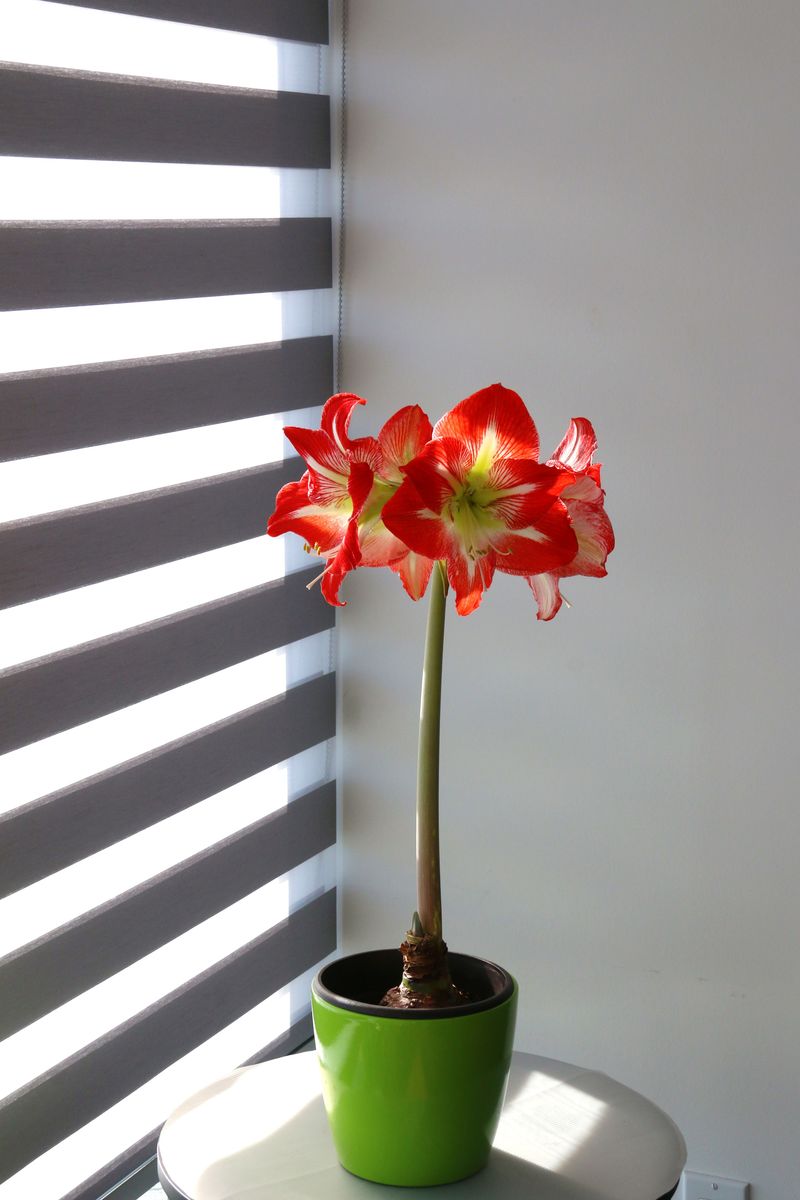
Every amaryllis bulb carries a built-in timer, and it does not care about your holiday plans. Most garden centers and university extension guides say flowers appear about six to ten weeks after potting.
That number matters a lot. Count backward from Christmas, and you land somewhere between mid-October and early November.
If your bulb went into soil around Thanksgiving, a New Year bloom is far more likely than a Christmas one.
Variety plays a role too. Big Dutch hybrids often take longer, while South African-grown bulbs are sometimes sold as the early Christmas group.
Some double-flowered and specialty bulbs can take ten to twelve weeks before a stalk even shows.
Reblooming bulbs from last year add another twist. Those need a rest period, usually eight to twelve weeks somewhere cool and dark, before they wake up.
If you brought yours inside in late October, it may still be finishing that nap.
So the slowdown is often a math problem, not a care problem. Check the label or your notes for the potting date and variety name.
If the numbers point to January, relax and enjoy the wait. A winter bloom after the holiday rush can brighten those gloomy weeks when the decorations come down.
Next year, mark your calendar for an October planting.
Cool Virginia Rooms Keep Amaryllis Bulbs Sleepy
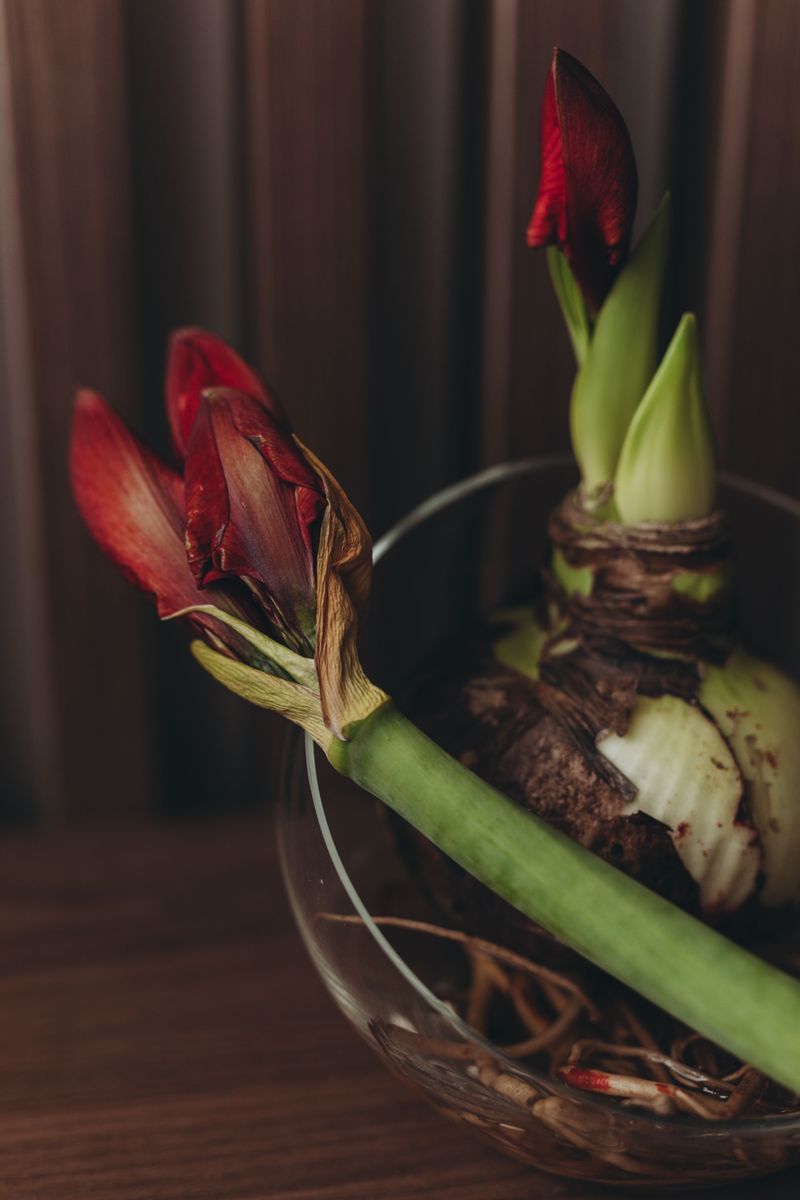
Warmth is the wake-up call. An amaryllis bulb starts growing fastest when the soil sits around 70 to 80 degrees Fahrenheit, according to several bulb growers and extension sources.
Many of us keep our homes cooler in winter to save on heating bills. A drafty sunroom or a windowsill near cold glass in a Shenandoah Valley farmhouse can sit in the low 60s or even the 50s at night.
At those temperatures, your bulb mostly just waits.
Moving the pot can make a real difference. A spot on top of the refrigerator works for some folks because that surface stays slightly warm.
A seedling heat mat set under the pot is another easy trick I like for stubborn bulbs.
Keep the bulb away from heating vents, though. Blasting hot, dry air can stress it and dry the soil unevenly.
Your Virginia Garden Changes Every Week. Your Plan Should Too.
Gardening in Virginia changes quickly throughout the season. Every Friday you’ll receive a simple weekly plan showing exactly what to plant, prune, fertilize, harvest, and protect so you never miss the right timing.
Once the flower stalk is a few inches tall, the needs change. Cooler conditions, around 65 degrees, help the blooms last longer after they open.
That means you may move the pot twice during the season.
A cheap indoor thermometer helps you find the coziest corner in your house. You might be surprised how much temperature varies from one room to the next.
Extra Water Can Leave A Newly Potted Amaryllis Stuck
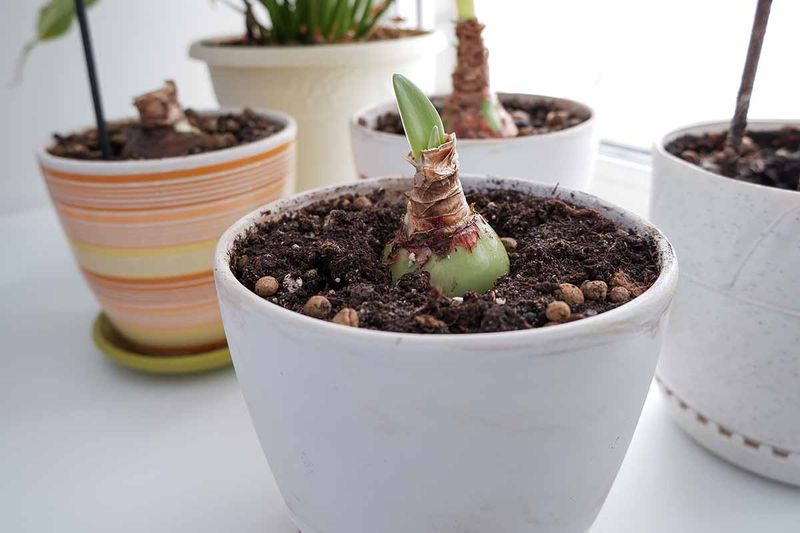
Love can drown a bulb. When nothing happens for two weeks, the natural reaction is to grab the watering can, and that often makes the delay worse.
Until roots and a stalk appear, the bulb barely uses water. University extension guides suggest watering well once at potting, then holding back until you see green growth.
Soggy soil around a sleeping bulb invites rot, and rot can stop growth for good.
Drainage matters just as much. Use a pot with holes and a loose, fast-draining potting mix, not heavy garden soil.
Leave the top third of the bulb sitting above the soil line so the neck stays dry.
Try this easy test. Poke your finger an inch or two into the mix, and water only when it feels dry at that depth.
After growth starts, you can water a bit more often as leaves and stalks develop.
Dump any water collecting in a saucer under the pot. Bulbs sitting in a puddle are prone to trouble.
Also give the bulb a gentle squeeze now and then. A firm bulb is healthy, while a soft, mushy one with a sour smell usually means rot has set in, and replacing it is the smart move.
Last Summer’s Amaryllis Leaves Filled Up The Bulb’s Fuel
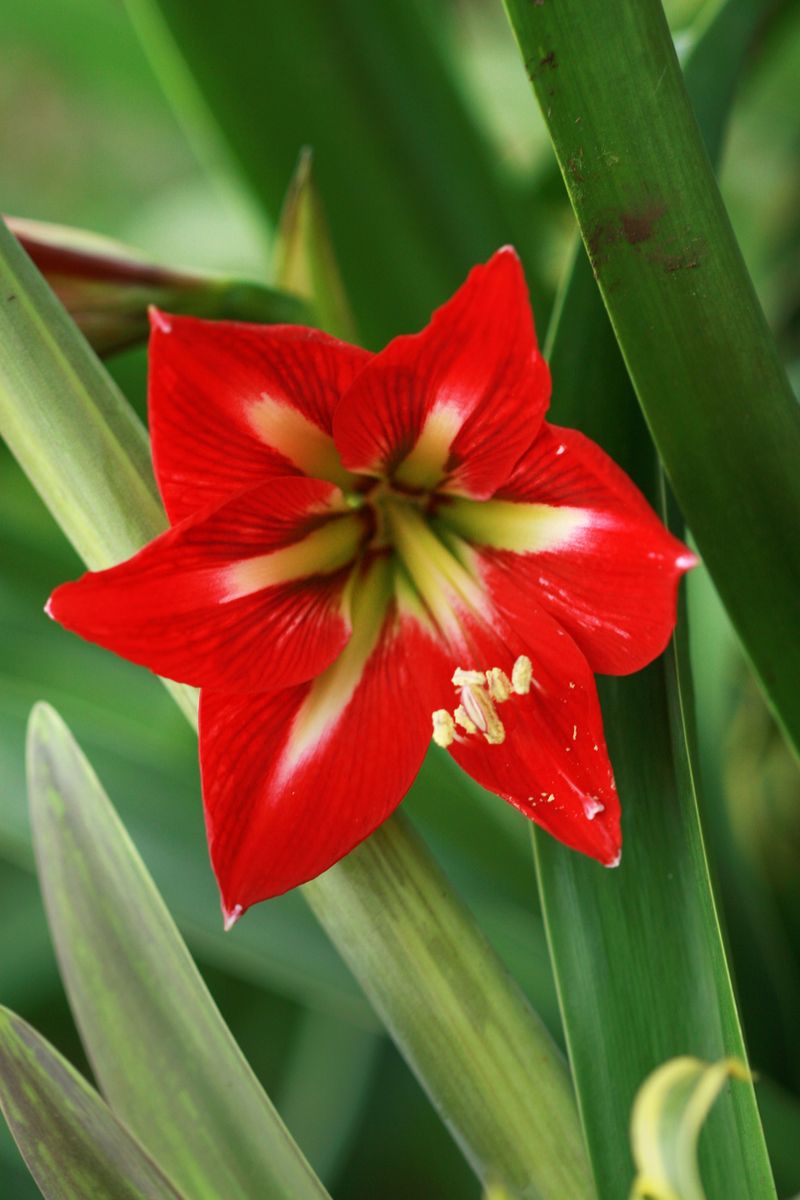
Flowers this winter were really made last summer. Those long, strap-shaped leaves work like solar panels, making sugars that get stored inside the bulb for the next bloom.
If the leaves were cut off early, or the plant sat in a dim corner all year, the bulb may not have enough stored energy. A hungry bulb often sends up leaves only, or nothing at all, for months.
Here is a reblooming routine many extension programs recommend. After flowers fade, snip off the spent stalk but keep the foliage.
Give the plant bright light and water, and feed it every few weeks with a balanced houseplant fertilizer.
In most of Virginia, you can move the pot outdoors once nights stay above 50 degrees, usually by mid-May. A spot with morning sun and afternoon shade works nicely.
Bring it back in before the first frost in fall.
Bulb size gives a clue about stored energy. A plump bulb that feels heavy for its size tends to flower more reliably than a shrunken one.
If your bulb looks smaller than last year, give it a full growing season to bulk up. Patience now can bring a double stalk later.
A Rushed Rest Period Can Confuse Your Amaryllis
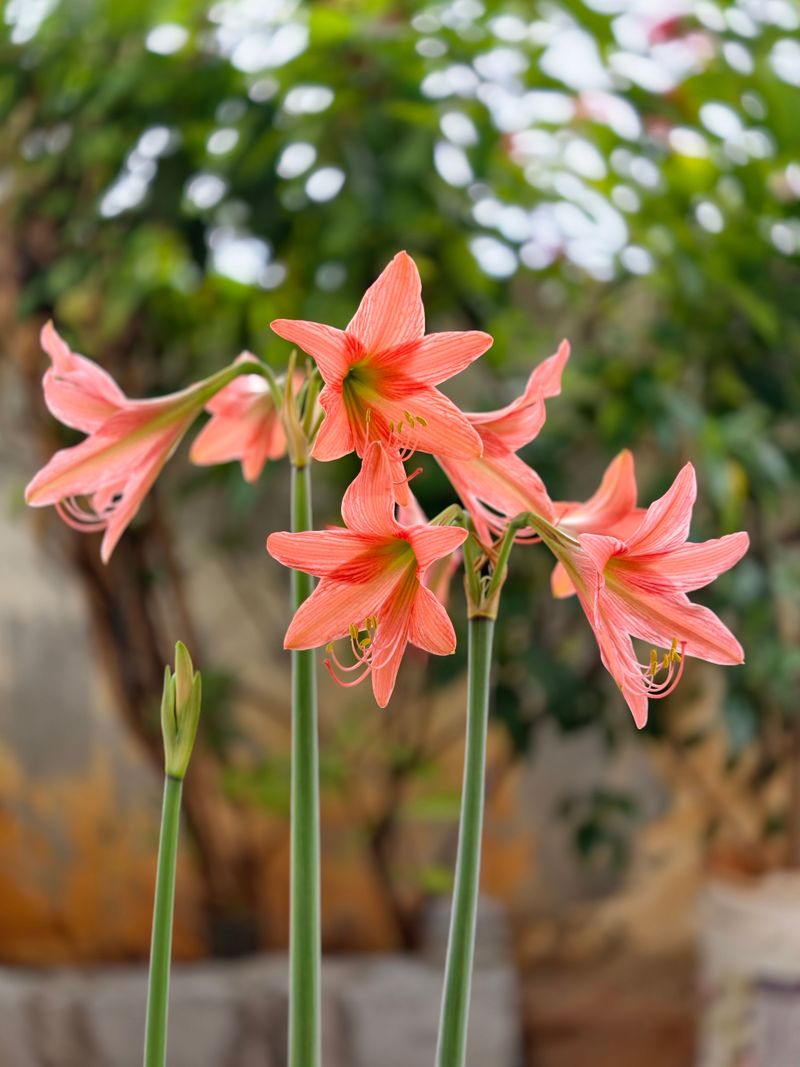
Rest feels backwards, but it works. For gardeners saving bulbs from last year, a cool, dry break is how most people time those holiday flowers.
The standard approach goes like this. In late summer, gradually cut back watering and stop fertilizing.
Once leaves yellow, trim them and store the potted bulb somewhere dark and cool, around 50 to 55 degrees, for eight to twelve weeks.
An unheated basement or a cool closet often fits the bill. Garages can work in milder Tidewater areas, but freezing temperatures will harm the bulb, so watch the cold snaps.
Skipping or shortening this break can lead to odd results. Some bulbs keep growing leaves with no flower stalk, while others sit quiet for weeks.
A few, honestly, bloom anyway, since amaryllis does not strictly need dormancy to flower.
The trick is timing the rest so it ends at the right moment. Starting the dry period in late August or early September lets you wake the bulb by early November.
When the rest ends, bring the pot into warmth and light, then water once. A green tip often shows up within a few weeks.
Write the dates down, because next year you will be glad you did.
The Pot Size Around Your Amaryllis Bulb Matters
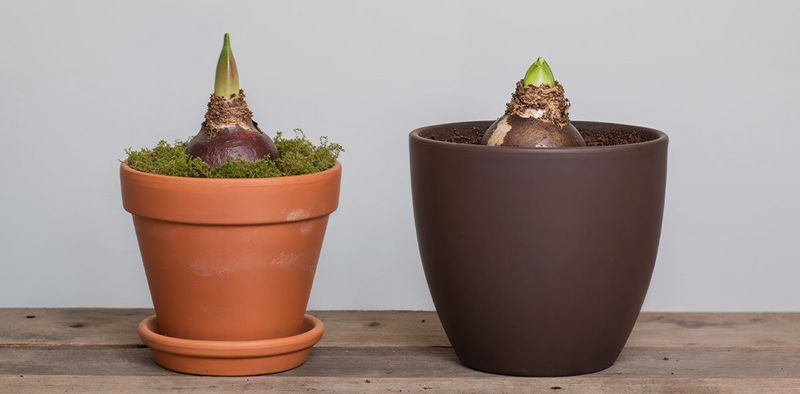
Snug is good for these bulbs. Amaryllis tends to flower best with roughly an inch of space between the bulb and the edge of the pot.
A roomy container holds lots of wet soil. That extra moisture stays damp longer, which slows things down and raises the risk of rot.
The bulb may also spend its effort making roots instead of a flower stalk.
Crowding can cause trouble on the other end. A bulb stuck in the same tired mix for years may have used up its nutrients.
Offset bulbs, the little babies forming along the sides, can crowd the main bulb too.
Repotting every two or three years usually keeps things running smoothly. Do it right as the resting period ends, before active growth begins.
Use fresh potting mix and keep the top third of the bulb exposed.
Heavy pots help as well. Tall flower stalks can tip lightweight plastic containers, so ceramic or clay adds welcome stability.
Fun fact for your next holiday party. The bulbs we call amaryllis actually belong to the genus Hippeastrum, while true Amaryllis is a separate South African plant.
Most shoppers never notice the difference, and the common name stuck long ago.
Your Slow Amaryllis Might Still Bloom For A Winter Surprise
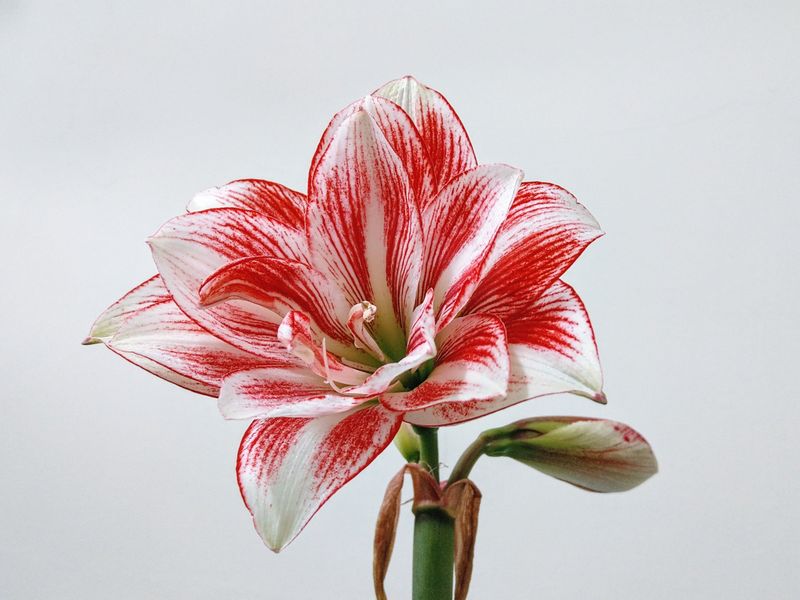
Late is not the same as lost. Plenty of stubborn bulbs open in January and give your home a burst of color right when holiday cheer fades.
Start with a quick checkup. Squeeze the bulb gently and look at the base for roots.
Firm tissue and a few white roots mean the bulb is alive and working.
Next, give it the best conditions you can. Bright light from a south or west window helps, and turning the pot every few days keeps the stalk from leaning.
Pair that with warmth and careful watering.
If you need flowers for a certain date, plan smarter next season. Buy bulbs early, often in October, and stagger planting every two weeks.
That way, something will be blooming around Christmas almost for sure.
Waxed amaryllis bulbs are another option. They come sealed and ready to bloom without water, though they usually cannot be saved for future years.
Keep notes on planting dates, room temperatures, and bloom times. After a season or two, you will know exactly when your bulbs like to start.
A little record keeping turns guesswork into a dependable Virginia holiday tradition you can count on.