The November Task That Helps Your North Carolina Daffodils Bloom Their Best in Spring
Some of the brightest spring flowers in the South need months of cold before they will open a single bud. Without that chilly stretch, they often send up leaves and very little else.
I love that the secret starts in the dirt while everything above ground looks quiet. Roots begin growing in cool fall soil, long before any green tip shows. A papery brown lump turns into a sunny trumpet by March, and I still think that is a small miracle.
In North Carolina, the timing of one simple fall chore can shape that whole spring show. You need cool soil, a little planning, and maybe a free afternoon with a trowel.
Personally, I find this the most hopeful job of the gardening year. You tuck something away in the cold and wait. So what exactly should you be doing out there before the holidays arrive?
1. Cool November Soil Is the Signal Daffodil Bulbs Wait For
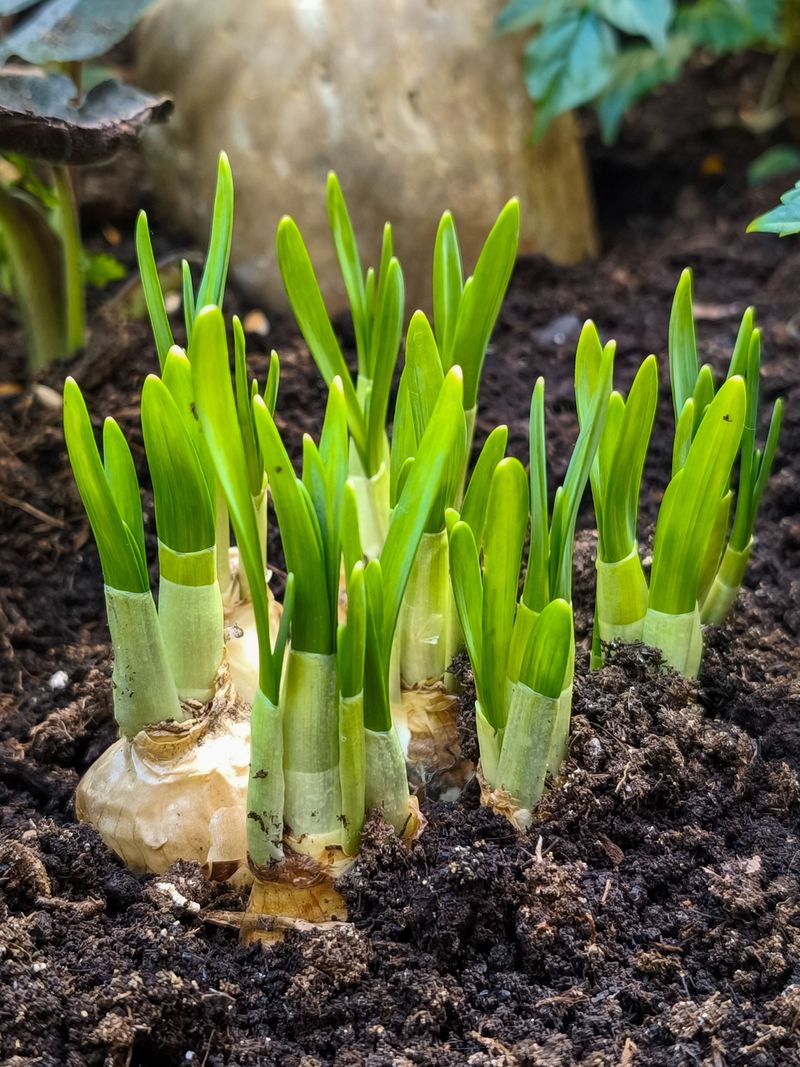
Daffodil bulbs are surprisingly picky about one thing, and it is soil temperature. They wait until the ground cools below about 60 degrees before they start pushing out strong new roots.
In much of the state, that sweet spot arrives in late October and lasts through November. NC State Extension suggests planting spring bulbs from fall into early winter, once the summer heat has faded from the soil.
So the big November task is simple. Get your daffodil bulbs in the ground now, while the soil is cool but not frozen.
Planting at this time gives the bulbs several weeks to grow roots before winter slows everything down. Those roots anchor the bulb and pull up water and nutrients all winter long.
Bulbs planted in warm September soil can rot or sprout too early. Bulbs left in a bag until February often bloom weakly, or skip blooming for a year.
I like to think of November as the bulb’s moving day. Settle them in now, and they spend the cold months quietly building the foundation for a cheerful March show. Store any bulbs you buy in a cool, dry, airy spot until planting day, away from fruit and heat.
2. Planting Daffodils at the Right Depth Makes a Big Difference
A trowel and a ruler might be the two most useful tools you own this month. Depth matters more than most people realize when planting daffodils.
The common rule is to plant bulbs about two to three times as deep as the bulb is tall. For most standard daffodils, that means roughly six inches down, measured from the bottom of the hole.
Set each bulb with the pointed end up and the flat, rooty end down. If you cannot tell which side is up, plant it sideways and the bulb will sort itself out.
Spacing helps too. Leave about four to six inches between large bulbs so each one has room to grow and multiply over the years.
For a natural look, skip the straight rows. I like digging a wide hole and scattering seven to ten bulbs in a loose cluster, which looks lovely from across the yard.
Once the bulbs are in place, fill the hole with soil and press it down gently. Then water well to settle everything and remove air pockets around the roots. That first deep drink tells the bulbs it is time to wake up underground and get to work.
3. That Heavy Red Clay Needs Help Before Bulbs Go In
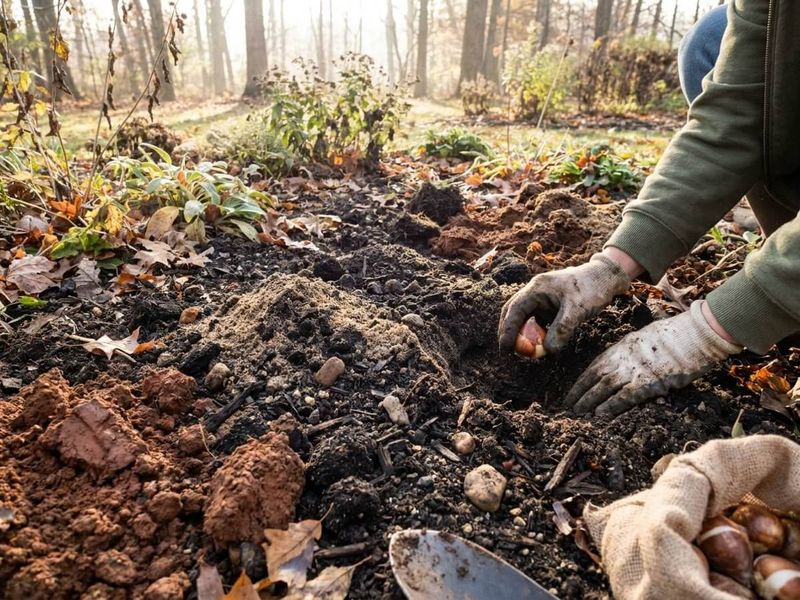
Anyone who has dug a hole in Piedmont red clay knows the struggle. It sticks to your shovel, holds water like a bathtub, and bakes hard in summer.
Daffodils dislike wet feet more than almost anything. Bulbs sitting in soggy soil through a rainy winter can rot before spring ever arrives.
The fix is good drainage. Work a few inches of compost or other organic matter into the whole bed, not just the planting hole, so water can move through instead of pooling.
Raised beds and gentle slopes are also smart spots for bulbs. Avoid low corners where puddles linger after a storm.
Soil pH plays a role as well. NC State recommends getting a soil test, and daffodils generally do well in slightly acidic soil around 6.0 to 7.0.
Fun fact for local gardeners: the NC Department of Agriculture offers soil testing, and it is free for state residents for much of the year, with a small peak-season fee in winter.
A test tells you whether you need lime and how much fertilizer to add. It takes the guesswork out, which saves money and keeps your bulbs much happier.
4. A Light Fall Feeding Gives Daffodil Roots a Boost
Here is a detail many gardeners miss. NC State Extension suggests fertilizing established daffodils in the fall, as roots are actively growing.
Bulbs are busy underground in November even though nothing shows on top. Feeding them now gives those new roots nutrients they can use right away and store for spring.
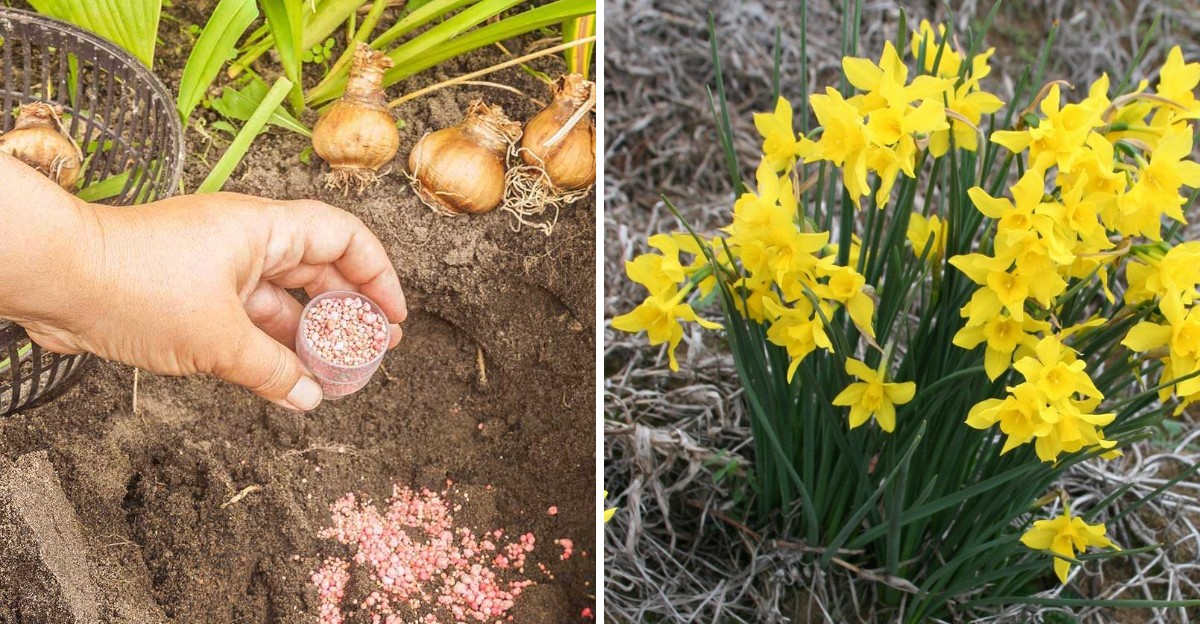
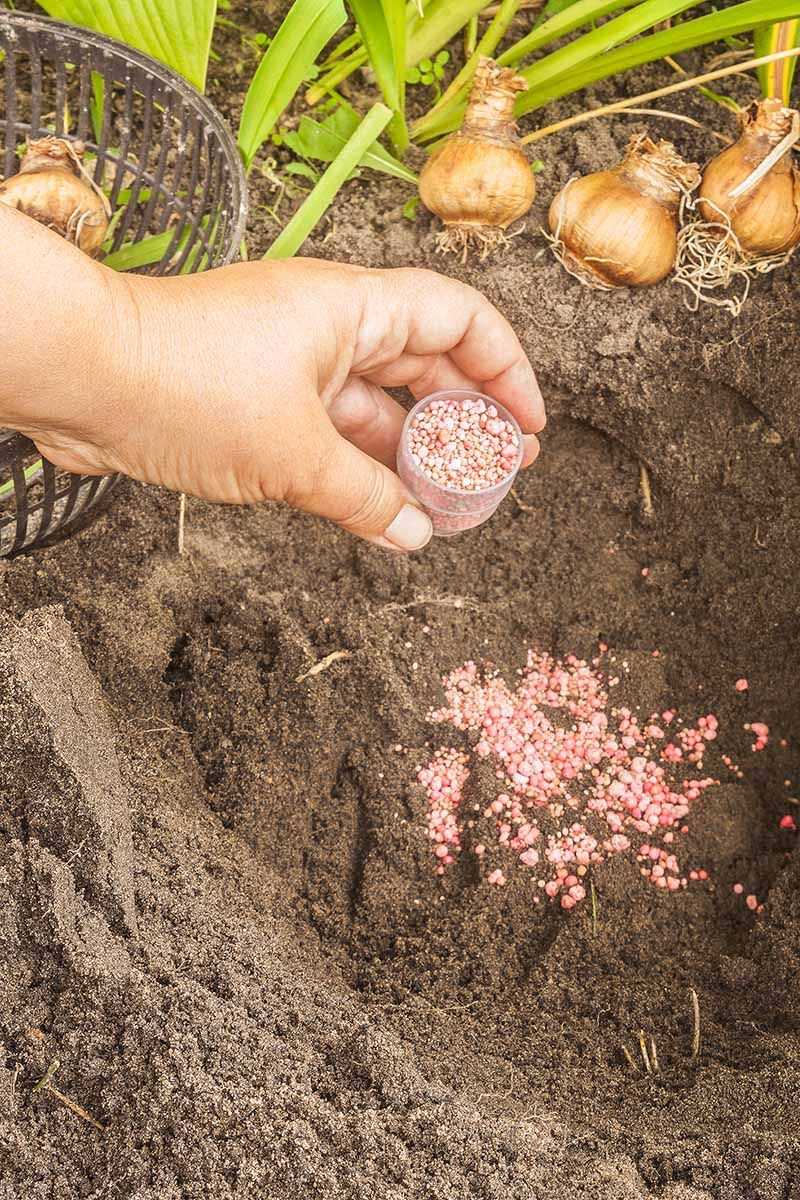
For new plantings, mix a bulb fertilizer or a balanced product into the soil at the bottom of the hole. Add a little soil on top so the fertilizer does not sit right against the bulb.
For older clumps, sprinkle fertilizer lightly over the soil surface where the bulbs grow. Rain and watering will carry it down to the roots.
Go easy on high-nitrogen products. Too much nitrogen tends to push leafy growth instead of strong flowers.
Many folks still toss bone meal in the hole out of habit. On its own it supplies mostly phosphorus, and it can attract curious dogs and critters that dig up your bed.
Follow your soil test results if you have them. They will show exactly what your ground lacks, so you feed your daffodils what they need and nothing extra.
5. Pine Straw Mulch Keeps Daffodil Beds Cozy All Winter
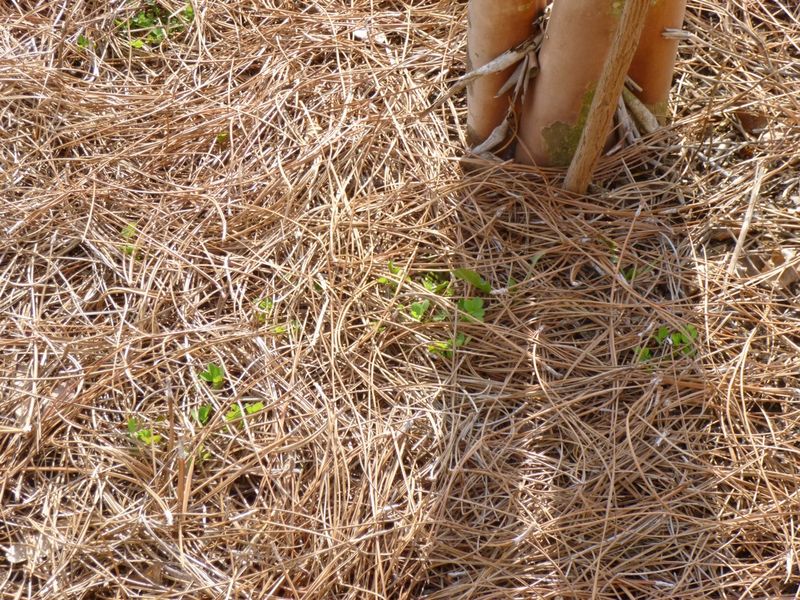
Pine straw is practically a Southern tradition, and your daffodil beds will appreciate a blanket of it. Shredded hardwood or chopped leaves work nicely too.
After planting, spread about two to three inches of mulch over the bed. It helps keep soil temperatures steady during those wild winter swings.
North Carolina winters love to tease us. A 70-degree afternoon can be followed by a hard freeze, and bare soil heats and cools quickly with every change.
Mulch softens those swings, holds in moisture, and helps protect developing roots. It also keeps winter weeds from crowding your bulbs.
Do not panic if green tips poke up in January or February. Daffodil foliage is tough and handles cold well, so there is usually no need to cover it.
Mulch is especially helpful in the mountains, where colder winters and frost heaving can push shallow bulbs upward. In the warmer coastal plain, it matters more for moisture and weed control.
Keep the layer moderate. A thick, soggy pile can hold too much water, which undoes all your hard work improving drainage.
6. Southern-Tough Daffodil Varieties Bloom More Reliably
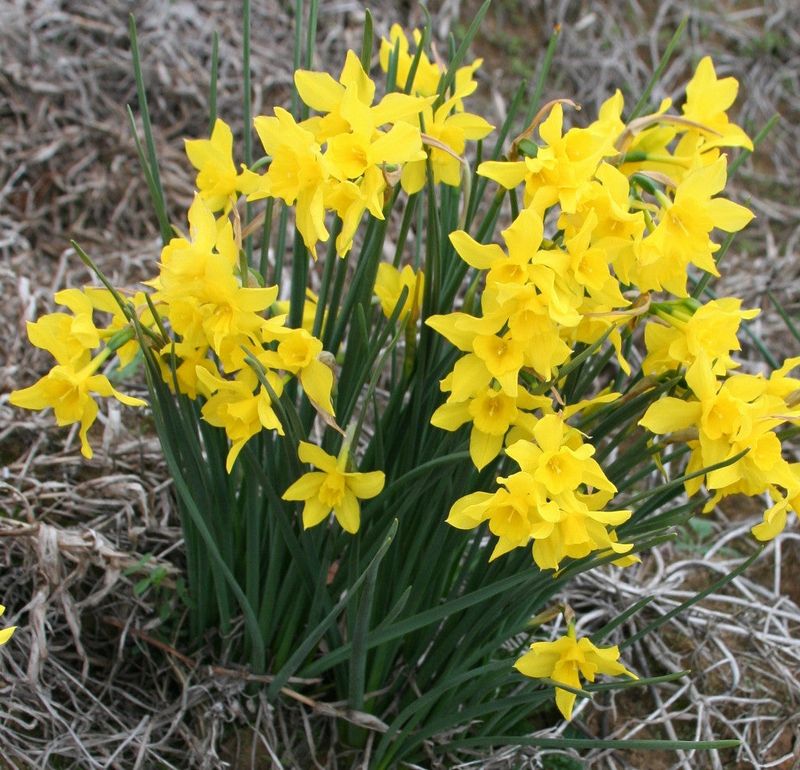
Ever notice daffodils blooming beside an old farmhouse where nobody has gardened in decades? Those tough survivors are clues to what thrives here.
Not every daffodil handles warm Southern winters equally. Some popular large-flowered types need more cold than parts of eastern North Carolina reliably provide.
Jonquils, tazettas, and many smaller-cupped daffodils are known for coming back year after year in the South. Old favorites like Carlton, Ice Follies, February Gold, and Tête-à-Tête are widely grown with good results.
Fragrant tazettas such as Grand Primo Citronière are classic heirlooms in Southern gardens. They often bloom early and carry a sweet, spicy scent.
Mountain gardeners have more choices because of colder winters. In the hotter coastal areas, chilling bulbs in the refrigerator for several weeks before planting can help some varieties, though keep them far from apples and other fruit.
I like mixing early, mid, and late bloomers. That way the show starts in late winter and keeps going into April.
Bonus perk: daffodils contain compounds that deer and voles usually avoid. They are one of the easiest bulbs for yards with hungry visitors.
7. Daffodil Leaves Left Standing in Spring Fuel Next Year’s Flowers
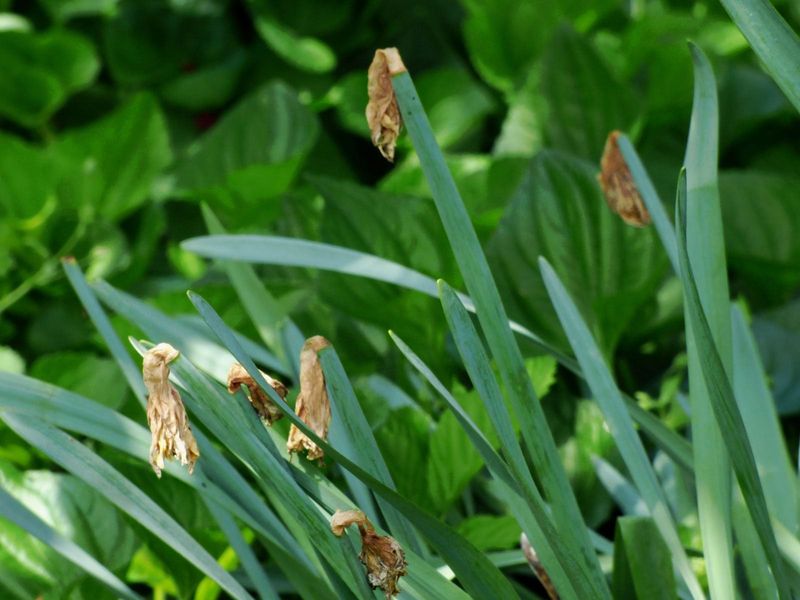
Your November work pays off best when spring care matches it. The most helpful habit is surprisingly easy, since it mostly involves doing nothing.
Once the flowers fade, leave the green leaves alone. They keep soaking up sunlight and sending energy down to the bulb for next year’s blooms.
Wait until the foliage turns yellow and flops over on its own, usually about six weeks after flowering. Cutting, braiding, or tying leaves early can weaken future blooms.
Snapping off spent flower heads is fine, though. It keeps the plant from wasting energy on seeds.
Plant summer perennials like daylilies or hostas nearby to hide the fading leaves. It is a classic trick that keeps beds looking tidy.
Watch for clumps that make lots of leaves but few flowers. That usually means they are crowded, and digging and dividing them after the foliage fades can restore the bloom.
Mark those spots now, then replant divisions in fall. With a little attention each season, your daffodils can brighten the yard for decades and might even outlast the gardener who planted them.