12 Trees Ohio Gardeners Plant to Create a Monarch Waystation
Last October, a cloud of orange wings settled onto one branch in my yard just before sunset. I counted over forty butterflies hanging there like tiny autumn leaves, and I forgot all about supper.
Most Ohio gardeners pour their energy into flowers for monarchs, and that effort matters a great deal. Yet the travelers also need sturdy places to rest and hide from cold wind on chilly fall nights.
The right branches also feed hundreds of other caterpillars, and those caterpillars feed the songbirds in your yard. Personally, I think a backyard waystation feels half finished without a few tall and leafy anchors nearby.
Early October is a smart time to plant across Ohio, with warm soil and cool air helping roots settle in. Your future migrants will thank you with a bright orange show on some crisp evening next fall.
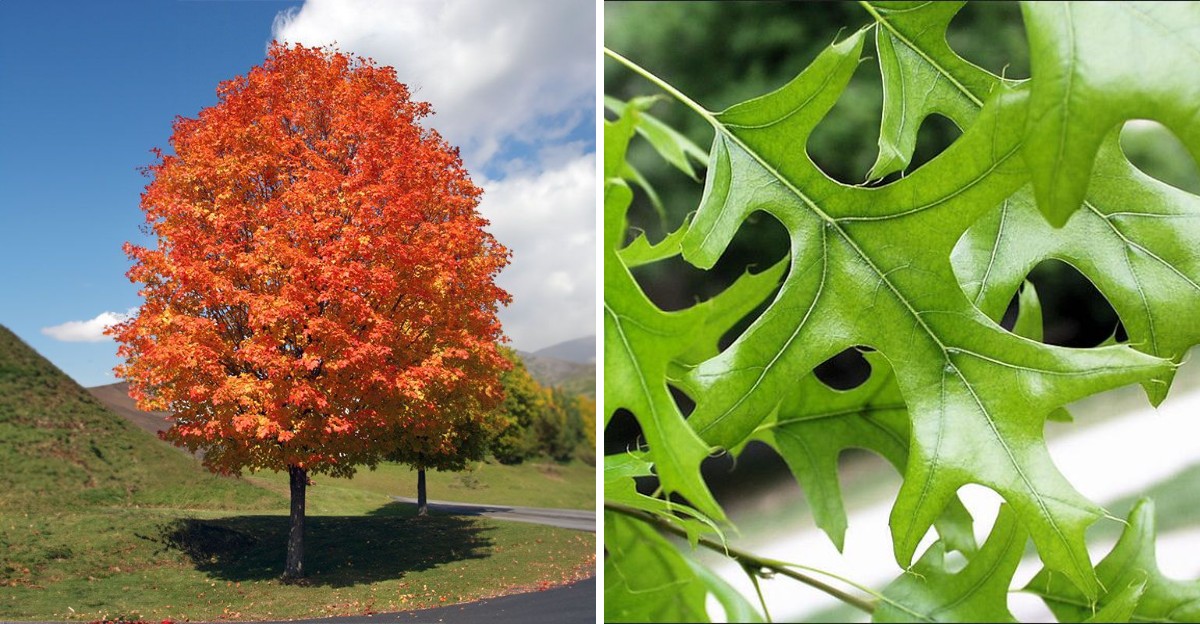
1. Sugar Maple
Monarch caterpillars eat only milkweed, so no tree on this list will feed those striped babies directly. Trees earn their spot by giving adults safe shelter and a busy food web all season long.
A sugar maple is a wonderful place to start that kind of support in a waystation. Its tiny yellow-green flowers dangle on long stalks in early spring, offering pollen to the first hungry bees.
Maples rank among the top host trees for native moths and butterflies, supporting several hundred caterpillar species. Those caterpillars become baby food for chickadees and warblers, so your whole yard grows much livelier by June.
Mature sugar maples reach sixty to seventy-five feet tall, creating deep shade and calm pockets out of the wind. Fall migrants often rest in tall trees like these when evening temperatures start to drop quickly.
Sugar maple handles USDA zones 3 through 8, which covers every corner of Ohio with room to spare. It prefers moist well-drained soil and struggles with road salt or tightly packed ground near driveways.
Early October is a great planting window, since cooler air reduces stress while the soil stays warm. Water deeply once a week until the ground freezes, and spread mulch like a donut, not a volcano.
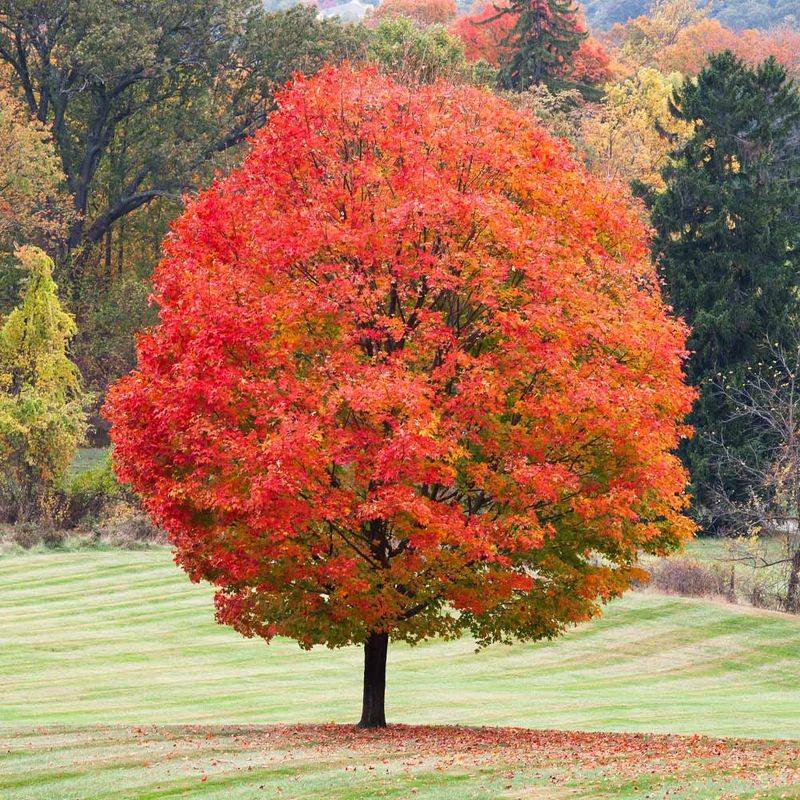
Personally, I love the bonus show these trees put on right when monarchs drift south each year. Their leaves glow gold and fiery orange, like a bright farewell banner for the tired butterflies passing through.
2. Red Maple
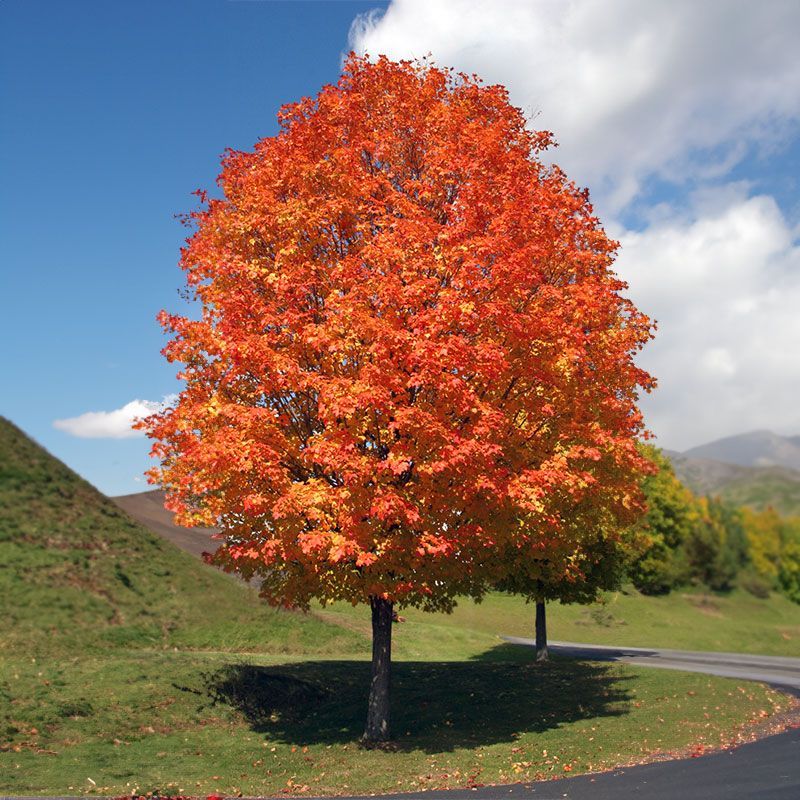
Red maple flowers often open in March, painting bare branches with a rusty red haze before any leaves appear. Those tiny blooms hand out pollen at a time when most of your garden still looks asleep.
Bees and early flies gobble it up, and that buzz kicks off the whole pollinator season in your yard. Strong spring insect numbers mean more food for the birds that later share space with monarchs.
Red maples also host many moths, including the rosy maple moth, a pink and yellow insect that looks like candy. Kids tend to squeal when they spot one clinging to a porch light on a warm summer night.
Your Ohio Garden Changes Every Week. Your Plan Should Too.
Gardening in Ohio changes quickly throughout the season. Every Friday you’ll receive a simple weekly plan showing exactly what to plant, prune, fertilize, harvest, and protect so you never miss the right timing.
Flexibility is this tree’s superpower, since it grows in soggy low spots and drier upland soil alike. It is hardy in USDA zones 3 through 9, so cold Lake Erie winds rarely bother it.
That makes red maple a smart pick for a rain garden edge or a damp corner near milkweed patches. Swamp milkweed loves wet feet too, so the pair can share the same soggy neighborhood happily.
Plant now, while October rains help settle the root ball and reduce the need for constant watering. Choose a straight species or a nursery cultivar with reliable red fall color for the biggest seasonal payoff.
I believe red maple is the friendliest starter tree for anyone nervous about planting something big. It grows fairly fast, so you will see real shade and shelter within just a handful of years.
3. Black Cherry
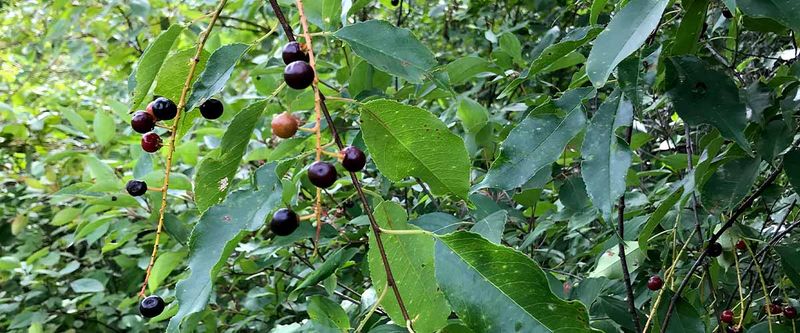
Few trees feed as many caterpillars as black cherry, which supports hundreds of moth and butterfly species across the East. Entomologist Doug Tallamy ranks the cherry group near the very top of his famous host plant lists.
Eastern tiger swallowtails and red-spotted purples both lay eggs on its glossy, finely toothed leaves every year. You might spot their odd caterpillars, some disguised as bird droppings, munching quietly during the warm months.
In spring, drooping strings of white flowers buzz with bees and plenty of other nectar lovers. Adult butterflies visit too, sipping nectar before heading off to find their own favorite host plants nearby.
By late summer, the flowers turn into small dark cherries that robins and cedar waxwings strip in a hurry. Plant it away from patios, because fallen fruit and purple bird droppings can stain light concrete quickly.
Black cherry grows quickly and tolerates many soils, including disturbed sites where pickier trees often sulk. It thrives in USDA zones 3 through 9, fitting any Ohio yard from Toledo down to Cincinnati.
One caution matters, since wilted cherry leaves contain compounds that can harm horses and other grazing livestock. Skip this tree if animals graze nearby, and pick a hackberry or oak for that spot instead.
Personally, I see black cherry as a caterpillar buffet that quietly keeps your waystation buzzing with life. The birds stay well fed, and your garden feels wonderfully alive from spring right into fall.
4. Pin Oak
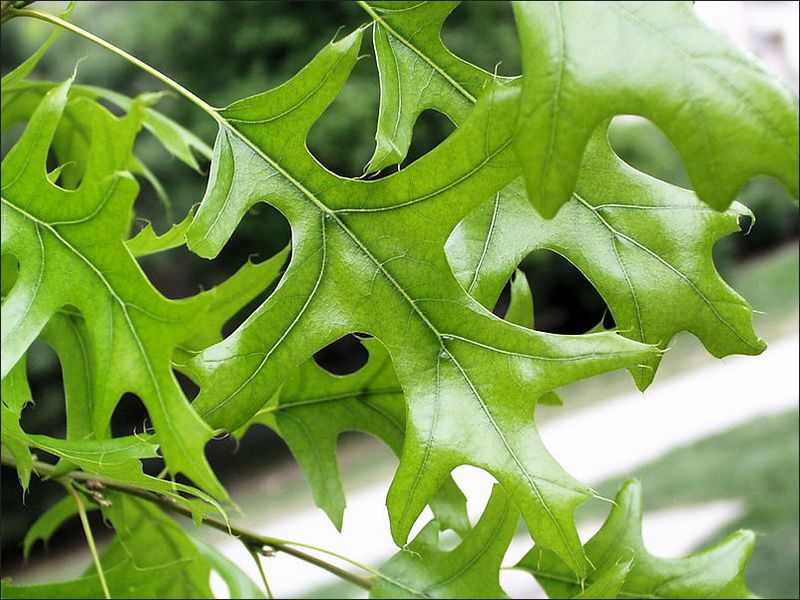
Oaks are the heavyweight champions of backyard wildlife, and pin oak brings that power to soggy soils. The whole oak group supports more caterpillar species than almost any other tree in North America.
That matters because a single pair of chickadees needs thousands of caterpillars to raise one batch of chicks. A pin oak turns your waystation into a busy cafeteria for those hardworking parents each spring.
Its flowers rely on wind, not insects, so you will not see butterflies sipping from them. The tree earns its spot by holding a crowd of life that keeps the habitat healthy and balanced.
Pin oak grows in a neat pyramid shape, with lower branches that sweep downward like a skirt. Those sheltered limbs make cozy windbreaks for resting insects on blustery October afternoons near your garden.
This oak is hardy in USDA zones 4 through 8 and loves full sun with moist, acidic soil. In alkaline ground, leaves can turn yellow from iron chlorosis, so test your soil before planting.
Acorns ripen this time of year and feed blue jays and wood ducks along wetland edges all fall. Leaves often cling to the branches into winter, giving birds a rustling hideout during cold snaps.
I can’t imagine a large wet yard without one of these tall, tidy giants standing at the edge. Give it plenty of space, since mature trees often reach sixty or seventy feet tall or more.
5. Black Willow
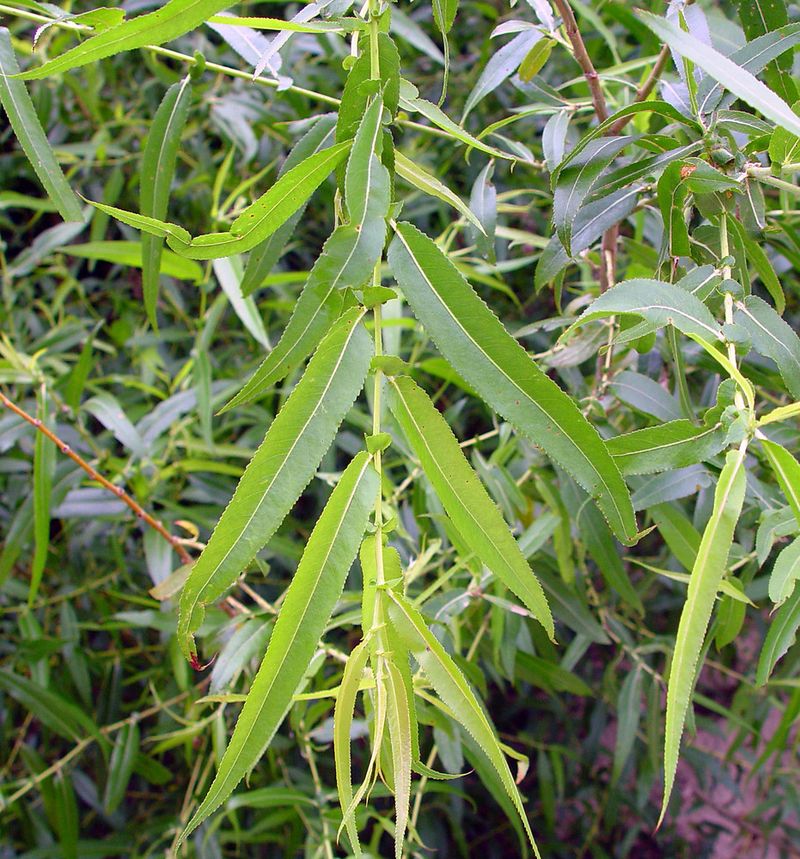
Viceroy butterflies look so much like monarchs that many people mix them up from across the yard. Their caterpillars feed on willows, and black willow is one of their favorite native hosts in the region.
Spotting a viceroy is easy once you know the trick, a thin black line curving across each hindwing. Monarchs lack that line, so you can quiz friends and family during garden tours this fall.
Black willow supports hundreds of moth and butterfly species, ranking among the most valuable trees for caterpillars. Mourning cloaks lay eggs on it too, and their adults sometimes sip sap on warm winter days.
Early spring catkins provide pollen and nectar for bees when little else blooms across chilly fields. Willows produce male and female catkins on separate trees, which is a fun detail to notice.
This tree belongs near water, such as pond banks or low spots that stay soggy for weeks. Its roots grip wet soil firmly and help control erosion along slopes after heavy autumn rains.
Keep it far from septic lines and foundations, because thirsty willow roots travel surprisingly long distances underground. Branches are brittle as well, so expect some twig cleanup after strong storms roll through your area.
Hardy in USDA zones 3 through 9, black willow grows fast and handles Ohio winters with ease. I like how one big tree can serve both lookalike butterflies in the same sunny yard.
6. Serviceberry
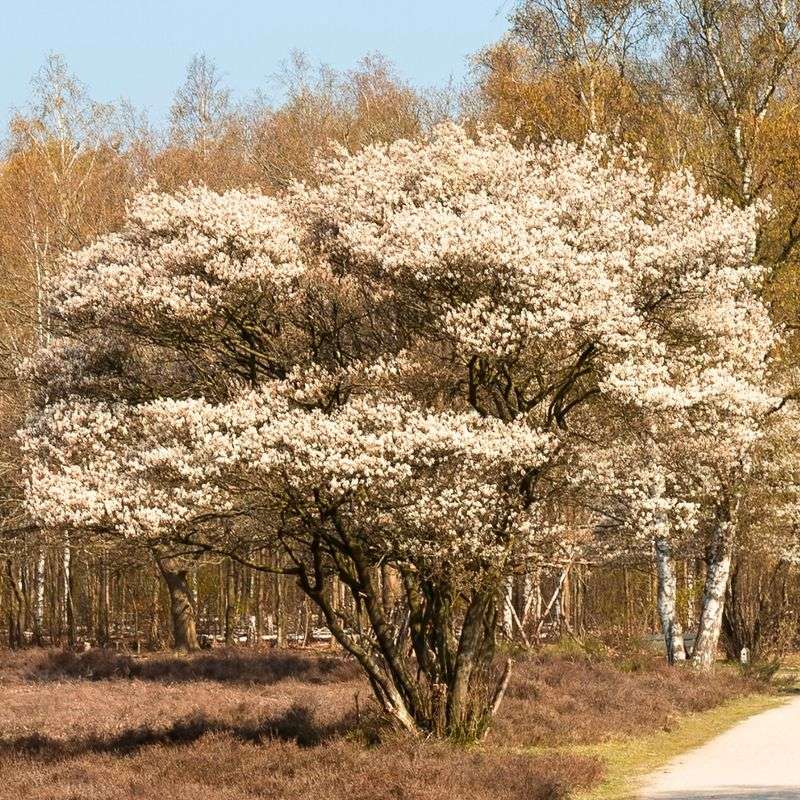
Birds often strip serviceberry fruit within days, and honestly, you may have to race them for a handful. The small purple berries taste a bit like blueberries with a hint of almond inside.
That fruit shows up in early summer, feeding robins and dozens of other hungry songbirds nearby. Long before that, clouds of white blossoms open in early spring and draw native bees to the branches.
Serviceberry is a member of the rose family, so it shares many caterpillar guests with cherries and apples. Many moth caterpillars use its leaves, quietly feeding the birds that hunt among the slender branches.
Size is a big selling point, since most serviceberries stay between fifteen and twenty-five feet tall. That makes them perfect for small yards or cozy spots near a patio or porch steps.
Several native species grow here, including downy serviceberry and Allegheny serviceberry, plus the popular hybrid called apple serviceberry. Depending on the type, they grow well across Ohio in roughly USDA zones 4 through 8.
Fall is a showstopper season for this tree, with leaves turning glowing orange and red right now. Plant in full sun or light shade, and water through dry spells until the ground freezes.
I believe serviceberry is the best small tree for anyone who wants year-round interest without a giant. Silvery bark in winter keeps things pretty even when the butterflies have long gone south.
7. Eastern Redbud
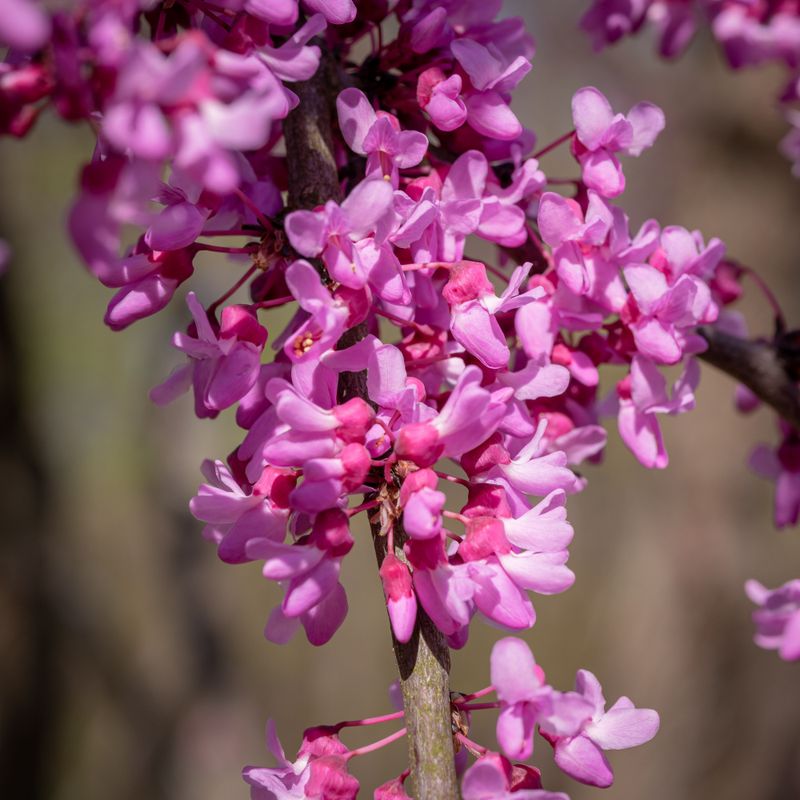
Redbud flowers pop straight out of the trunk and bare branches, a quirky habit botanists call cauliflory. The magenta blossoms look like someone glued tiny sweet peas all over the dark bark overnight.
Those early blooms arrive in April, feeding bumblebee queens and other early bees when food is scarce. Butterflies like spring azures and early skippers visit too, sipping nectar on mild, sunny afternoons in the garden.
Henry’s elfin, a small brown butterfly, uses redbud as a host plant in parts of its range. Finding one takes patience, but that tiny treasure hunt is half the fun of a native yard.
Redbud is a member of the pea family, and its flat seed pods dangle like brown snow peas this month. Chickadees and other small birds sometimes pick at the seeds during cold weather later on.
Most redbuds stay twenty to thirty feet tall, with a rounded, vase-like shape that fits under bigger trees. It handles USDA zones 4 through 9 and grows happily in sun or partial woodland shade.
Young trees transplant best, because older redbuds dislike having their roots disturbed after they settle in. Pick a container-grown sapling this fall and give it well-drained soil, since soggy roots cause trouble.
Personally, I plant redbuds near a window so I can enjoy the first pink burst of the year. Heart-shaped leaves follow the flowers, turning soft yellow before they drop in the coming weeks.
8. Hackberry
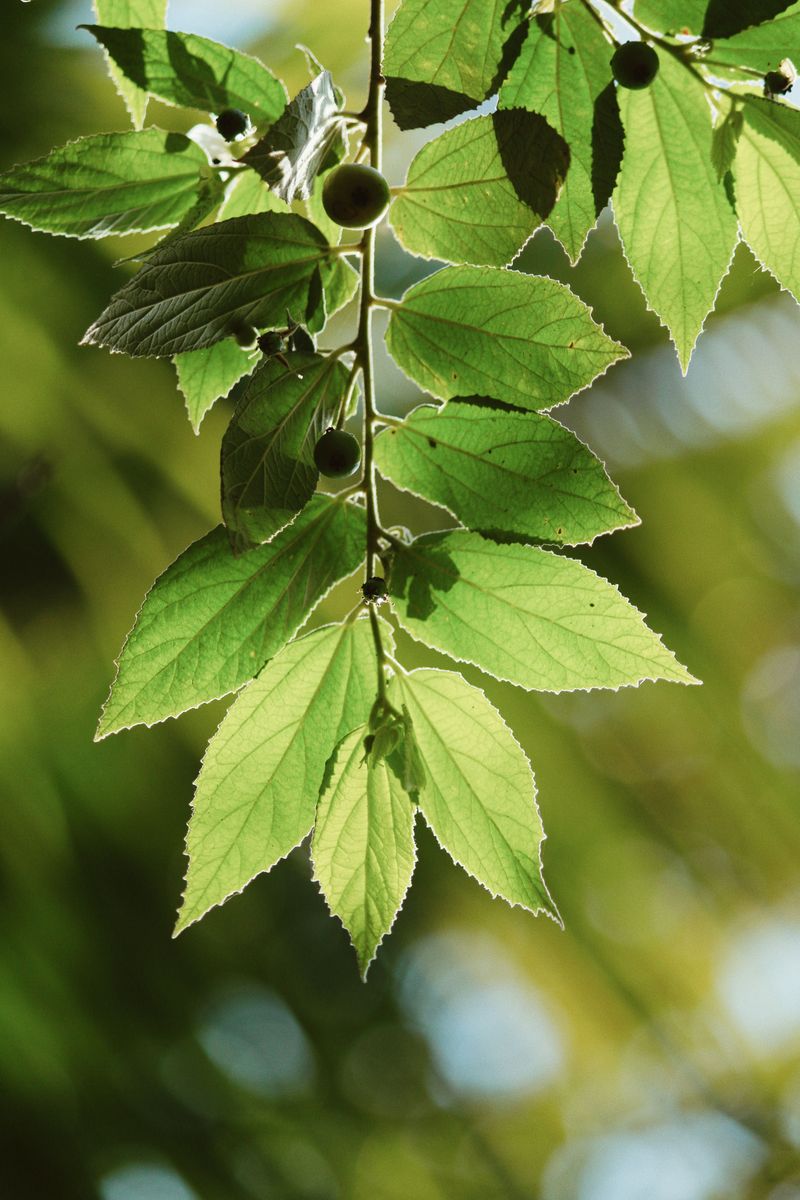
Hackberry may look plain, but it runs one of the liveliest butterfly hotels in any backyard. Hackberry emperors, tawny emperors, question marks, and American snouts all raise their young on its leaves.
Emperor butterflies are famously friendly, often landing on sweaty arms to sip salt straight from your skin. Kids love that trick, and it turns yard work into a surprise wildlife encounter on summer afternoons.
The American snout is another oddball, with a long nose-like snout that makes it look like a dry leaf. Spotting one on a hackberry twig feels like finding a hidden picture puzzle in real life.
Small purple fruits ripen this time of year and hang on through winter, feeding birds when food runs short. Mockingbirds and robins visit often, gulping down the sweet fruits one by one on frosty mornings.
Toughness is the big story here, since hackberry shrugs off drought, floods, wind, and city pollution. It grows in USDA zones 3 through 9 and adapts well to clay soil found across much of Ohio.
Leaves often show bumpy nipple galls, caused by tiny insects called psyllids, but they rarely harm the tree. Witches broom clusters may appear too, and they are mostly a cosmetic quirk you can ignore.
I like how this underdog quietly outperforms showier trees once you learn what to watch for. Give it room, because mature hackberries can reach forty to sixty feet with a broad crown.
9. American Beech
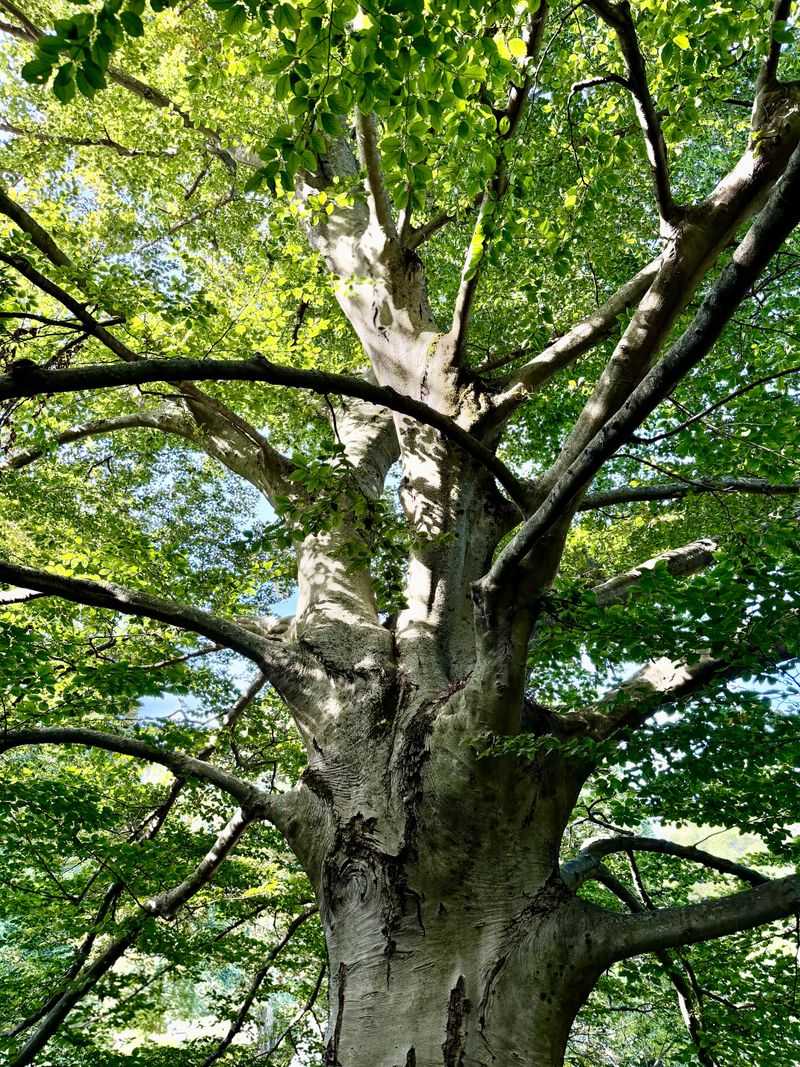
Smooth, silver-gray bark makes American beech look like an elephant’s leg standing in the quiet woods. Run your hand along the trunk, and you will understand why people carve initials there, though please do not.
Beech flowers rely on wind, so this tree supports monarchs mainly through shelter rather than nectar. Its dense canopy blocks wind and offers shady, sheltered perches for insects during unsettled fall weather.
Beech also hosts well over one hundred caterpillar species, which in turn feed nesting birds each spring. Small triangular beechnuts drop around now, and turkeys and blue jays rush to collect them eagerly.
Young beech trees often hold their pale, papery leaves all winter, a quirky habit called marcescence. Those rattling tan leaves add gentle sound and warm color to a quiet, snowy yard each January.
Fair warning matters here, because beech leaf disease has spread across much of the Great Lakes region. Look for dark stripes between leaf veins, and contact your county extension office if you spot them.
Grow beech in USDA zones 3 through 9 with moist, well-drained, slightly acidic soil and some afternoon shade. It grows slowly and dislikes root disturbance, so choose a permanent spot from day one.
Personally, I see beech as a gift for future gardeners, since it can live for centuries. Plant one this fall, and someone may picnic under its broad crown many decades from now.
10. Flowering Dogwood
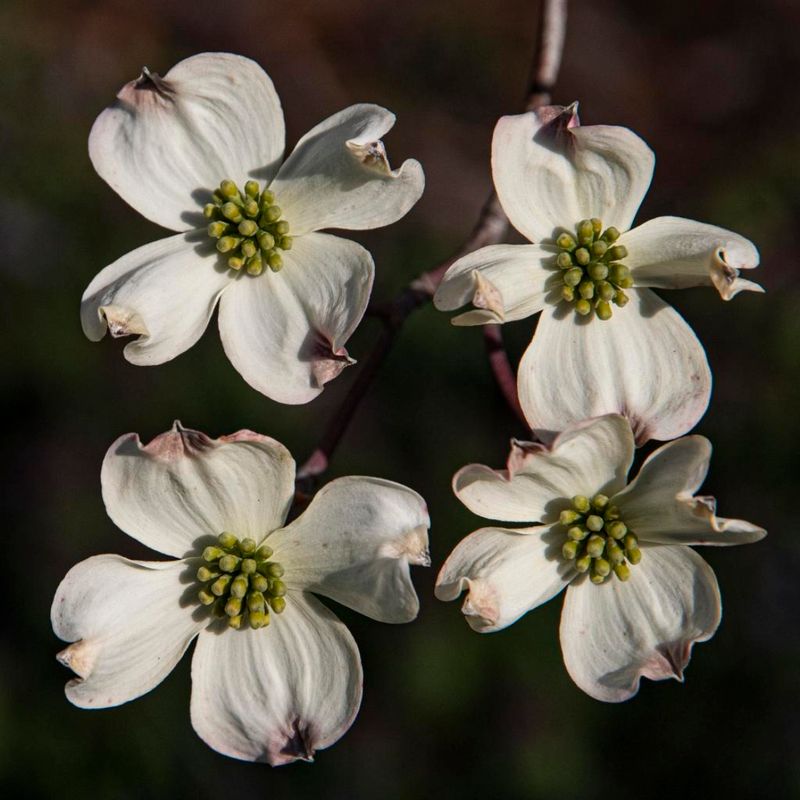
Those big white petals on a dogwood are not petals at all, but leafy bracts surrounding tiny true flowers. The real blooms sit in a small greenish button at the center, remarkably easy to overlook.
Bees and small butterflies visit those tiny flowers in spring, so look closely when the show begins. Spring azure butterflies lay eggs on dogwood buds, and their caterpillars nibble on the opening flowers.
Right now, glossy red berries cluster at branch tips, and they are packed with fat for migrating birds. Thrushes and vireos gobble that energy boost before heading south for the long, cold winter months.
Fall leaves add even more drama, turning deep burgundy just as monarchs drift past on their journey. That timing makes dogwood a lovely backdrop for the last butterflies passing through your autumn yard.
Flowering dogwood grows naturally as an understory tree, so it likes dappled shade and cool roots. It is hardy in USDA zones 5 through 9 and prefers moist, well-drained, slightly acidic soil.
Dogwood anthracnose can cause leaf spots and twig decline, especially in damp, shaded spots with poor airflow. Choose disease-resistant selections and avoid bumping the thin bark with lawn mowers or string trimmers.
I can’t imagine a native yard without this classic beauty glowing near the edge of the woods. Plant it this month and keep the roots well mulched through its first cold winter outdoors.
11. Blackgum
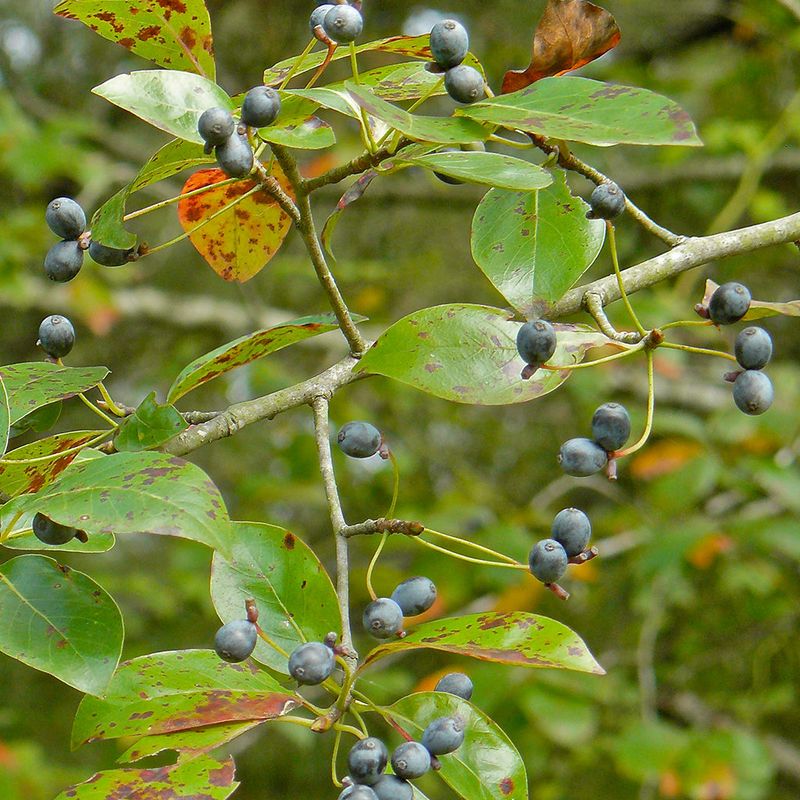
Blackgum turns red earlier than almost any tree around, sometimes blazing scarlet while its neighbors still look green. One glance in early October, and you may think someone lit a lantern in the yard.
Beekeepers prize this tree, because its small greenish flowers offer rich nectar for honey in late spring. Native bees join the honeybees, buzzing around blooms so modest you might walk right past them.
Female trees produce dark blue fruits in fall, and migrating thrushes and robins gobble them up quickly. The fruit is sour for people, which explains the nickname sour gum you may hear at nurseries.
Blackgum is also called black tupelo, and it can live for hundreds of years in the wild. Its branches grow out at nearly right angles, giving young trees a neat, layered look in winter.
Hardy in USDA zones 4 through 9, it tolerates wet soils and drier sites better than people expect. A long taproot makes transplanting tricky, so buy a small container tree rather than a large one.
Pests rarely bother blackgum, which makes it a low-fuss pick for busy gardeners with little spare time. Plant it in full sun or partial shade, and water weekly through its first autumn and winter.
I believe blackgum deserves far more fame than it gets, especially in yards that welcome fall migrants. It offers bees a spring feast and birds a fall snack, all on one tidy trunk.
12. Ohio Buckeye
Nothing says hometown pride quite like a buckeye nut, glossy brown with a pale spot like a deer’s eye. Those nuts are dropping right now, and kids love tucking a lucky one into their pockets.
Lawmakers named it the official state tree of Ohio in 1953, honoring a nickname that was already popular. Beyond the history, it brings real value to a waystation through spring flowers and early shade.
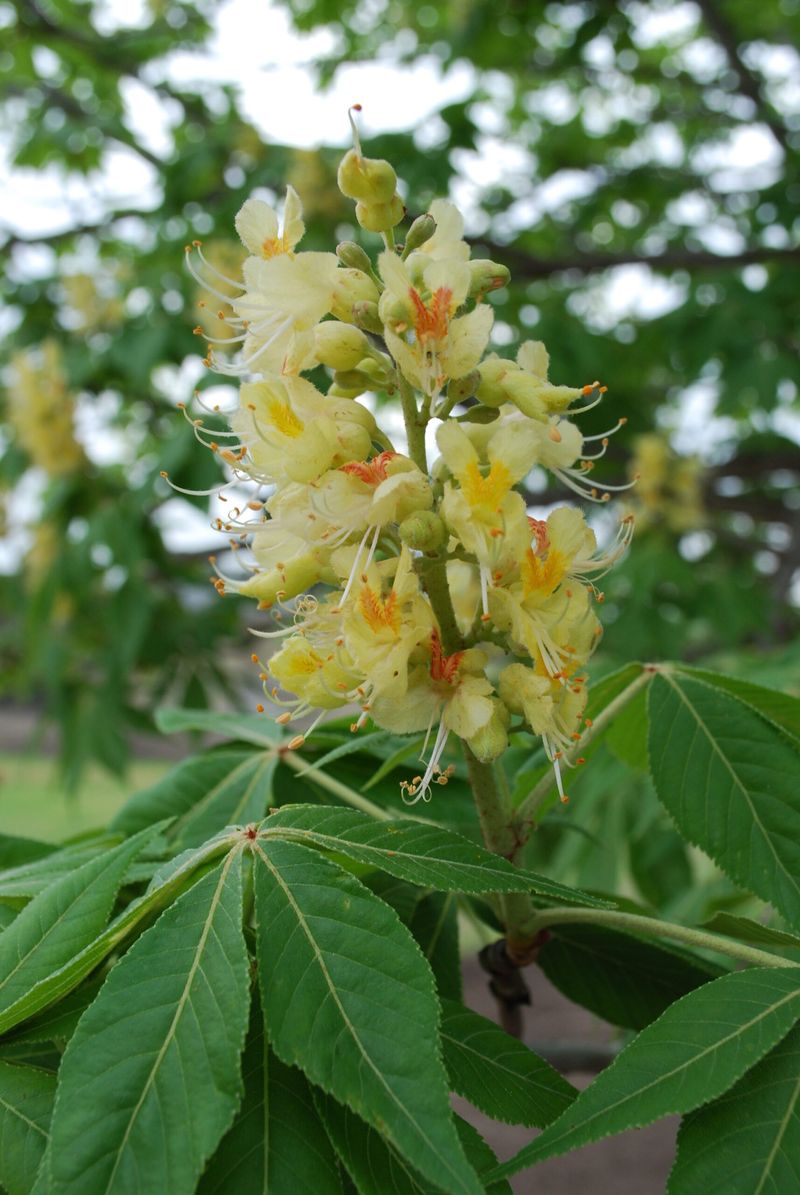
Pale yellow flower clusters appear in mid-spring, offering nectar and pollen to bumblebees and other long-tongued bees. Ruby-throated hummingbirds visit too, which is a sweet treat for anyone watching from a shady porch.
It is one of the first trees to leaf out each spring, with hand-shaped leaves of five leaflets. Sadly, those leaves often brown early from leaf blotch, so the tree can look scruffy by fall.
Safety deserves a mention, since the nuts and young leaves contain toxins that can harm people and pets. Squirrels handle them just fine, but teach children to admire the nuts without ever tasting them.
Ohio buckeye grows in USDA zones 3 through 7 and likes moist, rich soil in sun or partial shade. Most trees reach twenty to forty feet, a manageable size for many suburban and rural yards.
Personally, I think every local waystation should include one, just for the story it tells visitors. Pair it with milkweed nearby, and your garden will celebrate both butterflies and proud hometown roots.