You Can Grow Your Own Tea In New Jersey And It Is Closer Than You Think
Every cup of green, black, white, and oolong tea on earth comes from the same single shrub. I found that fact almost unbelievable the first time I read it.
Even stranger, that shrub is a close cousin of the glossy, flowering bushes already growing in plenty of local yards.
Some varieties shrug off winter lows around -10°F, and tea can now be grown in many parts of the United States, including New Jersey.
I never expected a tea garden could work here, but a sheltered corner of a New Jersey yard, some acidic soil, and a bit of patience matter more than a tropical climate. You build the habit slowly, one leaf at a time.
So what would it feel like to sip a cup you picked, steamed, and dried yourself? The plant might be easier to find than your favorite mug.
That Glossy Evergreen Shrub Behind Your Morning Cup
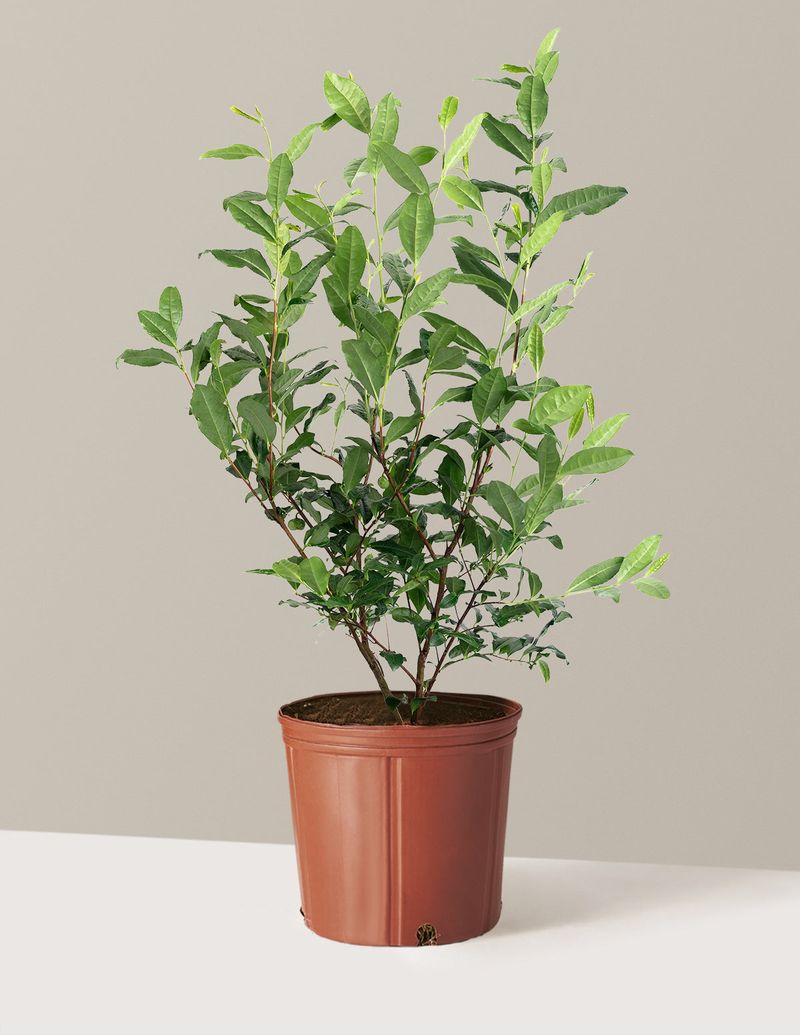
Here is a fun bit of garden trivia. The tea plant is called Camellia sinensis, and it belongs to the same family as the showy camellias sold at many garden centers.
Green, black, oolong, and white teas all come from this one shrub. The difference comes from how the leaves are handled after picking.
Green tea is heated quickly to stop browning, while black tea leaves are rolled and allowed to oxidize until they turn dark.
The plant itself is an evergreen with leathery, toothed leaves that stay green all winter. In fall it opens small white flowers with bright yellow centers, a welcome sight when most of the garden is fading.
Many people assume tea needs steamy jungle weather. In reality, the Missouri Botanical Garden lists it as hardy in USDA Zones 7 through 9, and certain cold-tolerant selections push a little further.
Wild tea plants can grow into small trees over 15 feet tall. Home growers keep them trimmed to waist height, which makes picking easy and keeps the bush full.
So the plant behind your daily brew is not exotic at all. It is a tidy shrub that fits right beside your azaleas and hollies.
Most Garden Zones Here Are Friendlier To Tea Bushes Than You Expect
Grab a USDA hardiness map and you may get a pleasant surprise. Much of central and southern New Jersey, plus the coast, sits in Zone 7, which falls right inside the tea plant’s comfort range.
Northern counties and higher ground in the northwest mostly land in Zone 6. Growers there can still succeed, but they need hardier plants and some extra winter care.
I like to think of zones as a starting point rather than a strict rule. A yard in Zone 6b with a warm brick wall can behave more like Zone 7 in winter.
Choosing the right plant matters just as much. Look for varieties sold for colder regions, such as small-leaf Chinese types (var. sinensis), rather than the large-leaf Assam types grown in India.
The Assam types prefer warm, humid climates and struggle with hard freezes. Some specialty nurseries offer cold-hardy selections that have handled winters well below 10°F. Ask sellers where their plants were grown and how they performed in winter.
Your Louisiana Garden Changes Every Week. Your Plan Should Too.
Gardening in Louisiana changes quickly throughout the season. Every Friday you’ll receive a simple weekly plan showing exactly what to plant, prune, fertilize, harvest, and protect so you never miss the right timing.
Once you match your zone with the right variety, the idea of homegrown tea stops sounding wild. It starts sounding like a weekend project.
Tea Plants Love Acidic Soil And Dappled Shade
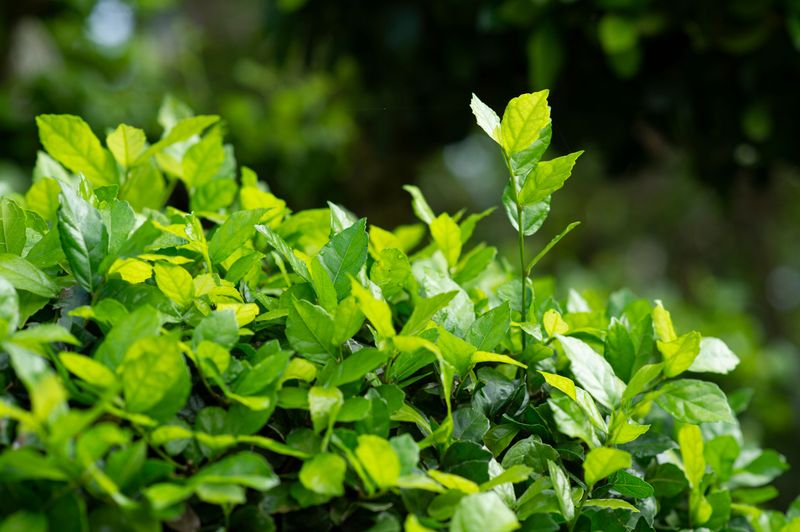
If azaleas and blueberries thrive in your New Jersey yard, you are already halfway there. Tea plants want the same acidic soil, ideally with a pH between about 4.5 and 6.0.
A simple soil test tells you where you stand. Rutgers Cooperative Extension offers affordable testing, and the results come with advice on adjusting pH if needed.
Elemental sulfur can lower pH gradually, but it works slowly over months. Drainage is the other big piece. Heavy clay that stays soggy can cause root rot, so mix in compost or plant on a slightly raised bed.
Light matters too. Tea grows well in full sun farther south, but here partial shade often works best.
Morning sun with protection from harsh afternoon rays keeps leaves from scorching in summer.
Winter sun creates its own trouble. Bright light on frozen leaves can cause browning, so a spot shaded from early morning winter sun helps.
High, open tree canopy is a great setup. Oaks and pines filter the light and drop needles and leaves that slowly feed acidic soil. Add a few inches of pine bark mulch, and your bush will feel right at home.
A Sheltered Wall Can Save Your Tea Shrub From Winter Wind
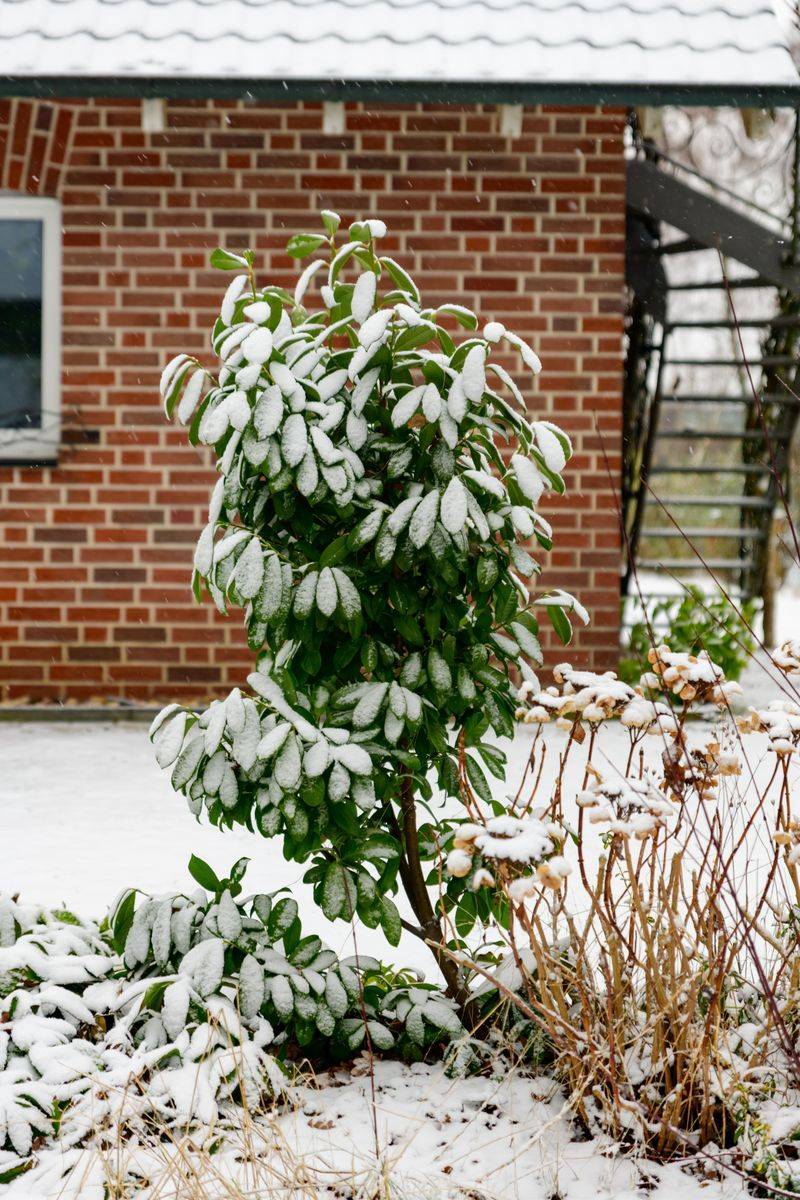
Cold alone rarely causes the biggest winter problems. Dry, howling wind is often the bigger trouble, because it pulls moisture from evergreen leaves while the ground is frozen.
Planting near a house wall, fence, or hedge cuts that wind down a lot. North-facing spots that avoid strong winter sun can also reduce leaf scorch, so watch how light and wind move through your New Jersey yard.
Mulch is your next friend. Spread two to four inches of shredded bark or pine straw over the root zone in late fall, keeping it a few inches from the stem.
Young plants need the most help in their first couple of winters. A loose wrap of burlap on stakes blocks wind without trapping too much heat or moisture. Skip plastic, which can cook plants on sunny days.
Water deeply in late fall before the ground freezes. Plants that go into winter well hydrated handle cold snaps much better.
Expect some leaf browning after a rough winter. Wait until spring growth starts before cutting anything back, because stems that look rough often push out fresh green shoots by May.
Potted Tea Plants Let Northern Gardeners Join The Fun
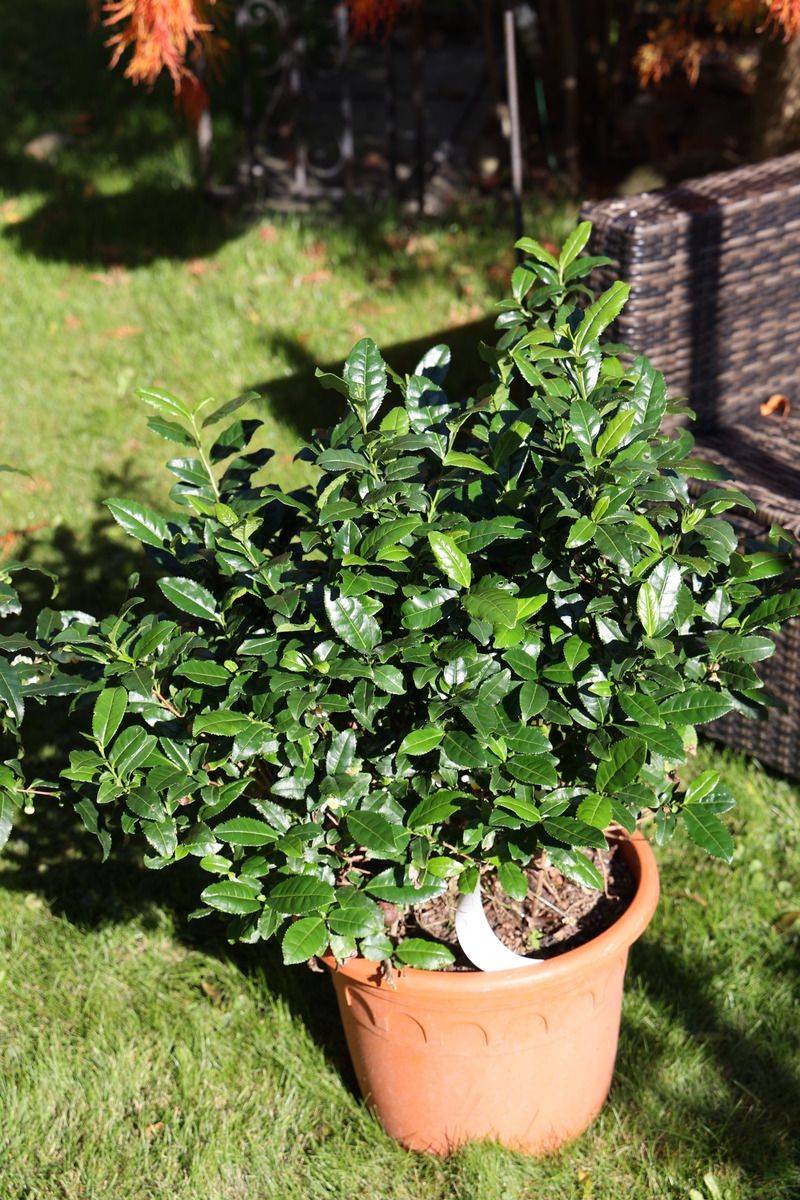
No suitable garden spot? No problem. Tea grows nicely in containers, which gives gardeners in the colder north a flexible option.
Choose a pot at least 12 to 16 inches wide with good drainage holes. Fill it with an acidic potting mix made for azaleas and camellias, since regular mixes can lean too alkaline.
Through spring and summer, your potted shrub can sit on a patio with bright morning light. Check the soil often, because containers dry out faster than garden beds, especially in July heat.
Winter needs a different plan. Roots in pots are far more exposed to cold than roots in the ground. Move the plant to an unheated garage, enclosed porch, or cool sunroom once nights fall into the low 20s.
A cool spot is actually better than a warm living room. Tea likes a winter rest, and indoor heat with dry air can stress it.
Repot every two or three years as roots fill the container. A larger pot means more leaves for picking. With a little hauling back and forth, even small apartment balconies can produce a modest harvest.
Steady Water And Light Feeding Keep Tea Leaves Lush
My best advice here is simple. Keep the soil evenly moist, like a wrung-out sponge, but not soggy.
Young tea plants need regular watering during their first two years while roots spread. Aim for a deep soaking about once a week in dry spells rather than quick daily sprinkles.
Mulch helps hold that moisture through summer heat waves. Tea plants dislike wet feet. Leaves that turn yellow while the soil stays wet often point to poor drainage, not thirst.
Feeding should be gentle. A slow-release fertilizer for acid-loving plants in early spring usually covers what the shrub needs. Some growers add a second light feeding in early summer.
Skip fertilizer after midsummer. Late feeding pushes soft new growth that has no time to harden before frost.
Too much fertilizer can burn roots and brown leaf edges, so follow label rates or use a little less. Compost and leaf mold work well too, adding nutrients slowly while improving soil.
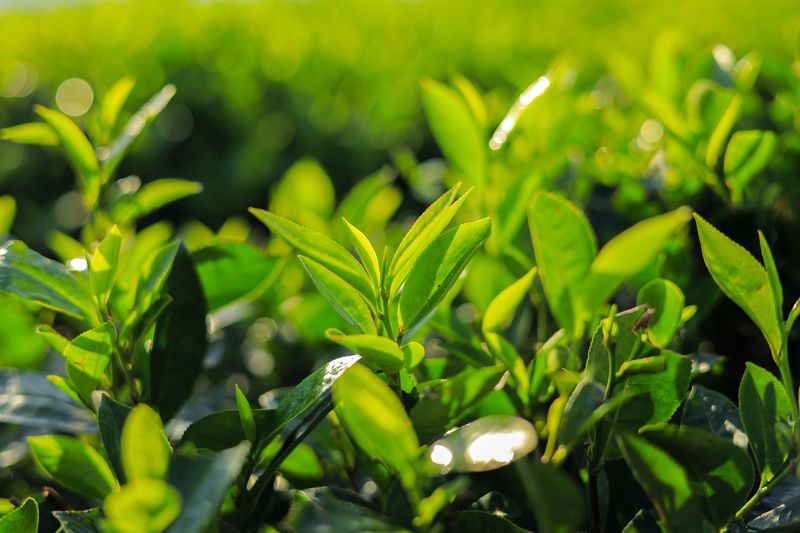
Watch the color of new leaves as your guide. Healthy shoots come in bright, fresh green, which is exactly the tender growth you want to pick.
Pinching Two Leaves And A Bud Is The Classic Tea Harvest
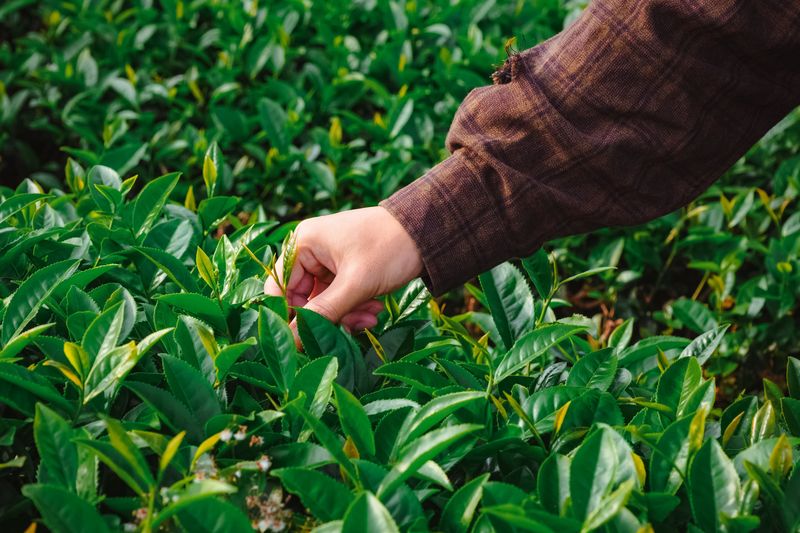
Patience comes first. Most tea plants need about three years before they can handle regular picking, and full production often takes a few more.
Early pruning sets you up for success. Many growers cut young plants back to encourage branching, building a low, bushy shape with lots of shoot tips. Shape the bush in late winter or early spring before new growth starts.
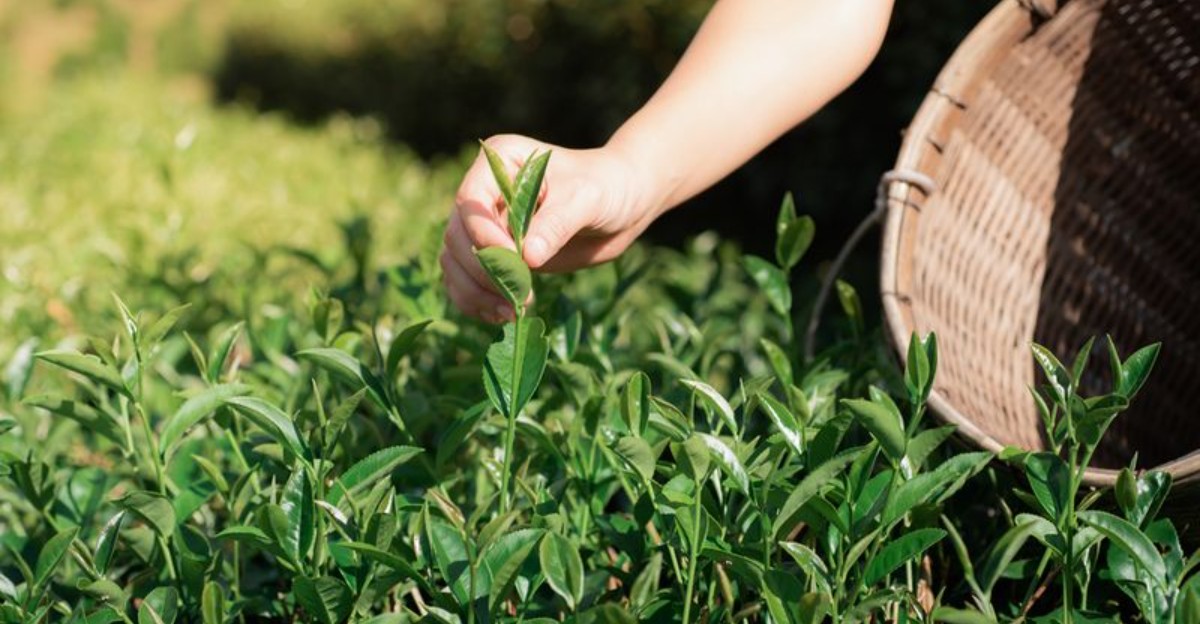
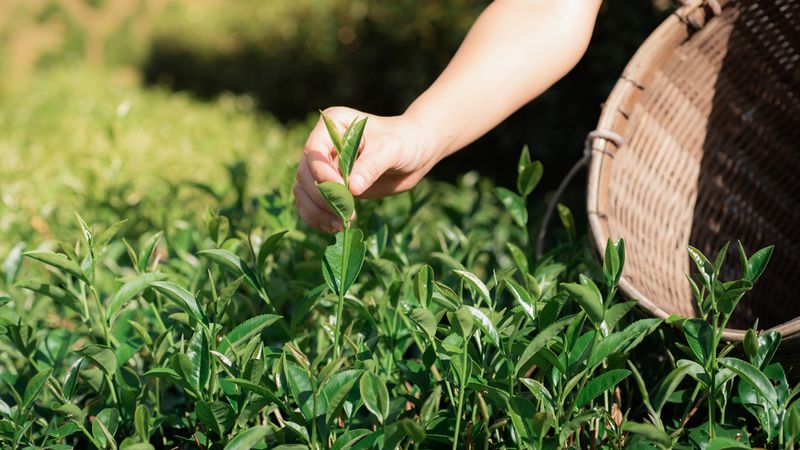
When harvest time arrives, look for fresh shoots in spring. The classic pick is the top two leaves and the unopened bud, snapped off with your fingers.
Picking those tips encourages more side shoots, so the bush keeps producing. Many home growers harvest from spring into summer, then let the plant rest before fall.
Turning leaves into tea is surprisingly easy. For green tea, steam or pan-heat fresh leaves for a minute or two, roll them gently, then dry them in a low oven.
For black tea, roll the leaves until bruised, let them darken for a few hours, then dry them. Your first batch might taste grassy or a little odd. That is part of the fun, and each attempt teaches you something.
Fall Tea Flowers Make Your Patch Worth Starting This Year
Even before your first cup, tea plants give back. In October and November, small white blossoms with fluffy yellow centers appear along the stems, and late pollinators often visit on warm days.
That gives you a handsome evergreen shrub that earns its space year-round. Tea fits easily into foundation plantings, woodland edges, or a row along a fence.
Spring is the best time to plant, giving roots a full season to settle before winter. Early fall also works in milder southern parts of the state if you plant at least six weeks before hard frost.
Pests are usually manageable. Watch for scale insects and aphids on stems and leaf undersides, and wipe or spray them with horticultural oil as directed.
Deer tend to leave tea alone more than many shrubs, though hungry deer may nibble anything.
Start small with one or two plants from a reliable nursery. Keep notes on winter lows, picking dates, and how each batch tasted.
After a few seasons, you will know your plant like an old friend. Few things beat handing a guest a mug and saying the leaves came from right outside.