What The First Hard Frost Means For Pennsylvania Roses
Ice crystals can form between plant cells and quietly pull water out of them, almost like a sponge squeezing itself dry. That hidden process is happening in gardens all over Pennsylvania once nights dip to about 28 degrees for several hours.
I remember the first morning I saw my favorite bush after that kind of cold. The last buds looked like soggy tea bags, and the leaves had gone dark and limp. My heart sank a little, but the plant was tougher than it looked.
The shrub is not giving up. It is switching gears, moving its energy away from flowers and down toward its roots and canes. Shorter days helped start that shift weeks ago.
So what should you do with those droopy blooms and bare stems? Some of the answers might surprise you, and one popular habit could cause more harm than help.
1. Those Blackened Rose Buds Are Sending You A Signal
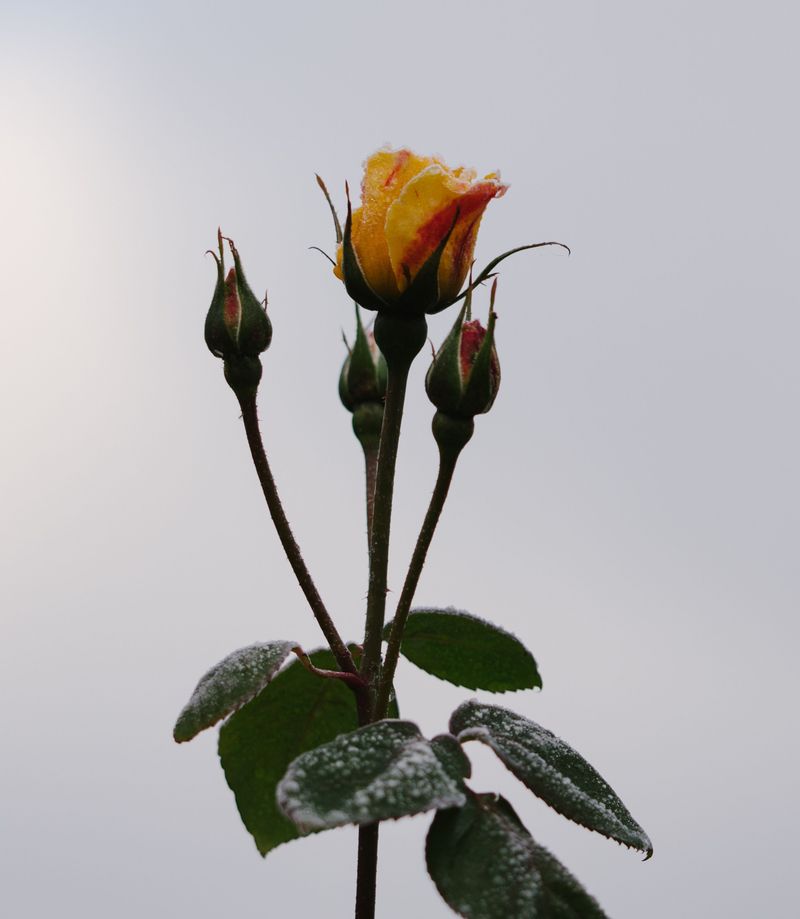
Frosty mornings can make a rose bed look like it lost a fight overnight. Petals turn brown, buds slump, and soft leaves go dark and floppy. It looks rough, but it mostly marks the end of the bloom season, not the end of the plant.
A light frost around 32 degrees usually nips only the tender tips. A hard frost is different. Most garden experts describe it as about 28 degrees or colder for several hours, which is cold enough to freeze water inside soft tissue and stop active growth.
For your roses, that chill is a helpful cue. Shorter days already told the plant to slow down, and the hard frost seals the deal. Energy now moves toward the roots and woody canes, where it gets stored for spring.
Personally, I find it oddly comforting. The woody stems, the roots, and the crown below ground are built to handle cold far better than those delicate blooms. Most hardy shrub roses in our zones 5 through 7 can ride out winter just fine.
So resist the urge to panic or start chopping. The mushy flowers are just the season closing its curtain, and the real work of winter care is about to begin.
2. Hard Frost Means Your Rose Bushes Are Heading Into Dormancy
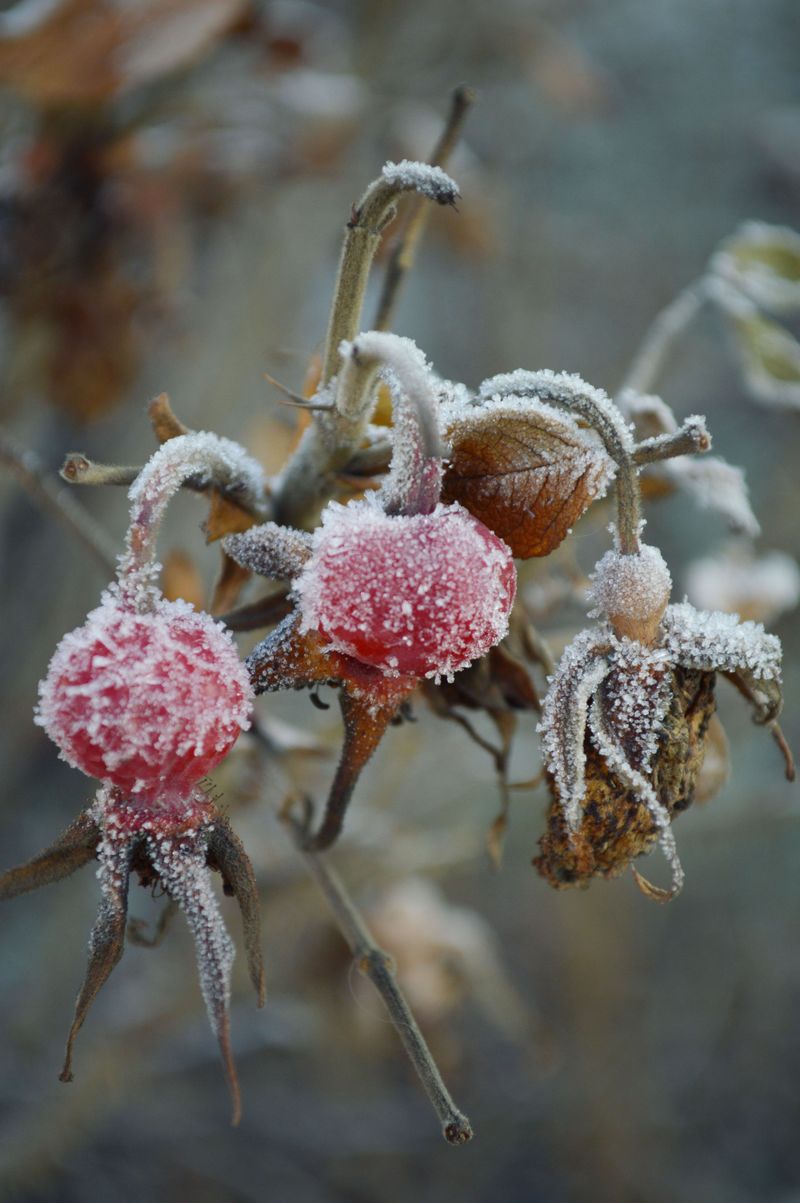
Dormancy is the big answer here. After a hard frost, your rose stops pushing new growth and settles into a winter rest, a lot like a bear tucking in for the season.
That rest is what protects the plant. Tender green shoots freeze easily, while hardened canes handle cold much better. A rose that goes dormant on schedule usually comes back stronger than one tricked into growing late.
You can help that process before frost arrives. Stop feeding your roses about six to eight weeks before your usual first frost date, which for much of the state lands in late summer. Fertilizer late in the year can trigger soft growth that cold air will scorch.
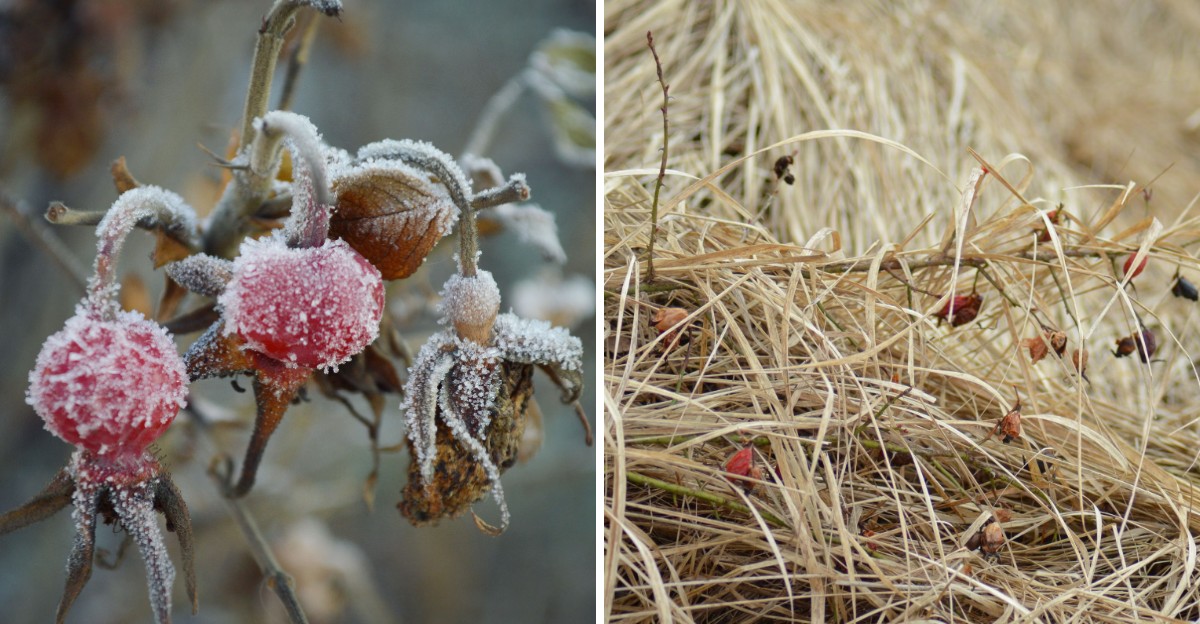
Another easy trick is to quit deadheading in early fall. Letting rose hips form tells the plant it has finished its job for the year.
Your Pennsylvania Garden Changes Every Week. Your Plan Should Too.
Gardening in Pennsylvania changes quickly throughout the season. Every Friday you’ll receive a simple weekly plan showing exactly what to plant, prune, fertilize, harvest, and protect so you never miss the right timing.
Those orange and red hips also look lovely on frosty mornings, and birds sometimes snack on them.
Once the hard frost hits, your rose is basically saying it is ready to sleep. Your job now shifts from helping it bloom to helping it rest safely until warm days return in spring.
3. Wait For Steady Cold Before Covering Rose Canes
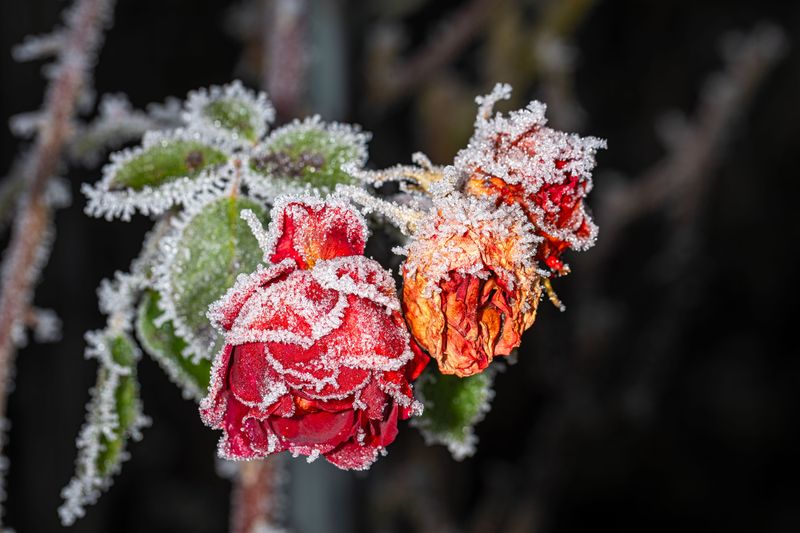
Patience pays off with winter protection. I know the itch to bundle everything up the moment frost shows up, but covering roses too soon often backfires.
Early covers trap warmth and moisture around green leaves. That cozy, damp space is perfect for mold, rot, and fungal trouble. It can also fool the plant into staying active when it should be resting.
A better plan is to wait until you have had several hard frosts and the cold sticks around. Many gardeners across Pennsylvania aim for mid to late November, often near Thanksgiving.
Folks in the warmer southeast may wait a bit longer, while gardeners in the northern tier and higher spots like the Poconos may start earlier.
Watch the ground as much as the air. Many rose growers like to finish protection right as the top layer of soil starts to freeze. That timing helps keep the roots steadily cold instead of bouncing between frozen and thawed.
Keep a simple note in your phone or calendar each year. Write down your first hard frost and when you covered your roses. After a few seasons, you will know your own yard’s rhythm better than any chart can tell you.
4. Give Rose Roots A Deep Drink Before The Ground Freezes
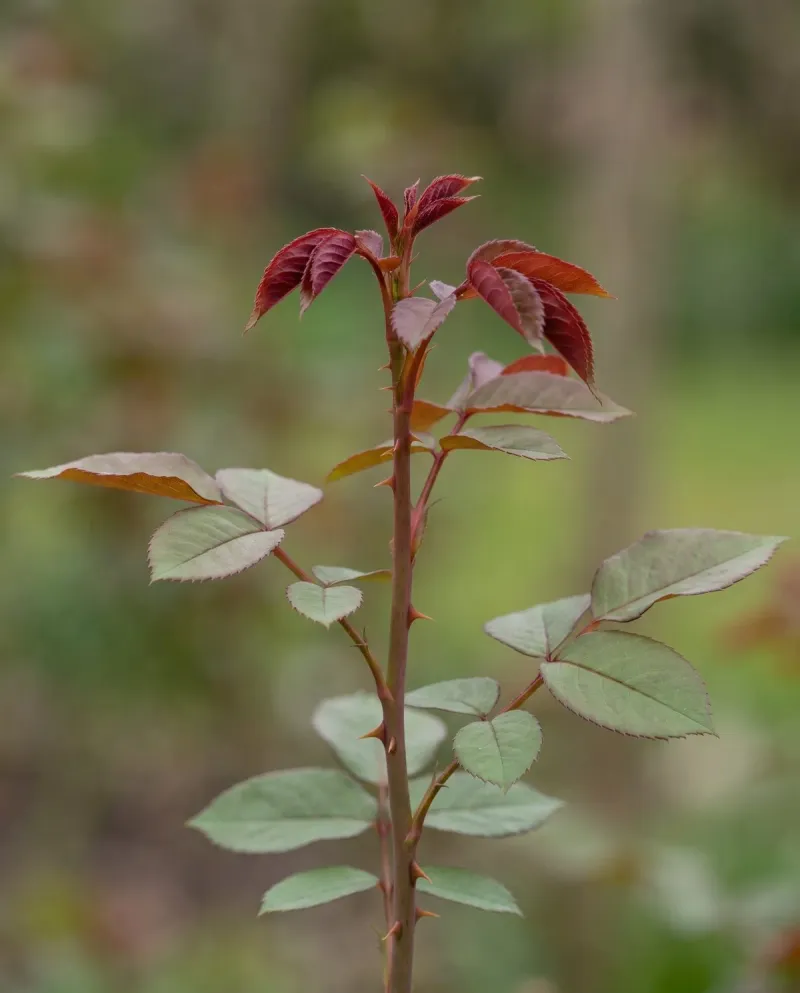
Winter can be surprisingly thirsty for plants. Cold, dry winds pull moisture from canes, and frozen ground keeps roots from grabbing more water.
That is why a deep soak in fall matters. If autumn has been dry, water your roses slowly and thoroughly after the first frost but before the soil freezes solid. Aim the water at the base, not the canes, so it soaks down where the roots live.
Moist soil also holds heat better than dry soil. It acts like a gentle blanket around the root zone, which helps reduce winter injury. Dry roots going into a cold snap are much more likely to struggle.
Skip this step when the soil is already soggy. Pennsylvania falls can be rainy, and waterlogged ground invites root rot. Push a finger a couple inches into the soil first, and only water if it feels dry.
I like to do this on a mild afternoon so the water soaks in before nighttime cold. One or two good drinks in late fall are usually plenty. It is a small chore that gives your roses a real edge heading into the long, chilly months ahead.
5. Raking Up Fallen Rose Leaves Stops Black Spot From Coming Back
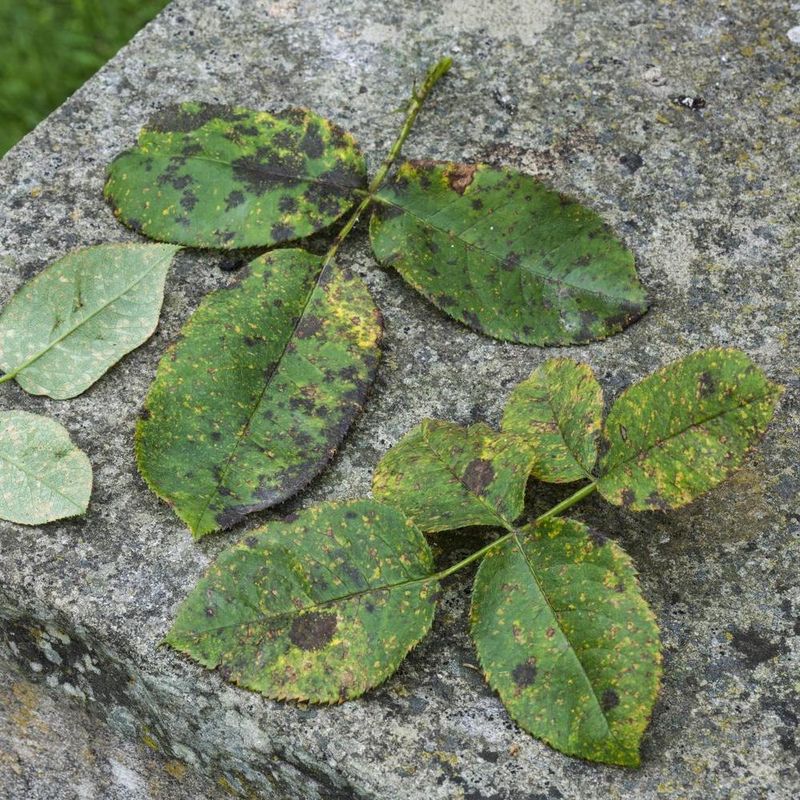
Black spot is sneaky. Those dark, fringed spots on rose leaves come from a fungus that can overwinter on fallen foliage and splash back onto new leaves in spring.
A careful fall cleanup breaks that cycle. Rake up dropped leaves, old petals, and other debris around each bush. Pull off any spotted leaves still clinging to the canes too.
Bag diseased material or put it in the trash instead of your compost pile. Home compost piles often do not get hot enough to reliably break down fungal spores. Tossing them keeps trouble out of your garden next year.
A clean bed also gives fewer hiding spots for some insects and their eggs. Penn State Extension and many rose growers point to good sanitation as one of the easiest ways to cut down on disease without extra sprays.
Fun fact for curious gardeners: black spot was described by scientists back in the 1800s, and it still troubles rose lovers around the world today.
Your rake might be one of the best defenses you own. It takes maybe twenty minutes, and your spring roses will look much happier for it.
6. Mounding Compost Over The Rose Bud Union Protects The Graft
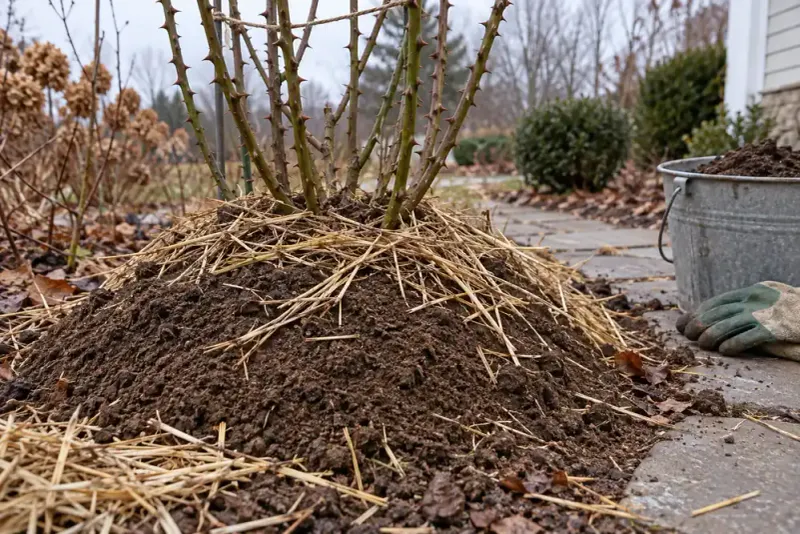
Grafted roses have a weak spot. The knobby bump near the base, called the bud union, is where the fancy variety was joined to tougher rootstock. If that spot freezes badly, the top variety can suffer, and suckers from the rootstock may take over.
Mounding is a classic fix. Pile about 10 to 12 inches of compost, clean garden soil, or a mix of both around the base, covering the bud union. Bring this material in from somewhere else.
Do not scrape soil from around the rose itself to build the mound. That exposes roots right when they need cover most. A few bags of compost or a wheelbarrow of soil from another bed work nicely.
The mound helps buffer the crown from sharp cold and repeated freeze and thaw cycles. In spring, once hard frosts are past, you will gently pull it away.
Own-root roses and many hardy shrub types do not have a graft and often need less fuss. Still, a smaller mound can help young plants in colder parts of the state. Check your plant tag if you are unsure which kind you have.
7. Straw And Shredded Leaves Make A Snug Winter Rose Collar
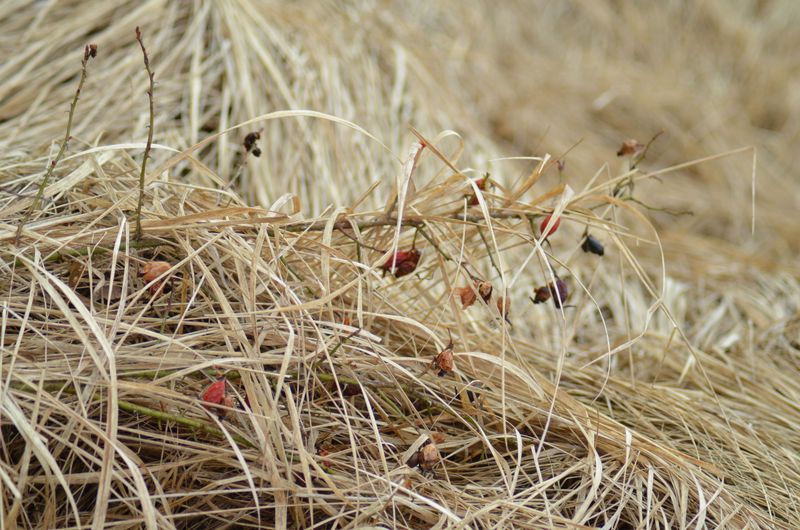
Think of this step as a second blanket. Once your soil mound is in place and the ground starts to freeze, a layer of straw, shredded leaves, pine needles, or bark mulch adds extra insulation.
The goal is steady cold, not warmth. Pennsylvania winters love to swing between frigid nights and mild, sunny days. Those swings can heave roots and crack tissue, so keeping the soil evenly frozen helps a lot.
For tender hybrid teas or roses in windy, exposed spots, a wire mesh collar works well. Wrap a ring of hardware cloth or chicken wire around the plant, then fill it loosely with dry leaves or straw. It keeps the insulation from blowing away.
Foam rose cones are another choice, but use them carefully. They can trap heat on sunny days, so many growers cut vent holes near the top and only place them once it stays cold.
I enjoy using my own fallen oak or maple leaves for this. Shred them with a mower first so they do not mat into a soggy layer. It costs nothing, and your yard waste gets a useful second job all winter.
8. Climbing Roses And Potted Roses Need Their Own Winter Plan
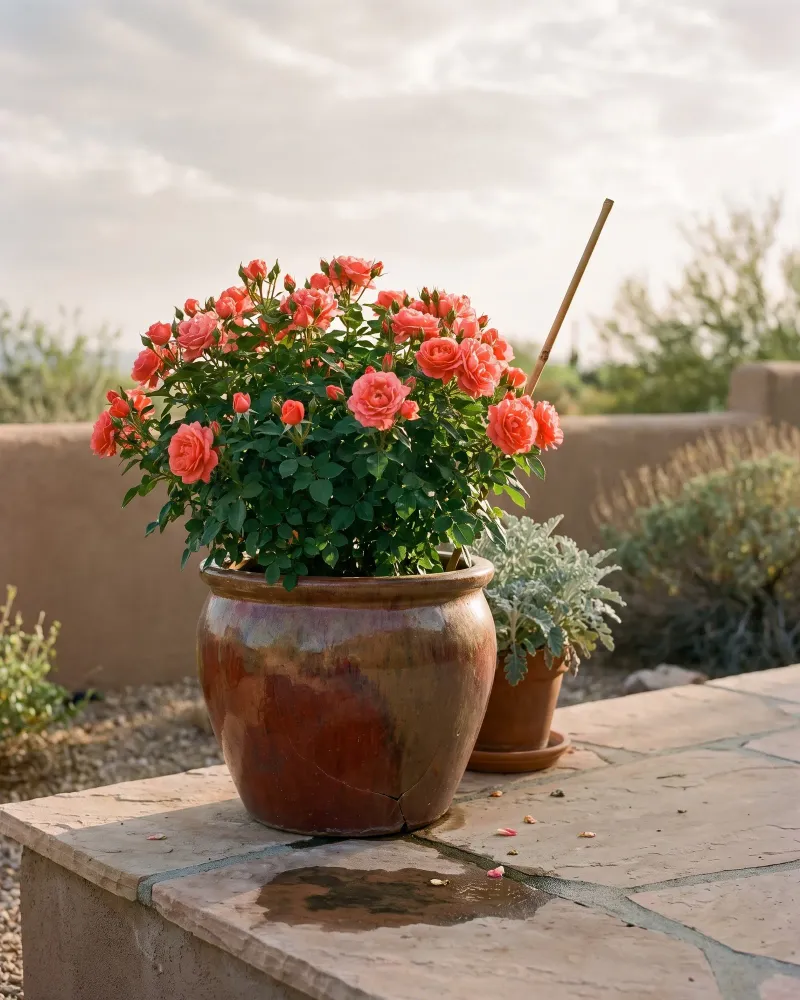
Climbers and container roses play by slightly different rules. Their canes and roots sit more exposed, so a little extra planning goes a long way.
For climbing roses, tie the long canes loosely to their trellis or fence so winter winds do not whip and snap them. Save heavy pruning for spring.
In the coldest parts of the state, some gardeners even lower the canes to the ground and cover them with soil or leaves, though that takes care and flexible stems.
Potted roses face a bigger challenge. Roots in a container get much colder than roots in the ground. After a few hard frosts, move the pot into an unheated garage, shed, or cool basement where it stays chilly but not bitterly frozen.
Check on stored pots about once a month. Give a small drink if the soil feels dry, but do not keep it wet.
Then comes the fun part. When spring warms up, pull back mulch slowly, prune off winter-damaged wood, and watch for fresh red shoots. That first flush of new growth is the best proof your winter work paid off.