Birds Need Water In Winter Too. Here’s How To Keep A Birdbath From Freezing In Virginia
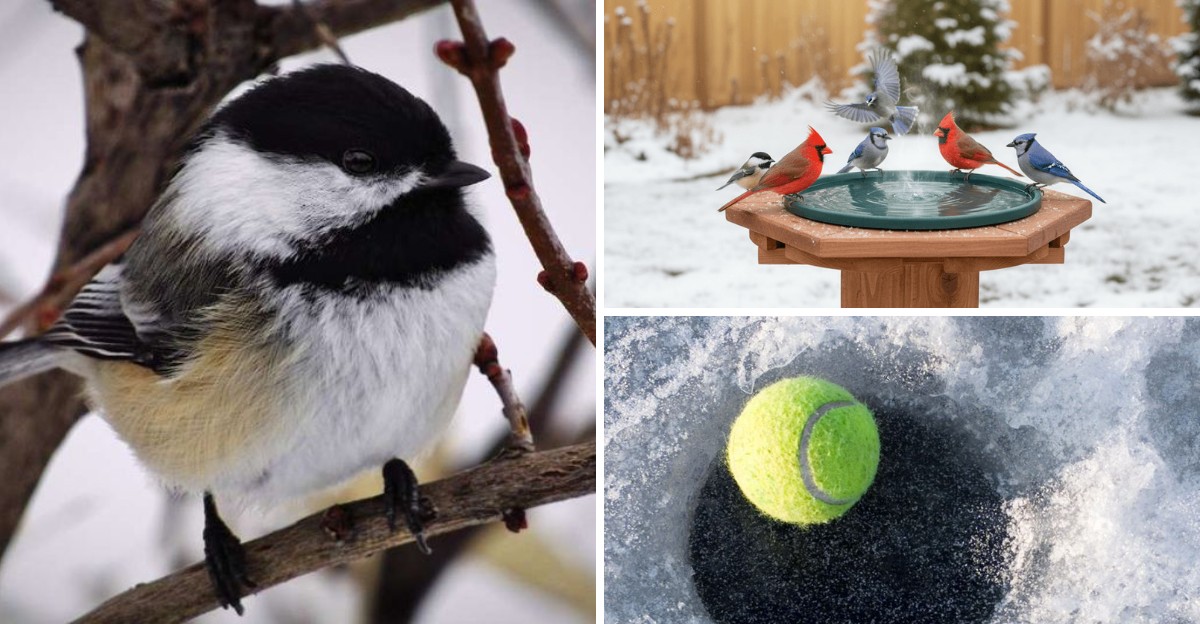
A chickadee weighs less than half an ounce, yet it can lower its body temperature at night to save energy on frosty winter evenings. That tiny bird is running a nonstop heating system, and fuel is not the only thing it needs.
Water matters just as much. When ponds and puddles lock up with ice, birds often turn to snow, and melting it inside their bodies burns precious calories. I can’t imagine eating a snowball every time I got thirsty in January.
Here in Virginia, winter can swing from mild afternoons to hard overnight freezes, sometimes in the same week. Mountain yards in the west may stay icy for days, while coastal gardens thaw by lunch. You need a plan that handles both moods.
Personally, I think a sparkling patch of open water is the best winter gift a backyard can offer. So why does one little dish attract so many visitors when the air turns bitter?
Those Shivering Chickadees Are Burning More Than You Realize
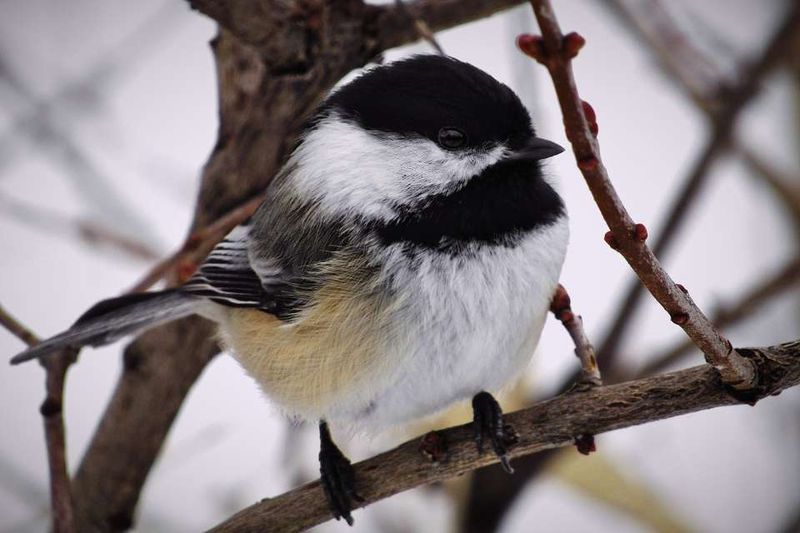
Birds stay warm in a clever but costly way. They puff out their feathers and shiver their flight muscles, which produces heat but uses a lot of energy.
Every calorie counts on a cold night. When natural water sources freeze, birds may eat snow or peck at ice, and warming that frozen water inside their bodies costs energy they would rather save for staying warm.
Drinking is only half the story. Feathers work like a puffy winter coat, trapping warm air close to the skin.
To do that job well, they must be clean, fluffed, and neatly lined up.
Bathing helps birds keep those feathers in top shape. After a quick splash, they preen, using their beaks to straighten each feather and spread oil from a gland near the tail.
Messy, matted feathers leak heat fast.
So an open birdbath does two big jobs at once. It offers a drink without the snow-melting penalty and gives birds a place to tidy up their insulation.
Carolina chickadees, tufted titmice, and northern cardinals stay in Virginia all winter, so they rely on whatever water they can find. Your little basin of liquid water can make their daily routine much easier during a long cold spell.
A Heated Birdbath Keeps Water Open All Winter Long
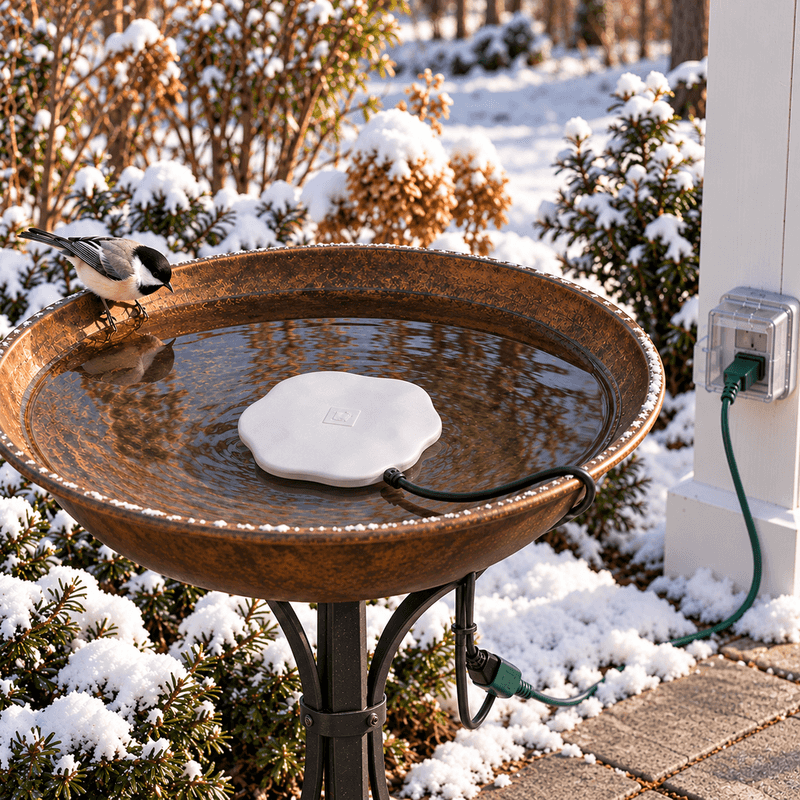
Want the most reliable answer? A heated birdbath or a submersible de-icer is the surest way to keep water liquid through a hard freeze.
You have two main choices. All-in-one heated baths have a warming element built into the basin, while de-icers sit inside a bath you already own.
Look for a thermostat on the label. Thermostatic models switch on only when temperatures drop near freezing and shut off when it warms up, which keeps your electric bill reasonable.
Low wattage is plenty. Many bird-safe heaters fall roughly between 50 and 150 watts, and their goal is simply to keep water from icing, not to make it warm like a hot tub.
Safety comes first with anything electric outdoors. Plug the unit into a GFCI-protected outdoor outlet, and use an outdoor-rated extension cord if you need extra reach.
Keep connections off the ground and out of puddles.
If your outdoor wiring is old or you feel unsure, call a licensed electrician before winter arrives. I like to set up my heater in November, before the first serious freeze.
That way the birds learn early that your yard is a dependable stop.
Your Birdbath Loves A Sunny Spot Out Of The Wind
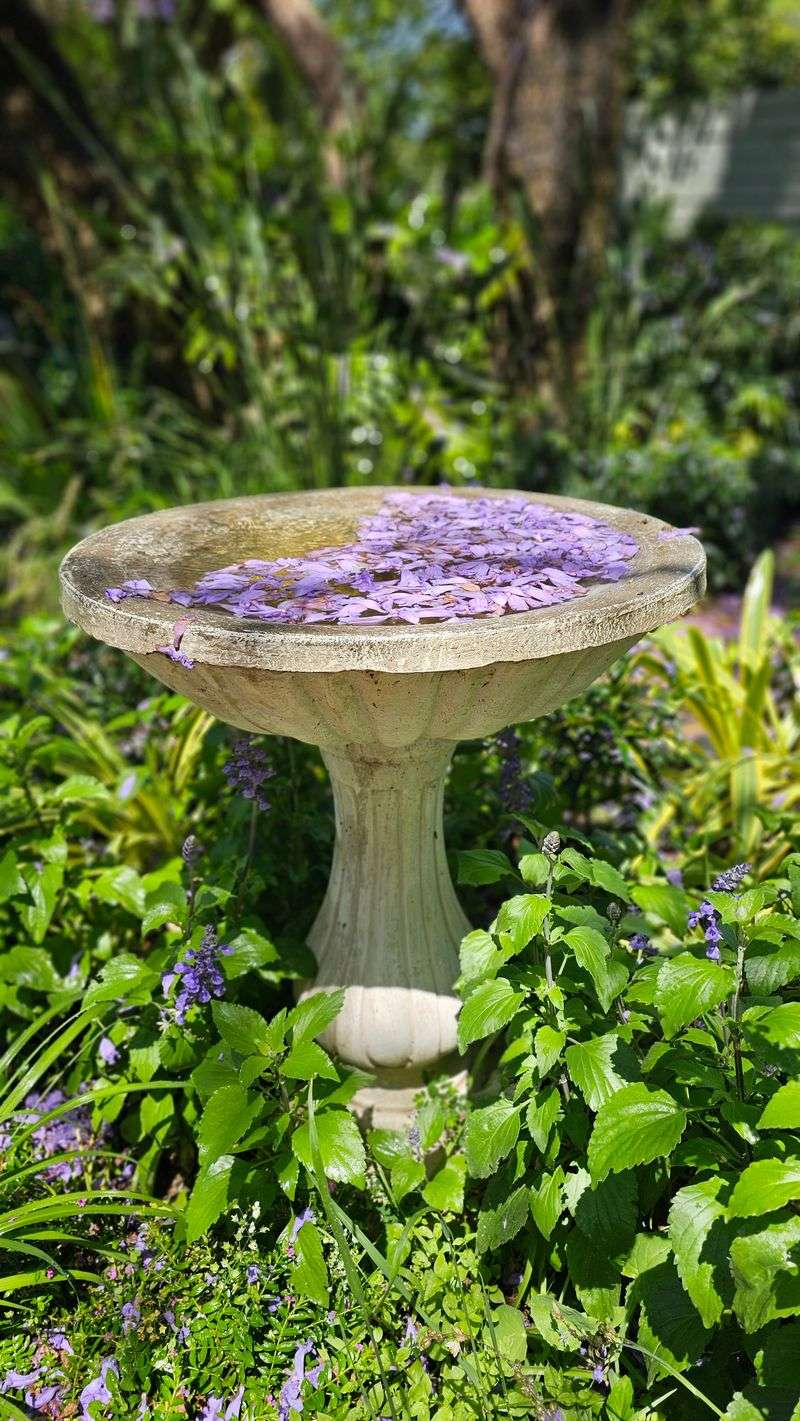
Location is free, and it works harder than most people expect. No cord?
No problem, because a smart spot can slow freezing by hours.
Start by following the sun. In winter the sun sits low in the southern sky, so a south-facing area usually gets the most warmth during the day.
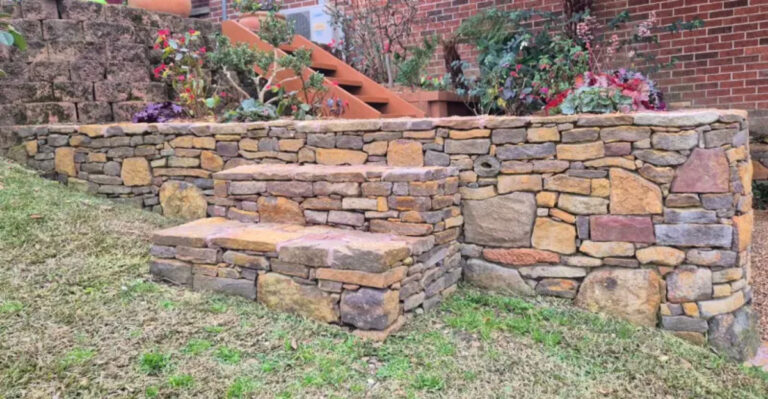
A sunny wall can help too. Brick and stone soak up heat and release a bit of it nearby, giving your basin a small boost on chilly afternoons.
Wind is the sneaky enemy here. A cold breeze pulls heat away from the water surface and speeds up ice, so tuck the bath near a fence or a row of dense evergreen shrubs.
Native evergreens like American holly or eastern red cedar make excellent windbreaks. They also give birds a safe place to hop to if a hawk shows up.
Keep the bath about 10 feet from thick cover, though. That distance lets birds escape quickly but gives sneaky cats less room to hide.
A pedestal also keeps the basin off the frozen ground. Small tweaks like these add up, especially in milder parts of the state where daytime sun often melts things fast.
Fresh Warm Water Gives Your Morning Birdbath A Head Start
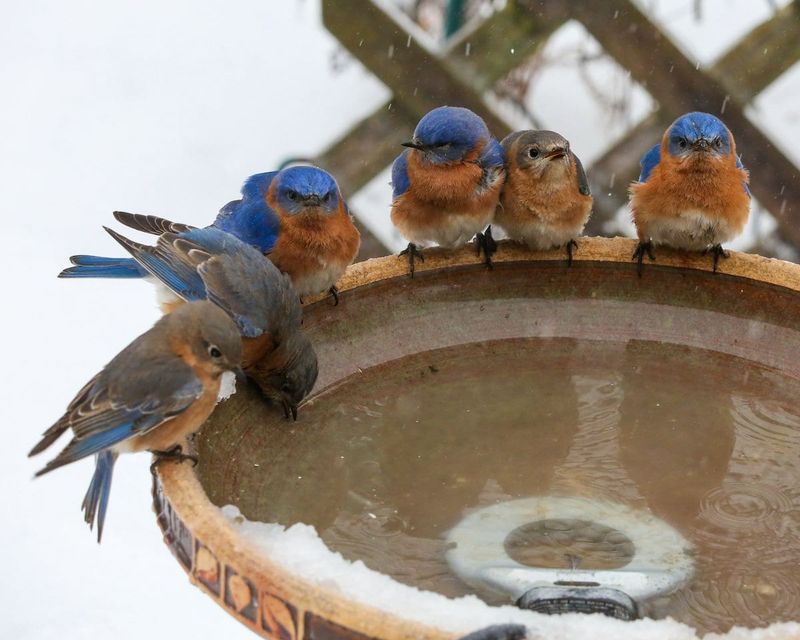
My winter mornings start with a quick trip outside, coffee in one hand and a watering can in the other. It takes about two minutes, and the birds notice right away.
First, pop out any ice. Flexible plastic basins let you flip the ice disk out easily, while sturdier bowls may need a gentle tap from below.
Next, refill with lukewarm tap water. Skip boiling water, because a sudden temperature jump can crack glass, ceramic, or concrete.
Warm water will not stay liquid forever on a frigid day. Still, it buys birds a few extra hours of drinking time during the busiest morning feeding rush.
Clean water matters just as much in winter. Birds crowd together around scarce water, and dirty baths can spread illness.
Give the basin a scrub about once a week with a stiff brush. Plain hot water often does the job, or use a diluted mix of one part vinegar to nine parts water, then rinse well.
Avoid soap and harsh cleaners entirely. A few dark-eyed juncos will likely be waiting for you by the time you finish, so you get instant thanks.
Salt And Antifreeze Have No Place Near A Birdbath
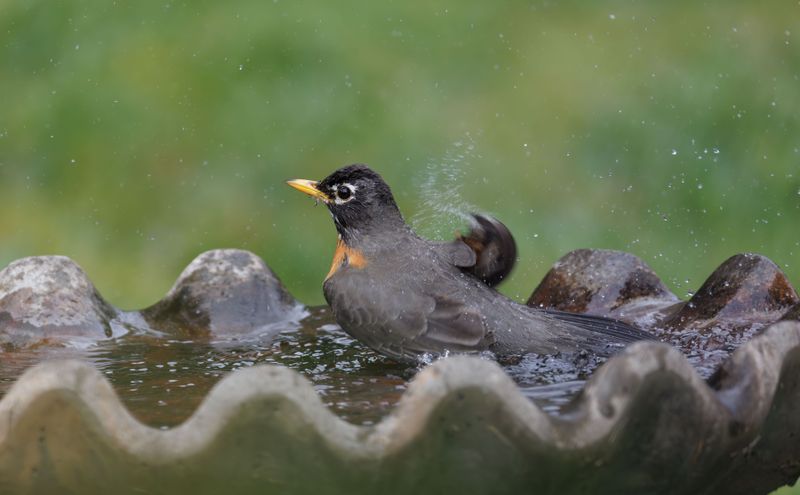
Some winter shortcuts can seriously hurt birds. Salt, antifreeze, and glycerin top the list of things to keep out of the water.
Salt might stop ice, but it makes water unsafe to drink and can dry out tiny bodies. Antifreeze is even worse, because ethylene glycol is highly toxic to birds, pets, and people.
Glycerin sounds harmless, yet it can coat feathers. Sticky, matted plumage loses its insulating power, leaving a bird cold and struggling.
Watch what happens around the bath too. Road salt and chemical de-icers from walkways can splash or drain into a nearby basin, so place the bath well away from treated paths.
Bare metal deserves a quick mention. Some experts warn that wet feet could stick to icy metal, so unheated metal baths are best avoided during deep freezes.
When in doubt, keep it simple. Plain water, a safe heater, and steady care beat any chemical trick.
Eastern bluebirds often visit winter baths in Virginia, and seeing their bright backs at clean water feels like a reward. Protecting them is worth a few extra steps each morning.
A Floating Ball Or Solar Bubbler Can Slow The Ice
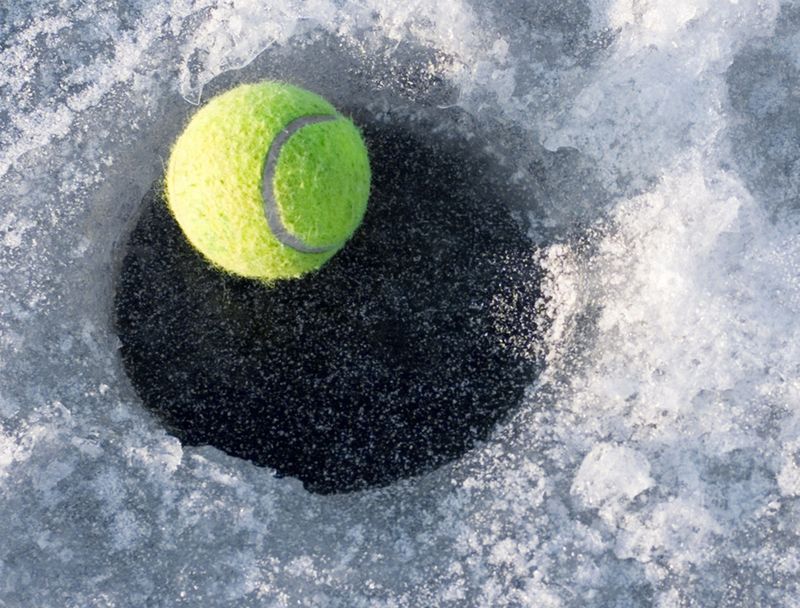
A ping-pong ball might seem like a silly winter tool. Toss one into the birdbath, though, and the wind starts nudging it around the surface.
That bobbing motion disturbs the water just enough to slow ice from forming a solid sheet. It will not beat a hard freeze, but it can help on borderline days.
Tennis balls and corks work too. Choose something light that moves easily in a breeze, and keep it small so birds still have room.
Moving water often stays open longer than still water. Small solar fountains, bubblers, and drippers add ripples that also catch birds’ eyes and ears.
Many birds seem drawn to sparkle and the sound of trickling water. A gentle drip can bring curious visitors like tufted titmice and winter wrens close for a look.
Read the label before buying, though. Many small pumps are not built for freezing weather, and ice can crack them, so bring them inside on the coldest nights.
Winter sun is weaker too, so solar units may run slower. Think of these tricks as helpful extras that pair nicely with a heater or a sunny location.
Sturdy Plastic And Dark Basins Handle Freezing Better Than Concrete
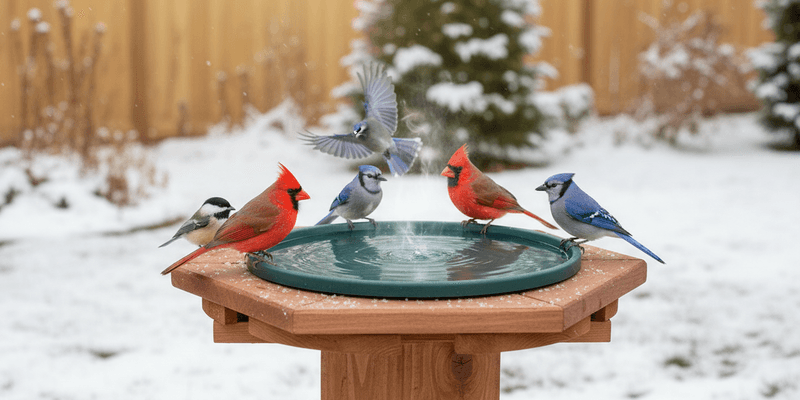
Ever found a pretty birdbath split down the middle after a cold snap? Water expands by roughly 9 percent when it freezes, and that pressure can crack many materials.
Concrete, glazed ceramic, and glass are lovely in summer. In winter, they are much more likely to crack if water freezes inside them.
Plastic and resin baths flex instead of breaking. They are also light, which makes it easy to dump out ice or bring them in during brutal weather.
Color makes a difference too. Darker basins absorb more sunlight, warming the water slightly during the day and slowing ice on sunny afternoons.
Try adding a few flat, dark stones to the bottom. They soak up heat and give small birds a nonslip place to stand.
Keep the water shallow, about one to two inches deep. Birds prefer shallow water for bathing, and a lower level leaves room for ice to expand.
Planning to store a fancy ceramic bath until spring? Empty it, dry it, and turn it upside down or move it indoors.
Your garage becomes its winter vacation spot while a tougher basin takes over outside.
Watch For Robins And Bluebirds At Your Open Winter Water
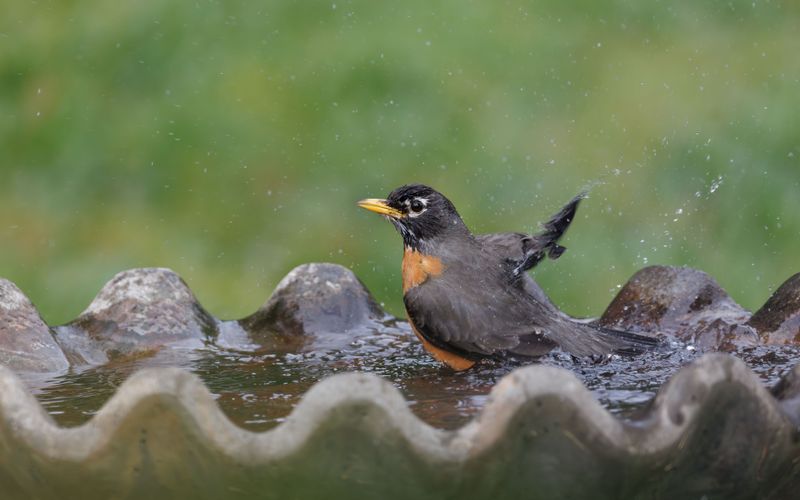
Here comes the fun part. Once your birdbath stays open, the winter guest list can grow quickly.
American robins surprise many people. Plenty of them spend winter in Virginia, traveling in flocks and eating berries, and they often crowd around open water.
Eastern bluebirds, cedar waxwings, white-throated sparrows, and yellow-rumped warblers may join them. Even birds that skip your feeders, like robins and waxwings, will stop for a drink.
Consistency builds trust. Once birds learn your bath stays open, they often come back again and again, so try to keep water available all season.
Pair the bath with native plants for a full winter buffet. Winterberry holly, American beautyberry, and eastern red cedar offer berries and shelter.
Take a moment to join a community science project too. Programs like Project FeederWatch and the Great Backyard Bird Count each February welcome backyard observers.
Your notes help scientists track how birds handle cold weather. I keep a small notebook by the window, and it turns gray mornings into a treasure hunt.
One open basin can bring color and motion to a quiet yard. Set it up now, and see who arrives.