How To Plan Next Year’s Vegetable Garden Before A Virginia Winter
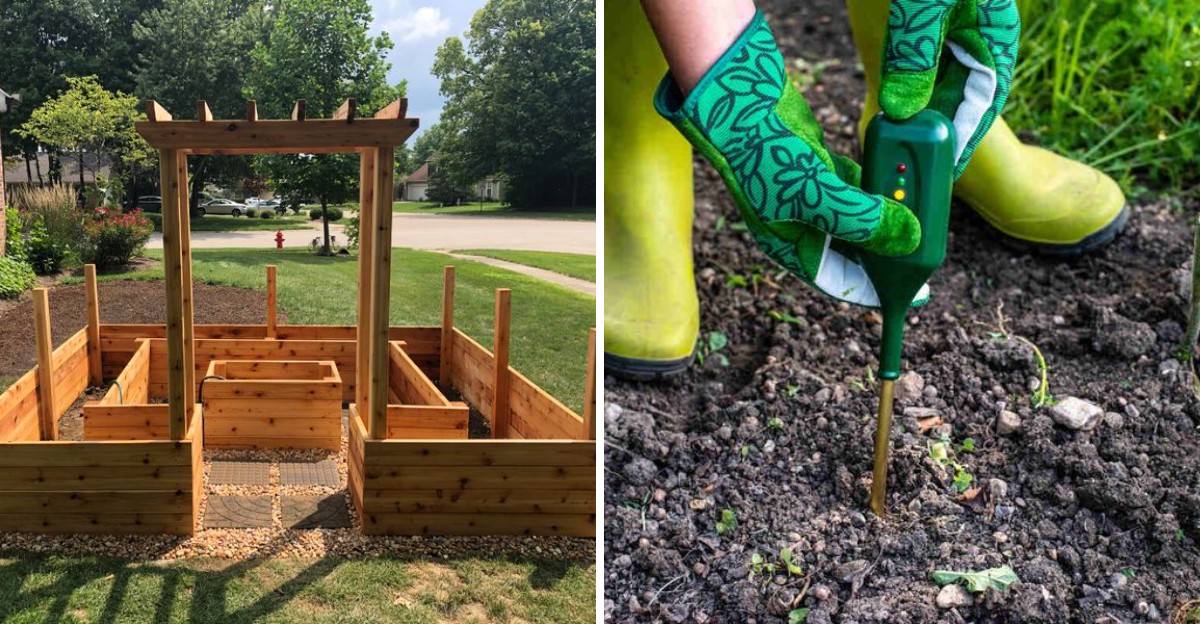
Your garden just finished its summer marathon, and honestly, it looks a little winded. The tomato cages are leaning, the bean vines are crispy, and that one zucchini plant that tried to take over the yard is finally calling it quits. (Good riddance, buddy.)
Plenty of Virginia gardeners would rather curl up with a blanket than think about next year. Fair enough!
But right now, while the wins and flops are still fresh in your mind, is a sneaky smart time to start planning.
Remember which peppers went wild? Which spot baked in the afternoon sun?
That kind of info tends to vanish by March.
A few cozy planning sessions this fall can turn next spring into a smooth ride instead of a scramble. So pour some cider and let’s get scheming.
1. Review What Grew Well In Your Virginia Beds
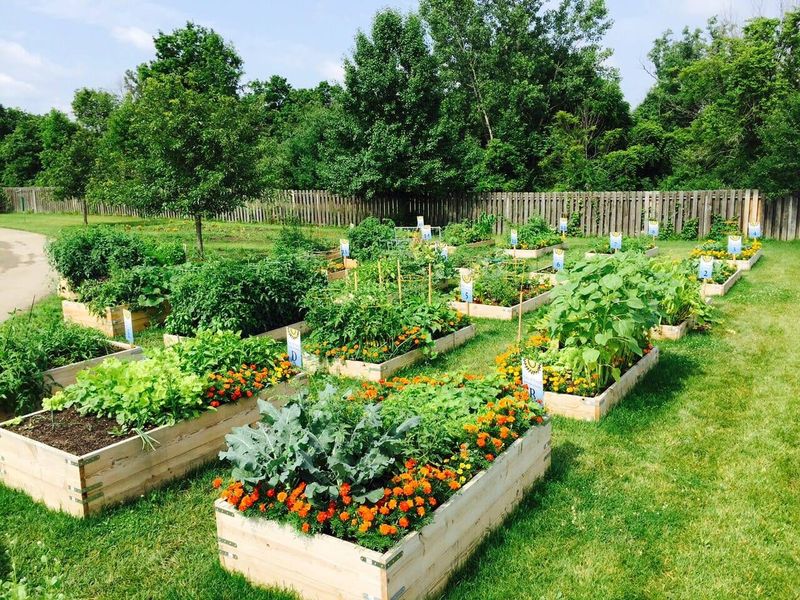
Every garden keeps a secret diary, and fall is when you get to read it. Walk your rows with a notebook and write down what thrived and what struggled.
Think about your zucchini, beans, and peppers. Did one variety give you baskets of food while another sulked all summer?
Virginia summers can swing from steamy to dry, so note which plants handled the heat best.
Write down pest troubles too. If squash bugs showed up in July, mark the date so you can watch for them earlier next year.
Small details like these turn into big wins later.
Snap a few photos before you clean up. Pictures help you remember plant sizes, crowded spots, and areas that got too much shade.
You may be surprised how much you forget by March.
Here is a fun idea. Give each crop a simple grade from A to F, just like a report card.
Plants with an A earn a spot next year, while a D might need a new variety or a new location.
Many longtime growers keep garden journals for decades. Some even track first frost dates year after year, which builds a helpful local record.
Your notes will become your best guide, written by someone who knows your yard better than any book.
2. Test Your Soil Before The Ground Freezes
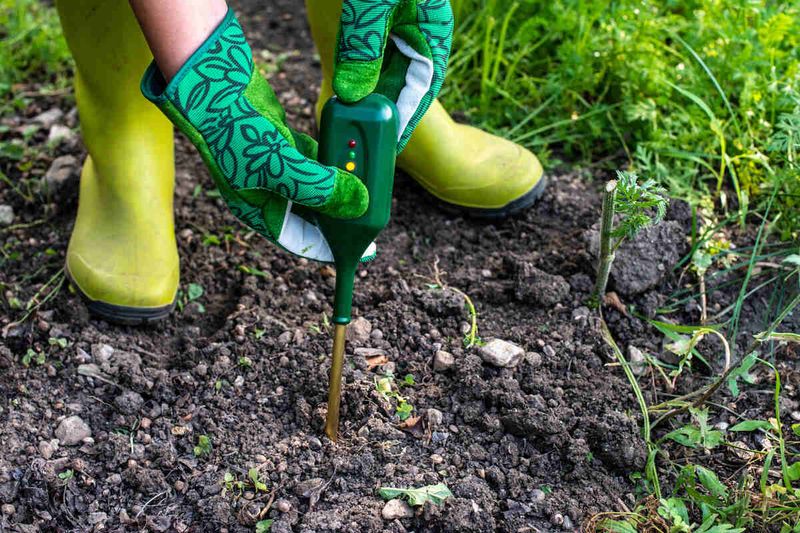
Dirt might look plain, but it is packed with clues. A soil test tells you what your garden is hungry for before you spend money on fertilizer.
Much of Virginia has red clay that tends to lean acidic. Vegetables usually like a pH between 6.0 and 6.8, so knowing your number matters.
Fall testing gives you time to fix problems slowly.
Virginia Cooperative Extension offers soil test kits through local offices. You simply dig small samples from several spots, mix them, and mail a portion in the sample box.
Results usually arrive within a couple of weeks.
Once you have the report, follow its advice. Lime raises pH, but it works slowly, so adding it in fall helps it settle in by spring.
Waiting until April often means your plants miss out.
For a tilled vegetable garden, take samples from the full layer you work, which is typically around six inches deep. VCE’s sampling instructions list the right depth for each type of planting, so check them before you dig.
Your Virginia Garden Changes Every Week. Your Plan Should Too.
Gardening in Virginia changes quickly throughout the season. Every Friday you’ll receive a simple weekly plan showing exactly what to plant, prune, fertilize, harvest, and protect so you never miss the right timing.
Skip spots where you recently dumped fertilizer, because they can throw off your results.
Dry, crumbly soil is easiest to send.
Fun fact time. Clay soil holds nutrients well, even though it can feel sticky and stubborn.
With a little care, that heavy earth can grow wonderful vegetables. Think of the test as a checkup for your garden, giving you a clear plan instead of guesses.
3. Sketch A Crop Rotation Map For Your Plot
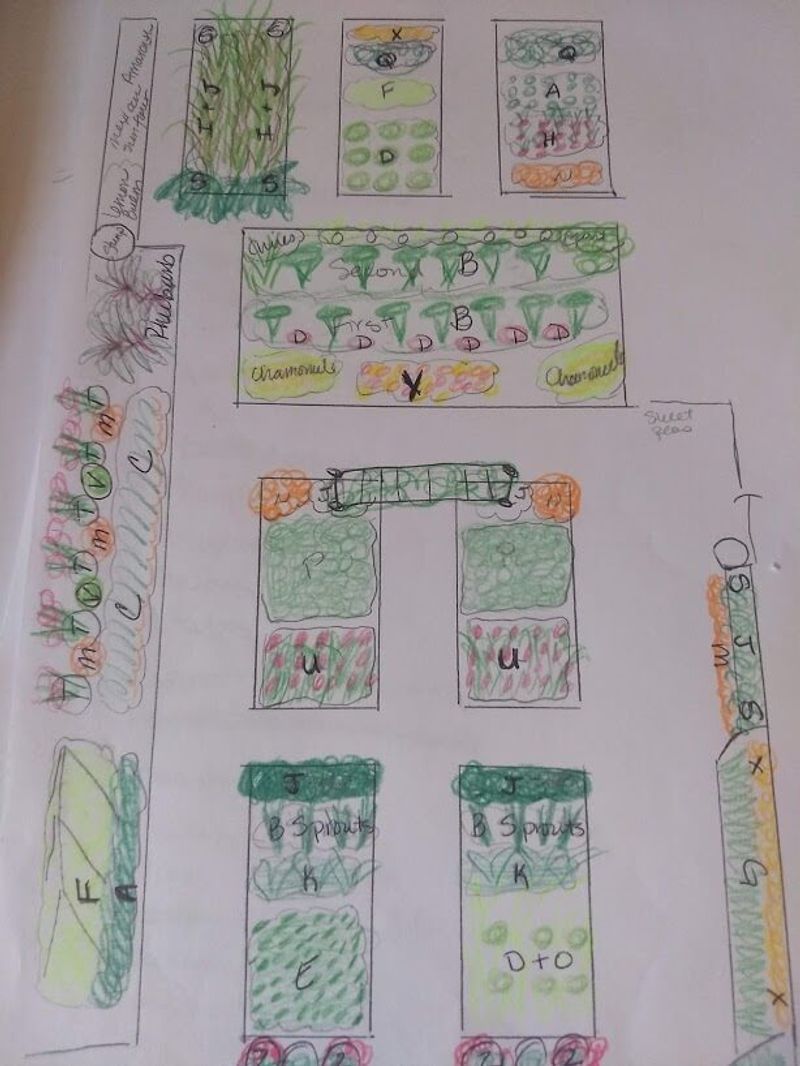
Grab some graph paper and channel your inner architect. Drawing your garden layout now makes spring planting feel easy and organized.
Crop rotation means moving plant families to new spots each year. Tomatoes, peppers, and eggplants belong to one family, so they should not share the same bed two years in a row.
Rotating helps reduce soil diseases and pests.
Gardeners in Virginia deal with humid weather that can encourage problems like early blight. Moving your tomatoes even a few feet can help.
A three or four year rotation works well for most home plots.
Group crops into simple categories. Try leafy greens, fruiting plants, root crops, and beans or peas.
Beans add nitrogen to soil, so planting heavy feeders like corn after them is smart.
Color code your map for quick reading. Green for greens, red for tomatoes, orange for carrots, whatever makes sense to you.
Keep old maps so you can look back at past seasons.
Farmers have rotated crops for thousands of years. George Washington himself experimented with rotation at Mount Vernon, testing different plans on his fields.
You are following a pretty famous tradition. A simple sketch today can prevent a lot of frustration next summer.
4. Plant A Cover Crop To Protect Garden Soil
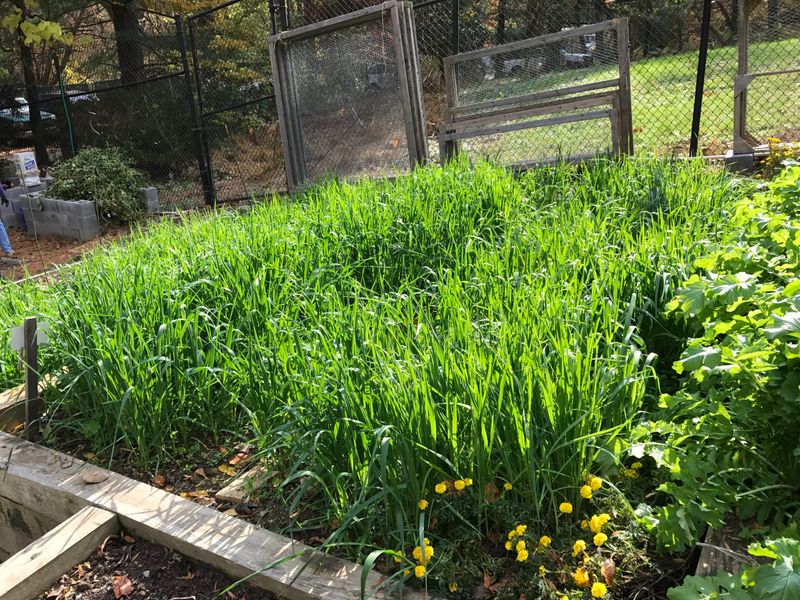
Bare soil in winter is like leaving your front door open in a storm. Rain washes nutrients away, and weeds sneak in.
A cover crop fixes both problems.
Cereal rye, crimson clover, and hairy vetch are popular choices across Virginia. Rye grows roots that hold soil tight.
Clover and vetch pull nitrogen from the air and store it in the ground for future crops.
Timing matters here, and each crop runs on its own schedule. In much of the state, Master Gardeners recommend sowing crimson clover from late August through September and hairy vetch in early fall.
Cereal rye is the late bloomer of the group, since it sprouts in cooler soil and can go in as late as the end of October.
If you are reading this in late October, rye is your best bet this year. Mark your calendar to plant clover and vetch earlier next fall.
Mountain areas may need earlier planting, while coastal gardens have a little more wiggle room. Penn State Extension suggests giving any cover crop at least four weeks of growth before cold weather sets in.
Scatter the seed by hand, rake it lightly, and water if rain is scarce. The plants will sprout and stay green through much of winter.
They look cheerful when everything else is gray.
In spring, cut the plants down at least three weeks before planting vegetables. Leave them on top as mulch or turn them into the soil.
Either way, they feed tiny soil creatures that make your beds richer.
Crimson clover blooms bright red in spring, and bees adore it. Some gardeners let a patch flower just for the show.
Cover crops are cheap, simple, and one of the kindest gifts you can give your garden.
5. Build Compost Piles During Autumn
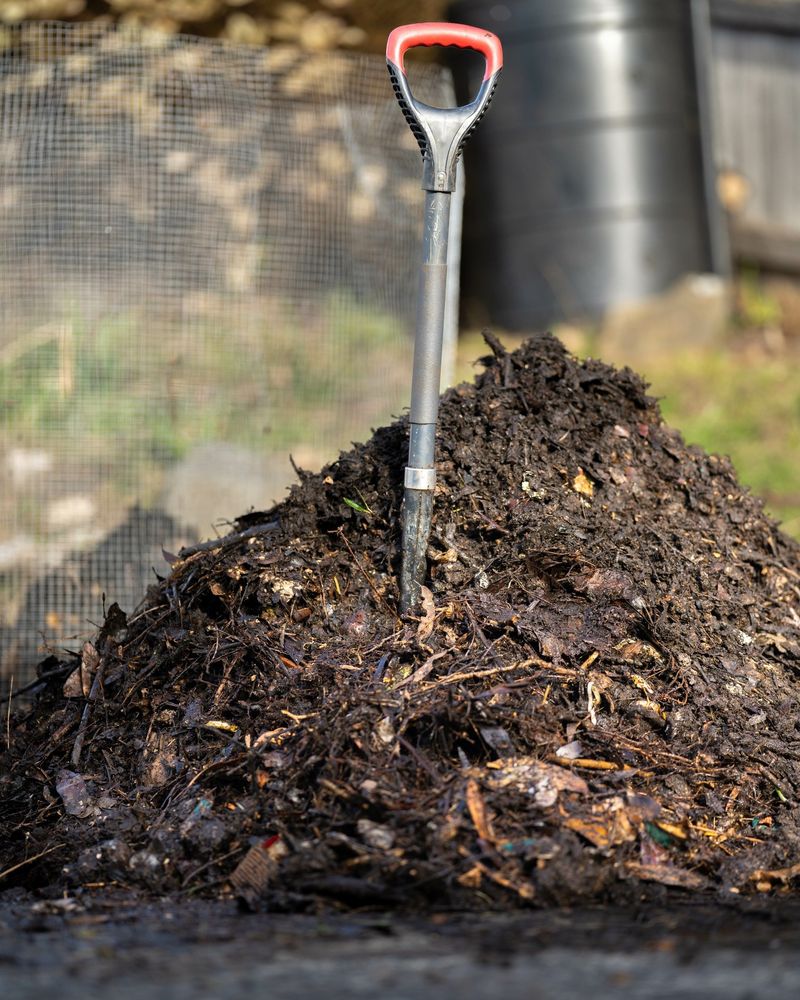
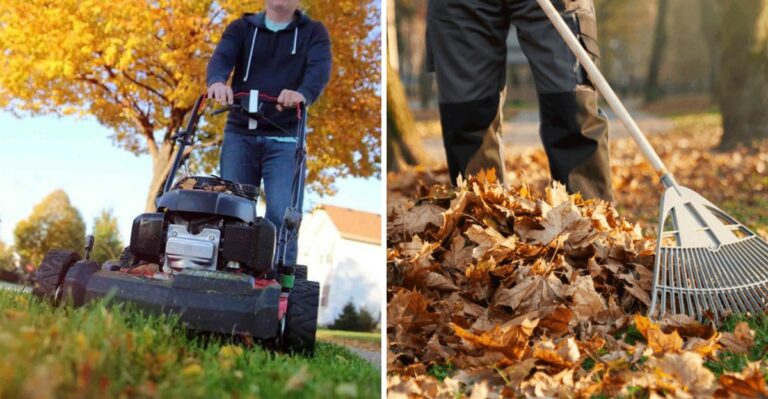
Raking leaves can feel like a chore, until you realize you are gathering free garden gold. Fall gives you piles of brown material perfect for compost.
Compost needs a mix of browns and greens. Browns include dry leaves and straw, while greens include kitchen scraps and grass clippings.
Aim for roughly three parts brown to one part green.
Oak and maple trees cover yards all over Virginia each fall. Shred the leaves with a mower first so they break down faster.
Whole leaves can mat together and slow everything down.
Keep your pile about as damp as a wrung-out sponge. Turn it every couple of weeks if you can.
Even in cold weather, the center of a big pile may stay surprisingly warm.
By spring, you will have dark, crumbly material ready to spread on your beds. Compost improves heavy clay and helps sandy soil hold water.
Your vegetables will thank you with stronger growth.
Here is something neat. A single handful of healthy compost can hold billions of tiny living things.
They do all the hard work while you relax indoors. Save some extra leaves in bags too, since they make great mulch or compost material later in the year.
6. Order Seed Catalogs Suited To Virginia Weather
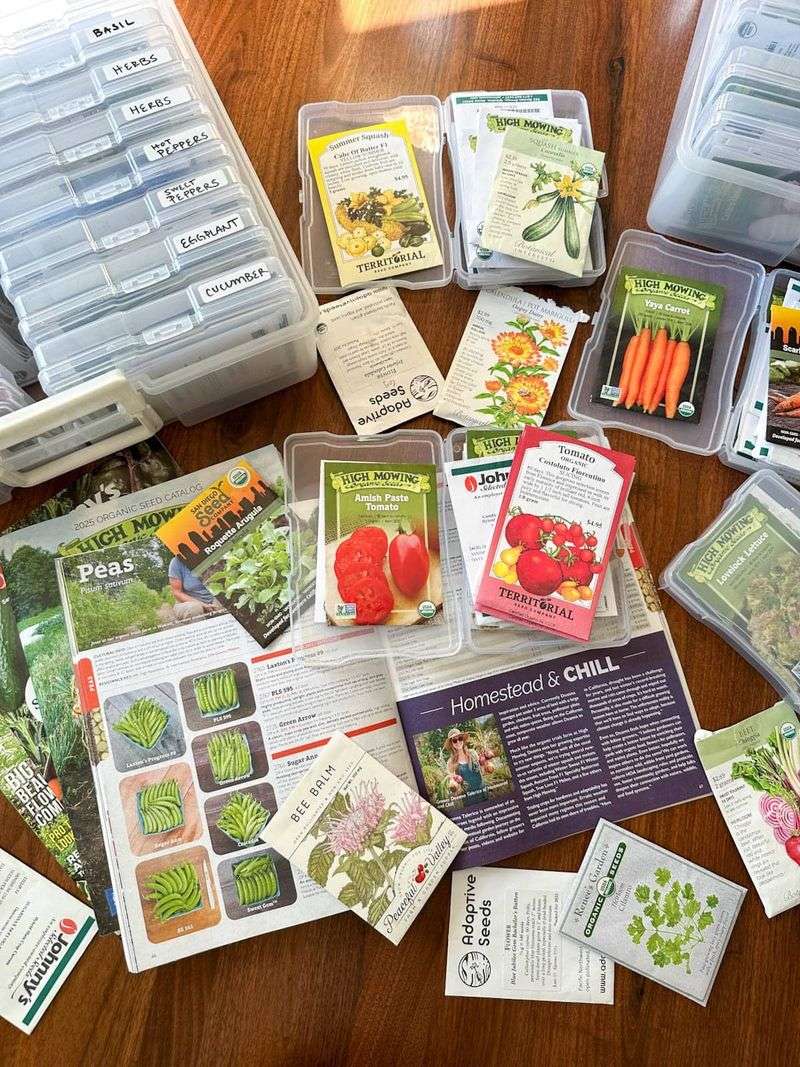
Few things feel cozier than flipping through seed catalogs while frost covers the windows. Those glossy pages are full of possibilities and a little bit of dreaming.
Request catalogs in fall so they arrive early. Popular varieties can sell out by late winter.
Ordering sooner gives you better choices.
Look for companies that test plants in the Southeast. Southern Exposure Seed Exchange, based right in Virginia, focuses on varieties that handle hot, humid summers.
Local seed sources often understand your conditions better than distant ones.
Read labels for disease resistance. Letters like V, F, or N next to tomato names show resistance to certain problems.
Those tiny codes can save your harvest.
Check days to maturity too. Shorter seasons in the mountains call for faster varieties.
Gardens near the coast can try longer season crops like sweet potatoes and okra.
Set a budget before you start circling everything. It is easy to get carried away when every pepper looks amazing.
Pick a few tried and true favorites, then add one or two fun experiments.
Heirloom seeds carry history. Some varieties have been passed down by families for over a hundred years.
Growing one connects you to gardeners who came long before you.
7. Learn Your Frost Dates And Hardiness Zone
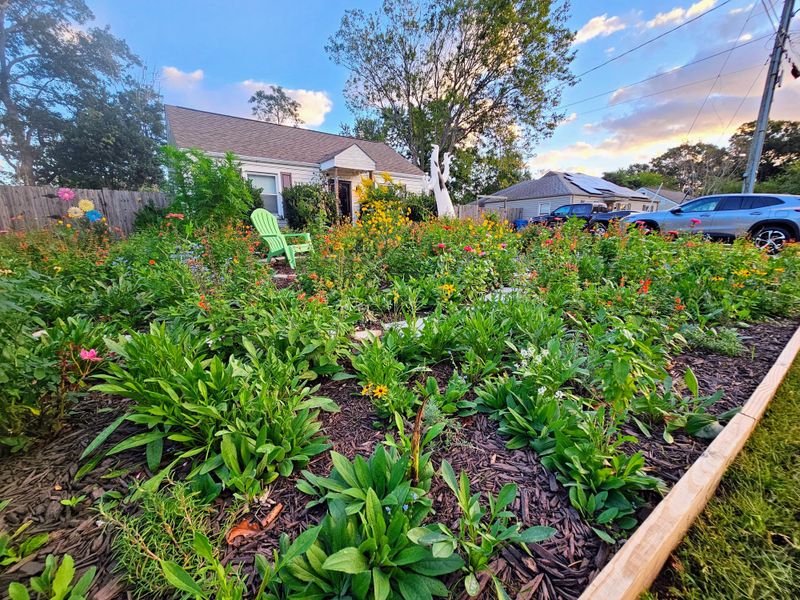
Mother Nature runs on her own calendar, and gardeners need a copy. Knowing your frost dates helps you plant at the right time instead of guessing.
Virginia covers several hardiness zones, from 5b in the coldest mountain areas to 8b near the coast, based on the 2023 USDA map. That is a big range for one state.
The mountains make things even more interesting. Virginia Cooperative Extension points out that Roanoke County alone has four different hardiness zones, with a 30-day planting difference between them.
Your neighbor across the state, or even across the county, may plant weeks before you do.
Find your average last spring frost and first fall frost. VCE’s Home Garden Vegetable Planting Guide lists frost dates and planting windows by hardiness zone, and your local extension office can help too.
Write them in big letters on your garden calendar.
Count backward from your last frost date to plan seed starting. Tomatoes usually begin indoors about six to eight weeks before that date.
Peppers like a little more time.
Remember that averages are not promises. A late cold snap can sneak in, especially in mountain valleys.
Keep old sheets or frost cloth handy just in case.
Cool season crops like peas, spinach, and lettuce can go out earlier. Some can even handle a light frost.
Planning them first lets you start harvesting sooner.
Creating a simple month by month schedule now makes spring feel calm. When planting time comes, you will know exactly what to do.
8. Clean And Store Tools Before The Cold Arrives
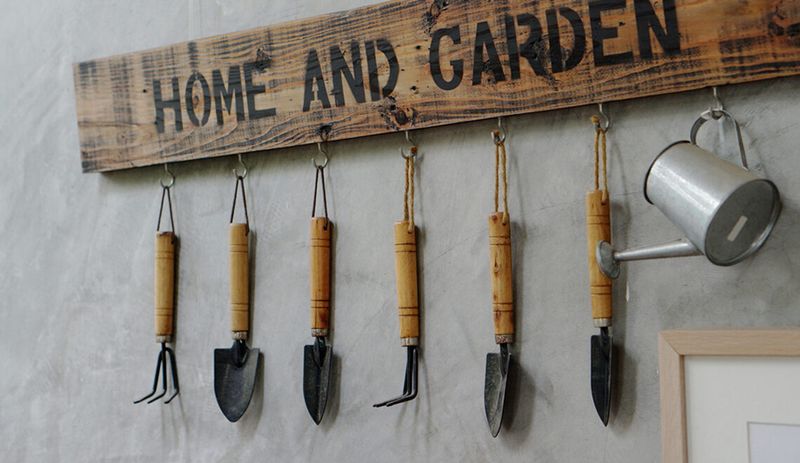
Your trusty shovel worked hard all summer, so treat it to a little spa day. Clean tools last longer and make spring work smoother.
Start by scrubbing off dried dirt with a stiff brush. A bucket of water helps loosen stubborn clumps.
Let everything dry well before storing.
Next, wipe metal parts with a light coat of oil. Many gardeners fill a bucket with sand mixed with oil and dip their tools in it.
That trick helps keep rust away during damp winter months.
Sharpen pruners, hoes, and shovels with a simple file. Sharp tools cut cleanly and take less effort.
Your arms will notice the difference in April.
Wooden handles need love too. Sand rough spots and rub them with linseed oil.
It keeps the wood from cracking in dry winter air.
Drain hoses and store them indoors or in a shed. Freezing temperatures in Virginia can split hoses and damage sprayer nozzles.
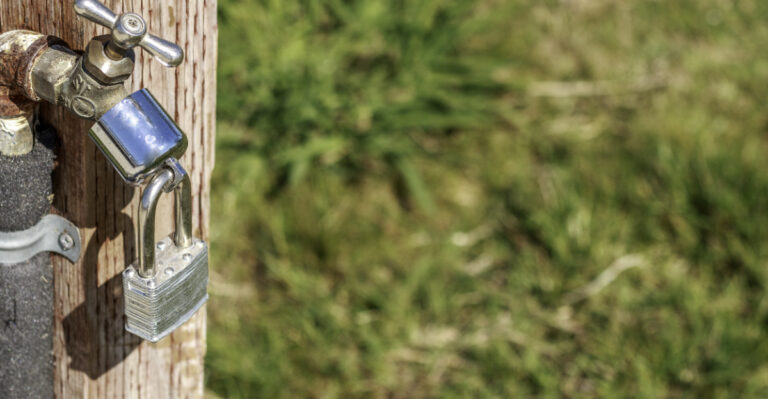
Turn off outdoor faucets if your home has a shutoff valve.
Make a list of broken or missing tools while you work. Winter sales and holiday gifts are great chances to replace them.
By the time spring arrives, you can grab your gear and get growing right away.
9. Plan Raised Beds And Upgrades For Your Yard
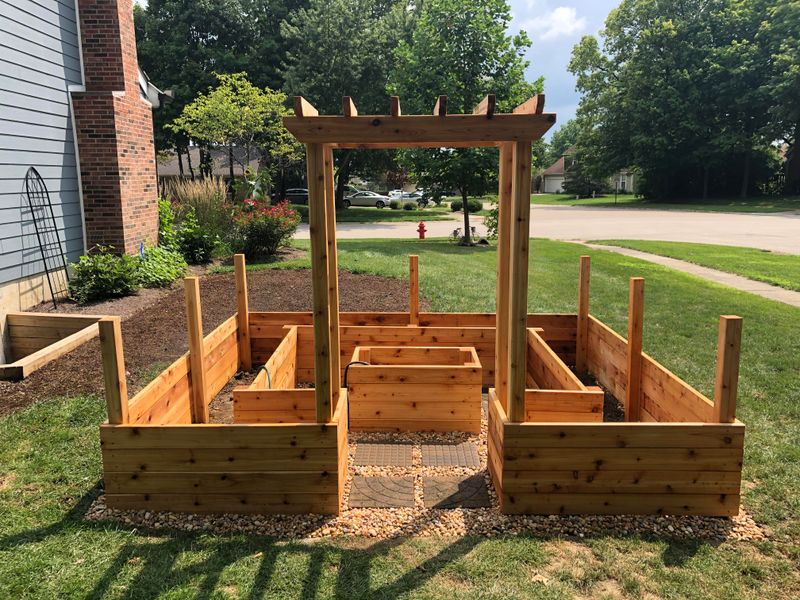
Winter is the perfect season for big ideas. With the garden quiet, you can finally tackle projects that summer was too busy to allow.
Raised beds are a favorite upgrade. They warm up faster in spring and drain better, which helps with heavy clay.
Building them now means they will be ready for early planting.
Cedar is a popular choice because it resists rot naturally. Beds about four feet wide let you reach the middle without stepping on soil.
Height can range from eight inches to waist high for easier work.
Think about other improvements too. Maybe you need a trellis for cucumbers or a fence to keep deer out.
Deer are common visitors in many parts of Virginia, and a tall fence can protect your hard work.
Drip irrigation is another smart project. It saves water and keeps leaves dry, which can reduce disease.
Laying lines before planting is much easier than squeezing them in later.
Watch the sun as winter passes. Shadows shift with the seasons, so note which spots stay bright.
Vegetables generally want six to eight hours of sun.
Small steps add up. Even one new bed this winter can make next year your most productive season yet.