What It Means When Juncos Show Up In Your Michigan Yard In November
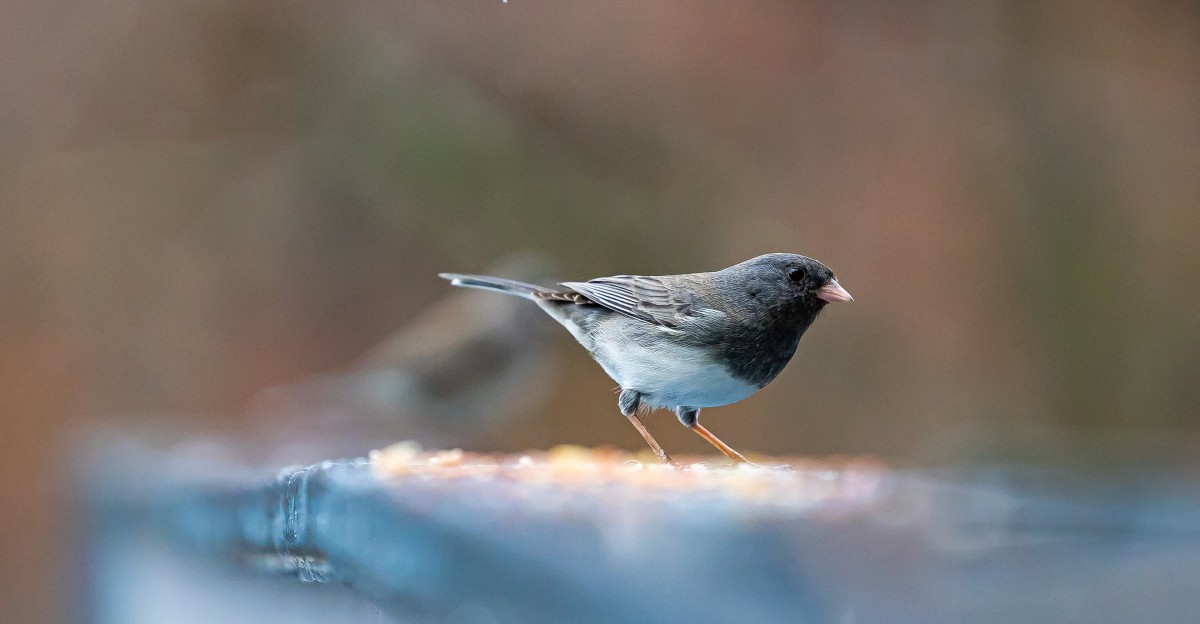
Some of the gray birds hopping under your feeder may have flown in from the forests of Canada. They made that trip on purpose, just to spend the winter with you.
I’ll be honest, I mistook them for plain little sparrows for years. Then one flew off and flashed bright white tail feathers, and I was hooked. Now they’re my favorite cold-weather alarm clock.
Here’s what gets me about these tiny travelers. Many of the ones wintering in Michigan are males, while more females keep flying farther south. They also kick at the ground with both feet at once, like they’re doing a funny little dance.
You’ll catch me grinning at the kitchen window every time a fresh flock lands in the leaves. Their arrival says a lot about the season, your yard, and the birds themselves. So what exactly are those busy gray visitors trying to tell you?
Those Little Gray Birds Under Your Feeder Arrived Right On Schedule
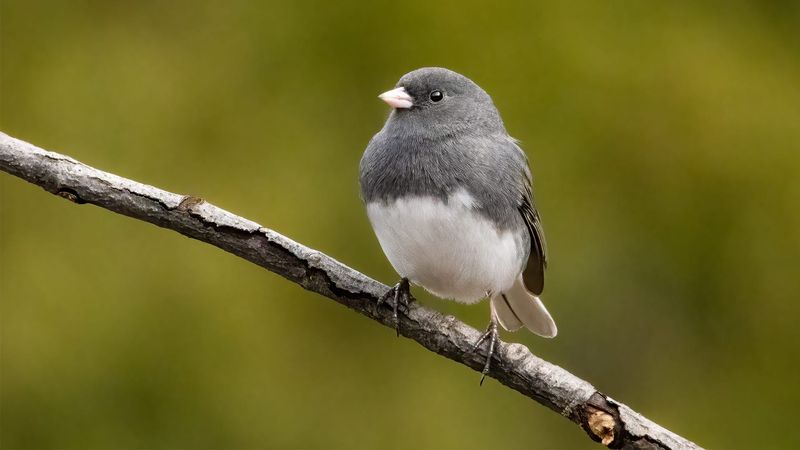
Nothing about their sudden appearance is random. Dark-eyed Juncos are migrants, and November is peak arrival time for them across Michigan.
Most of these birds spent the summer breeding in conifer and mixed forests farther north. Some nest in Canada, while others raise families in the Upper Peninsula and northern Lower Peninsula. When shorter days and colder nights hit, they drift south to places with easier winter meals.
Arrivals often start in late September and build through October and November. By the time the last leaves drop, many yards in southern Michigan have a steady winter crew. Their nickname, snowbirds, comes from how often they show up right before or alongside the first real snow.
So what does it mean for you? Mostly, it means the seasons are turning just as they should. Juncos don’t predict a harsh winter, and folklore saying otherwise isn’t backed by science.
Their timing follows day length and food supply more than weather forecasts. Still, watching them roll in feels like nature flipping the calendar page. I like to mark the date of my first junco each year, and comparing notes over time turns into a fun backyard record.
Flashing White Tail Feathers Give The Junco Away
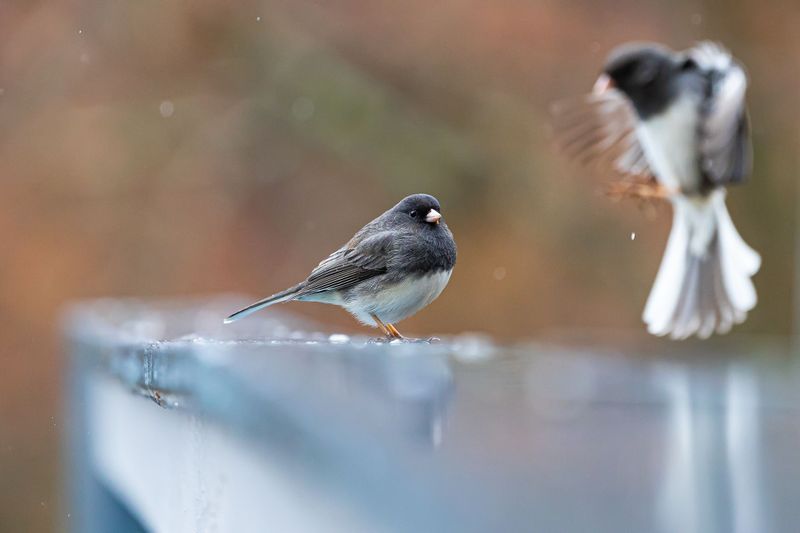
Ask a beginner birder to name one easy bird, and juncos usually top the list. Once you know the clues, they’re hard to miss.
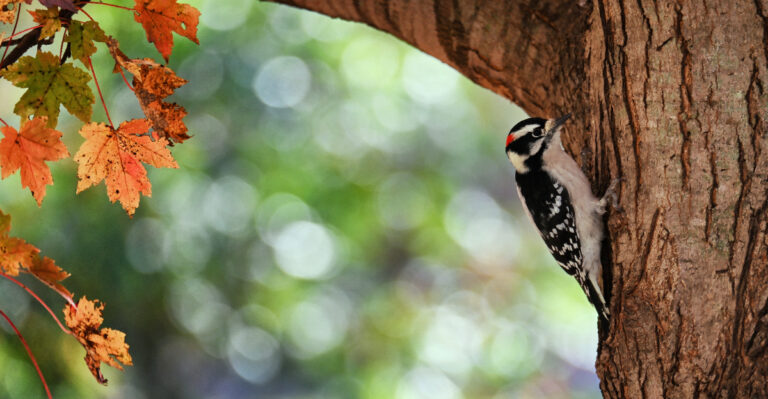
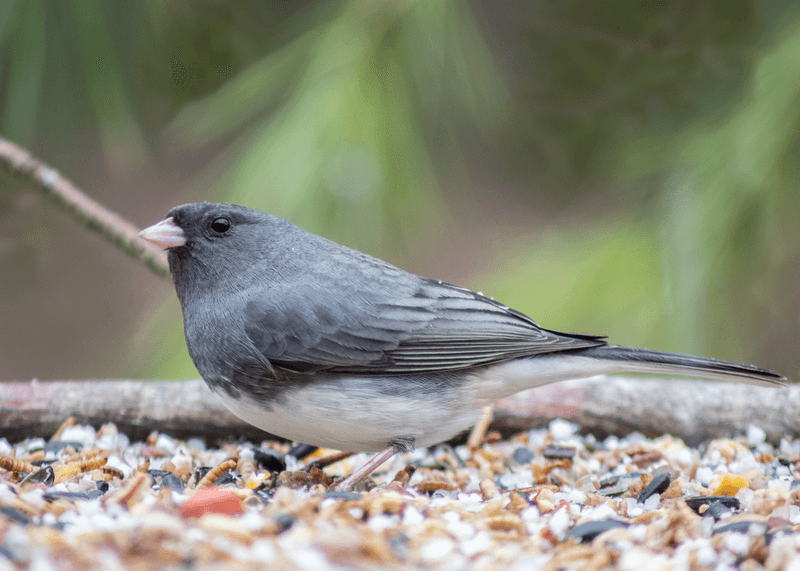
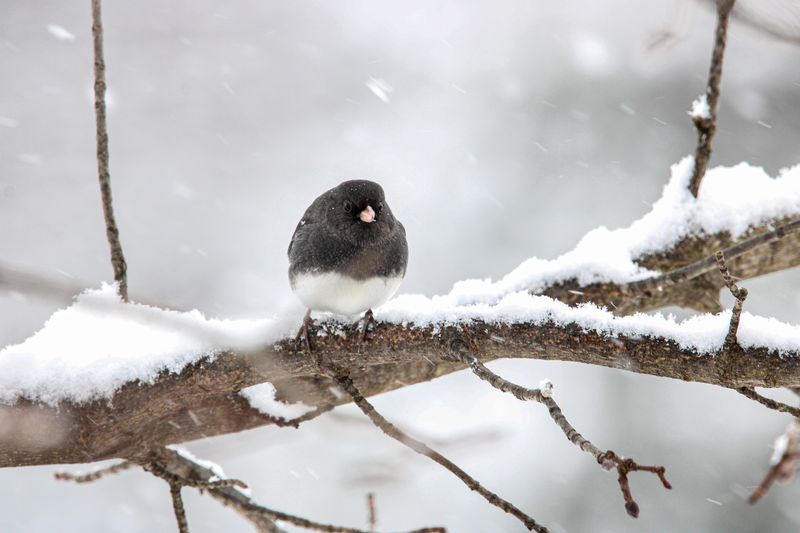
In Michigan, you’ll mostly see the slate-colored form. Picture a sparrow-sized bird with a dark gray head, back, and chest sitting over a clean white belly. The bill is a pale pink, almost like a tiny candy corn without the orange.
Males tend to be darker and crisper gray. Females and young birds look softer, often with a brownish wash on the back and sides. Don’t worry if your flock looks a little mixed, since that’s normal.
The best clue shows up when they fly. Bright white outer tail feathers flash on each side, then vanish when the bird lands. Scientists think that flash may help flock members keep track of each other or startle a predator for a split second.
You might also hear them before you see them. Juncos make sharp little tick and smack notes as they forage. Learn that sound once, and you’ll start noticing juncos hiding in shrubs all winter long, even when the yard looks empty.
Mostly Males Hang Around The Michigan Feeders
Here’s a fun fact that surprised me. Your winter junco flock may be a bit of a boys’ club.
Research on junco migration shows a clear pattern. Females tend to travel farther south than males, so northern areas like Michigan host a higher share of males. Some sources suggest males can make up a large majority of wintering juncos in the northern part of their range.
Why would males stay closer to the breeding grounds? One leading idea is that it gives them a head start in spring. Being closer means they can return early and claim the best nesting territories.
Another explanation involves competition. Males are slightly larger and tend to dominate at food sources. Females may avoid that pecking order by heading to milder spots in places like Tennessee or Georgia.
Young birds also tend to winter farther south than adults. So the darker, sharply marked birds in your yard are likely experienced adult males. Take a closer look at your flock this week, and see how many look crisp and charcoal versus soft and brownish. It’s a neat little science project you can run with a cup of cocoa in hand.
Ground-Scratching Juncos Love A Messy Garden Floor
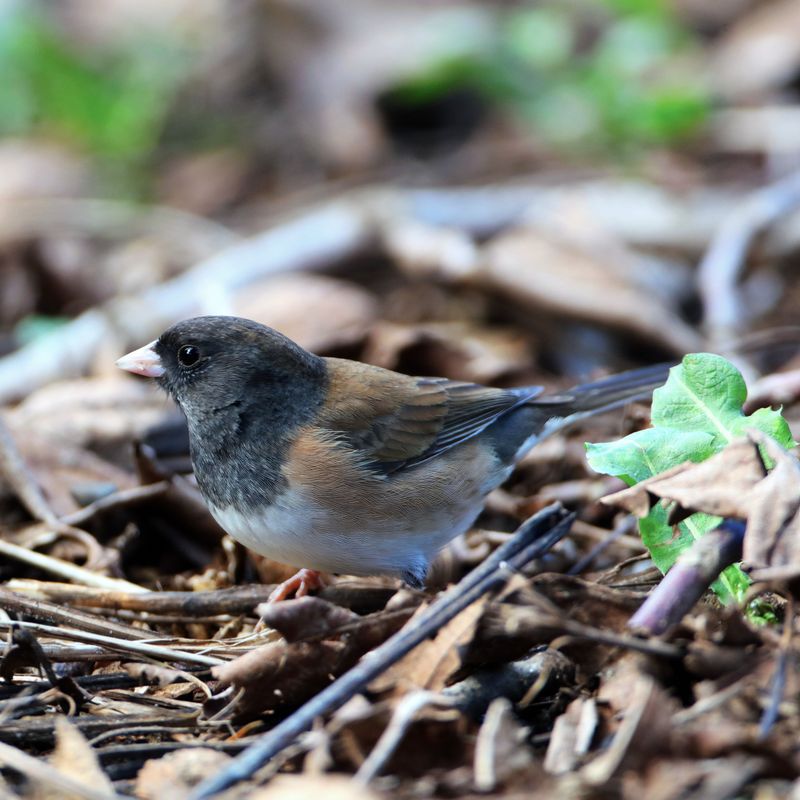
Watch for a few minutes, and you’ll see the junco shuffle. The bird hops forward, then kicks back with both feet to flip leaves and uncover seeds.
Juncos are ground feeders through and through. In winter, seeds make up most of their diet, and weed seeds are a big favorite. Chickweed, ragweed, crabgrass, and lamb’s quarters all get eaten, which makes these birds handy little helpers.
They also do a trick called riding. A junco flies up to a tall grass stem, lands on it, and bends it down to the ground to pick off the seeds. It looks silly, but it works like a charm.
That’s why a tidy, raked yard can feel empty to them. Call me lazy, but I leave seed heads standing on coneflowers, black-eyed Susans, and native grasses until spring. A few patches of leaves under shrubs also hide seeds and insects for hungry birds.
If your neighbors raise an eyebrow, tell them it’s a winter bird buffet. Juncos showing up and scratching around is a sign your garden is offering real food. That’s a compliment from nature worth bragging about.
White Millet On A Low Platform Feeder Keeps Snowbirds Coming Back
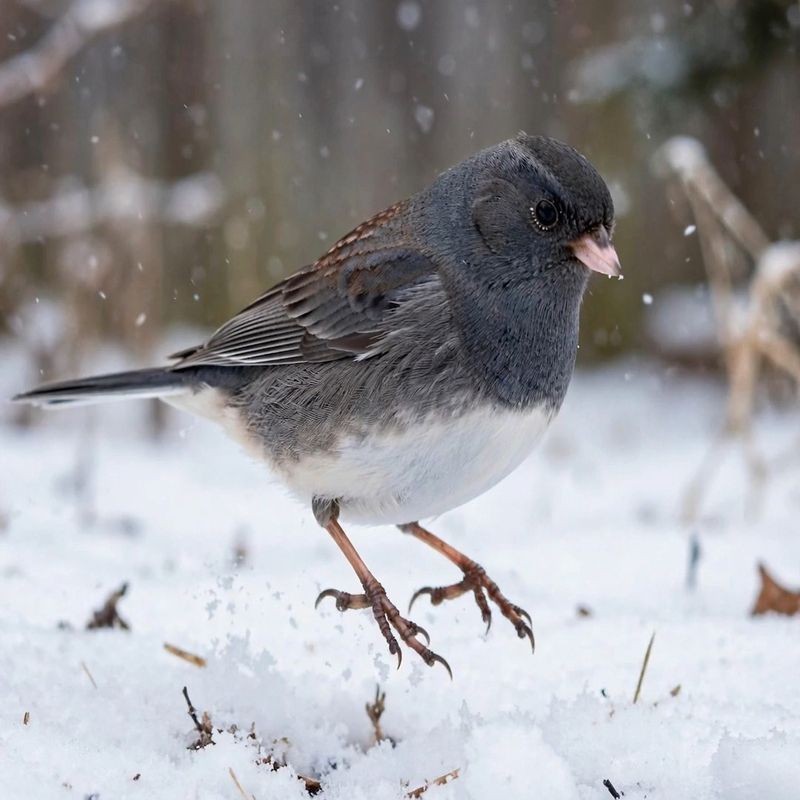
Trust me on this one, white proso millet is junco gold. If you want them to stick around, start there.
Juncos also enjoy cracked corn, hulled sunflower chips, and finely chopped nuts. Skip mixes heavy with red milo or filler grains, since many birds just toss those aside. A quality blend saves money and mess in the long run.
How you serve it matters as much as what you serve. Juncos prefer eating on or near the ground, so a low platform feeder or tray works great. You can also sprinkle seed on a cleared patch of ground or on top of packed snow.
Place feeding spots within about 10 feet of shrubs or a brush pile. That lets juncos dash to cover when a hawk or cat shows up. Too far out in the open, and they may feel nervous.
Keep the seed dry and fresh, because wet millet molds quickly. Offer small amounts each day instead of dumping a big pile. Clean trays every couple of weeks with hot soapy water. A little effort keeps your flock healthy and happy all the way to spring.
Brushy Shrubs And Evergreens Give Juncos A Winter Hideout
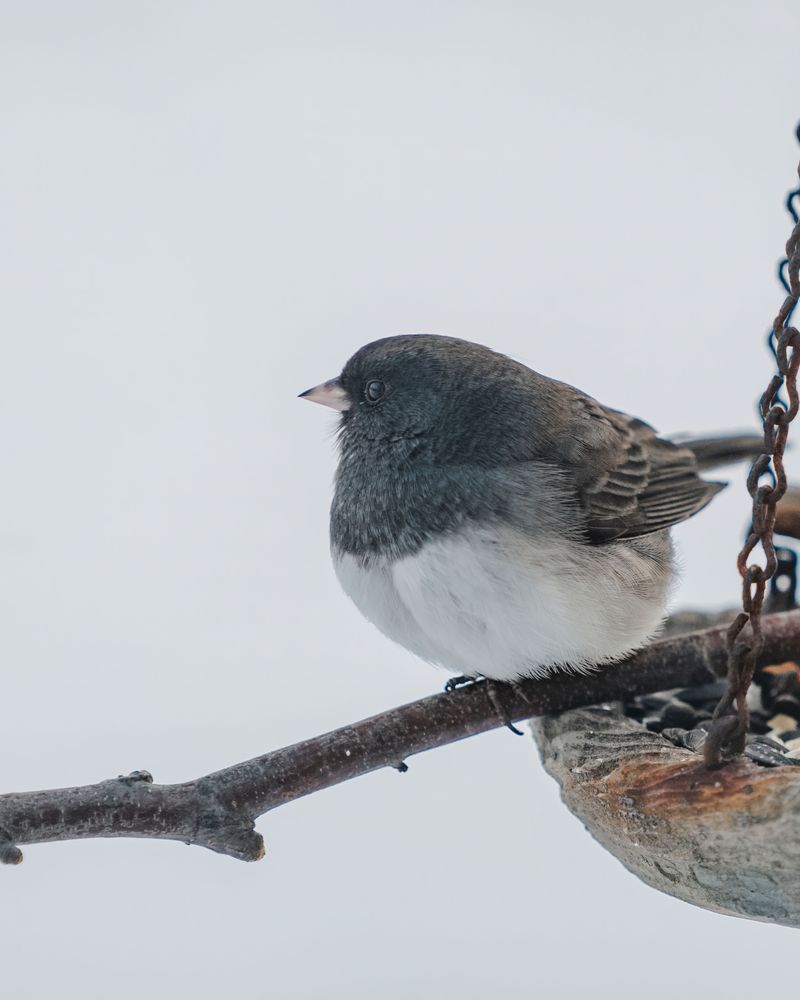
Food gets the attention, but shelter might matter even more. A junco that can’t hide from wind and predators won’t stay long.
These birds love dense cover. Native evergreens like white spruce, eastern red cedar, and white pine break the wind and hide birds at night. Thick shrubs such as gray dogwood and American hazelnut also work well across much of Michigan.
A brush pile is one of my favorite easy projects. Stack fall branches loosely in a quiet corner, with bigger limbs on the bottom. Juncos will duck inside during storms and when a Cooper’s hawk swoops through.
Hold off on heavy fall pruning, too. Overgrown hedges and shaggy corners give birds shelter you can’t buy at a store.
Water rounds out the setup. Fresh water gets scarce once things freeze, and birds still need to drink and preen. A heated birdbath set low to the ground is a big hit with juncos on frigid mornings.
When you put food, cover, and water together, juncos often settle into your yard for the whole season. That steady little flock becomes your winter neighbors.
Your Junco Flock Has A Pecking Order And A Home Range
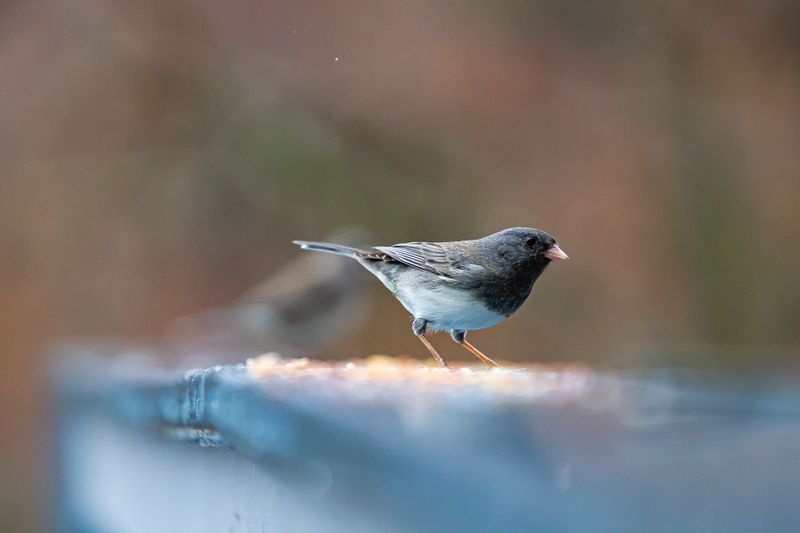
Don’t laugh, but I’ve started recognizing individual juncos by their attitude. One bossy bird in my yard chases everyone off the best seed patch.
Winter juncos form flocks that often number from a handful to a few dozen birds. Within each flock, there’s a clear pecking order. Older males usually sit near the top, and you can watch them flare their tails or lunge to claim a spot.
Flocks also tend to stay in a fairly small area all winter. Studies suggest a home range of roughly 10 to 12 acres, give or take. That means the same birds may visit your feeder day after day for months.
Many juncos even come back to the same wintering area year after year. So your November arrivals could be returning guests.
Juncos are tough little birds built for cold. They fluff their feathers for insulation and can scratch through light snow to reach seeds. On bitter nights, they roost in thick cover to save energy.
Spend a few minutes watching the squabbles and the shuffling. It’s like a tiny soap opera playing out right outside your window.
Counting Your Juncos Can Help Track A Declining Songbird
Juncos are still one of the most common birds in North America. Even so, long-term surveys show their numbers have dropped a lot.
A major 2019 study in the journal Science estimated that North America lost about 3 billion birds since 1970. Dark-eyed Juncos were among the hardest hit by raw numbers, with an estimated loss of around 168 million birds. Habitat loss, window collisions, and outdoor cats all play a part for many songbirds.
Your yard can make a real difference. Keep cats indoors, add window decals or screens to reduce collisions, and skip pesticides that remove seeds and insects. Planting native shrubs and leaving seed heads standing helps, too.
You can also become a citizen scientist. Project FeederWatch, run by the Cornell Lab of Ornithology, starts each November and runs through April. The Great Backyard Bird Count happens every February, and both programs welcome beginners.
Those counts help researchers track where birds are thriving or struggling. So when juncos show up this month, grab a notebook and jot down how many you see. Your simple tally becomes part of a much bigger story about the birds we love.