The Egg Carton Trick New York Gardeners Use To Save Geraniums Before Winter
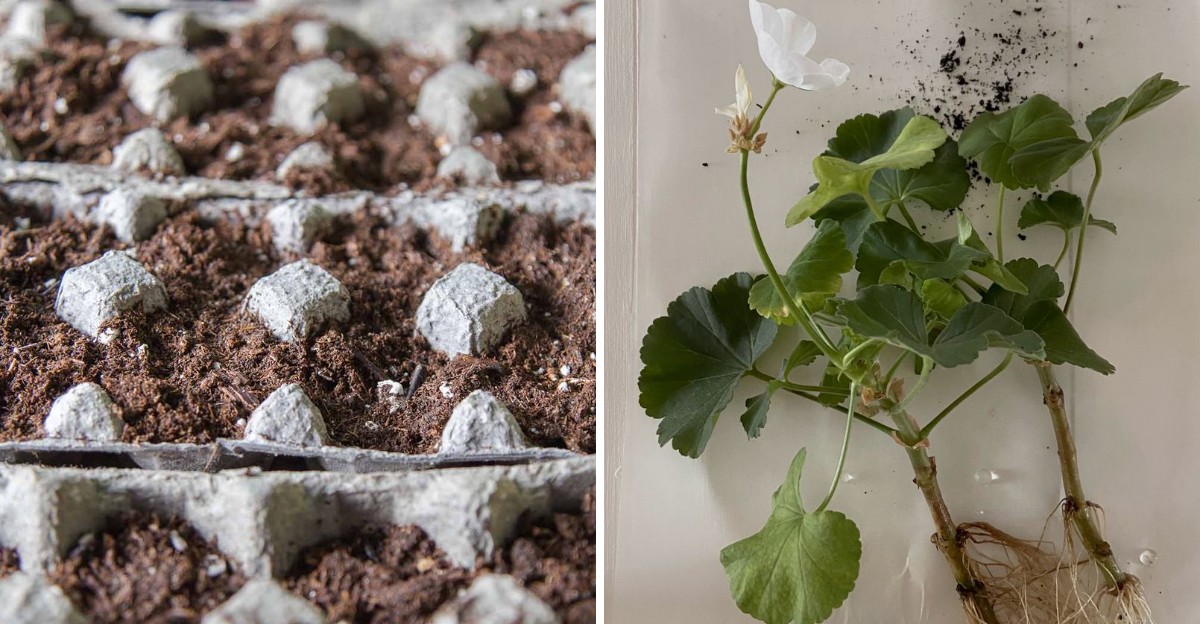
Some New York gardeners store blooming plants in paper bags and cardboard boxes all winter, with no soil and no water, and they still sprout again in spring. That trick dates back generations, long before garden centers sold fresh flats every May.
The plants we call by one familiar name actually come from South Africa. They are tender perennials, and a single hard freeze can turn their leaves to mush overnight. I skipped saving mine for years and bought new ones every spring.
After I tested a humble kitchen leftover as a winter home, my favorite coral variety came back stronger than ever. You might notice your recycling bin looks a little different after this.
Here in New York, the first frost often shows up in October upstate and a few weeks later near the coast. A plain cardboard box is all it takes for a summer geranium to sleep through winter and wake up in spring.
That Cardboard Egg Carton Holds More Than Breakfast
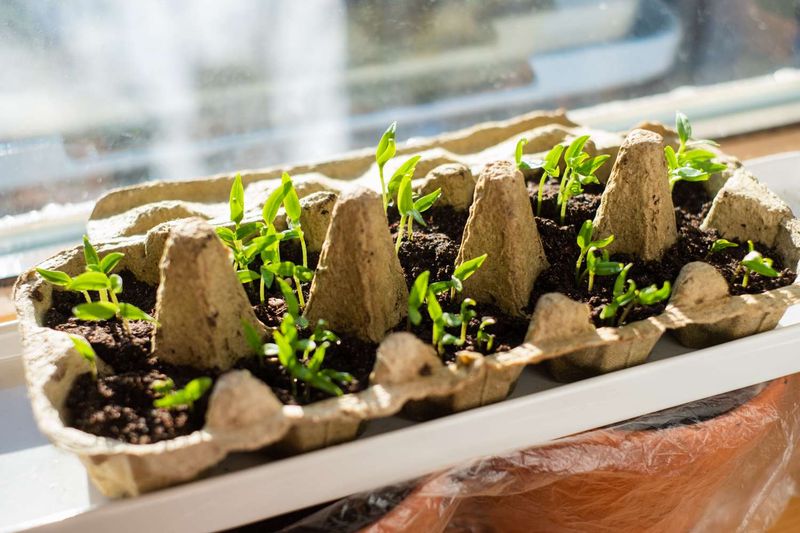
Cardboard is the quiet hero here. Unlike plastic, paper egg cartons breathe, soak up stray moisture, and let air move around tender stems.
The trick works best for small geranium plants and rooted cuttings. Each cup holds one plant upright, so stems stay separated instead of tangled in a soggy pile.
Separation matters because gray mold and stem rot spread fast when plants touch in storage.
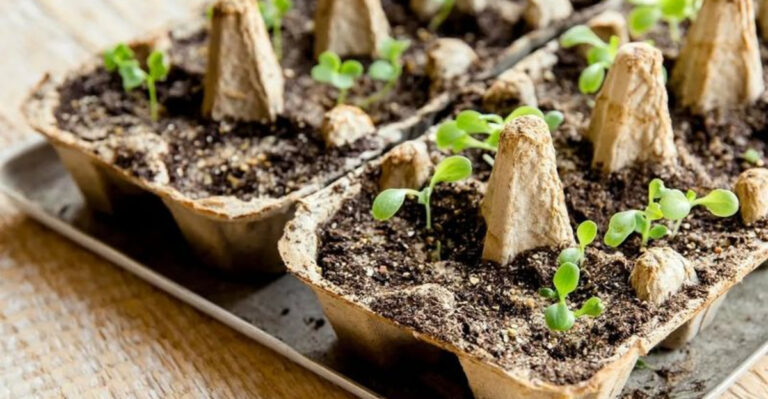
Gardeners often use cartons in two ways. Some tuck rooted cuttings into cups filled with a pinch of moist potting mix, then set the carton on a bright windowsill.
Others place small bare-root plants into the cups and slide the open carton into a larger cardboard box for a dormant winter rest.
Both versions rely on the same basic idea. Geraniums, known to botanists as Pelargonium, can rest through winter if they stay cool, mostly dry, and well ventilated.
Foam or plastic cartons trap humidity, so skip those. Stick with plain molded paper cartons that have no wax coating.
A dozen-size carton fits most cuttings nicely, while larger plants need their own paper bag or box instead. It is a low-cost, recycled setup that keeps your shelf neat and your plants organized.
Geraniums Need To Come Inside Before The First Hard Freeze
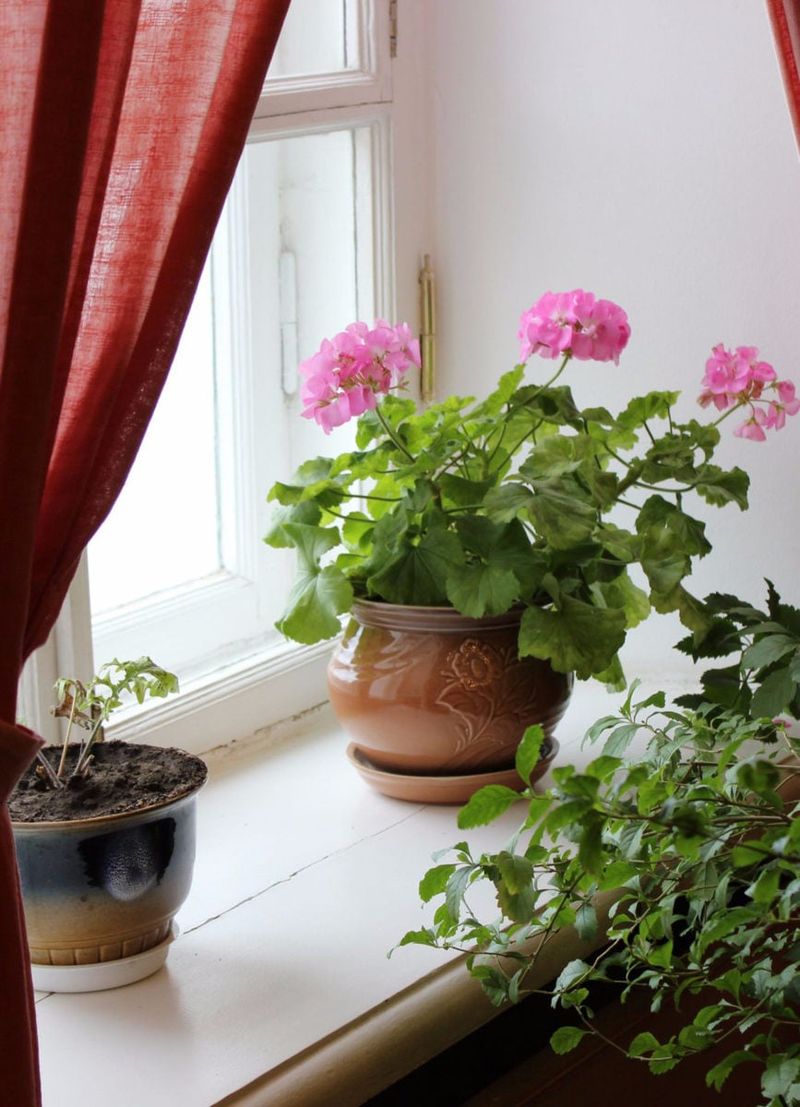
Timing is everything with these plants. Most garden geraniums thrive outdoors only in USDA zones 10 and 11, while New York sits mostly in zones 4 through 7.
A light frost can scorch the leaves, and a hard freeze near 28 degrees usually ruins the stems.
University extension experts suggest digging or moving plants before temperatures drop that low. Many gardeners start watching forecasts in late September.
Regional timing varies quite a bit across the state. The Adirondacks and higher spots in the Southern Tier often see frost by mid-September. Long Island and New York City usually stay frost-free until late October or even November.
Watch your local forecast instead of the calendar. When nighttime lows dip into the 30s, get moving. I like to bring plants in on a dry afternoon, since wet foliage invites mold later.
Before you dig, pick your keepers. Choose healthy plants with sturdy stems and no spotted leaves.
Varieties you love, rare colors, or scented types make the best candidates, since they can be harder to find again next spring.
Plants with yellowing leaves, soft stems, or obvious pests should head to the compost pile. Starting with strong plants gives you much better odds.
Snip Healthy Geranium Stem Cuttings For Your Carton Cups
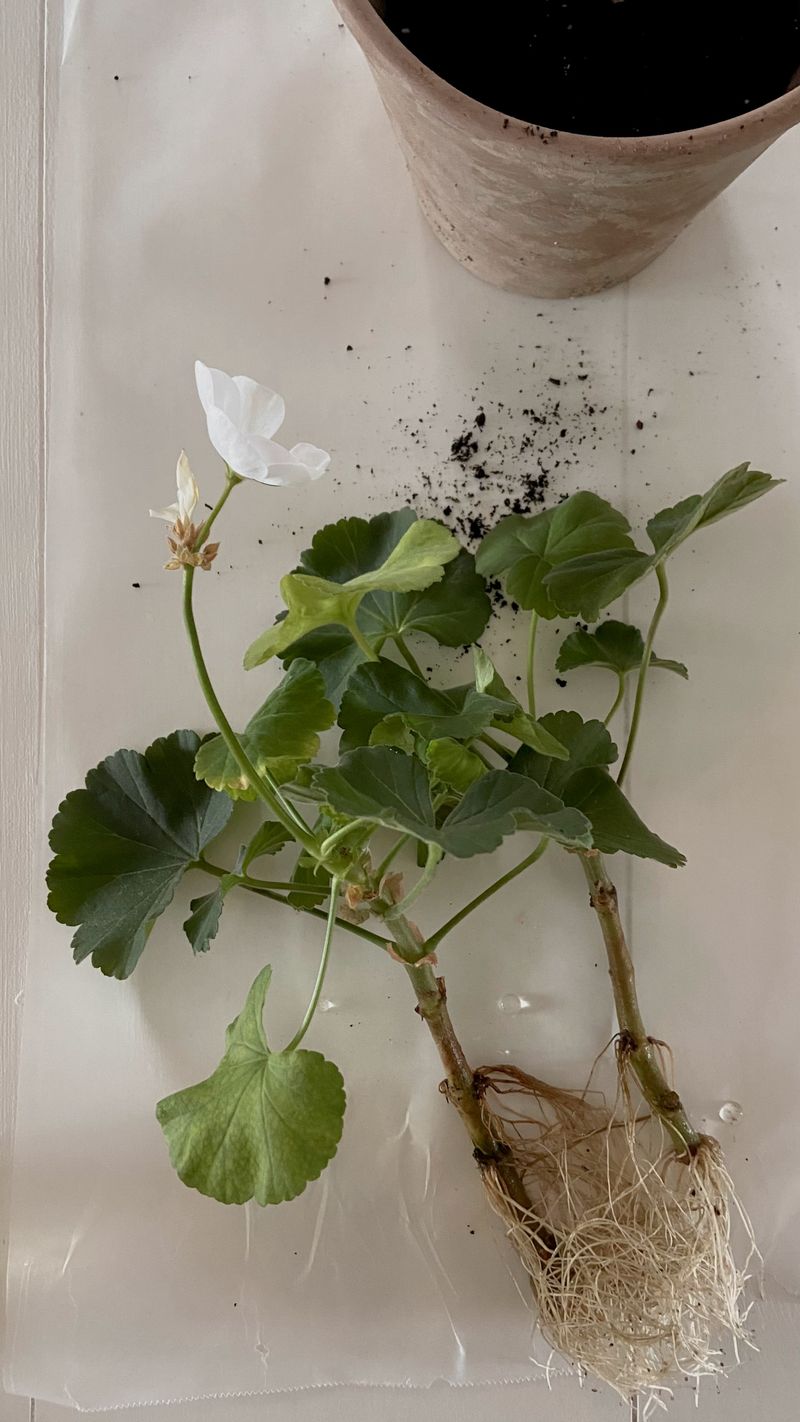
Cuttings are the easiest way to fill those little cardboard cups. One big plant can give you six or more new ones, and small cuttings take up far less room indoors.
Use clean, sharp pruners. Snip stem tips about 3 to 4 inches long, cutting just below a leaf node, where roots form most easily. Remove the lower leaves and any flower buds so energy goes into rooting.
Let the cuttings sit out for a few hours, or even overnight, so the cut ends dry and seal. Geranium stems hold lots of water, and this short rest helps prevent rot. Rooting hormone is optional, since many geraniums root well without it.
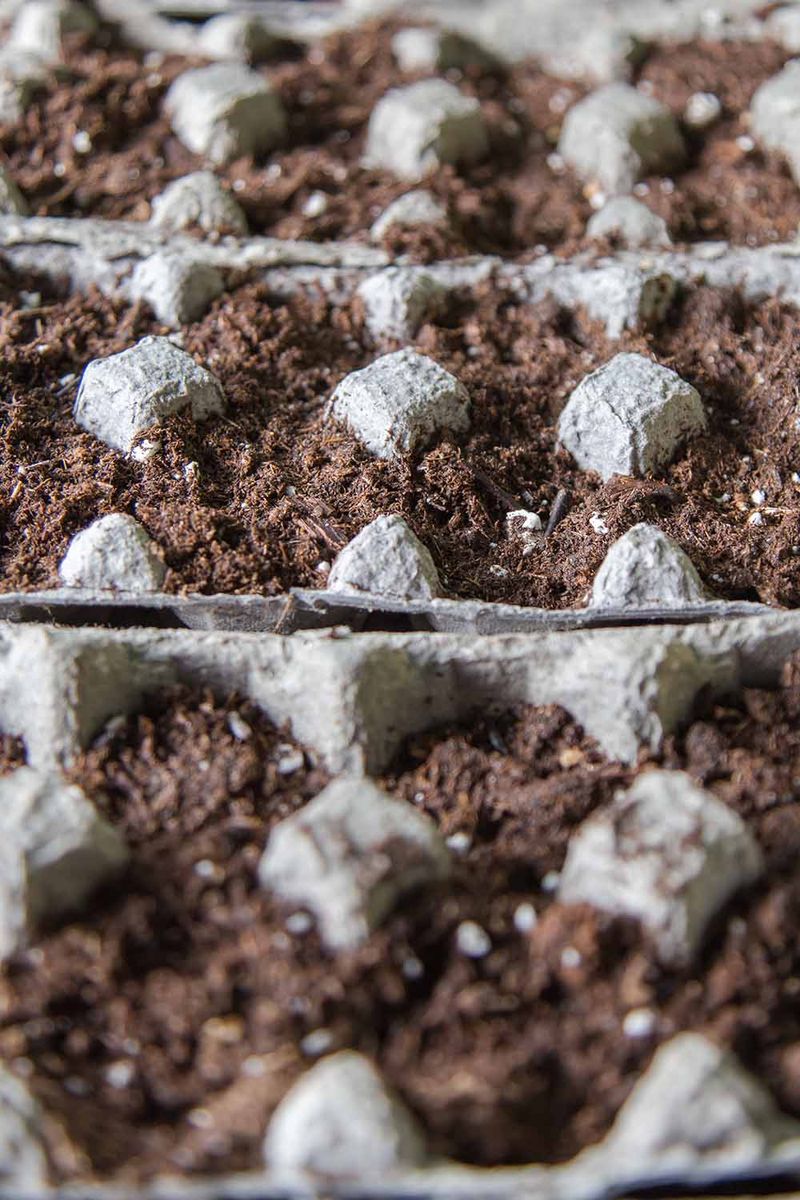
Next, poke a small hole in each carton cup for drainage. Fill the cups with a moist seed-starting or potting mix, then press one cutting into each cup about an inch deep.
Water lightly and keep the mix barely damp. Set the carton on a tray in bright, indirect light. Roots usually appear in three to four weeks.
A gentle tug that meets resistance tells you roots have formed. Later, the whole cup can be torn apart and planted with the cutting.
Shake Off The Soil For The Old Bare-Root Geranium Method
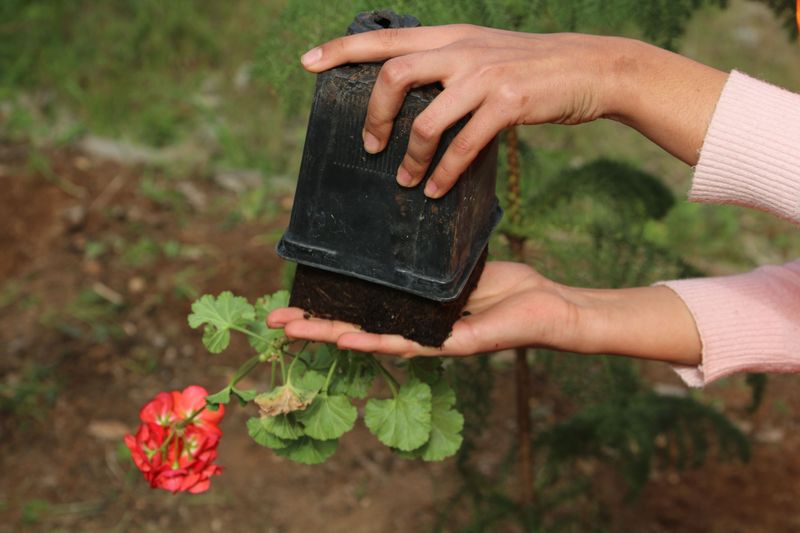
Grandma probably did it this way. The bare-root method has been around for generations, and extension services in Wisconsin, Iowa, and Illinois still describe it.
Start by digging the plant carefully with a garden fork. Gently shake off as much soil as you can, so the roots are mostly bare. Leave the roots intact rather than rinsing them, since extra water is not welcome.
Trim the stems back by about one-third to one-half. Remove flowers, buds, and any soft or yellowing leaves. Let plants air dry on newspaper for a few hours in a shady, sheltered spot.
Small plants slip right into egg carton cups, standing upright. Larger plants go into a paper bag, one or two per bag, or hang upside down from a basement rafter.
Old-timers often used that hanging method in root cellars. The goal is dormancy, not growth. Plants slow way down, drop their leaves, and live off energy stored in thick stems.
Results vary, and not every plant pulls through. Expect some losses, which is why saving a few extras helps. Even so, many gardeners report good success with healthy, firm-stemmed plants.
A Cool Basement Makes A Cozy Geranium Hideaway
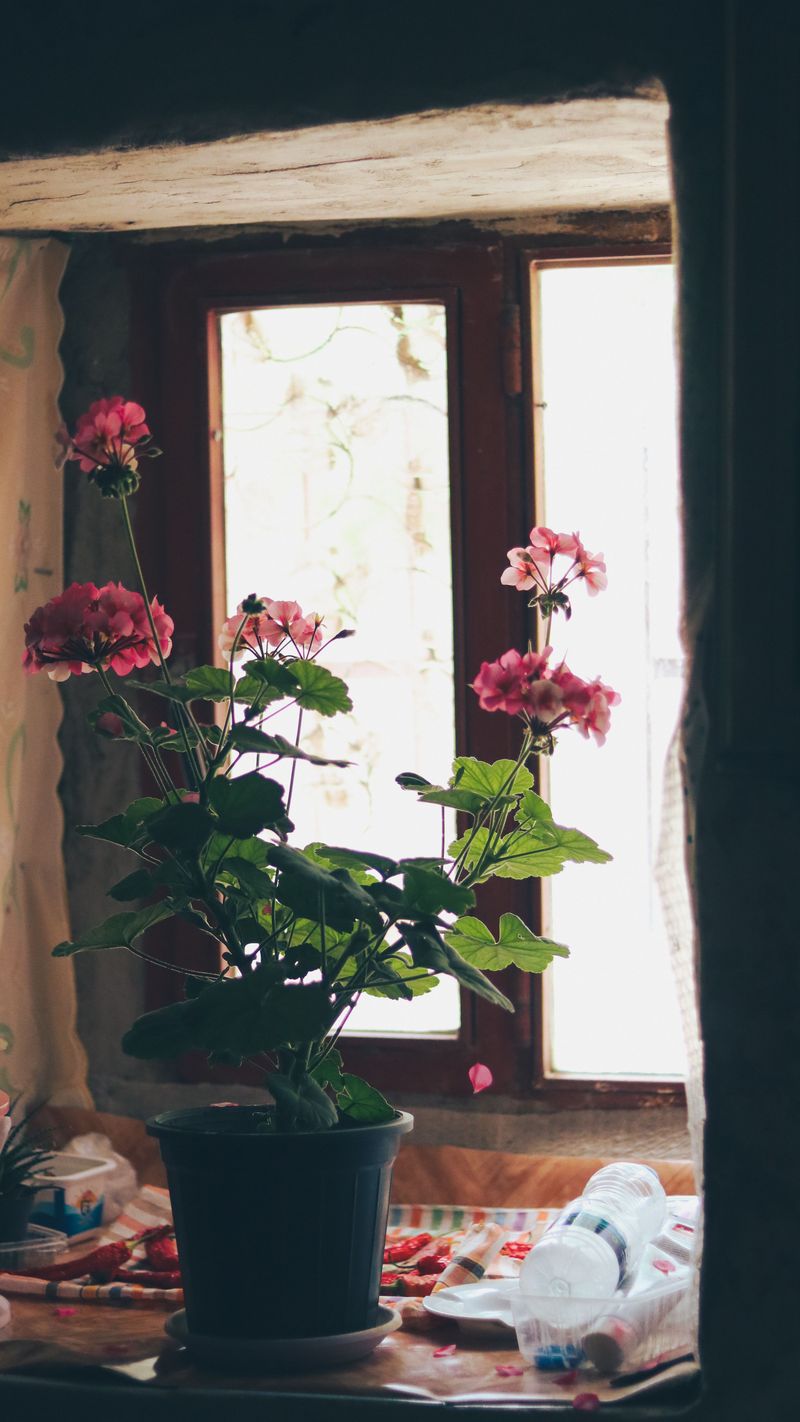
Location can make or break this whole project. Dormant geraniums want a cool, dark, dry spot that stays between about 45 and 55 degrees.
Many older New York homes have the perfect setup. Unheated basements, cool root cellars, and enclosed porches often hold steady temperatures all winter.
An attached garage can work too, but only if it stays above freezing on the coldest nights. Set your egg cartons inside a larger cardboard box. Fold the flaps loosely rather than taping them shut.
Air needs to circulate, and sealed boxes trap moisture that leads to mold. Avoid spots near furnaces, water heaters, or dryer vents. Warmth wakes plants too early, and they push weak, pale shoots that struggle later.
Damp corners with standing water cause trouble as well. A cheap thermometer helps you check conditions without guessing. If your basement runs warm, a cooler stairwell or closet against an outside wall might work better.
Keep the box off the concrete floor by setting it on a shelf or a couple of bricks. Floors can stay damp and chilly. A little height adds airflow and keeps mice from chewing into your cardboard storage.
Check Those Sleeping Geranium Stems Once A Month
Out of sight should not mean out of mind. A quick monthly check keeps small problems from spreading through your whole box.
Leaves will turn yellow and fall off during storage. That part is normal, so try not to panic. The important part is the stem, which should feel firm like a crisp carrot.
Gently squeeze a few stems. Soft, mushy, or blackened spots mean rot has set in, so remove that plant right away.
Fuzzy gray growth points to mold, which loves crowded, damp conditions. Shriveled, wrinkly stems tell a different story. They are drying out too much.
Some gardeners soak the roots in water for an hour or two, let them drain well, and then return them to storage. Others mist lightly instead.
Experts disagree on how much moisture plants need during dormancy. Some recommend a monthly soak, while others skip water until spring.
Your basement conditions should guide you. Dry, heated homes may need a soak, while damp cellars rarely do.
Rooted cuttings growing in carton cups need a different routine. Check them weekly, water when the mix feels dry, and rotate the carton so stems grow straight toward the light.
Wake Your Geraniums With Fresh Potting Mix In Late Winter
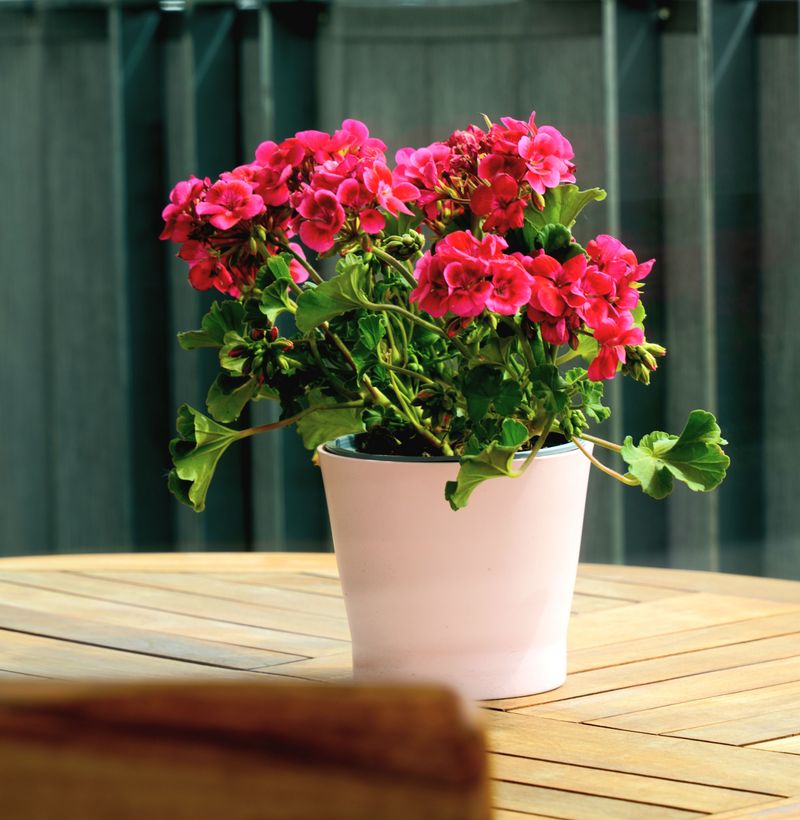
March brings the fun part. About six to eight weeks before your last frost date, it is time to pull those sleepy plants out of the dark.
Trim each stem back until you reach firm, healthy green tissue. Cut away anything shriveled or soft. Plants may look rough, but even a short, sturdy stub can push out new leaves.
Pot bare-root plants into containers with fresh, well-draining potting mix. For carton-grown cuttings, tear the cardboard cup apart and plant the whole root ball, or slip it out gently first. Water thoroughly once.
Place pots in your sunniest window, ideally south-facing. Geraniums crave bright light, and weak light gives you lanky, floppy stems.
A simple grow light running 12 to 14 hours a day helps a lot. Water only when the top inch of soil feels dry. Soggy soil is the biggest spring risk. New growth may take two to four weeks to appear, so patience pays off.
Once several sets of leaves form, pinch the growing tips. That simple step encourages branching and a fuller plant. Feed lightly with a balanced fertilizer at half strength every few weeks as growth picks up.
Harden Off Your Revived Geraniums Before Moving Them Outdoors
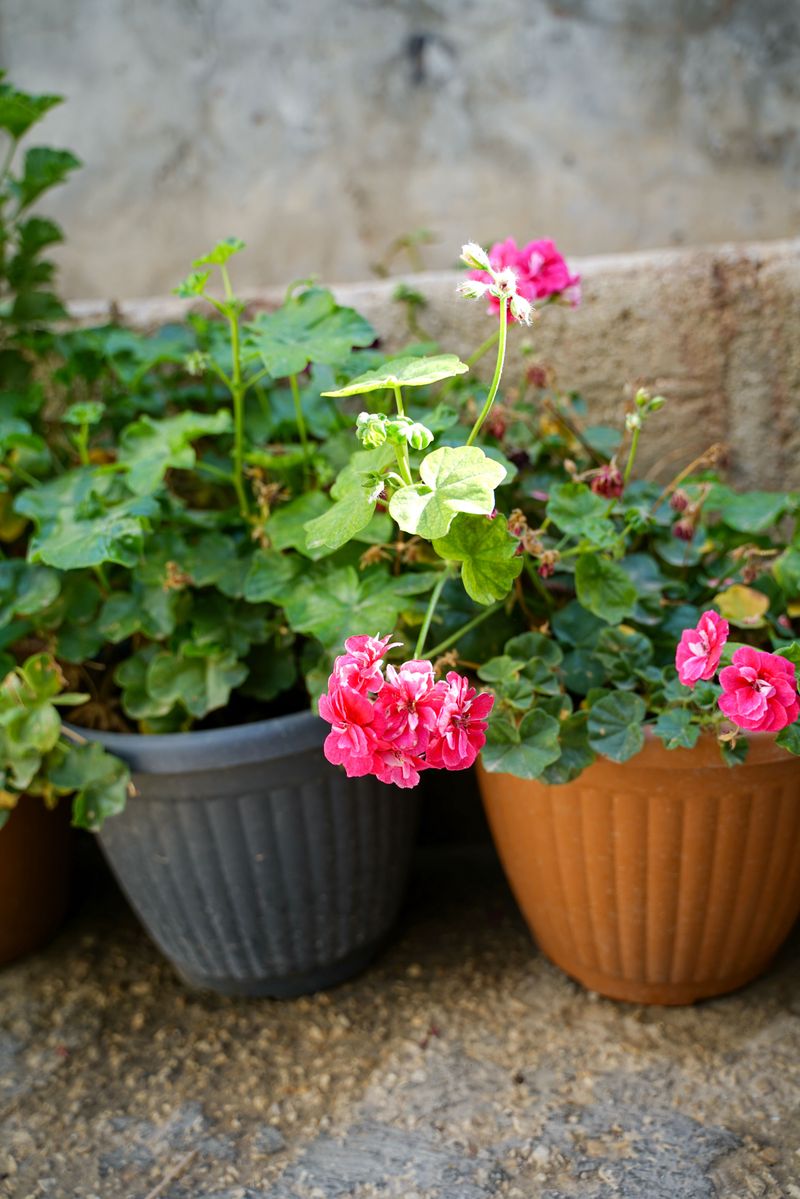
Spring fever is real, but rushing outside can undo months of careful work. Geraniums prefer warm soil and nights above 50 degrees.
Across much of New York, the last frost arrives between late April and late May. Upstate valleys and northern regions trend later, while New York City and Long Island warm up sooner.
Check your local frost date through Cornell Cooperative Extension. Hardening off helps indoor plants adjust to sun, wind, and cooler nights. Start with an hour or two in a shady, sheltered spot.
Over 7 to 10 days, slowly increase their time outside and their exposure to direct sun. Bring them back in if a chilly night threatens. Pale leaves that turn white or crispy usually signal sunburn, so slow down if that happens.
Once settled, your saved plants often bloom earlier than fresh nursery transplants. They also carry the exact colors and scents you loved last summer.
Fun fact: the plants we call geraniums were once grouped with true hardy geraniums, which explains the shared name. Botanists separated them in 1789.
Mark your calendar now, save a few egg cartons, and your favorites can return year after year.