Keep Stink Bugs At Bay In Pennsylvania With This Two-Ingredient Repellent
Pennsylvania was the first state to report a pest that hitched a ride from Asia and set up shop near Allentown in the late 1990s. Now it crawls across tomato leaves, peach trees, and window screens all over Pennsylvania.
I can’t count how many times I have flicked one off a pepper plant, only to catch that sharp, cilantro-like whiff on my fingers. You probably know that smell too. It lingers longer than any visitor should.
Personally, I wanted a fix that did not involve a cabinet full of harsh sprays. The answer turned out to be sitting in my spice rack, right next to the salt.
Two plain ingredients, one spray bottle, and a little patience can change the mood of your vegetable beds. Could the humblest kitchen staple really make these shield-backed pests pack up and wander elsewhere?
That Shield-Shaped Bug On Your Plants Has A Long Backstory
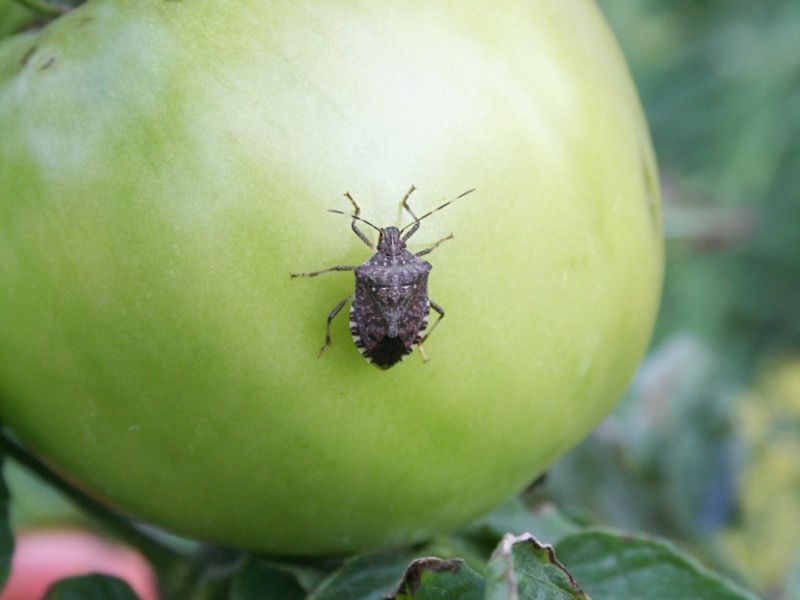
Back in 1998, someone near Allentown noticed an odd brown bug that nobody could name. It turned out to be the brown marmorated stink bug, an import from Asia that likely arrived in shipping materials.
Penn State entomologists confirmed it, and the bug spread quickly from there. Today it shows up across most of the state and in dozens of other states too.
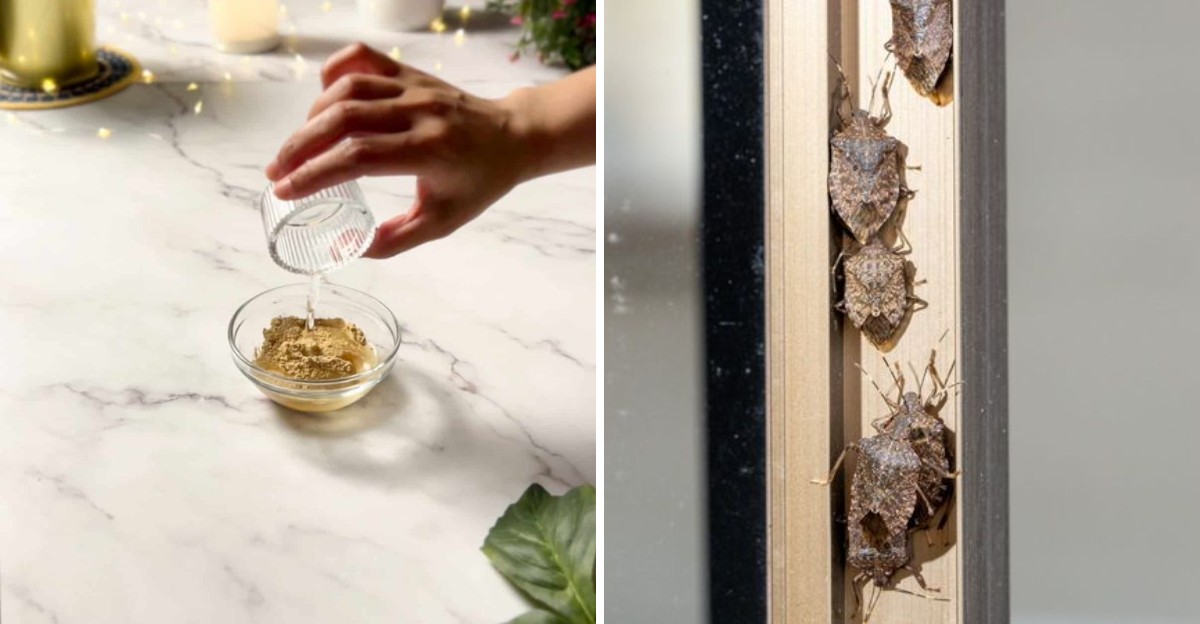
You can spot one by its shield-shaped body, about five eighths of an inch long. Look for light bands on the antennae and a checkered edge along the sides of its back. Those details help you tell it apart from native stink bugs and helpful predator bugs.
Why does it bother gardeners so much? This insect feeds on more than 100 kinds of plants, according to extension researchers, and some sources list even more. Tomatoes, peppers, beans, sweet corn, apples, and peaches are all on the menu.
The bug pokes its needle-like mouthparts into fruit and sucks out juices. That leaves cloudy spots, dimples, and mushy patches under the skin.
Knowing your opponent is the first step. Once you can recognize it on sight, you will notice it on the plants it likes most and act before the damage piles up.
Garlic Powder And Water Make A Surprisingly Simple Stink Bug Spray
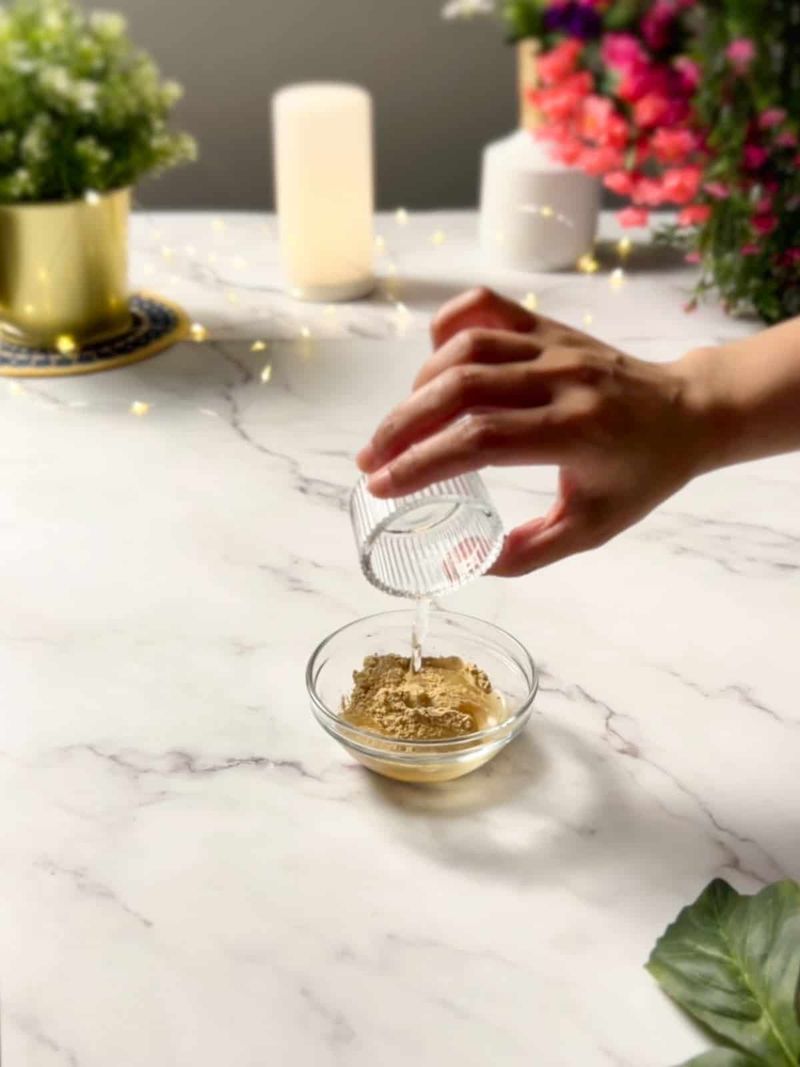
Honestly, the recipe fits on a sticky note. Mix four teaspoons of garlic powder into two cups of water, pour it into a clean spray bottle, and shake hard.
That is the whole thing. No fancy oils, no special trip to the garden center, and no mystery chemicals.
A few tips make it work better. Use warm water so the powder mixes more easily, then let it sit for a few minutes. Shake again before every use, because garlic powder settles to the bottom fast.
If your sprayer nozzle clogs, strain the mix through a coffee filter or an old piece of cheesecloth. That small step saves a lot of frustration on a busy morning.
Label the bottle clearly. You do not want anyone mistaking it for window cleaner or plant food.
I like to mix a fresh batch every few days instead of storing a big jug. Homemade sprays lose strength over time, and fresh garlic water smells stronger and more convincing to pests.
Keep in mind this is a repellent, not a pesticide. Its job is to make your plants less inviting, so the bugs move along and look for dinner somewhere else.
Sulfur-Rich Garlic Scent Confuses Hungry Stink Bugs
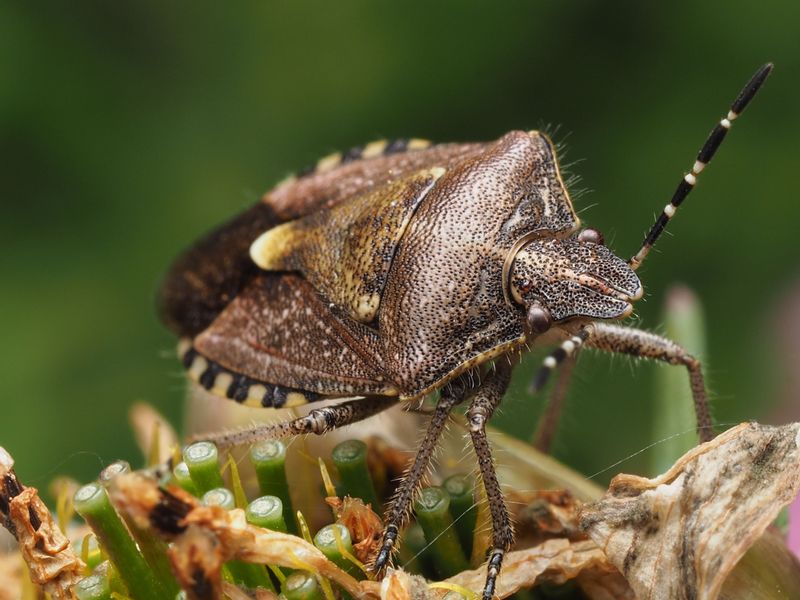
Stink bugs live by their noses, or more accurately, their antennae. They use scent to find food, mates, and safe places to rest.
Garlic is loaded with sulfur compounds, the same ones that make your kitchen smell strong after you chop a clove. Many insects find those odors unpleasant, and a coated leaf seems far less like a meal.
Researchers have studied plant-based oils as insect repellents for years, and garlic often comes up as a deterrent.
Still, the evidence for stink bugs specifically comes mostly from gardener experience and small trials, not big university studies.
So think of garlic spray as one helpful tool, not a magic shield. It works best when bug numbers are low to moderate.
Fun fact: brown marmorated stink bugs gather partly because of an aggregation pheromone they release. Scientists even use that pheromone in monitoring traps.
Masking the scent of tasty plants may make it harder for the bugs to settle in and call their friends over. That is the idea behind your garlic layer.
Your garden may smell a bit like an Italian kitchen for a day. Most gardeners agree that is a fair trade for cleaner tomatoes.
Spray Leaf Undersides Every Few Days From Late Spring Into Fall

Timing is where most people slip up, myself included. One spray in June will not carry you through August.
In Pennsylvania, overwintering adults wake up in spring and start feeding and laying eggs from about May through June.
Young bugs, called nymphs, build up through summer, and populations often peak in August and September.
Plan to spray every two to three days during that busy stretch. Reapply after rain or heavy watering, since the coating washes off quickly.
Flip the leaves when you spray. Stink bugs lay pale, barrel-shaped eggs in neat clusters of about 28 on the undersides of leaves, and nymphs hang out there too.
Early morning or evening works best. The bugs move slower when it is cool, and you avoid spraying in strong midday sun that could stress tender plants.
Before covering a whole bed, test the spray on a few leaves and wait a day. Most plants handle it fine, but it is smart to check.
Also rinse fruit before eating, unless you enjoy garlic-flavored strawberries. Picking ripe produce promptly helps too, since soft fruit draws the bugs in.
Hand Picking Stink Bugs Into Soapy Water Still Works Wonders
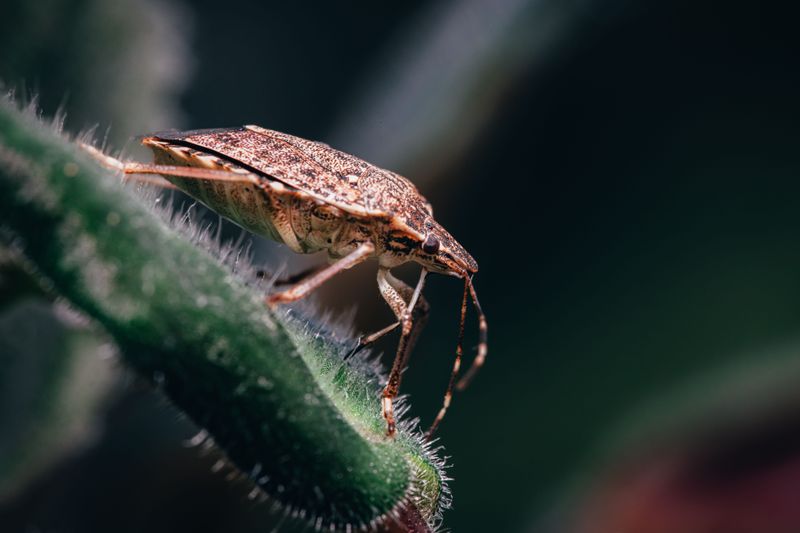
Grab a jar, add water and a squirt of dish soap, and you have the oldest trick in the book. It pairs nicely with your garlic spray.
Stink bugs tend to drop when disturbed. Hold the jar under a leaf, tap the leaf gently, and many of them tumble right into the soapy water.
Penn State Extension mentions this method as a practical option for home gardens. It removes bugs without spreading their famous odor on your hands.
Do your rounds in the cool morning, when the bugs are sluggish. Check tomatoes, peppers, beans, and fruit trees first.
While you are out there, look for those egg clusters on leaf undersides. Scrape them into the jar or pinch off the leaf and toss it.
Removing eggs before they hatch keeps a small problem from becoming a big one. One cluster can mean dozens of hungry nymphs later. Please skip squashing them by hand. The smell sticks around, and it can stain your fingers.
Kids often love this job, by the way. Turn it into a bug hunt and you may end up with a couple of very proud garden helpers.
Row Covers, Mint Spray, And Birds Back Up Your Garlic Defense
Garlic deserves some teammates. A layered plan gives you far better results than any single spray.
Lightweight row covers are one of the most reliable barriers. Drape them over young crops and seal the edges, but remove them from plants like squash when flowers need pollinators.
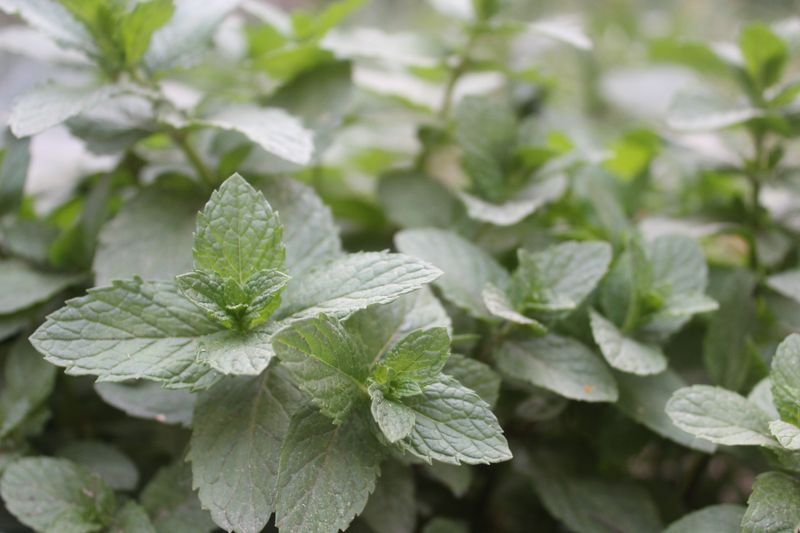
Mint is another popular scent deterrent. Some gardeners mix about 10 drops of mint essential oil into two cups of water, though evidence is mostly anecdotal, so test it on a few leaves first.
Here is one caution. Plant mint in pots, not the ground, because it spreads aggressively and can take over a bed in a single season.
Natural enemies help as well. Birds, spiders, praying mantises, and assassin bugs all snack on stink bugs.
Scientists have also found a tiny parasitic wasp, the samurai wasp, that attacks stink bug eggs. It has turned up in Pennsylvania on its own, and researchers are watching how it spreads.
To support all these helpers, cut back on broad-spectrum insecticides. Those sprays harm the good guys too, and the stink bugs often bounce back faster than their predators do.
Seal Window Cracks Before Stink Bugs Move In For Winter
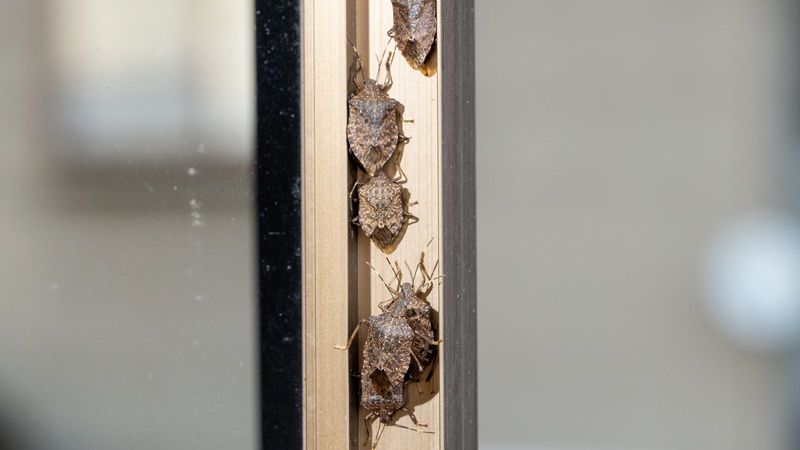
Come September, the garden fight shifts to your house. Brown marmorated stink bugs start hunting for warm, sheltered spots to spend the winter.
You will often see them clustering on sunny south and west walls. From there, they slip through gaps around windows, doors, siding, chimneys, and vents.
Your best move is sealing those gaps in late summer, before the crowds arrive. Use caulk around frames, fix torn screens, and add sweeps to doors.
Check spots where pipes and cables enter the house too. Even a narrow crack can be an open invitation.
If some still sneak inside, stay calm. They do not bite people, breed indoors, or damage furniture, according to Penn State Extension.
A vacuum with a dedicated bag or a nylon stocking over the hose makes cleanup easy. Empty it outside right away to avoid the smell.
Indoor insecticide sprays are not much help, and dead bodies inside walls can attract other pests. Exclusion works better.
Put it all together and you have a simple routine. Garlic spray in summer, sharp eyes on leaves, and a caulk gun in fall will keep these pests on the move.