How to Overwinter Dahlias, Cannas, and Other Tender Bulbs in New York
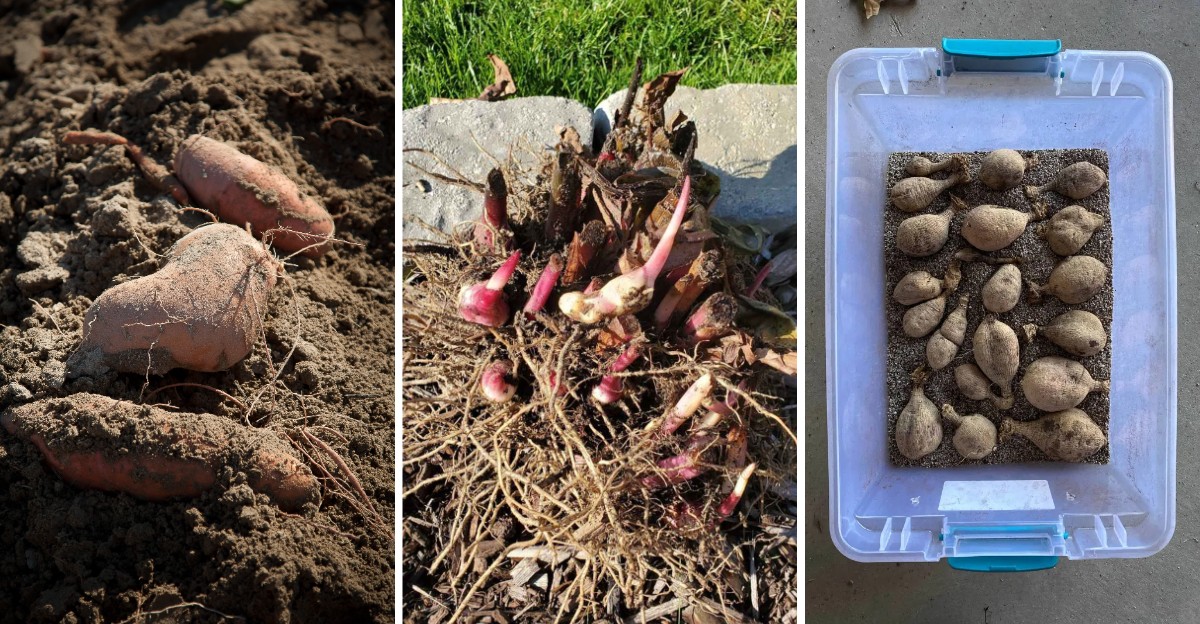
A single dahlia clump dug up in fall can split into five or more new plants by spring. That means one summer favorite can quietly multiply in a cardboard box while snow piles up outside. I still find that a little thrilling.
Most of these summer showoffs come from warm places like Mexico, Central America, and South Africa. Their roots simply cannot handle frozen soil for months. In most of New York, the ground freezes hard enough to turn those plump roots into mush by January.
Personally, I hate buying the same plant twice. You have already spent a whole season feeding, staking, and admiring these beauties, so why hand them over to the cold?
A little digging and a dark corner of the basement can change everything.
So what does it really take to tuck a garden to bed and wake it up again next May?
Blackened Dahlia Leaves Are Actually Your Cue
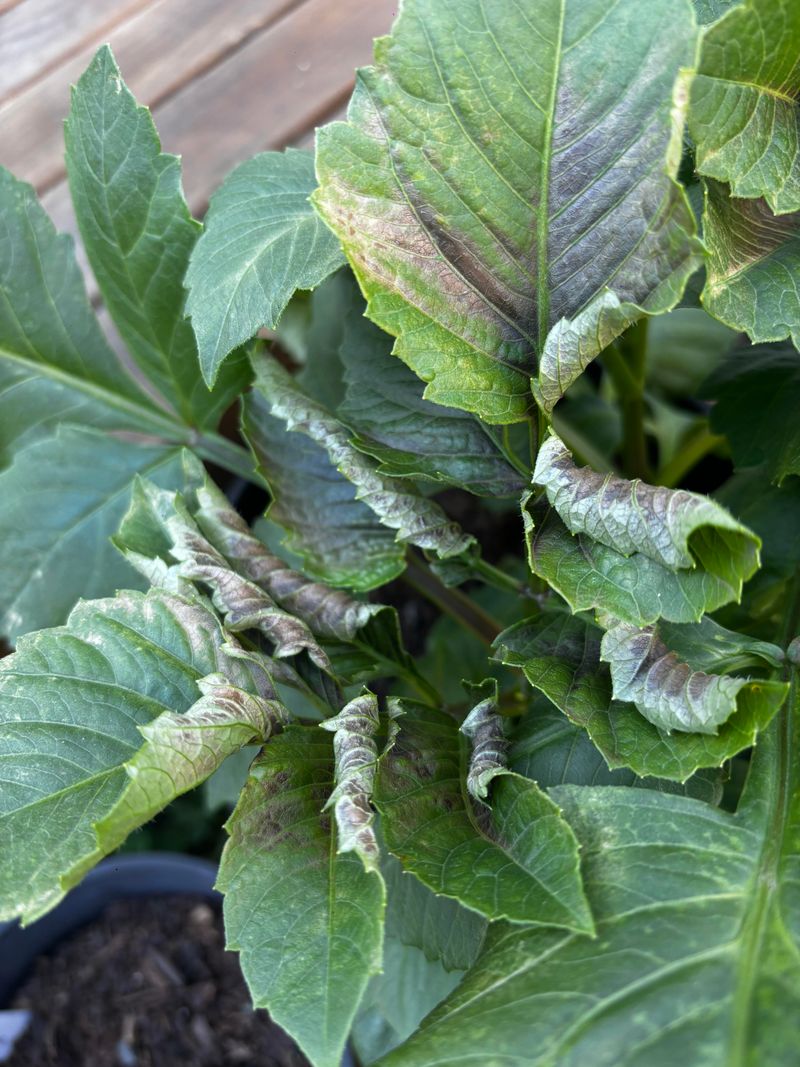
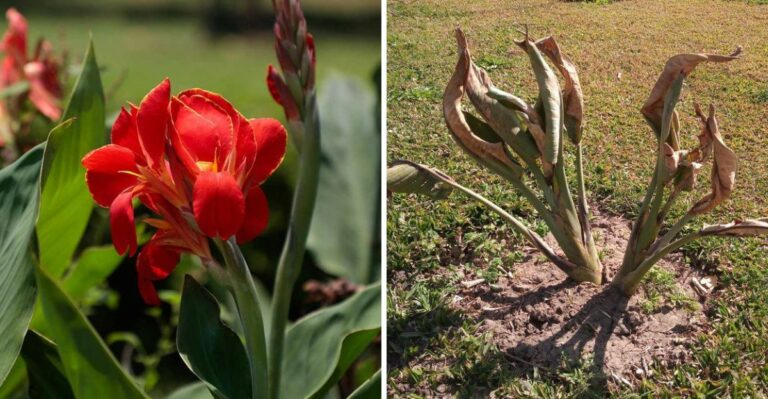
That first frost night feels like a heartbreak. You walk outside, and the dahlia leaves look like wet, blackened paper.
Relax, because that ugly sight is exactly what you have been waiting for.
Tender plants such as dahlias, cannas, gladiolus, caladiums, and elephant ears grow from underground storage parts. Some are tuberous roots, some are rhizomes, and some are corms.
All of them hold food for next year, but none of them can survive deep winter cold in most New York gardens.
Frost on the leaves tells the plant to stop growing. Underground, the roots are still fine because soil holds warmth longer than air does.
You have a window of time to act before the ground itself freezes.
In most of the state, first frost arrives from late September in the Adirondacks to early November in New York City and on Long Island. Upstate gardeners usually dig in October.
Downstate folks can often wait until early or mid November.
Watch the weather closely during this stretch. A light frost that blackens leaves is fine.
A hard freeze that locks the soil solid is the real threat, so plan to finish digging before that happens.
A quick tip: mark each plant with a tag before frost hits. Once the flowers are gone, every dahlia looks the same, and you will thank yourself next spring.
Wait About a Week Before Lifting Dahlia Tubers
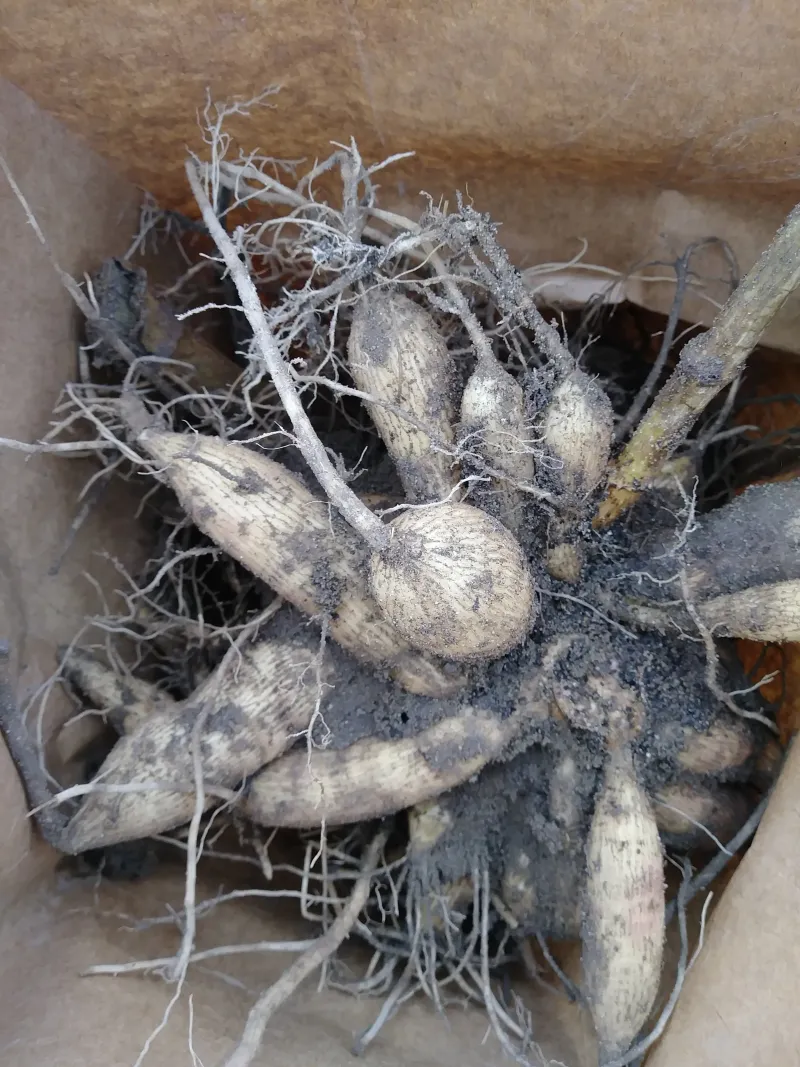
Patience pays off here more than almost anywhere else in gardening. Many growers, including the folks at Longfield Gardens, suggest waiting one to two weeks after frost blackens dahlia leaves before digging.
During that time, the tuber skins toughen up, which helps them store better.
Go ahead and cut the stems down to about 4 to 6 inches tall. That stubby stalk gives you a handle to hold while lifting.
It also keeps you from losing track of where each plant sits.
Cannas follow a slightly different schedule. Let a frost knock back the foliage, then dig within a week or so.
Gladiolus corms can come up once the leaves turn yellow or brown, usually around six weeks after blooming ends.
Caladiums and tuberous begonias are a bit fussier. They dislike chilly nights, so many gardeners lift them before temperatures drop into the 40s, even if frost has not arrived yet.
Keep an eye on the forecast during your waiting period. If a deep freeze is coming, skip the extra days and dig right away.
Tough skins matter, but frozen tubers cannot be saved.
I like to tie a little ribbon or write the variety name right on the stem with a marker. That way, the label travels with the clump once it leaves the ground.
A Garden Fork Saves Your Canna Rhizomes From Nicks
Ever sliced right through a perfect tuber with a shovel? I have, and that little crunch sound still haunts me.
A garden fork is gentler and far kinder to your buried treasure.
Start digging about a foot away from the main stem. Push the fork straight down in a circle around the plant, then rock it back and forth to loosen the soil.
Slowly lift the whole clump from underneath instead of yanking on the stem.
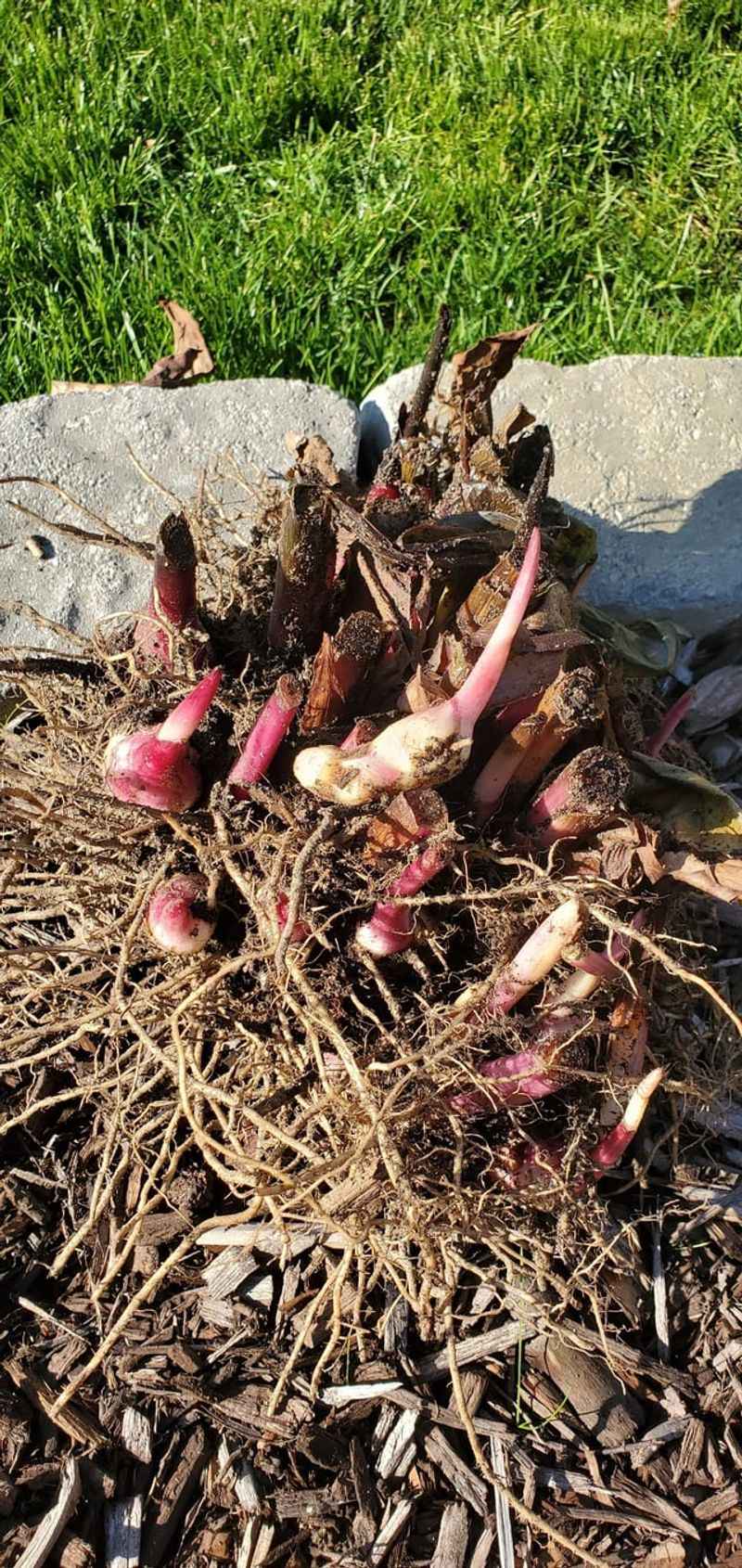
Dahlia necks are the weak spot. The thin part that connects each tuber to the crown snaps easily, and a tuber without its neck and crown tissue will not sprout.
Handle clumps like a carton of eggs.
Canna rhizomes spread sideways and can get surprisingly large in one season. Give them extra room when you dig.
Gladiolus corms sit lower and are easier, so a trowel often works fine.
Shake off loose dirt once the clump is out. Some gardeners rinse dahlias with a hose to spot problems, while others let soil dry and brush it away later.
Both methods work.
Toss any piece that looks soft, hollow, or rotten. Keeping only firm, healthy pieces gives you a much better shot at strong plants next season.
Freshly Dug Tubers Need a Short Drying Spell
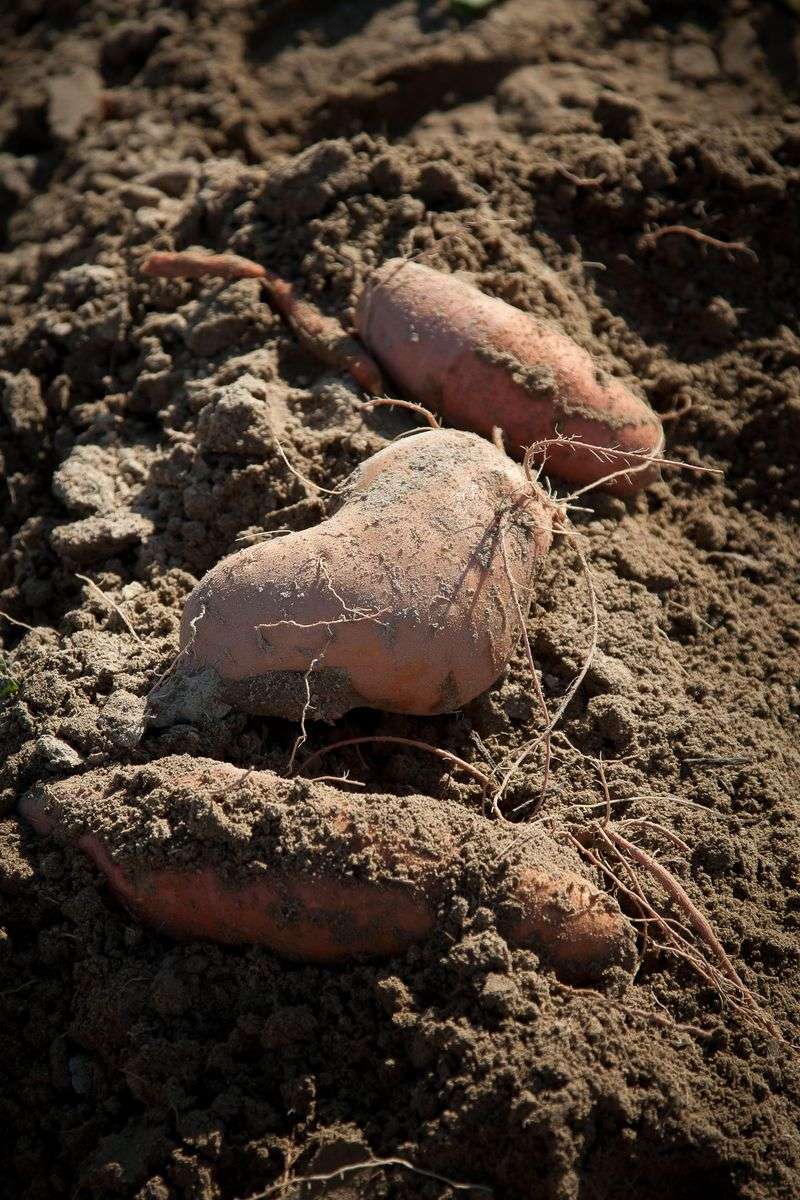
Fresh from the soil, tubers and rhizomes are full of moisture. Pack them away wet, and rot can sneak in fast.
A brief drying period, often called curing, helps seal the skin.
Find a sheltered, airy spot that stays above freezing. A garage, porch, or shed works well.
Lay the clumps on newspaper, cardboard, or a screen so air can reach every side.
Dahlias generally need only a day or two. Flip clumps upside down so water drains out of the hollow stems, since trapped moisture in the crown invites decay.
Overdrying them too long makes tubers shrivel, so do not leave them for weeks.
Cannas often take longer. Several sources suggest a week or so in a warm, ventilated room.
Gladiolus corms like two to three weeks of curing in a warm, airy place, after which the old shriveled mother corm snaps right off.
Once dry, trim away leftover stems and foliage. Brush off any remaining crumbs of soil, but leave the skins alone.
Fun fact: the hollow dahlia stem works like a straw. If water sits inside it, rot can travel straight down into the crown, which is why that upside-down trick is so popular among dahlia societies, including the Long Island Dahlia Society.
Peat Moss and Vermiculite Make Cozy Winter Bedding
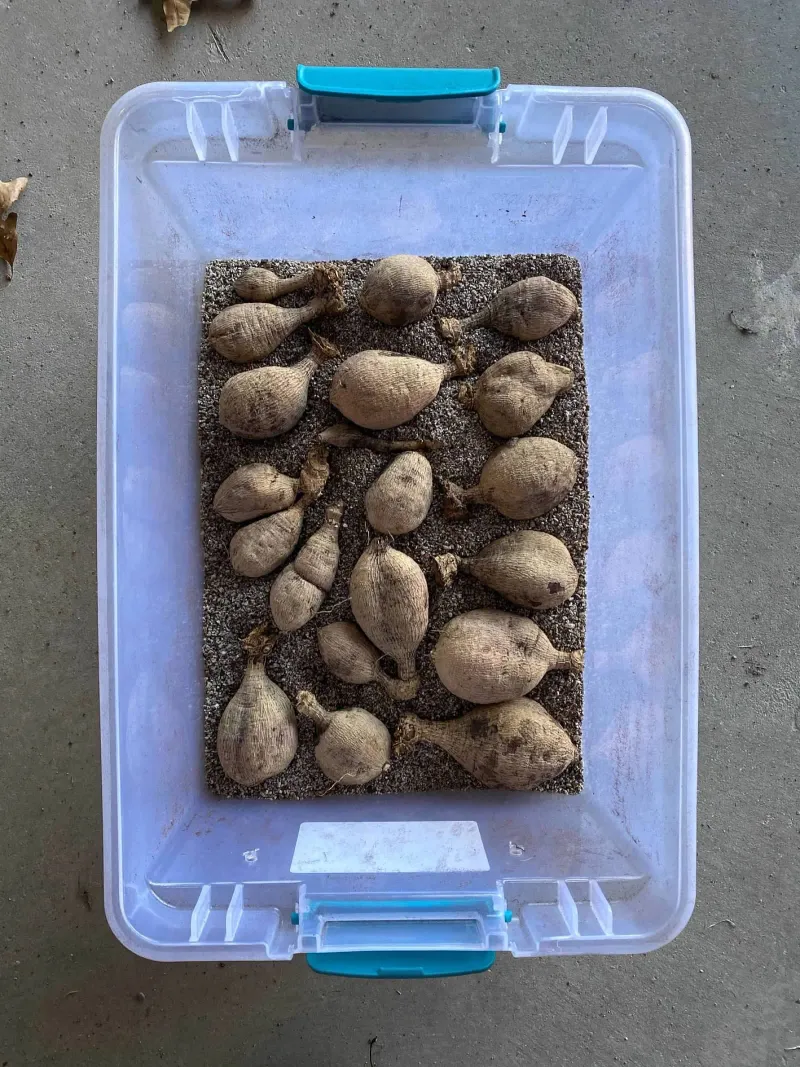
Think of storage material as a blanket that keeps tubers from getting too dry or too damp. The goal is balance.
You want firm, plump roots in April, not raisins or mush.
For dahlias, popular choices include slightly damp peat moss, vermiculite, coco coir, wood shavings, or sawdust. Layer the tubers so they do not touch each other.
If one goes bad, it will not spread trouble to its neighbors.
Cannas are a bit more relaxed. Many gardeners store them in barely moist peat moss, sand, or vermiculite.
Others wrap each rhizome in newspaper and tuck the bundles into a cardboard box.
Gladiolus corms prefer to stay dry. Mesh onion bags or paper bags hanging in a cool room usually do the trick.
Containers matter as much as the filling. Cardboard boxes, paper bags, and plastic bins with a few holes drilled in the lid all allow some airflow.
Sealed, airtight tubs trap humidity and can lead to rot.
Some growers wrap individual dahlia tubers in plastic wrap, a method that keeps moisture steady. It works, though it takes more time.
Label every box with the variety name and color. Memory fades over a long winter, and that note will make spring planting much more fun.
Your Basement Might Be the Perfect Bulb Hideout
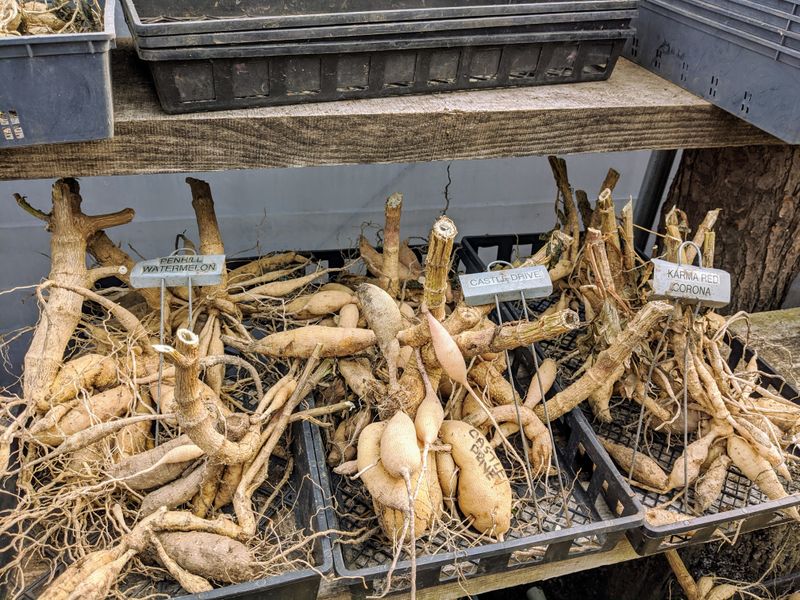
That chilly corner you avoid all winter? Your tender bulbs might adore it.
Cool, dark, and frost-free is the winning formula.
Dahlias rest best at roughly 40 to 50 degrees Fahrenheit. Cannas handle a similar range, often 40 to 55 degrees.
Gladiolus corms and most other summer bulbs fall in the same zone, though caladiums prefer it warmer, closer to 50 to 60 degrees.
An unheated basement or root cellar often fits perfectly. An attached garage can work too, but only if it stays above freezing.
In the North Country and the higher Catskills, garages can plunge below 32 degrees during cold snaps, so check carefully.
Toss a cheap thermometer near your boxes. A reading or two each week tells you more than guessing ever will.
If temperatures creep too high, bulbs may sprout early and stretch weakly toward any light.
Steady conditions beat perfect numbers. Big swings between warm and cold confuse dormant plants and invite rot.
Apartment gardeners in New York City still have options. A closet against an outside wall, or the space under a bed in a cool room, can stay chilly enough.
Keep boxes off heating vents and away from furnaces, and your tubers should rest happily until spring.
Monthly Peeks Catch Shriveled or Moldy Tubers Early
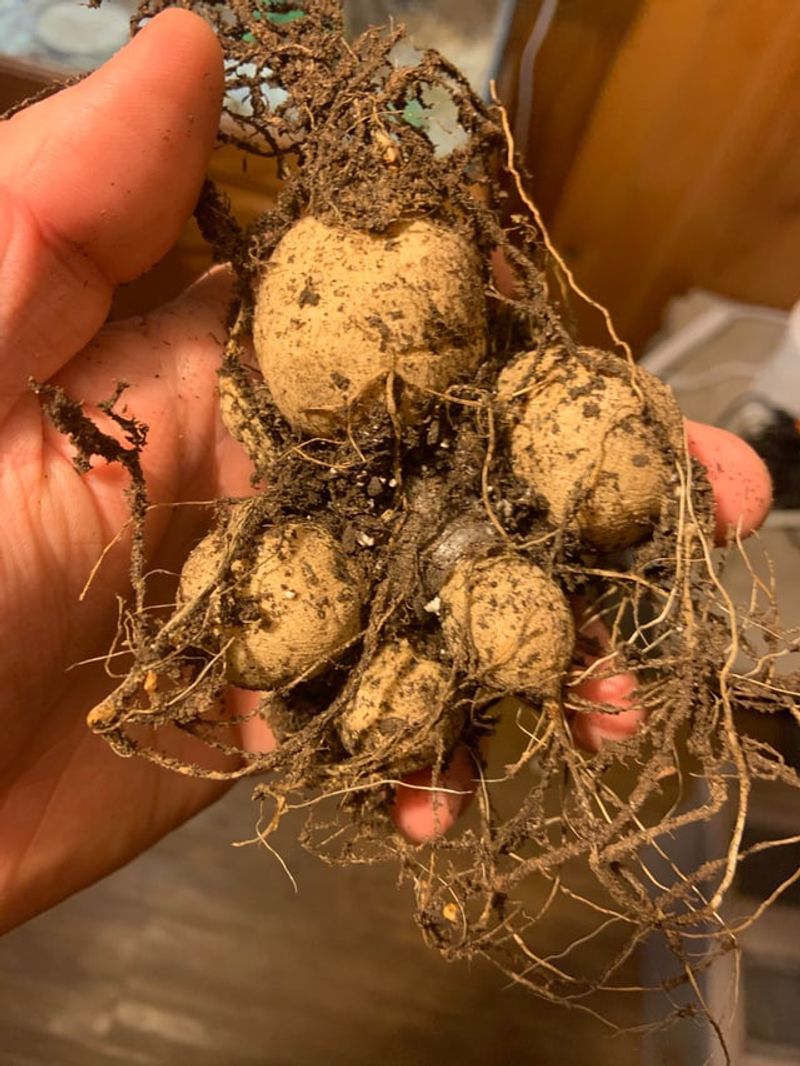
Out of sight should not mean out of mind. A quick check every month or so can save a whole box of plants.
I usually do mine on a snowy weekend with a cup of tea nearby.
Gently pick up a few tubers and give them a light squeeze. Healthy ones feel firm, like a fresh potato.
Wrinkled, soft, or lightweight tubers are telling you something.
Shriveling means conditions are too dry. Lightly mist the packing material, not the tubers directly, and check again in a couple of weeks.
Most tubers plump back up nicely.
Mold or mushy spots mean too much moisture. Cut away small soft areas with a clean knife, dust the cut with a little sulfur powder if you have it, and let it dry.
Throw out any piece that is soft all the way through.
After removing trouble spots, open the box lid a bit more or swap to drier material. Better airflow solves many winter problems.
Watch for sprouts too. Tiny pink or white eyes appearing in late winter are normal, especially in warmer storage.
If they show up in December, move the box somewhere cooler to slow things down. Rodents can be a nuisance as well, so sturdy containers help in mouse-prone basements.
Potting Up Cannas Indoors Gives You a Head Start on Spring
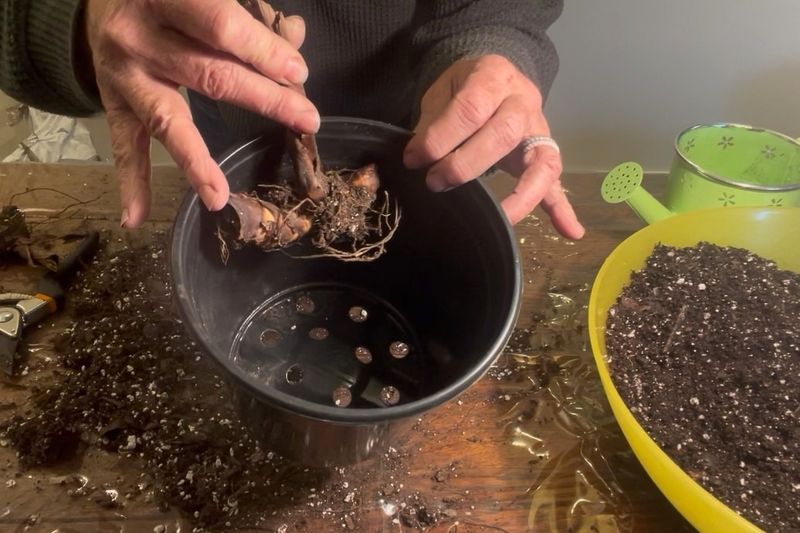
Spring fever hits hard by March. You can feed that itch by waking your bulbs up early indoors, and your garden will bloom sooner for it.
About four to six weeks before your last frost date, pot cannas in regular potting mix and set them in a bright, warm spot. Dahlias can get the same treatment.
Keep the soil lightly moist until shoots appear, then water a bit more.
This is also a great time to divide clumps. Dahlia tubers need a piece of crown with at least one visible eye, and early sprouting makes those eyes much easier to spot.
Canna rhizomes can be split into chunks with a few growing points each.
Last frost dates vary a lot across New York. Long Island and New York City often clear frost by mid to late April, while much of upstate waits until mid May.
Colder northern areas may need to hold off until late May or early June.
Plant outdoors once soil warms to around 60 degrees and nights stay mild. Harden off potted plants for a week first by setting them outside a few hours each day.
Then comes the best part. Those same plants you saved last fall come roaring back, often bigger and fuller, and you get to share the extras with friends.