This One Step Keeps Florida Palms Healthy Through Winter Better Than Pruning Ever Will
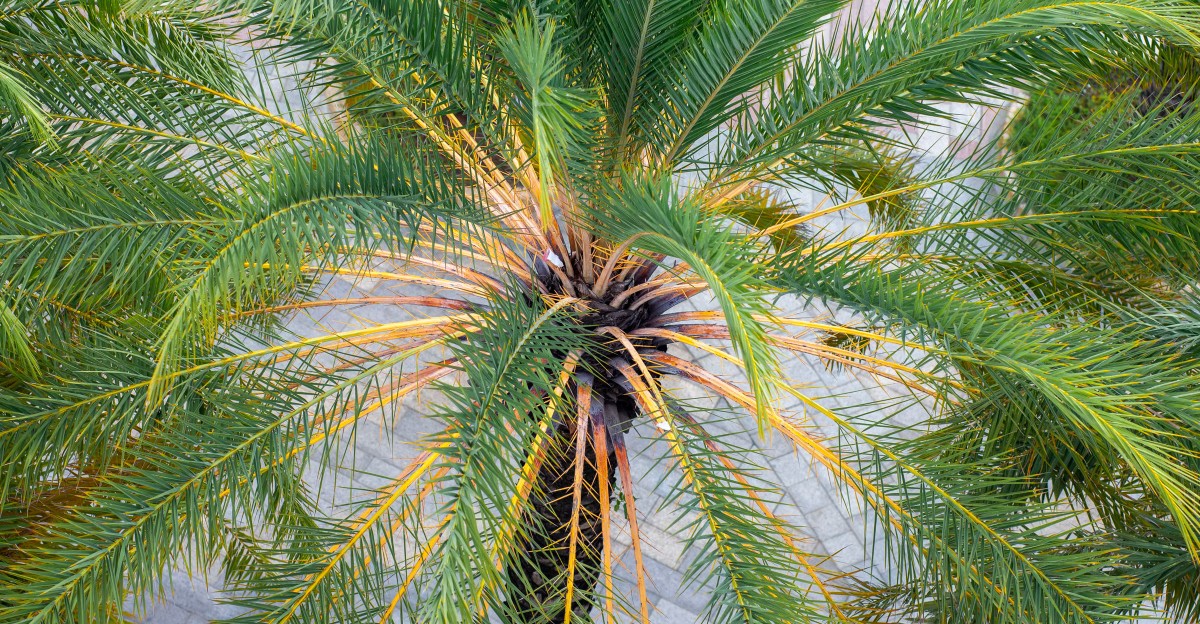
A palm tree grows from a single bud at its top, and it has no backup plan. Lose that one tender spot, and the whole tree can fade away, even if the trunk looks perfect.
That surprised me the first time I read it. Most trees can sprout new branches after a hard freeze. Palms rarely get that second chance.
Here in Florida, a lot of us grab the pruning saw when the weather cools. I get it, because tidy fronds look nice along the driveway. Yet those green leaves are doing quiet work you might not notice.
So what actually helps a palm ride out a chilly January night? The answer costs less than a tree service visit, and it takes about ten minutes.
I think you’ll look at your yard a little differently once you know where to aim your effort.
The Most Important Part Of Your Palm Sits Way Up Top
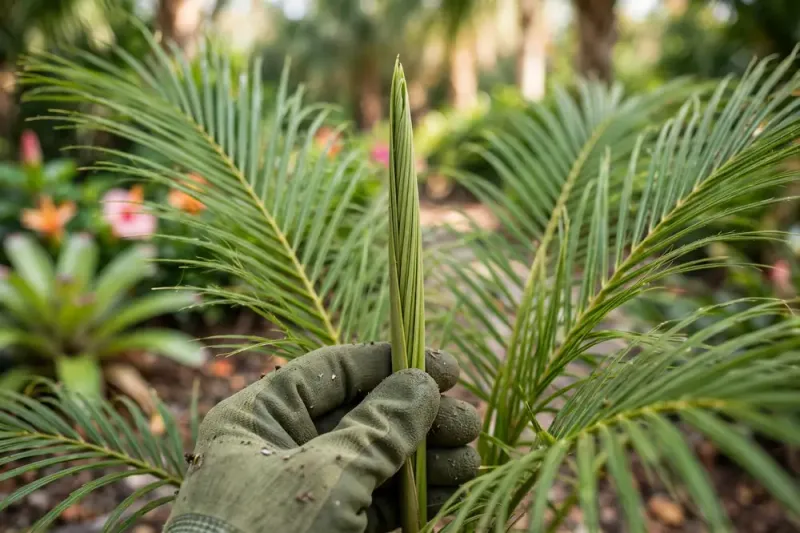
Every palm has one growing point, called the bud or heart. It hides inside the crown, right where that pointy spear leaf pokes up from the center.
Unlike an oak or maple, a palm can’t grow new limbs from its trunk. All new fronds come from that single bud.
UF/IFAS experts explain that if cold harms the bud badly, the palm usually can’t recover.
That fact changes how you should think about winter care. Brown fronds after a frost look scary, but they often mean very little.
A damaged heart means a lot.
I like to compare the bud to the engine of a car. You can dent the doors and still drive home, but a cracked engine block ends the trip.
Your palm works the same way.
So when a cold front shows up on the forecast, your attention belongs at the top center of the tree. Fronds, trunk, and roots matter too, yet they all depend on that one tender spot staying healthy.
Once you see the crown this way, cutting off green fronds starts to look like the wrong job. The smart move is protecting what sits inside them.
That simple shift is the heart of everything that follows in this article.
Wrap The Palm Heart With Frost Cloth Before A Cold Night
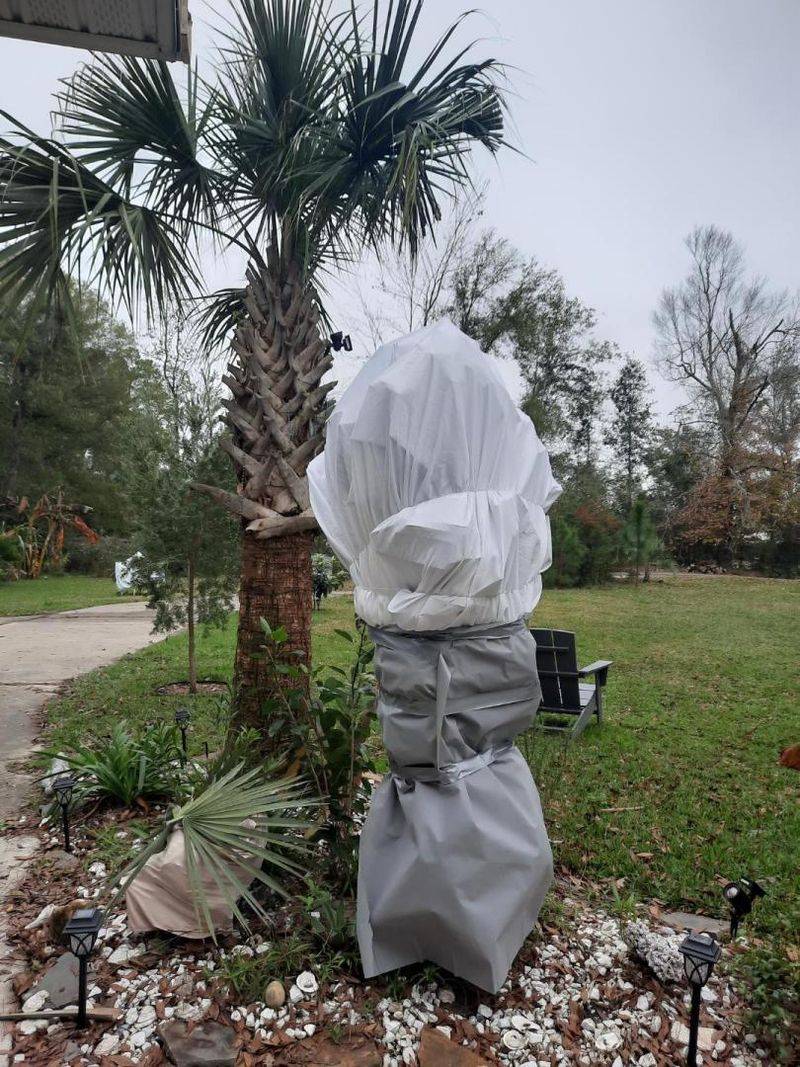
Frost cloth is the hero of this story. When temperatures are expected to dip near freezing, covering the crown and bud gives a palm real protection that pruning can’t match.
For short palms like pygmy dates or young cabbage palms, drape the cover over the whole plant. Let the fabric reach the ground and pin it down with rocks or stakes.
Warmth rises from the soil at night, and a cover that touches the ground traps that heat around the plant.
Burlap, old blankets, and bedsheets also work in a pinch. Skip plastic sheeting, though.
It doesn’t breathe, and it can actually leave leaves colder where it touches them.
Taller palms are trickier. You can’t safely climb a ladder to wrap a 20-foot queen palm, so focus your wrapping on palms you can reach from the ground.
Pull the covers off once the sun warms things up the next morning. Leaving them on for days can trap moisture and invite fungus.
Personally, I keep a bin of frost cloth and clothespins in the garage all winter. When the forecast turns, I’m ready in minutes instead of digging through closets at dusk.
Green Fronds Are Working Hard Even In December
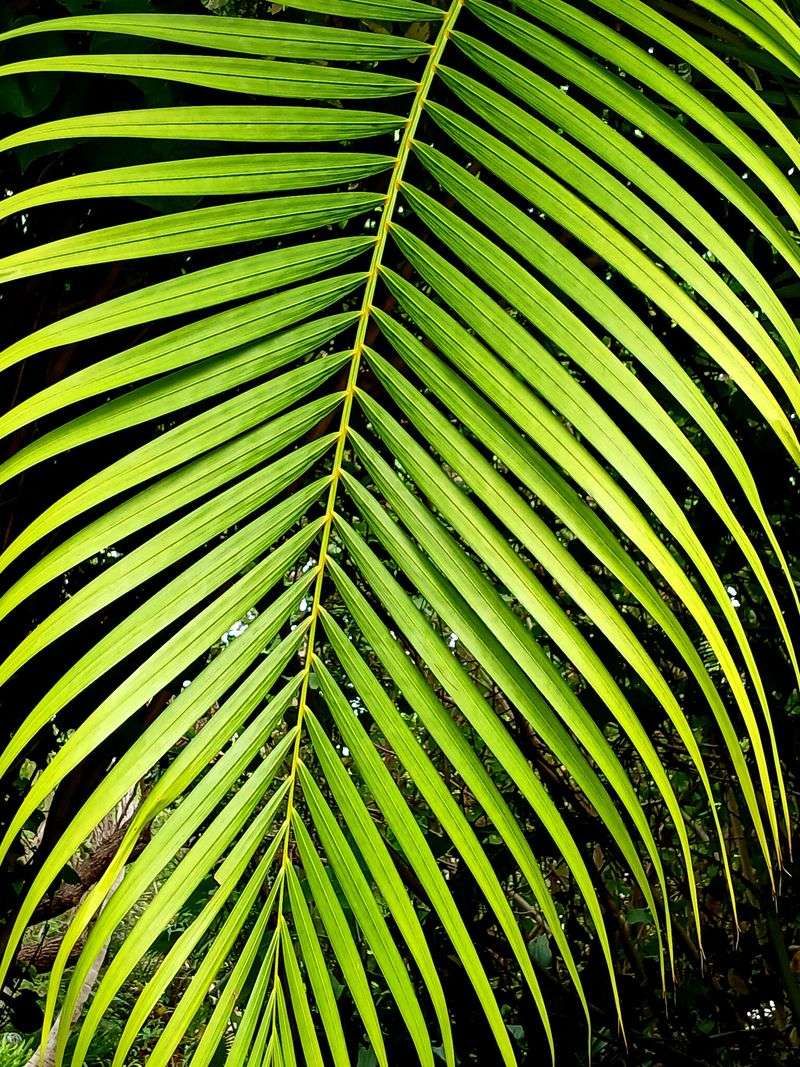
Those big green fronds aren’t just decoration. They make food through photosynthesis, and they also store nutrients like potassium that the palm moves around as it needs them.
When you cut healthy fronds, you take away part of the tree’s pantry. University of Florida research has shown that removing green leaves can worsen potassium deficiency, a common problem in sandy soils across the state.
The fronds also act like a loose jacket around the bud. A full canopy helps buffer the heart from wind and some cold.
Strip the crown bare, and that tender center sits more exposed.
You’ve probably seen the classic “hurricane cut,” where only a few upright fronds remain. It looks like a feather duster on a stick.
Extension specialists say it weakens the palm and doesn’t make it safer in storms.
A good rule from palm experts is simple. Only remove fronds that are fully brown and dry.
Yellow or partly yellow fronds may still be feeding the tree, so let them hang a while longer.
Your palm will thank you with stronger new growth in spring, and you’ll save money on trimming bills too.
Fresh Pruning Cuts Can Invite Trunk Rot Into Palms
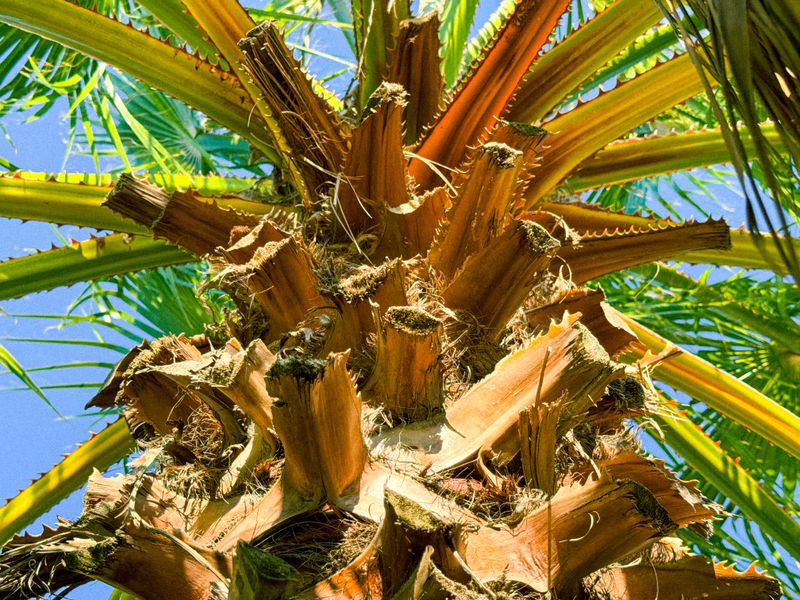
Think of every cut as an open door. Pruning wounds give fungi and other pests a way into the palm, and some of those visitors cause serious trouble.
One of them is Thielaviopsis trunk rot. This fungus enters through wounds and can weaken the trunk from the inside.
UF/IFAS notes it often shows up where the tissue has been damaged.
Another concern is Ganoderma butt rot, a fungal disease that has no cure. Dirty tools can also spread other diseases, such as Fusarium wilt, between trees, so cleaning blades between palms really matters.
Winter adds stress to the mix. Palms grow slowly in cool weather, so they seal wounds more slowly too.
A cut in July heals faster than one made during a chilly January week.
Climbing spikes are another culprit. Some workers use them to scale trunks, but the holes they leave never fully close.
Palm trunks don’t repair damage the way other trees do, so those scars stay for life.
If you hire a tree service, ask them to skip the spikes and remove only brown fronds. A good crew will understand right away.
If they push for heavy trimming, I’d keep shopping around.
A Thick Ring Of Mulch Keeps Palm Roots Cozy
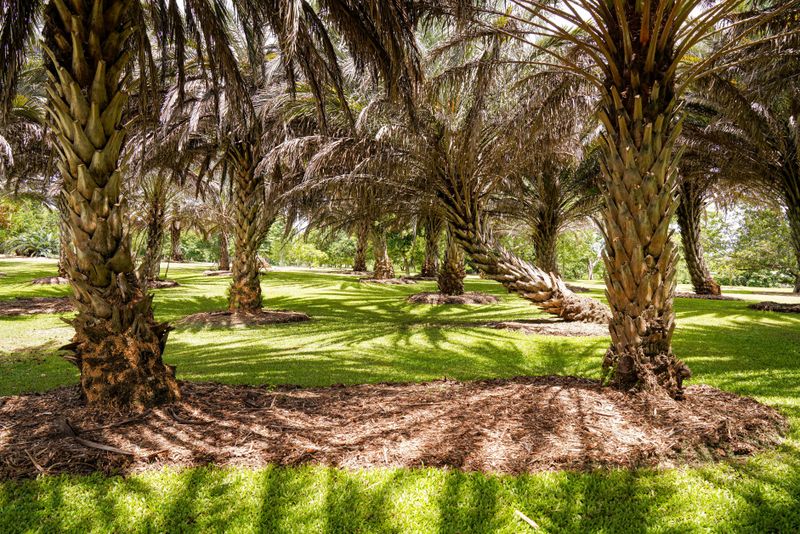
Mulch is one of the easiest winter helpers you can give a palm. A layer about 3 to 4 inches deep works like a blanket over the root zone.
It holds soil moisture and evens out temperature swings. On a cold morning, roots under mulch stay a bit more comfortable than roots in bare sand.
Spread it in a wide ring, ideally out toward the edge of the canopy if you can. Then pull it a few inches away from the trunk itself.
Mulch piled against the trunk stays wet and can encourage rot.
Pine bark, pine straw, and melaleuca mulch are solid picks. Many gardeners avoid cypress mulch because harvesting it can affect native wetlands, and it doesn’t hold up better than other options anyway.
Fun fact: as organic mulch breaks down, it slowly adds organic matter to Florida’s sandy soil. That helps the ground hold water and nutrients a little longer.
I usually top off my mulch rings in late fall, before the first real cold snap. It’s a quick weekend job, and it makes the whole bed look neat without a single frond hitting the ground.
Watering Palms Before A Cold Front Helps More Than You Expect
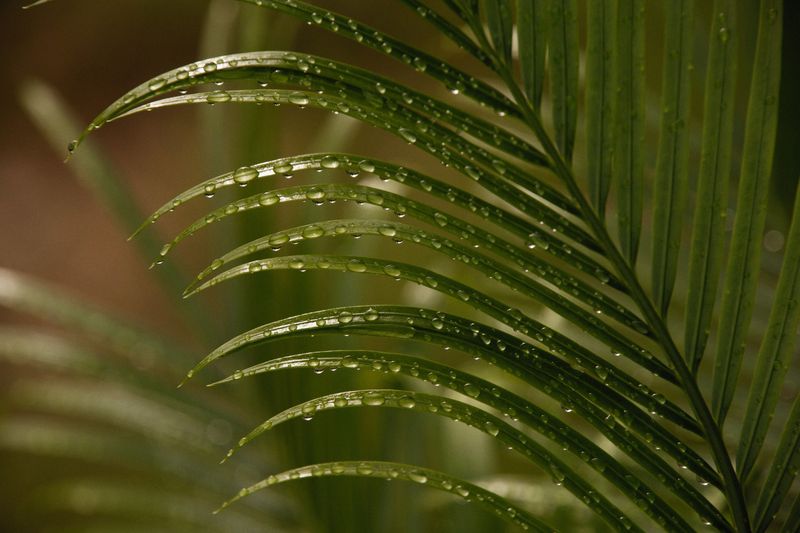
A deep drink a day or two before cold weather is a smart, cheap move. Moist soil soaks up heat during the day and releases it slowly overnight.
Dry soil doesn’t do this nearly as well. So a watered bed creates a slightly warmer pocket around the roots and lower trunk on a frosty night.
Plants that go into a cold spell already thirsty also handle stress poorly. A well-hydrated palm is better equipped to cope.
Balance still matters, though. Soggy soil for weeks at a time can lead to root rot, especially with palms that like sharp drainage.
You want damp, not swampy.
Check your sprinkler schedule too. Many Florida counties limit lawn watering to certain days, and those rules usually still apply in winter.
Hand-watering a palm with a hose is often allowed, but it’s worth checking your local water district rules.
Here’s a habit I picked up from a nursery owner years ago. When I see a freeze warning on the evening news, I water the palm beds the next afternoon, then set out the frost cloth.
Those two steps together feel like tucking the yard into bed.
Potted Palms Can Simply Move Onto The Lanai Or Into The Garage
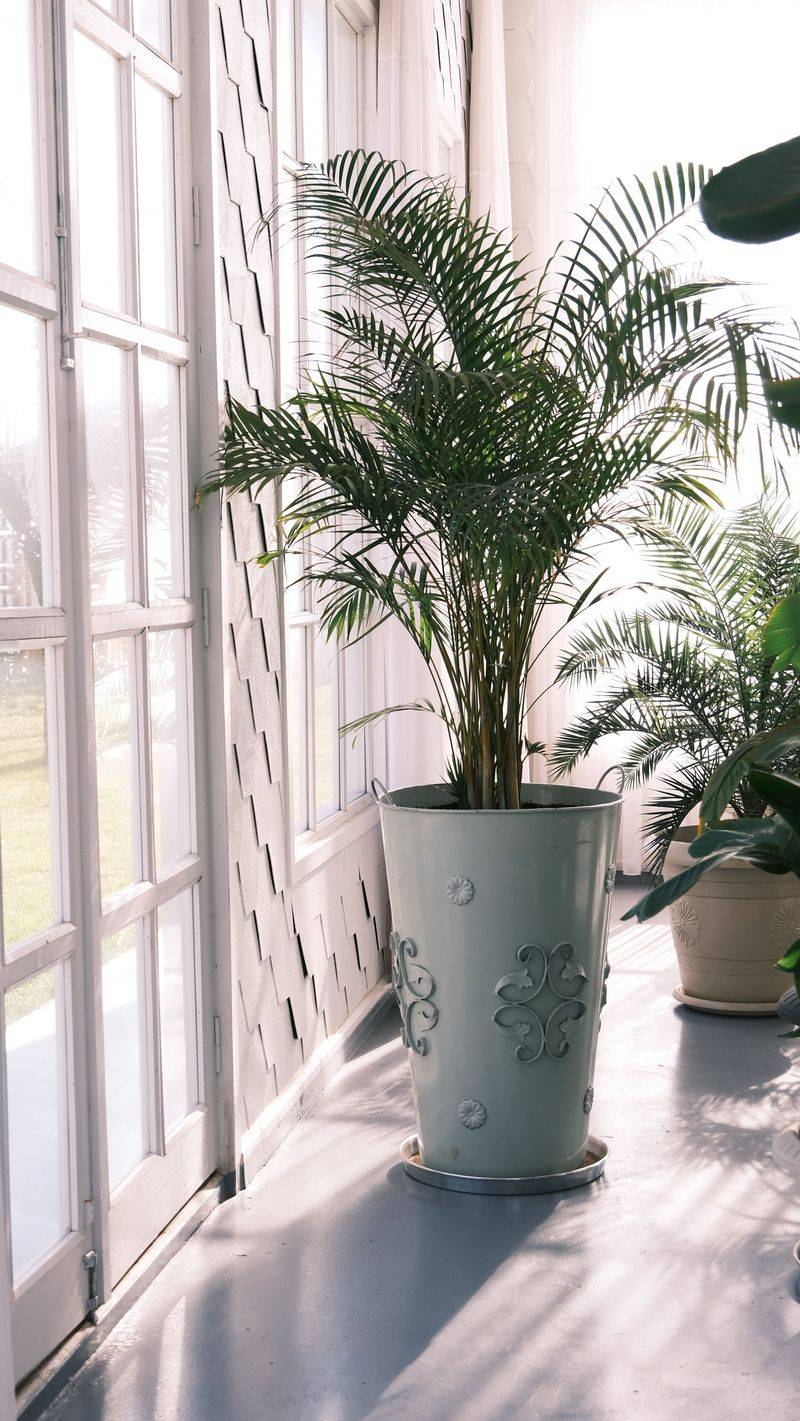
Container palms have a big advantage. When cold arrives, you can just carry them somewhere warmer.
A garage, screened lanai, or covered porch near the house can make a real difference. Walls and roofs hold a little heat and block the wind.
For tender types like areca or majesty palms, bringing them indoors beside a bright window is even better.
Roots in pots are more exposed than roots in the ground. The soil inside a container cools quickly because air surrounds it on all sides.
That’s why potted palms often struggle first during a cold snap.
Use a hand truck or plant dolly for heavy pots. Your back will appreciate it.
Once inside, go easy on water. Palms use less moisture in cool, dim spaces, and wet soil sitting in a chilly garage invites trouble.
Move the pots back outside once the cold passes, and avoid leaving them in dark spaces for long stretches. A week in the garage is fine.
A whole month without light can leave fronds pale and weak.
I love how easy this trick is. No wrapping, no climbing, just a short walk with a few containers.
Save The Pruning Saw And Fertilizer For Spring Palm Growth
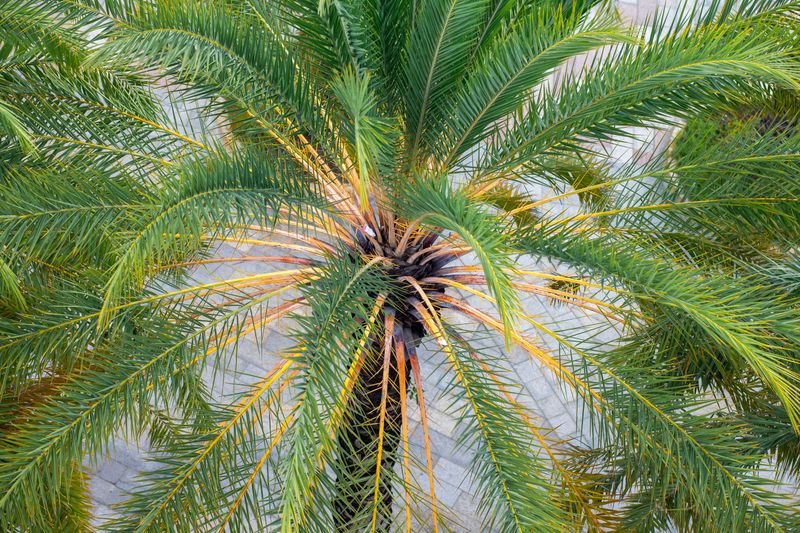
Patience is the final ingredient. Most palm chores are better handled once warm weather returns.
Hold off on fertilizer in late fall and early winter. Feeding then can push tender new growth, and those soft fronds are easy targets for cold.
Wait until spring, when your palm can actually use the boost. A slow-release palm fertilizer with potassium and magnesium is the standard extension recommendation.
After a cold spell, resist the urge to cut off brown fronds right away. Even damaged leaves can still help shield the bud and feed the plant a little.
UF/IFAS suggests waiting until new growth appears before removing cold-damaged fronds.
Watch the spear leaf in the weeks after a freeze. If it pulls out easily or smells sour, the heart may be in trouble, and an arborist can help.
Regional differences matter too. A Miami yard sees far fewer frosty nights than a Tallahassee yard, so north Florida gardeners will use their frost cloth more often.
So the takeaway is simple. Guard the bud in winter, then prune lightly and feed in late spring.
Your palms will look fuller for it.