9 Plants Virginia Gardeners Can Prune In November For A Head Start On Spring
Next summer’s blooms on certain shrubs will form on stems that have not even sprouted yet in Virginia gardens. That quirky habit means a few well-timed snips right now cost you zero flowers when warm weather returns.
Cold weather also slows down tiny beetles that can spread a serious tree disease through fresh pruning cuts. Leftover stalks in flower beds can shelter fungal spores over winter, which gives trouble a running start next year.
I love chilly afternoons spent with sharp pruners and crunchy leaves under my boots. You get quiet garden time now, and your spring self gets fewer chores when everything starts growing fast.
Not every plant welcomes the clippers this late, though, so a little homework keeps Virginia yards happy and healthy.
Which nine plants can handle a trim before winter, and which surprising one might change your whole routine?
1. Oak Trees
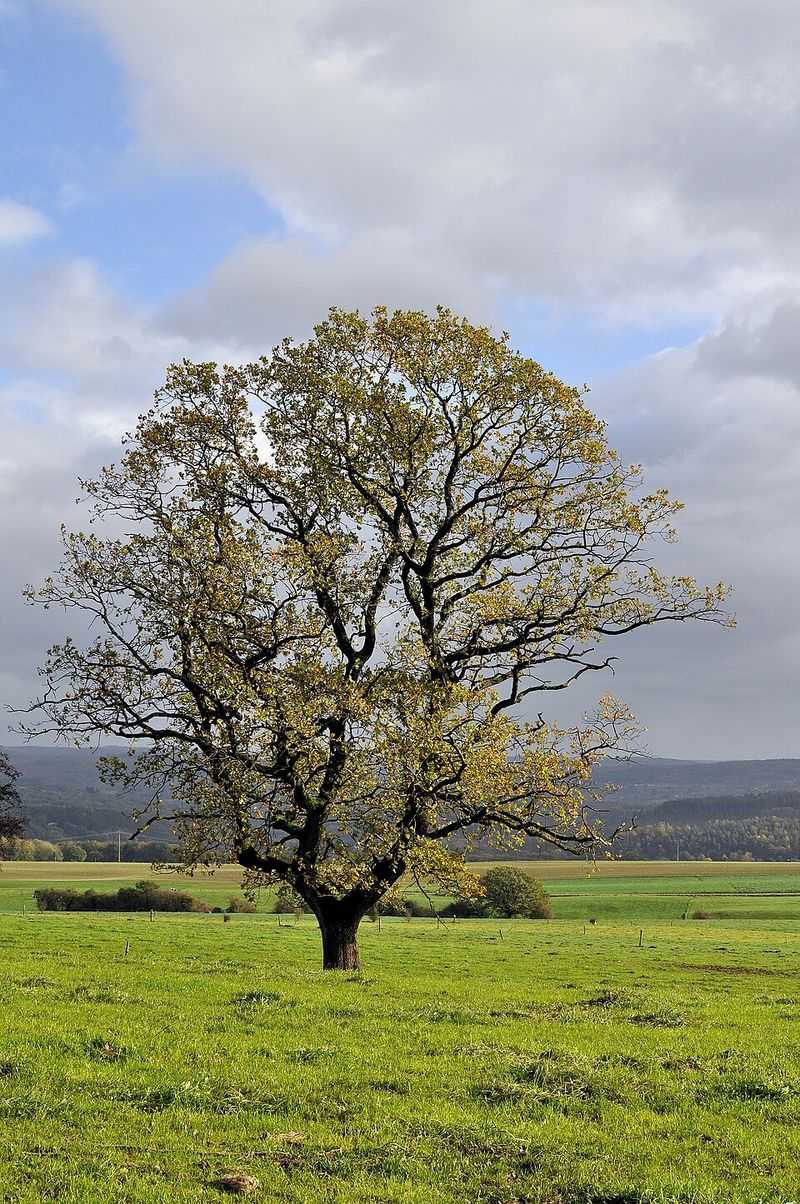
Tiny sap beetles find fresh oak wounds by smell, and they can carry the fungus behind oak wilt. Cold weather slows those beetles way down, which makes late fall a much safer window for cutting oaks.
Extension experts generally suggest pruning oaks during the dormant season and skipping cuts from spring through midsummer. I find it reassuring that one simple calendar choice can protect a tree that might outlive all of us.
Bare branches help too, because you can finally see the real shape of the crown without leaves in the way. Look for broken limbs, branches rubbing against each other, and stubs left behind by summer storms.
Make each cut just outside the branch collar, which is that slightly swollen ring where a limb meets the trunk. Leaving the collar in place helps the tree seal the wound on its own over the next few seasons.
You can skip wound paint in most cases, since research shows it rarely helps and may even trap moisture. Clean, sharp tools do far more good, so wipe your blades with rubbing alcohol between trees if possible.
Big limbs high in the canopy are a job for a certified arborist with proper ropes and safety gear. Ladders and chainsaws make a risky pair, and an oak branch can weigh far more than it looks.
Smaller jobs, like removing low twigs over a walkway, are easy weekend tasks for most homeowners with a pruning saw. Your oak will push out healthy new leaves next spring with fewer weak spots to worry about.
2. Roses
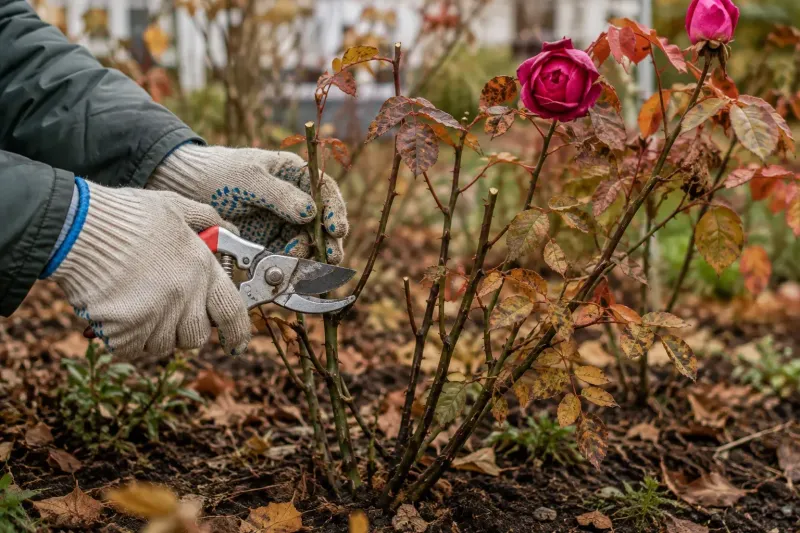
Winter wind can grab a tall rose cane and whip the whole bush back and forth like a flag. That rocking loosens roots in the soil, and you may not notice the damage until spring growth looks weak.
A light trim in late fall solves most of that problem without stealing next year’s flowers. I like to shorten only the extra-long canes, bringing them down to roughly waist height so the plant feels sturdier.
Save the serious pruning for late winter, usually around the time forsythia starts blooming in your neighborhood. Cutting hard now can encourage tender new shoots that a sudden cold snap will quickly turn brown and mushy.
November is also a great moment to remove any canes that look shriveled, cracked, or covered in dark cankers. Those spots can harbor disease, and getting rid of them early gives the plant a cleaner start.
Rake up fallen rose leaves too, especially if black spot showed up on your bushes this past summer. The fungus can survive on old foliage, so tossing those leaves in the trash beats adding them to compost.
Some gardeners mound shredded leaves or mulch around the base of grafted roses for a little extra winter protection. That cozy blanket helps shield the graft union, the knobby spot where the fancy rose joins its rootstock.
You don’t need fancy tools here, just clean bypass pruners and a pair of thick gloves for those thorns. Your roses will thank you later with stronger canes ready to carry a big flush of spring blooms.
3. Smooth Hydrangea
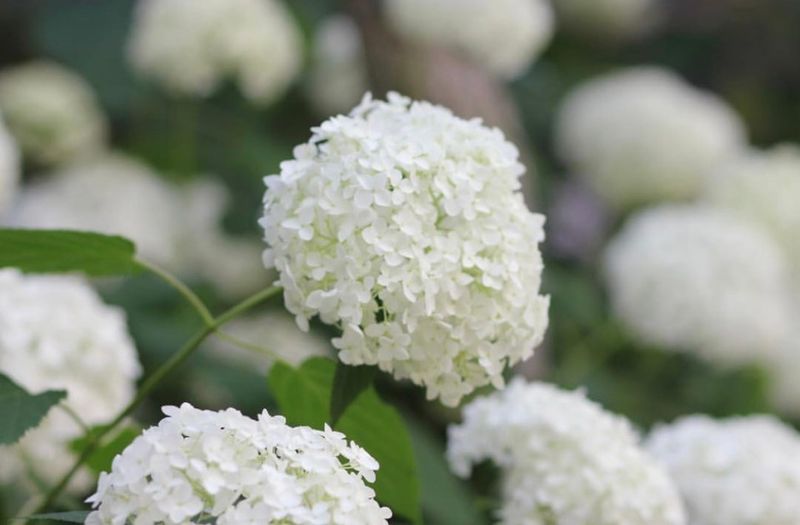
‘Annabelle’ might be the most forgiving shrub in the whole garden, and I mean that as a huge compliment. Smooth hydrangea, Hydrangea arborescens, blooms on new wood, so its flowers form on stems that grow next spring.
That habit means you can cut it back now without losing a single bloom next summer. Even better, this hydrangea is native to much of the eastern United States, including woodland edges across the state.
Many gardeners cut the stems down to about one or two feet tall each year during the dormant season. Harder pruning usually gives you fewer stems but larger flower heads, which can look wonderfully dramatic in a border.
Here’s a catch worth knowing, though, because those giant blooms can flop over after a heavy summer rain. Leaving stems a bit taller, around two feet, often helps the plant build sturdier support for its own flowers.
Some folks prefer leaving the papery brown flower heads standing through winter for texture and a little frosty sparkle. You can still trim them in late winter if you’d rather enjoy that look a few months longer.
While you’re working, pull out any thin, weak stems near the base that look crowded or tangled. Better airflow through the center of the shrub can reduce leaf spot problems once humid summer weather rolls around again.
A layer of compost around the base after pruning gives the roots a gentle boost heading into spring. I can see why so many gardeners love this easygoing shrub, since it rarely complains about your timing.
4. Panicle Hydrangea
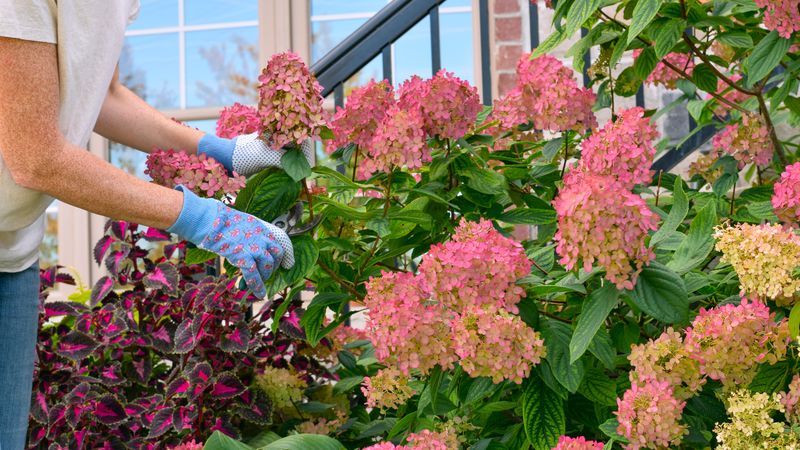
Those cone-shaped blooms that blush from lime green to rosy pink by autumn belong to the hardworking panicle hydrangea. Known as Hydrangea paniculata, it also flowers on new wood, so dormant pruning won’t cost you next summer’s show.
Popular types like ‘Limelight’ and ‘Quick Fire’ handle full sun better than most hydrangeas, which explains their huge popularity. They also tolerate the hot, humid summers that sometimes leave other shrubs looking tired by August.
For a fuller shrub, cut each stem back by about one third, aiming just above a healthy pair of buds. That approach keeps the plant tidy while preserving enough woody framework to hold big flower heads upright.
Pruning harder produces fewer but larger blooms, though stems may bend under the weight during a stormy summer. Lighter pruning gives you more flowers that are a bit smaller, and honestly both looks are charming in their own way.
Panicle hydrangeas can also be trained into small single-trunk trees, which is a fun project for patient gardeners. Remove the side shoots along the lower trunk each dormant season, keeping a rounded head of branches up top.
Many gardeners in the region wait until late winter for major cuts, and that timing works perfectly well too. A November trim is great for removing crossing branches and tidying stems that block a path or window.
Toss the clippings into a vase if you like, since the dried flower heads hold their color indoors for weeks. I never get tired of seeing those blush-pink cones brightening up a gray kitchen table.
5. Peonies
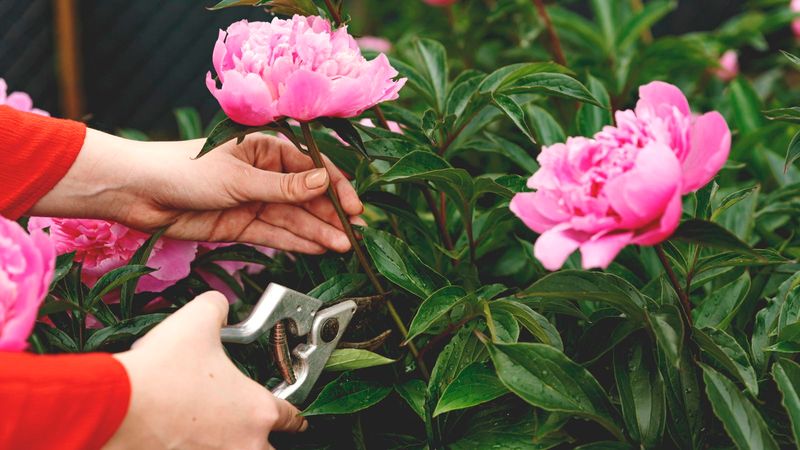
Grandma’s peonies can live for decades in the same spot, sometimes outlasting the house they were planted beside. Keeping them healthy that long often comes down to one simple chore once the foliage turns brown in autumn.
Herbaceous peonies should be cut back to the ground after frost has knocked the leaves down for the season. Botrytis blight, a fungus that causes blackened buds and stems, can survive the winter on old peony foliage.
Removing those leaves and bagging them up cuts down on the spores waiting to pounce next spring. I’d skip the compost pile for these clippings, because home piles rarely heat up enough to handle fungal problems.
Leave about an inch or two of stem above the soil so you can still find the crowns. Those pink or red buds, called eyes, are already sitting just below the surface, waiting for warmer days.
Be careful not to pile thick mulch over the crowns, since peonies planted too deep often refuse to bloom. A light layer of shredded leaves is fine during the first winter after planting, though established clumps rarely need any.
Tree peonies are a different story, since they keep woody stems above ground through winter and need gentler treatment. Only trim away broken or clearly damaged wood on those, leaving the rest to produce next year’s huge blooms.
By late spring, you’ll be rewarded with fat, fragrant flowers that pull in admiring comments from every passing neighbor. You might be surprised how much cleaner the foliage looks after just one season of tidy fall cleanup.
6. Garden Phlox
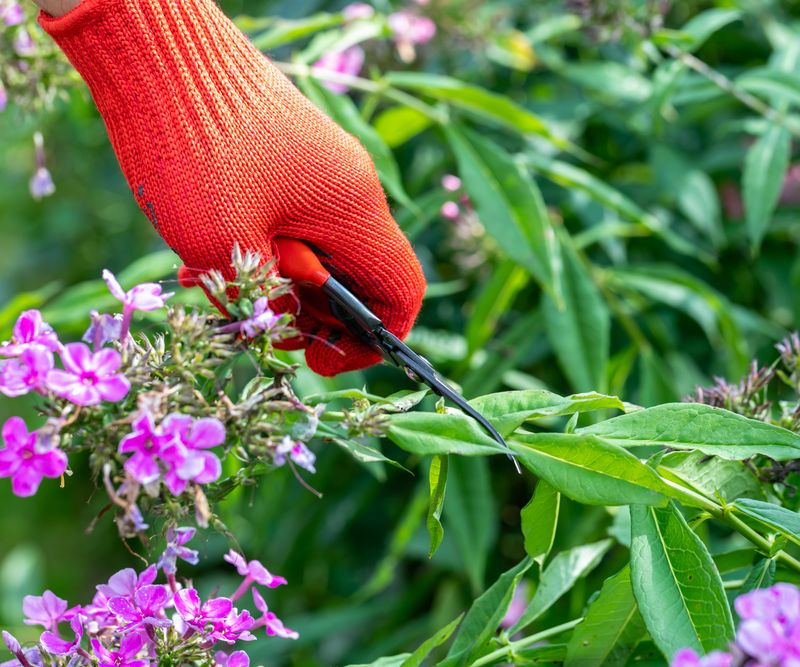
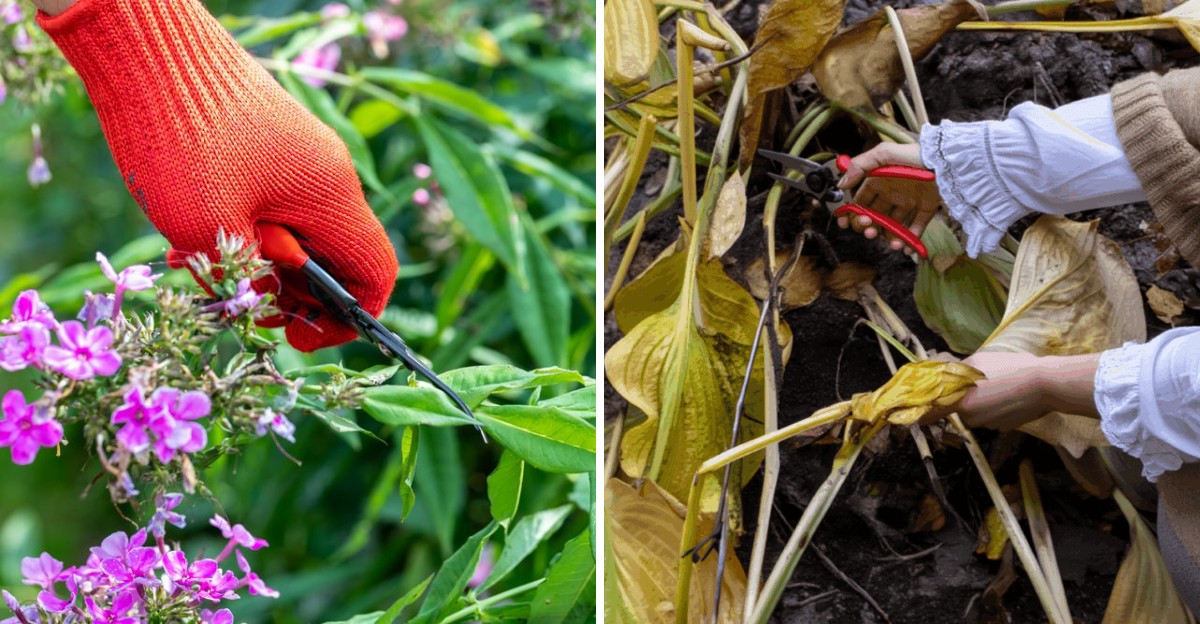
Garden phlox fills summer evenings with a sweet, spicy scent that butterflies and hummingbird moths seem to adore. Its downside shows up in late summer, when grayish powdery mildew dusts the leaves like spilled flour.
Phlox paniculata is native to the eastern United States, and it grows happily throughout much of the state. That mildew fungus can hang around on old stems and leaves, ready to return once humid weather arrives again.
Cutting the stalks down to a few inches tall in late fall removes much of that leftover trouble. Bag the clippings rather than composting them, especially if the mildew looked heavy on your plants this year.
While you’re kneeling there, notice how crowded the clump has become over the past few summers. Phlox appreciates breathing room, and thinning out older clumps every few years improves airflow and cuts mildew pressure noticeably.
Next spring, you can also pinch out a few of the weakest new shoots when they’re several inches tall. Fewer stems per plant means better air movement, and the remaining stems usually grow sturdier with larger flower clusters.
Shopping for new plants? Look for mildew-resistant varieties like ‘David’, a fragrant white selection praised by many extension gardeners.
It handles muggy summers far better than many older types, saving you a lot of frustration.
Morning watering at the soil line, rather than sprinkling the leaves at night, helps keep foliage drier too. I’m always surprised how much happier phlox looks after a thorough fall cleanup and a little extra elbow room.
7. Asparagus
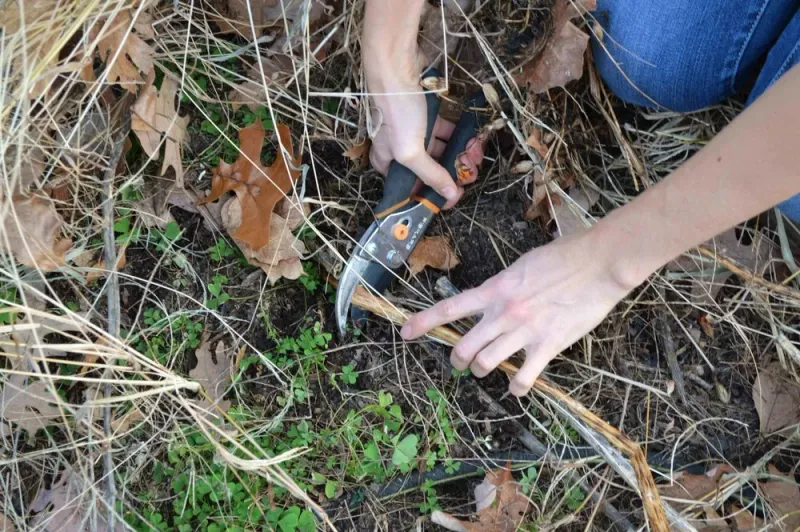
A well-kept asparagus bed can keep producing tender spears for fifteen years or more, which makes it a garden heirloom. Those feathery summer ferns turn a lovely golden yellow in fall, and that color change is your cue.
Once frost browns the ferns, cut them down to about ground level and haul them away from the bed. Asparagus beetles can spend winter in old stems and garden debris, so removing them reduces pests next spring.
Some gardeners leave the ferns standing until late winter to catch snow and protect the crowns below. Both methods work, though I prefer the fall cleanup when beetles caused problems in my bed this past season.
Watch for little red berries on female plants, since those seeds can sprout into crowded seedlings. Removing berry-covered ferns before they drop keeps your bed from filling up with weak volunteer plants competing for space.
After cutting, spread a few inches of compost or shredded leaves over the bed to feed the soil. That layer also helps smother cool-season weeds that love sneaking into asparagus rows while nobody is paying attention.
Patience matters with new plantings, since you should harvest lightly or skip harvest during the first couple of years. Strong roots now mean thicker spears later, and that payoff feels pretty sweet when spring finally arrives.
You don’t have to look far to find gardeners who swear homegrown spears taste far better than store-bought. Snapping the first fresh spear next April might just convince you they’re right about that sweet, grassy flavor.
8. Blackberries
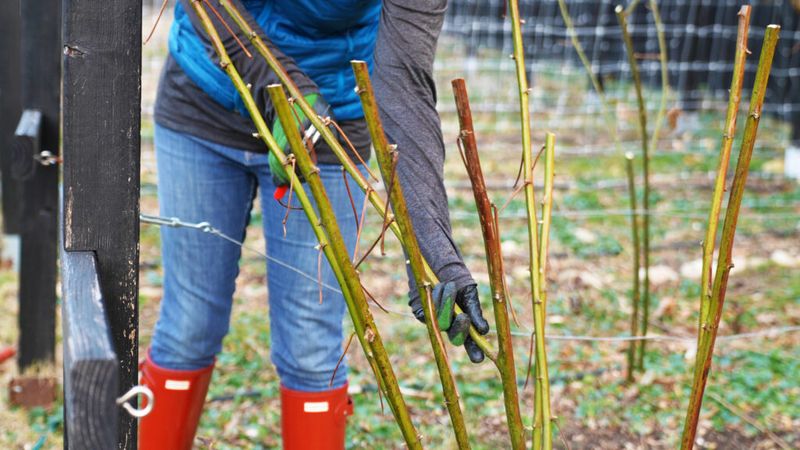
Every summer-bearing blackberry cane lives for exactly two seasons, growing leaves the first year and fruit the second. After it finishes fruiting, that old cane is basically retired and won’t produce berries ever again.
Removing those spent canes, called floricanes, opens up space for the fresh green ones that will bear next summer. You can spot old canes easily because they look grayish brown and woody, often with dried fruit stems hanging on.
Cut them right at ground level with sturdy loppers and a good pair of leather gloves, especially on thorny types. Many experts recommend doing this soon after harvest, so if you missed that window, November works just fine.
Old canes can harbor diseases like anthracnose and cane blight, so clearing them out improves the planting’s overall health. I’d toss the cuttings in a yard waste bin rather than leaving them piled beside the patch.
Leave the healthy first-year canes, called primocanes, standing for now, since they carry next year’s fruit buds. Their main shaping and thinning is usually done in late winter, once the worst cold weather has passed.
Primocane-fruiting varieties, such as the ‘Prime-Ark’ series, behave differently because they fruit on first-year growth too. Some gardeners mow those down completely after fruiting for a single fall crop, so check your variety’s tag first.
Thornless types like ‘Navaho’ and ‘Triple Crown’ grow well across much of the region and make this chore easier. Fewer scratches now, and bigger bowls of berries for summer cobbler later, sounds like a pretty fair trade.
9. Hostas
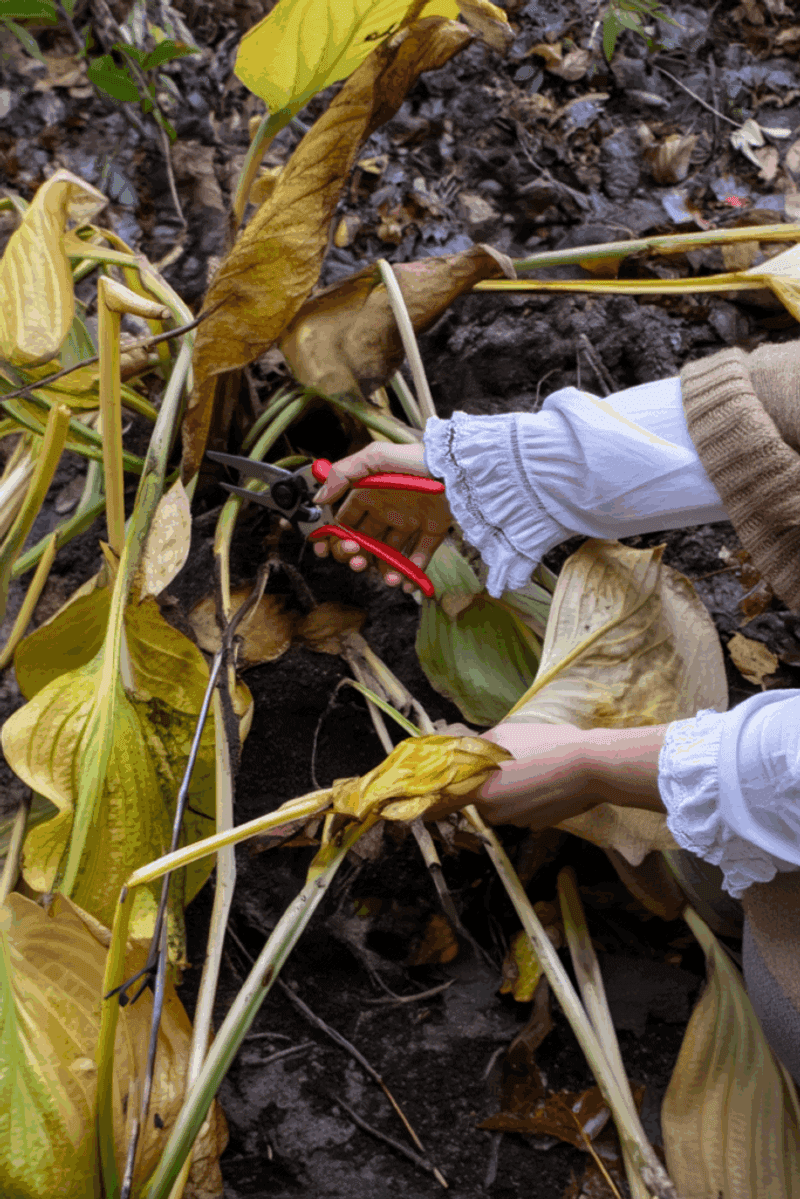
Slugs adore hosta leaves, and those slimy freeloaders often lay their eggs in the mushy foliage left behind. That alone makes a November hosta cleanup one of my favorite low-effort chores in the shade garden.
After the first hard frost, hosta leaves collapse into a soggy pile that looks pretty sad around the crown. Cut the leaves and stalks down close to the ground, then gather everything up and remove it from the bed.
Getting rid of that debris also helps reduce fungal problems, including anthracnose, which leaves ragged spots on summer leaves. Cleaner beds in winter usually mean fewer holes and blemishes on fresh foliage when spring finally rolls around.
Watch out for hosta virus X, a disease that causes mottled or streaky leaves on infected plants. Clean your pruners between plants, since the virus can spread through sap on tools during routine trimming.
Hostas are famous for being tough, handling heavy shade where many flowering plants simply sulk and stretch. They grow best in moist, rich soil, so a layer of compost after cleanup gives them a welcome boost.
Deer find hostas delicious, which is something many suburban gardeners learn the hard way each summer. Planting near the house or using a repellent spray in spring can help protect those tender shoots as they unfurl.
Your shade beds will look neat and tidy all winter after this easy job, with no slimy leaves underfoot. Come April, fresh hosta spears will push up through clean soil, ready for another lush season.